


Materials & grades
Coatings in elastomer processing
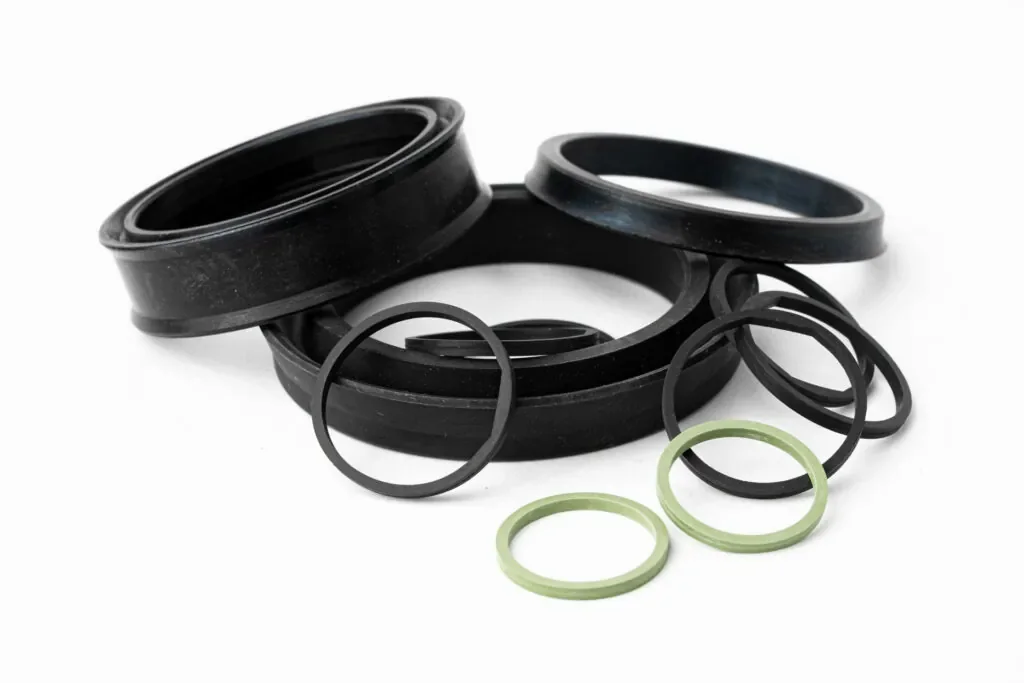
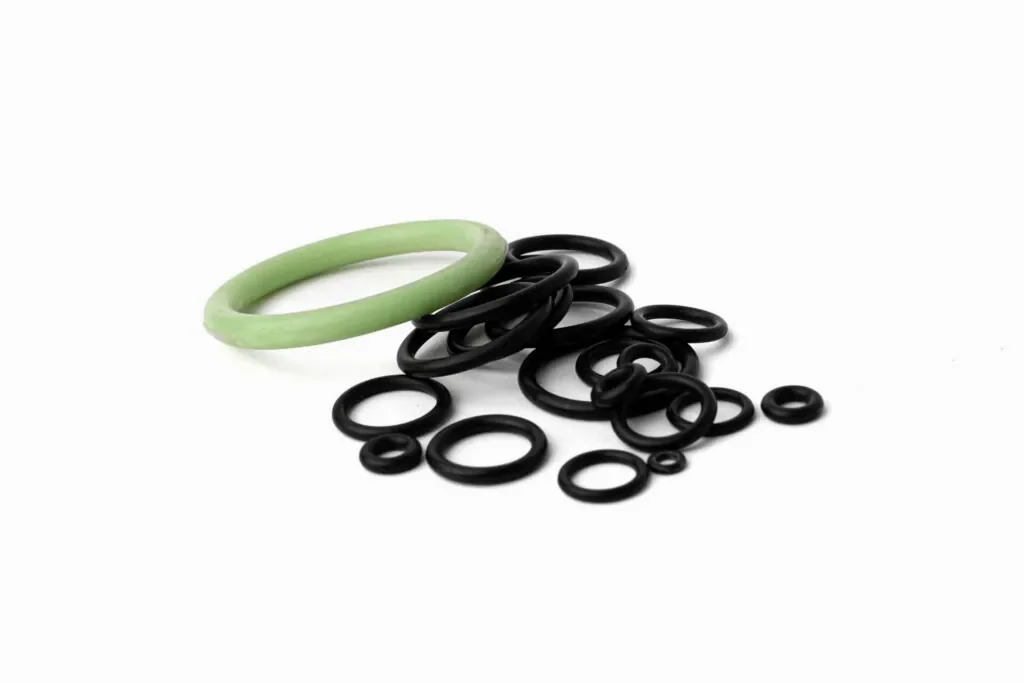
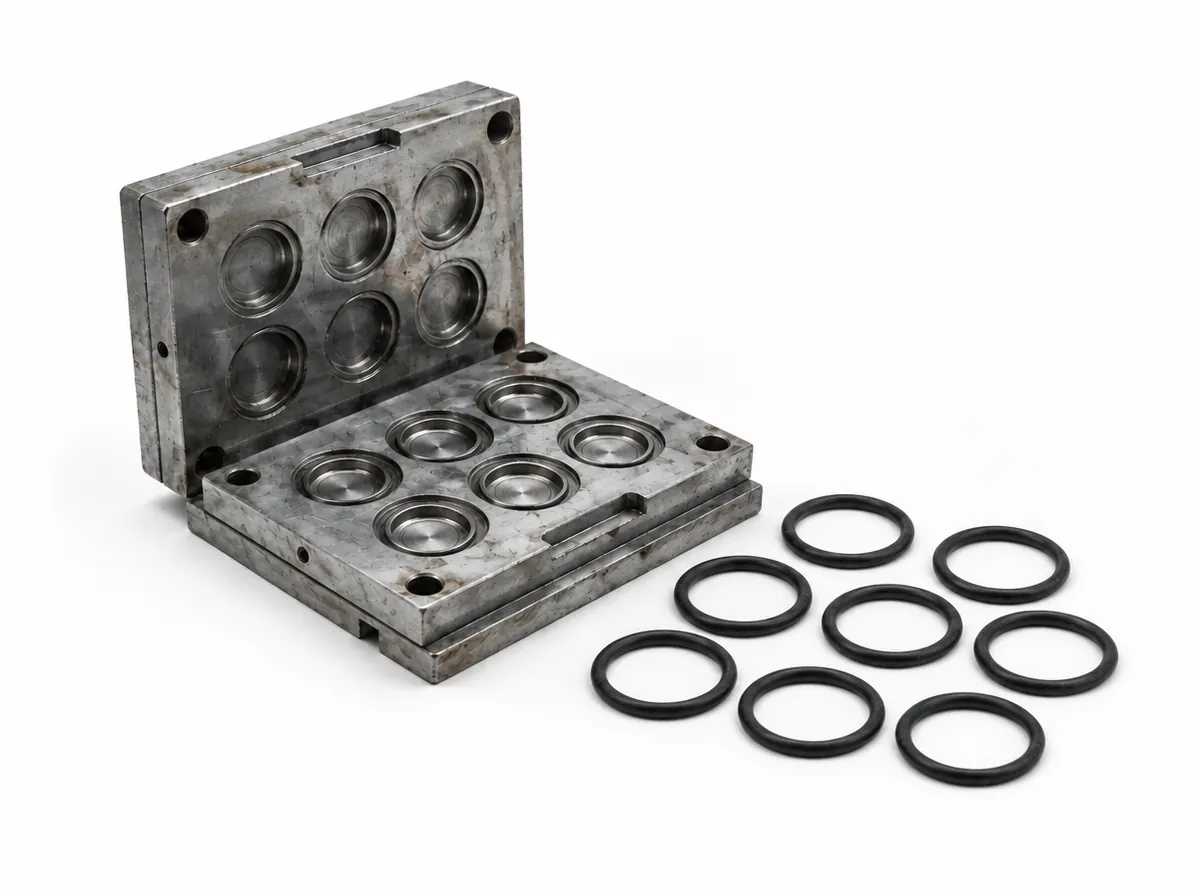
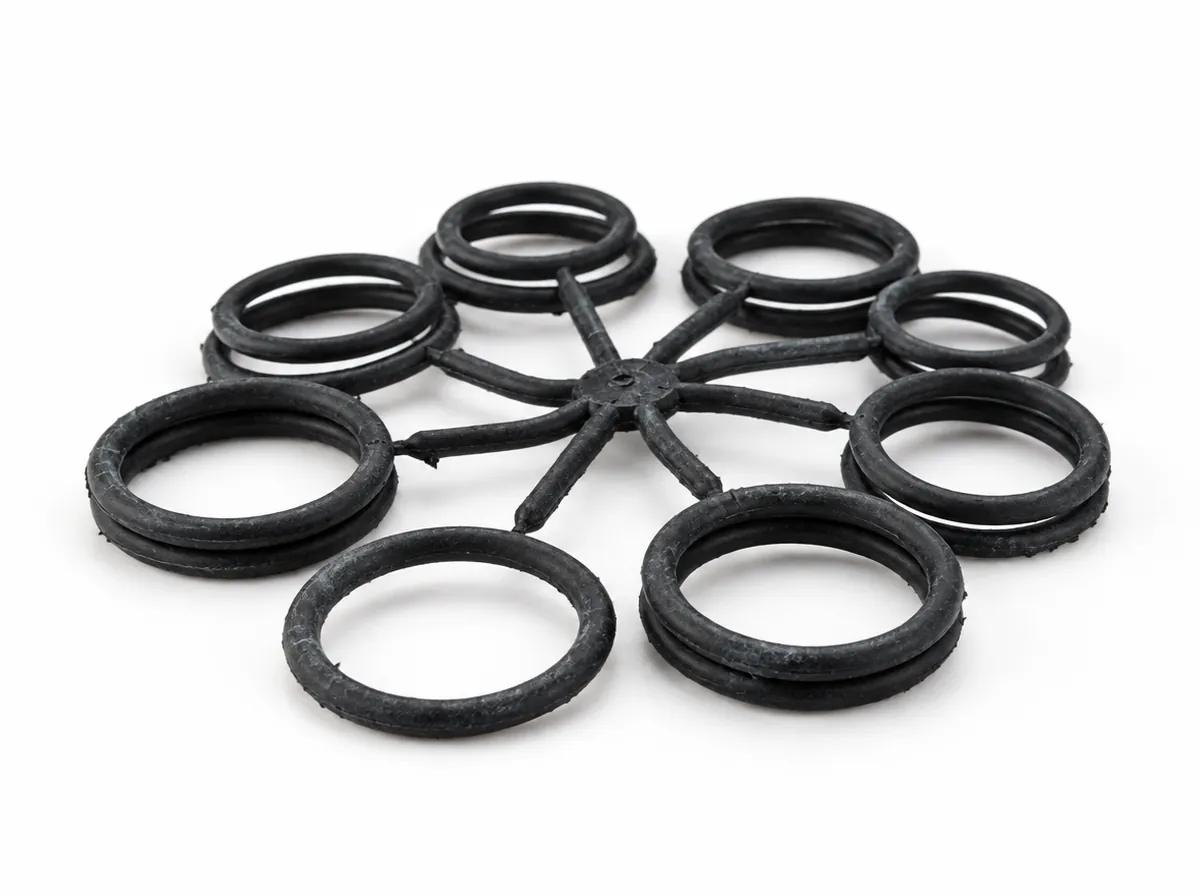
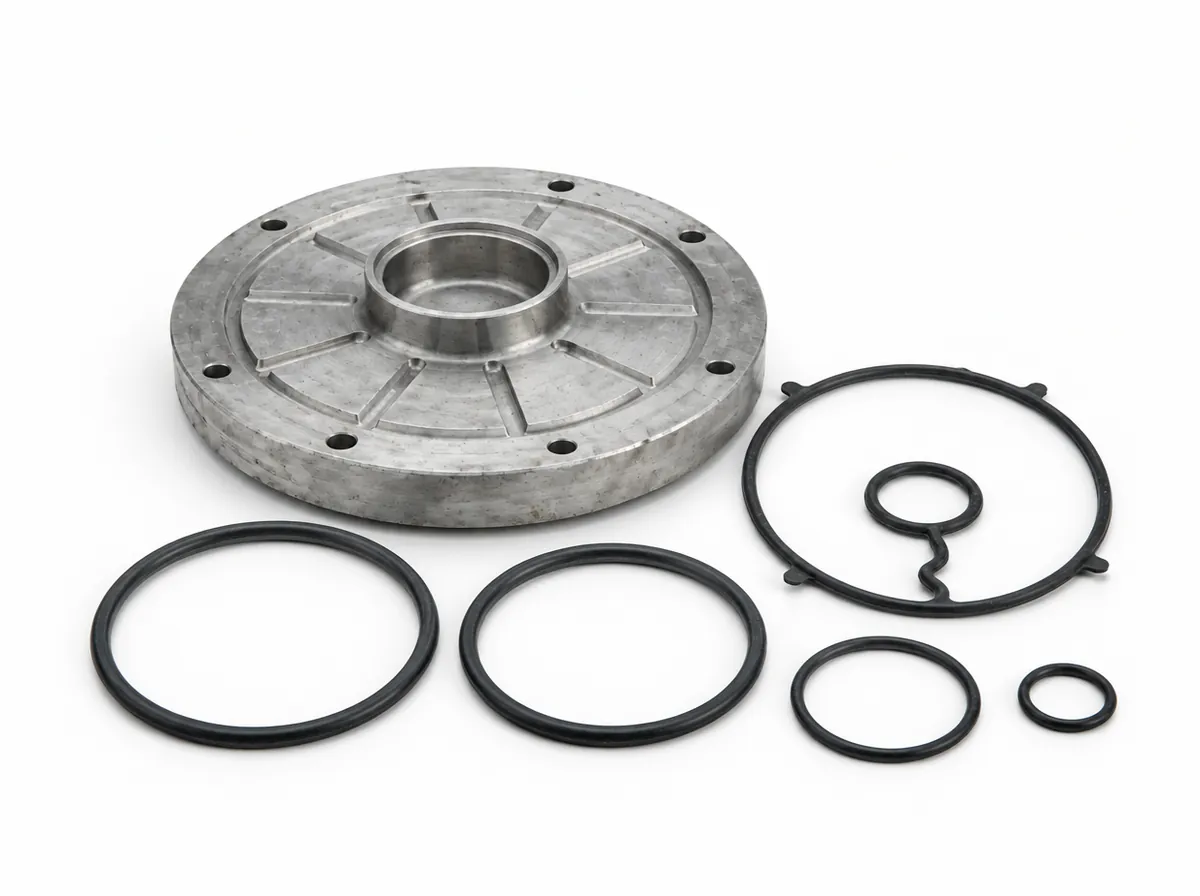
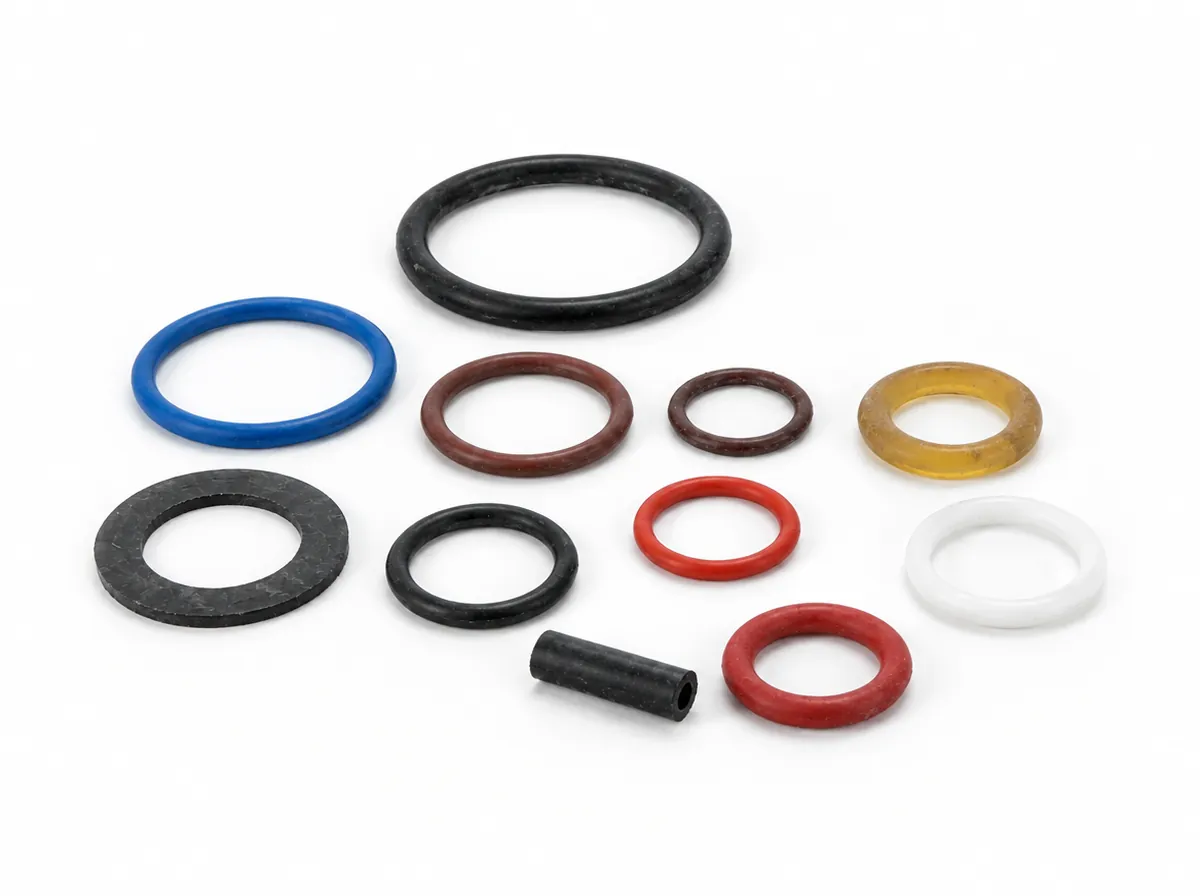
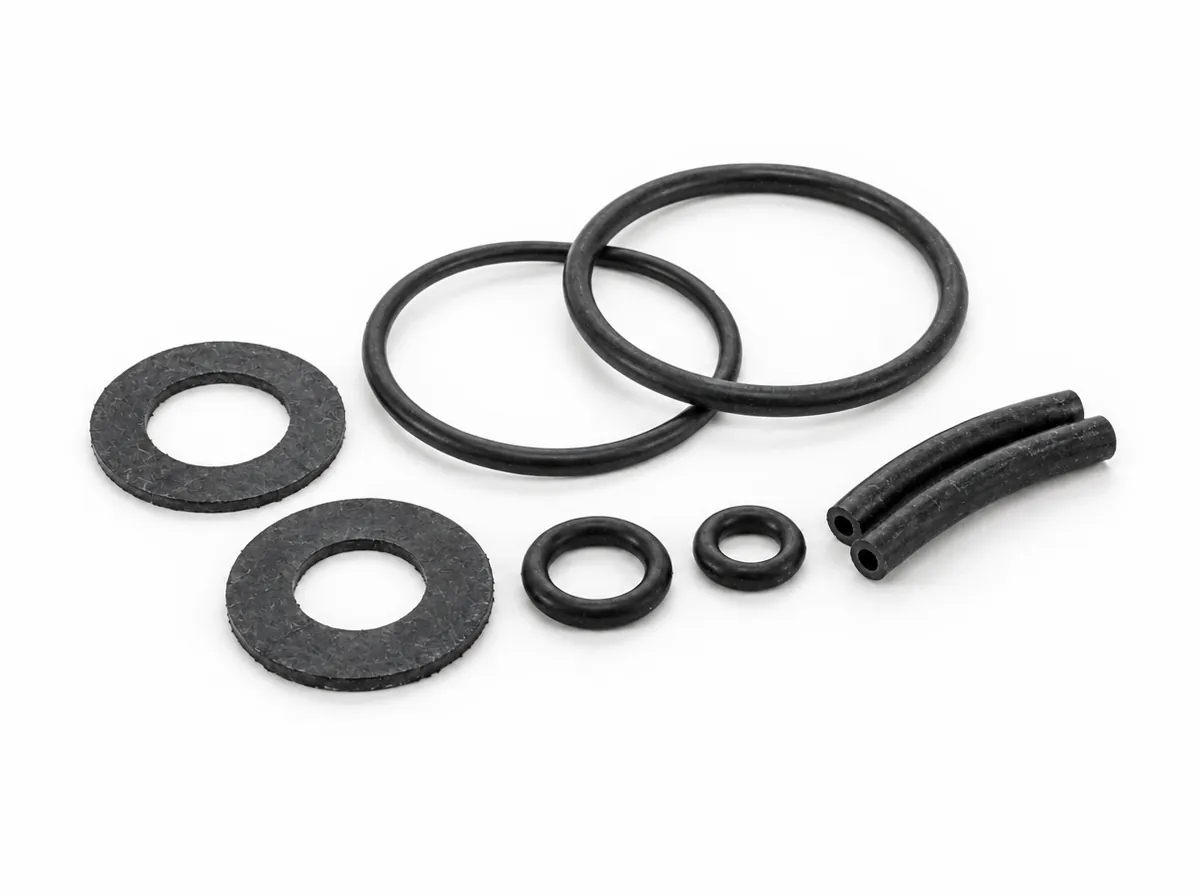
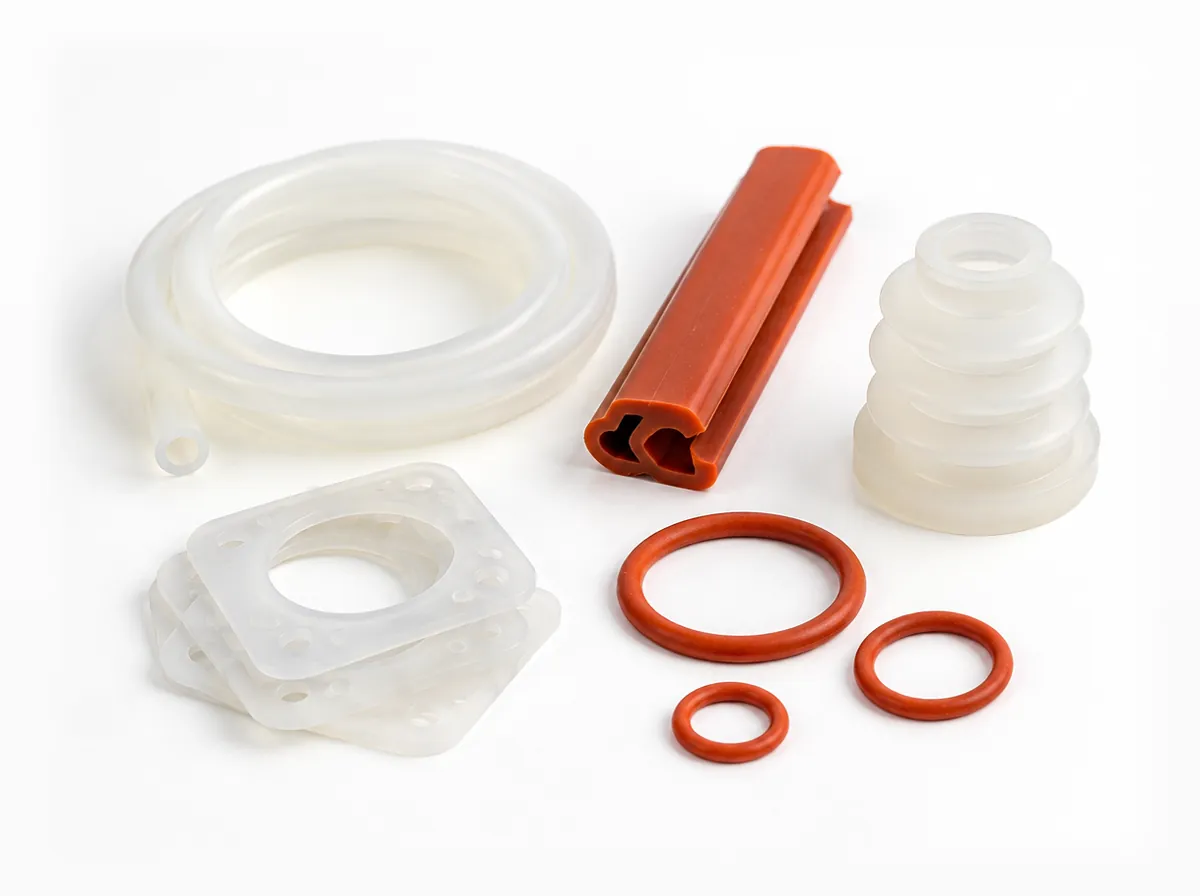
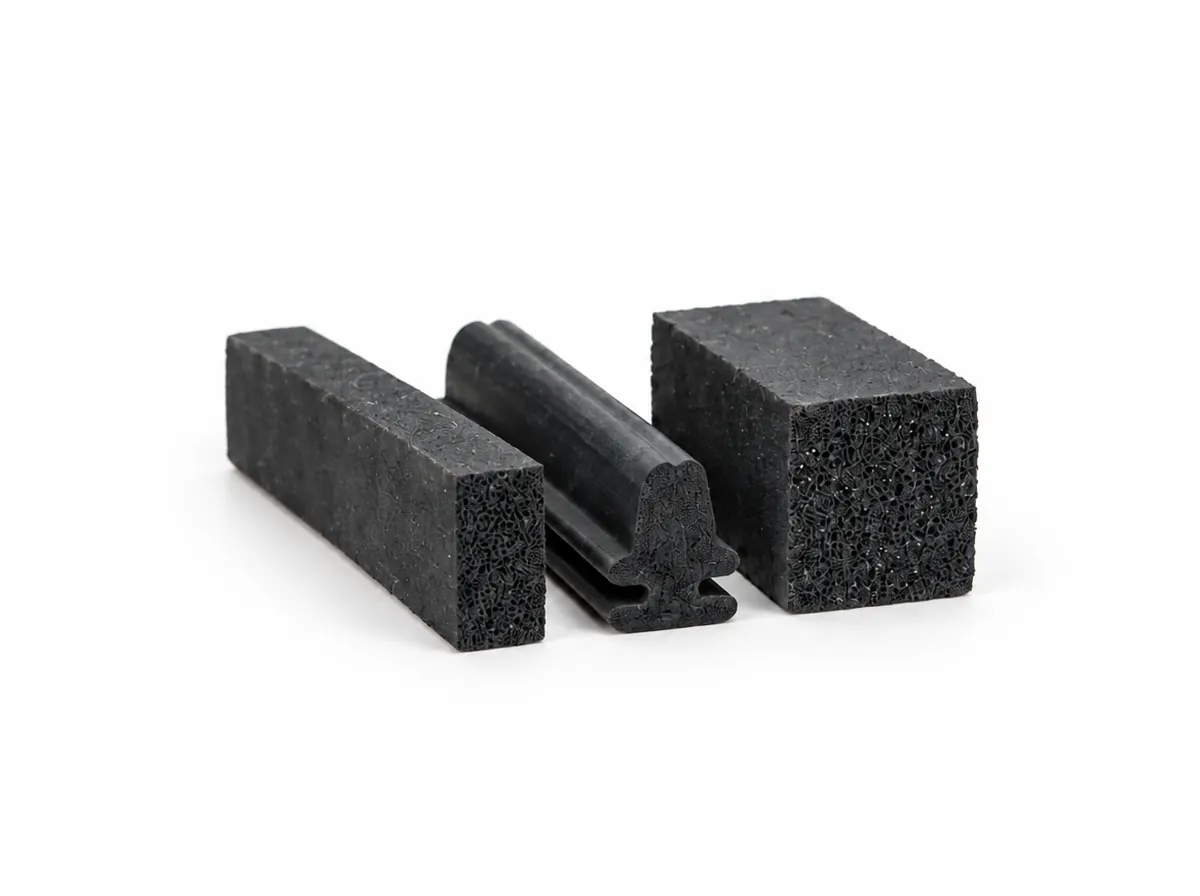
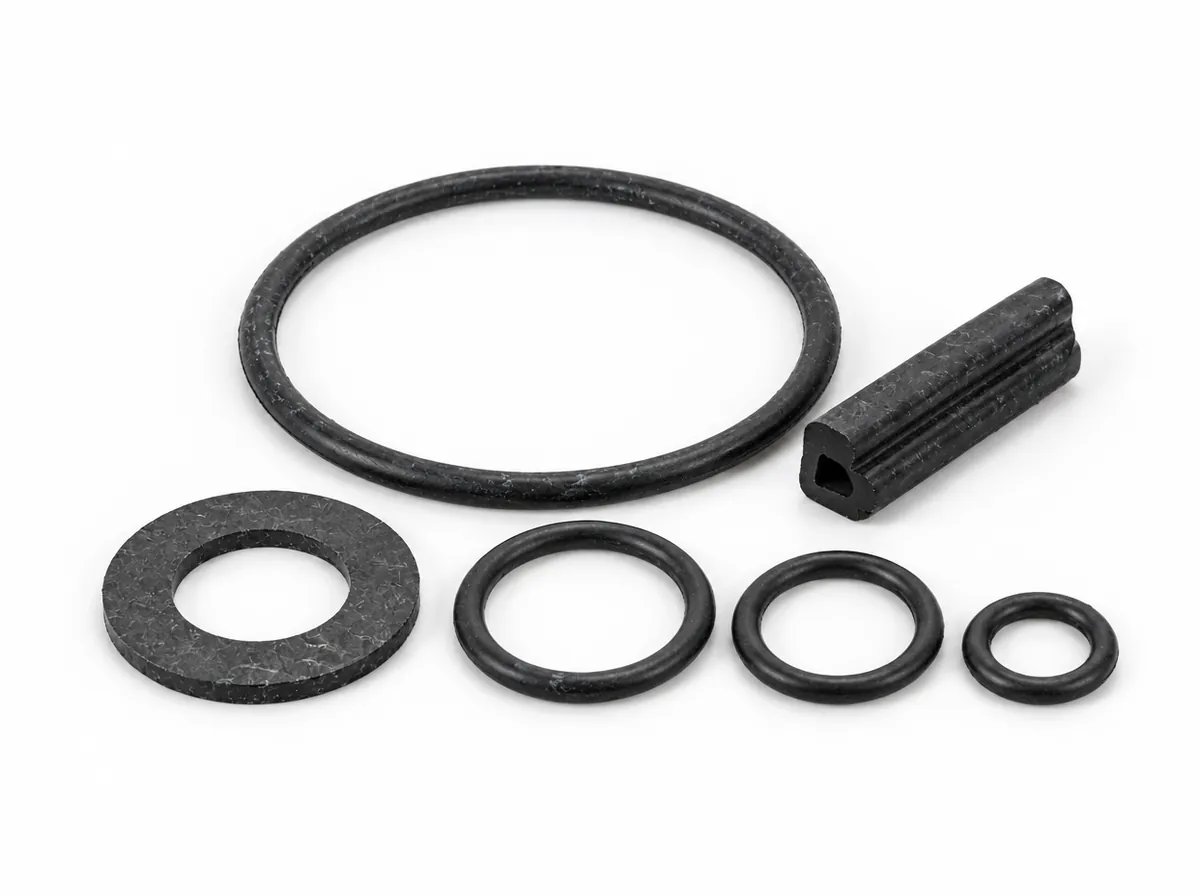
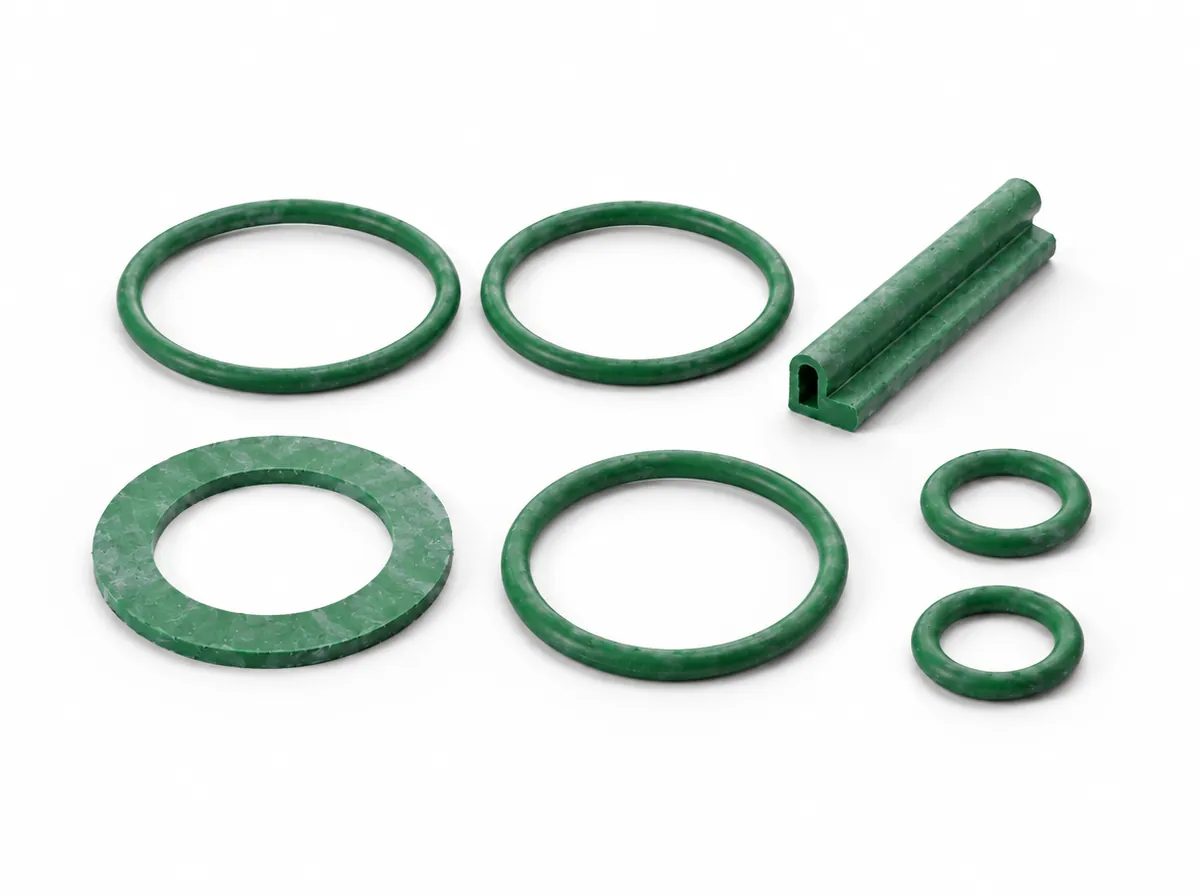
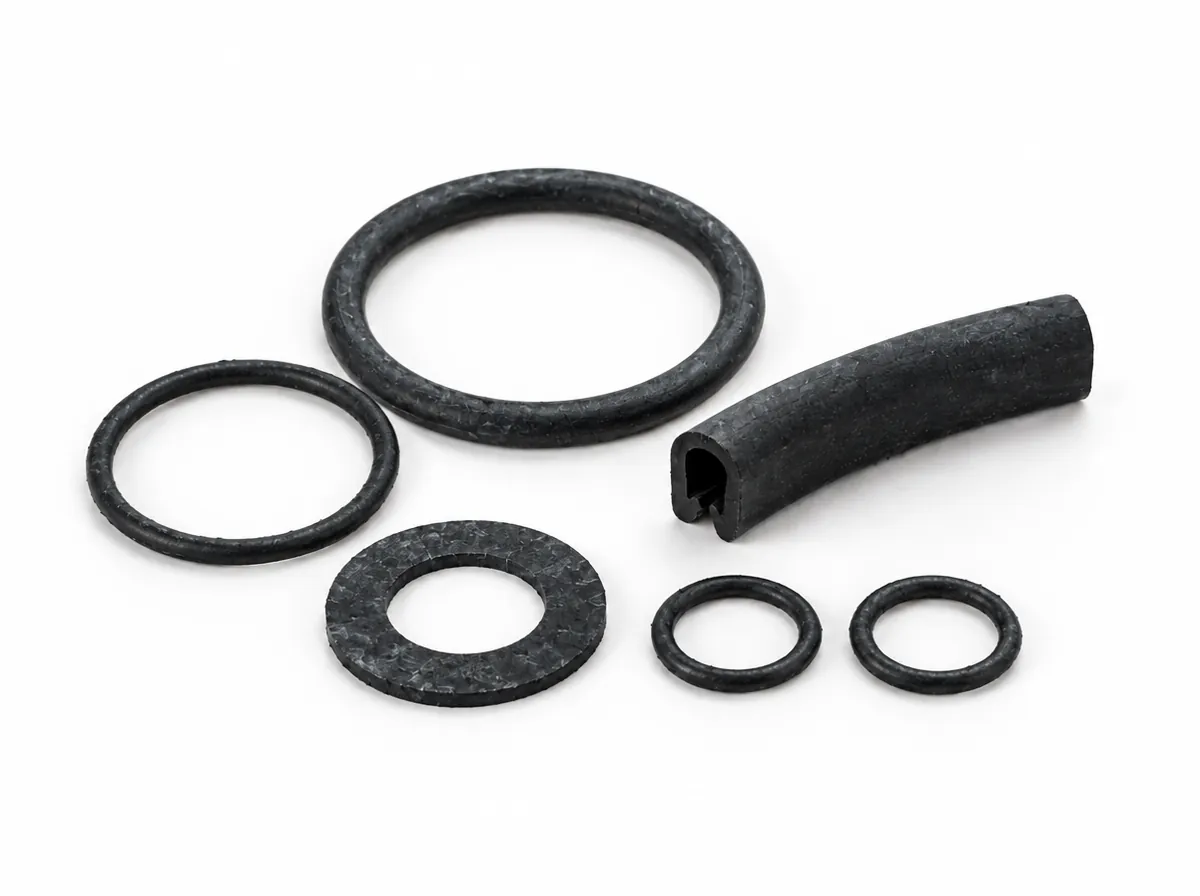
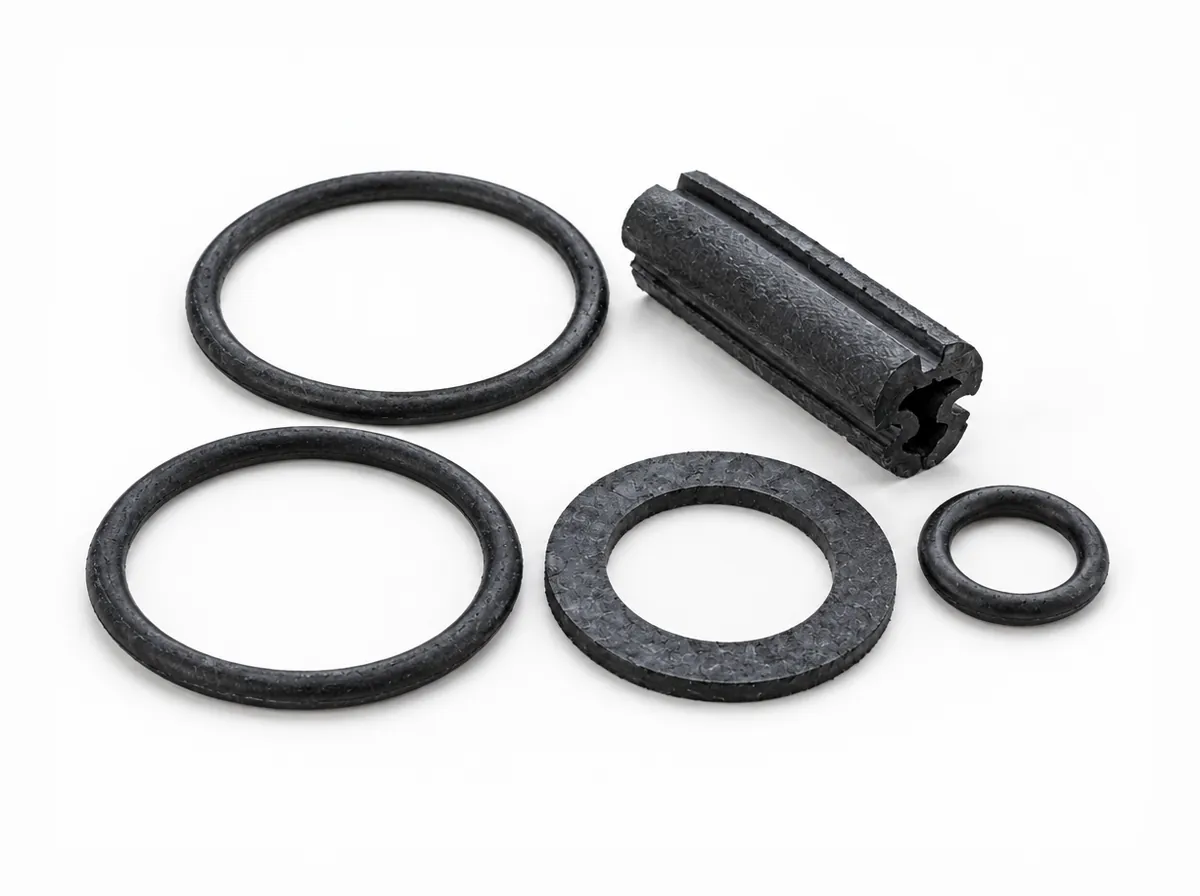
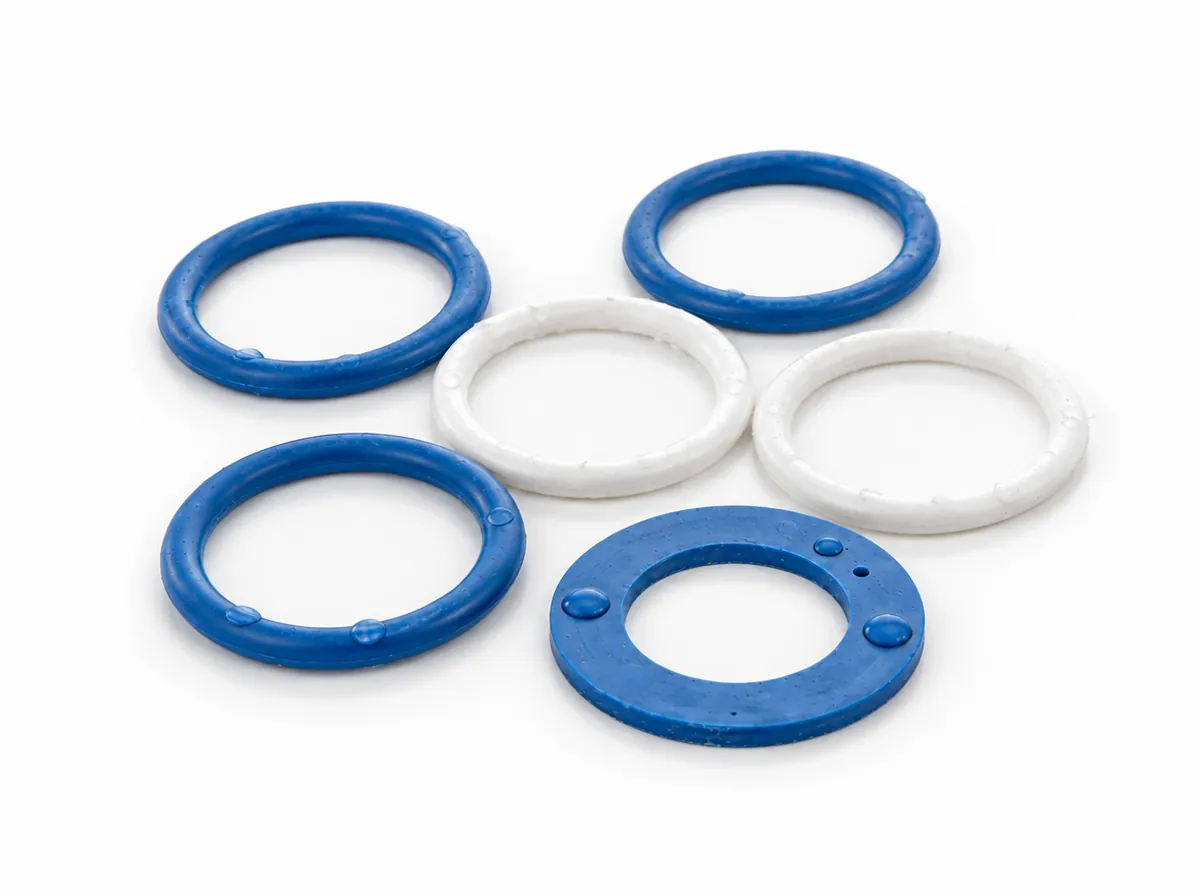
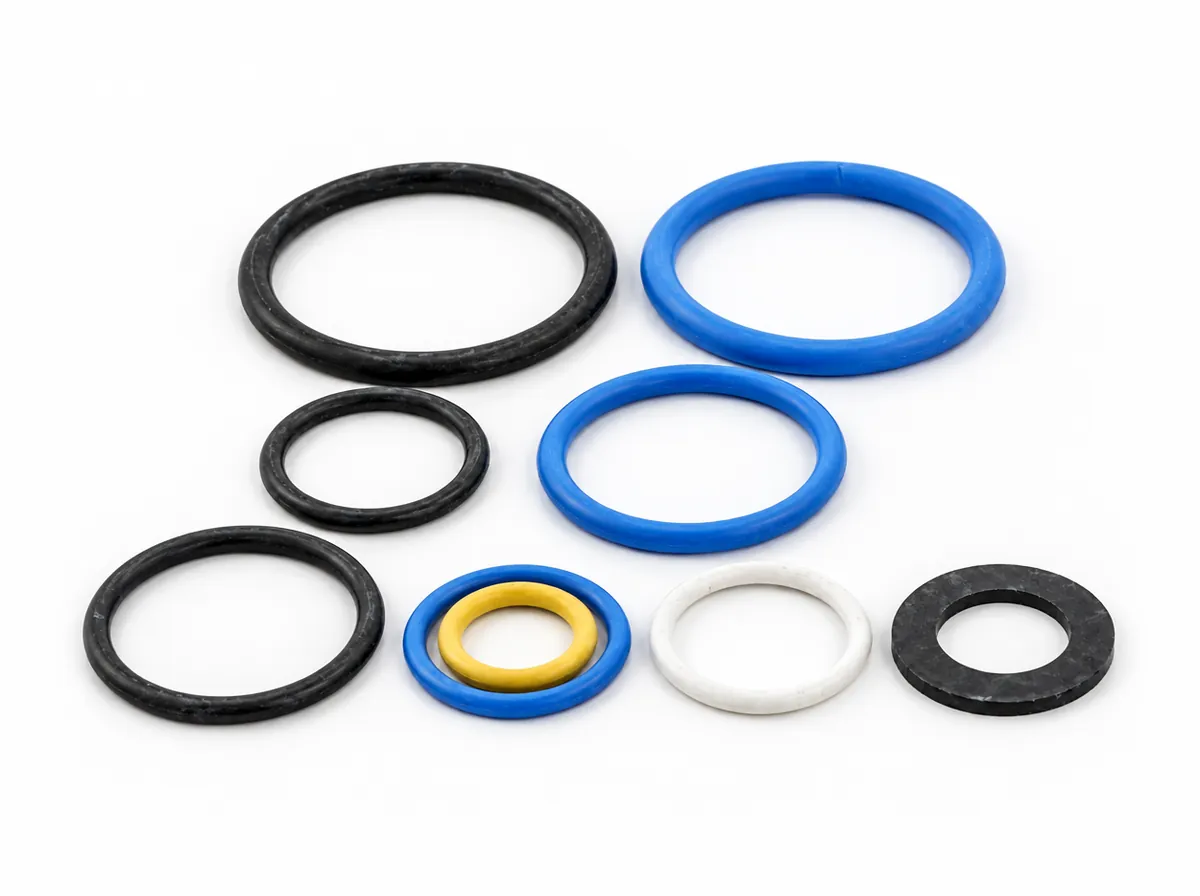
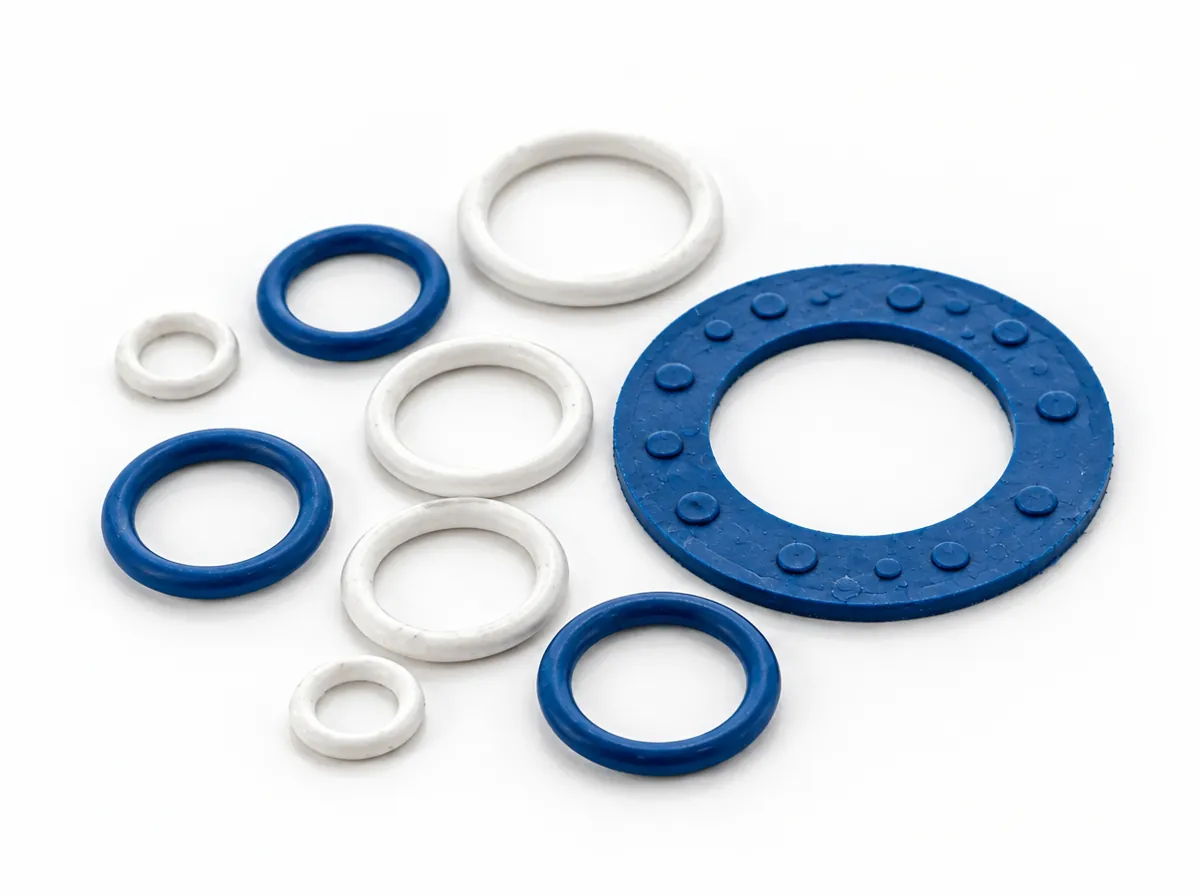
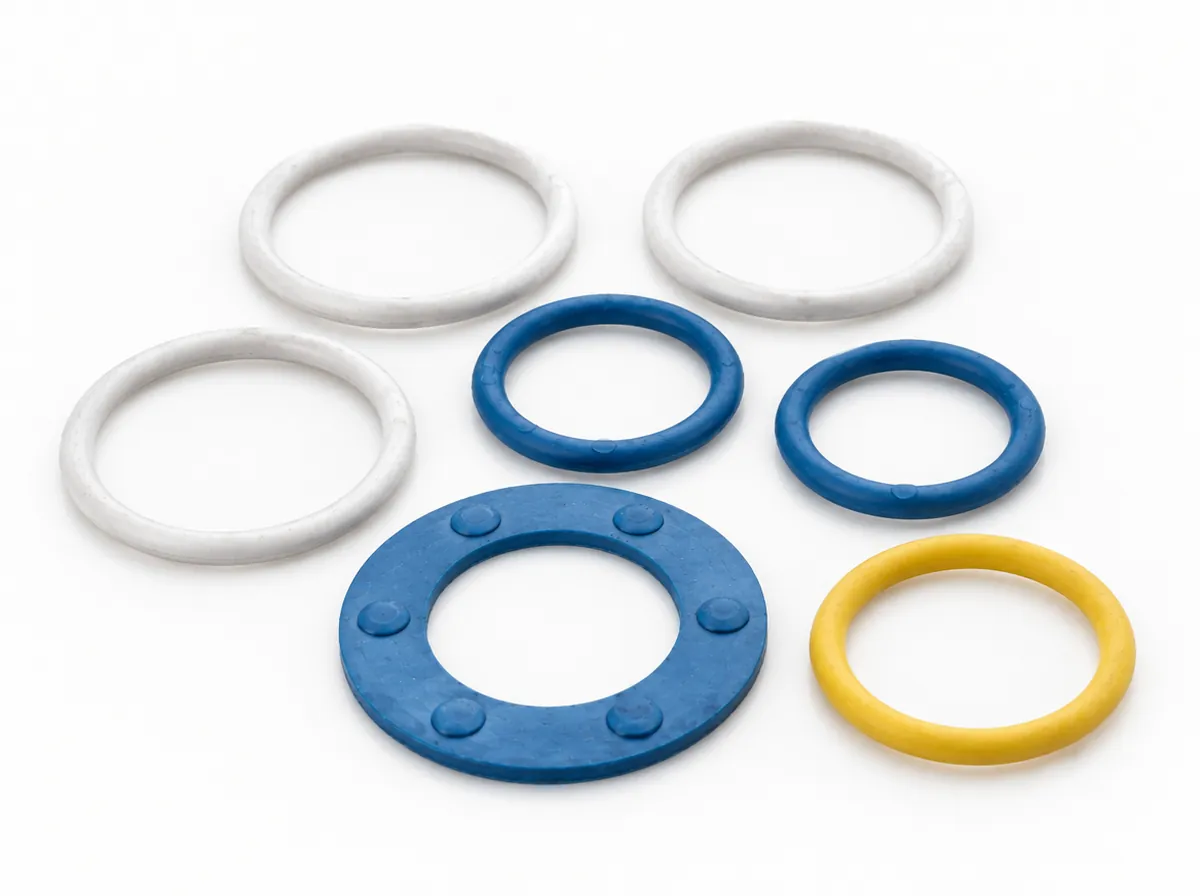
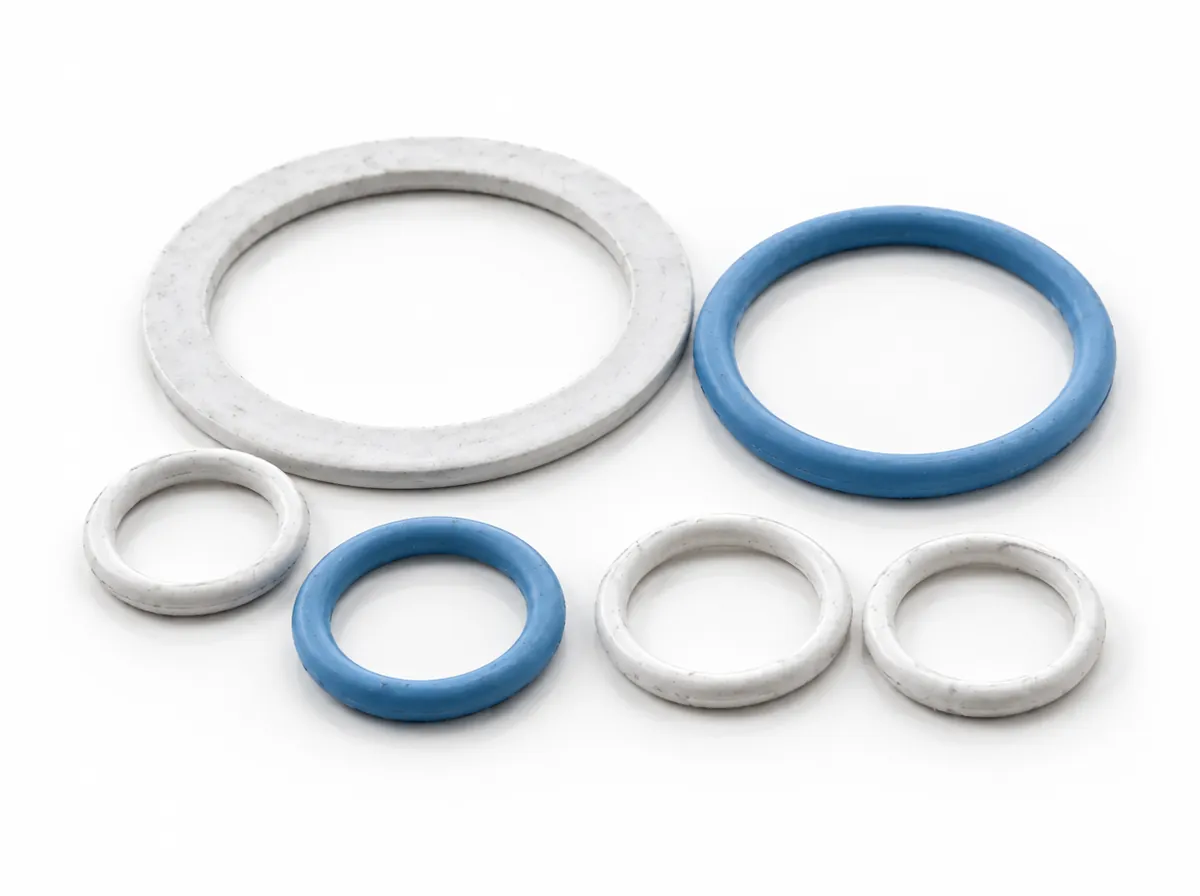
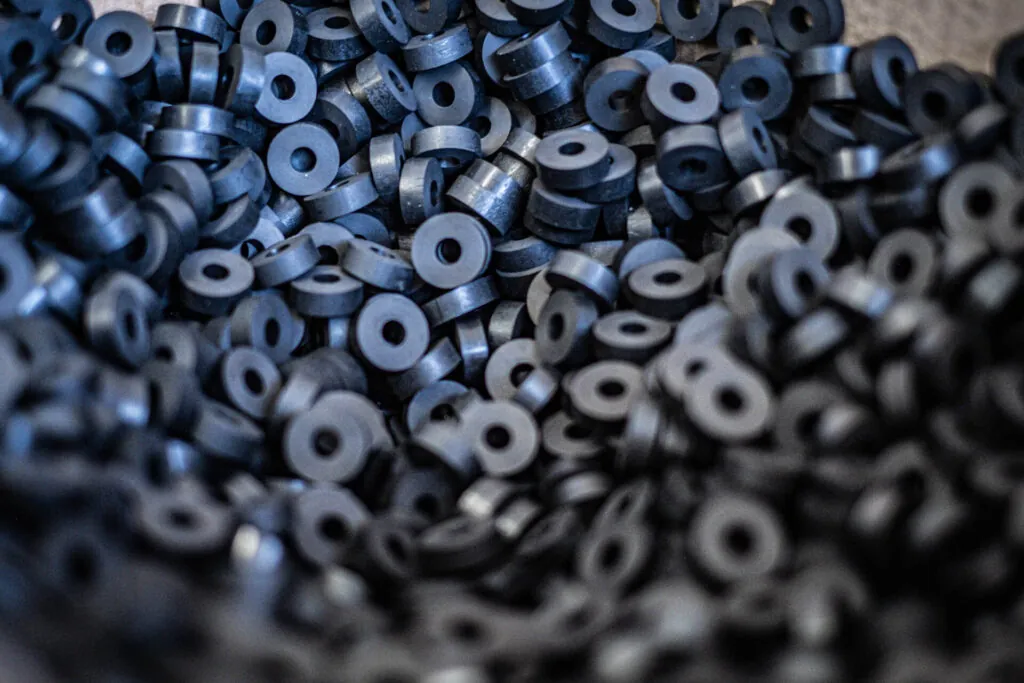
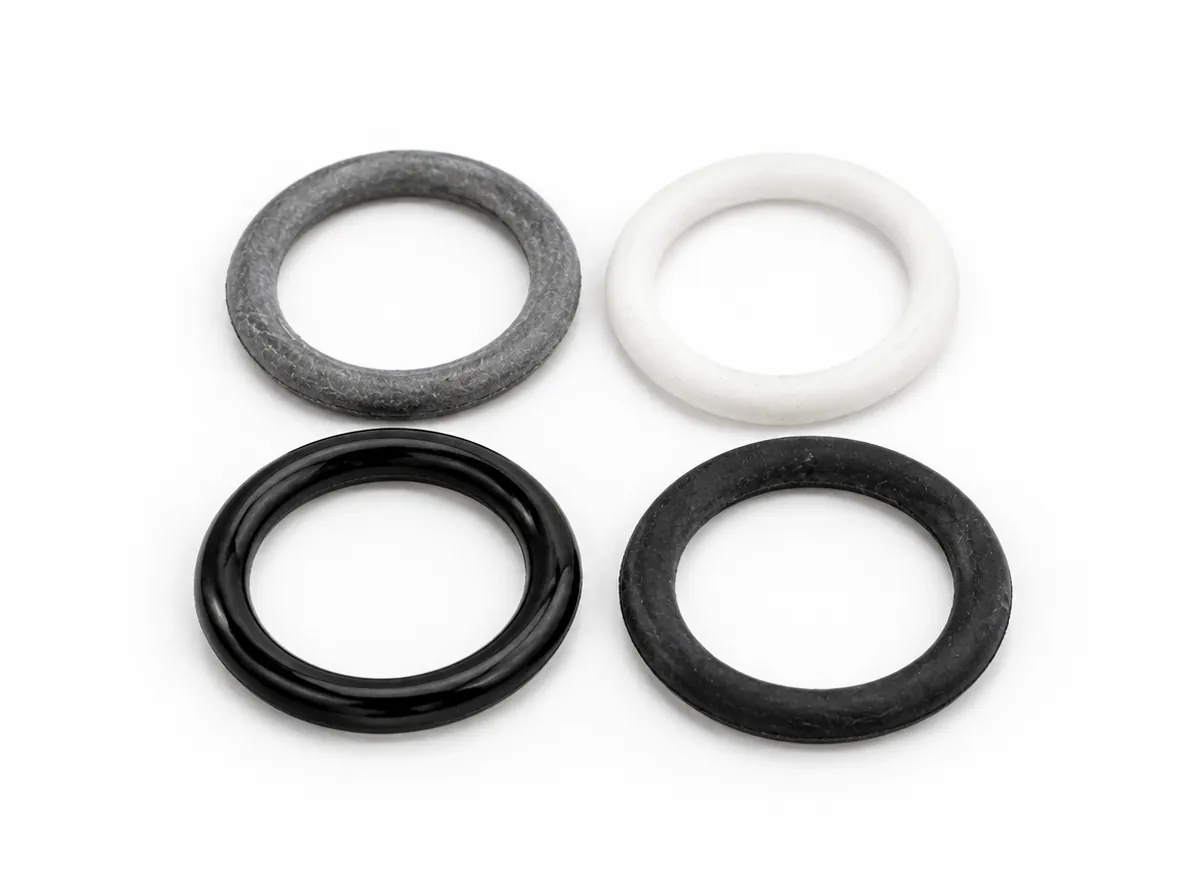
Coatings on O-rings, moulded articles and sealing rings are used to finish the surfaces and bring numerous advantages, such as a considerable improvement in manual and automatic assembly.
Purpose
Surface finishing
Assembly
manual & automatic
Options
PTFE · moly · silicone
Versions
FDA · DVGW · LABS-free
Coating
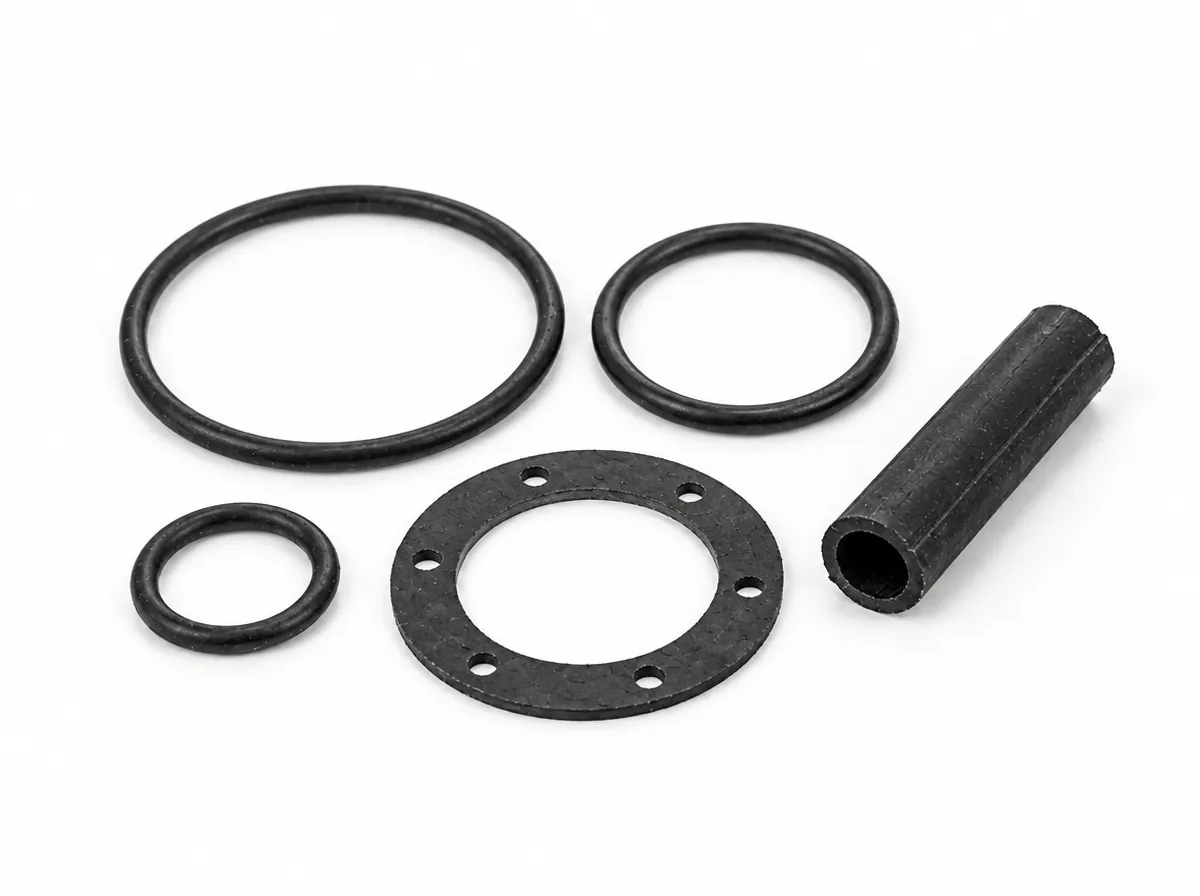
Moly coating
also known as graphite coating
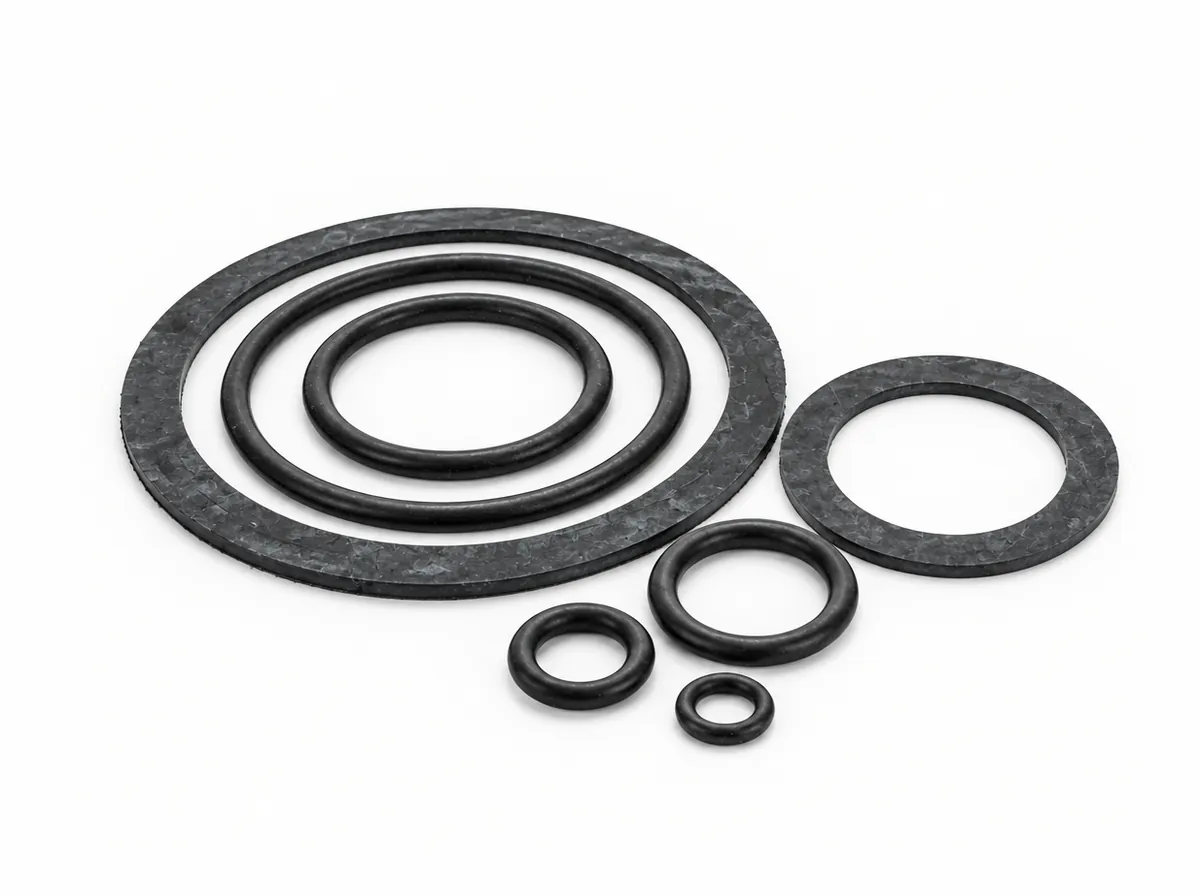
Moly coating, also known as graphite coating, is probably the best known and most economical type of coating for O-rings. It consists of a very fine MoS2 powder that is applied to the O-rings in a barrel process. This gives the surface a silvery sheen.
The O-rings no longer stick together and can therefore be separated much more efficiently and fed to automatic assembly.
Moly coating rubs off very quickly and leaves a dark film on surfaces.
Coating
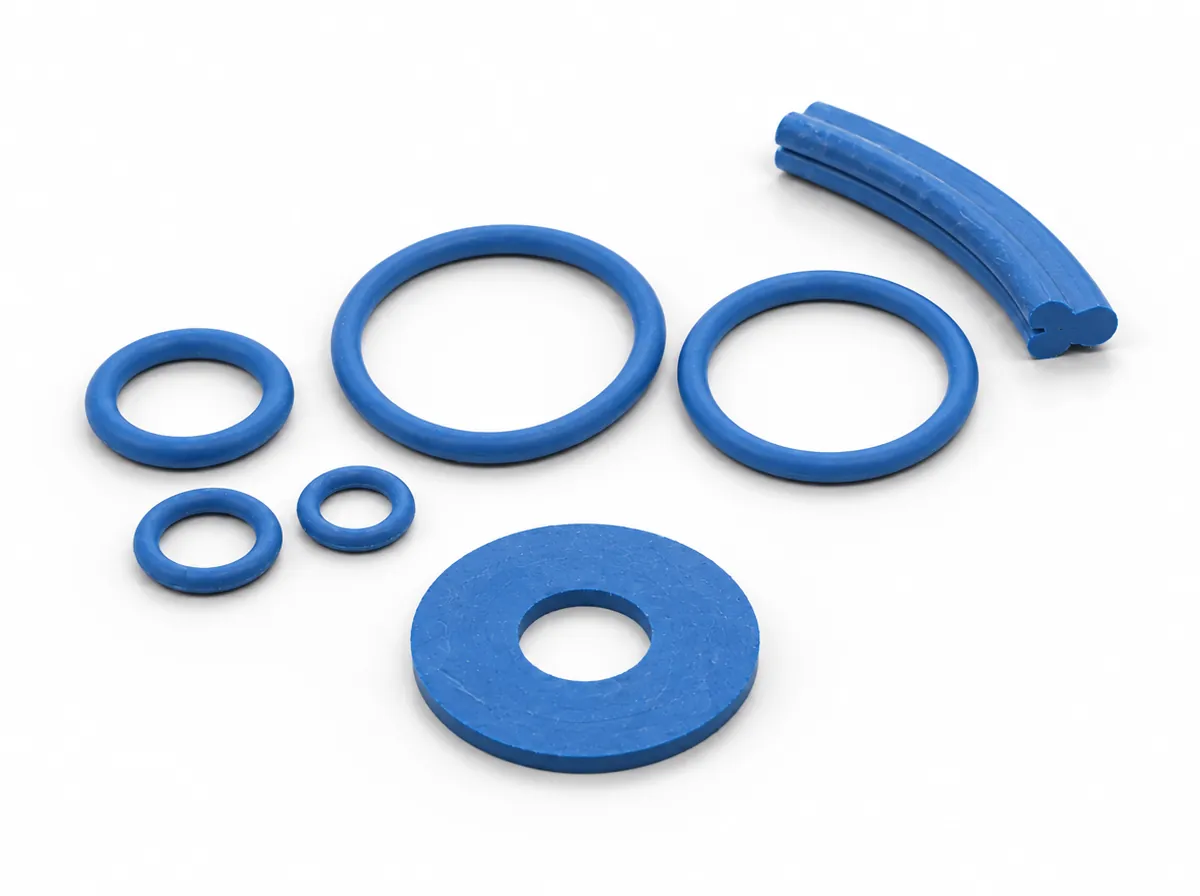
PTFE coating
water-dilutable bonded lubricant
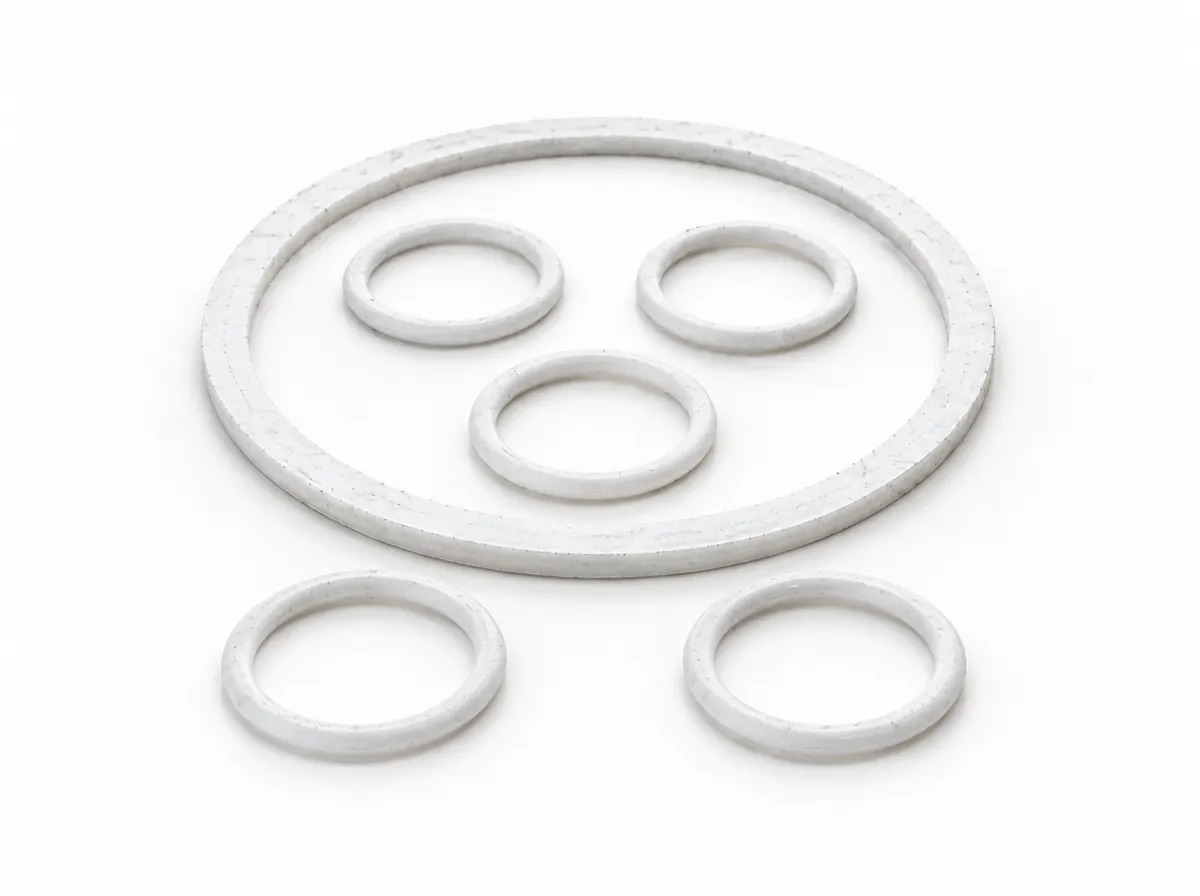
PTFE coating is the most commonly used type of coating and consists of a water-dilutable one-component or two-component bonded lubricant, usually made of a PTFE solid and a suitable binder.
This gives the O-rings a smooth surface, which makes assembly with automatic feeding considerably easier. This type of coating is usually elastic and has very good resistance to various chemicals. Unlike moly coating, this coating does not rub off.
Coating
Silicone coating
silicone oil based lubricant
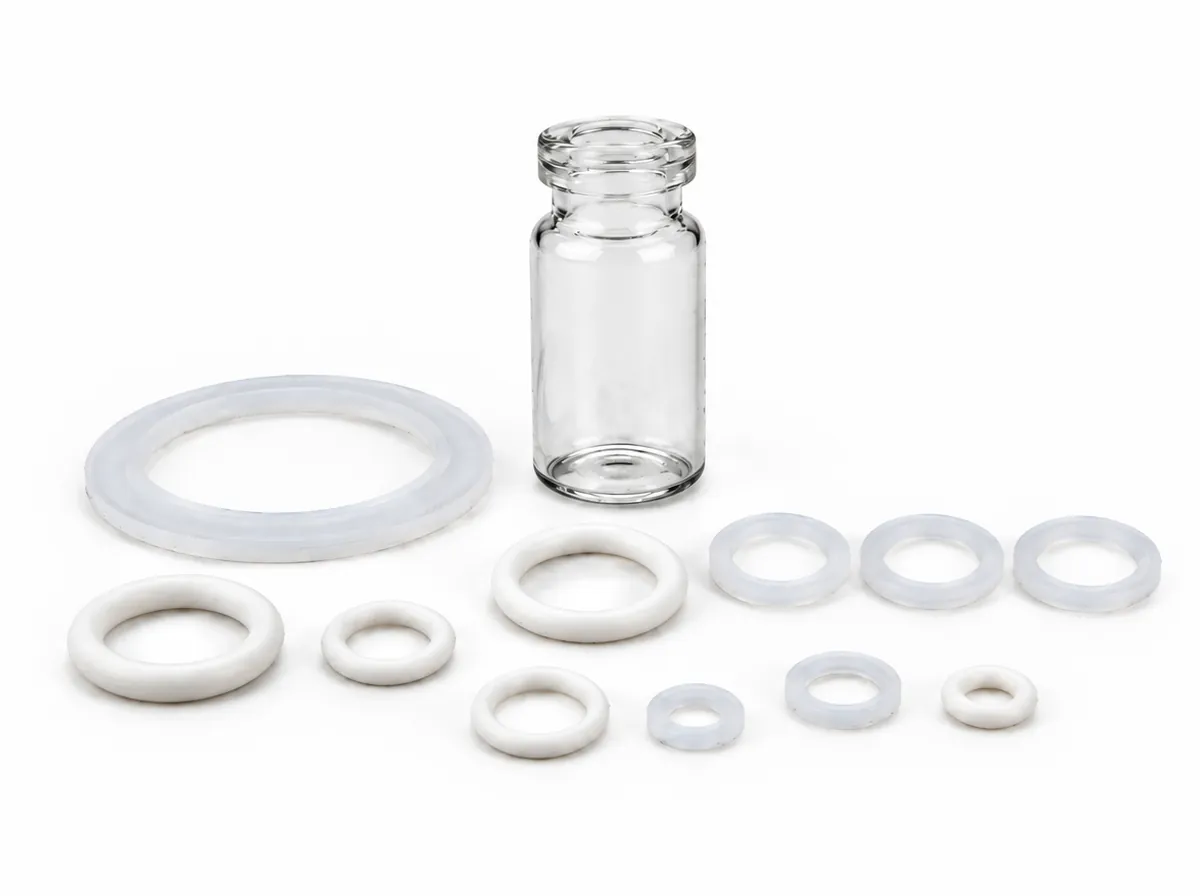
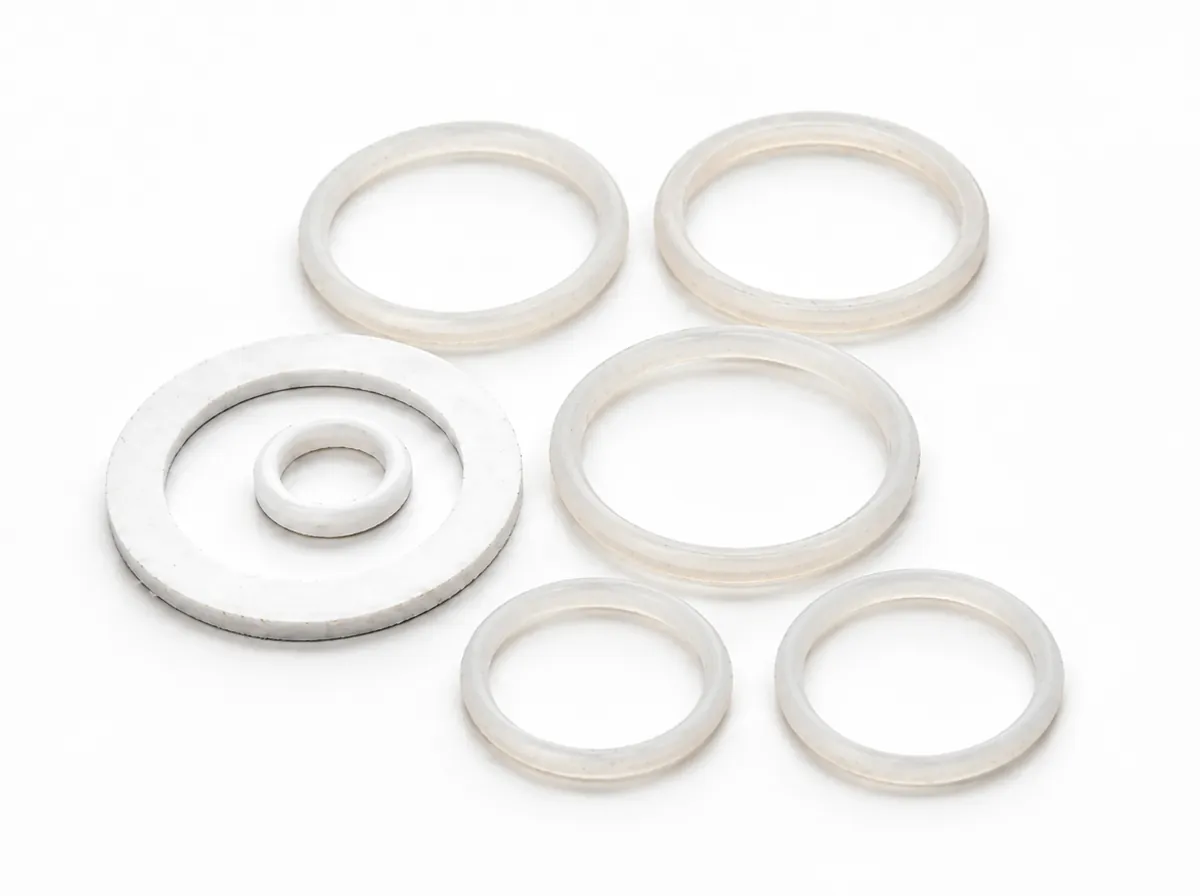
Silicone coating is a type of lubricant and sliding agent based on silicone oil.
This gives the O-rings a slippery surface, which considerably improves manual assembly, e.g. on small shafts or in installation situations that are hard to reach or confined.
Silicone coating creates a slightly greasy film, which is not recommended for automatic assembly because the O-rings can quickly stick to each other.
Coating
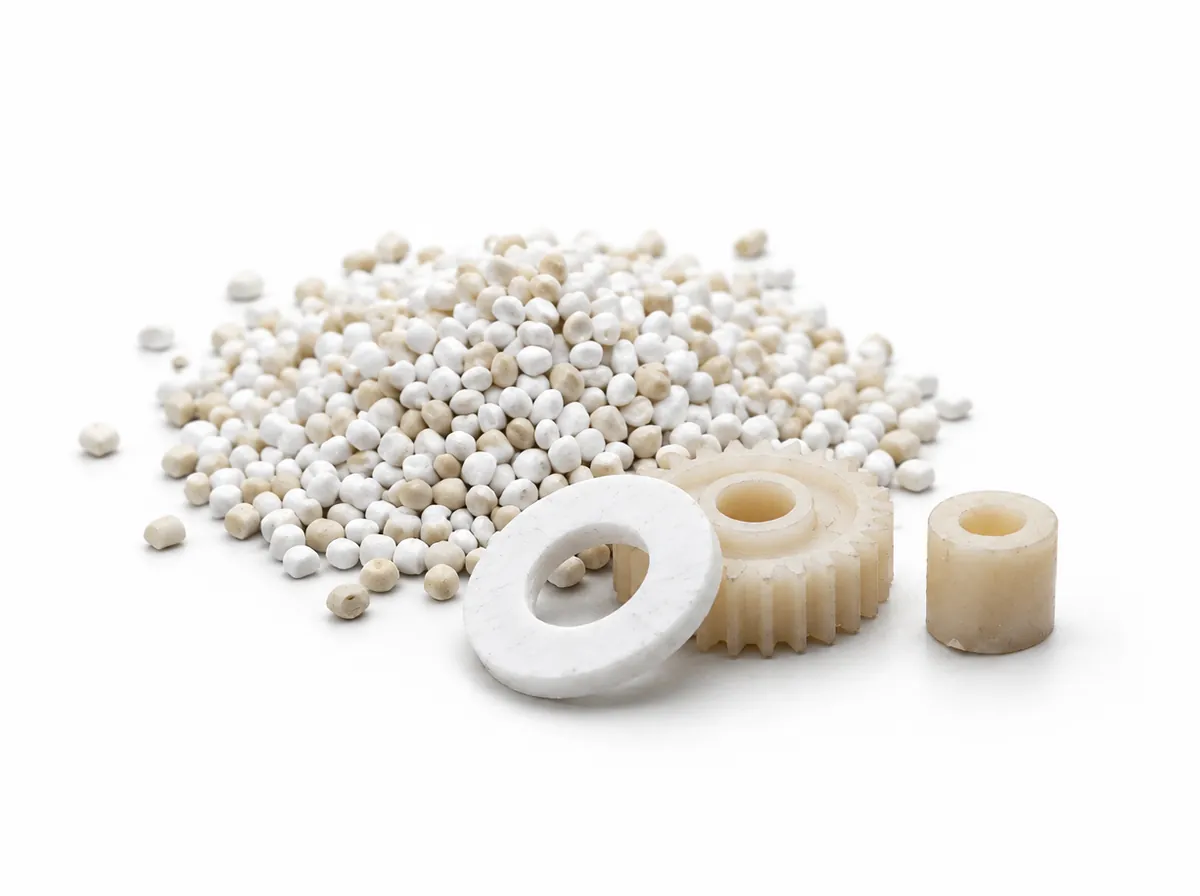
Talc coating
fine white release powder
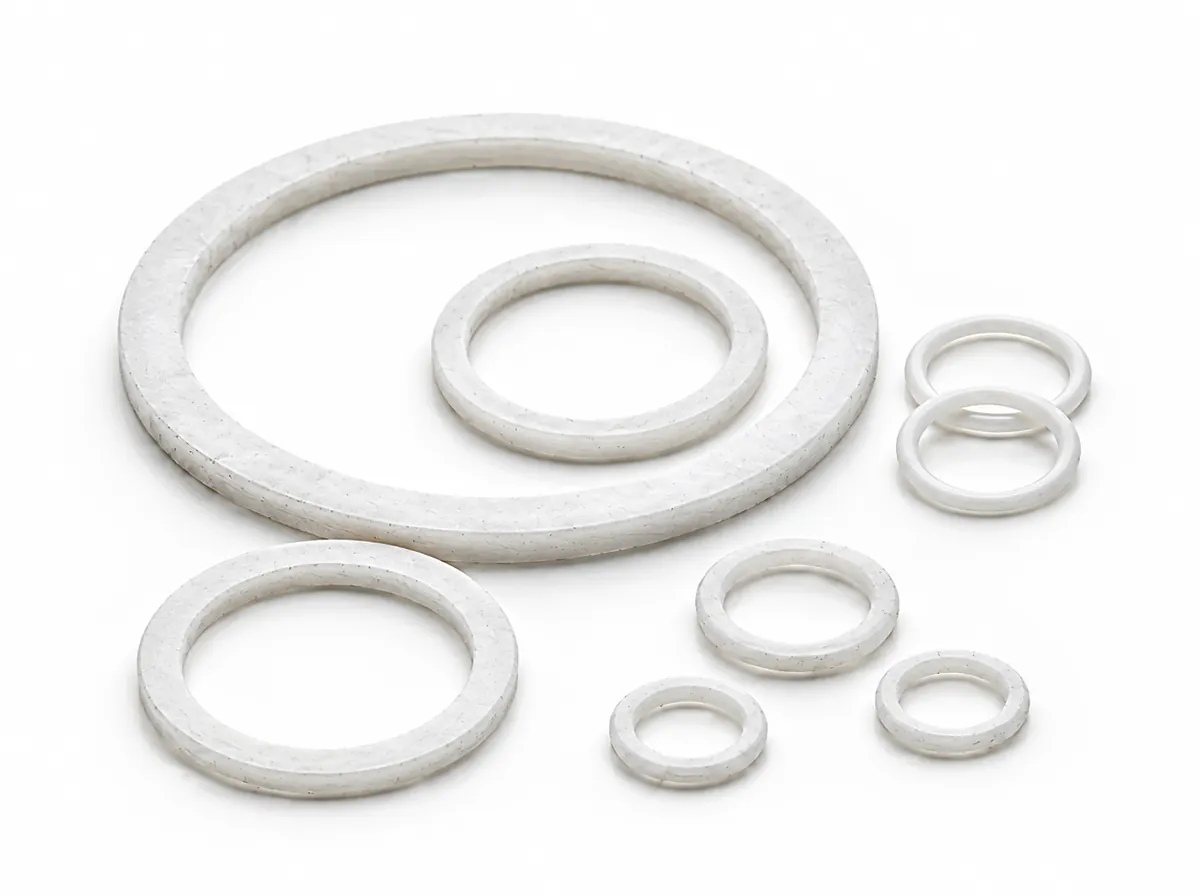
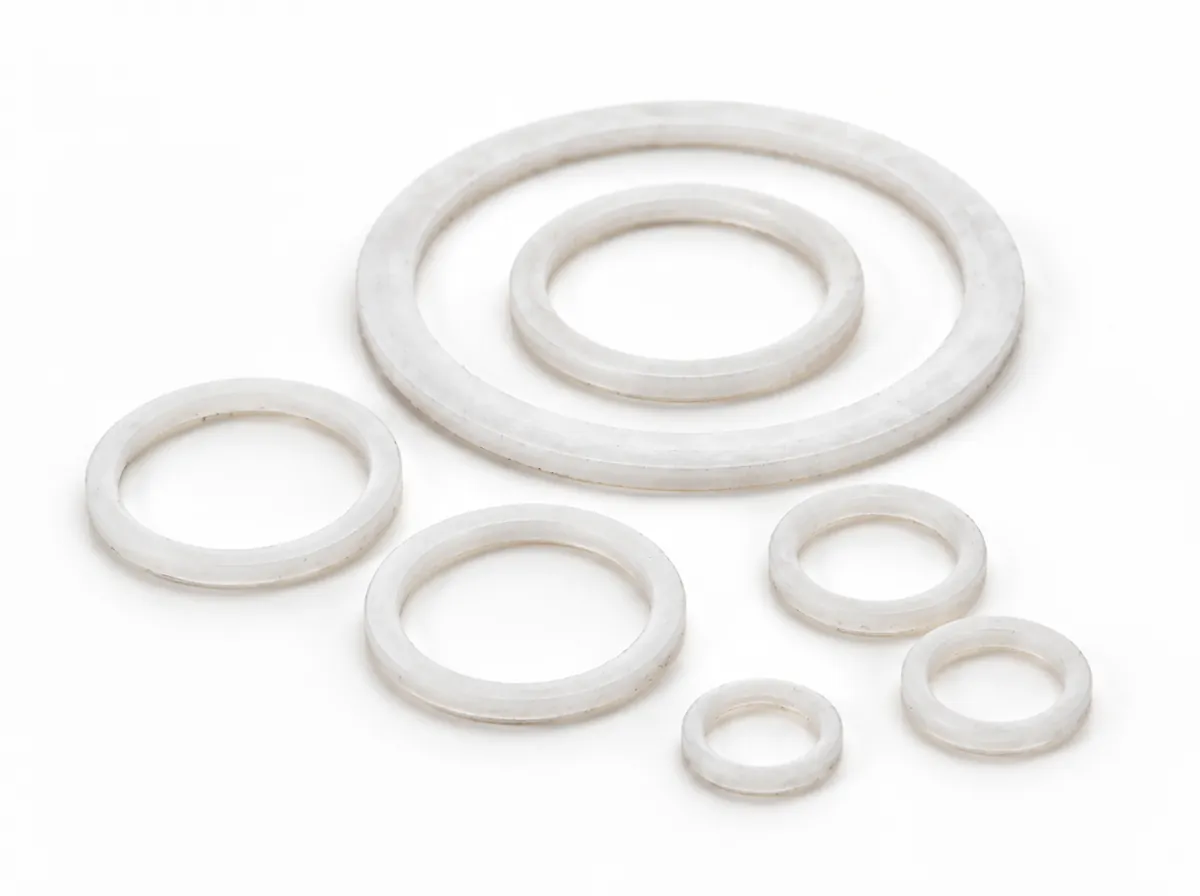
Talc coating is in some cases an indispensable aid in elastomer processing. It is a very fine white powder that can be removed again afterwards by washing the seals, if required.
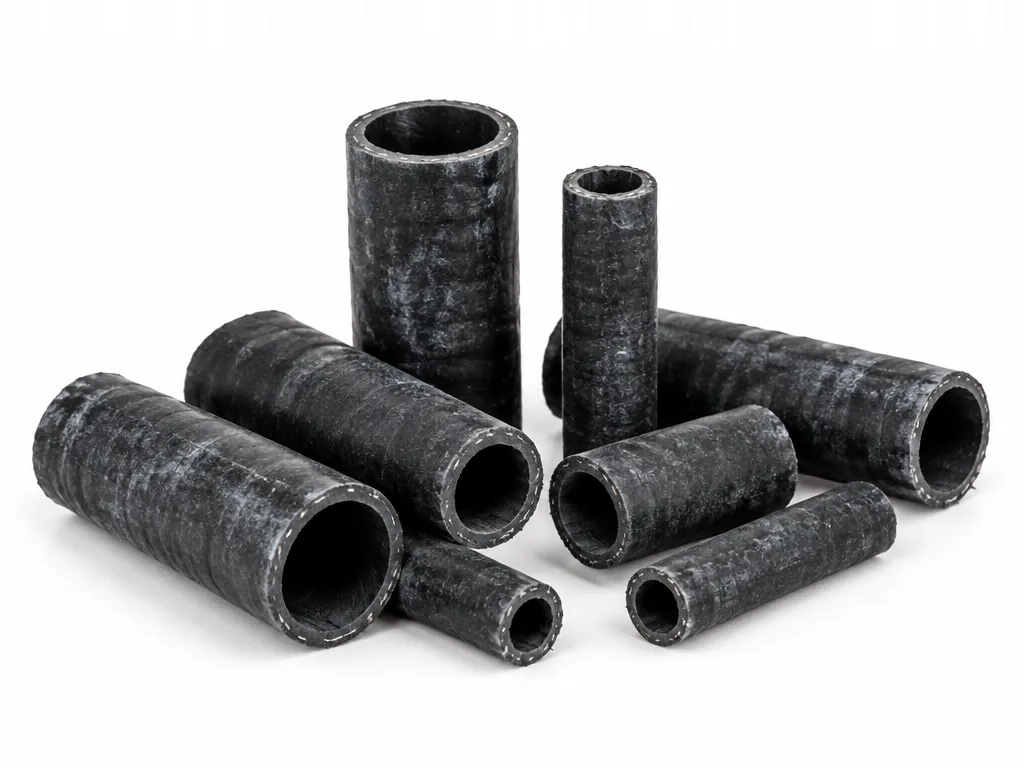
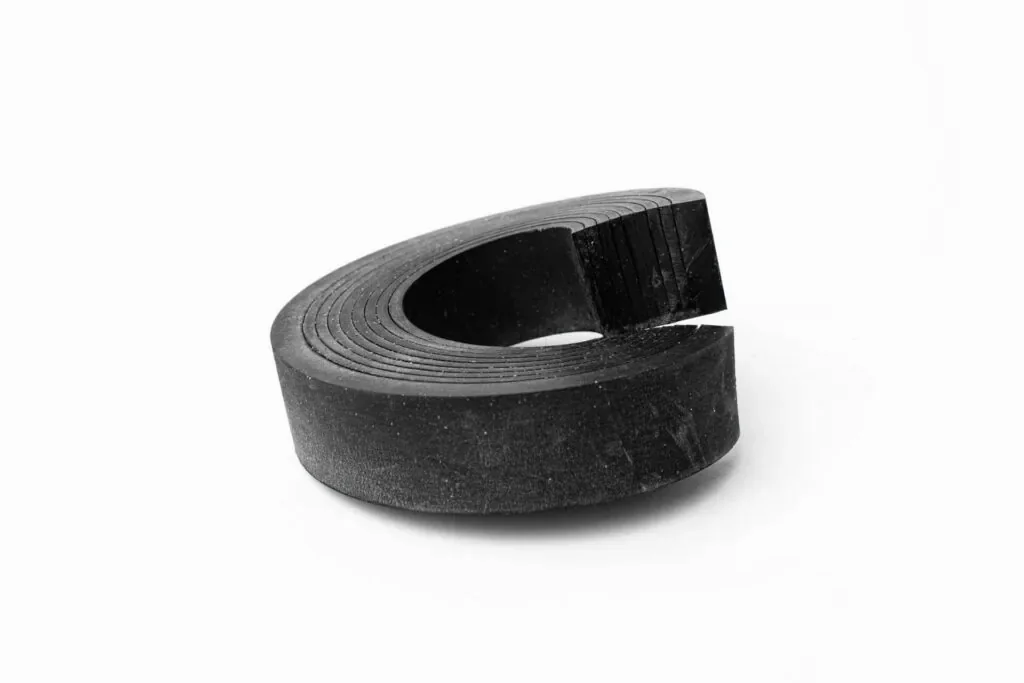
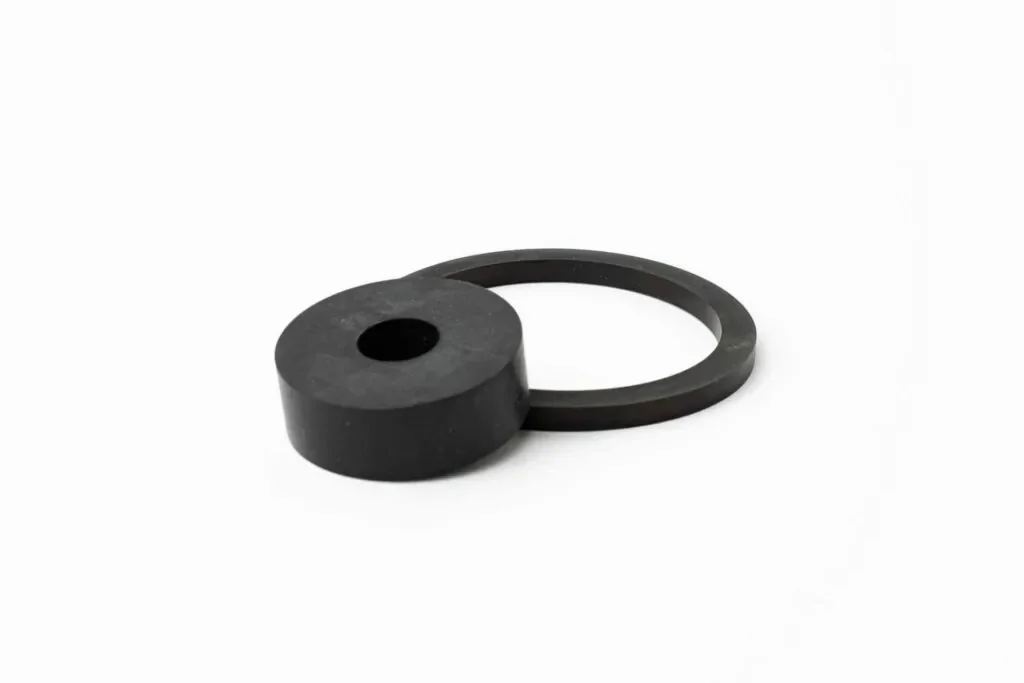
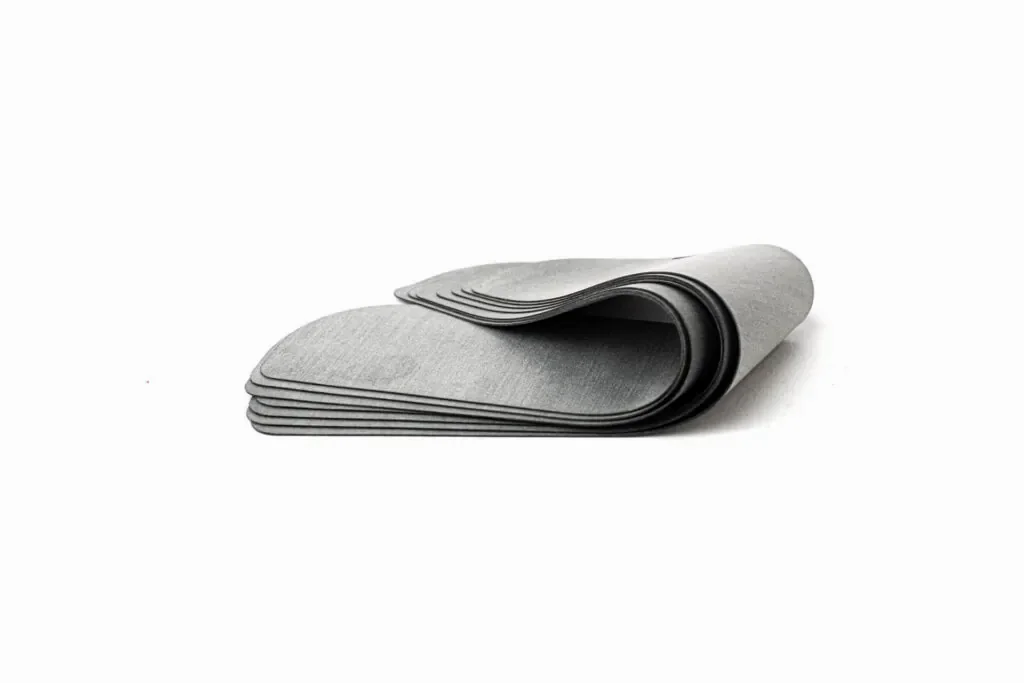
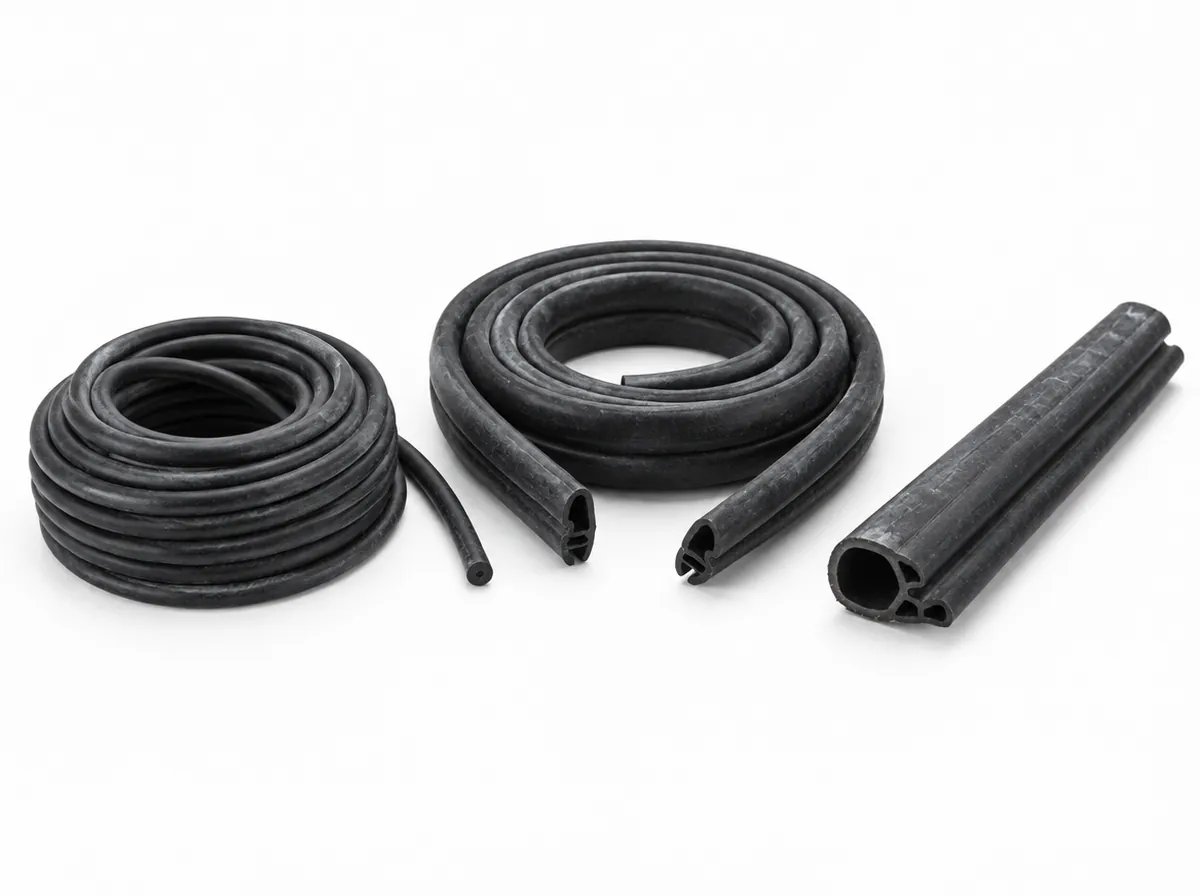
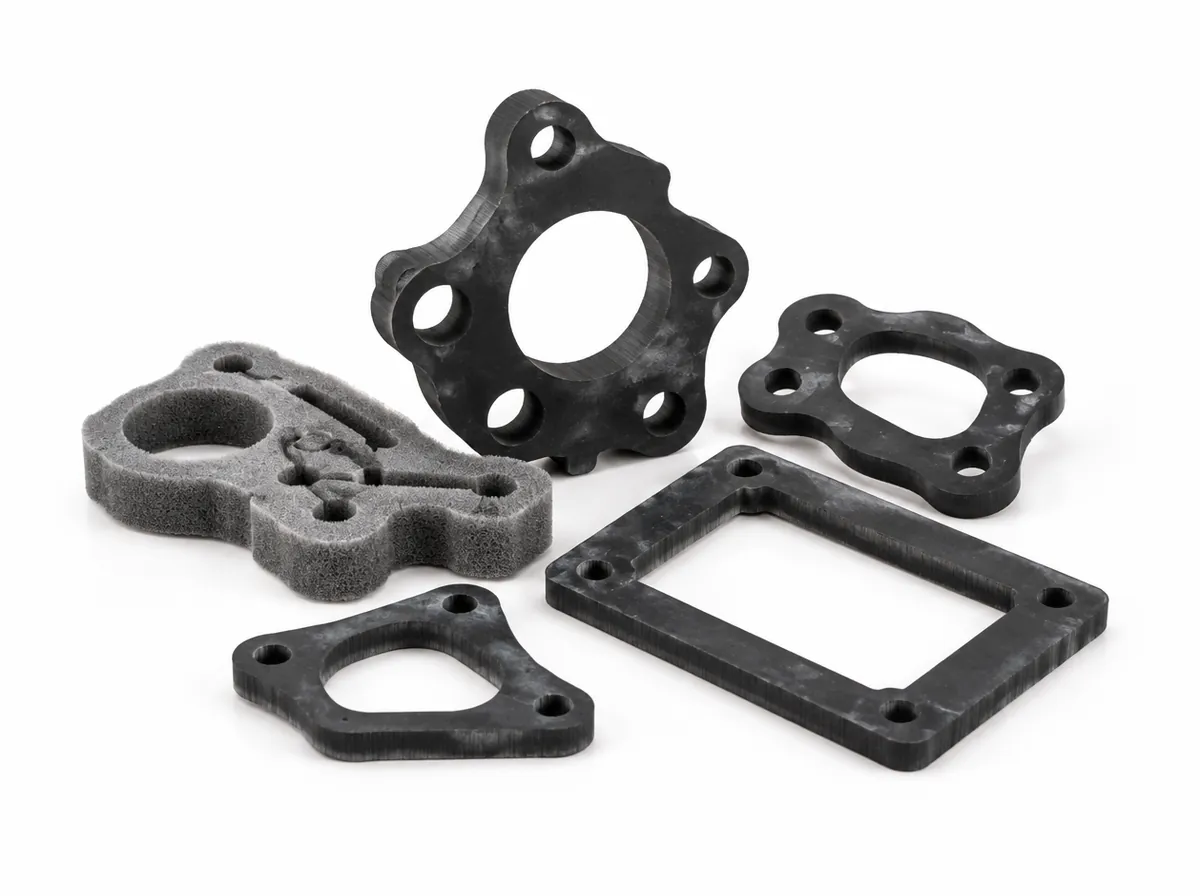
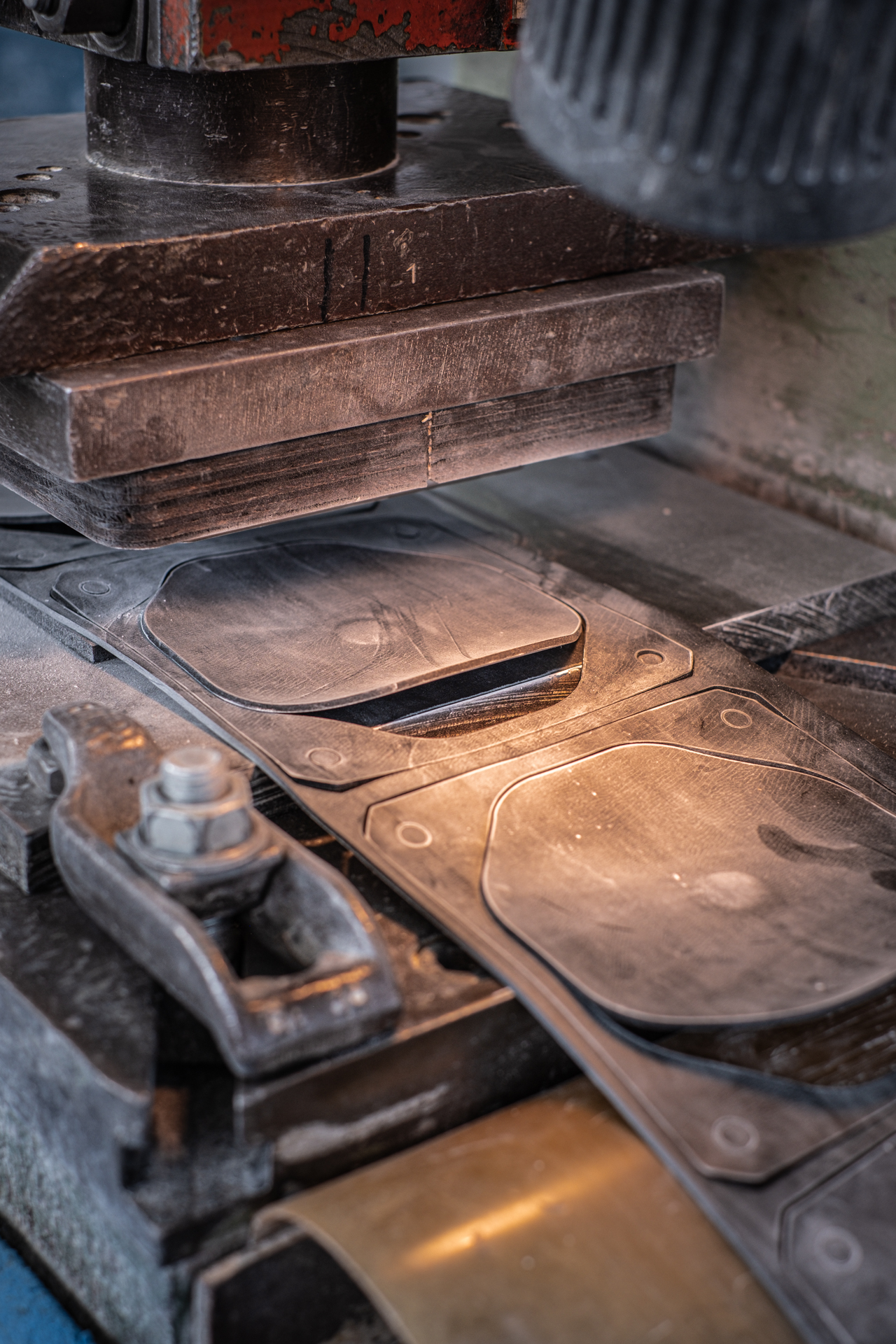
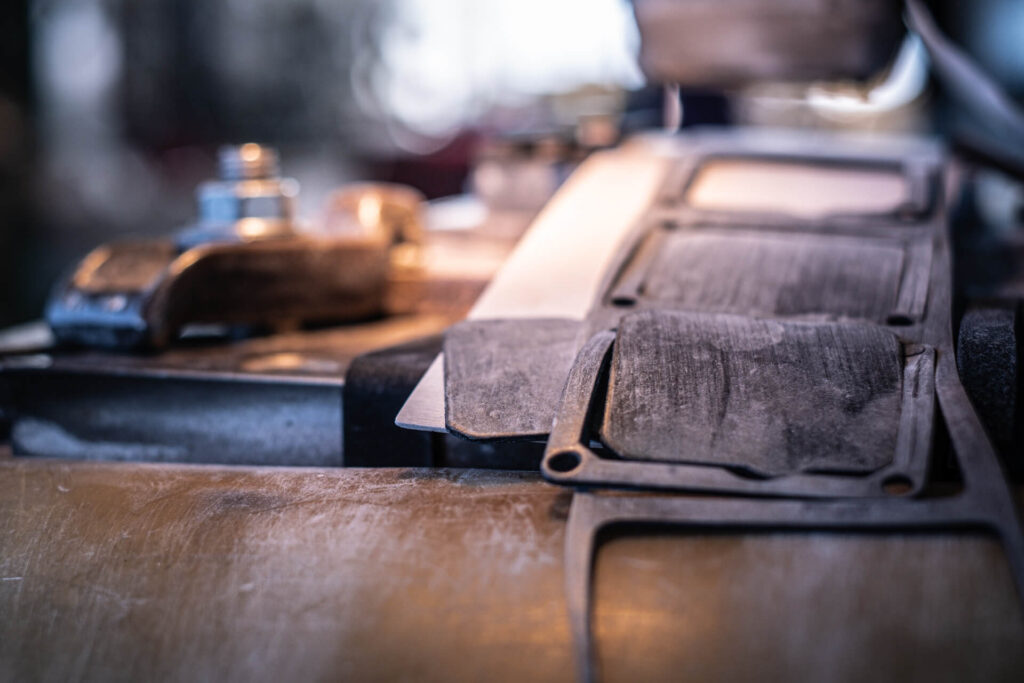
Talc is used both in the production of punched parts and for extrusions such as hoses, hose rings, sealing rings, profiles and round cords. The powder prevents elastomers from becoming too sticky and, especially with sheet material, prevents it from being drawn into the punching tool or sticking to it, so that the ejectors work properly. Another advantage, especially for O-rings, is a considerable improvement in automatic assembly thanks to a smoother surface. Talc can easily be removed again by washing with certain additives.
Talc coating is applied by tumbling or dusting and has only very low abrasion resistance. Dark surfaces often get an unwanted white film as a result. Exposed shafts or joints on machines can become soiled and often have to be cleaned when this powder is used.
Coating
LABS-free
Free of paint-wetting impairment substances
In this case, the term LABS-free does not refer to a special coating but to a special type of subsequent cleaning for seals of all kinds. LABS stands for the German "lackbenetzungsstörende Substanzen", meaning substances that impair paint wetting, and the term plays a major role above all in the automotive industry.
Many release agents commonly used in the production of moulded articles contain silicone. When the seals are demoulded, a fine film of release agent is sprayed on so that the parts can be removed from the mould more easily. If, for example, an O-ring wetted with this release agent is passed over a component that is painted afterwards, this film can prevent the paint from adhering evenly and cause unwanted streaks.
To prevent this, seals are cleaned in a special process to ensure uniform paint wetting.
Coating
Stick-slip effect
Reducing friction in a targeted way
The stick-slip effect is a physical term that describes the behaviour of two surfaces in motion. It consists of a jerky movement (slip) that occurs after a certain phase of holding or adhesion (stick).
Excessive friction therefore produces increased stick-slip effects, which can lead to considerable problems and delays during assembly. Uncoated elastomers (O-rings), for example, tend to tilt on metallic surfaces in various installation situations and require further intervention or even disrupt automatic assembly.
To prevent this and to reduce this effect considerably or even eliminate it completely, various water-based or solvent-based bonded lubricants are available as coatings. This reduces friction enormously and makes assembly, whether manual or automatic, considerably easier and more efficient. Feel free to talk to us and together we will find the right coating.
Why SIEGEL Dichtungen?
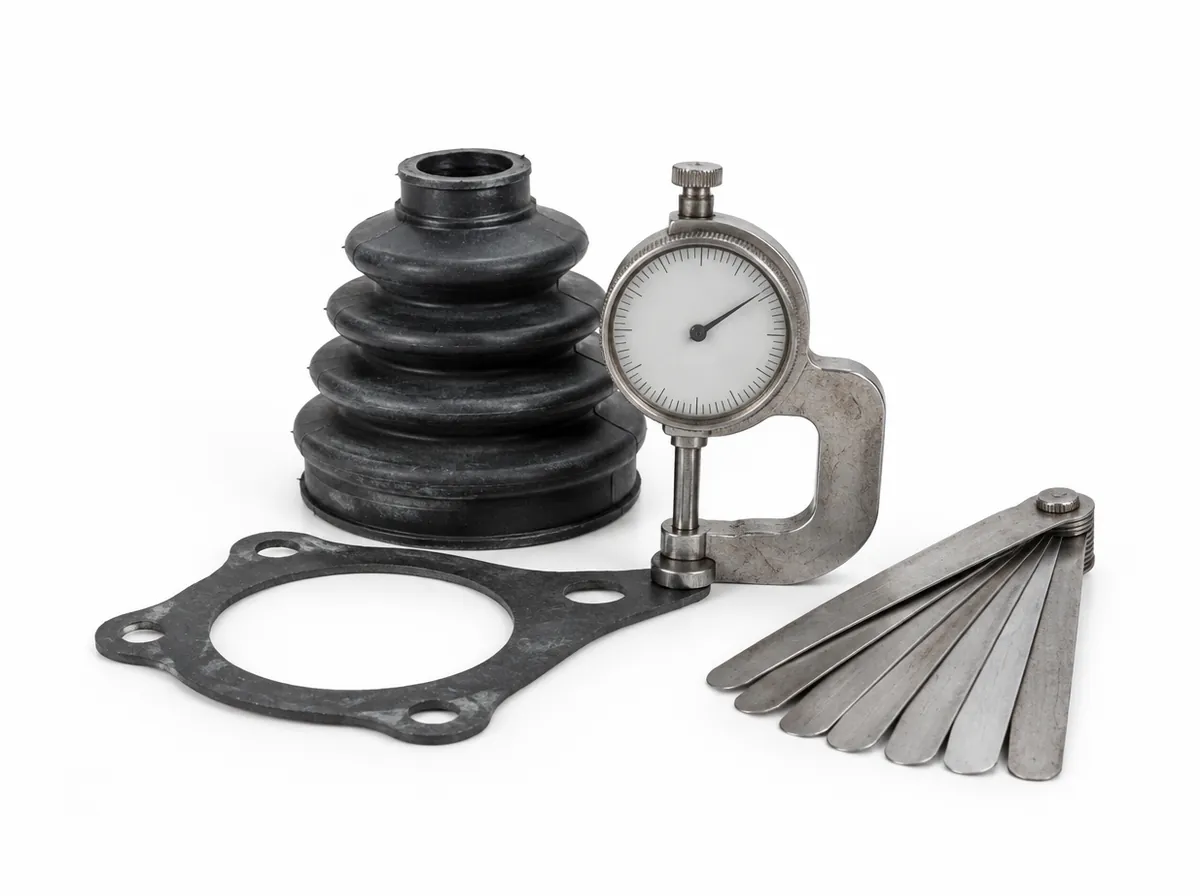
At SIEGEL Dichtungen we offer you not only a wide range of manufacturing processes but also extensive expertise and experience in rubber and plastics processing. Our various manufacturing technologies and quality controls guarantee products that meet the required standards and applicable DIN tolerances and are tailored precisely to your needs and mating components.
Contact us to find out more about our manufacturing processes and how we can best meet your requirements.
Working together
Which coating suits your assembly?
Tell us the component, assembly method and application, and we will recommend the right coating for smooth manual or automatic assembly.