




Process
Compression moulding (CM)
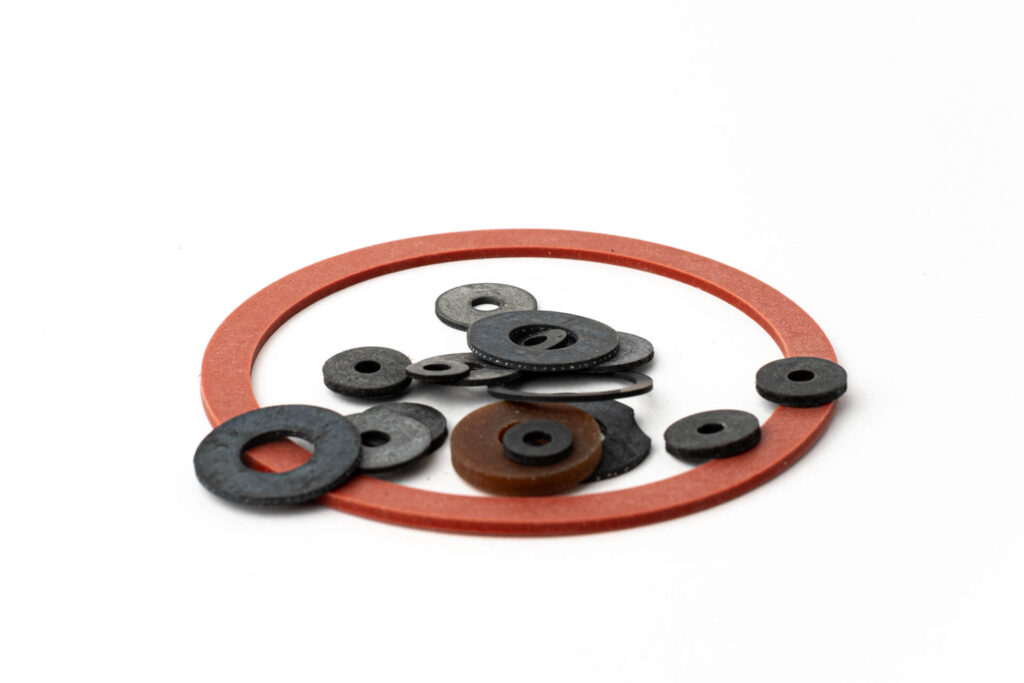
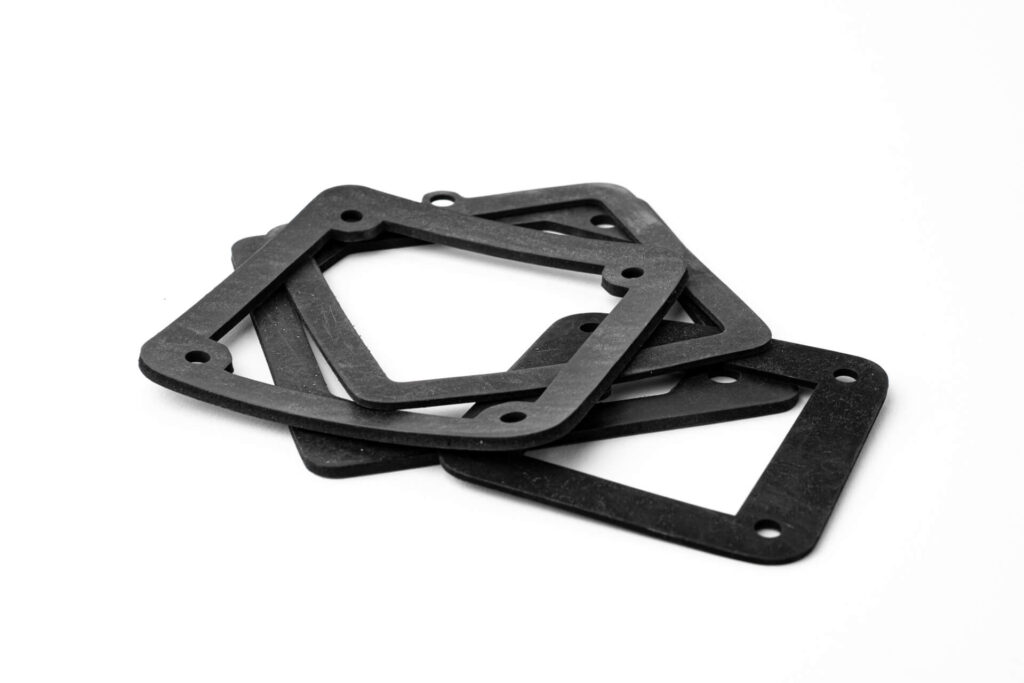
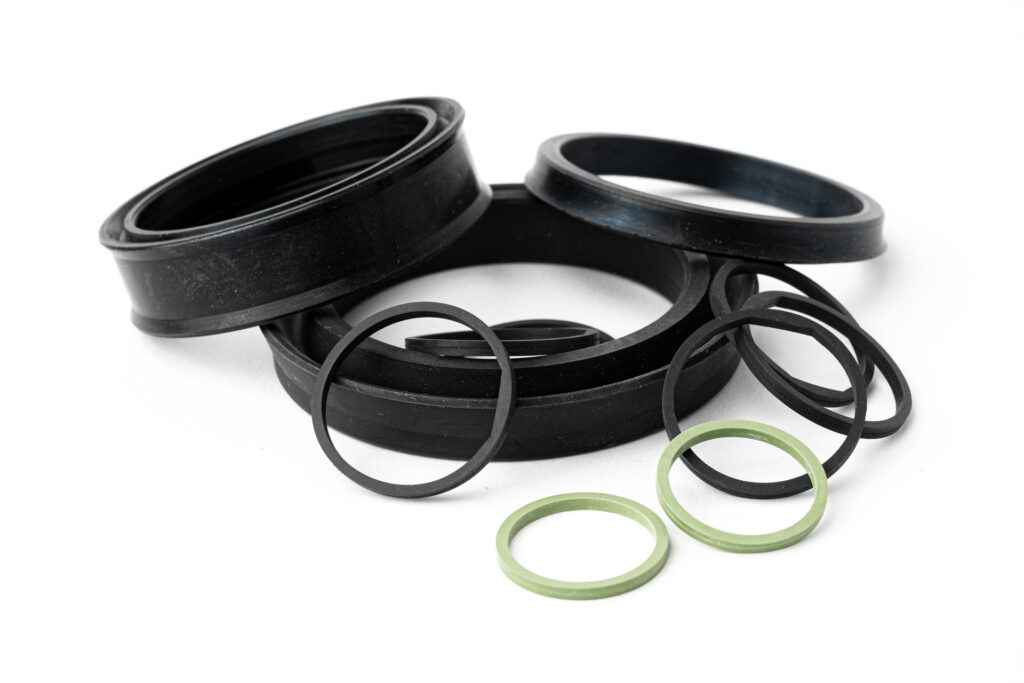
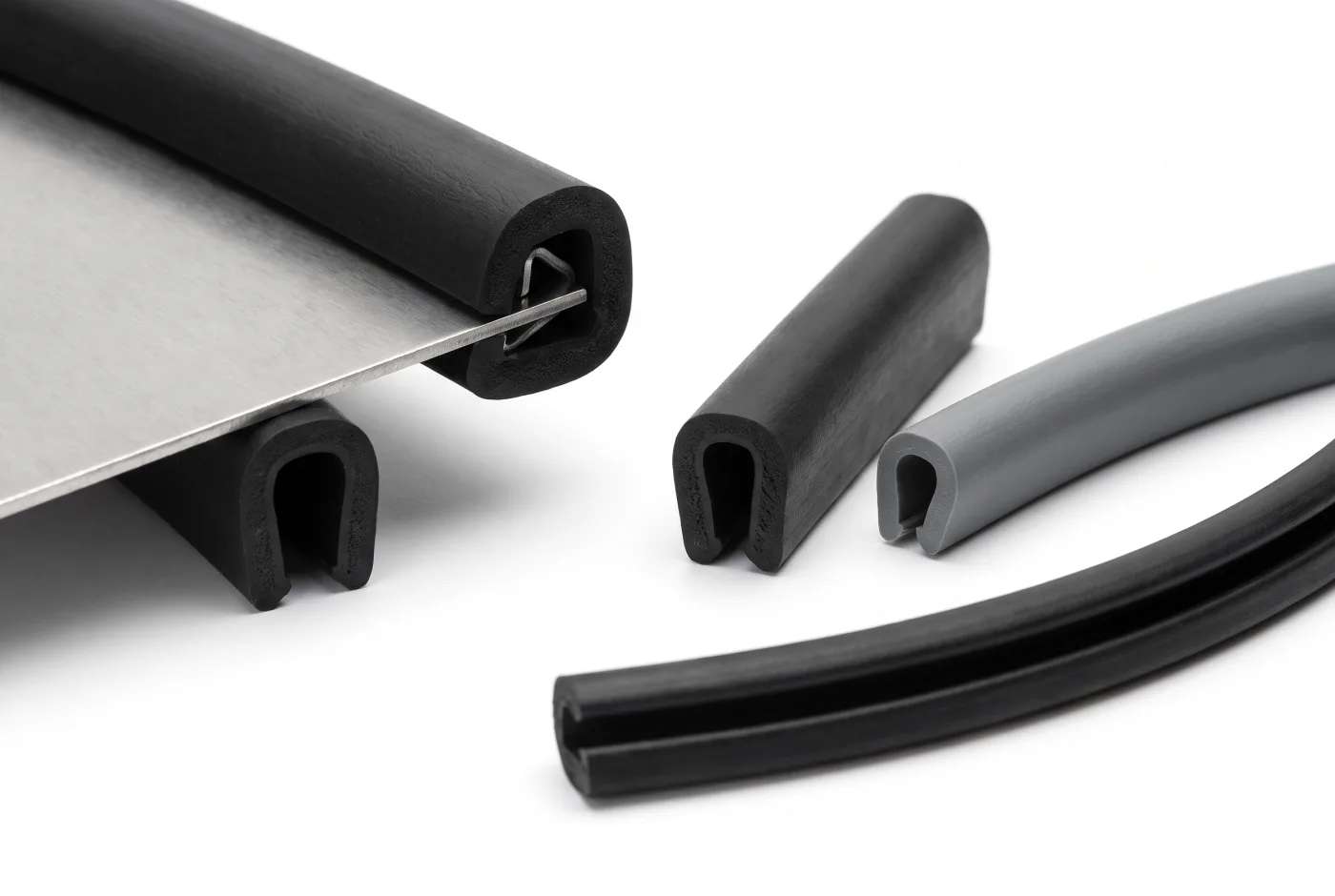
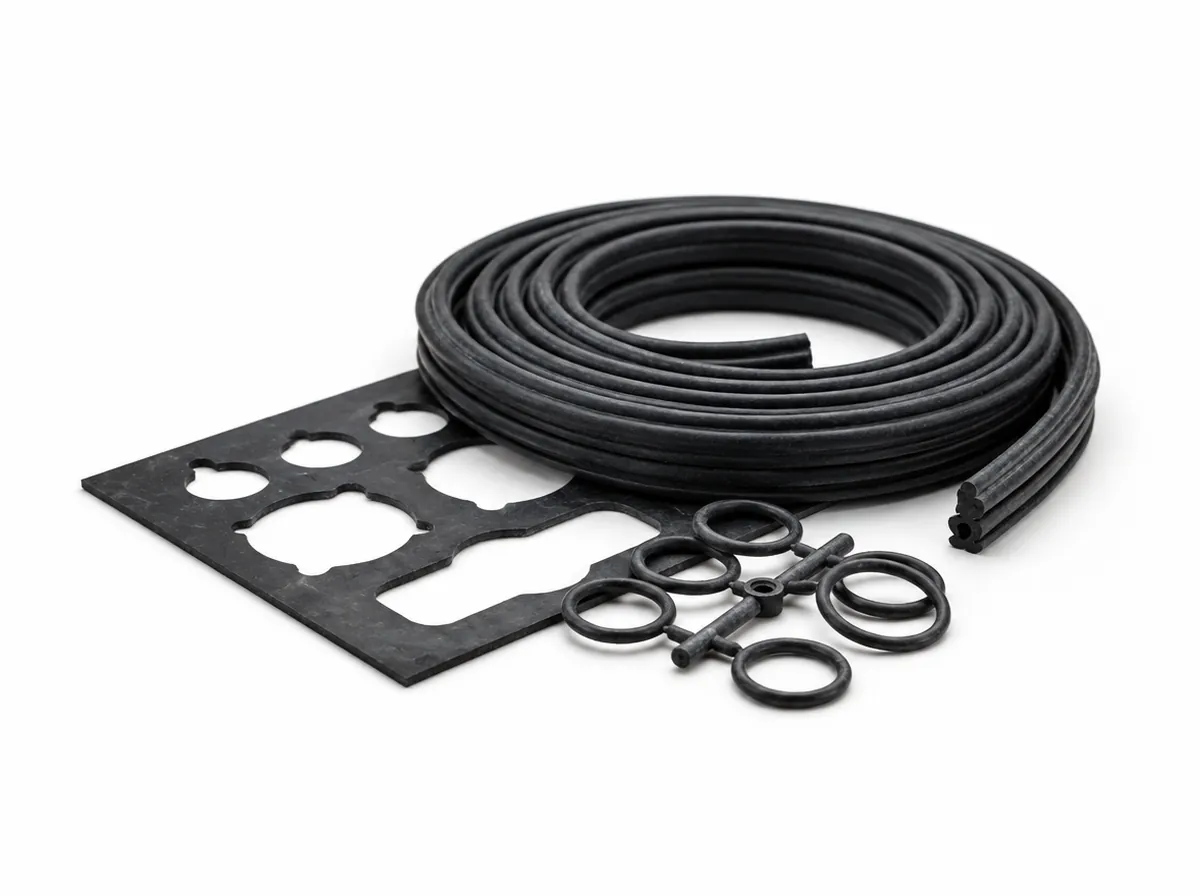
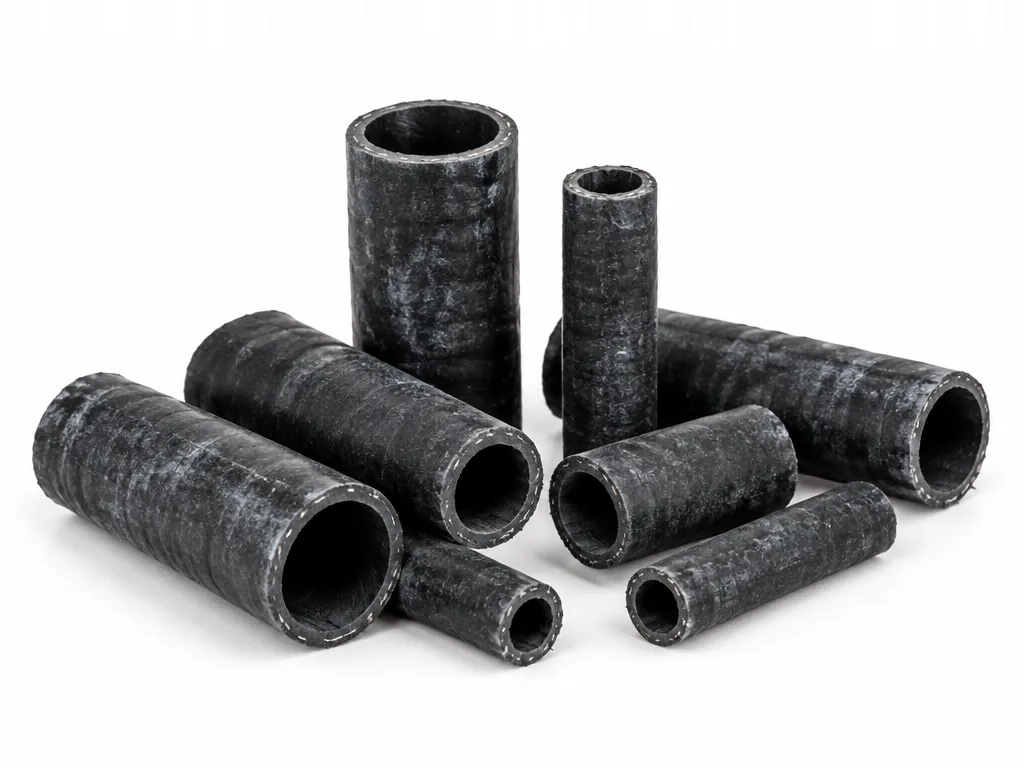
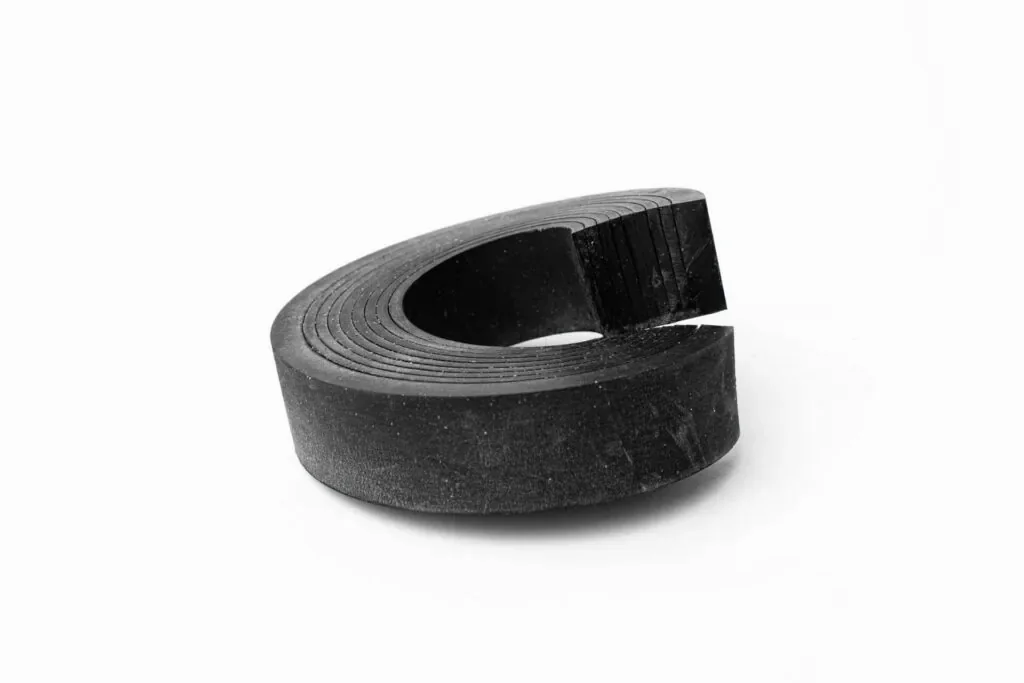
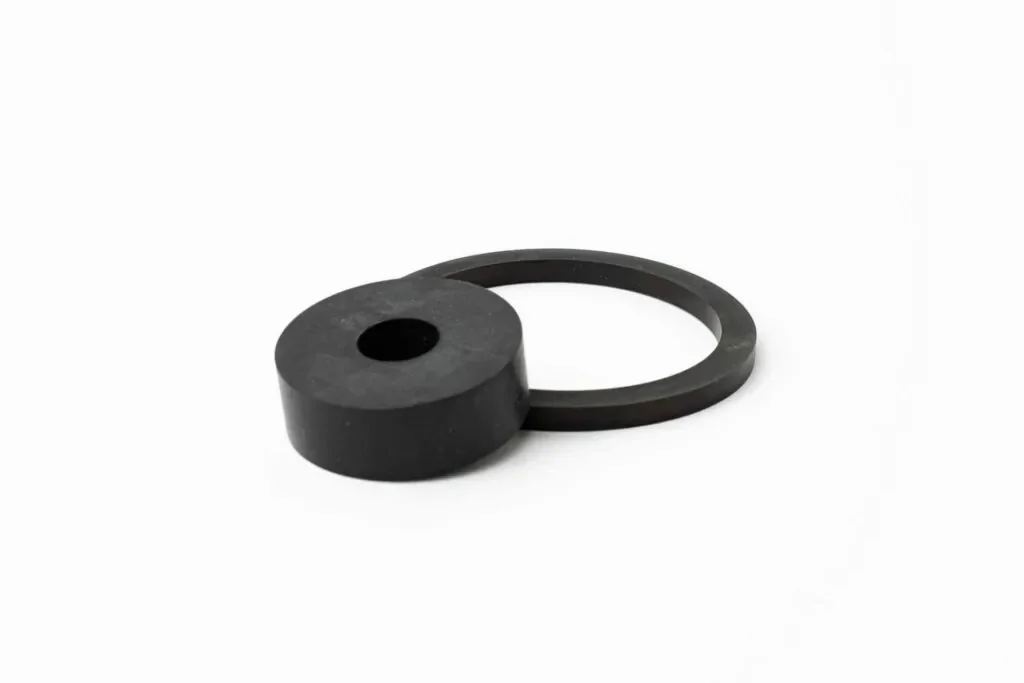
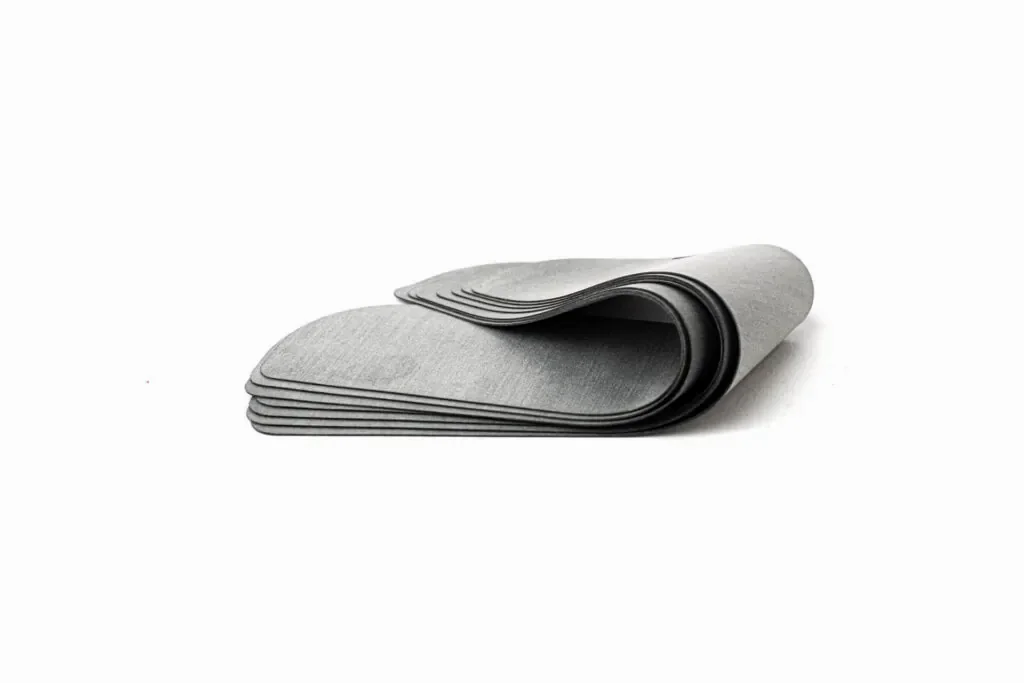
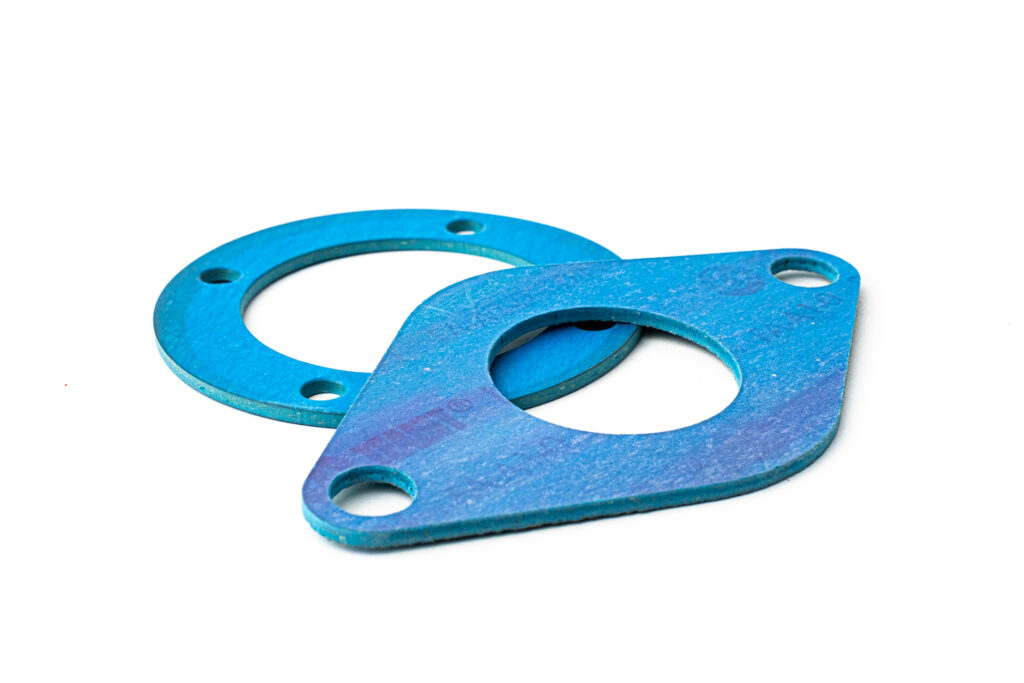
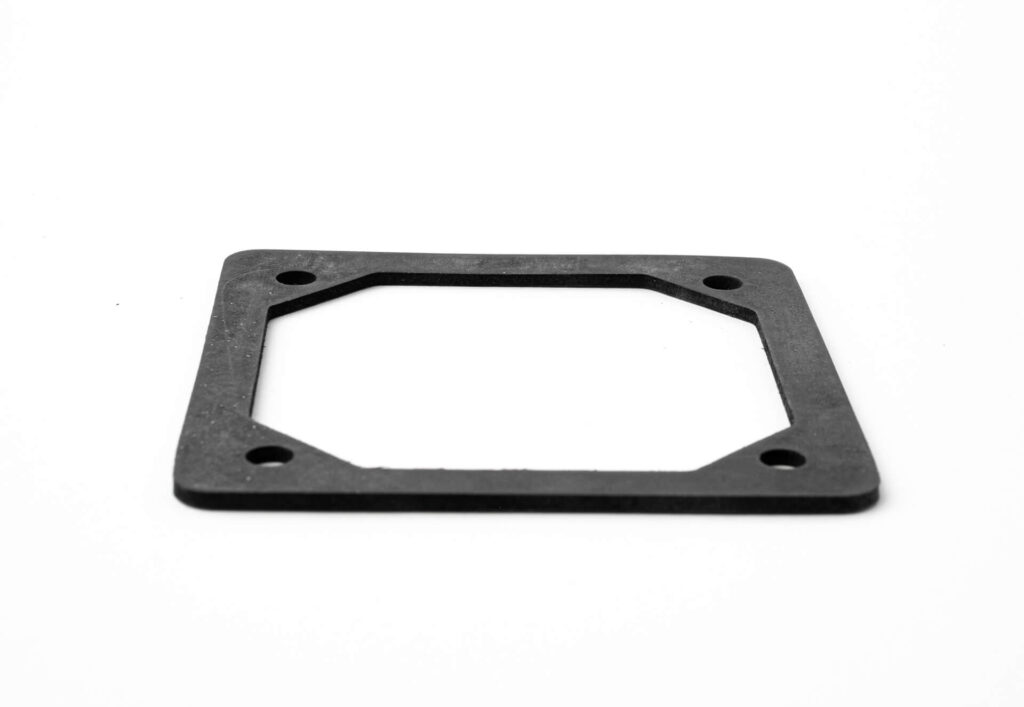
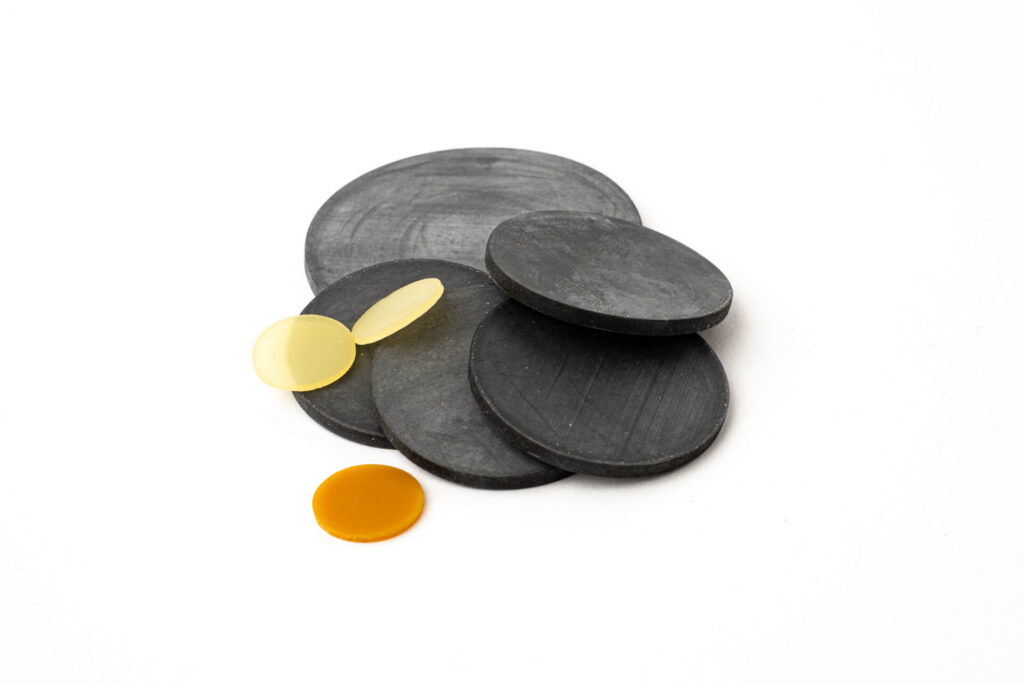
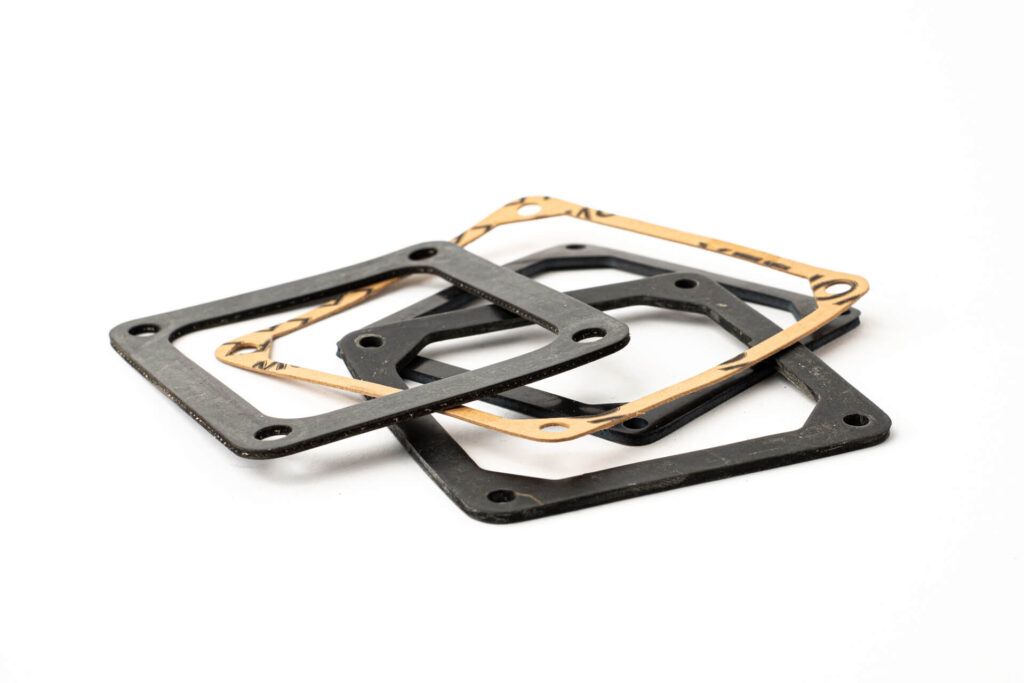
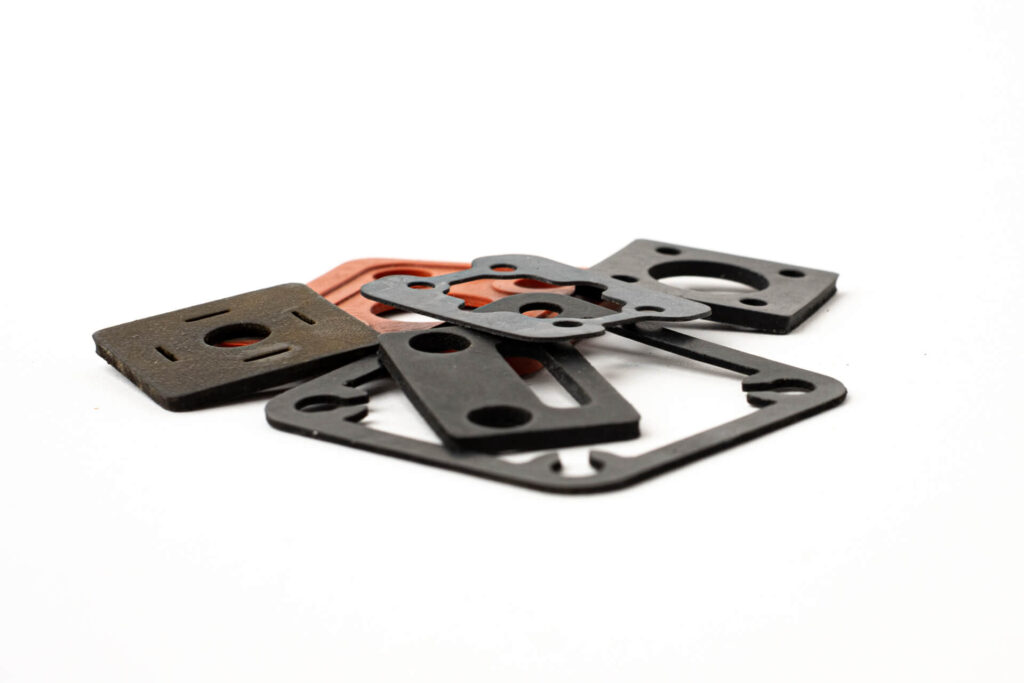
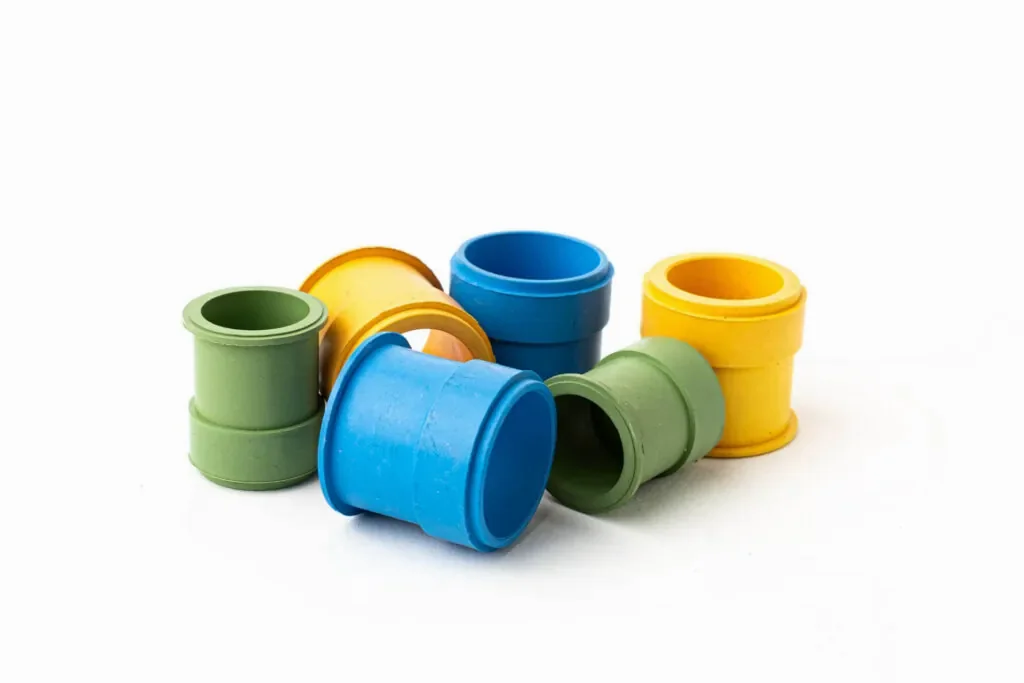
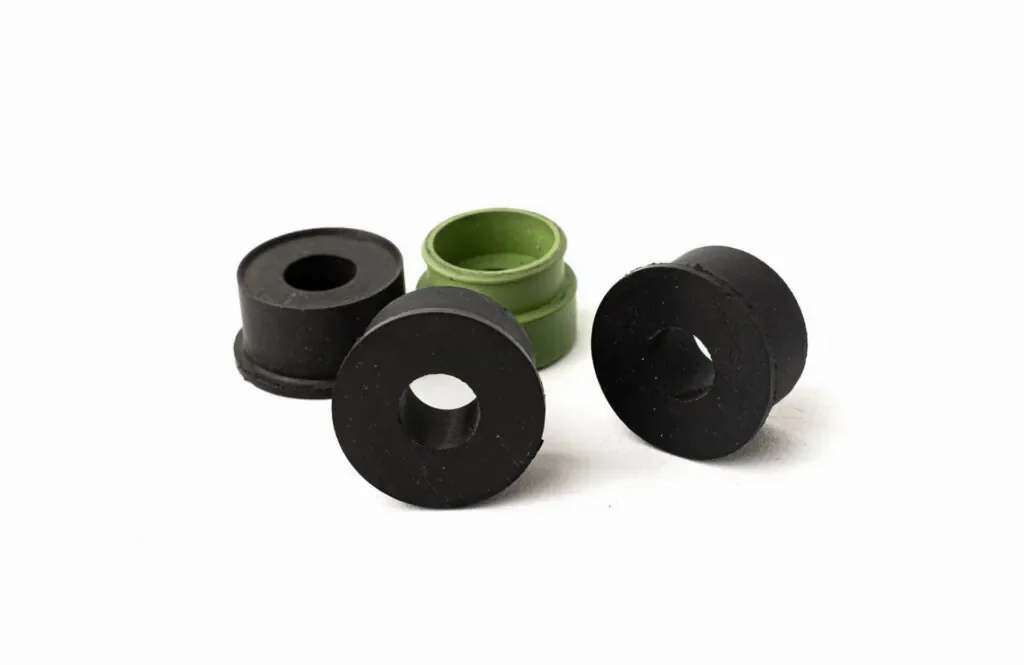
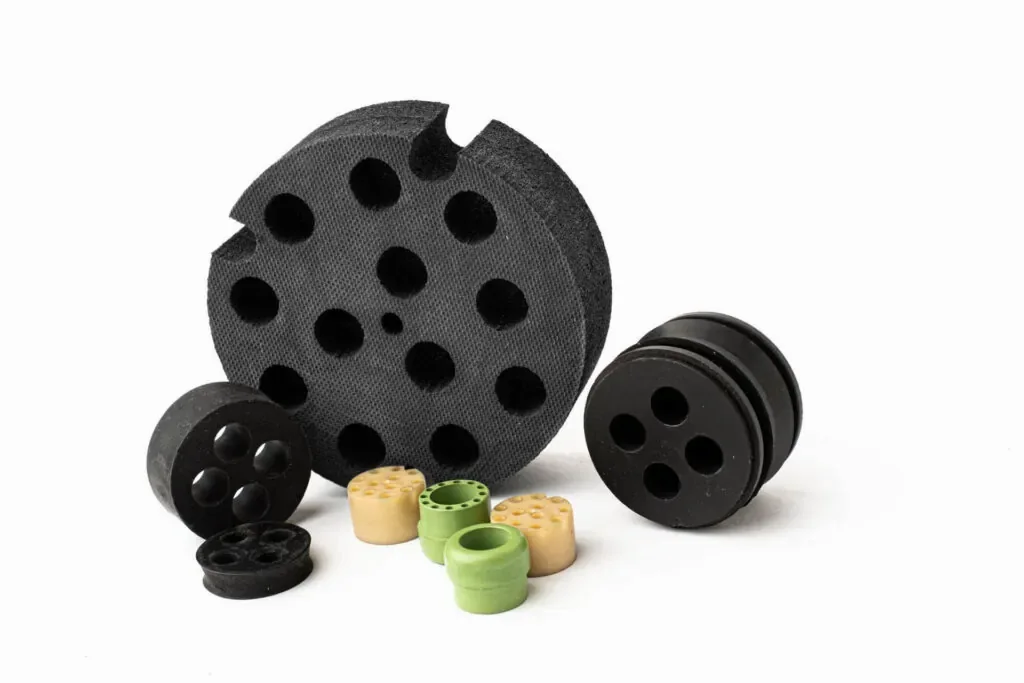
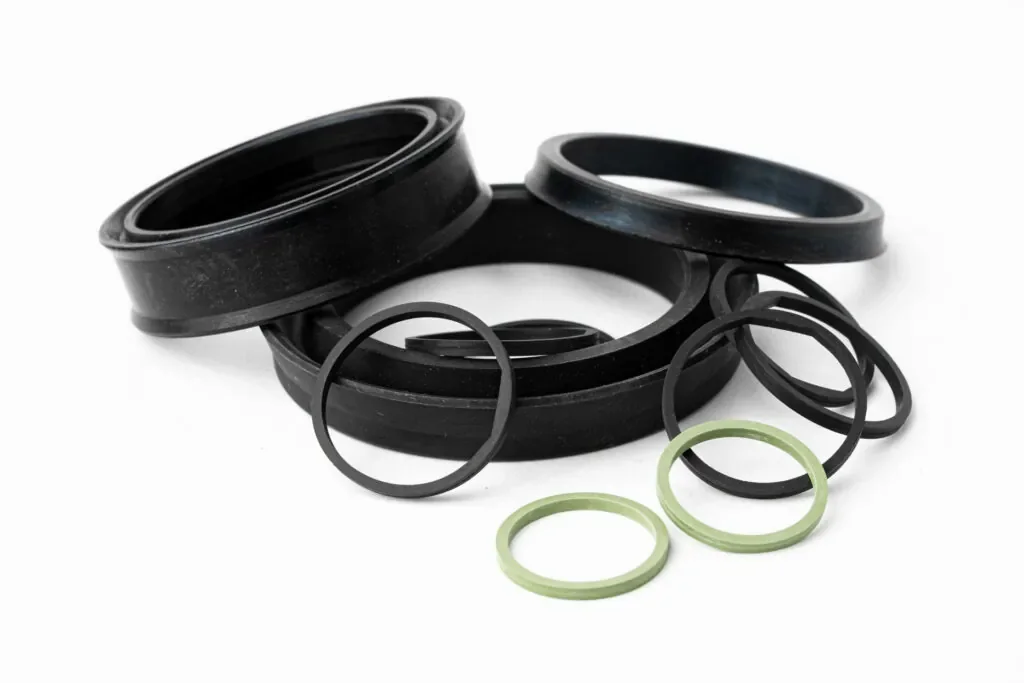
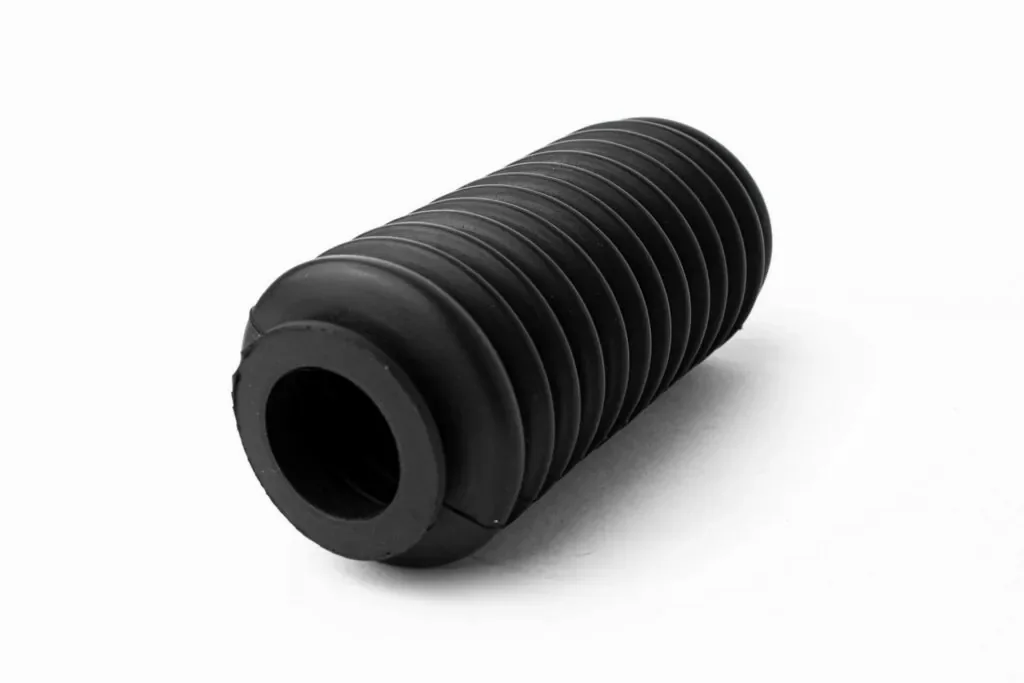
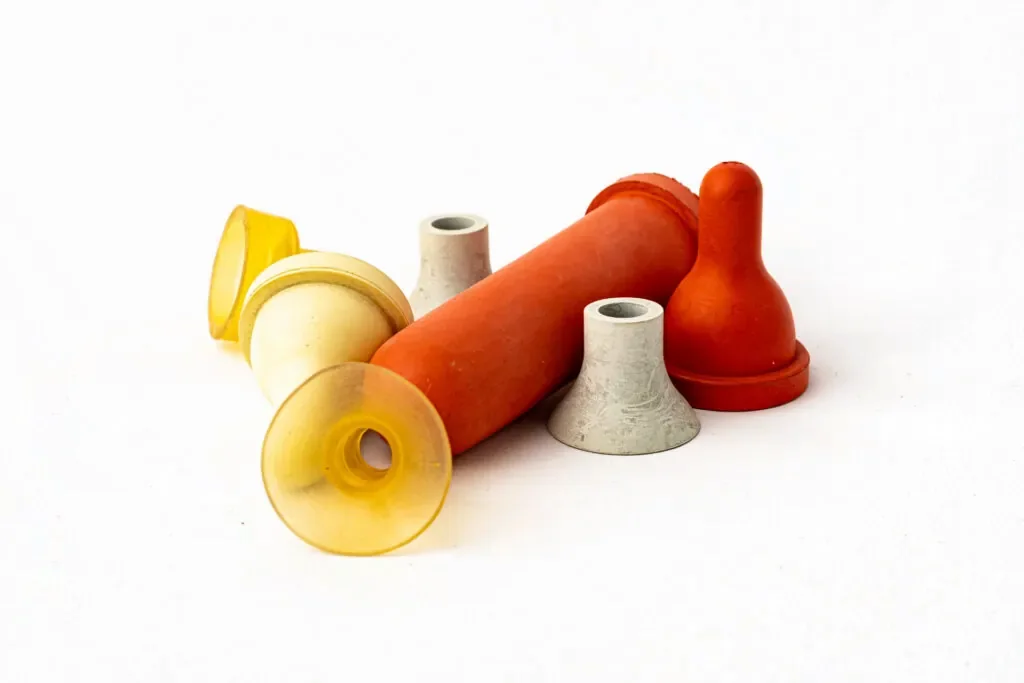
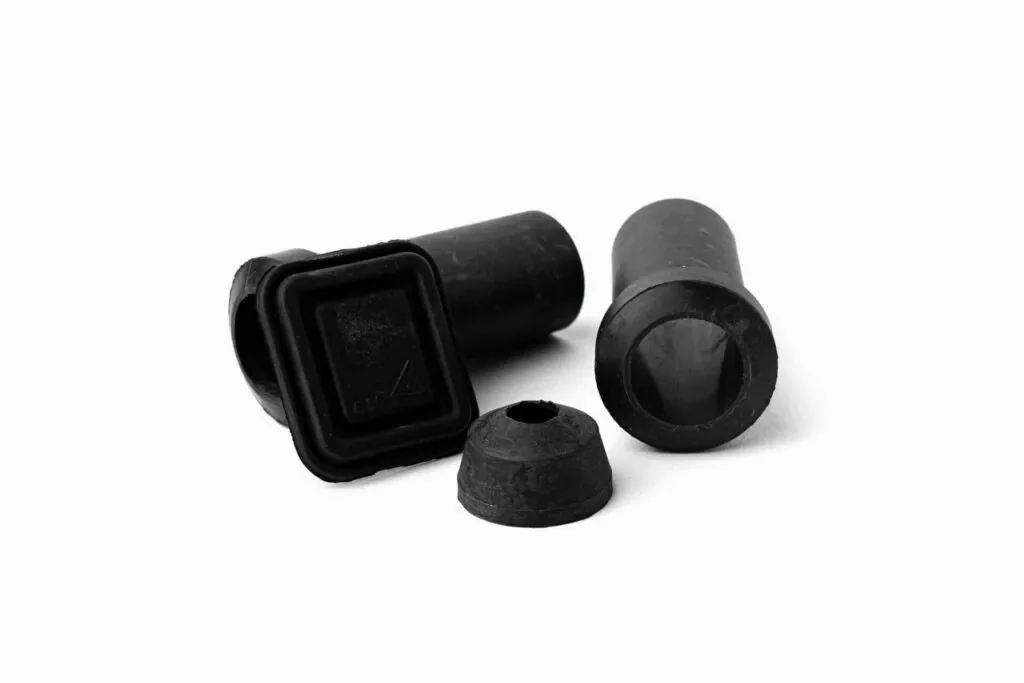
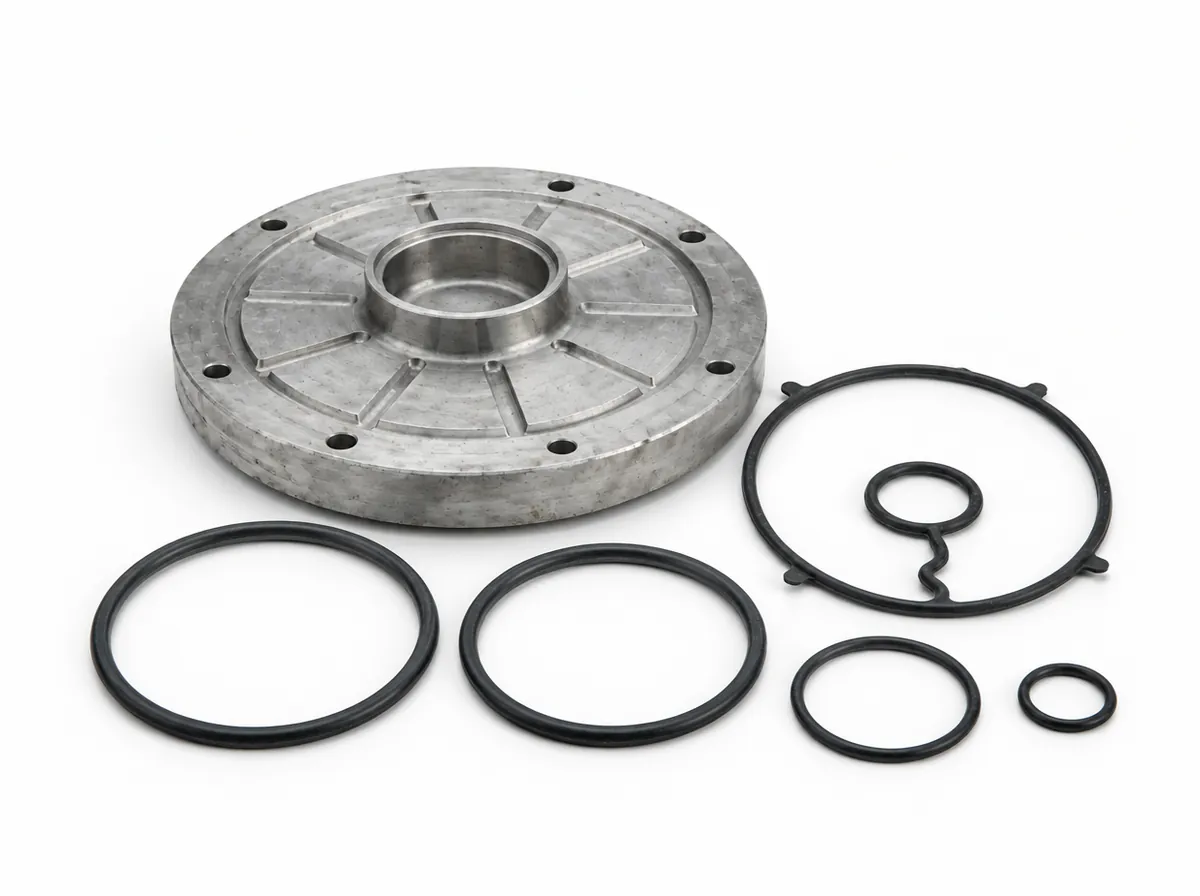
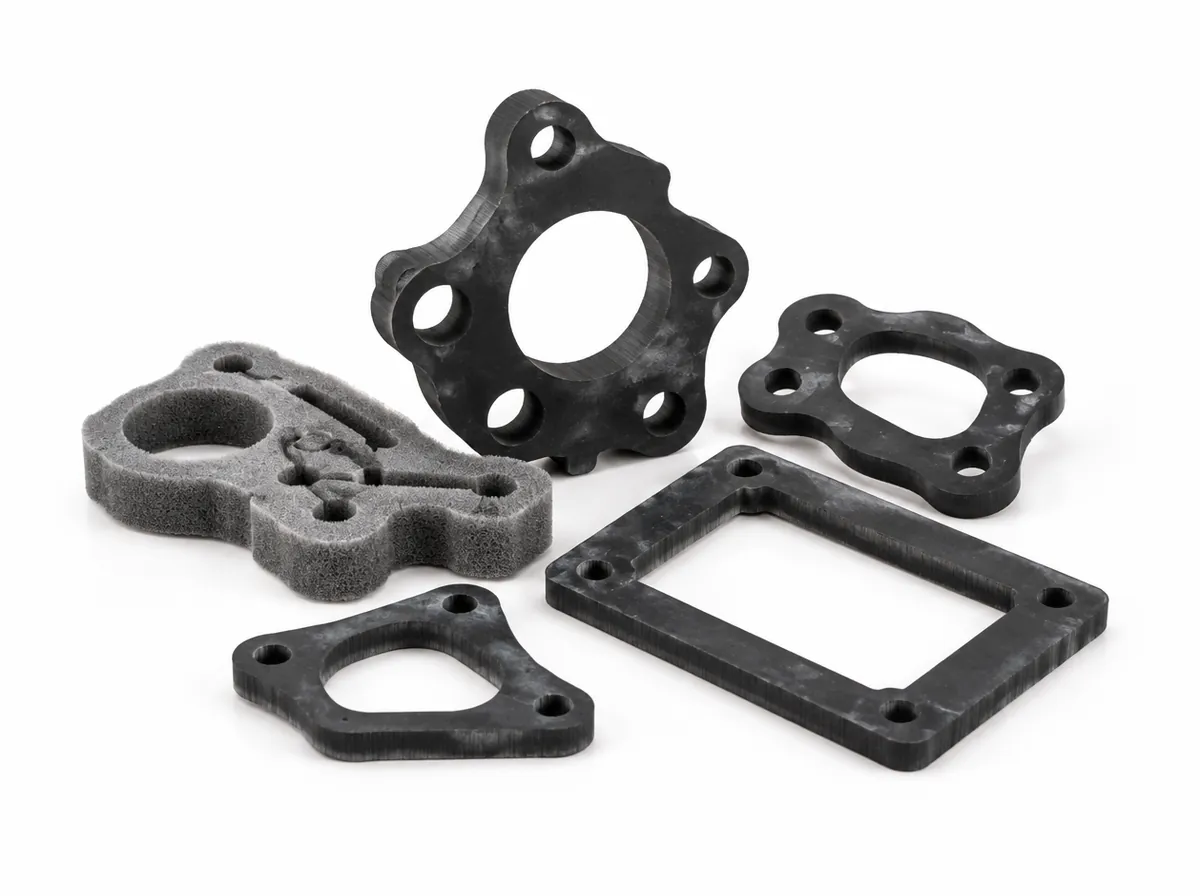
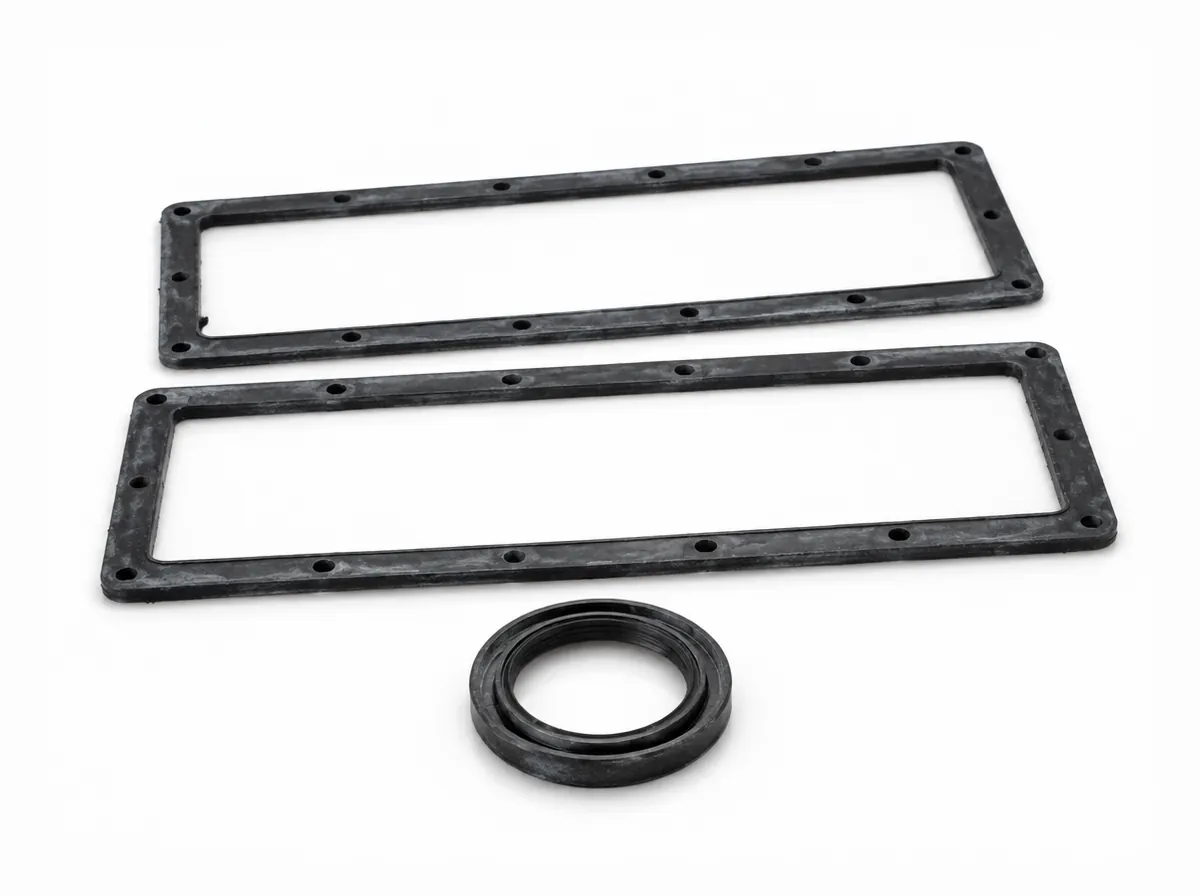
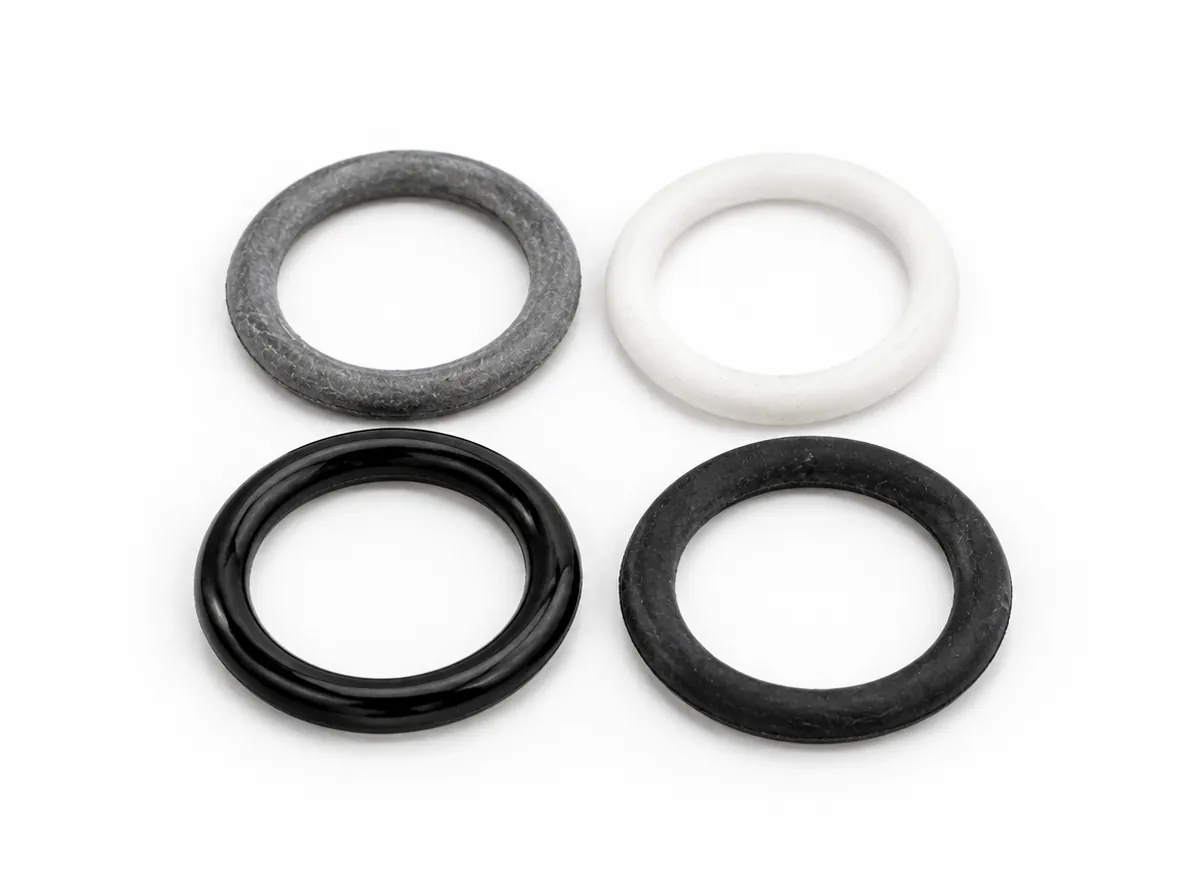
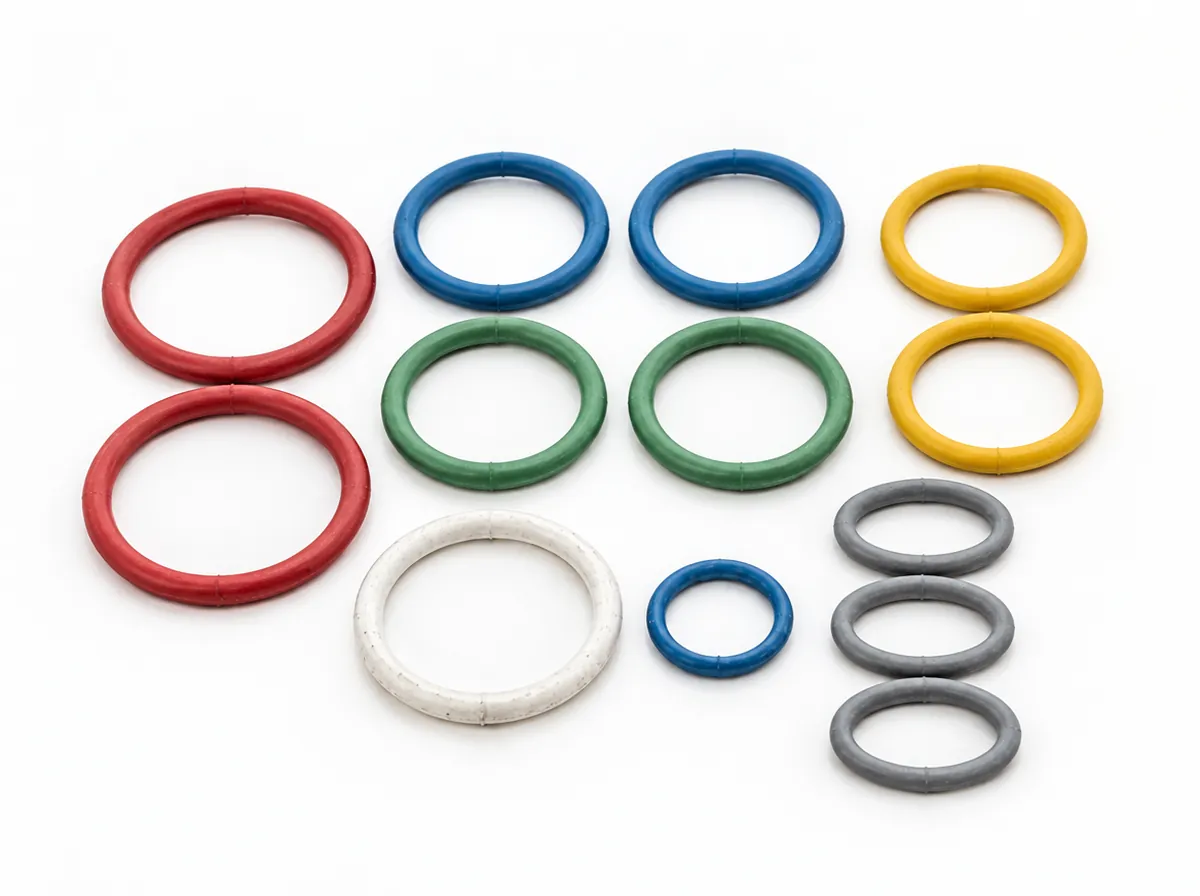
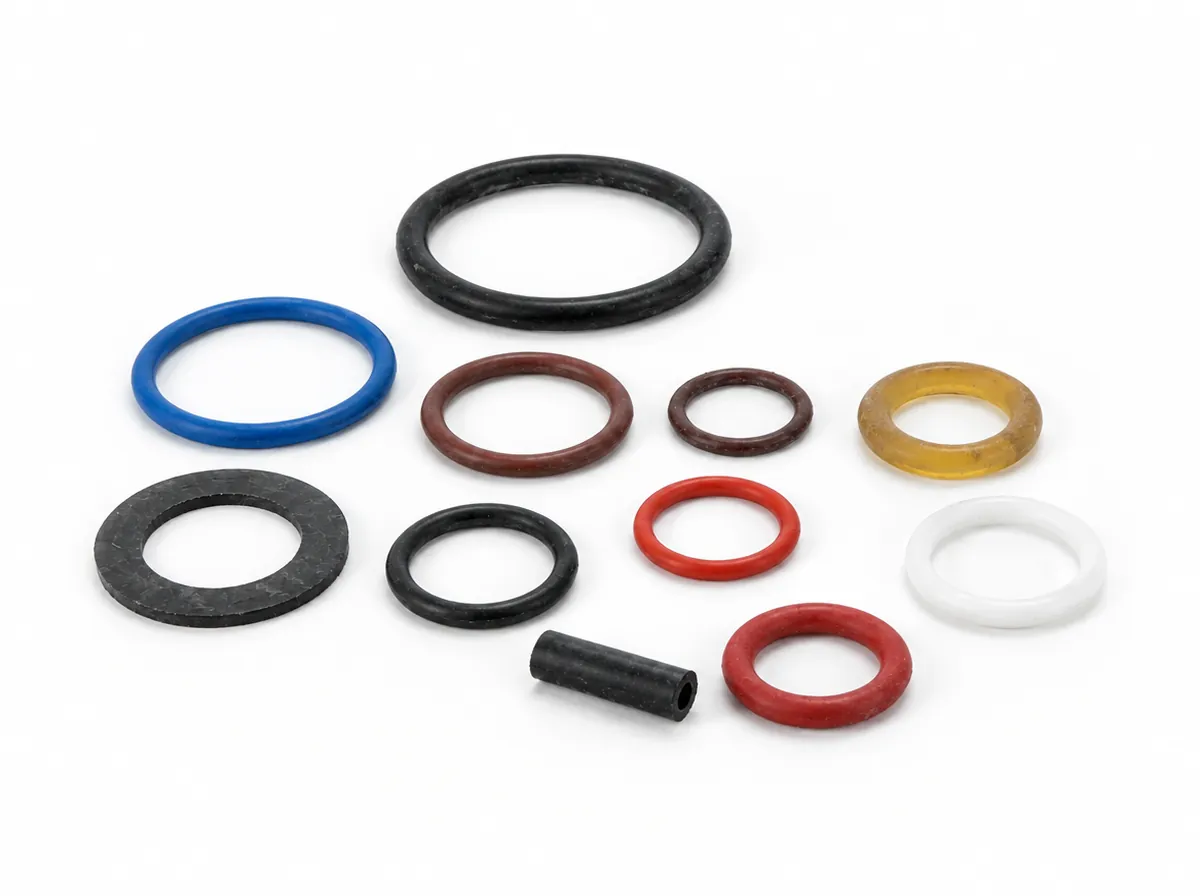
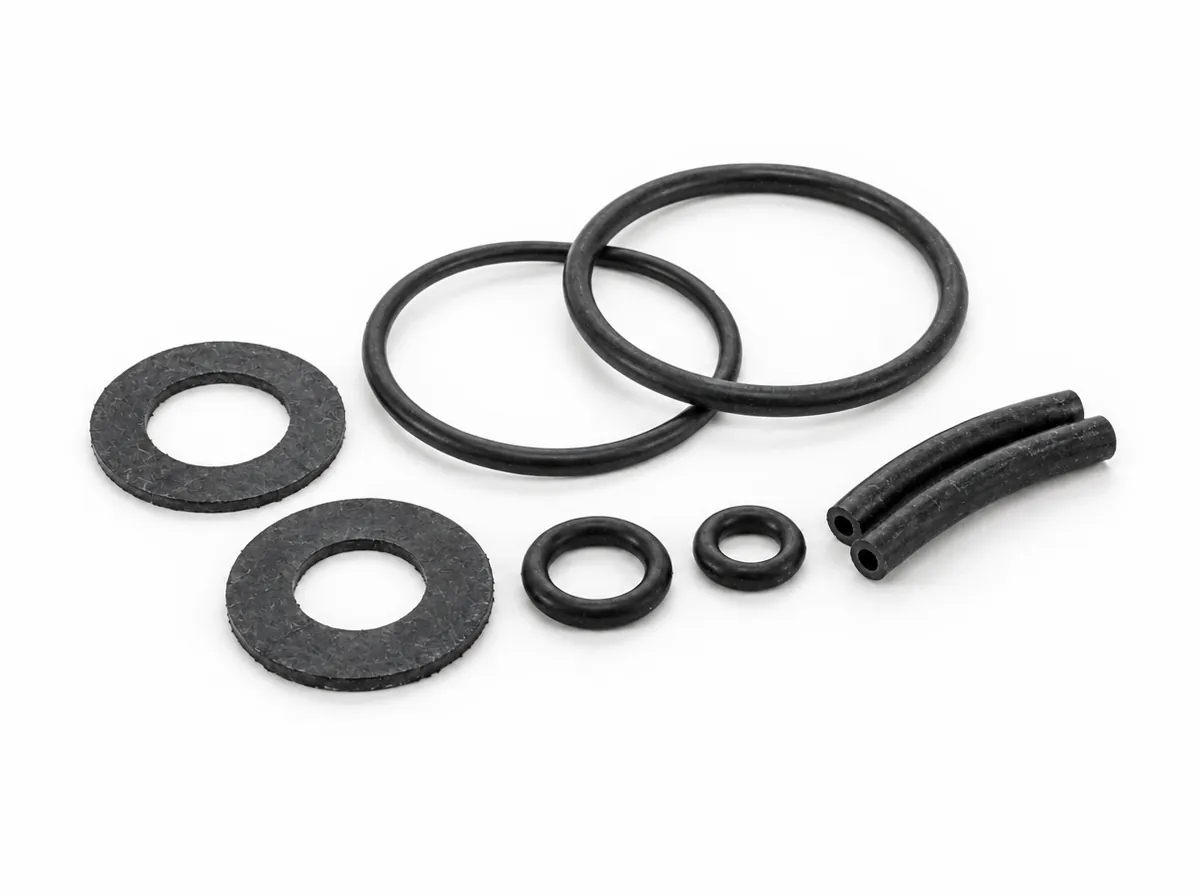
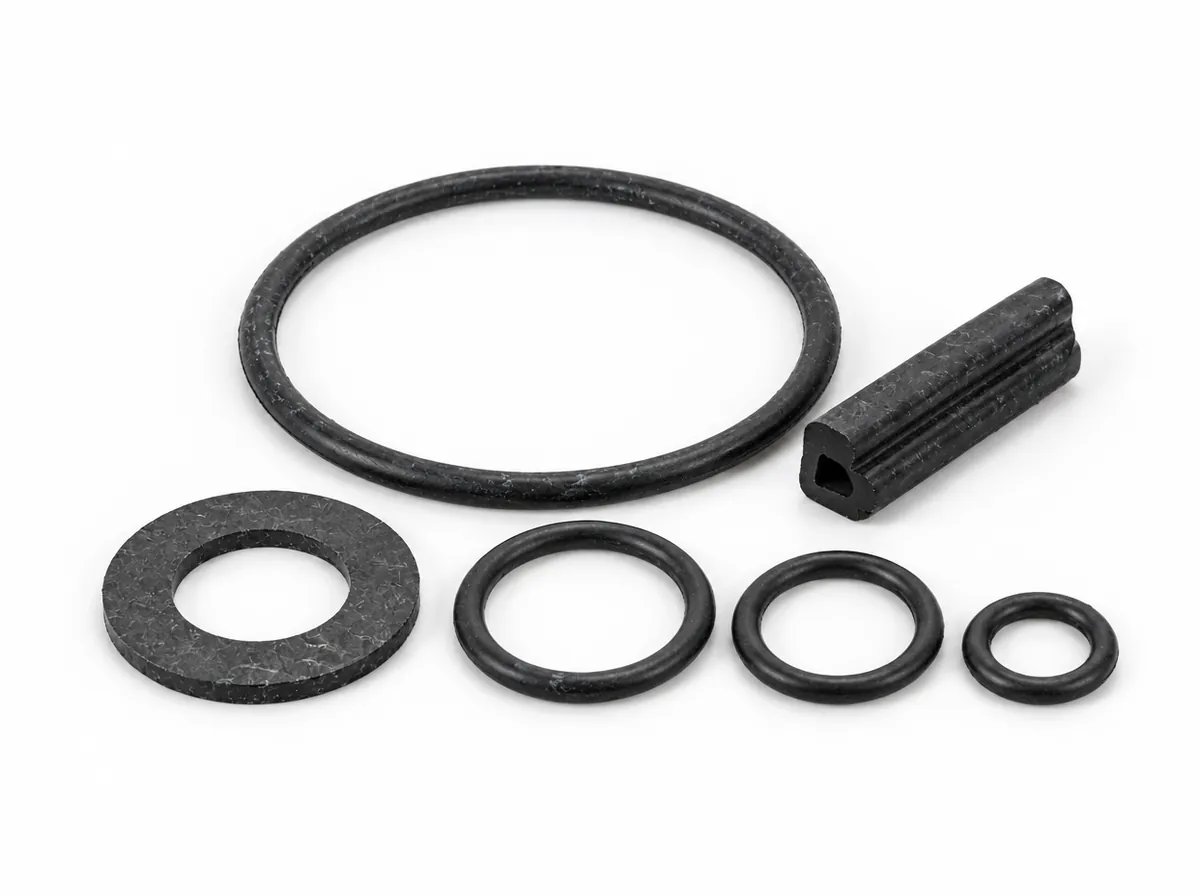
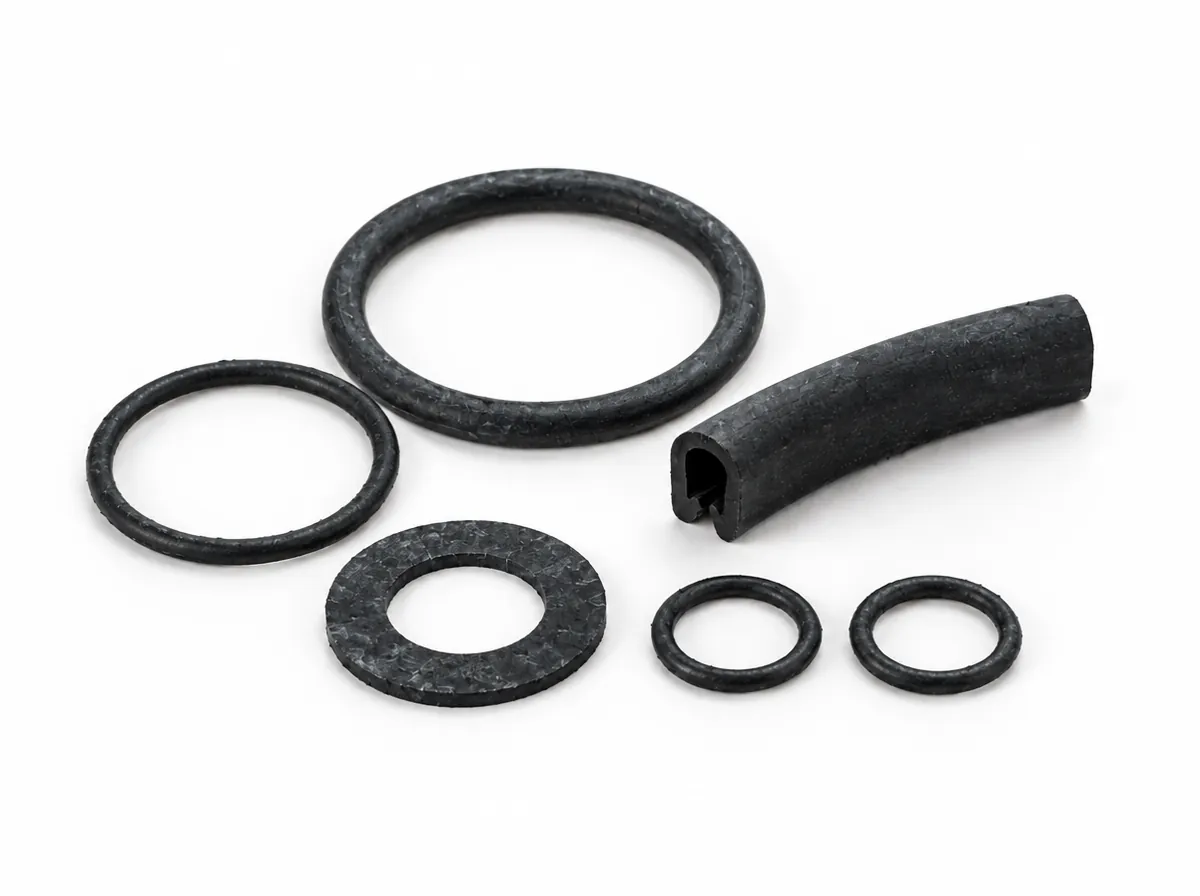
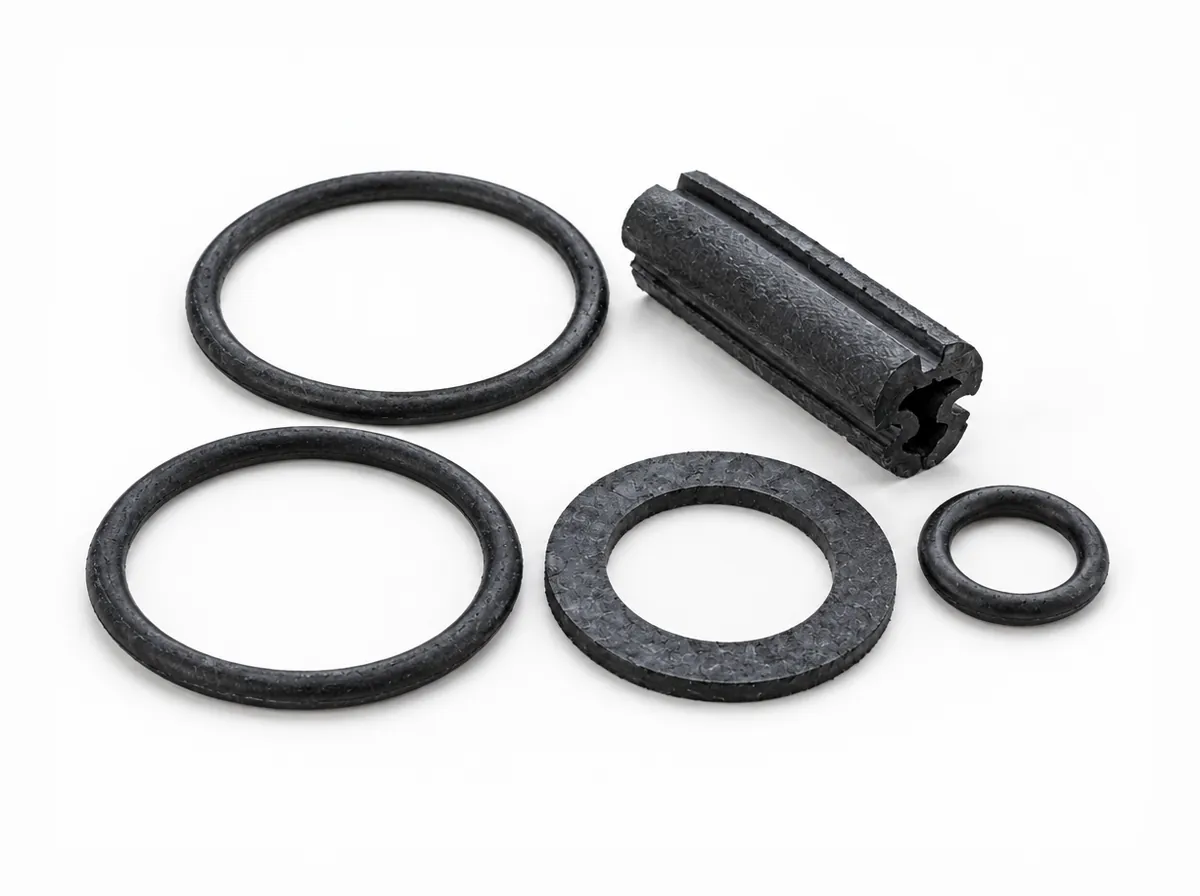
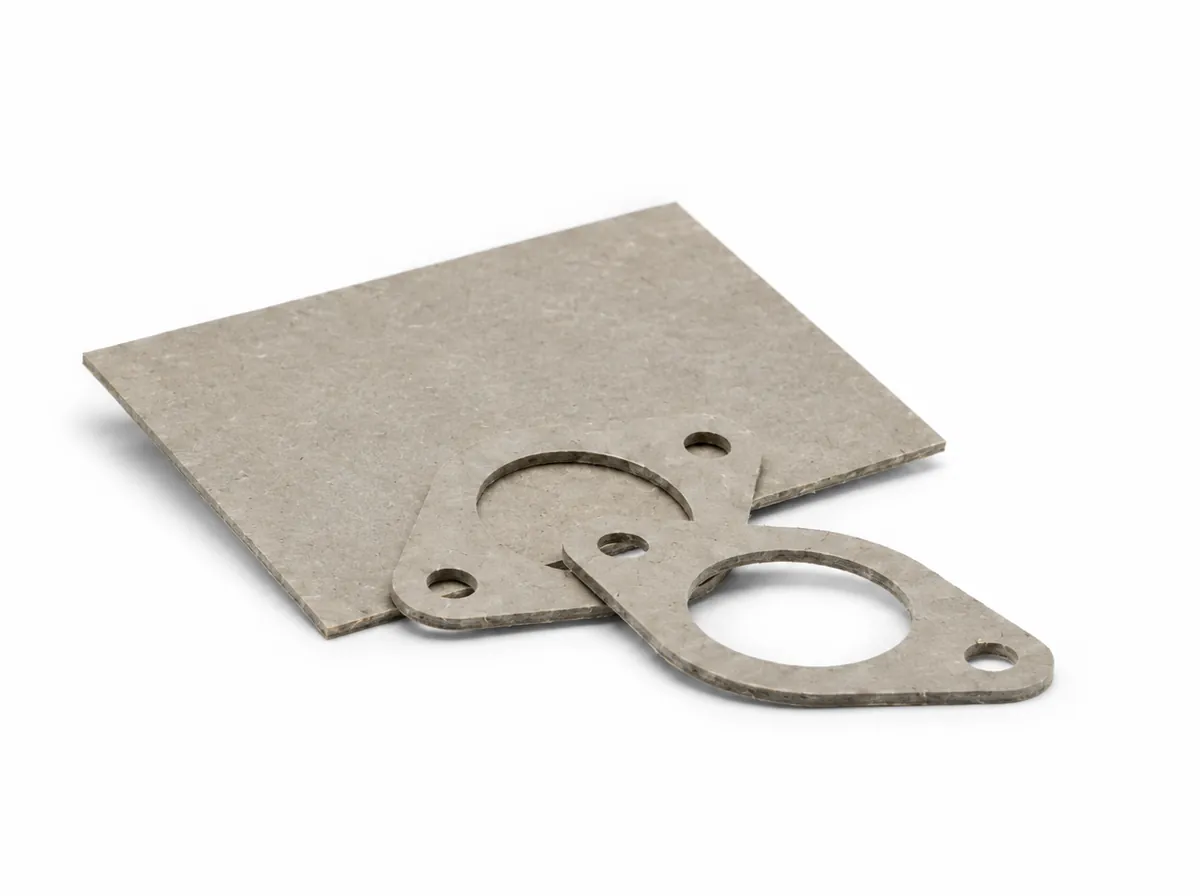
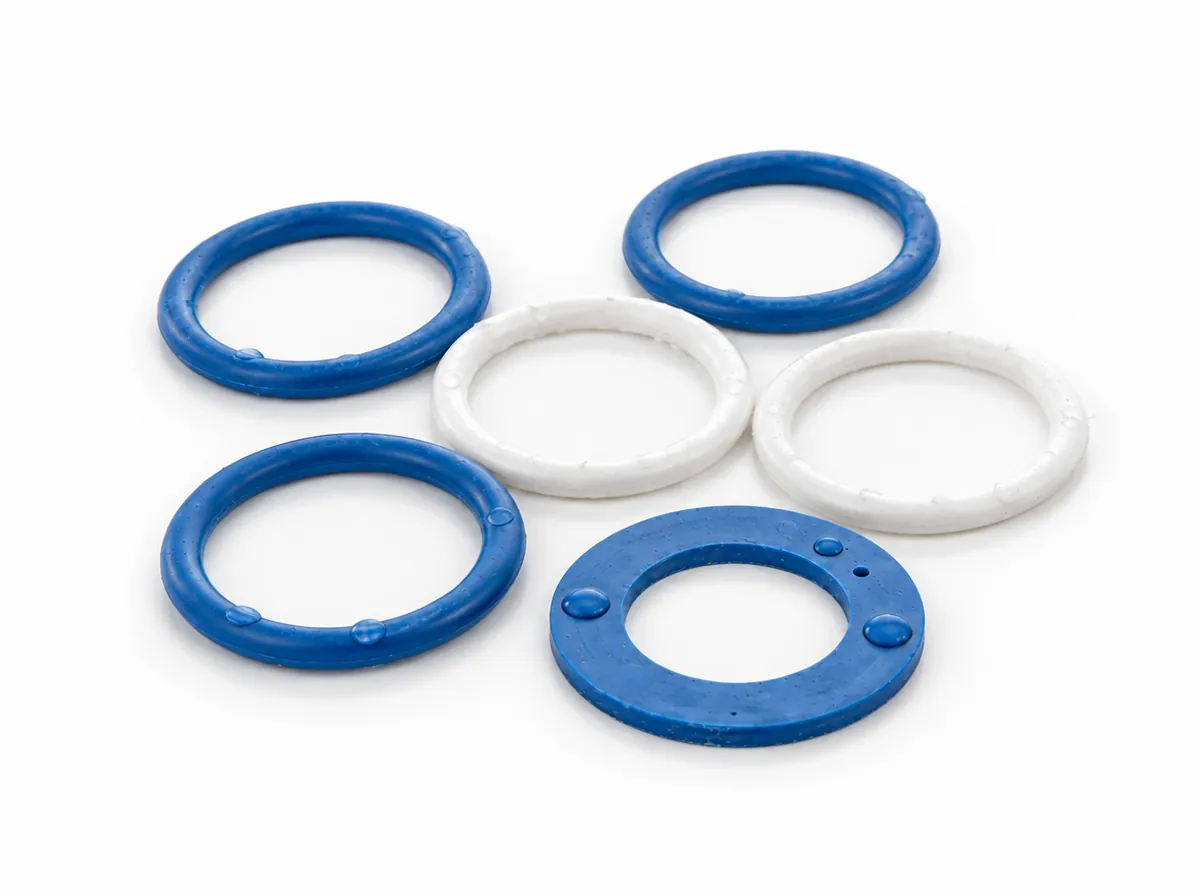
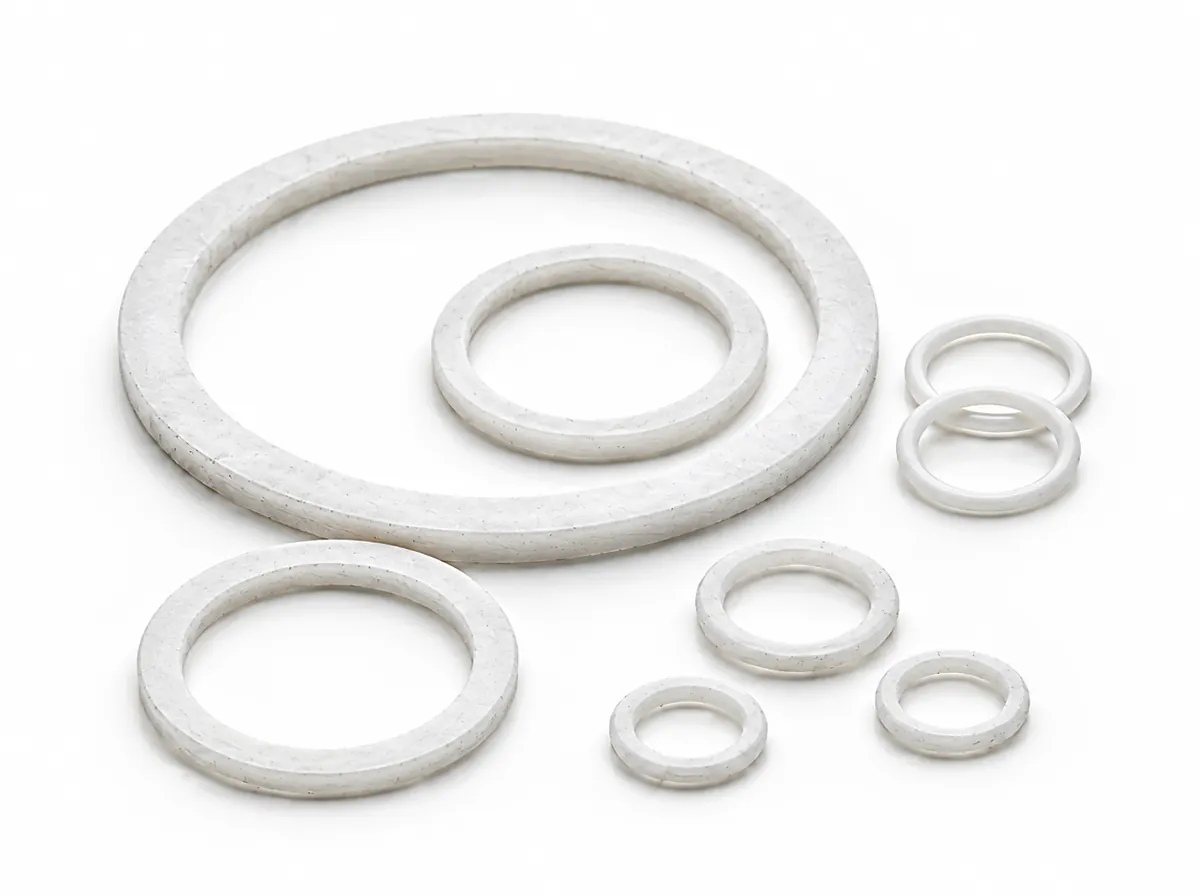
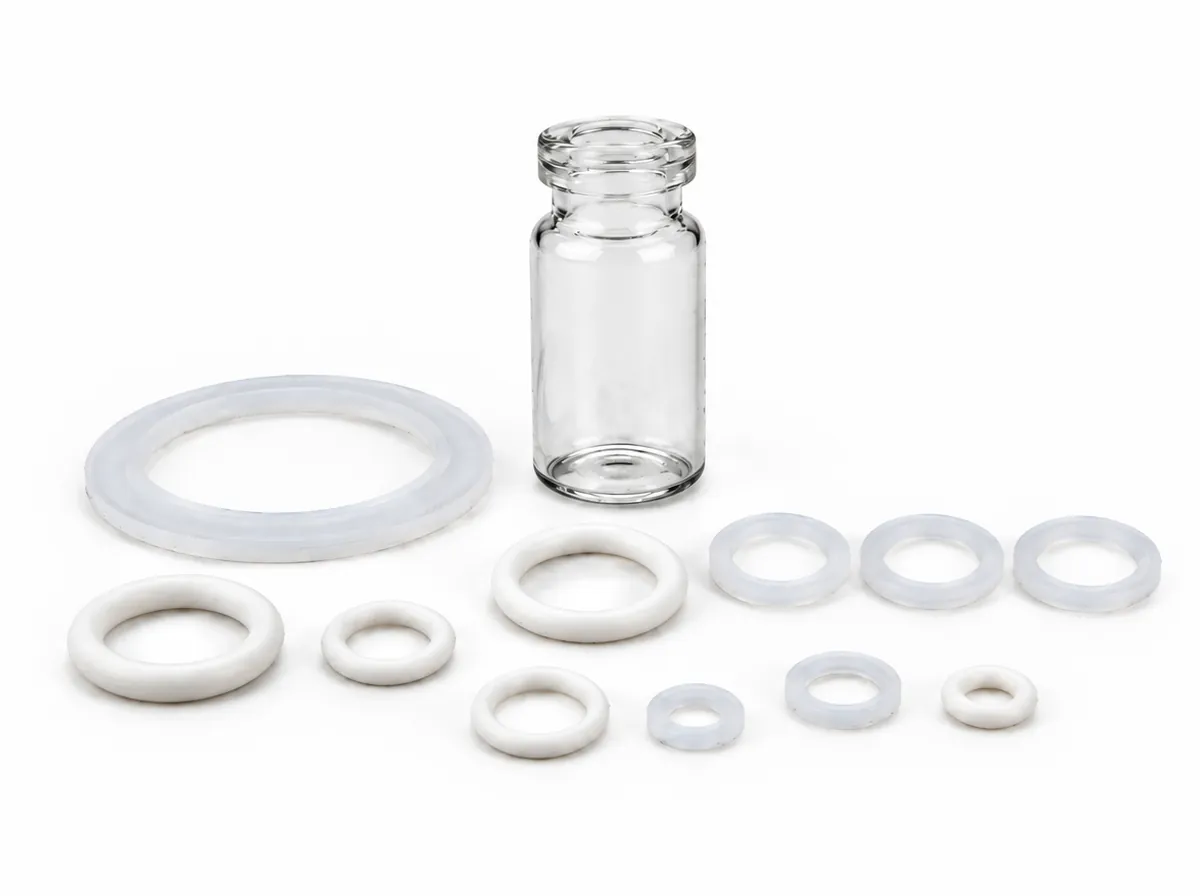
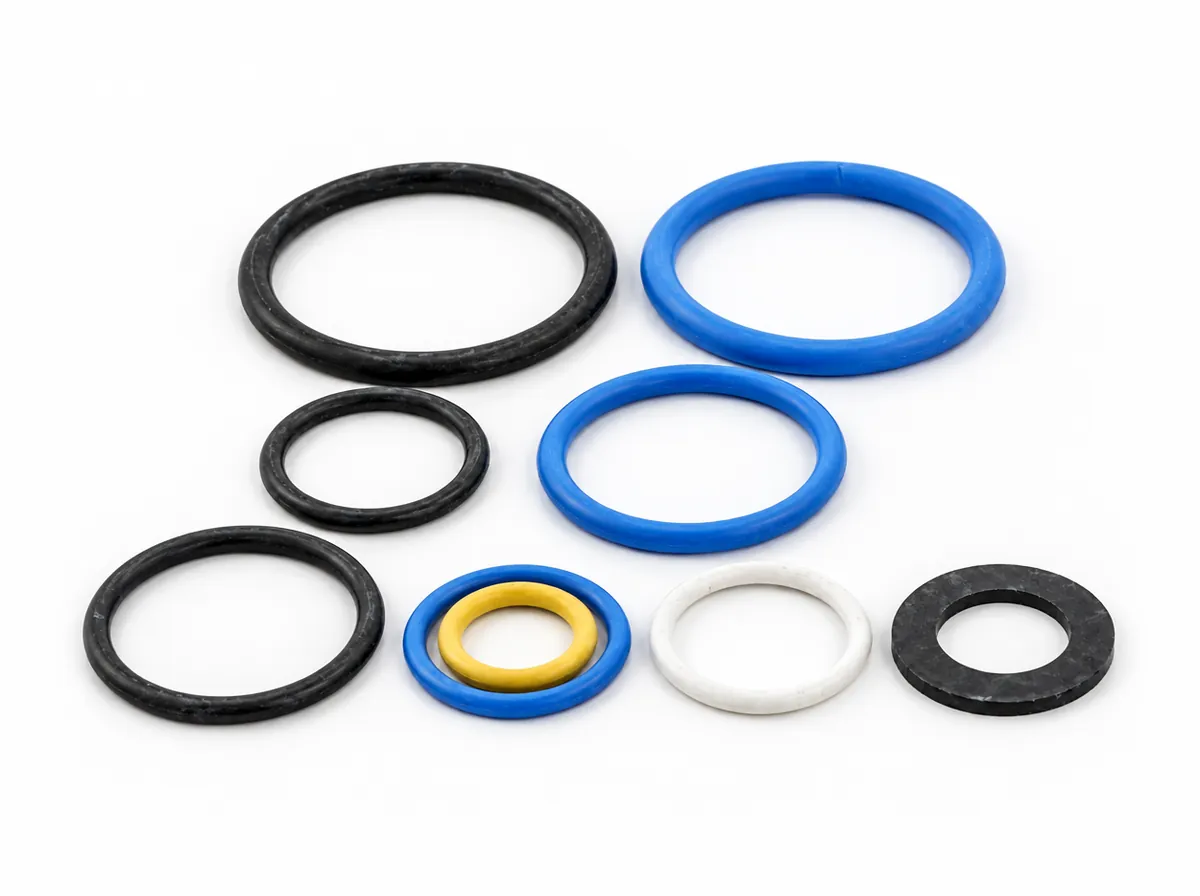
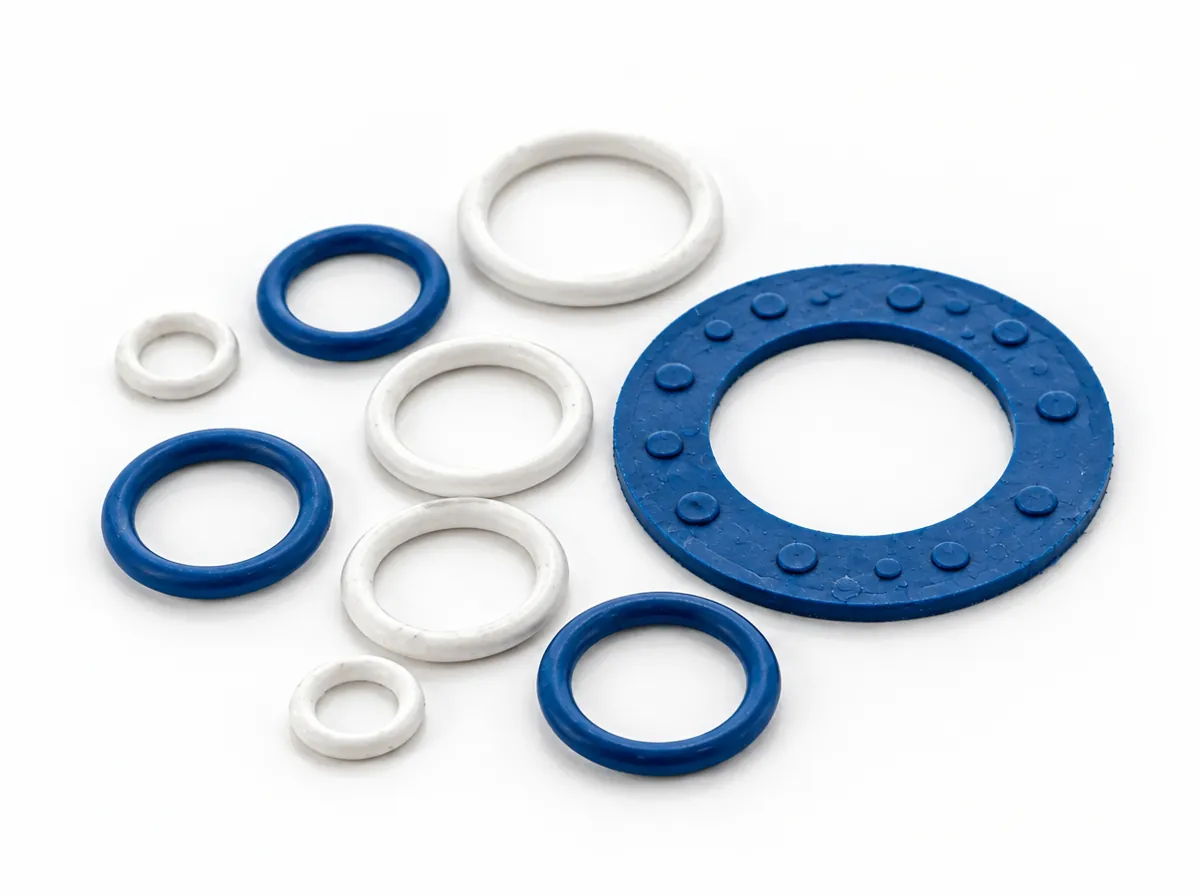
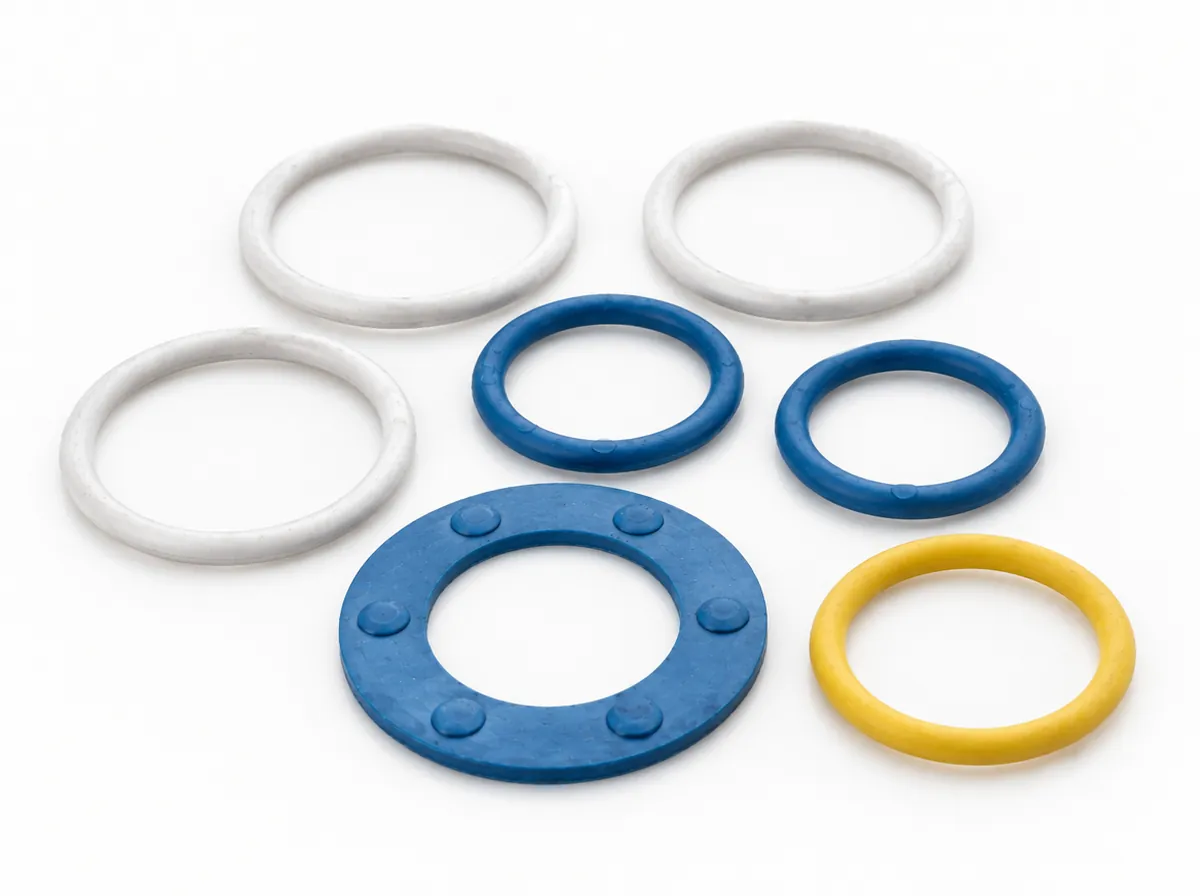
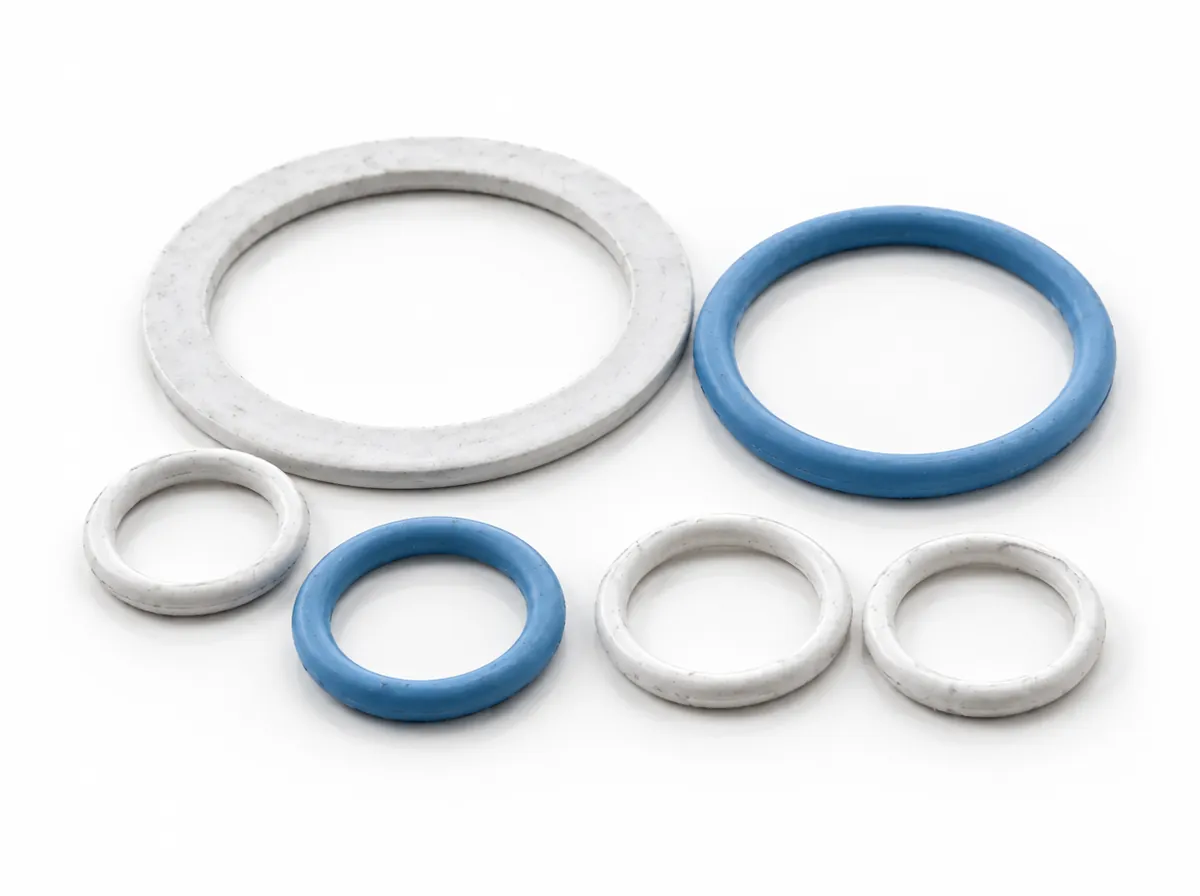
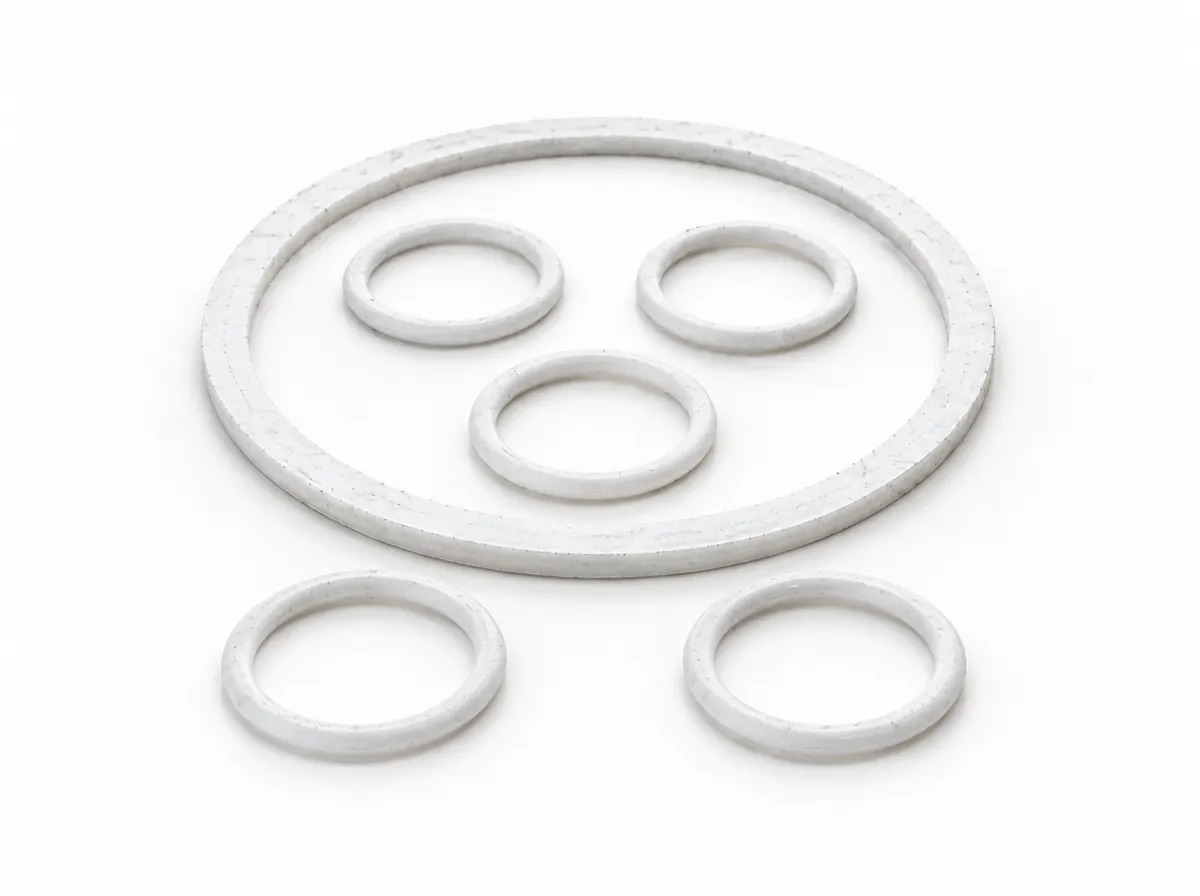
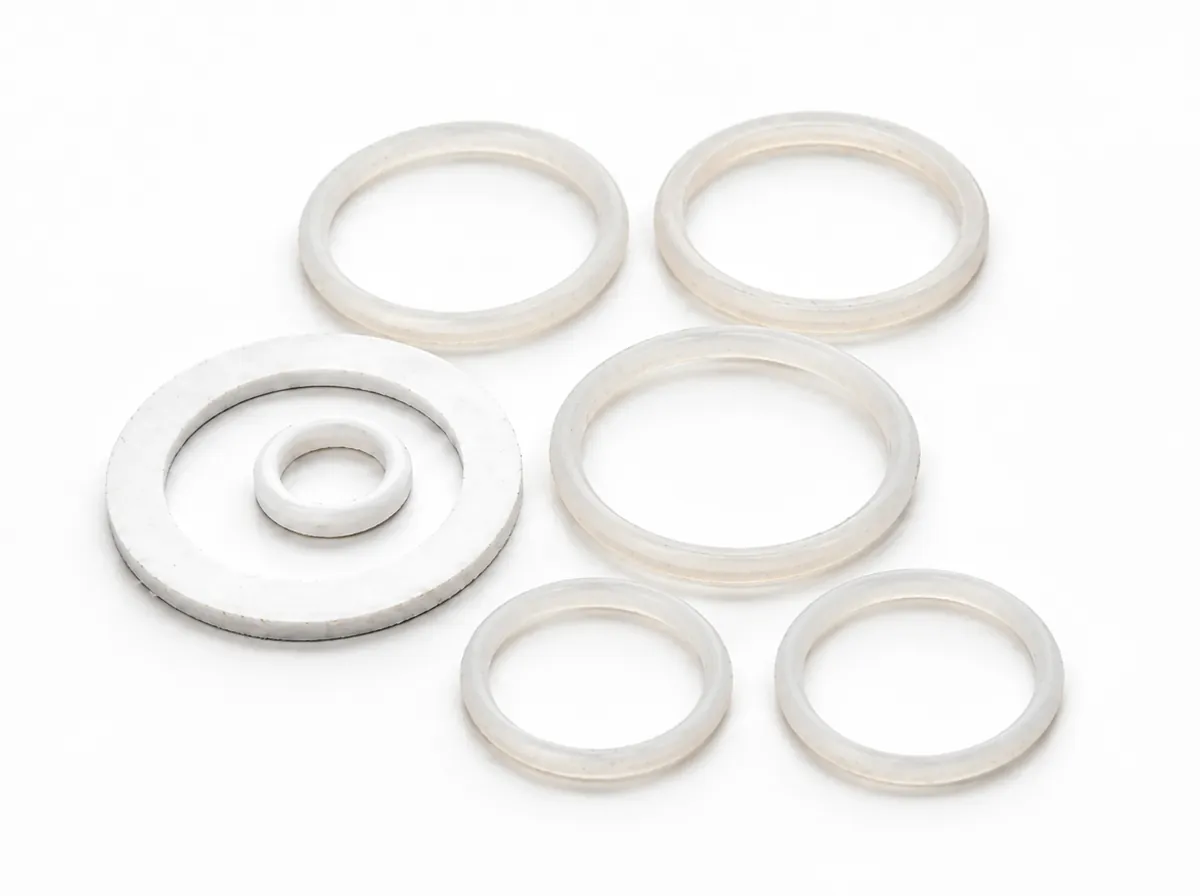
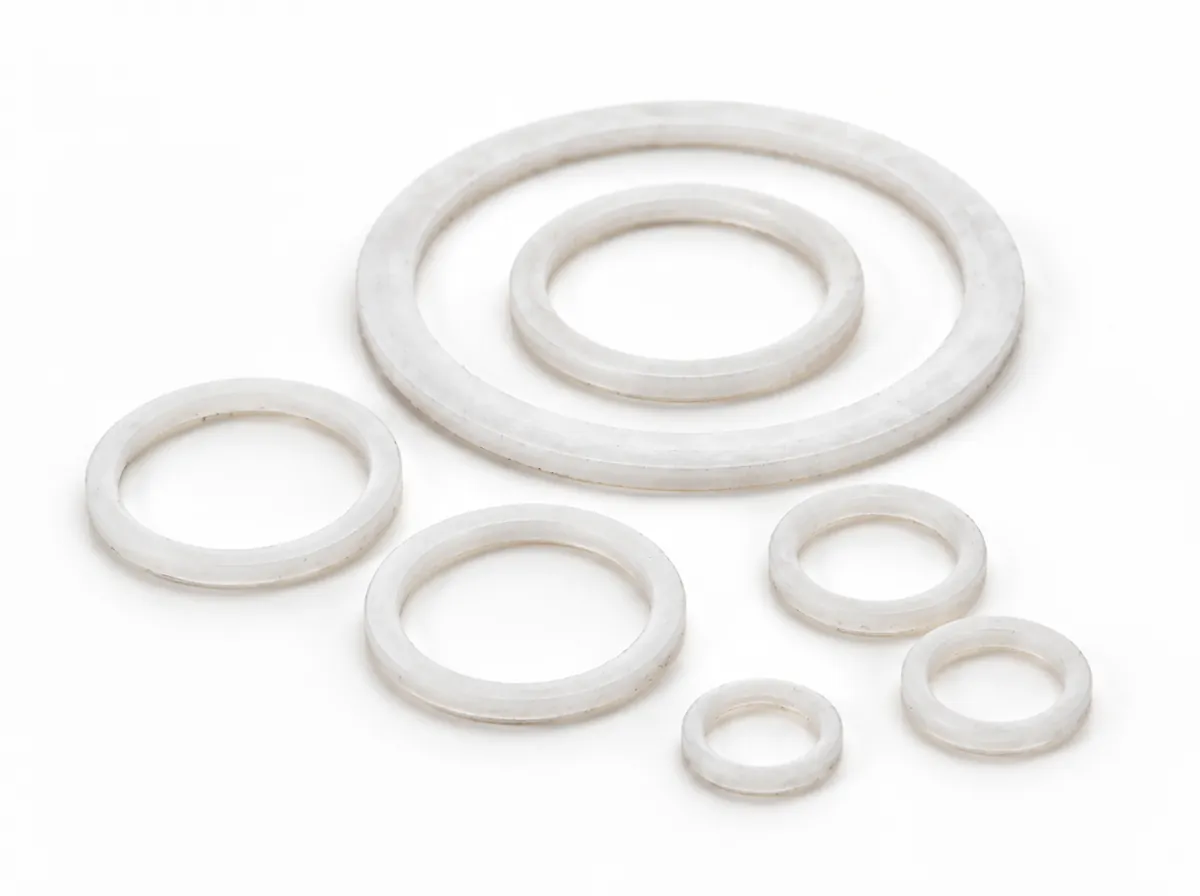
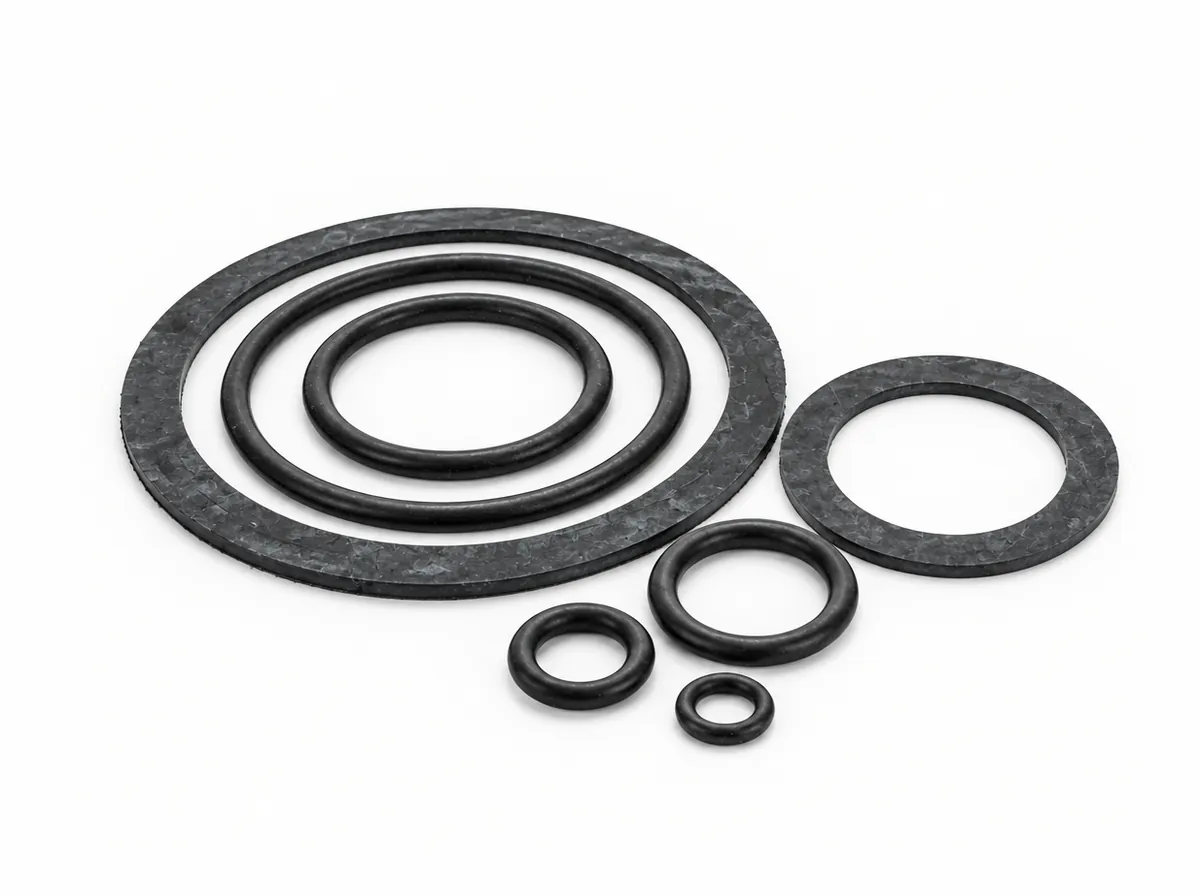
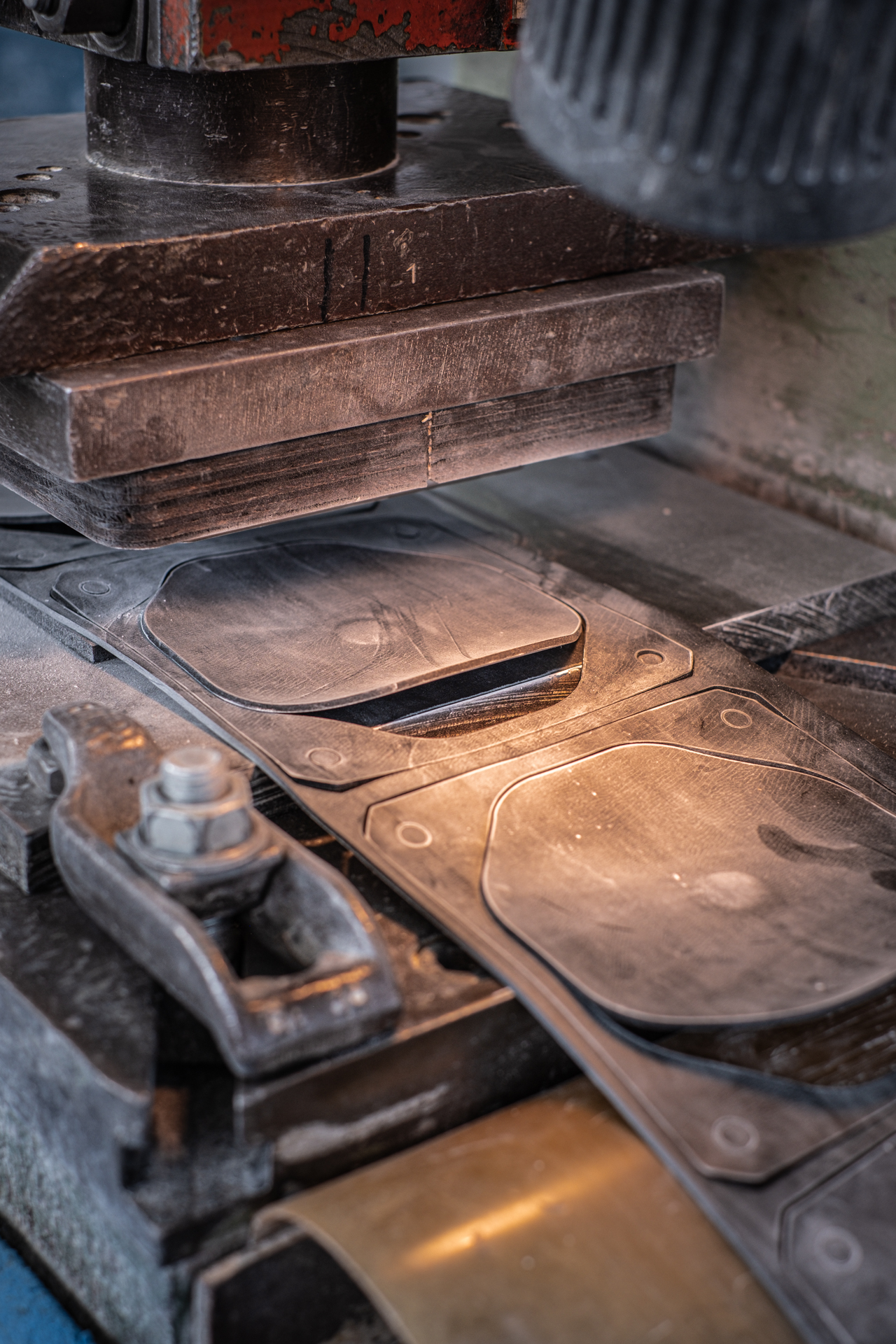
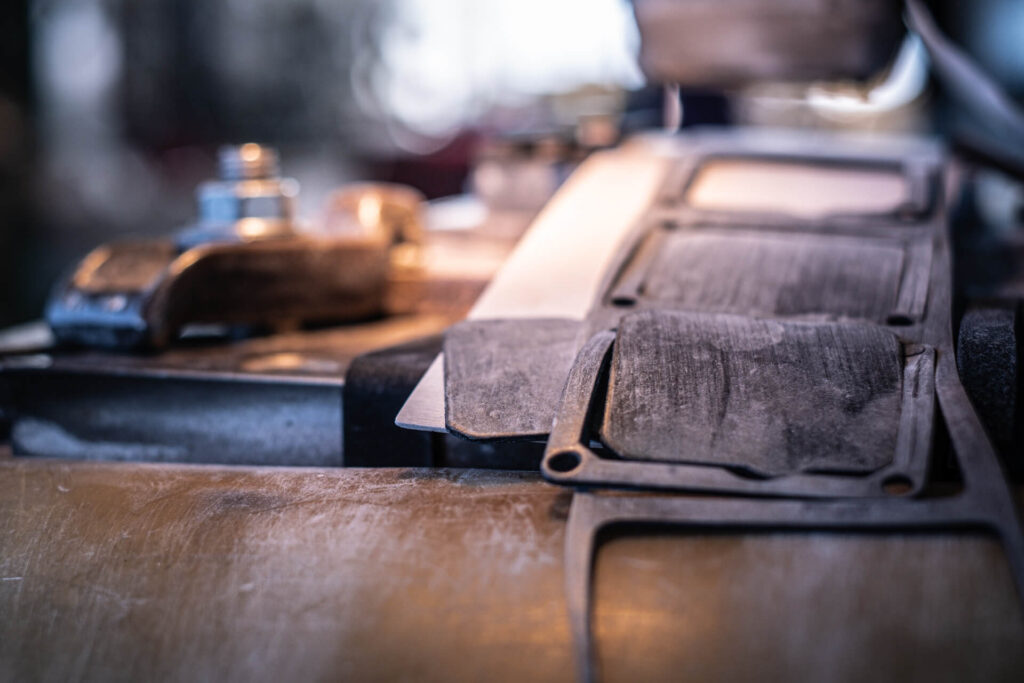
Compression moulding (CM), also known as press moulding, is one of the oldest and most proven processes for producing rubber moulded parts. An established manufacturing process in the rubber, sealing and elastomer industry, cost-effective for small to medium series.
Also known as
Press moulding, compression moulding
Series
Small to large series
Tooling costs
low
Strength
Flexible production
Overview
What is compression moulding?
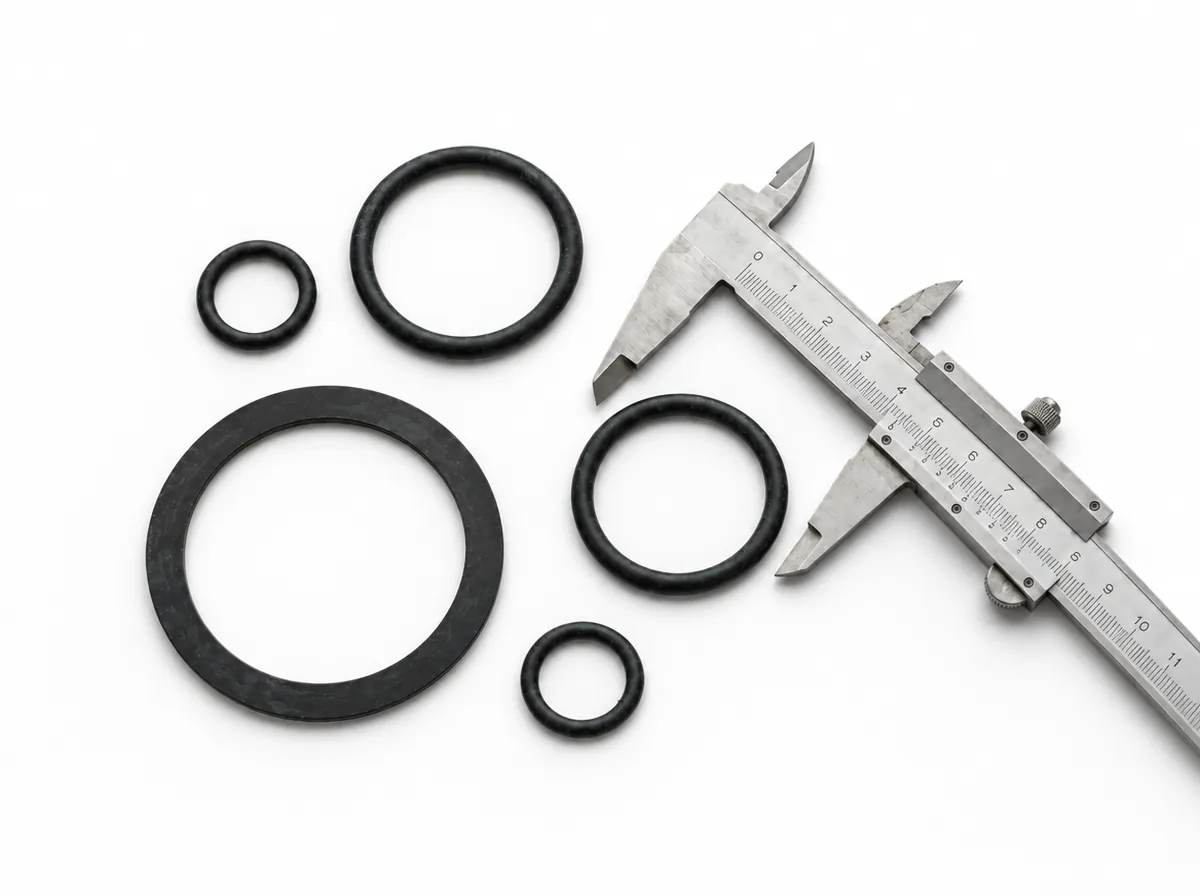
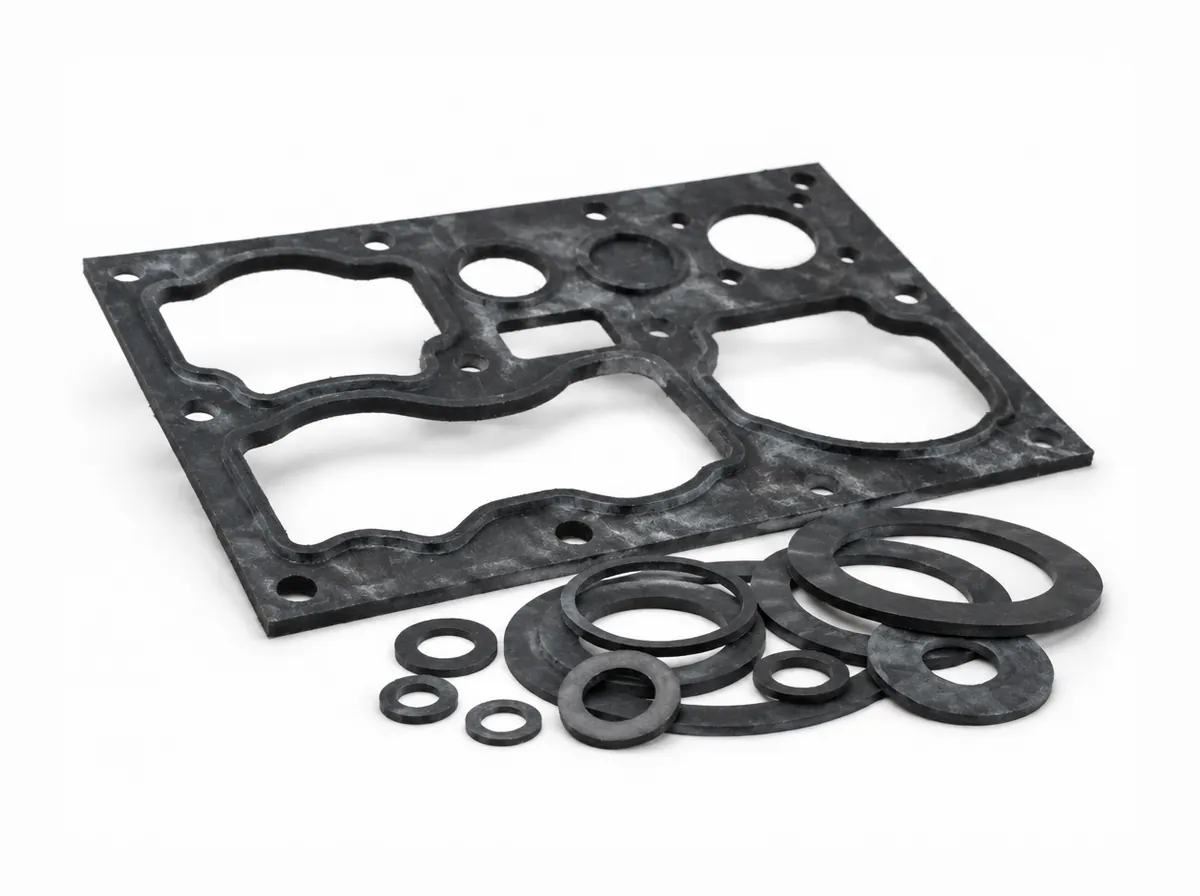
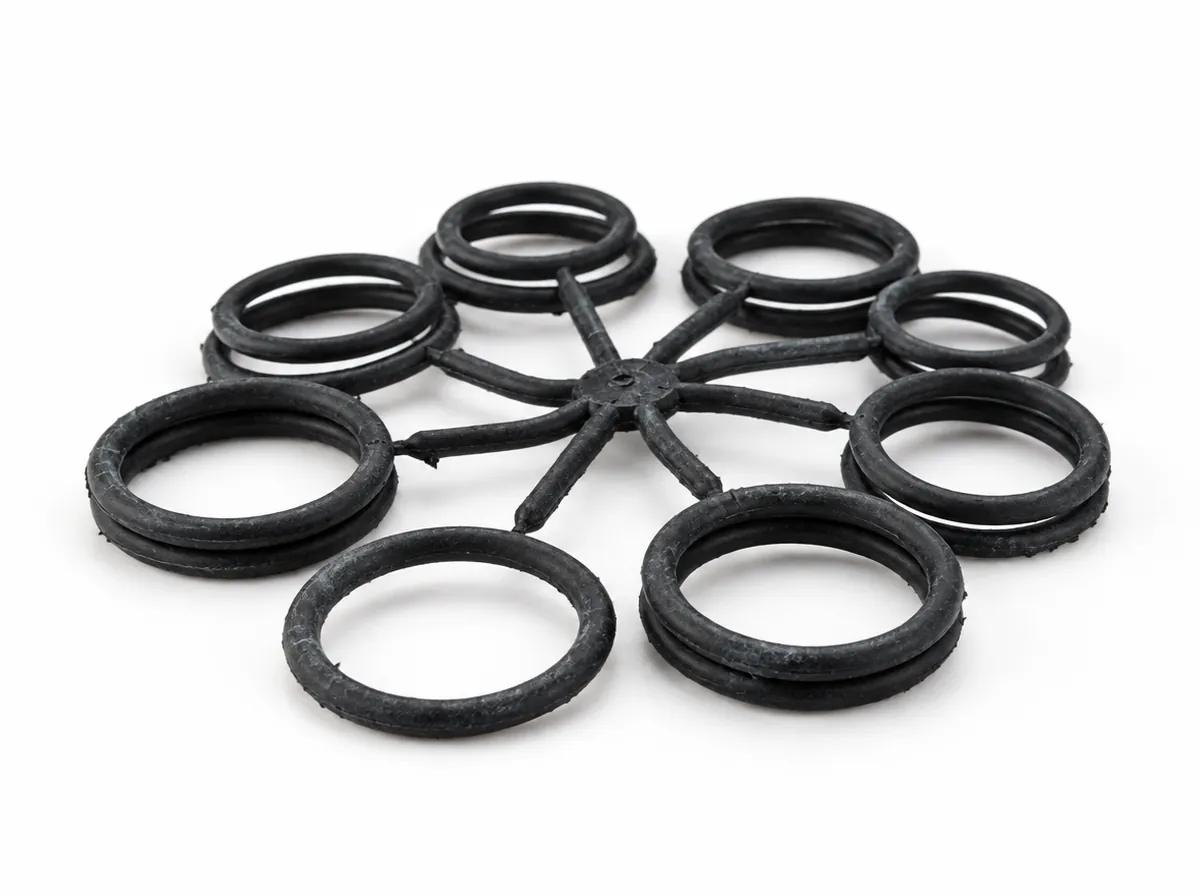
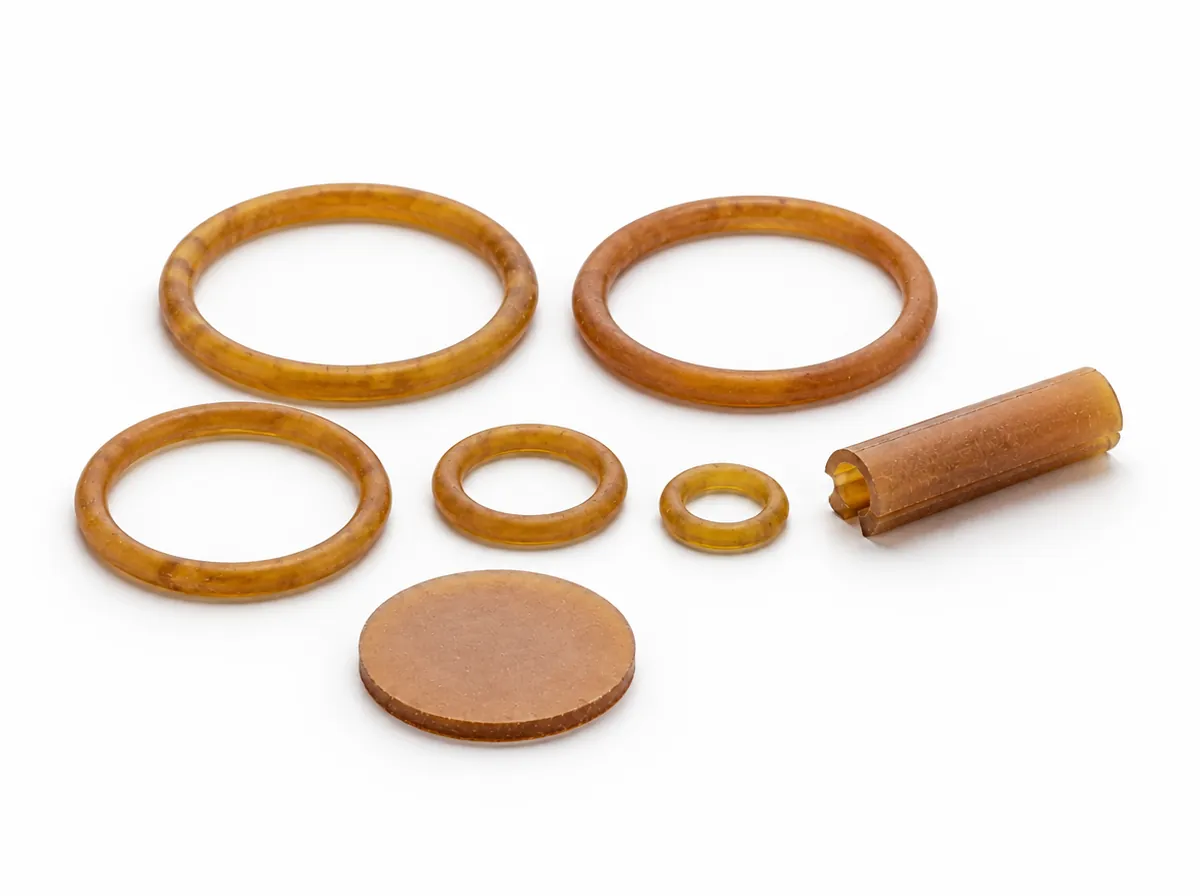
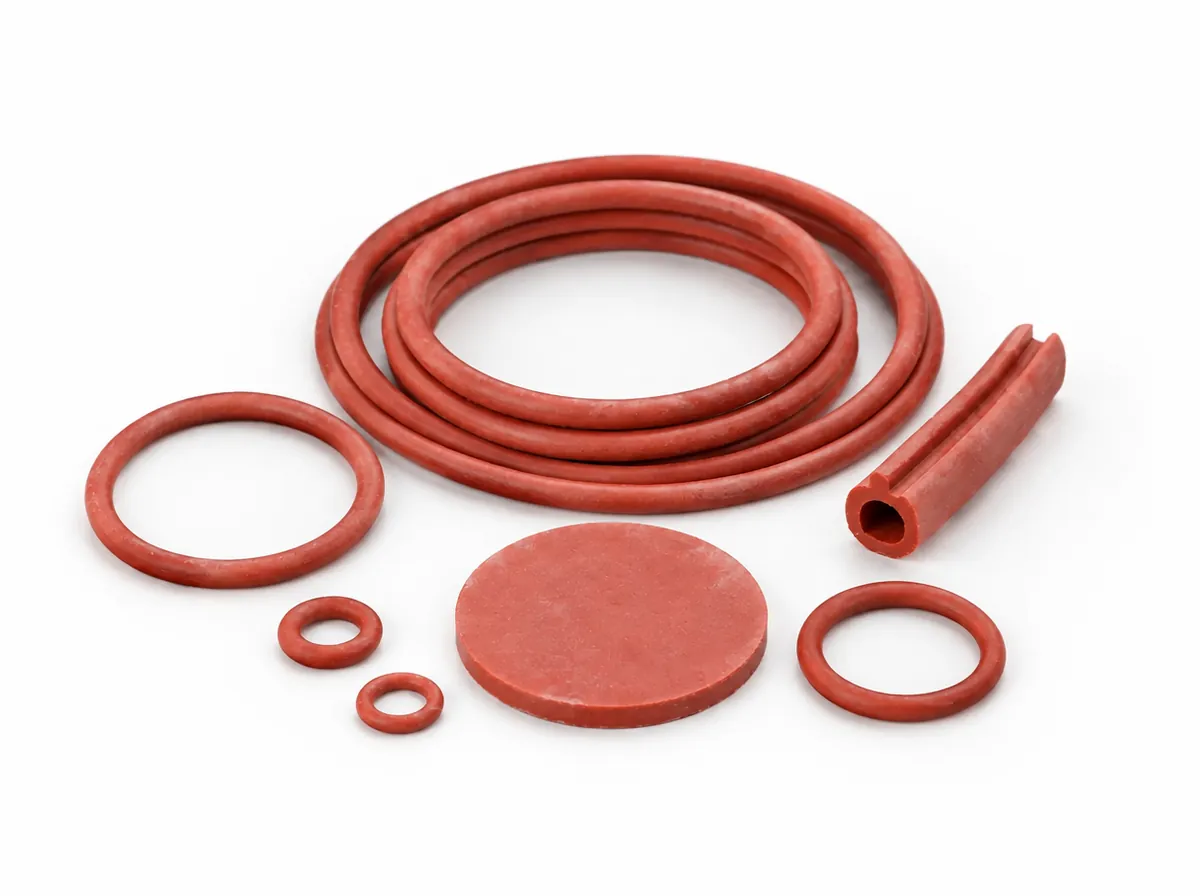
Compression moulding (CM), also called press moulding, is one of the oldest and most proven processes for producing rubber moulded parts. As an established manufacturing process in the rubber, sealing and elastomer industry, it enables economical and cost-effective production for both small series and medium series.
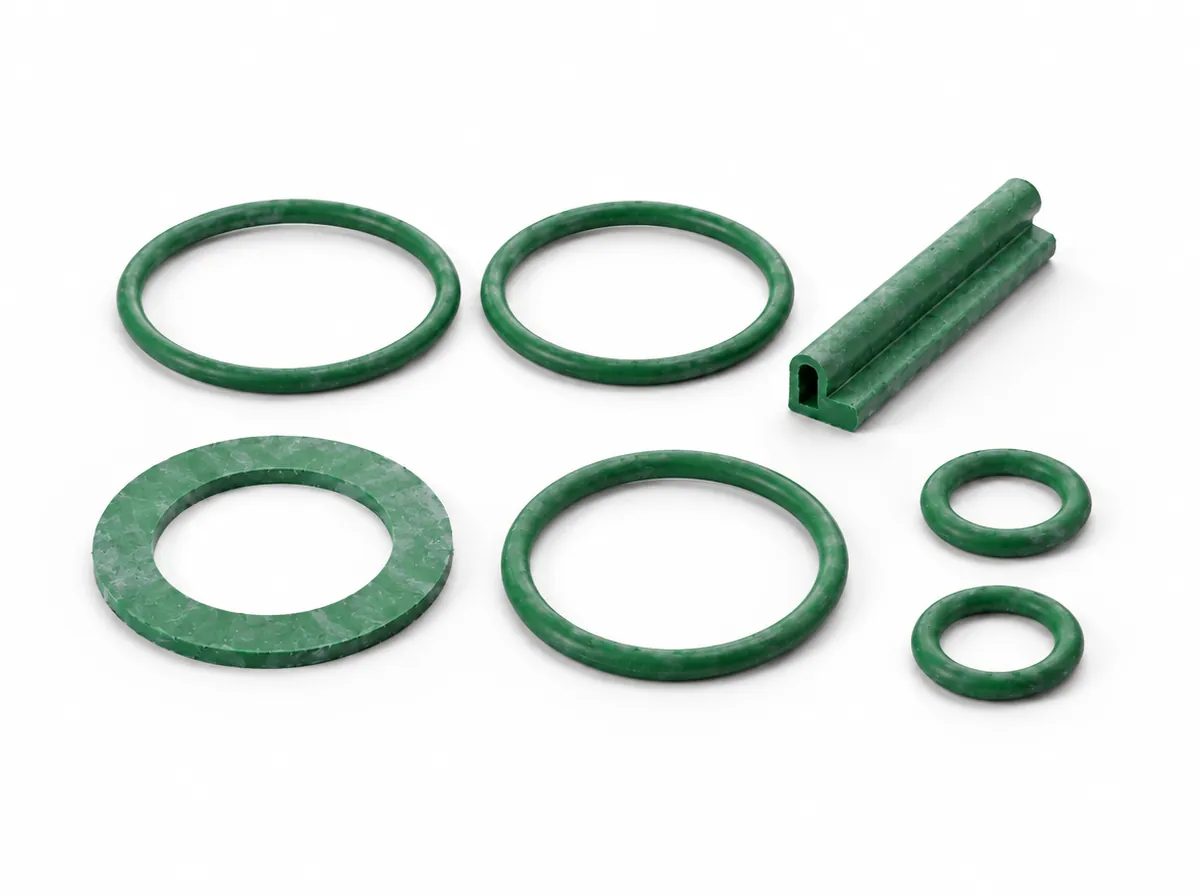
We compression-mould articles for drinking water applications from EPDM compounds with KTW-BWGL certificate or conformity. Which approvals apply to your application is explained under drinking water.
How it works
How compression moulding works
- 01
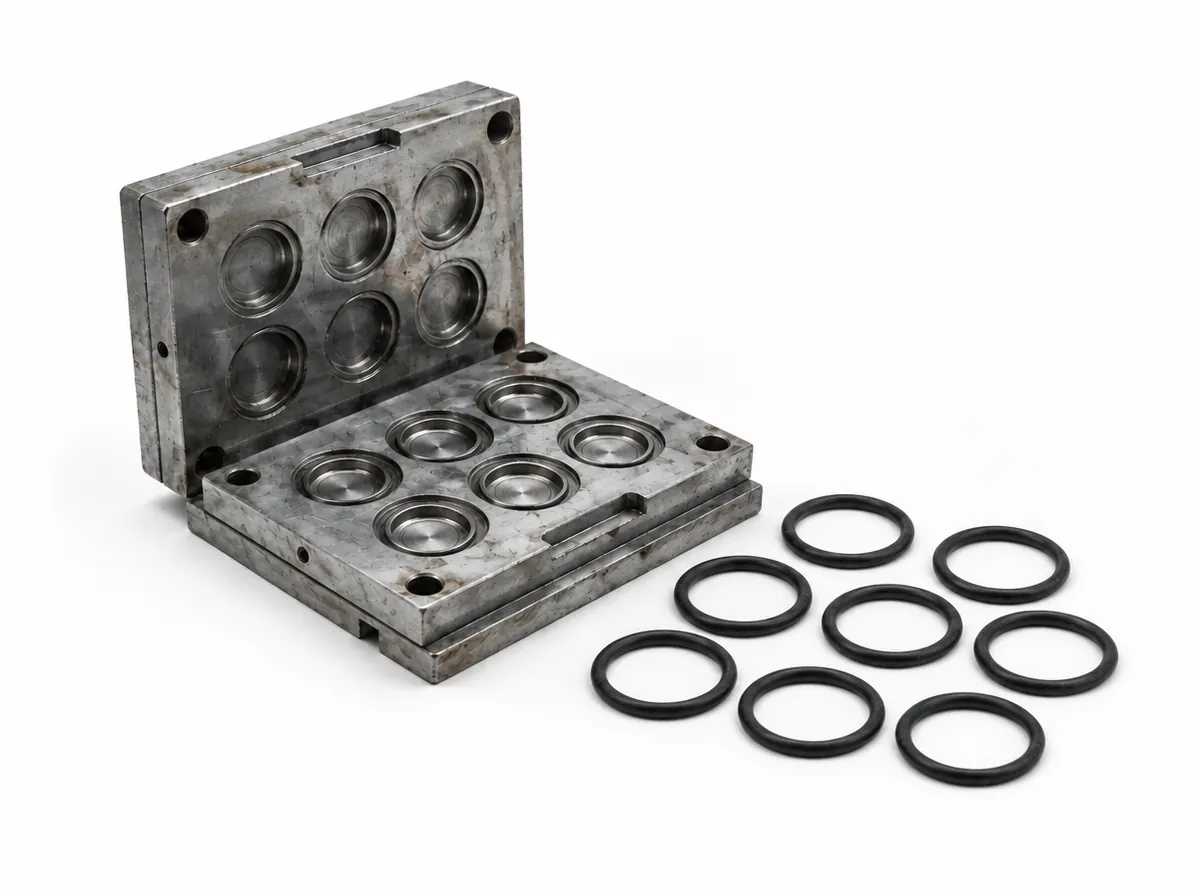
Raw material (unvulcanised rubber compound) is placed in a heated mould as a blank or preformed piece.
- 02
When the mould closes, the clamping pressure presses the material into the individual cavities.
- 03
The mould is heated by heating plates, which triggers vulcanisation.
- 04
After the vulcanisation and crosslinking time, the finished moulded part is removed and deburred afterwards if required.
Advantages
Advantages of the CM process
- Suitable for large material thicknesses and thick-walled components
- Low tooling costs compared with injection moulding
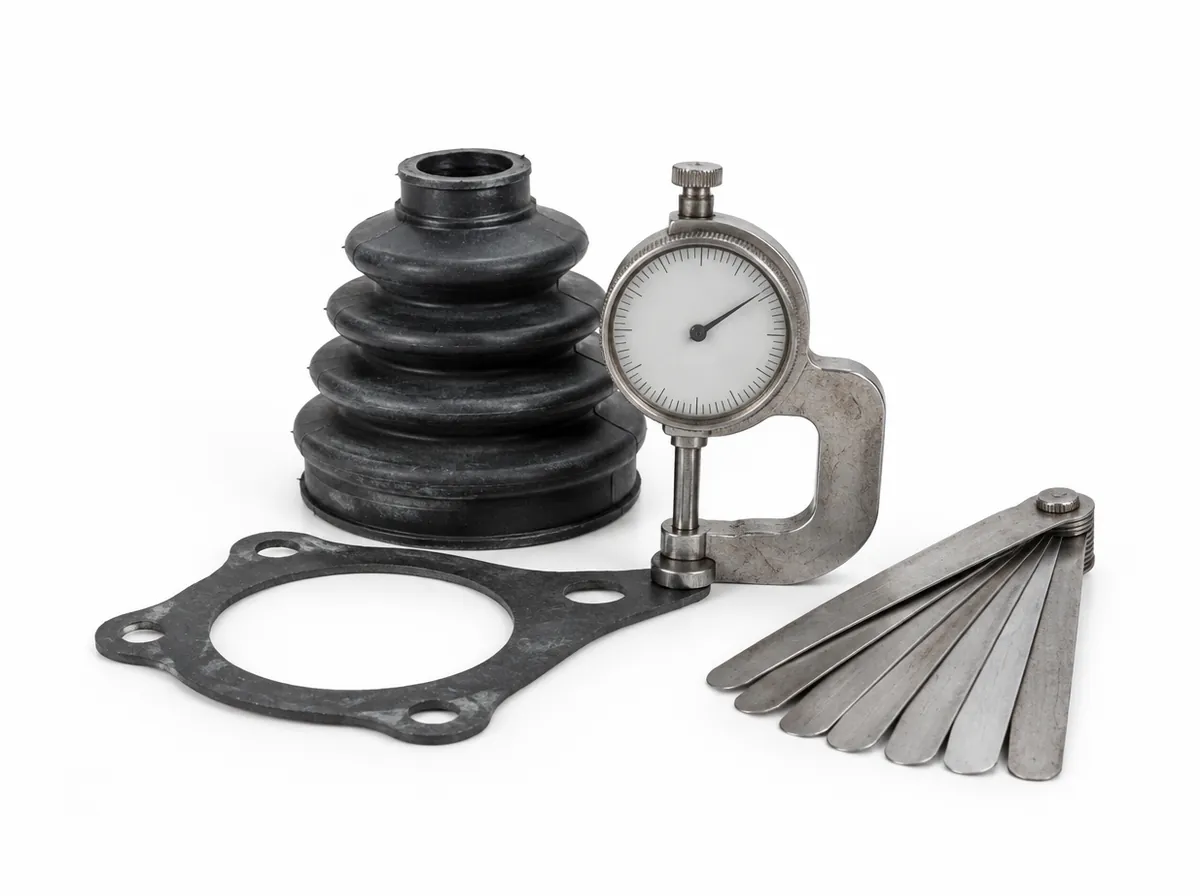
- Precise production with high dimensional accuracy and low mould shrinkage
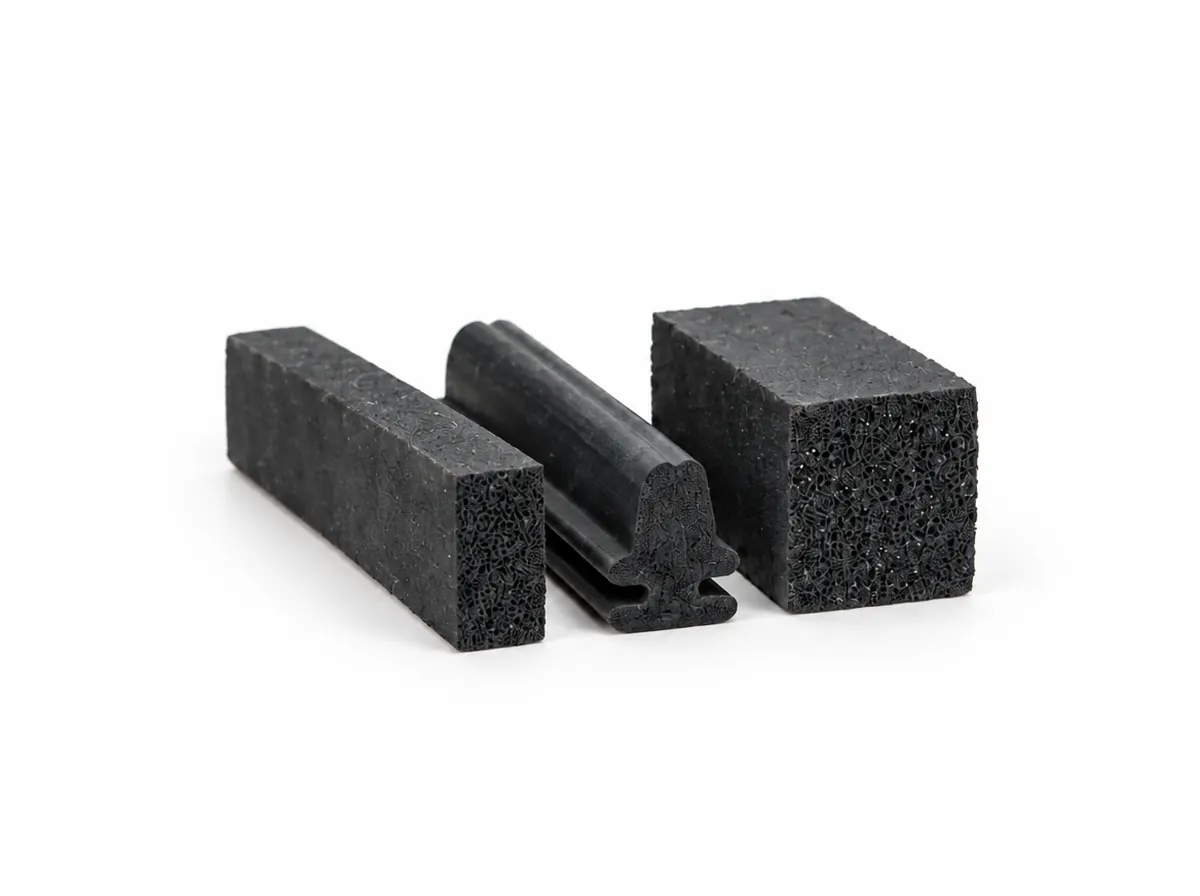
- Highly filled materials and reinforced elastomers can be processed
- Ideal for small series and medium quantities
Materials
Suitable rubber materials
EPDM
Resistant to weathering, ozone and many chemicals.
NBR (nitrile rubber)
High resistance to oil and fuel.
FKM (fluororubber)
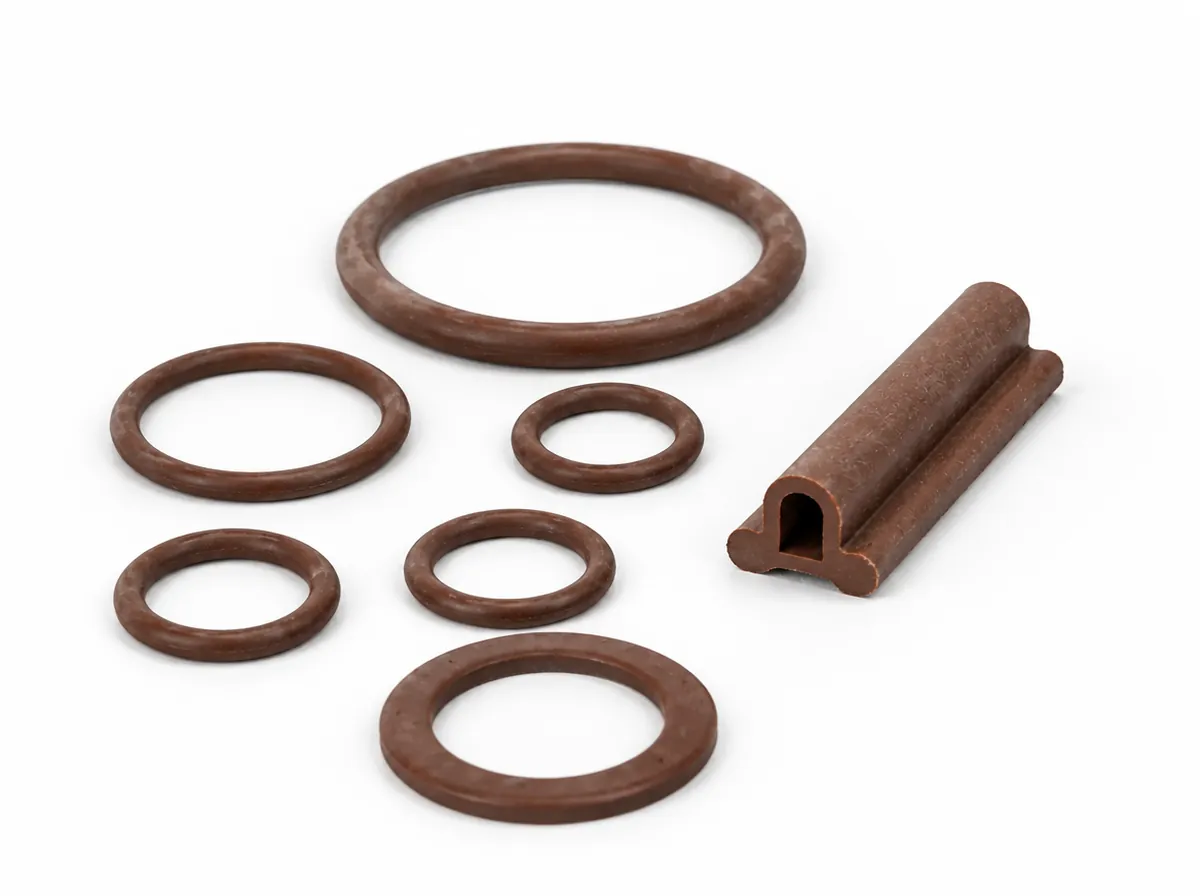
Excellent resistance to high temperatures and aggressive chemicals.
NR (natural rubber)
Excellent mechanical properties and high elasticity.
VMQ (silicone)
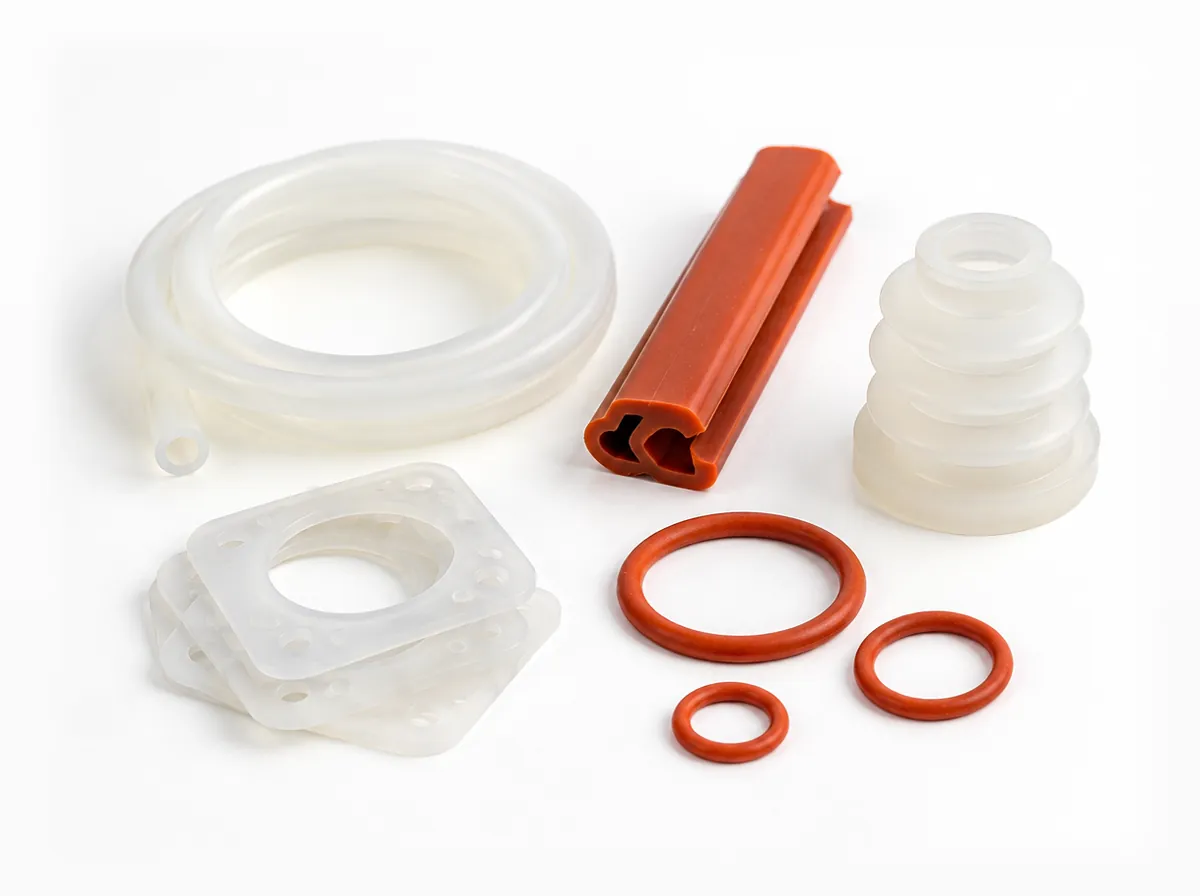
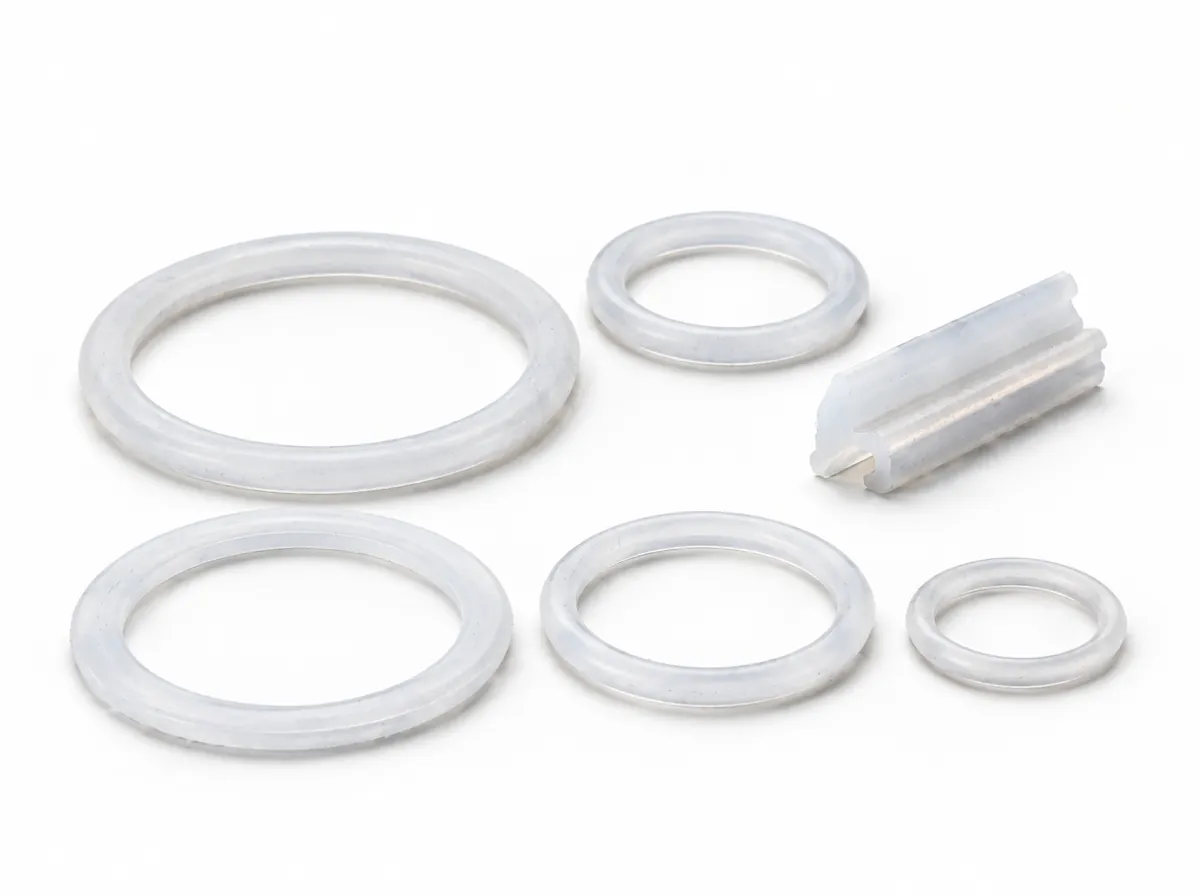
Temperature resistant to over 200 °C, food compliant.
Applications
Areas of application
- Automotive industry
- Rubber seals, vibration dampers, bearing shells
- Electrical engineering
- Insulating housings, sealing elements
- Mechanical engineering
- Rubber guides, enclosure seals
- Medical technology
- Silicone moulded parts for sterile applications
- Oil and gas industry
- Highly resistant seals
Process comparison
CM or injection moulding?
| Feature | Compression moulding (CM) | Injection moulding (IM) |
|---|---|---|
| Tooling costs | Low | High |
| Series size | Small to medium series | Large series |
| Range of materials | High | Limited |
| Production time | Longer | Shorter |
| Cost-effectiveness | Good for special designs | Better for mass production |
Compression moulding is a cost-efficient and flexible process for rubber moulded parts that is particularly economical for small to medium quantities.
Working together
Need a moulded part made by compression moulding?
Tell us the geometry, material, standard and quantity. We will recommend the right process and the right design.