


Material
TPE Elastomer
Thermoplastic elastomer
TPE combines the properties of thermoplastics with those of elastomers.
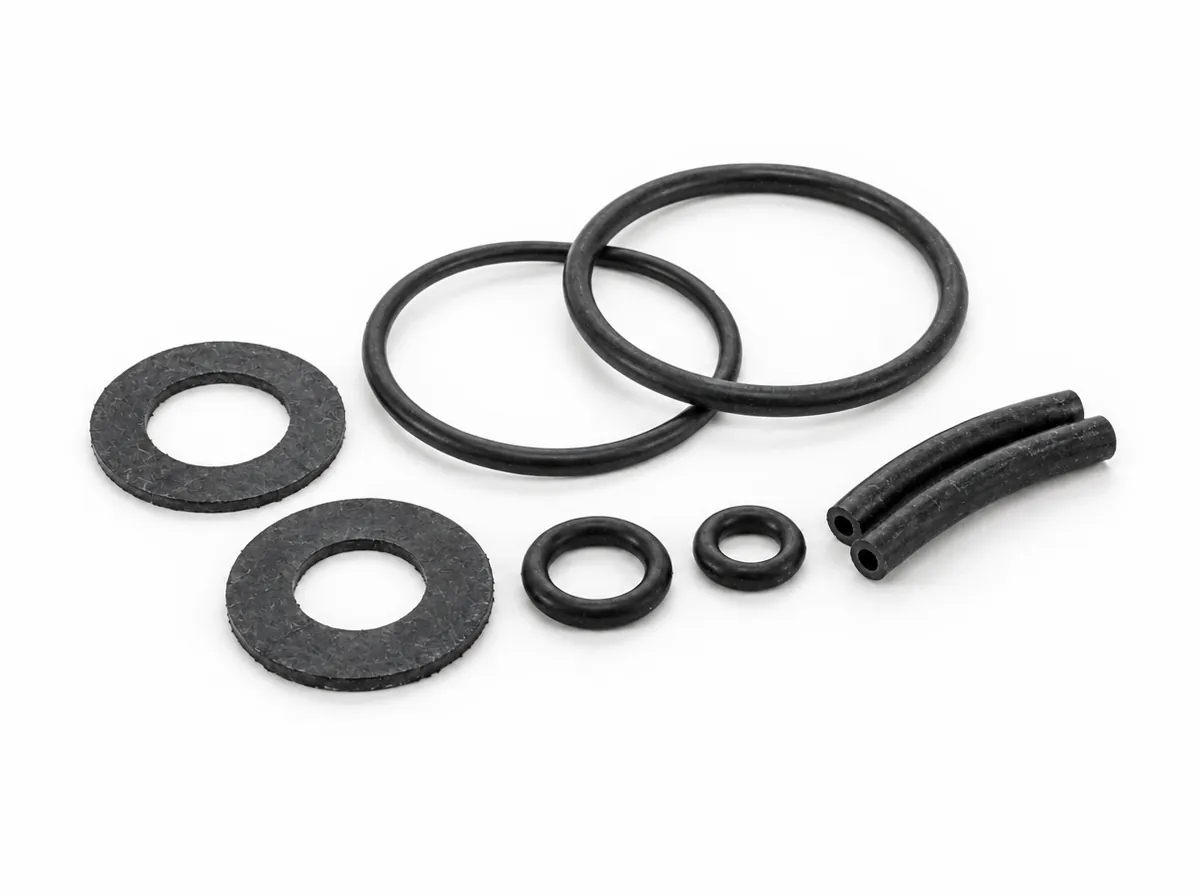
Abbreviation
TPE
Temperature
-30 to +140 °C
Strength
recyclable
Application
Electrical & automotive
Overview
TPE in use
TPE is a versatile material that combines the good processing properties of thermoplastics and thermosets with the elasticity and flexibility of various elastomers. At room temperature, TPE is comparable to elastomers; when heated, it becomes formable.
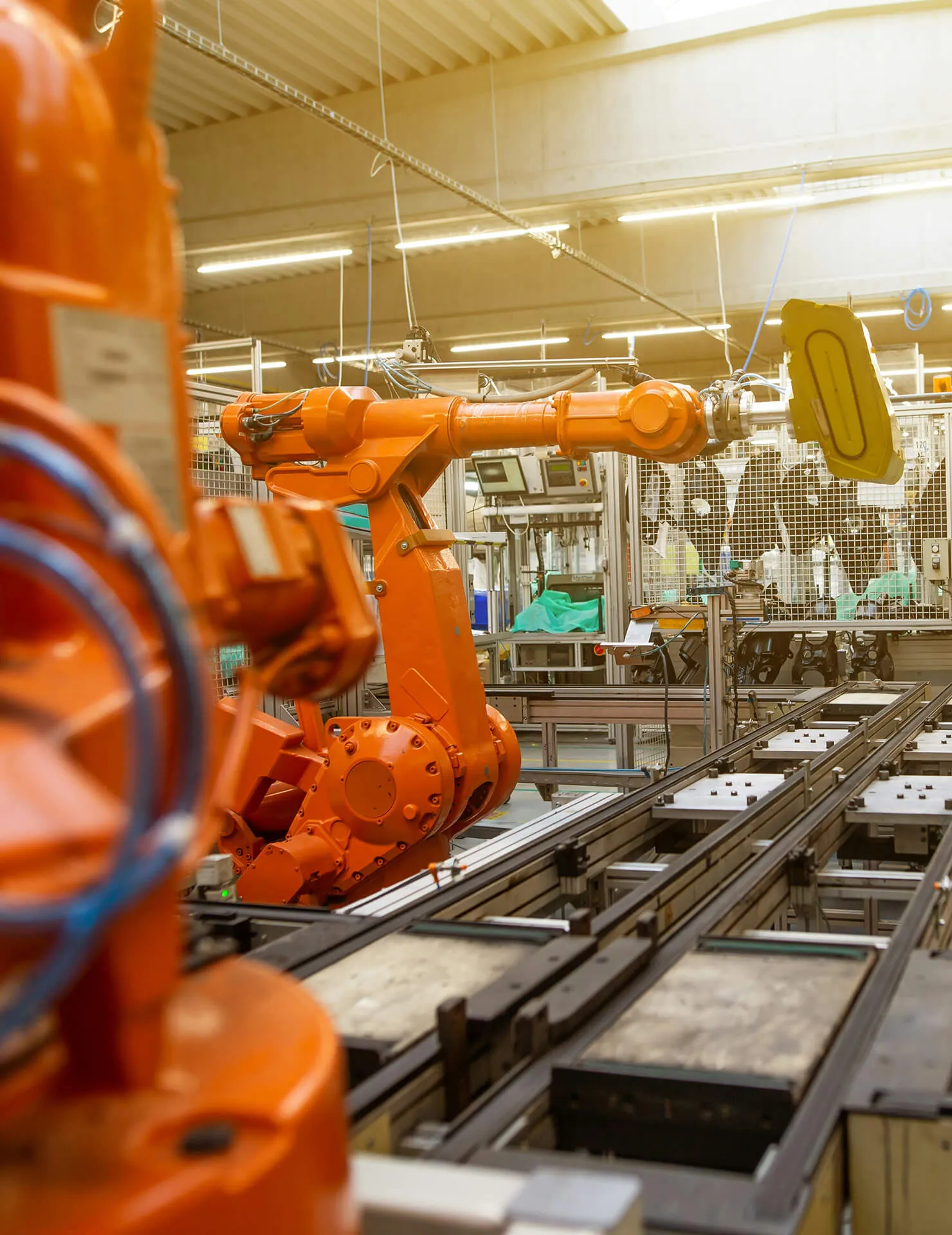
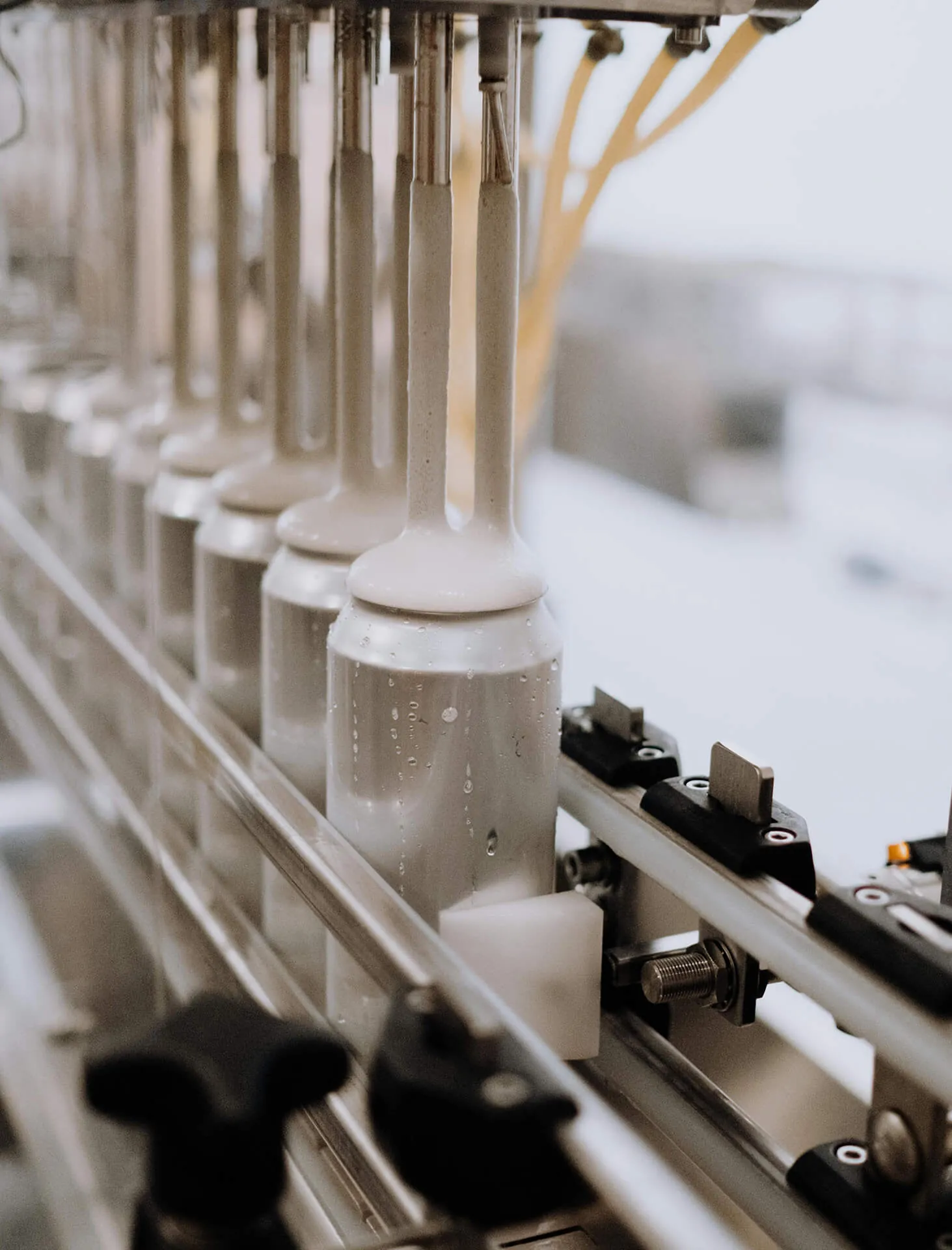
Thanks to short cycle times, TPE is widely used in the electrical and automotive industries, as well as in the food and beverage industry, the consumer goods and toy industries, and in machinery and plant engineering.
Properties
Properties of TPE
- Very good flexibility
- Good elongation, though with disadvantages compared with pure elastomers
- Good electrical properties
- Good weather resistance
- Good chemical resistance
- Free from plasticisers
- Fully recyclable
- Suitable for contact with food
- Smooth surface
- Temperature resistant, as a rule, from -30 °C to +140 °C
- Available in various types such as Santoprene, Evoprene, Dryflex, Desmopan, Hytrel and others
Chemical resistance
Resistance of TPE
| Medium | Rating | Description |
|---|---|---|
| Inorganic acids and bases | 1 | Very good resistance |
| Methanol, ethanol | 1 | Very good resistance |
| Organic acids and bases | 2 | Good resistance |
| Organic acids | 4 | Poor resistance |
| Mineral oils & greases | 3 | Limited resistance |
Detailed chemical resistance data and technical data sheets for the individual grades are available on request.
Applications
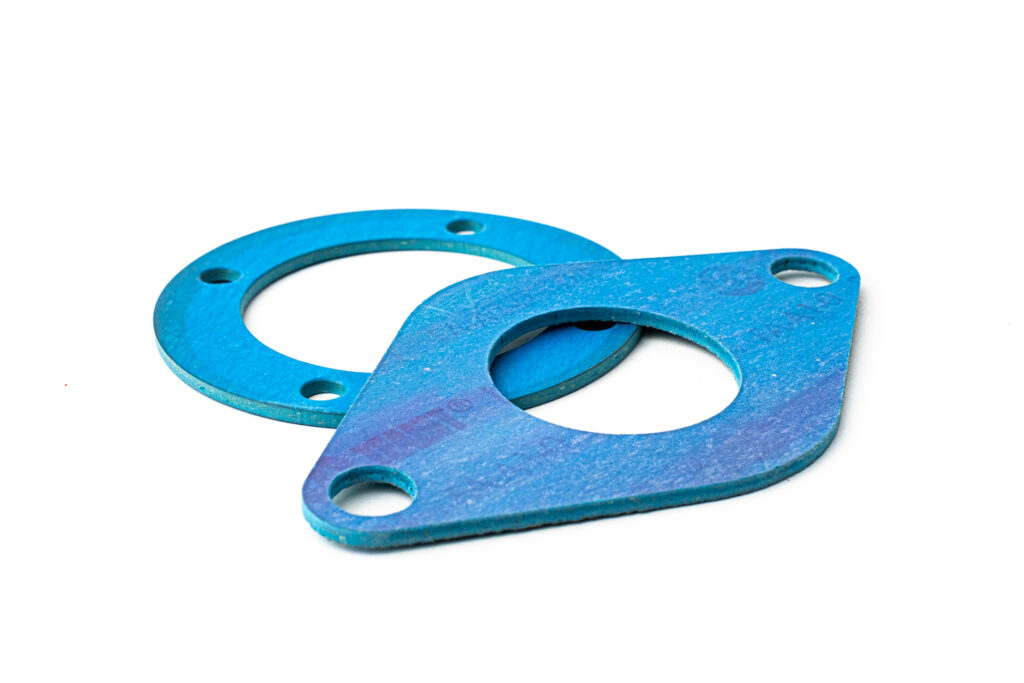
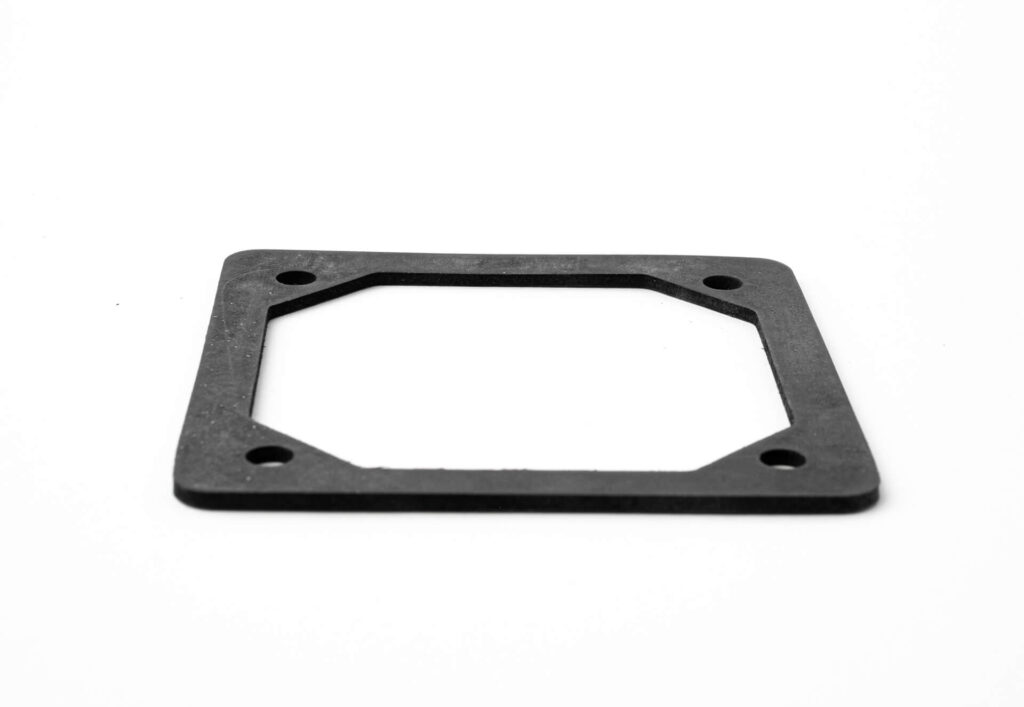
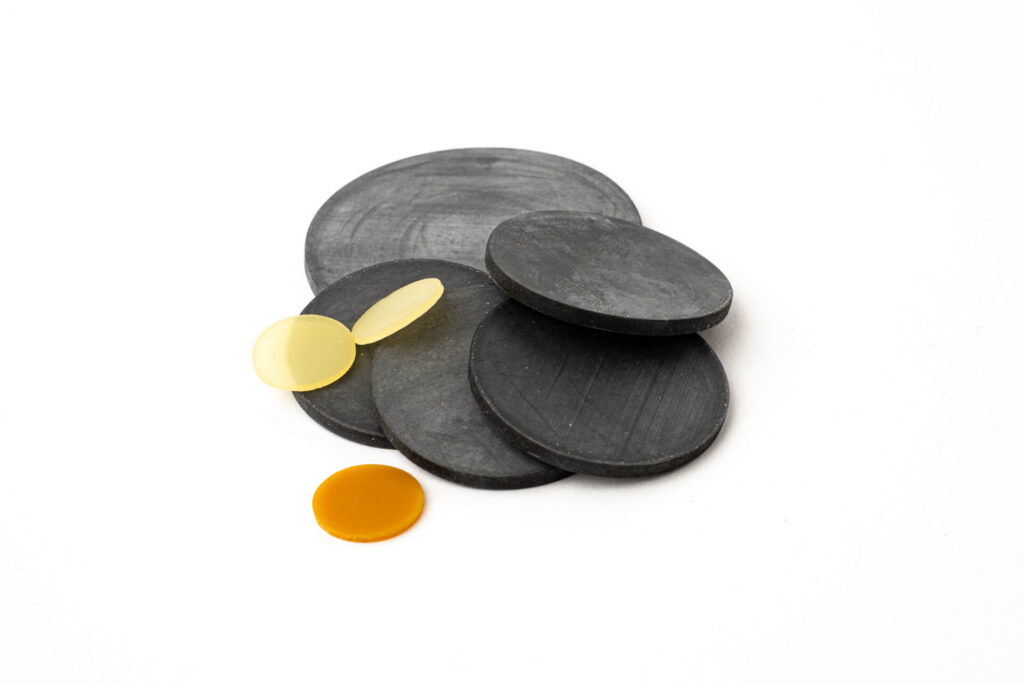
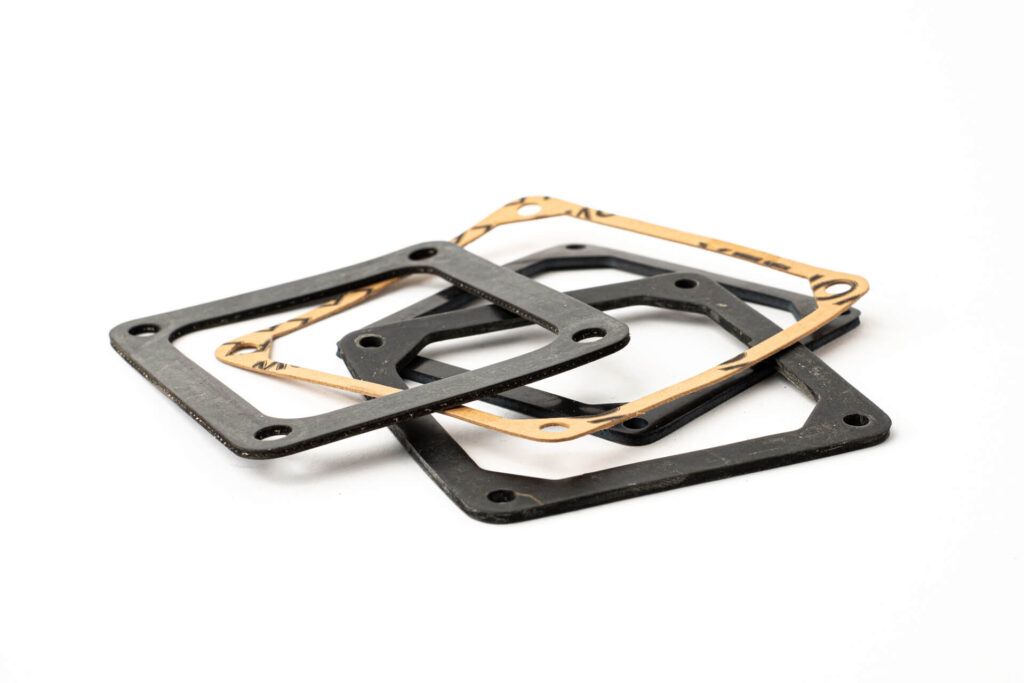
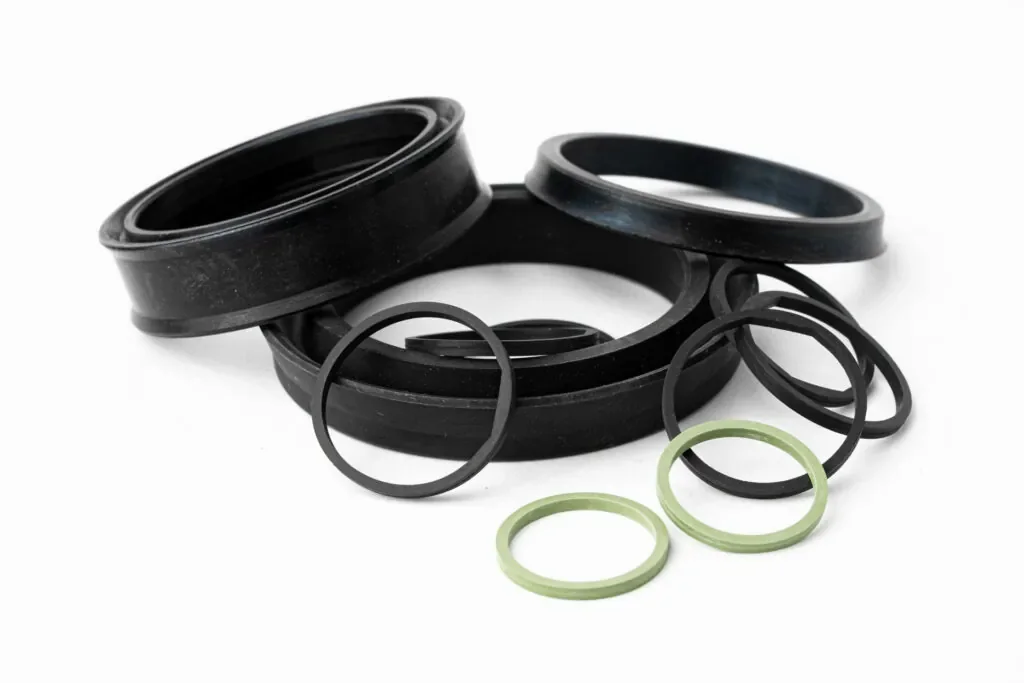
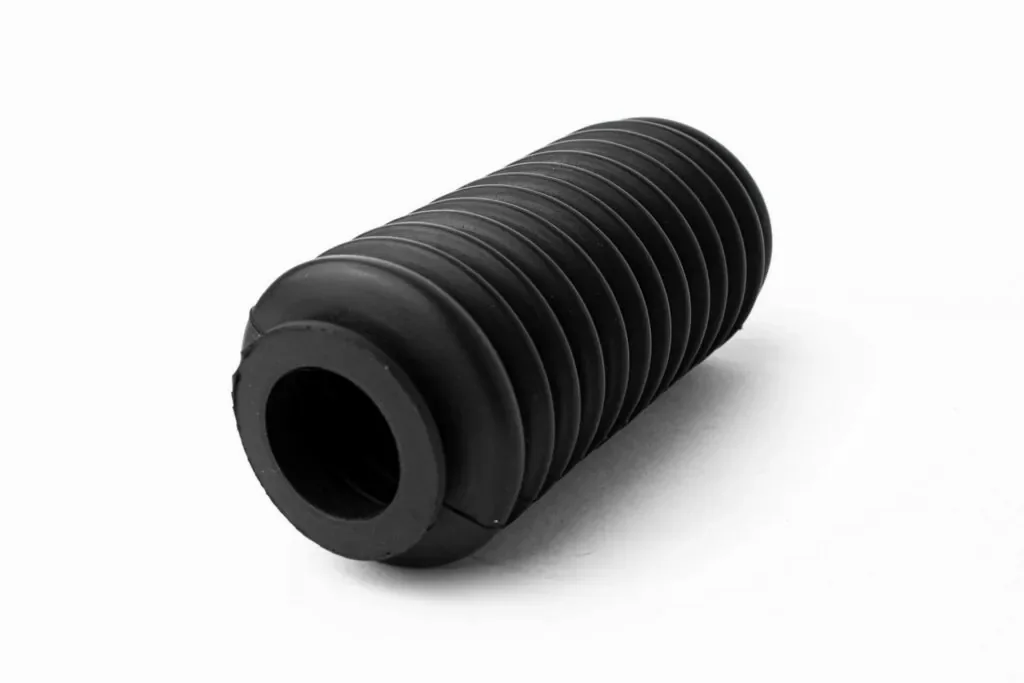
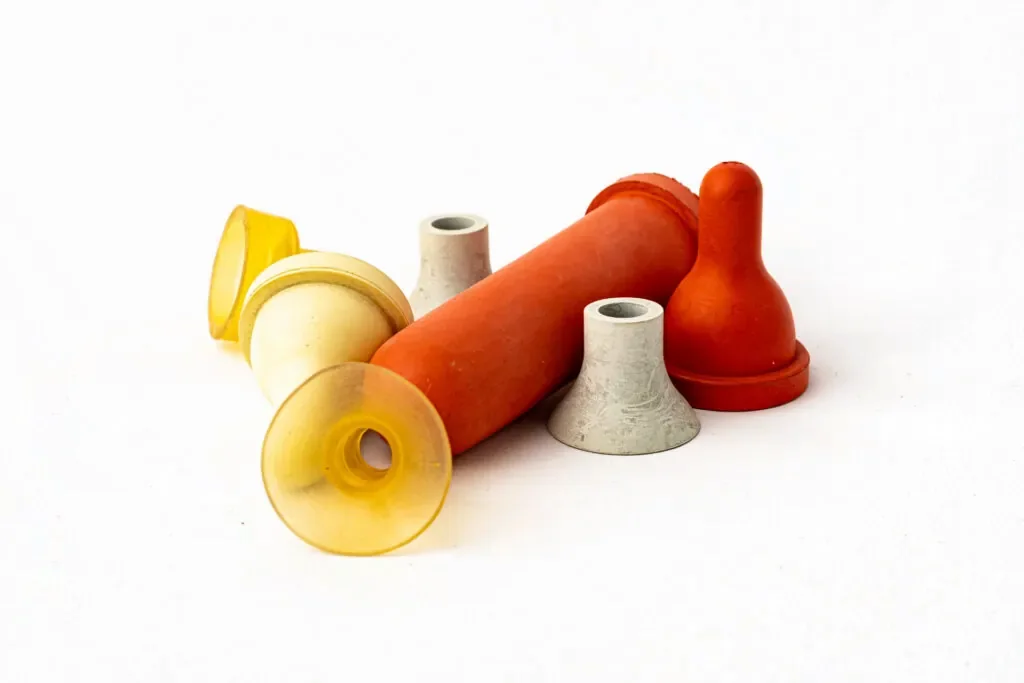
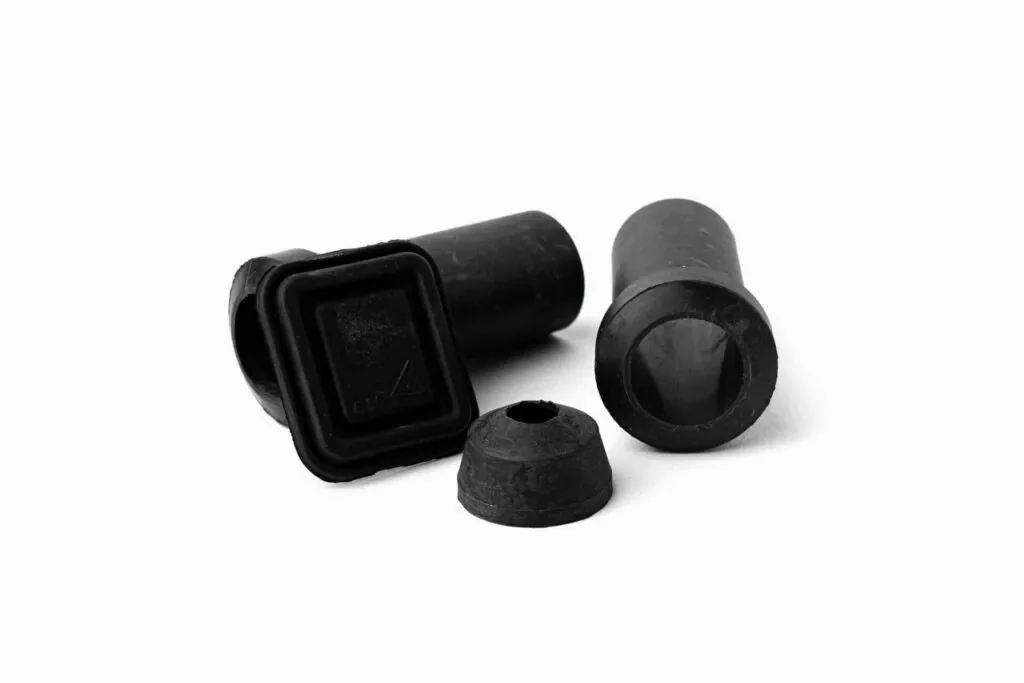
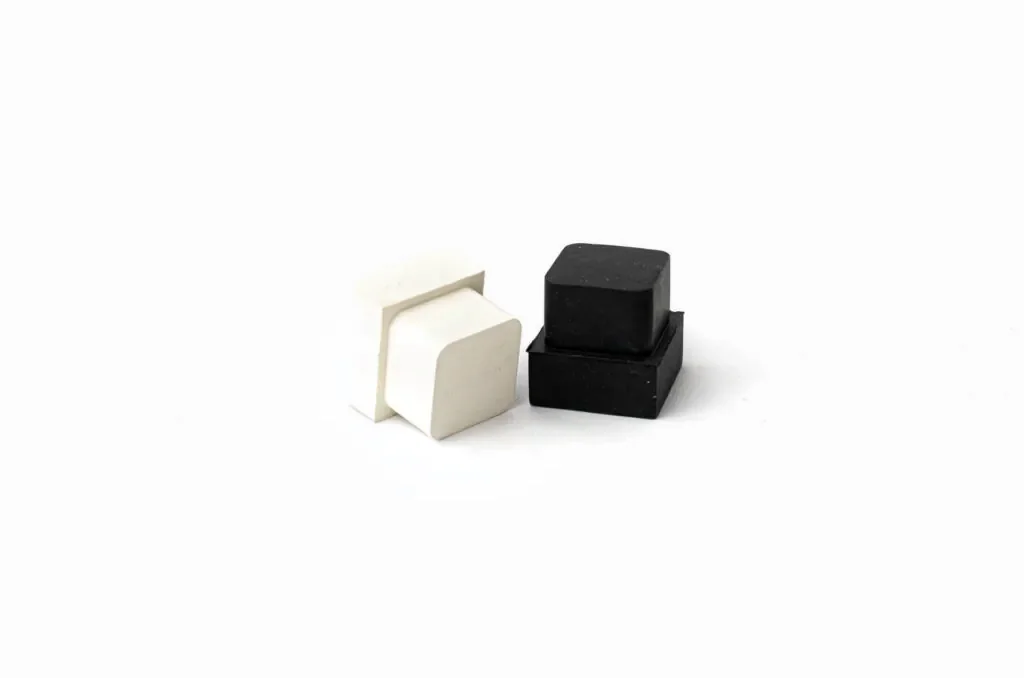
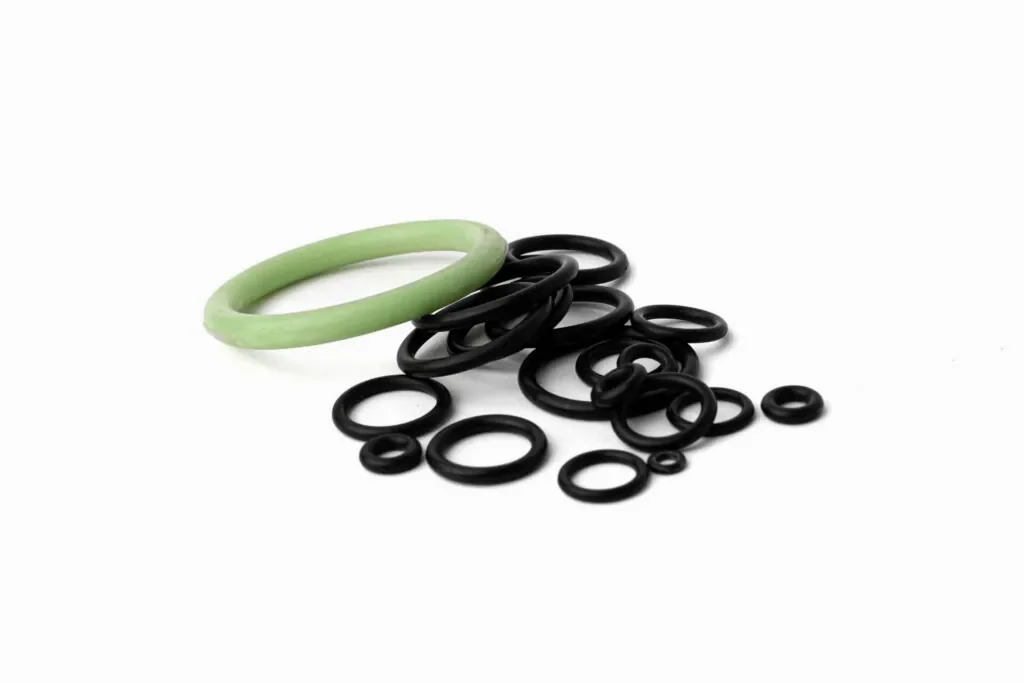
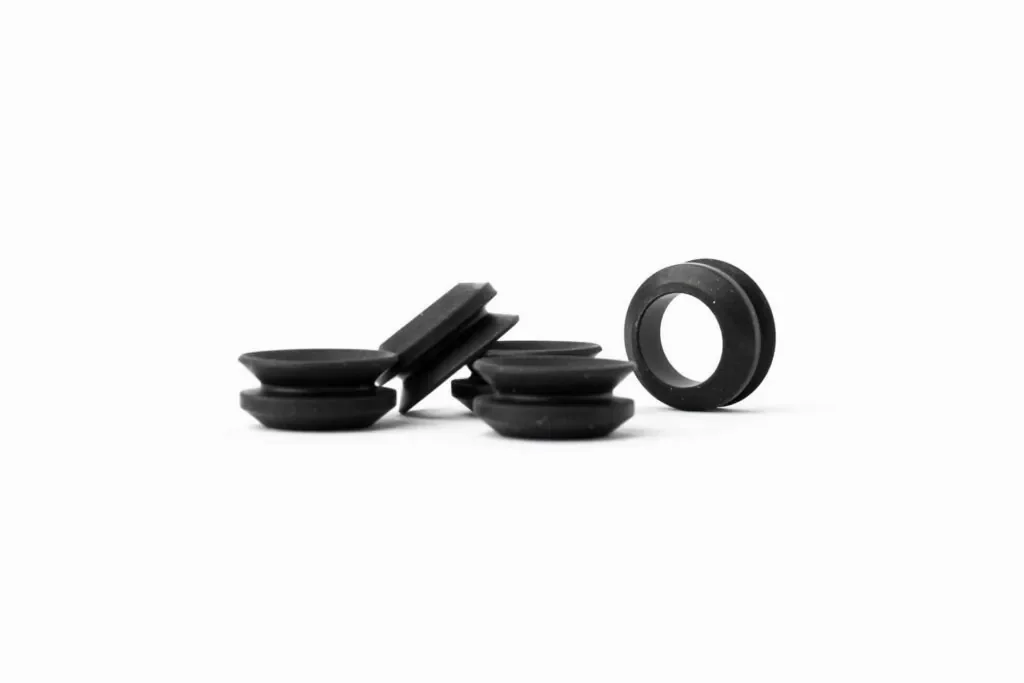
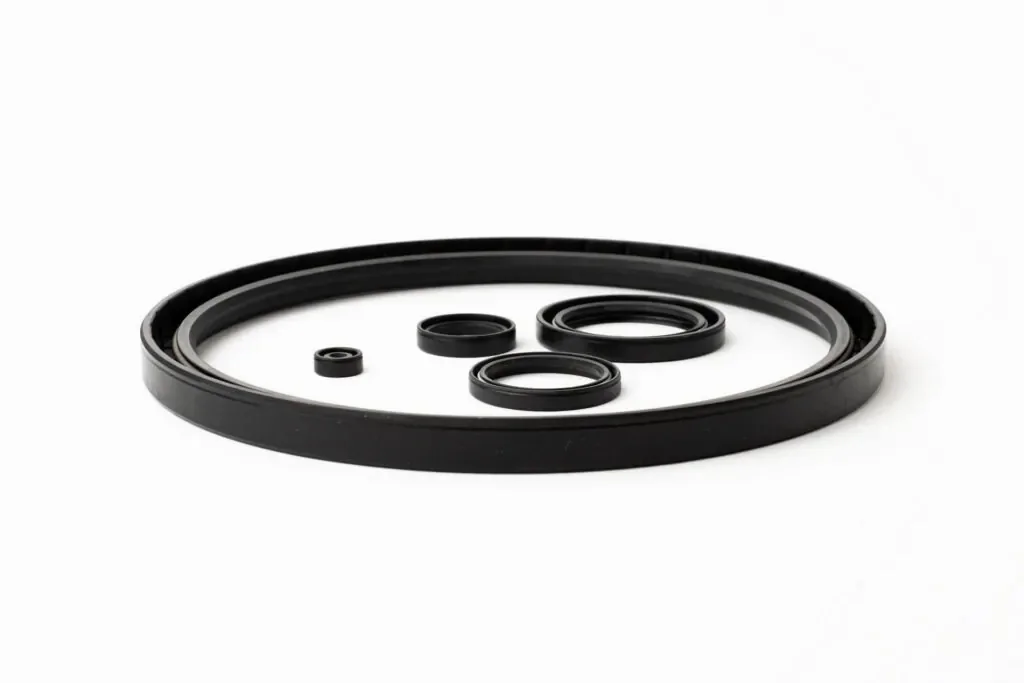
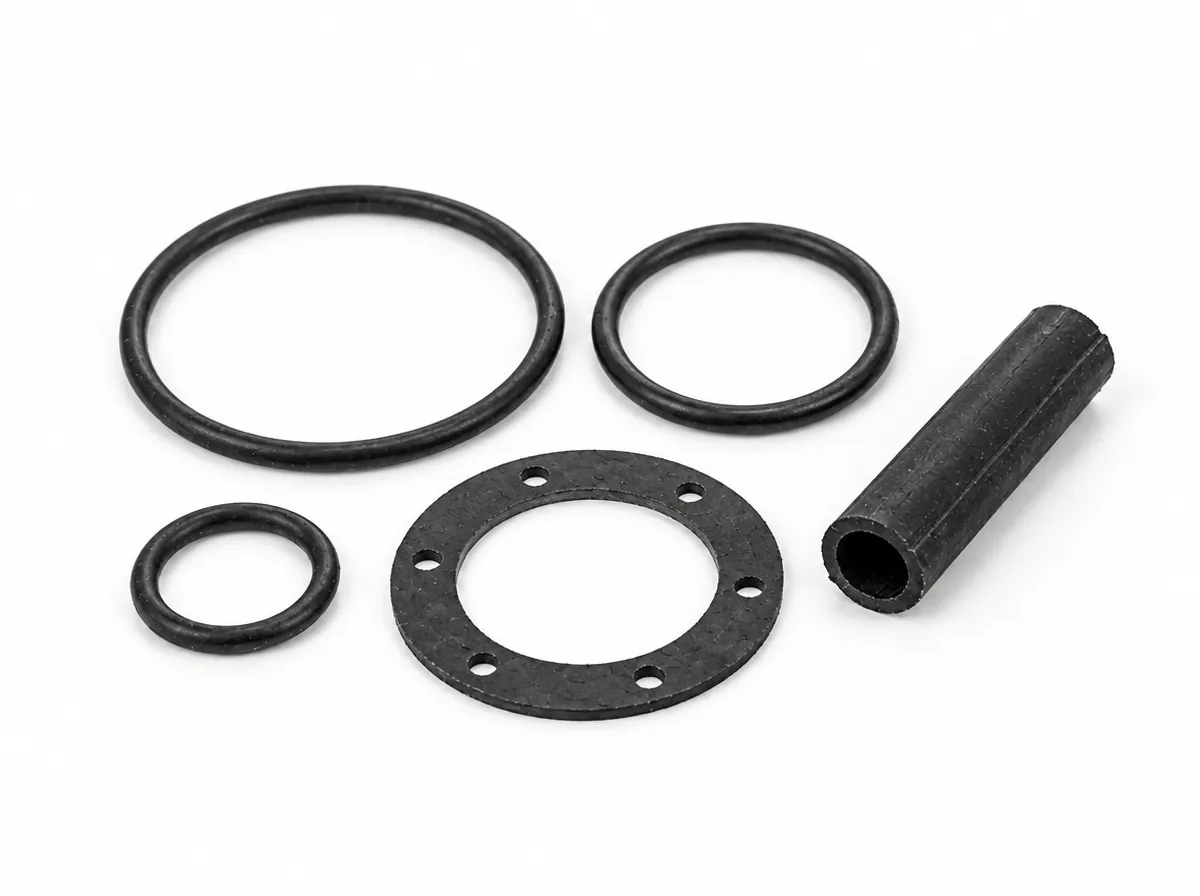
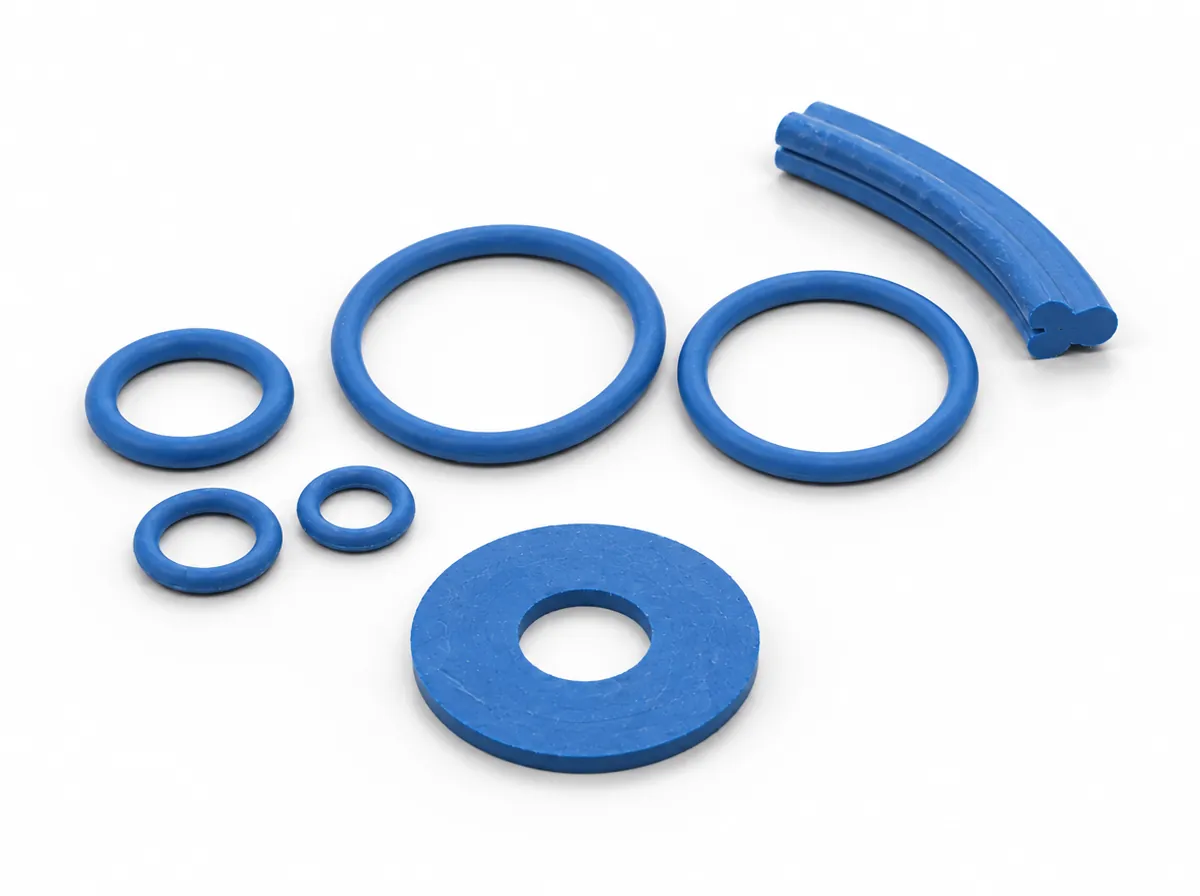
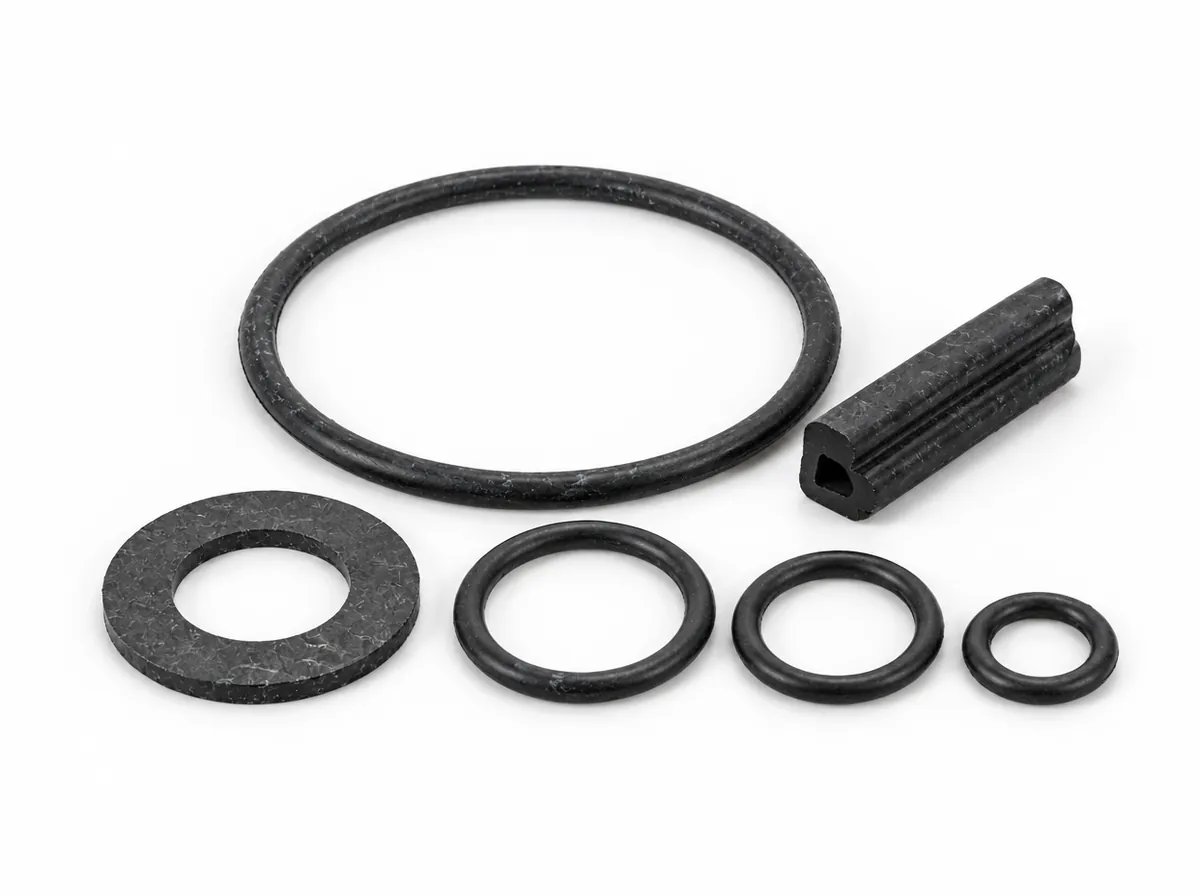
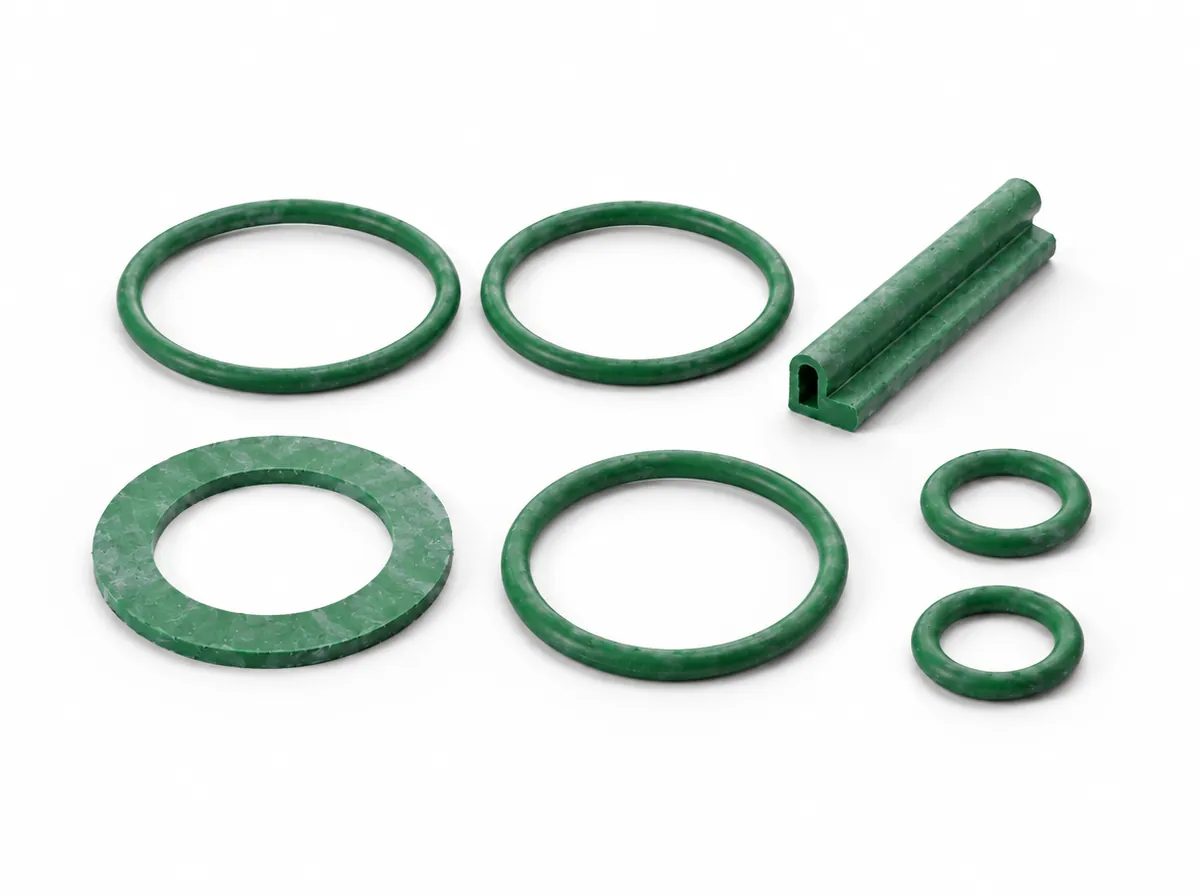
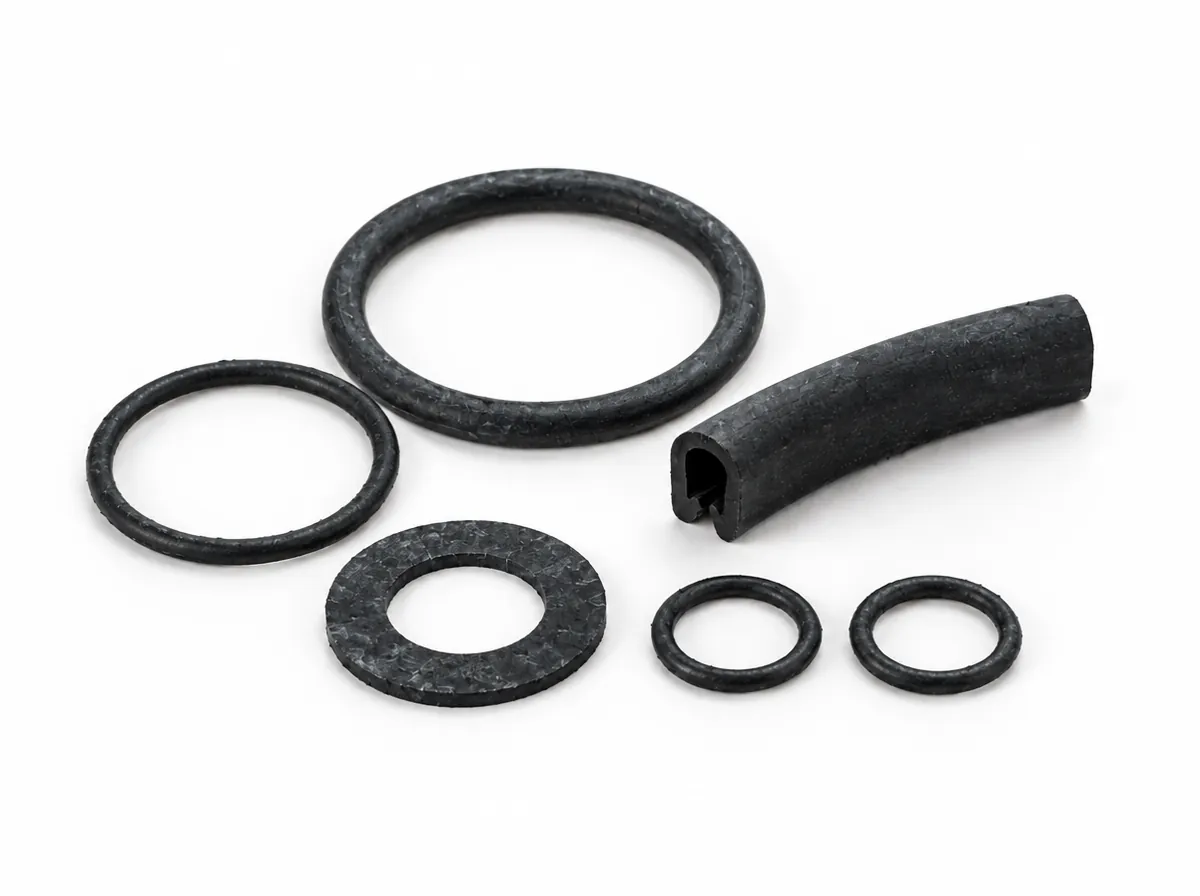
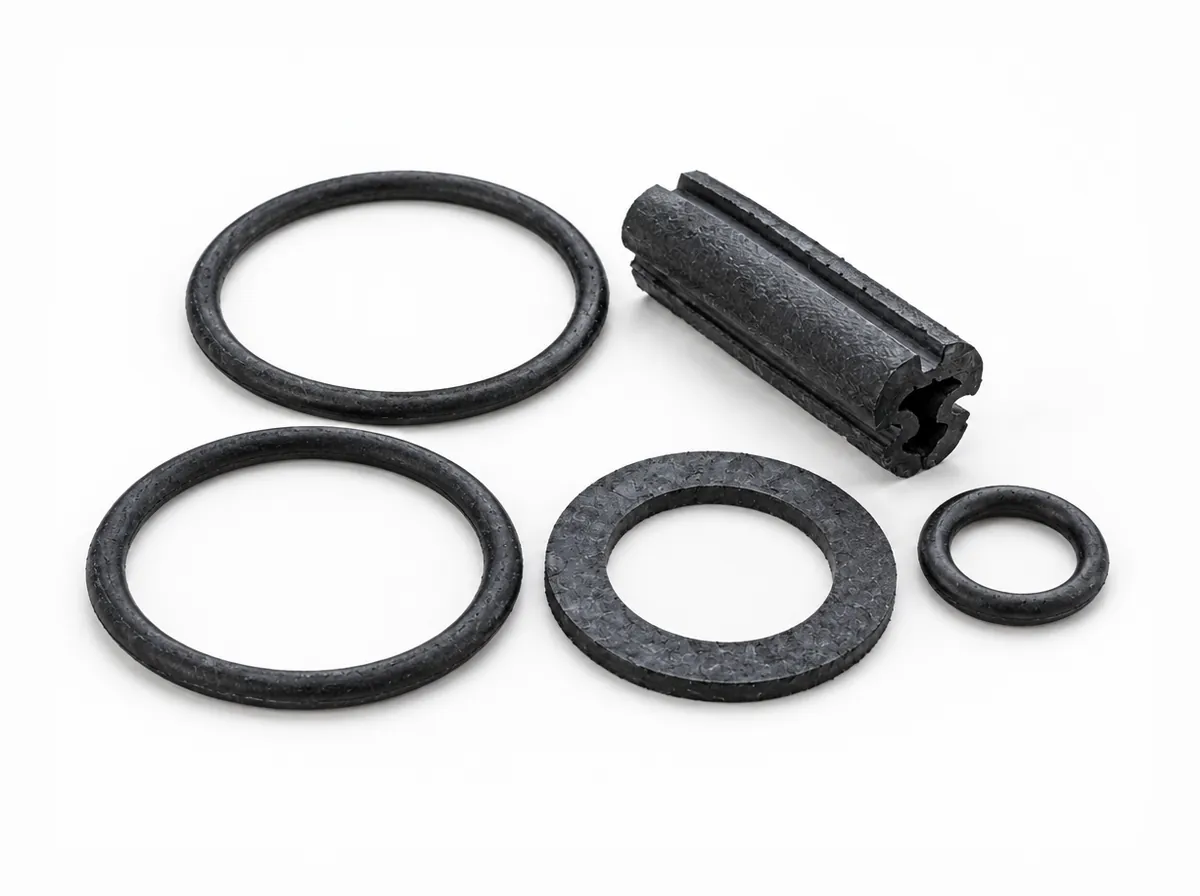
Products made of TPE
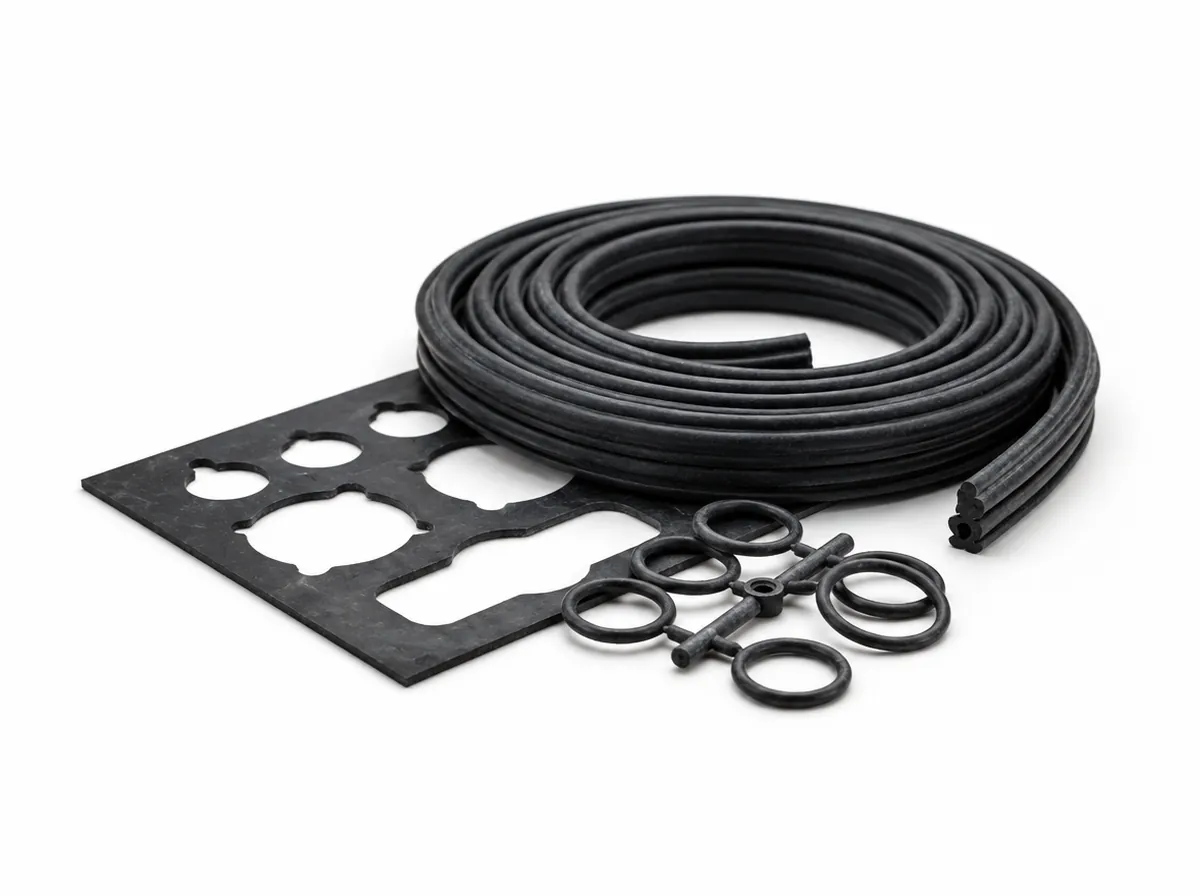
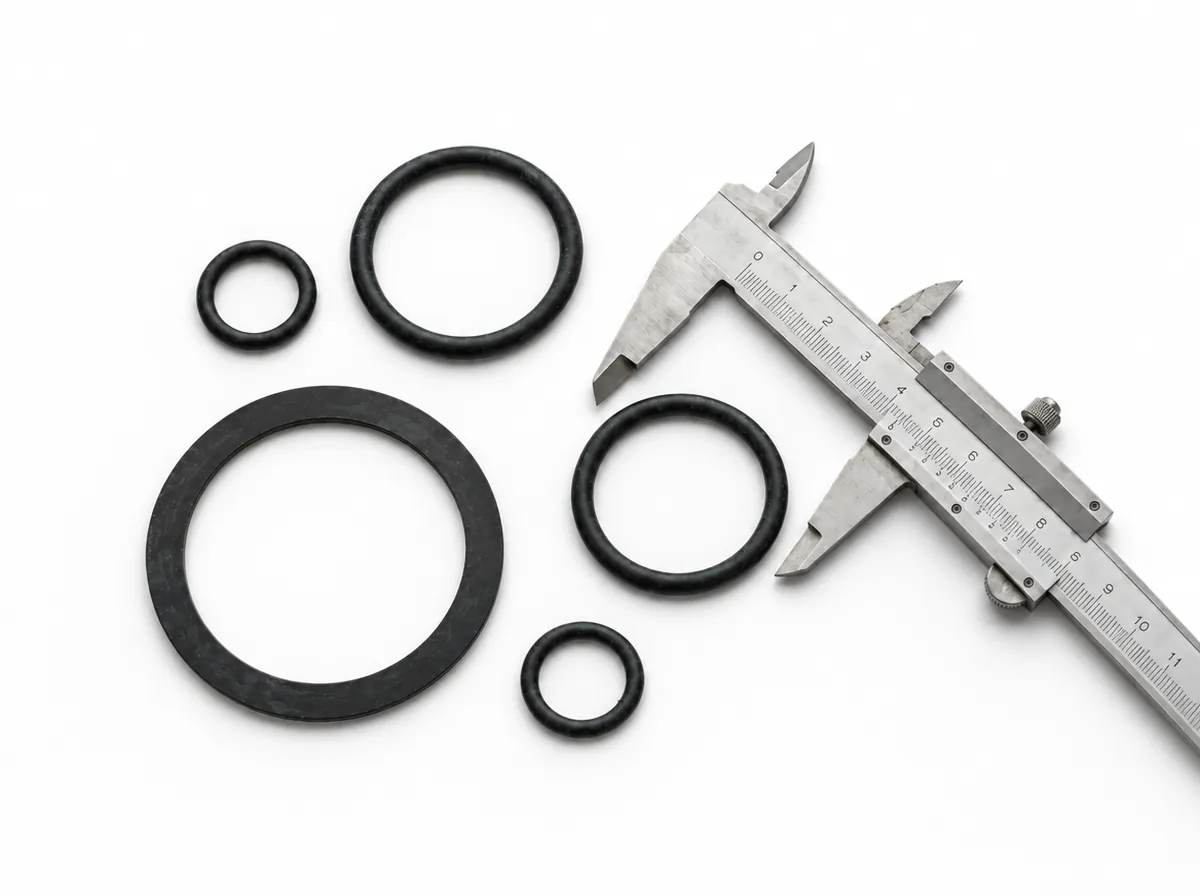
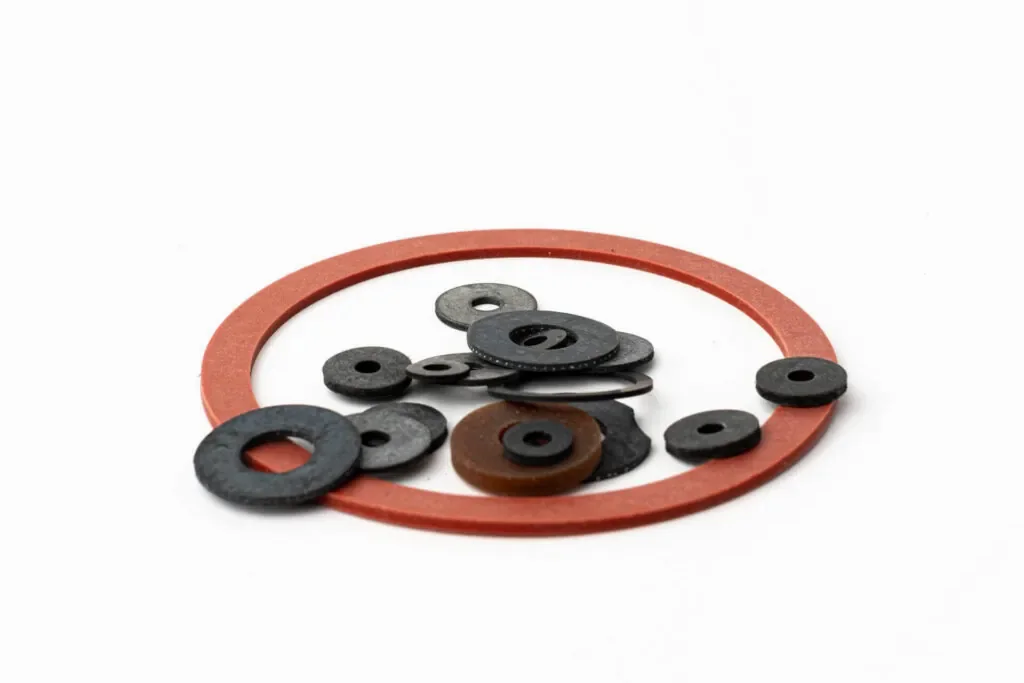
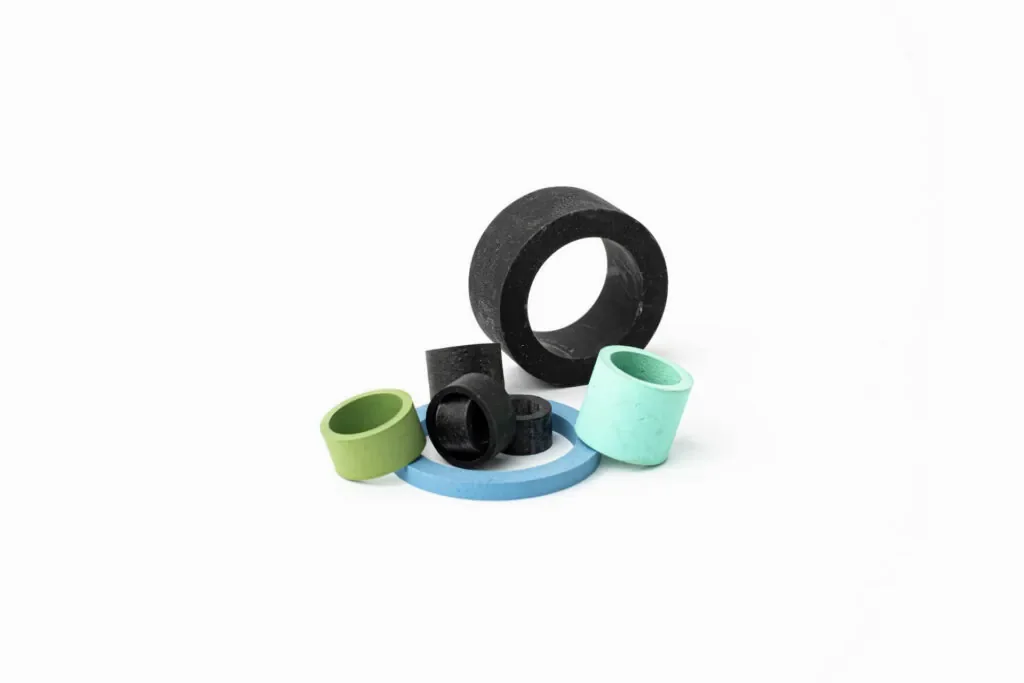
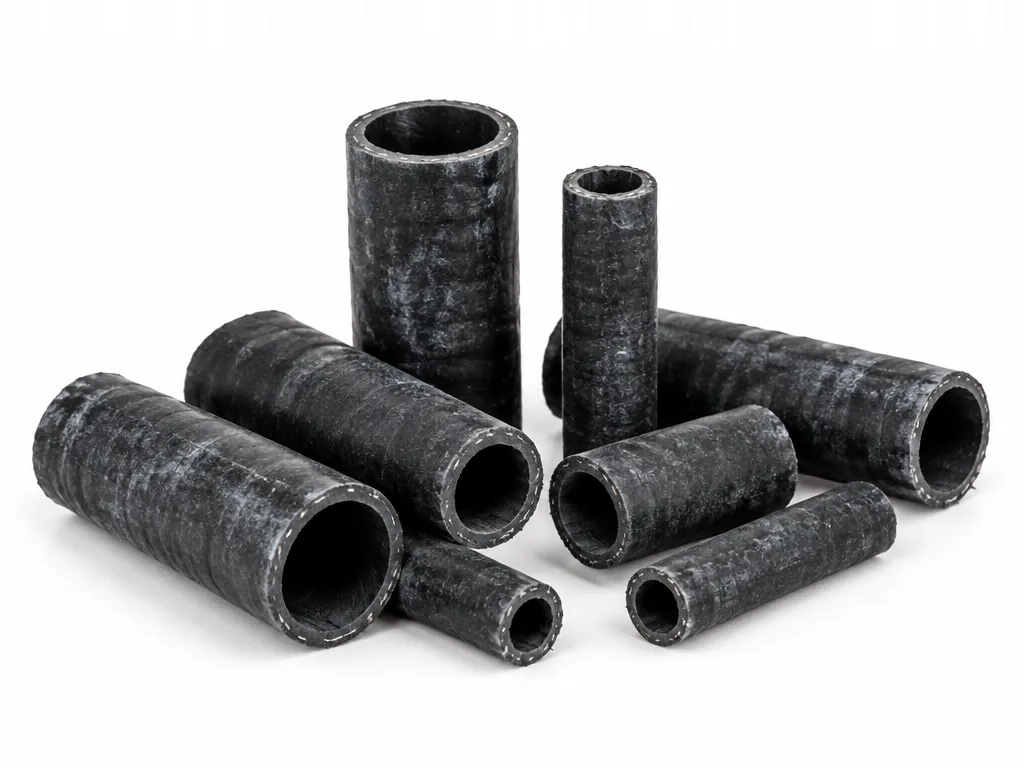
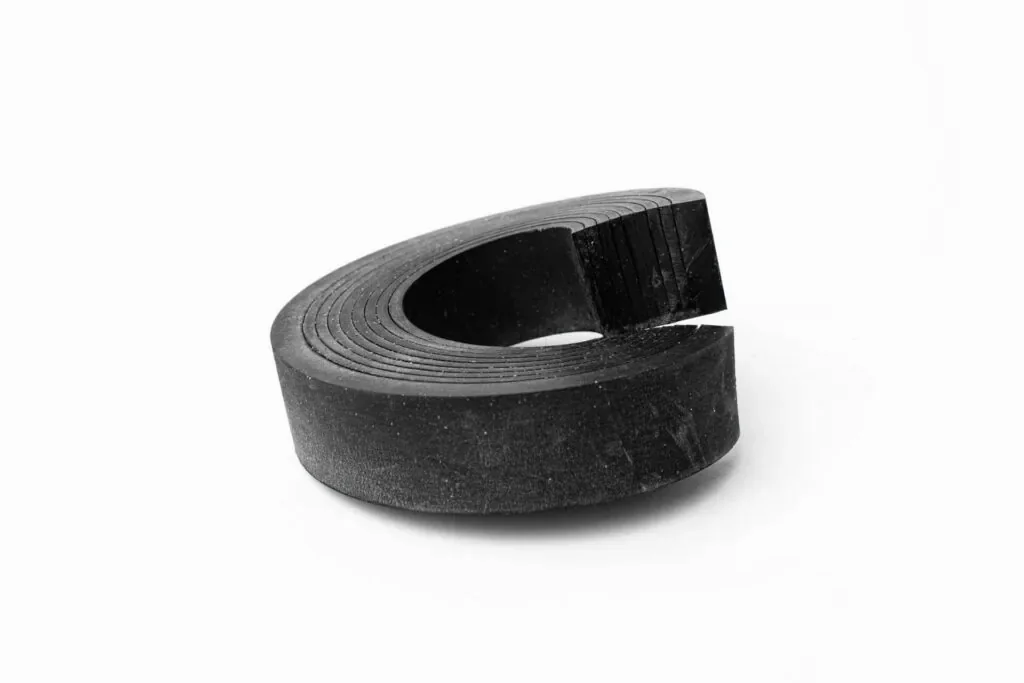
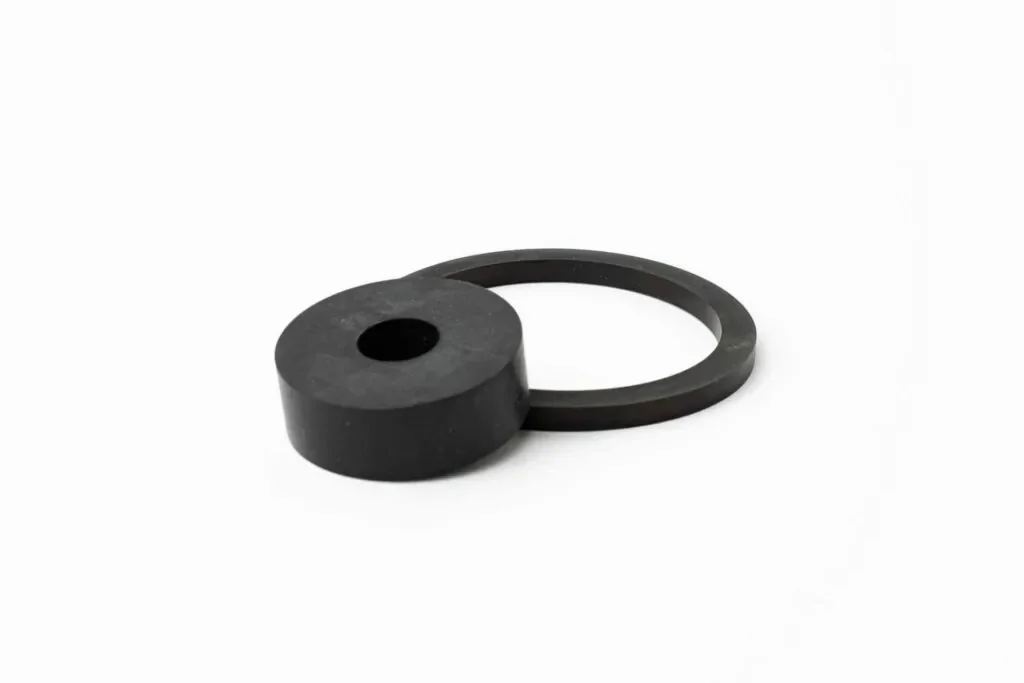
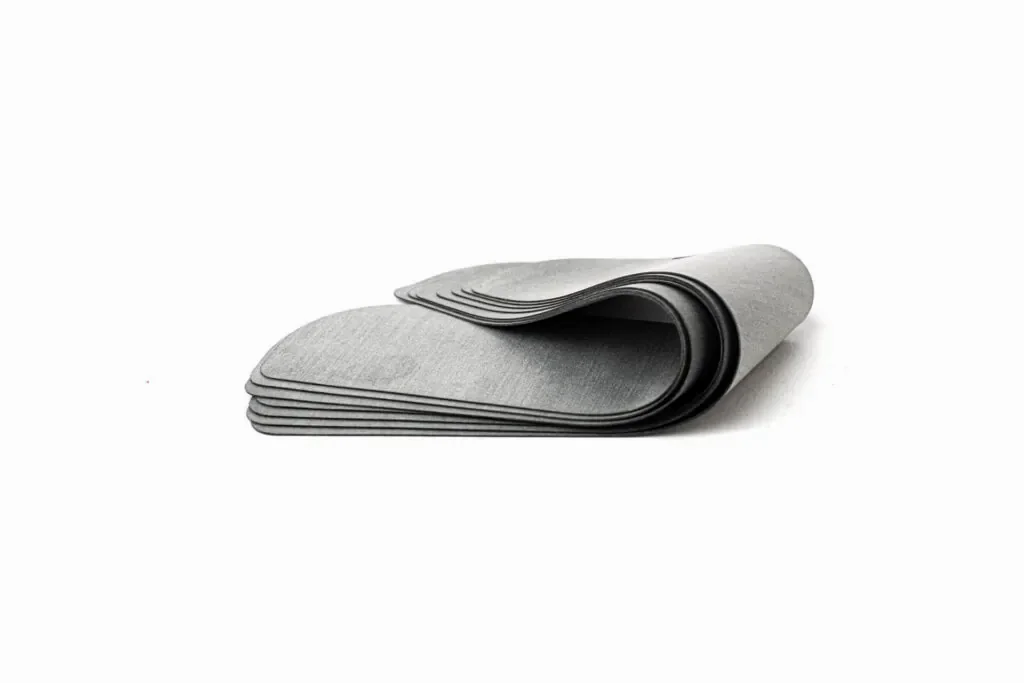
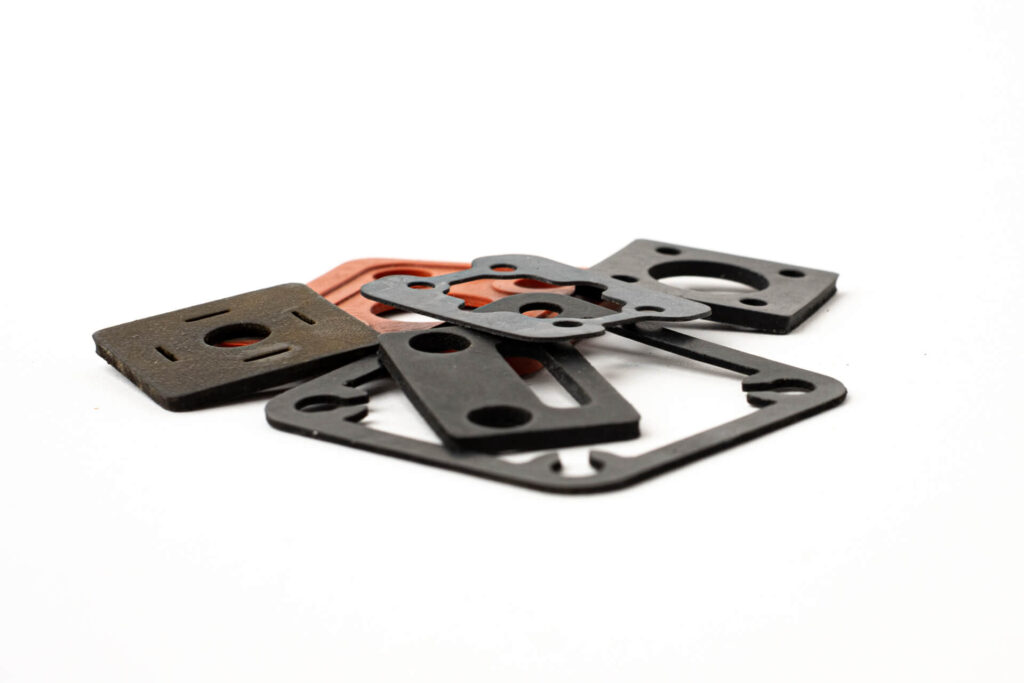
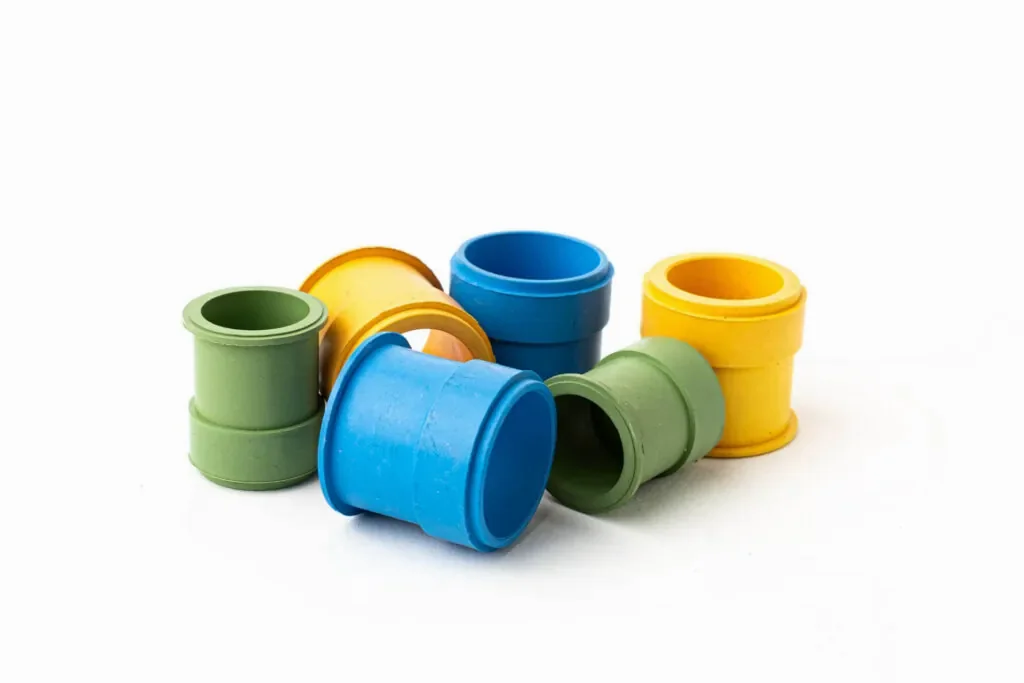
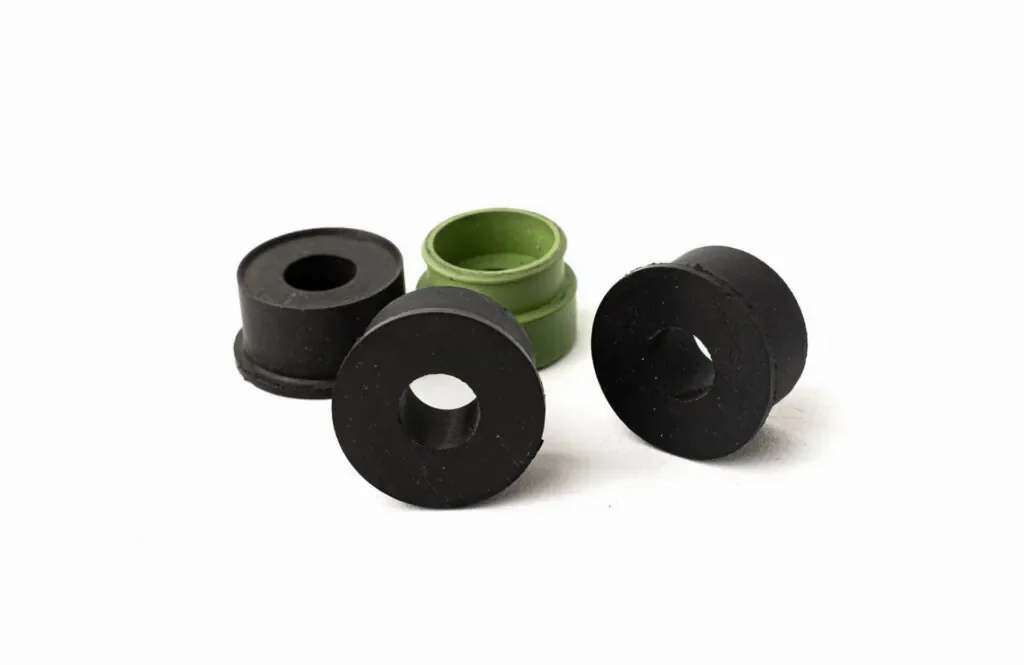
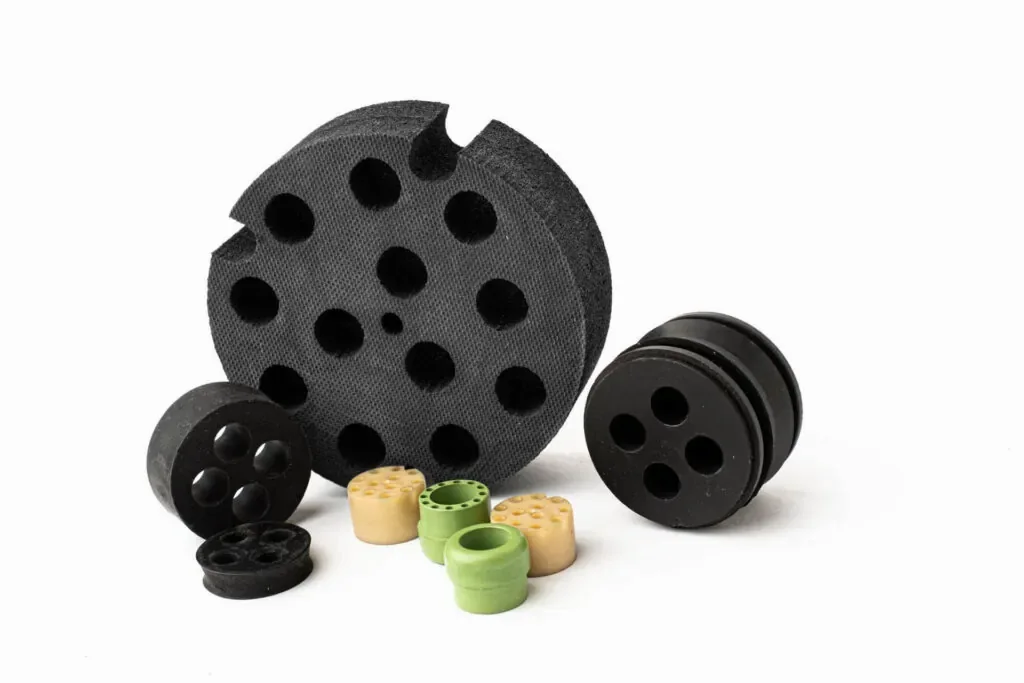
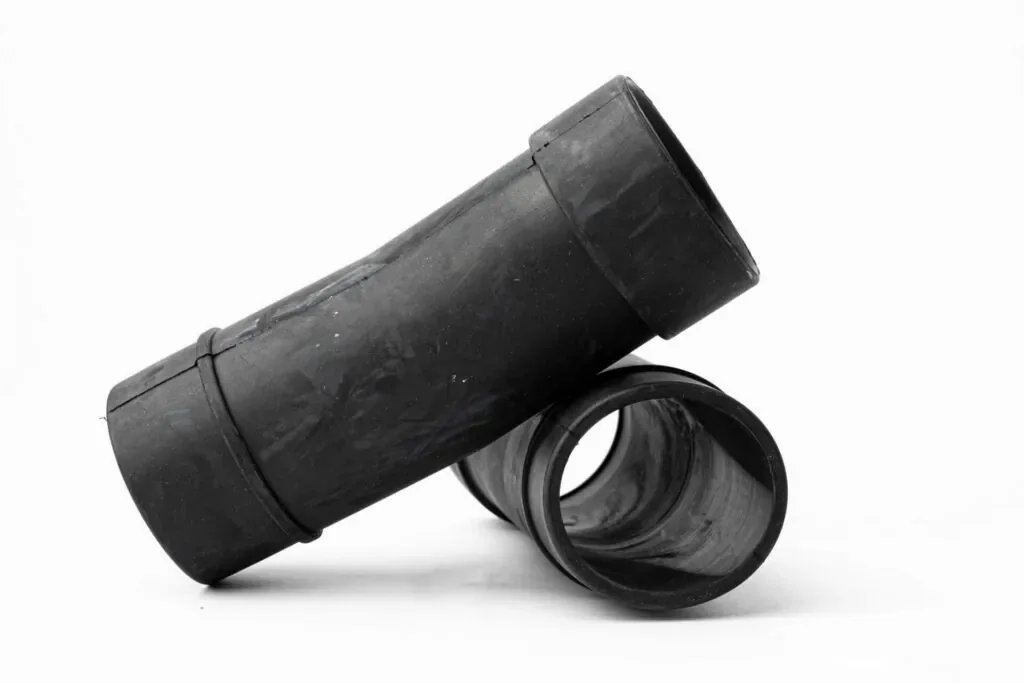
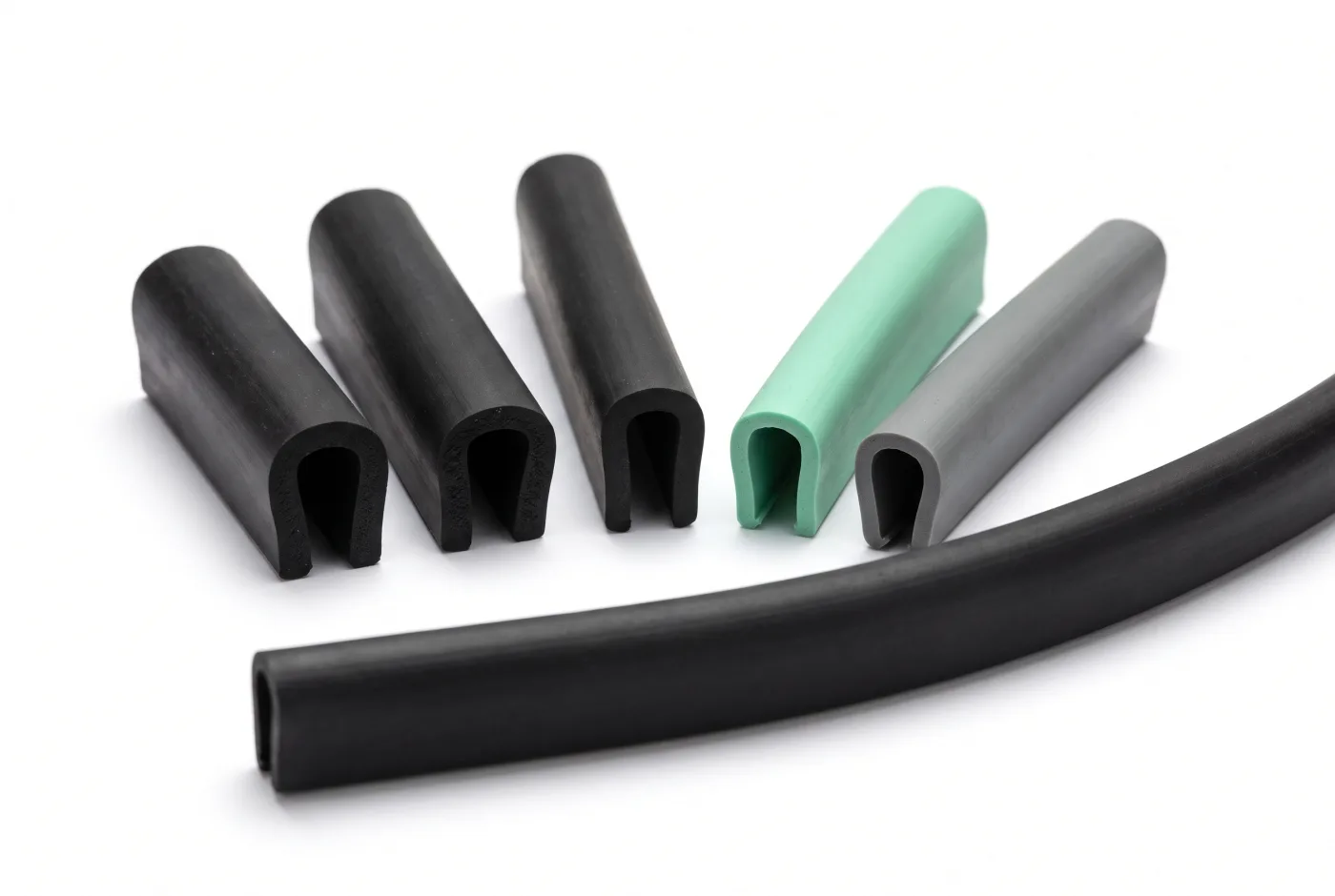
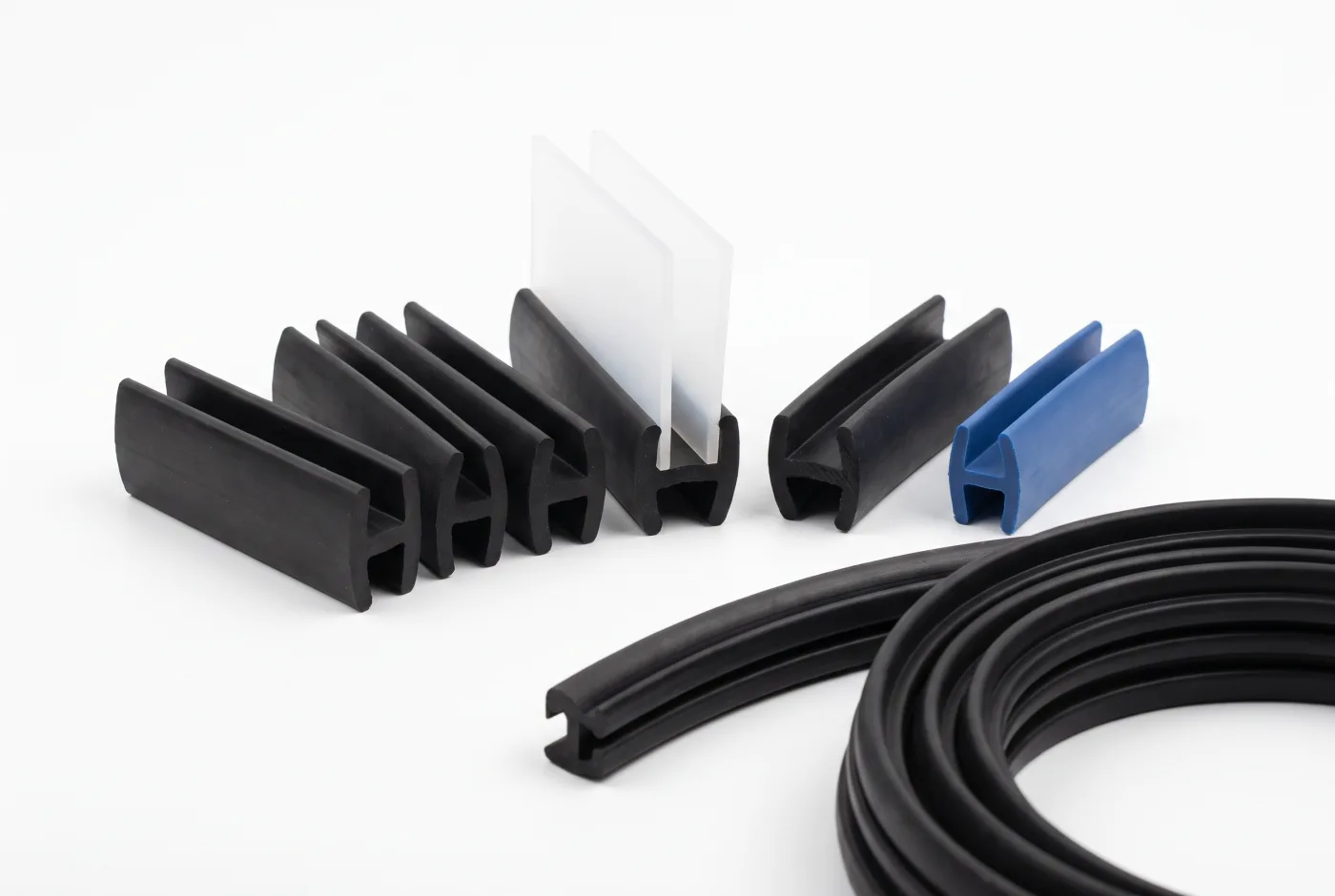
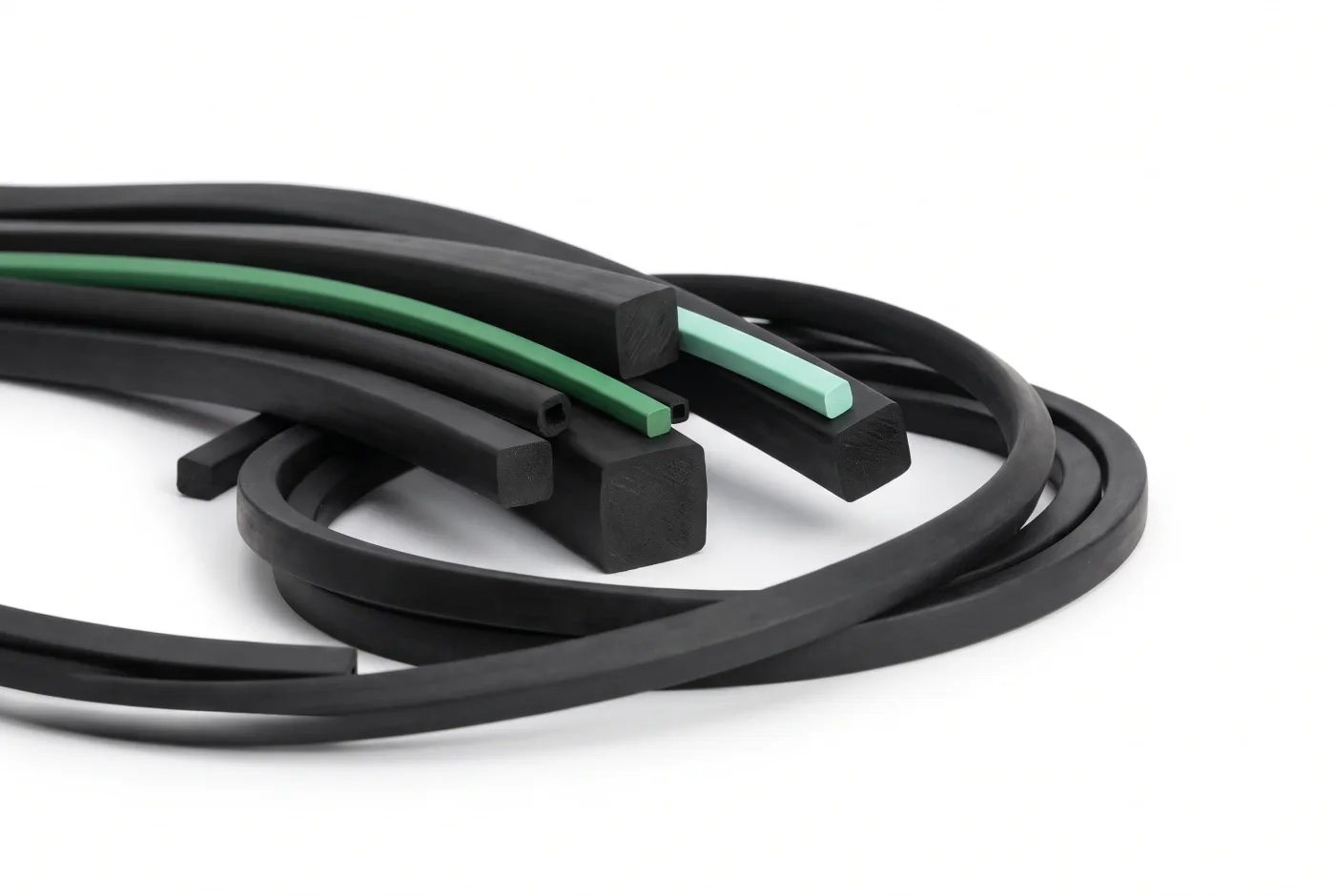
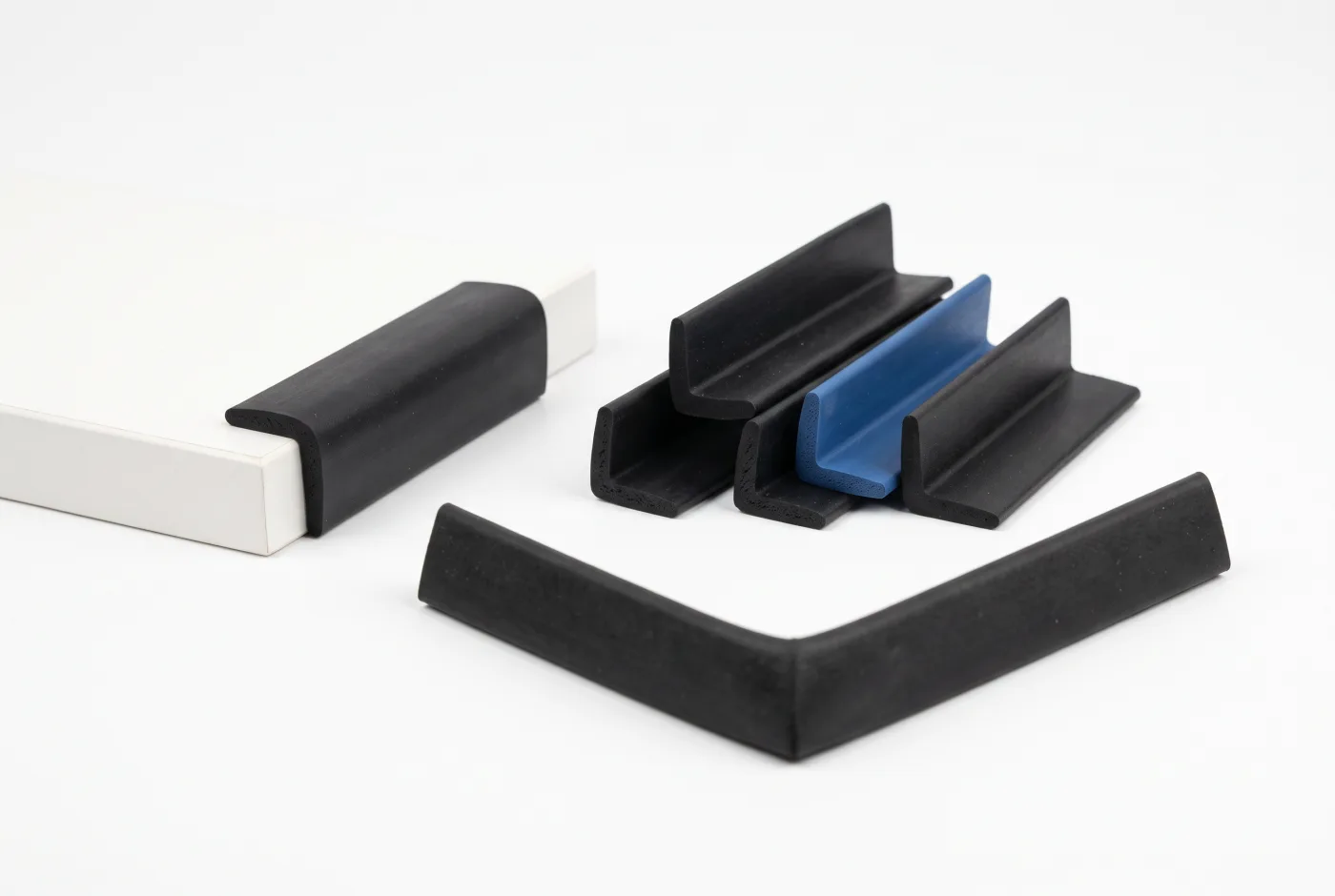
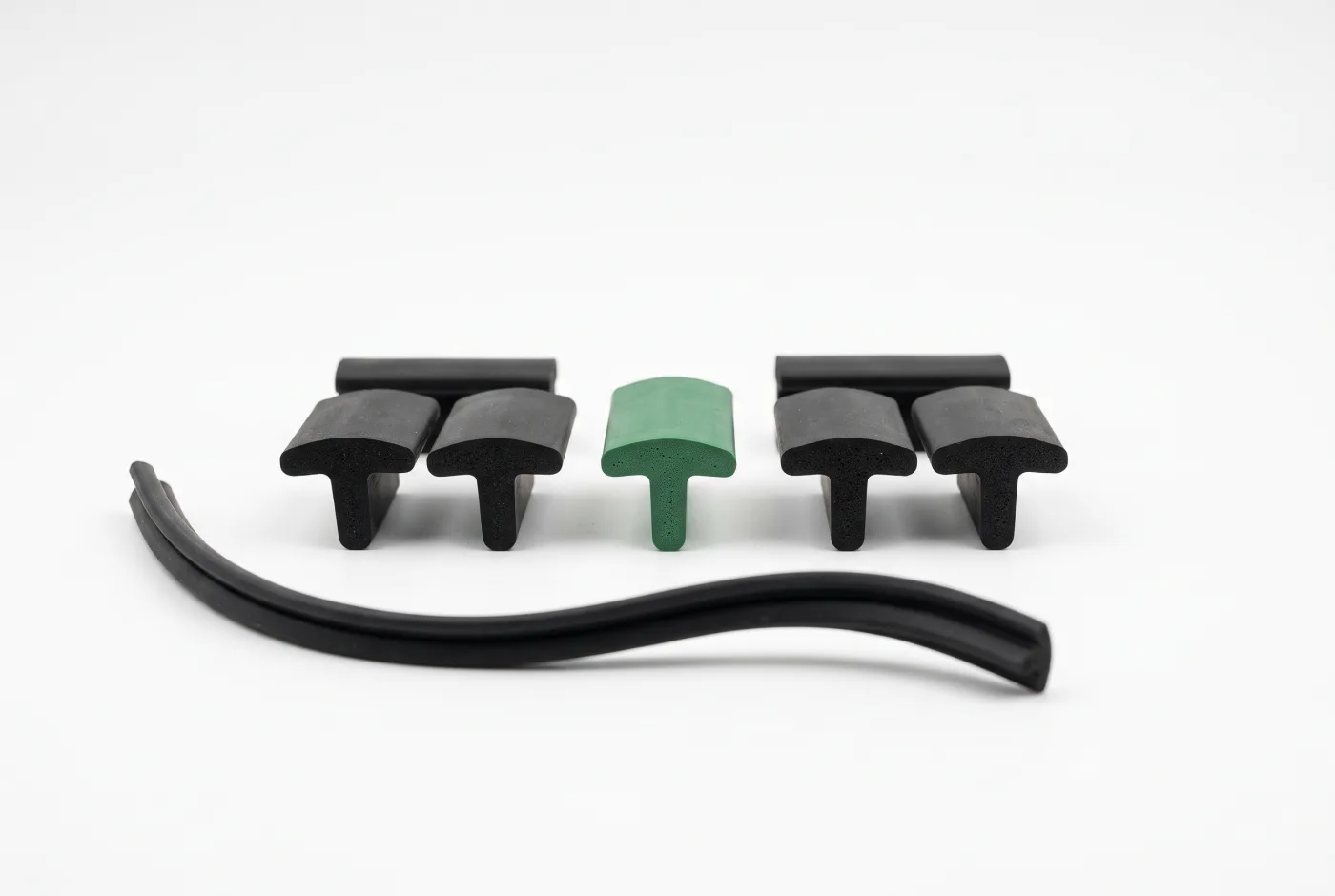
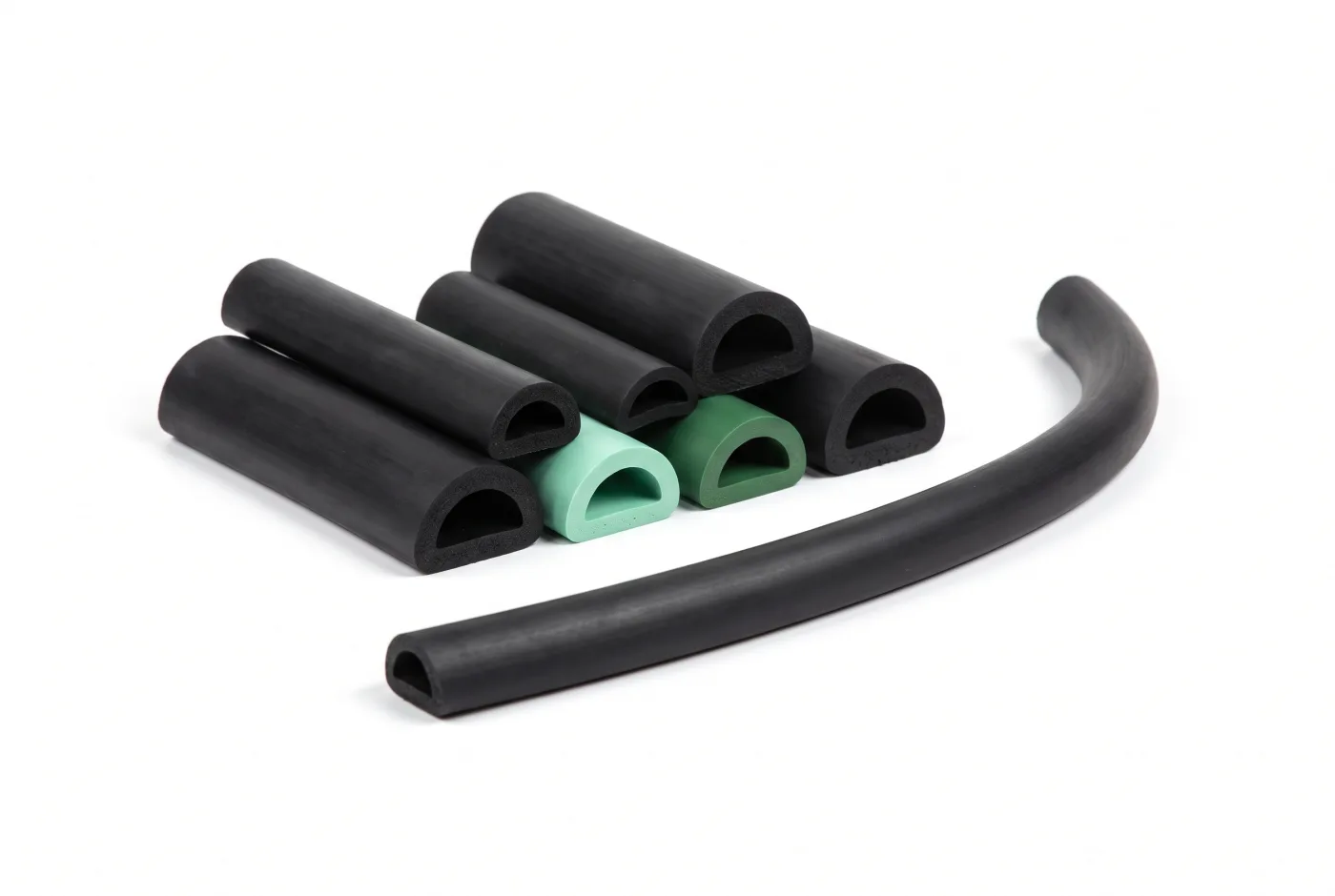
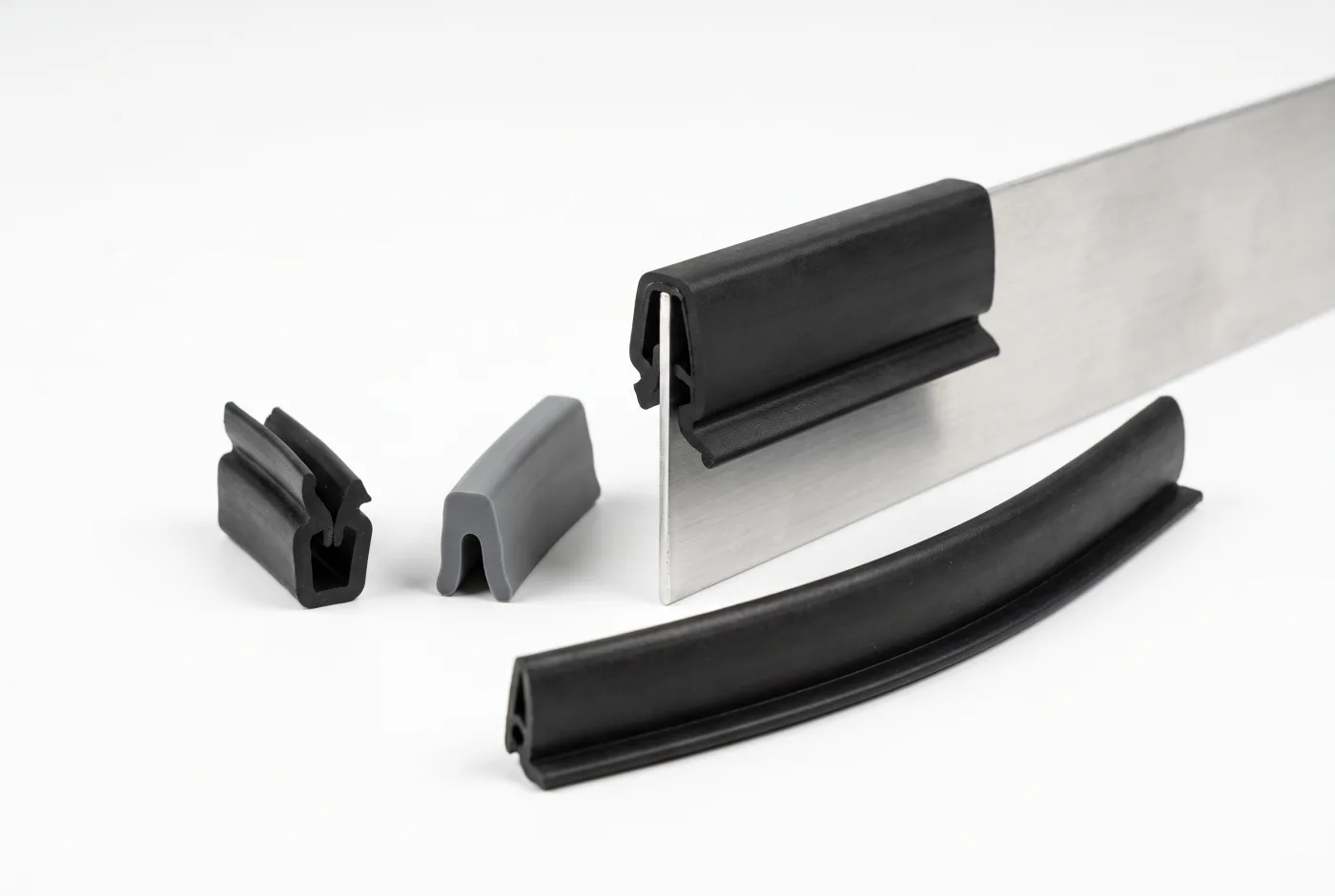
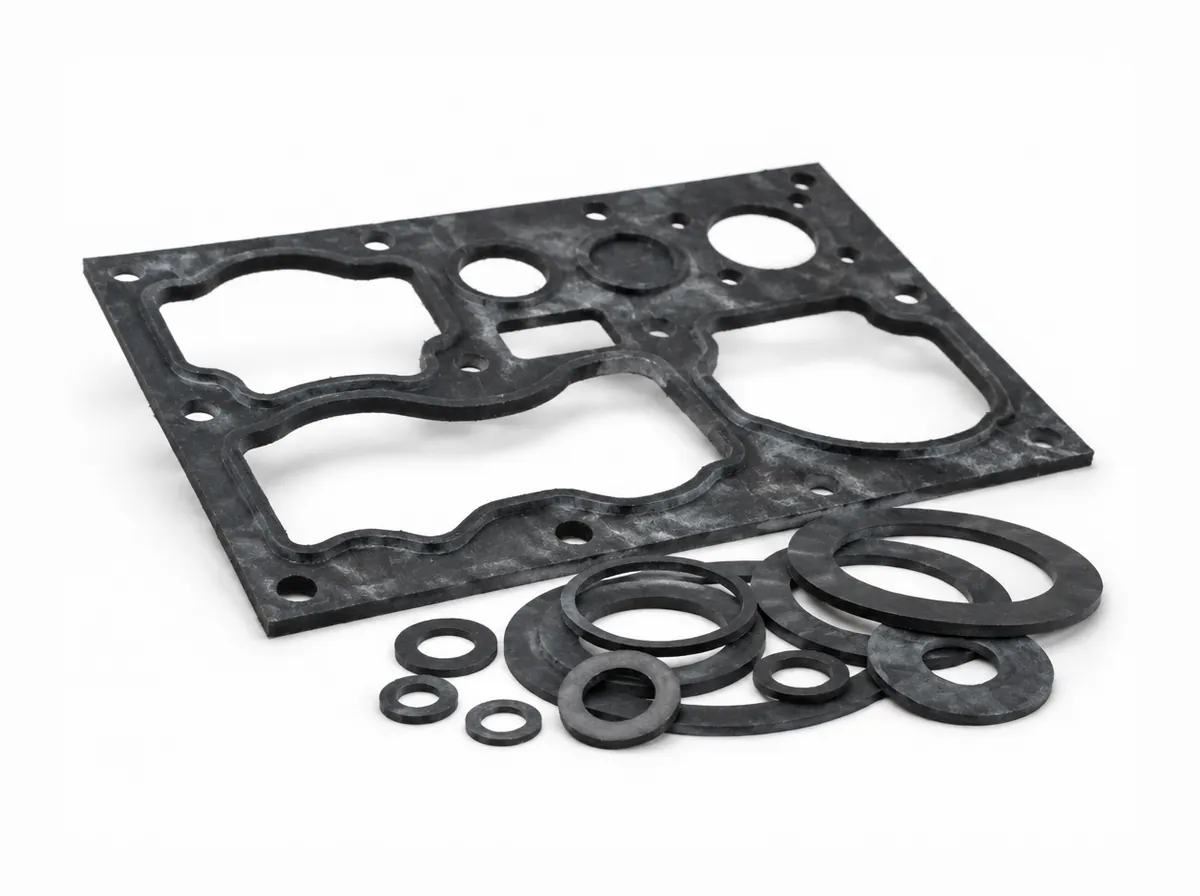
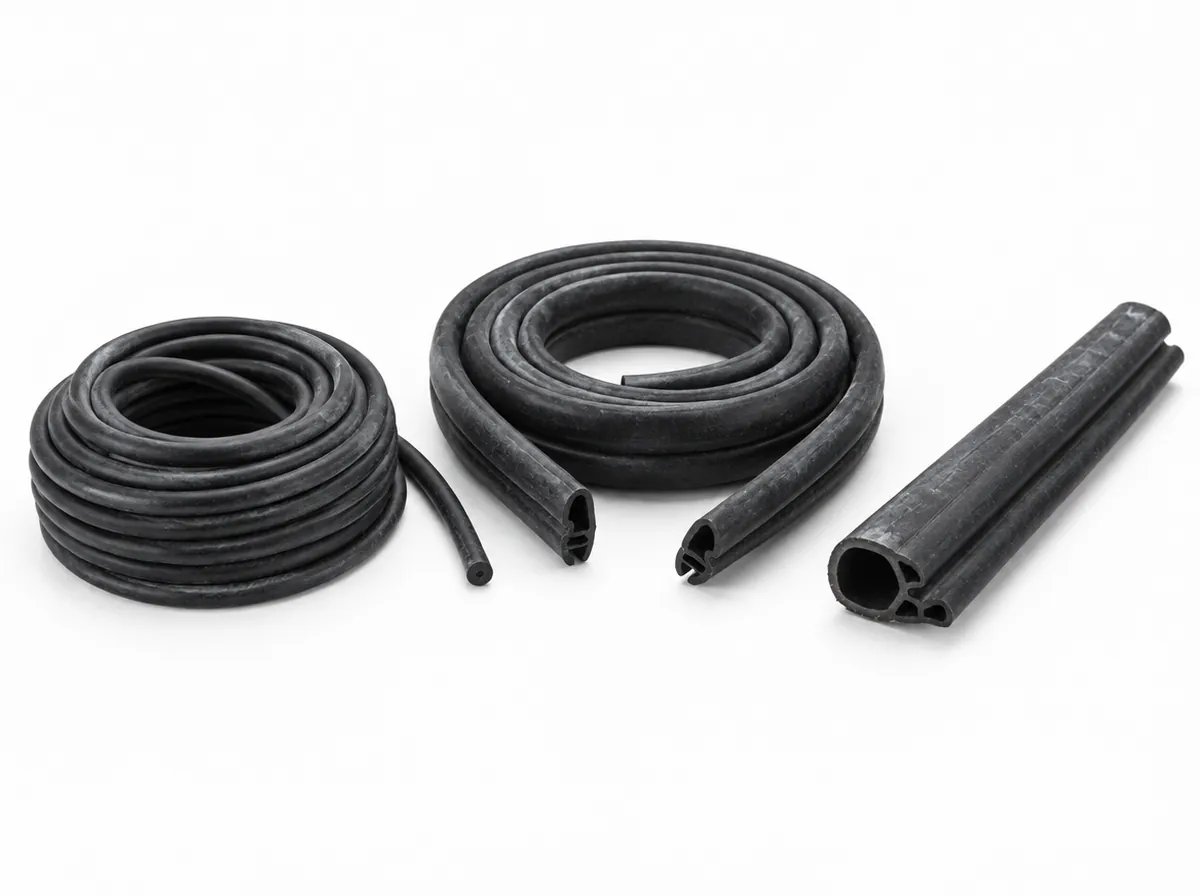
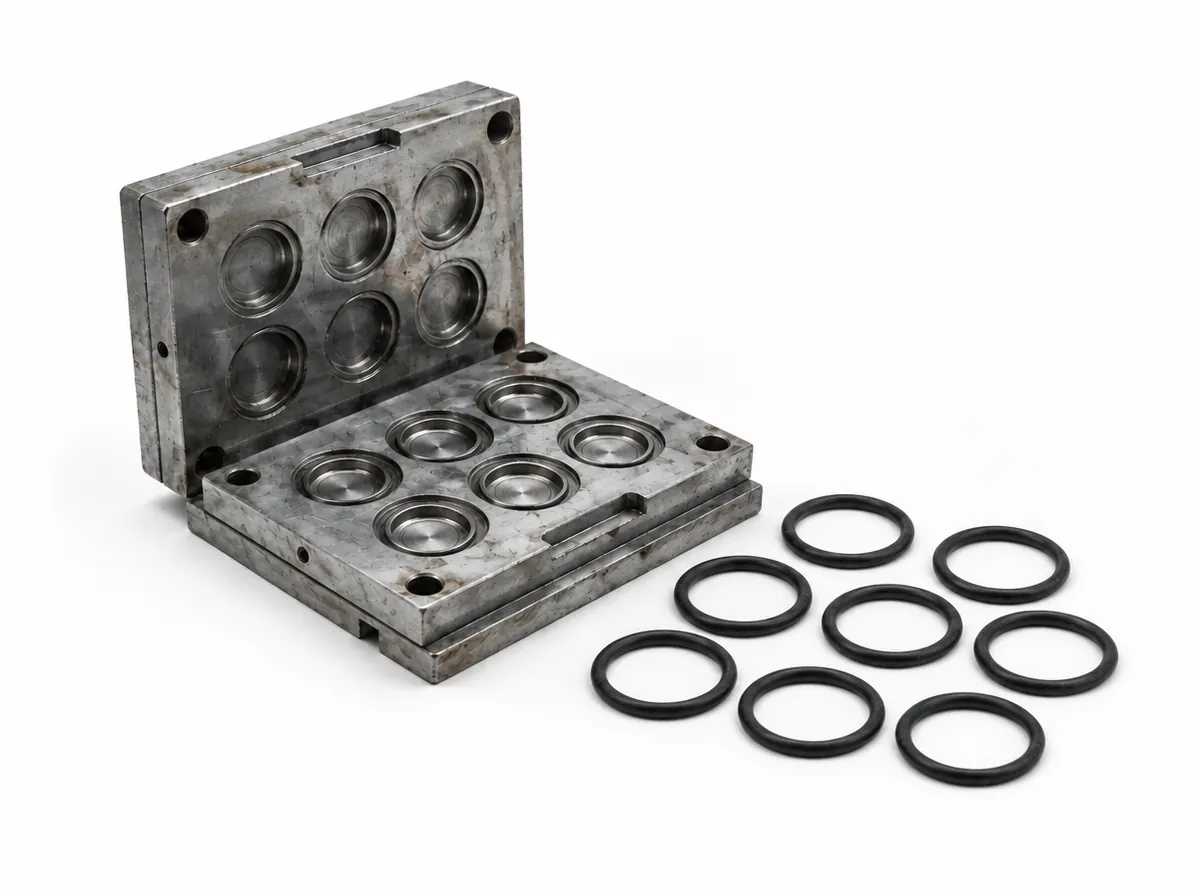
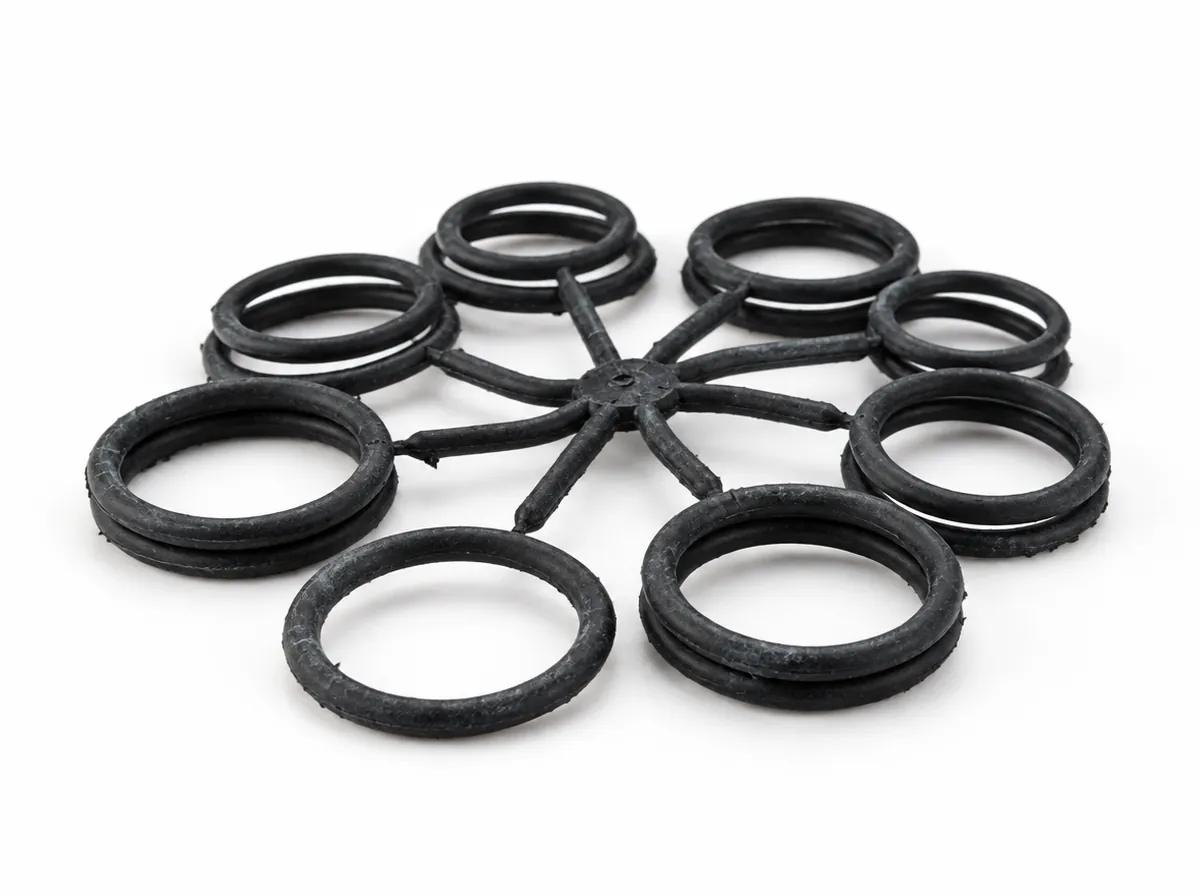
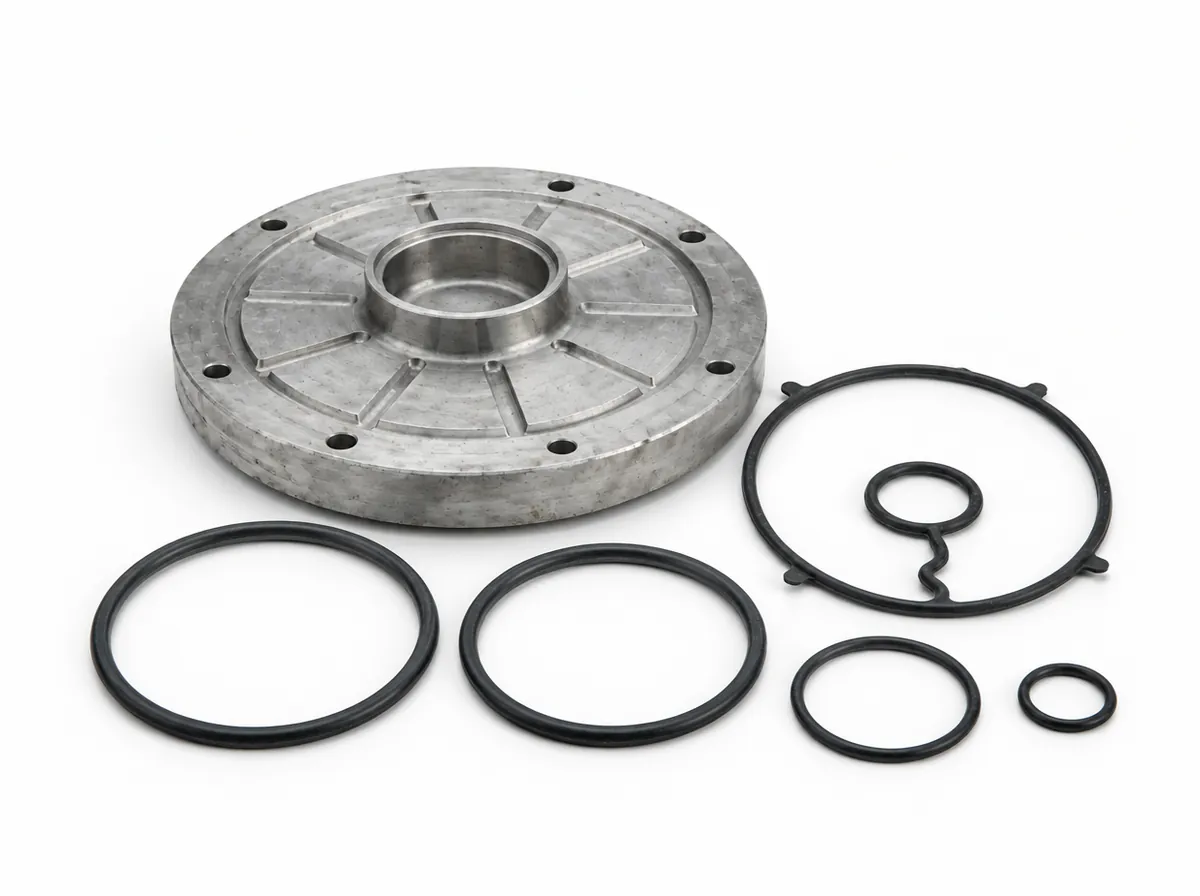
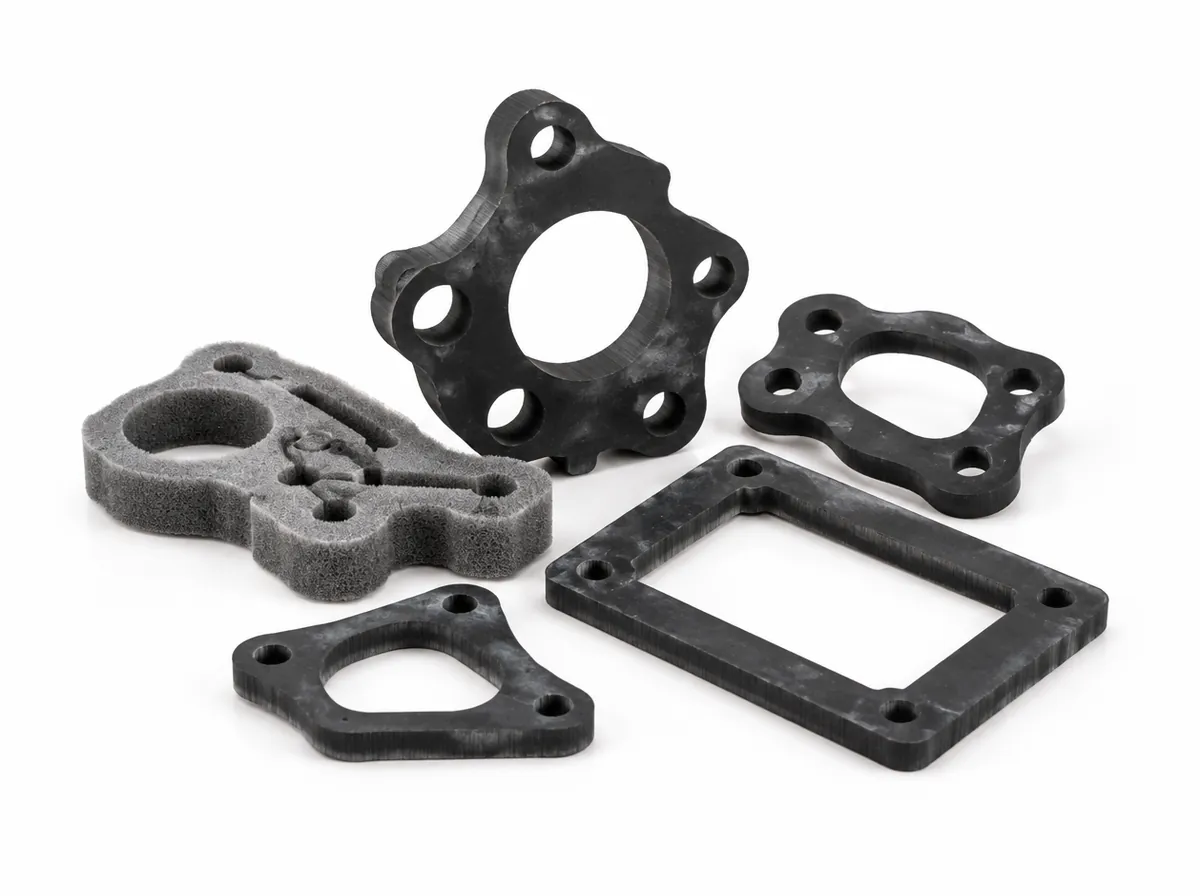
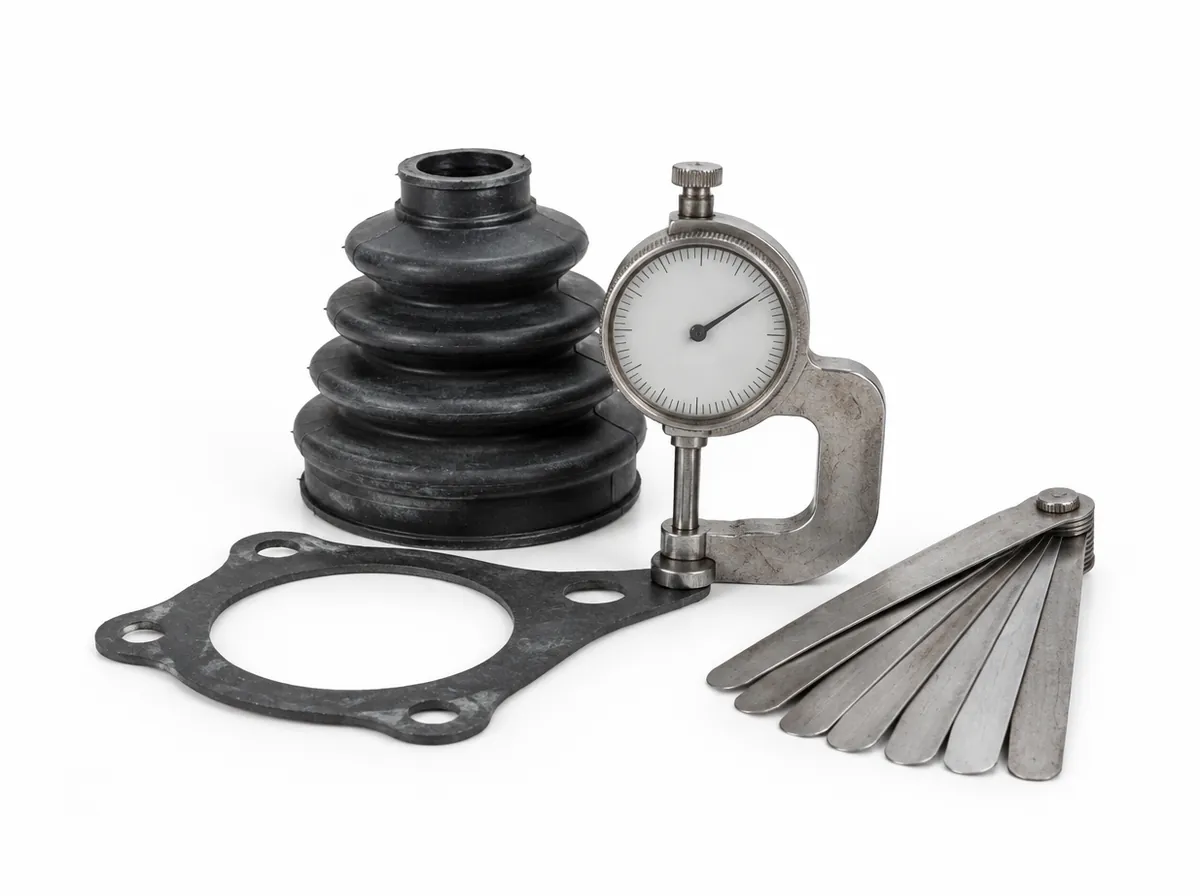
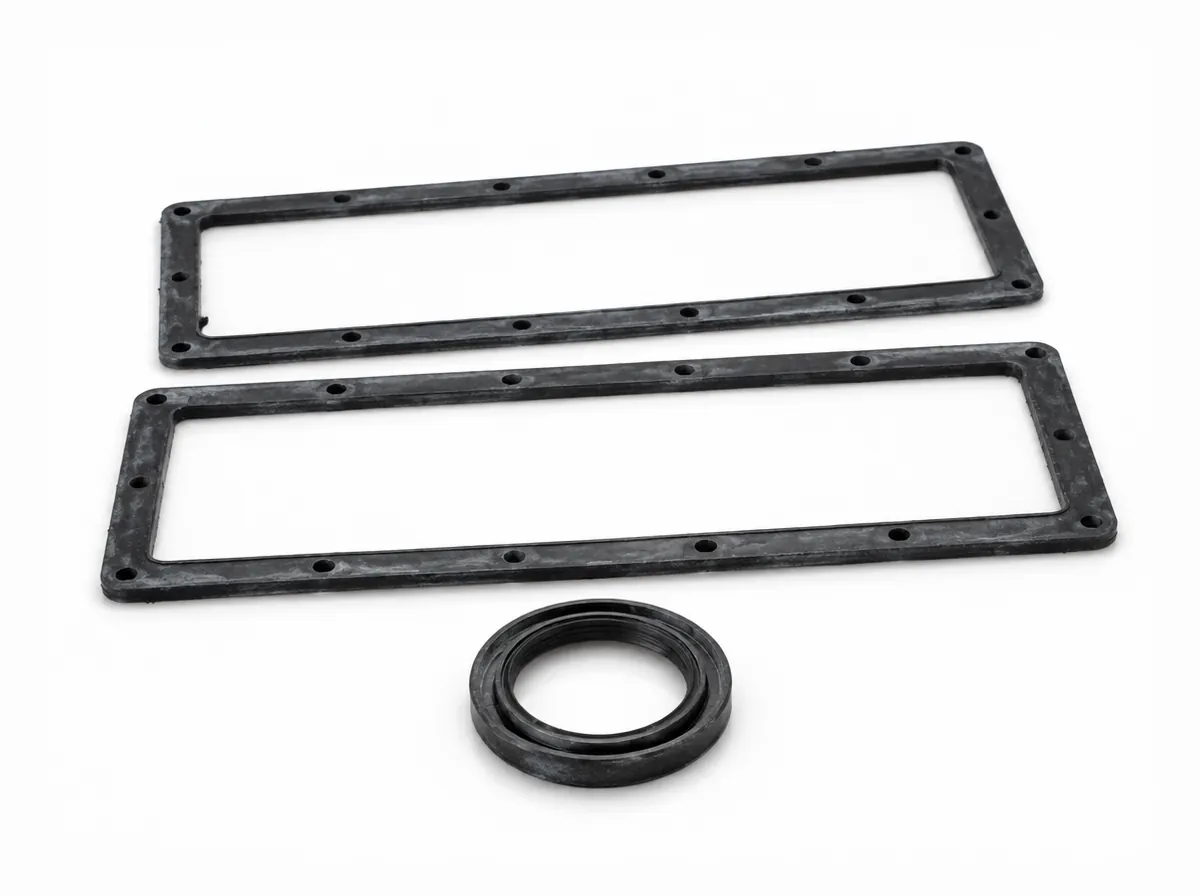
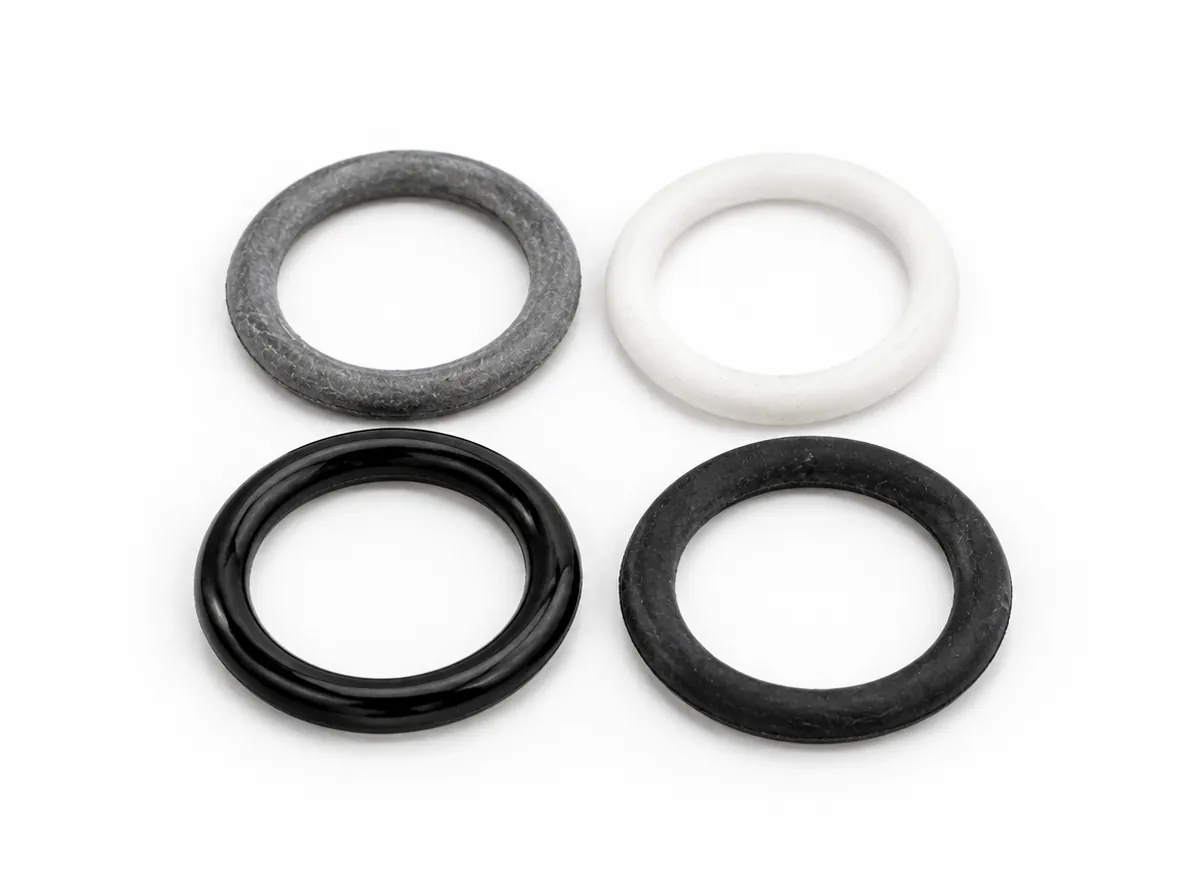
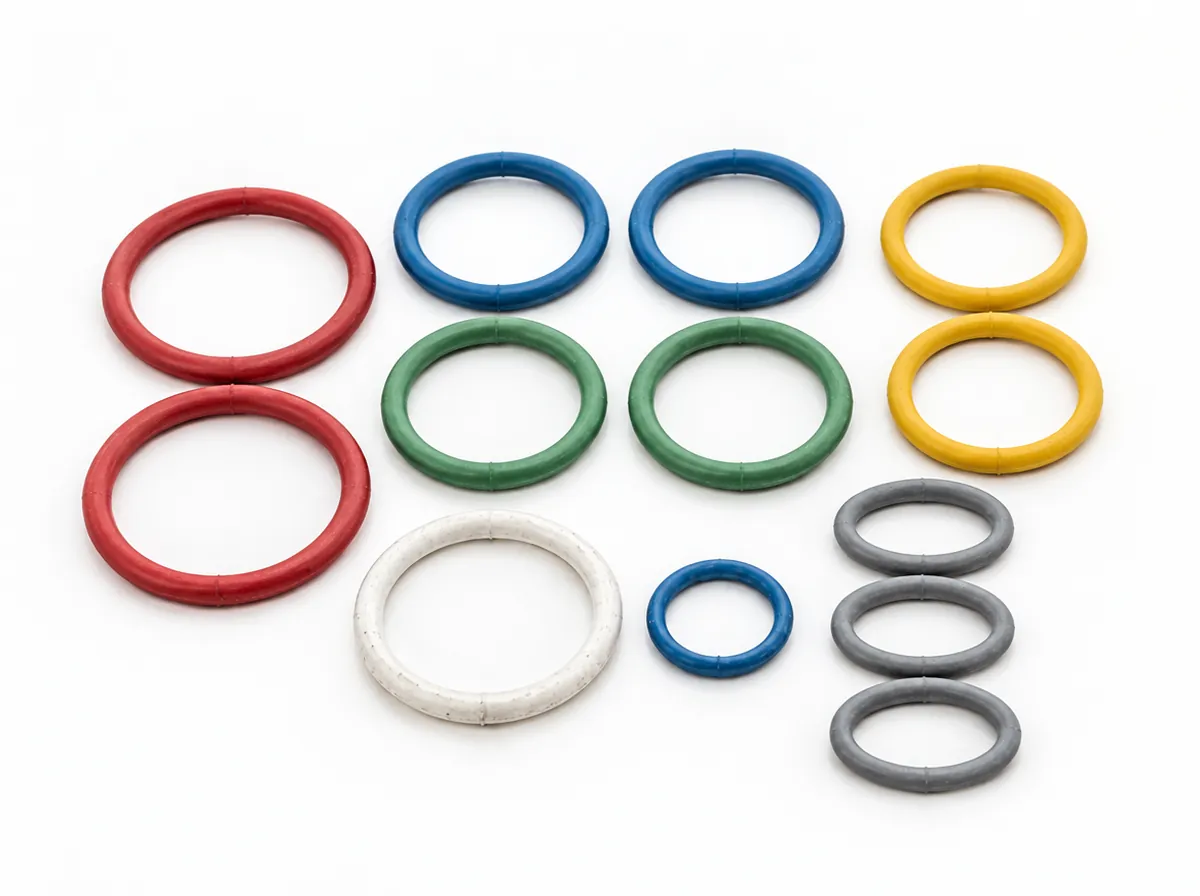
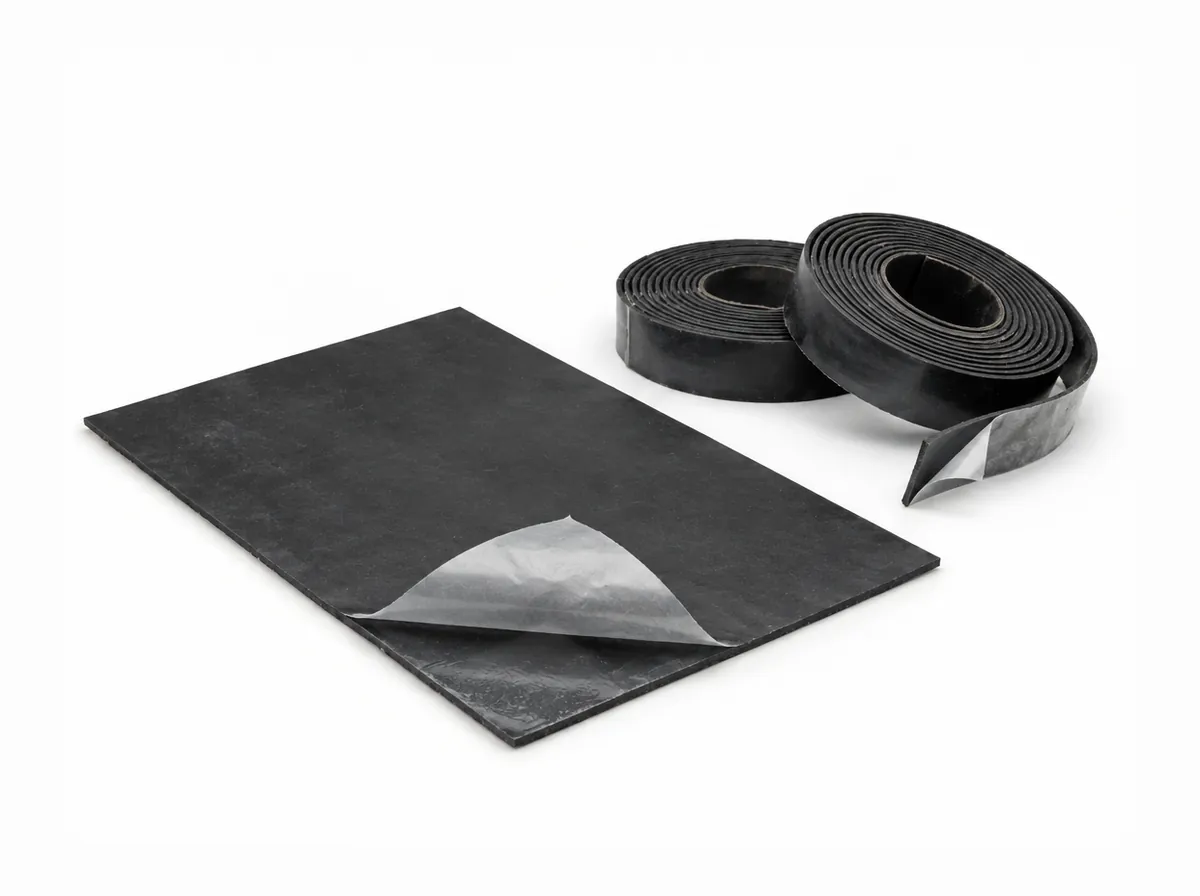
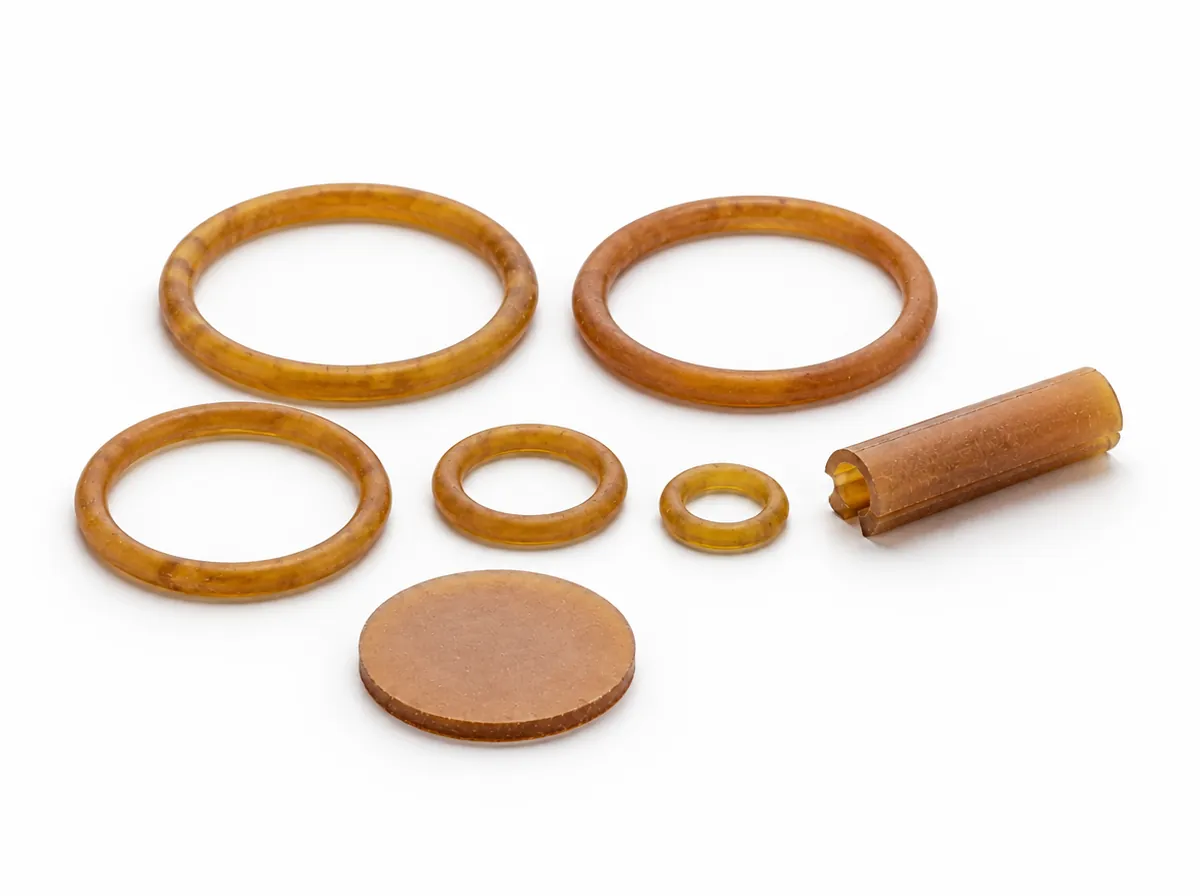
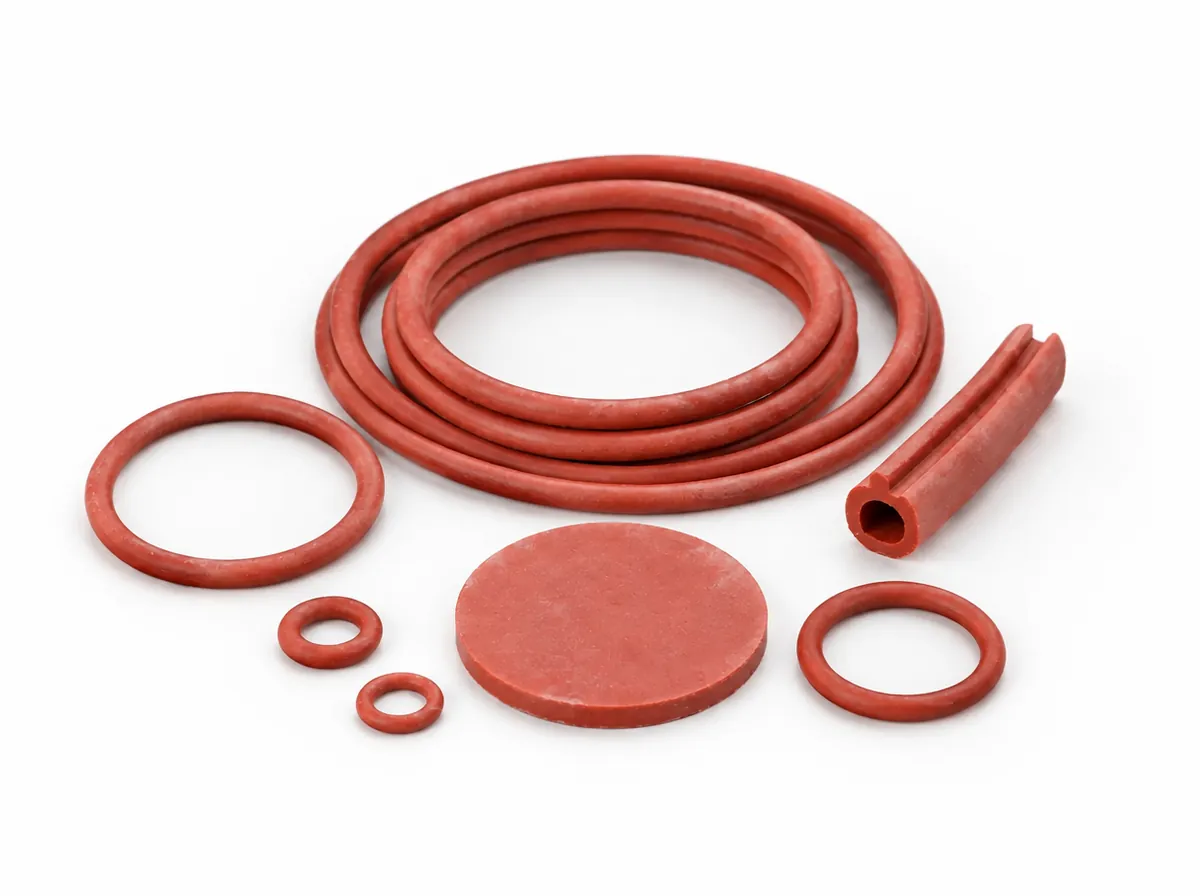
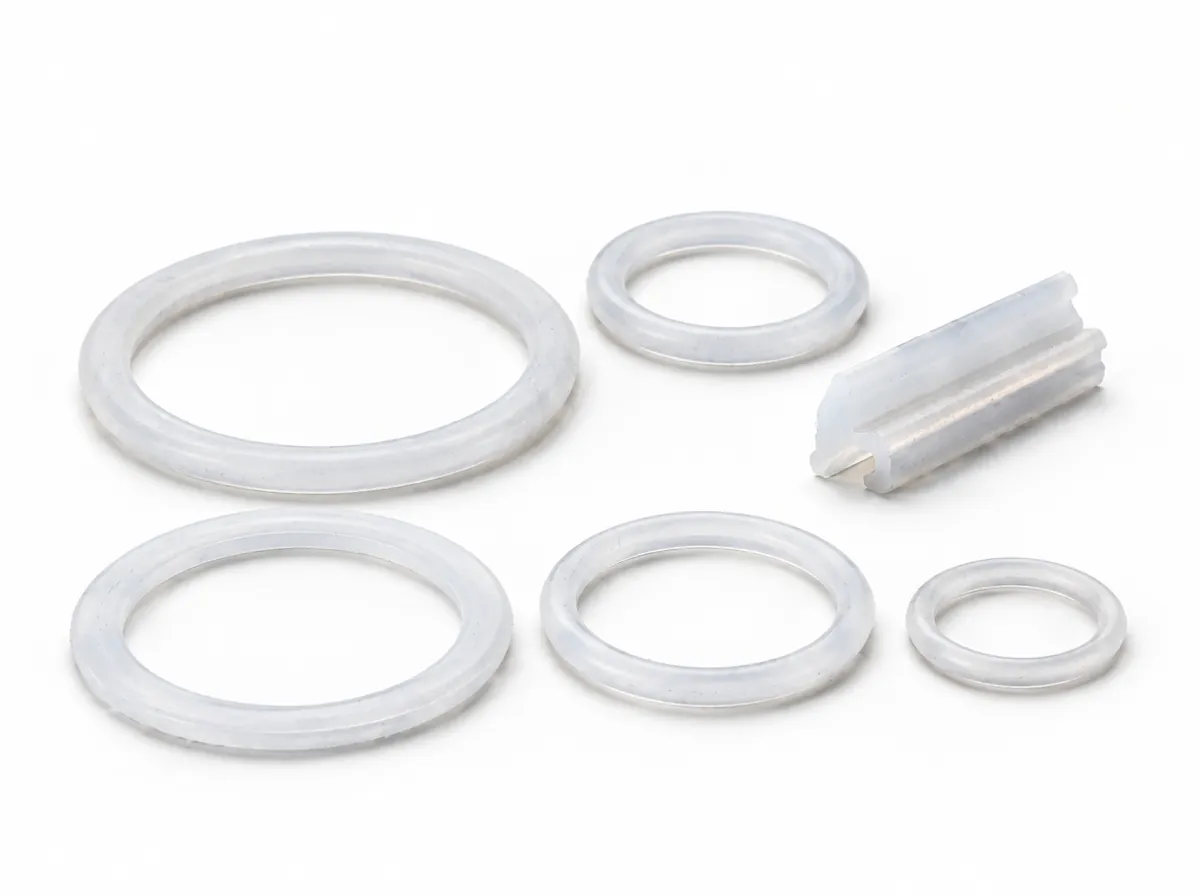
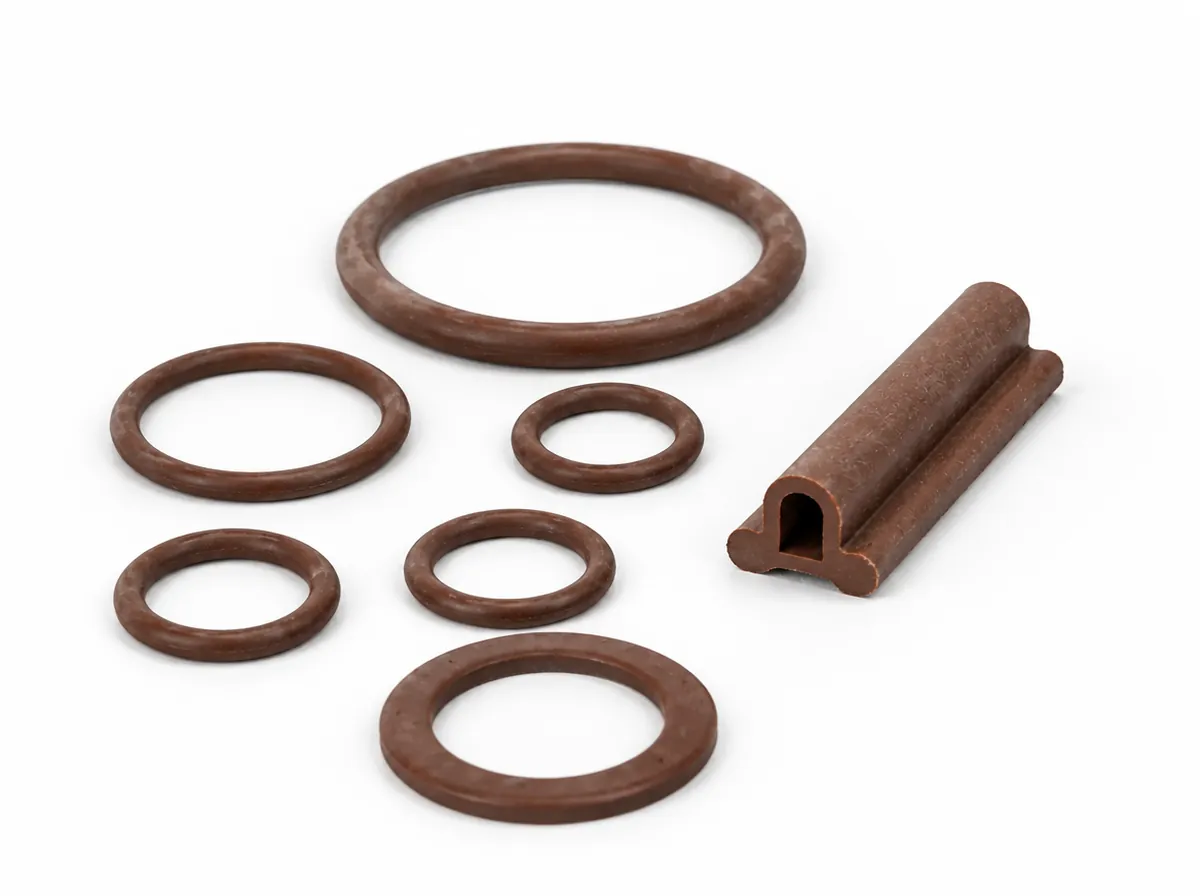
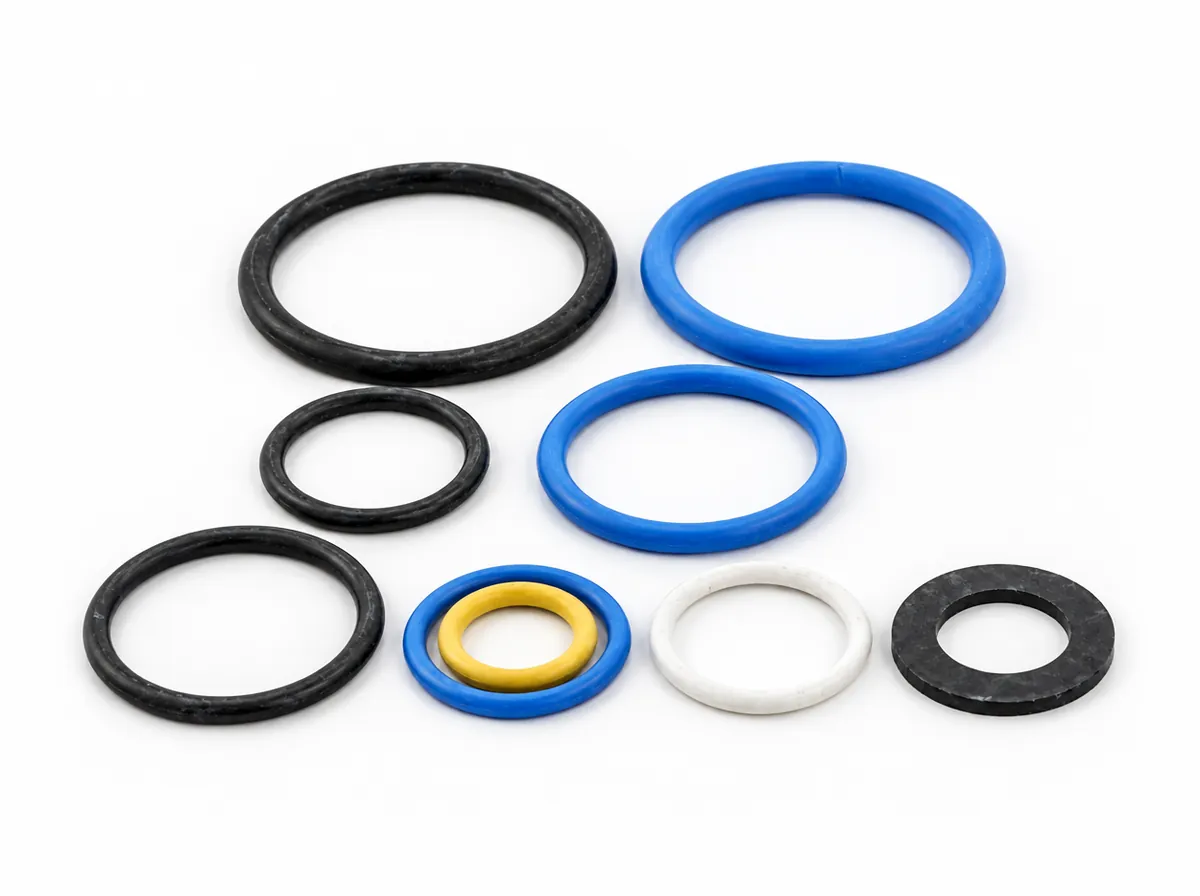
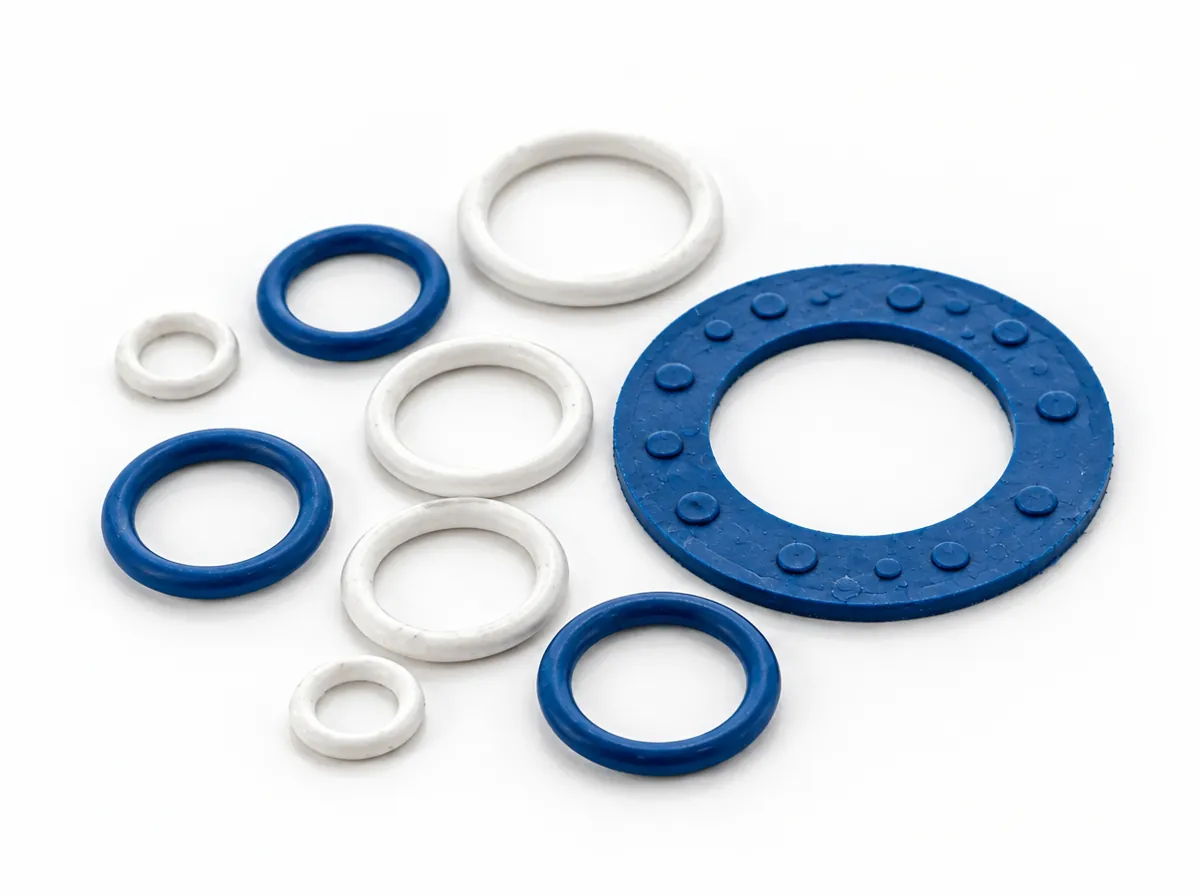
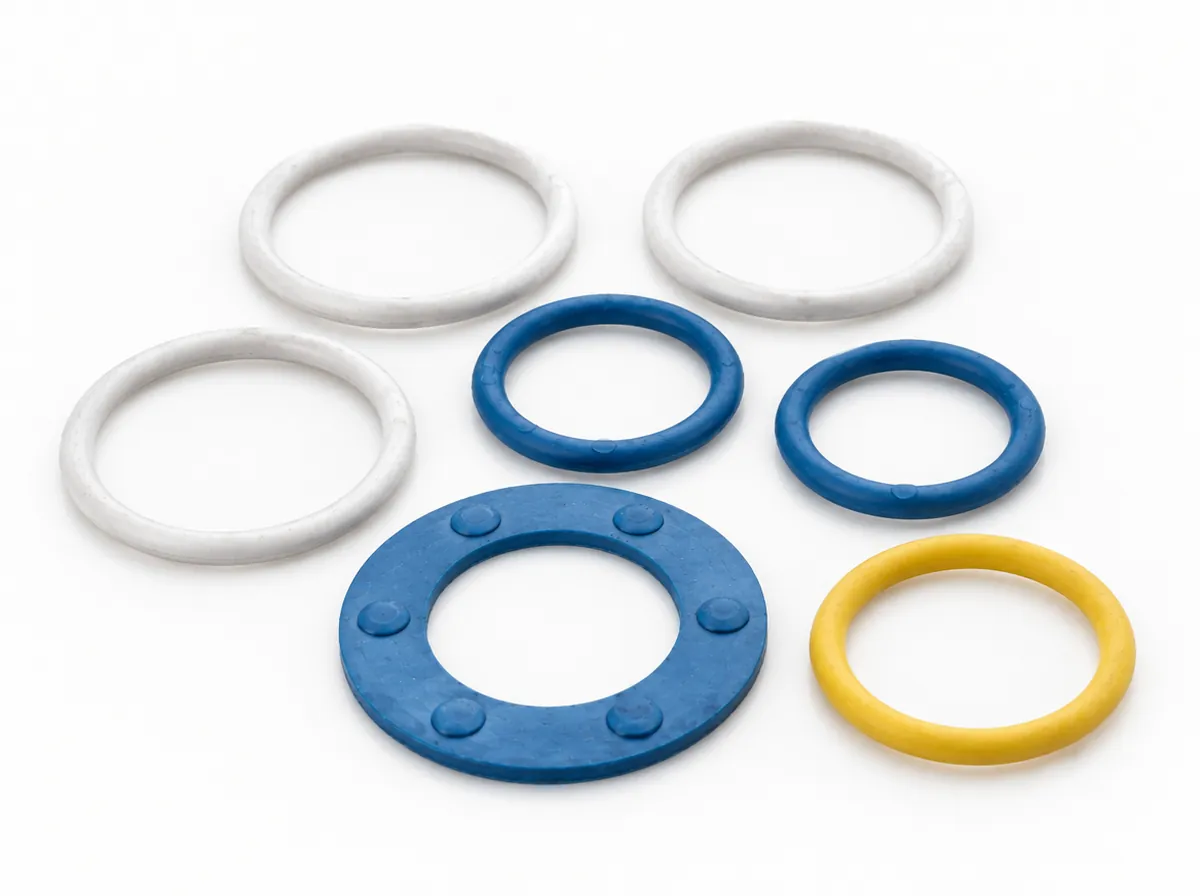
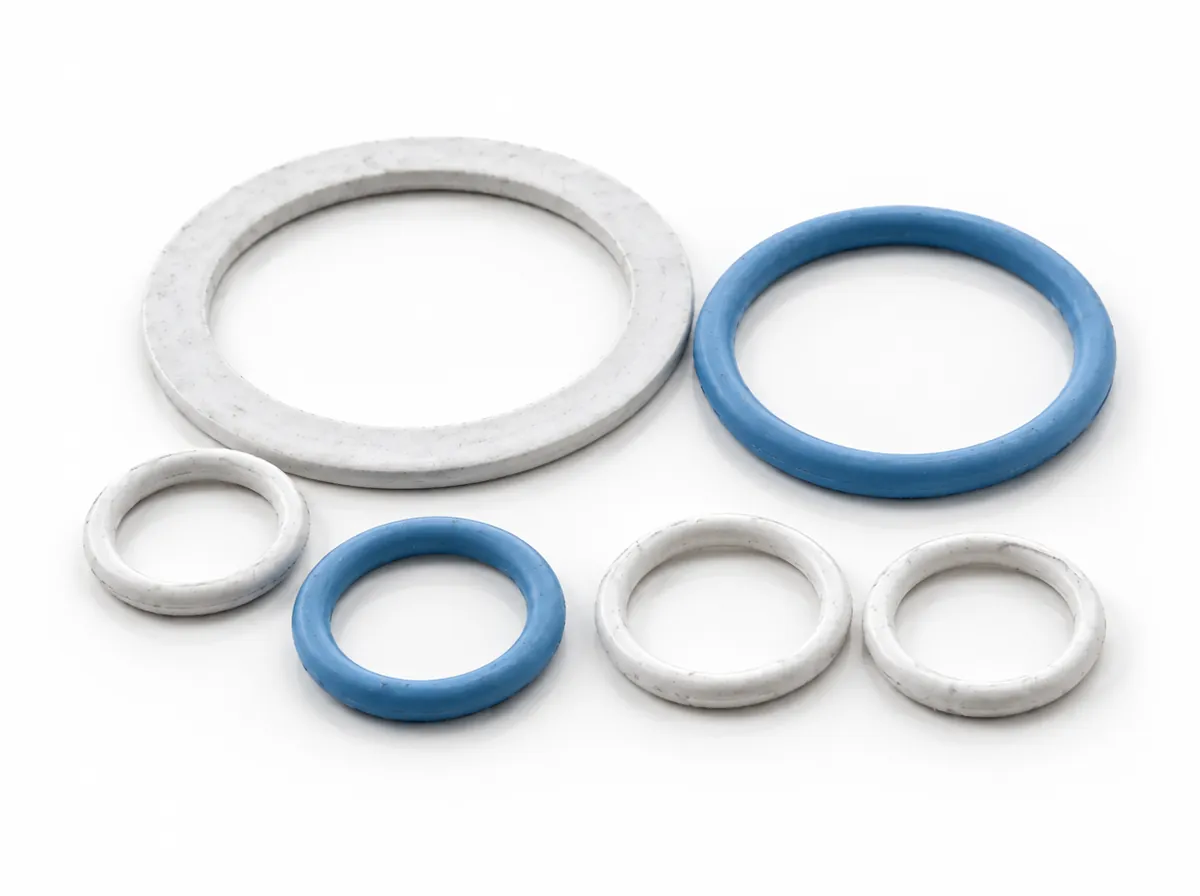
We manufacture products from these categories in TPE. Select a category to see all versions.
Materials
Other materials
Elastomers
Cooperation
TPE for your application?
Tell us the medium, temperature and application. We will recommend the right grade and send technical data sheets on request.