



Glossary of elastomer processing
Cycle time
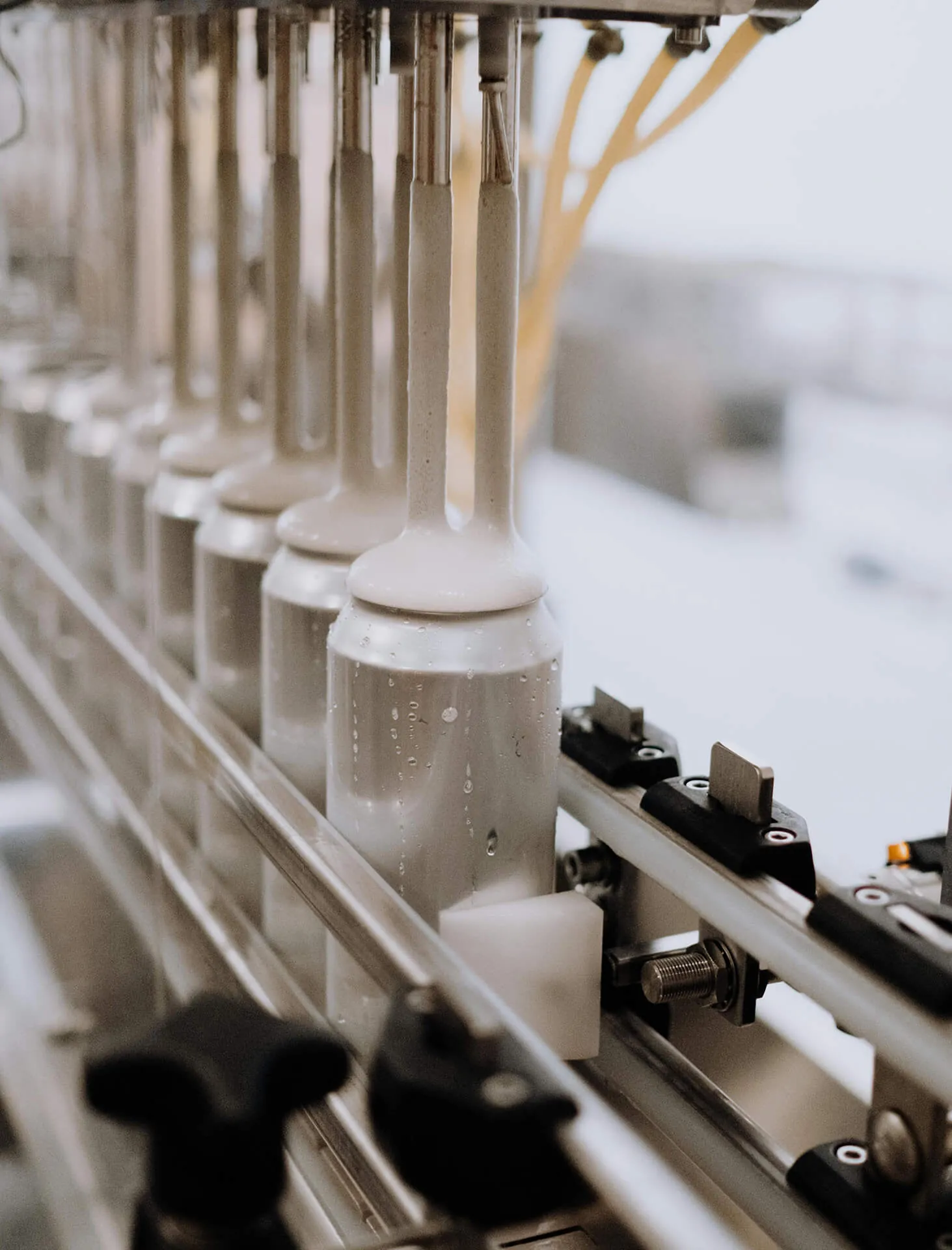
Cycle time is the time needed to complete a full production cycle in a manufacturing process. It begins and ends with the repetition of the same event, such as the completion of a component or an assembly. Cycle time is a key parameter in manufacturing, particularly in automated processes such as injection moulding, extrusion or the assembly of components.
How cycle time is calculated depends on the specific process. A general formula is:
Cycle time = process time + ancillary time. Process time: the pure production time, e.g. moulding, punching or welding a component. Ancillary time: time for secondary processes such as tool changes, material feed or quality control. Example: in an injection moulding process, the cycle time comprises:
-
Closing time: time for closing the mould.
-
Injection time: time during which the material is injected into the mould.
-
Cooling time: time for the moulded component to cool.
-
Opening time: time for opening the mould and removing the component.
The sum of these times gives the cycle time.
Cycle time is an essential factor for the efficiency and cost-effectiveness of a manufacturing process:
-
Production rate: the cycle time determines how many units can be produced in a given period.
-
Cost optimisation: shorter cycle times lead to lower unit costs and higher profitability.
-
Use of resources: optimised cycle times increase the utilisation of machines and equipment.
Cycle time can be influenced by various factors:
-
Material: properties such as flow behaviour, curing or cooling time affect the process time.
-
Machine settings: speed, temperature and pressure parameters affect the cycle duration.
-
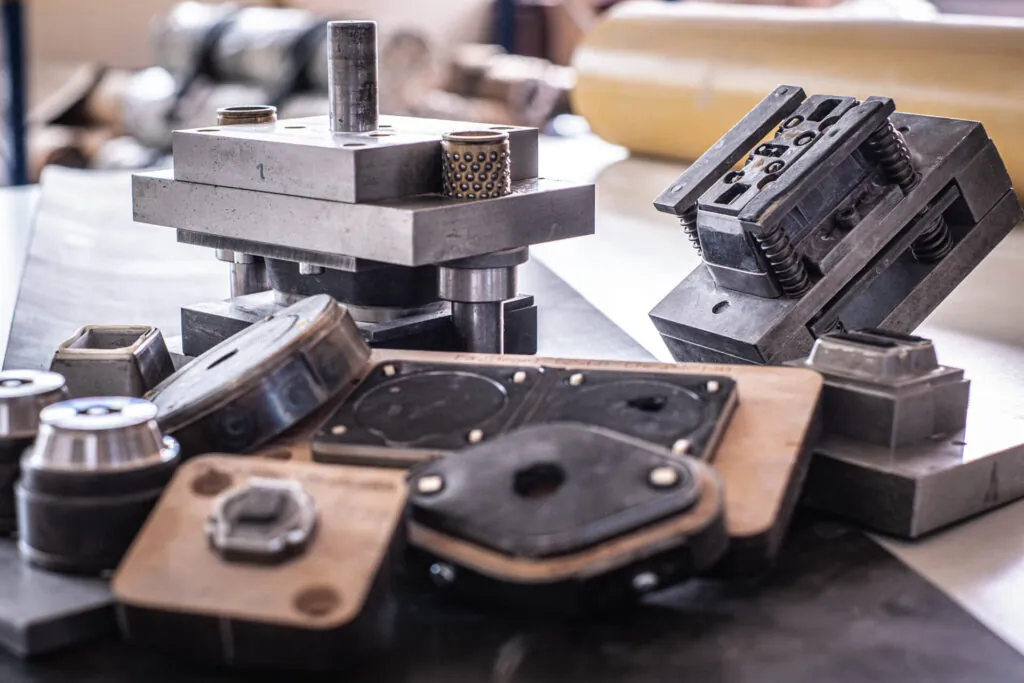
Tool design: the geometry and cooling channels of the tool can speed up or slow down the process.
-
Degree of automation: automated material feed and removal reduce ancillary times.
-
Quality requirements: additional inspections or rework extend the cycle time.
Optimising cycle time is a decisive step towards improving production performance. Common measures are:
-
Improving the tool: optimised mould designs can reduce cooling time.
-
Choice of material: materials that process faster improve throughput time.
-
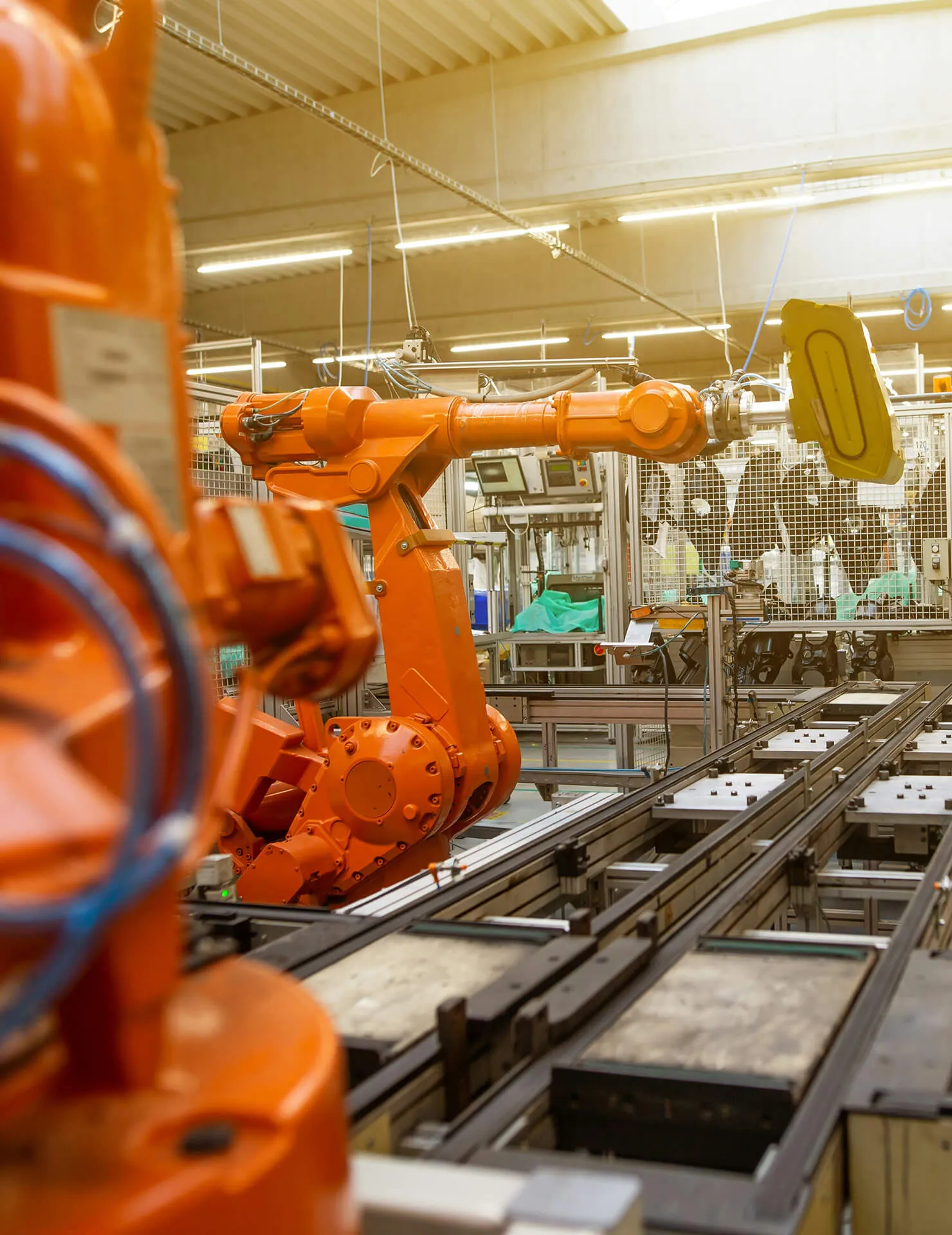
Process automation: using robots for removal or assembly shortens ancillary times.
-
Process monitoring: real-time data analysis helps identify bottlenecks and optimise processes.
-
Machine maintenance: regular maintenance reduces downtime and ensures consistent process times.
Cycle time is a universal parameter that plays a role in numerous industries:
Injection moulding
-
Production of plastic parts: cycle time affects quantities and costs per component.
-
Automotive industry: shorter cycle times enable faster production of interior trim or engine covers.
Assembly processes
-
Electronics manufacturing: optimising cycle time when populating printed circuit boards.
-
Automated assembly: reducing the time for assembling modules in automotive or household appliance production.
Rubber and vulcanisation processes
-
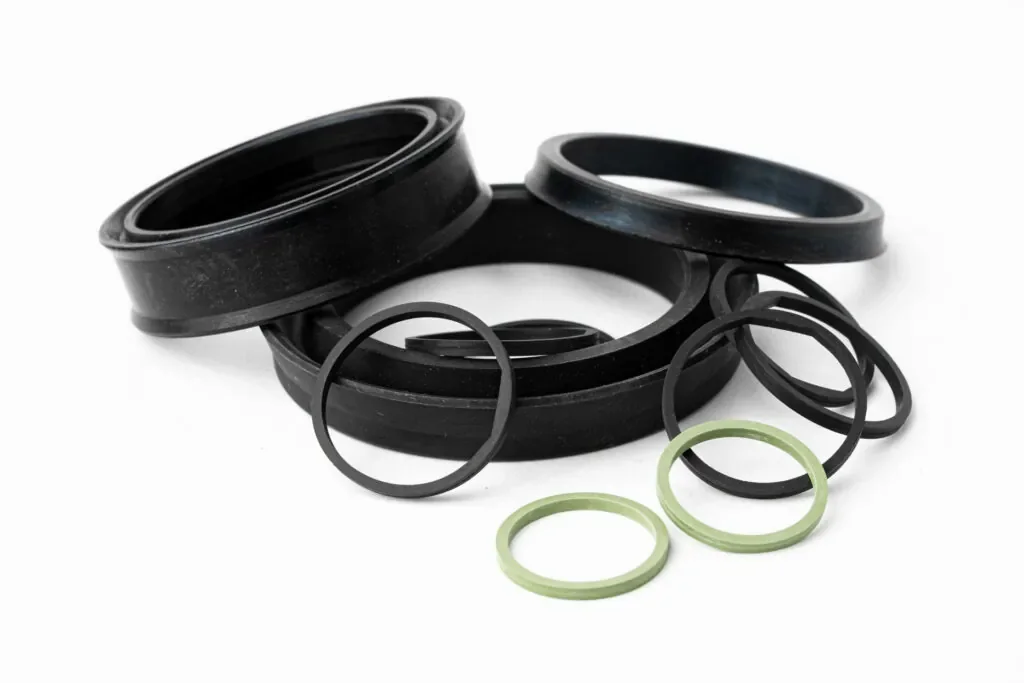
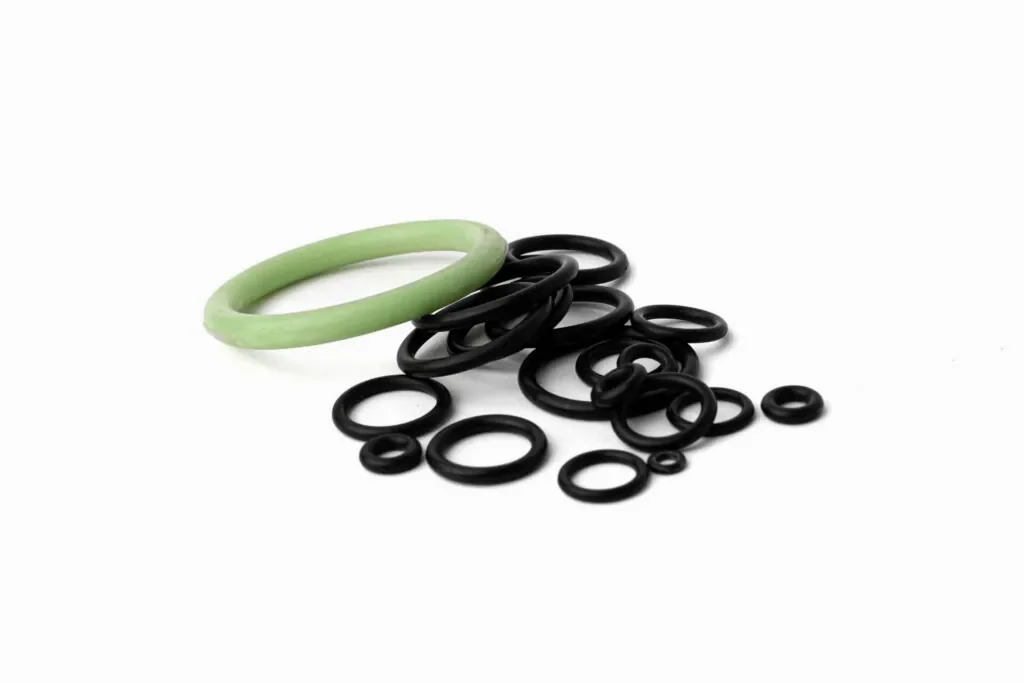
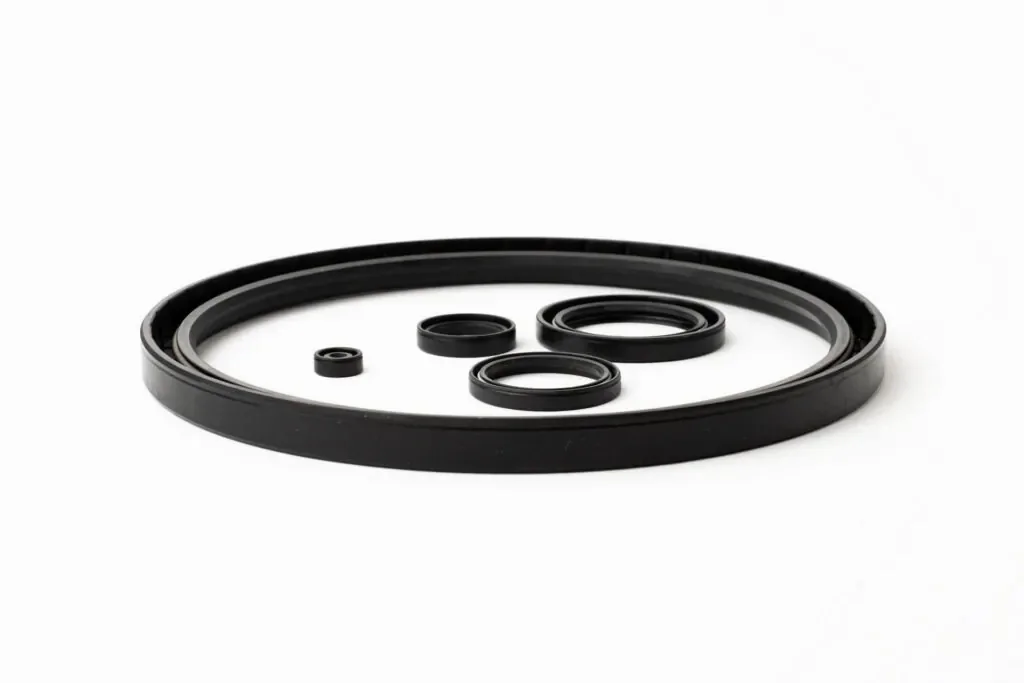
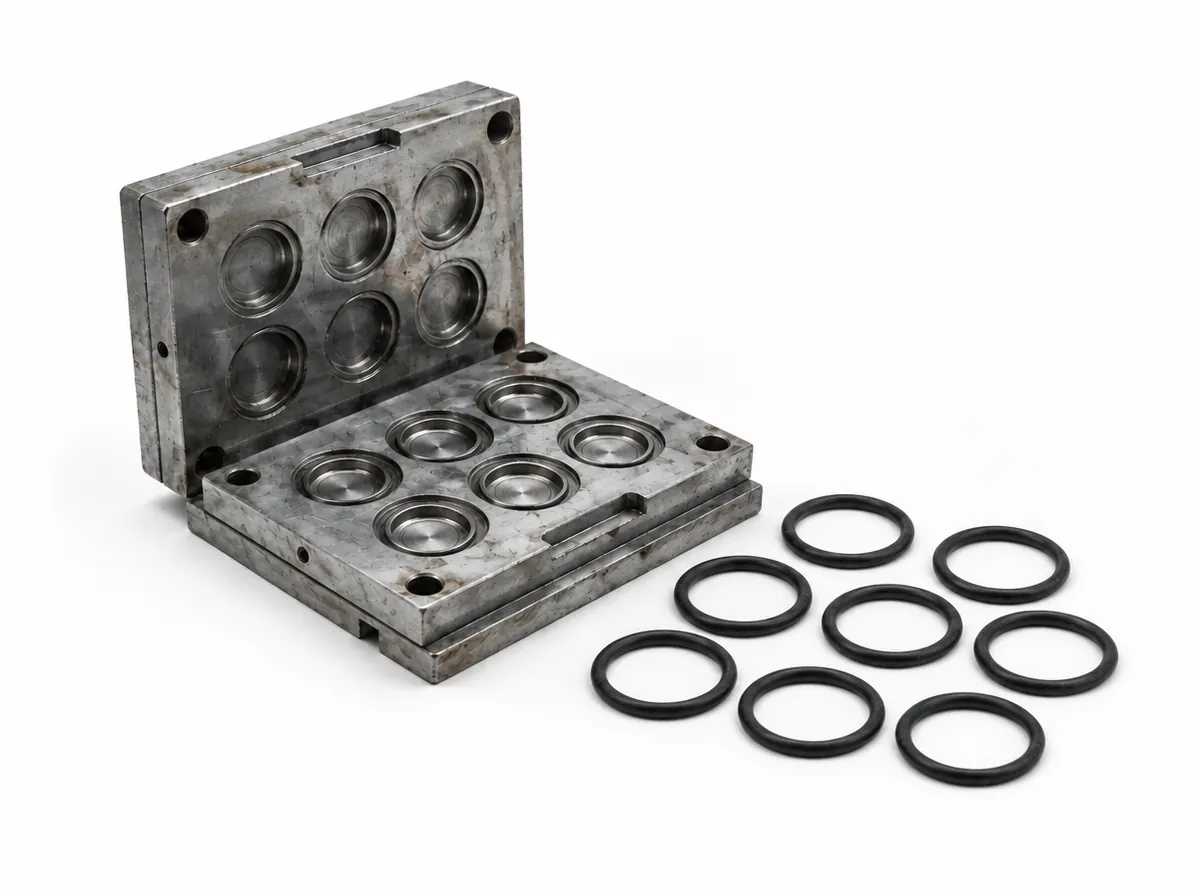
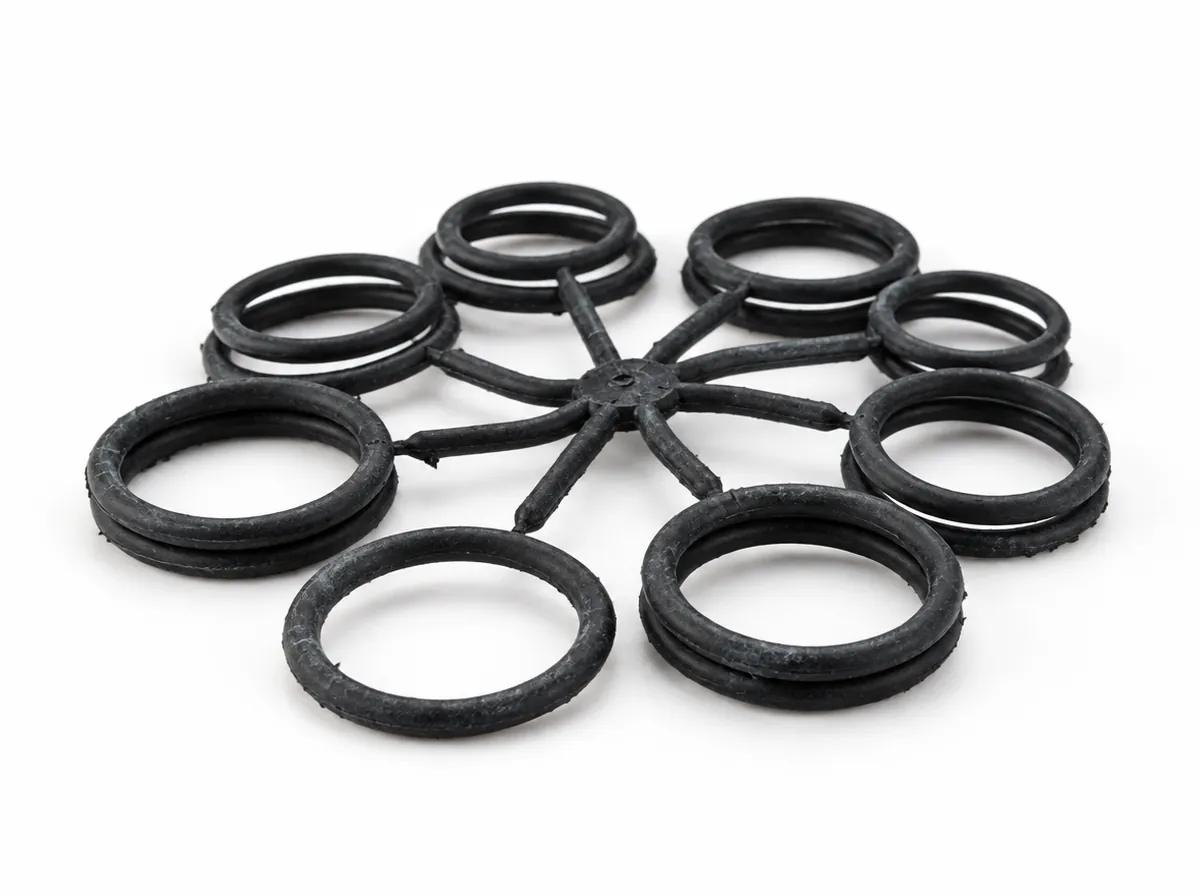
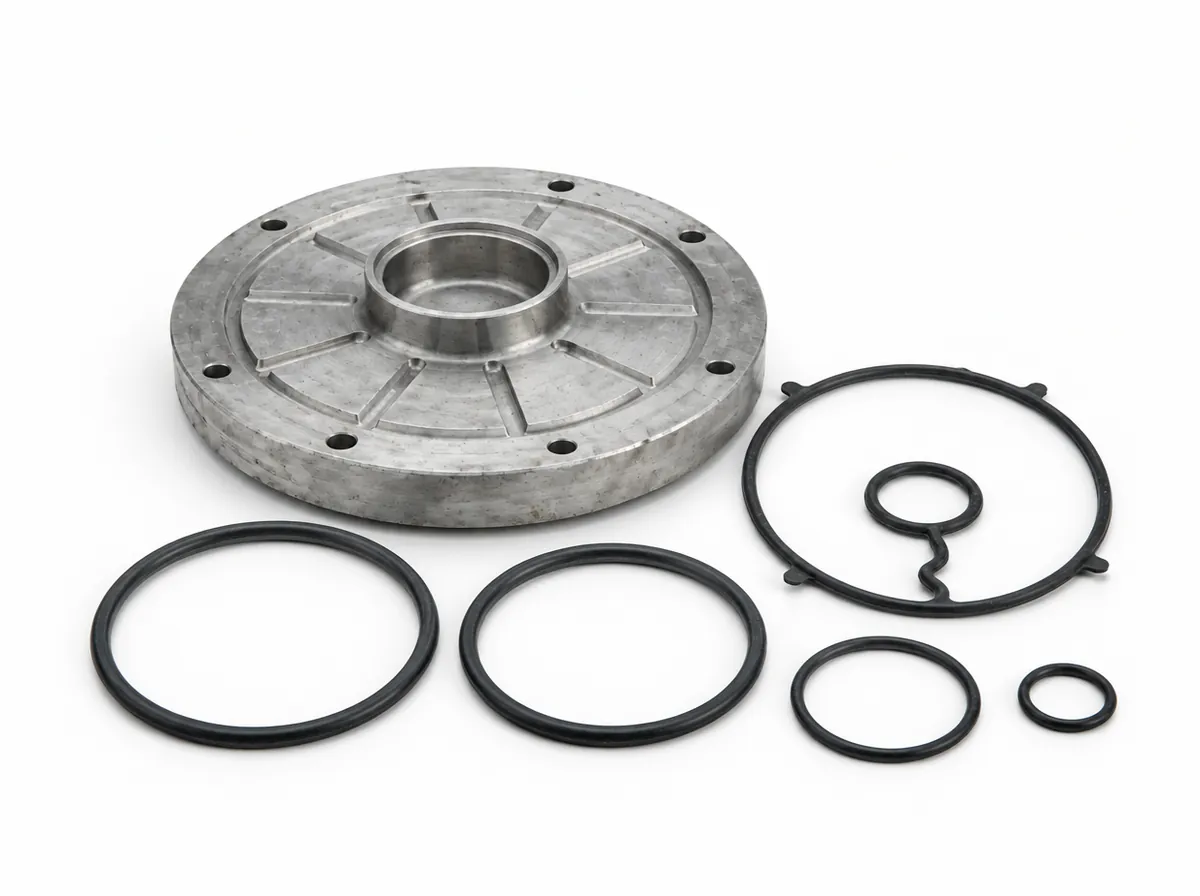
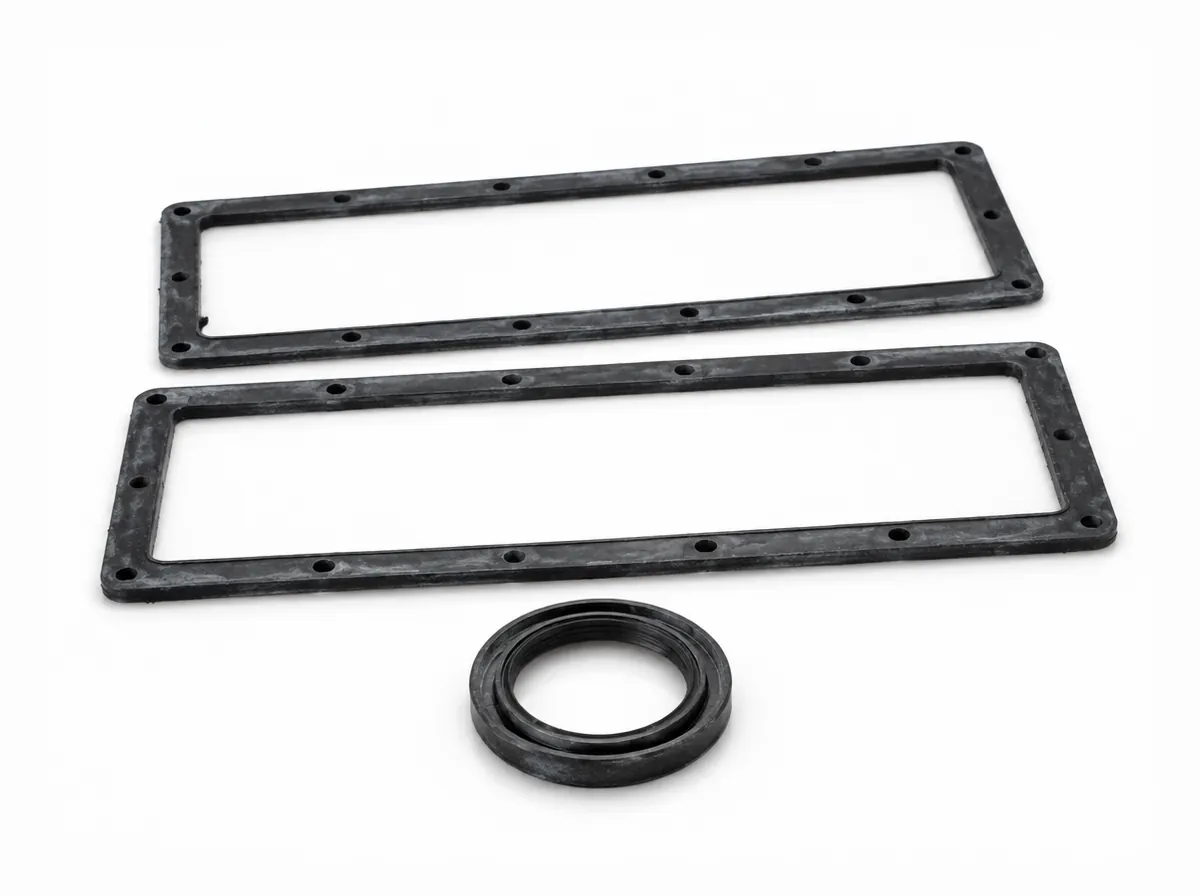
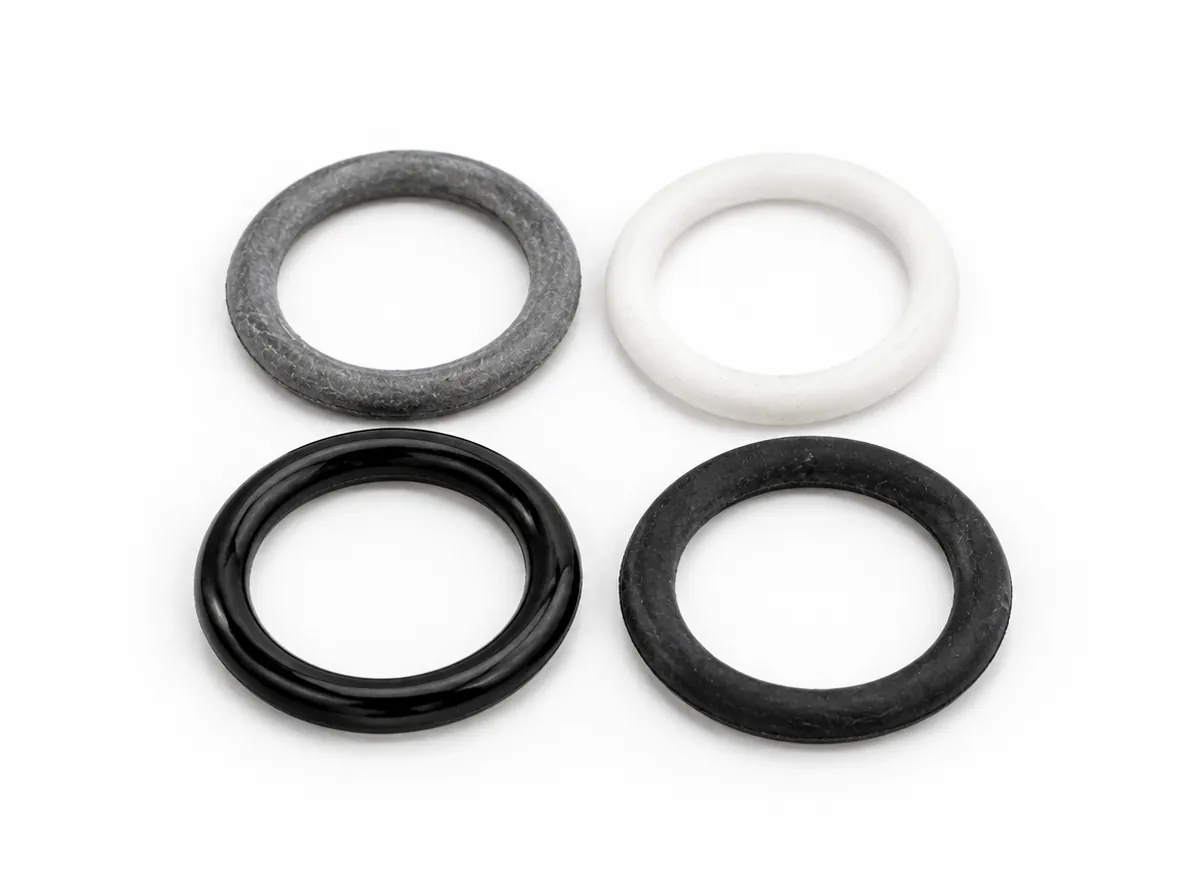
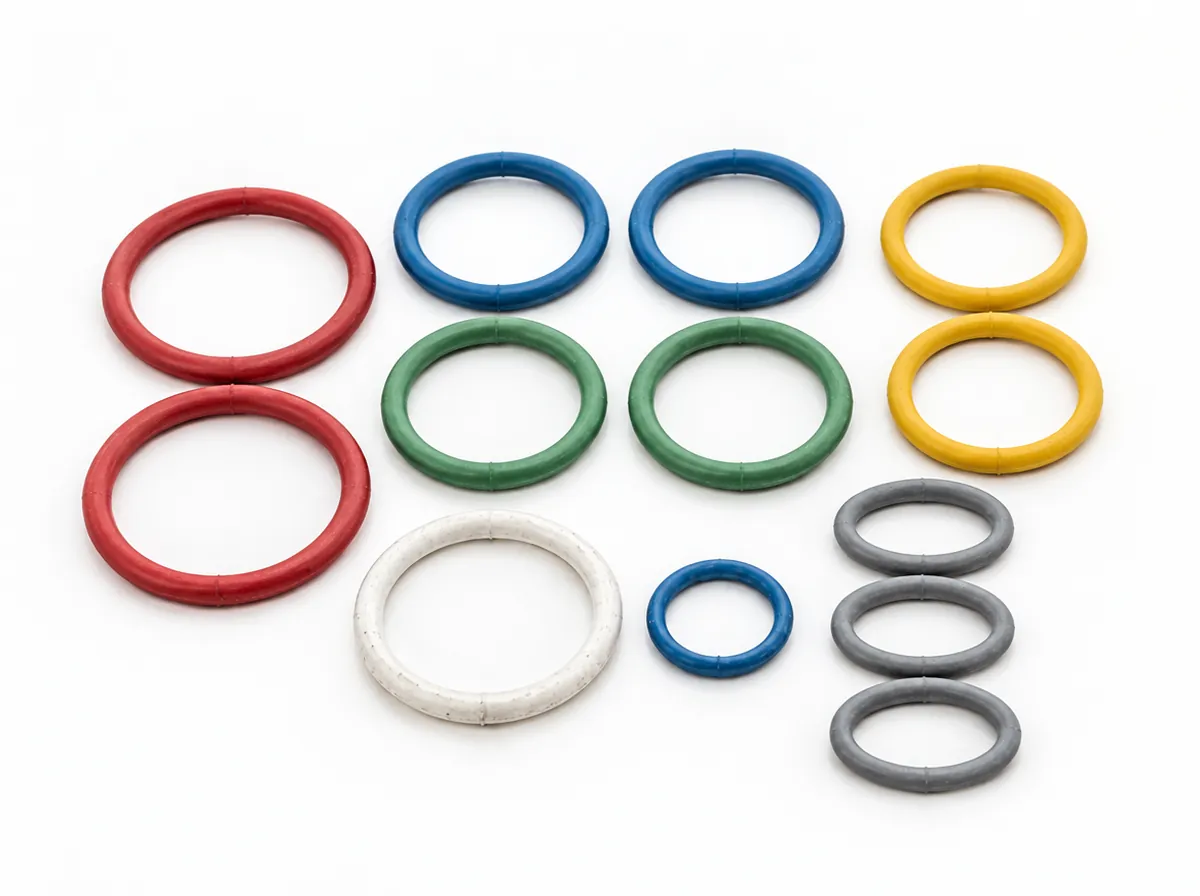
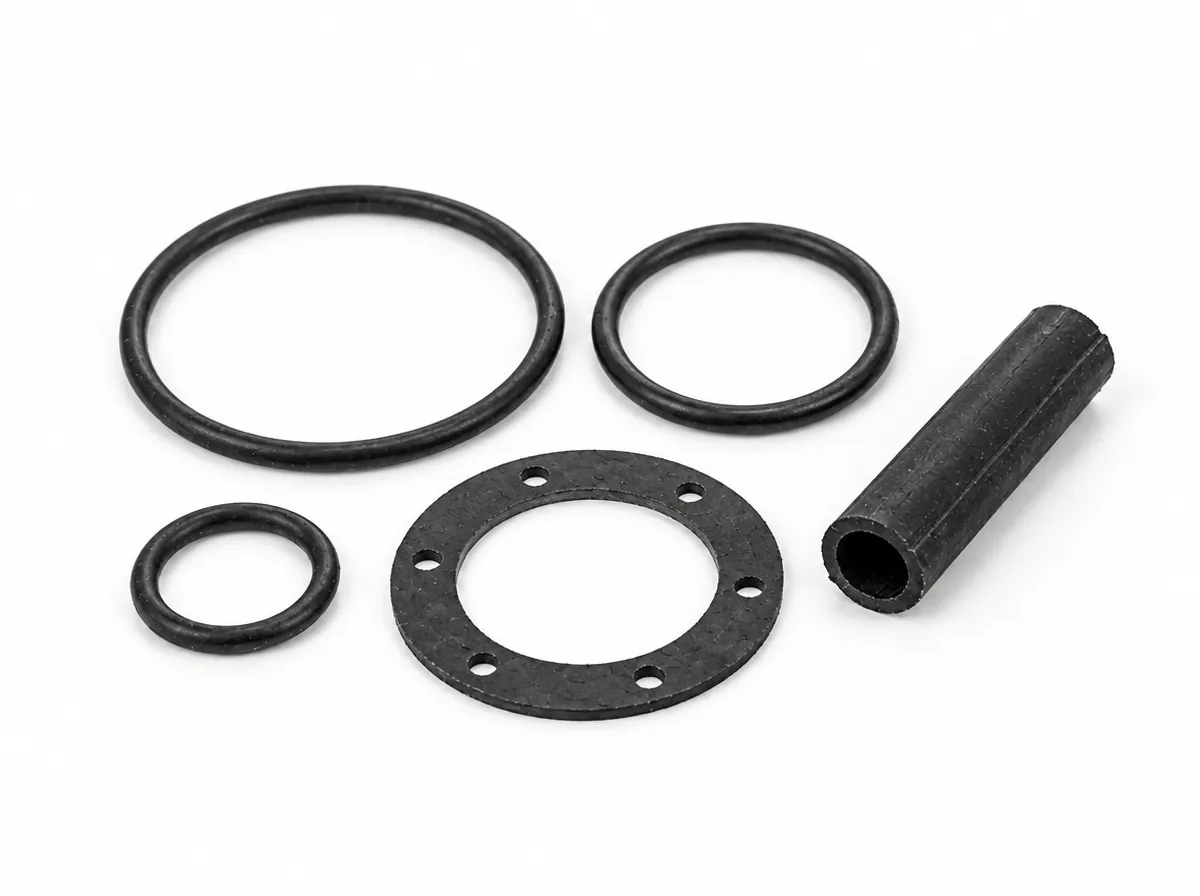
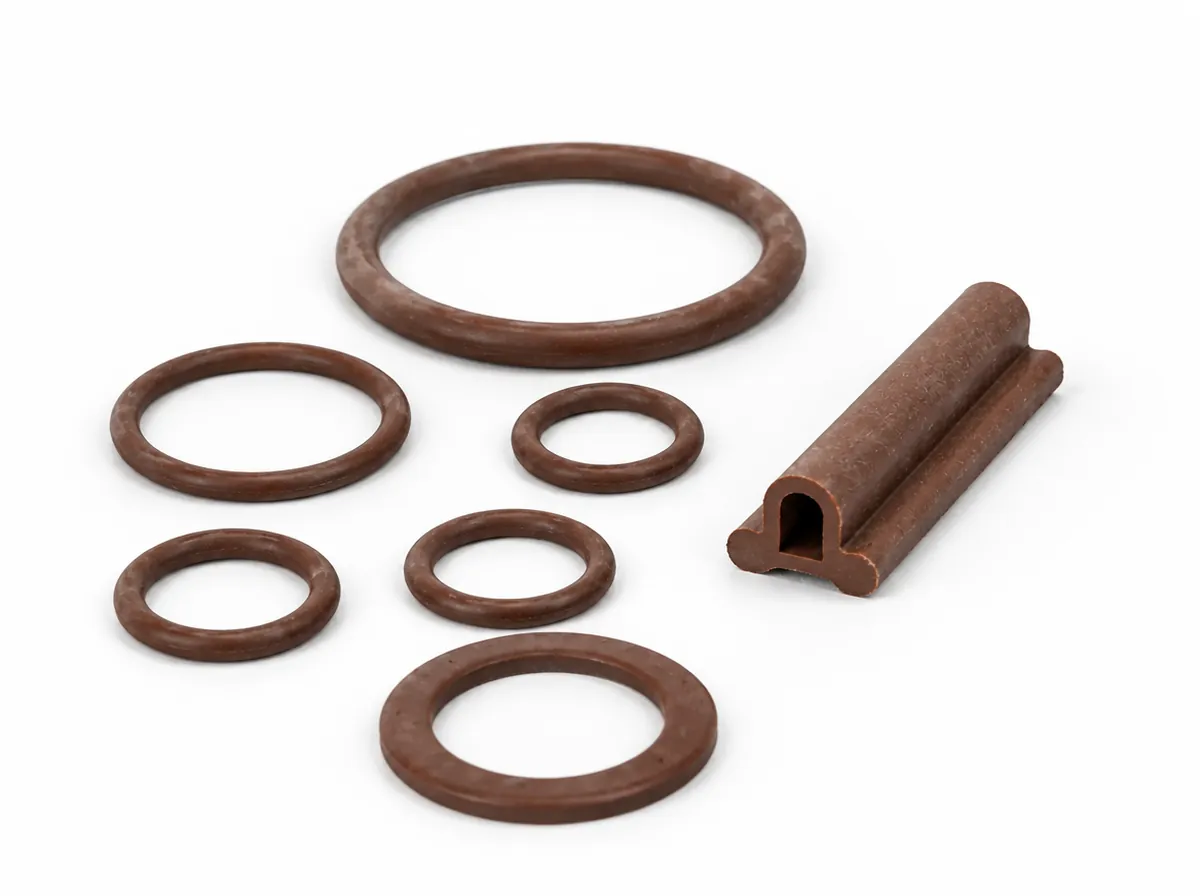
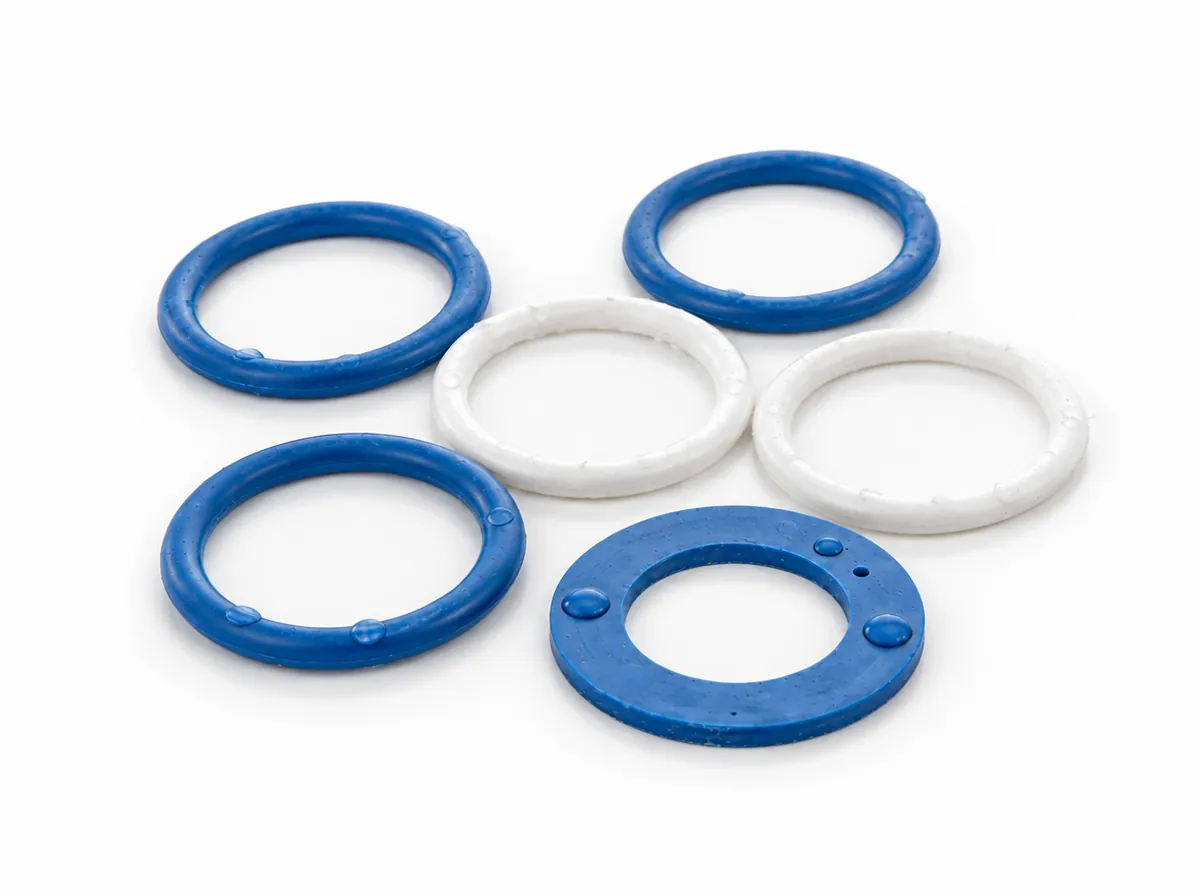
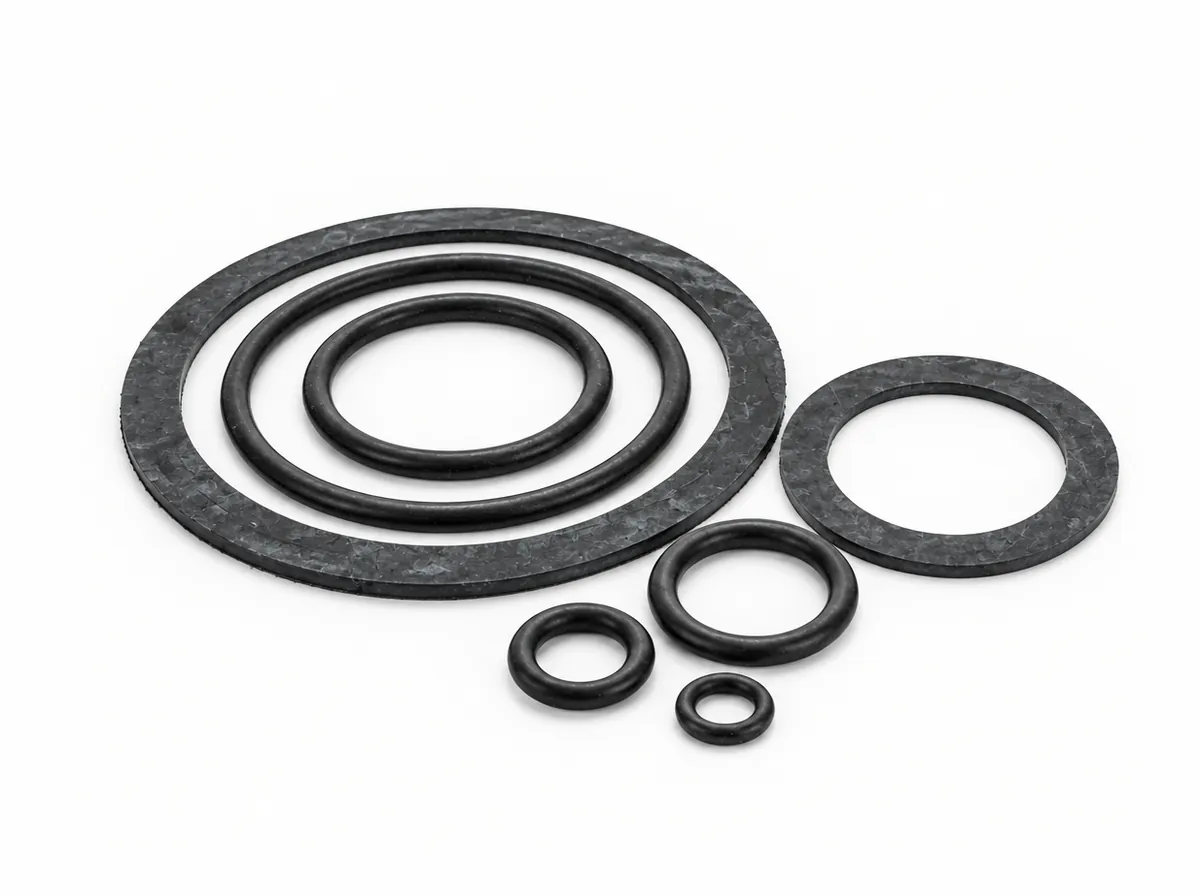
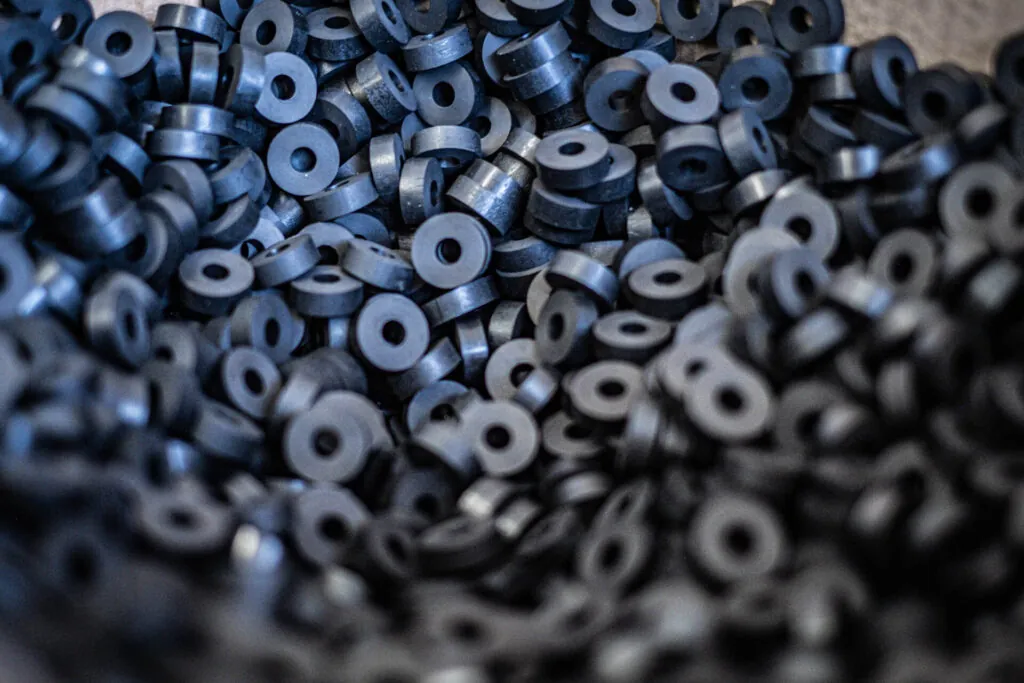
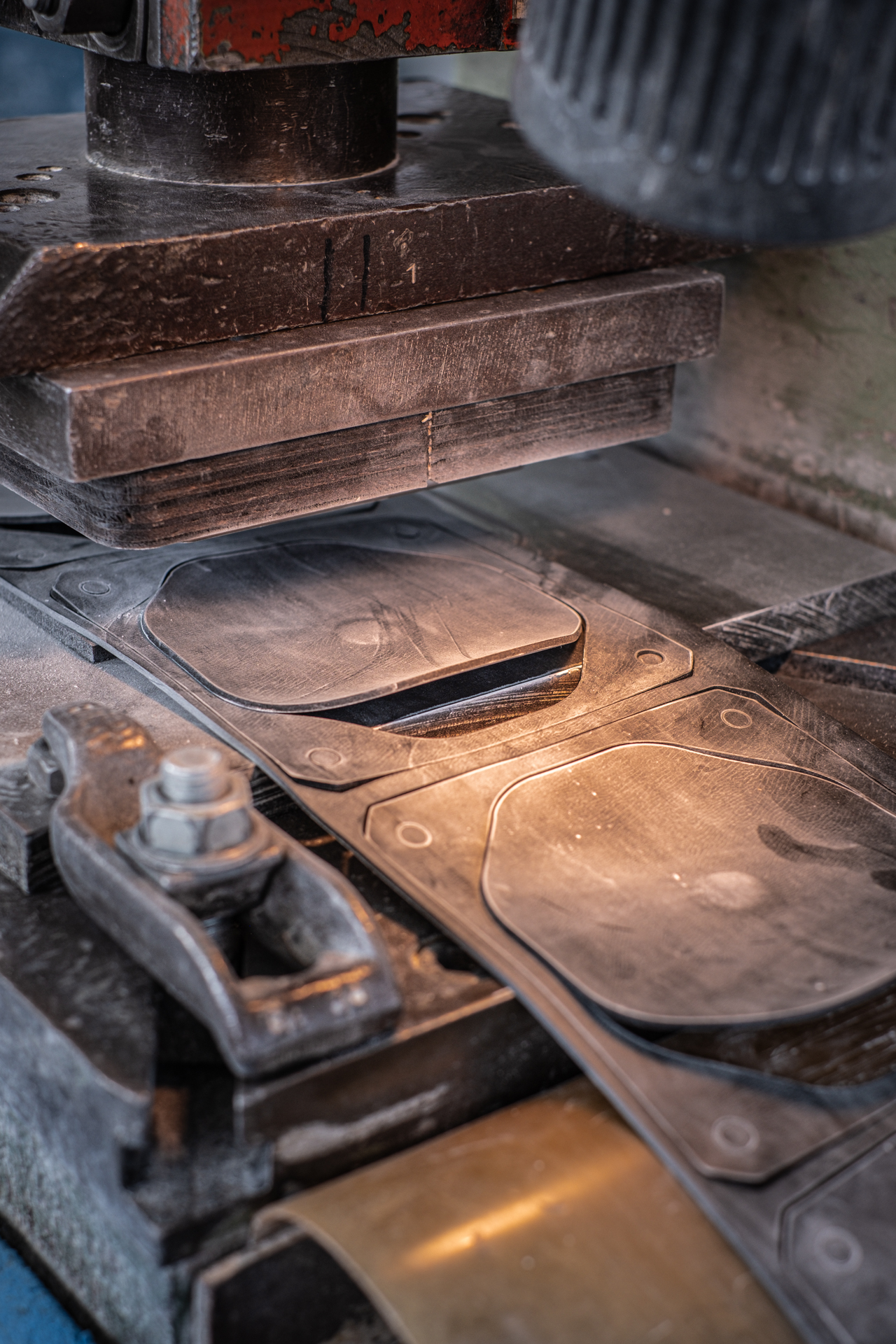
Seals and O-rings: cycle time determines efficiency in the production of rubber components.
-
Tyre production: optimising vulcanisation time to increase production capacity.
Optimising cycle time can involve challenges:
-
Quality assurance: cycle times that are too short can impair product quality.
-
Machine utilisation: overloading can lead to increased wear and downtime.
-
Process complexity: highly complex processes with several work steps are more difficult to optimise.
-
How does cycle time differ from takt time? Cycle time describes the duration of a single production cycle, while takt time is the interval between two finished products.
-
How can cycle time be monitored? Modern production plants use sensors and software for real-time monitoring and analysis of cycle time.
-
What role does cycle time play in Industry 4.0? In networked production, optimising cycle time enables greater efficiency and flexibility.
-
Can cycle time be shortened indefinitely? No, because factors such as material properties, quality and machine limits set natural limits.
Cycle time is a decisive parameter for evaluating and optimising efficiency in production processes. Targeted measures such as process automation, choice of material and machine maintenance can reduce cycle time without compromising quality. In modern manufacturing, cycle time plays a central role in increasing productivity and cost-effectiveness.
Questions about this term?
Our technical advice
Do you have a specific application or a question about elastomer processing? Talk to us, we will help you with material, process and approval.