







Glossary of elastomer processing
Compression set (DVR)
Compression set (German: Druckverformungsrest, DVR) describes the ability of an elastic material to return to its original shape after compression. It is expressed as a percentage and indicates how much deformation remains after loading. A low compression set value means that the material returns well to its original shape, while a high value indicates permanent deformation.
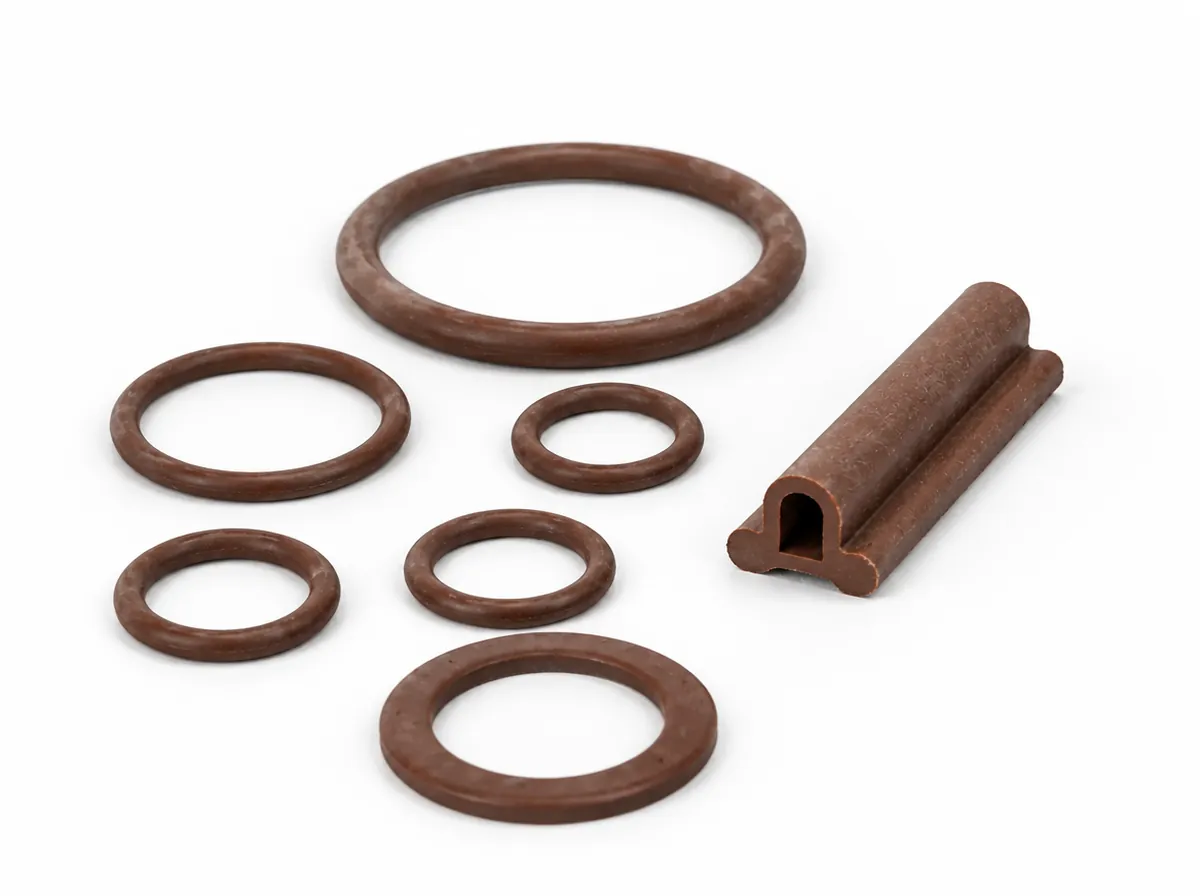
Compression set is a crucial parameter in the rubber and plastics industry, particularly for products such as seals, moulded articles, profiles and elastic components used under continuous load.
The compression set value has a decisive influence on the functionality and service life of elastic components. Materials with a low compression set are ideal for applications that require permanent elasticity and restoring force. A high compression set value, on the other hand, can cause components to lose their ability to seal or recover their shape.
Influence on sealing performance
Compression set plays a central role in seals exposed to constant pressure or temperature loads. A low compression set ensures that the seal retains its elastic properties and provides reliable sealing.
Influence on service life
A low compression set helps to extend the service life of a component, as the material is better able to retain its original shape and function even after prolonged loading. Materials with a high compression set wear out faster because permanent deformation occurs.
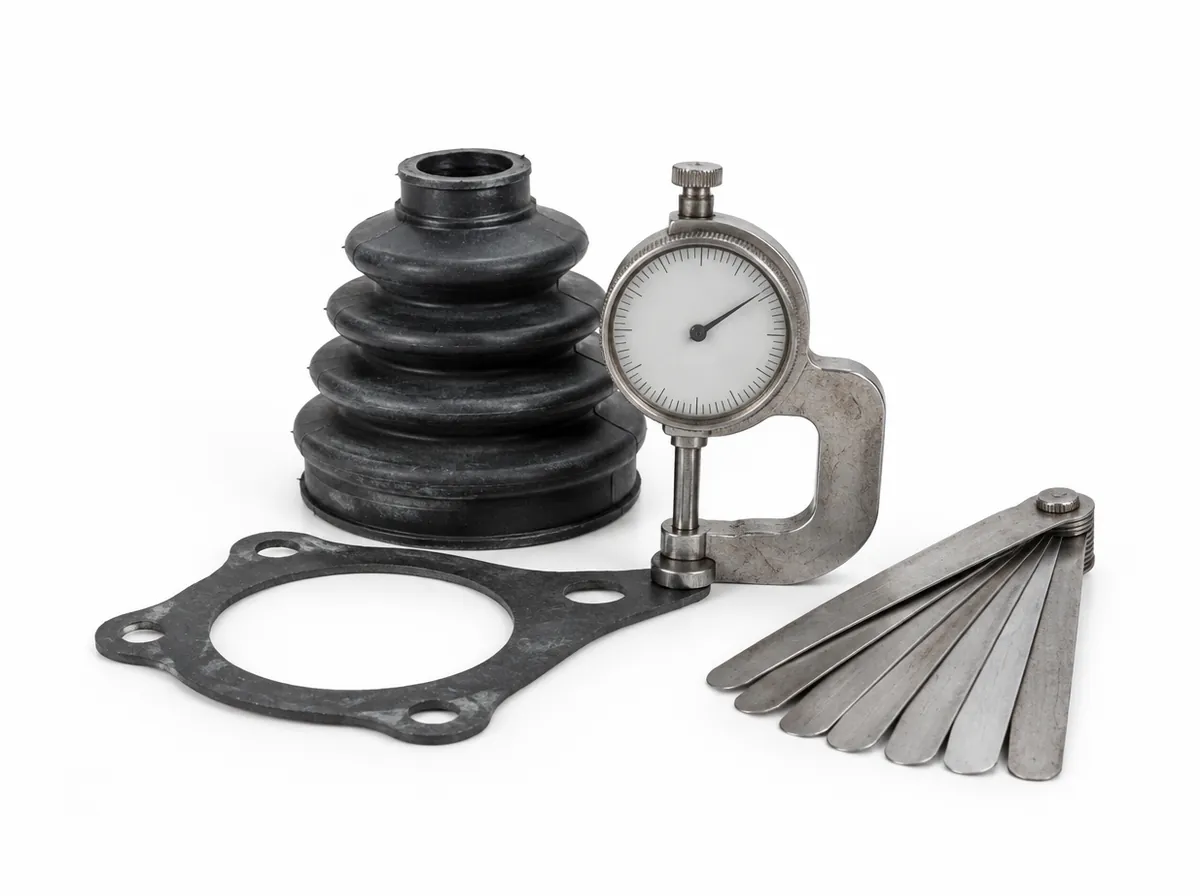
Compression set is measured according to standardised test methods such as DIN 53517 or ASTM D395. The material is compressed under defined conditions and the degree of deformation is then measured.
Measuring method
-
Sample preparation: a material sample is cut to a specific height and weighed.
-
Compression: the sample is held under constant compression and temperature for a specified period.
-
Release and measurement: after loading, the remaining height of the sample is measured and compared with the original height.
-
Calculation of compression set: the compression set is calculated using the following formula:
The compression set value depends on the type of material and the test conditions. The table shows typical compression set values for various elastomers:
| Material | Typical compression set (%) | Example applications |
|---|---|---|
| EPDM | 15 to 25 | Seals, automotive parts, profiles |
| Natural rubber (NR) | 20 to 30 | Tyres, conveyor belts, shock absorbers |
| Silicone | 10 to 20 | Medical devices, food industry, high-temperature seals |
| Nitrile rubber (NBR) | 25 to 35 | Hoses, O-rings, fuel seals |
| Fluororubber (FKM) | 15 to 25 | High-temperature seals, chemical-resistant components |
Compression set is influenced by several factors that must be taken into account in material selection and processing:
Material properties
The chemical composition and vulcanisation of the material have a considerable influence on compression set. High-quality elastomers such as fluororubber (FKM) or silicone generally show a lower compression set than less robust materials.
Temperature and duration of loading
Higher temperatures and longer loading times typically increase compression set, as the material structure fatigues faster. Materials with high temperature resistance, such as silicone or FKM, are therefore better suited to demanding applications.
Processing conditions
Vulcanisation parameters such as time and temperature also influence compression set. Insufficient vulcanisation can lead to a higher compression set.
Seals and O-rings
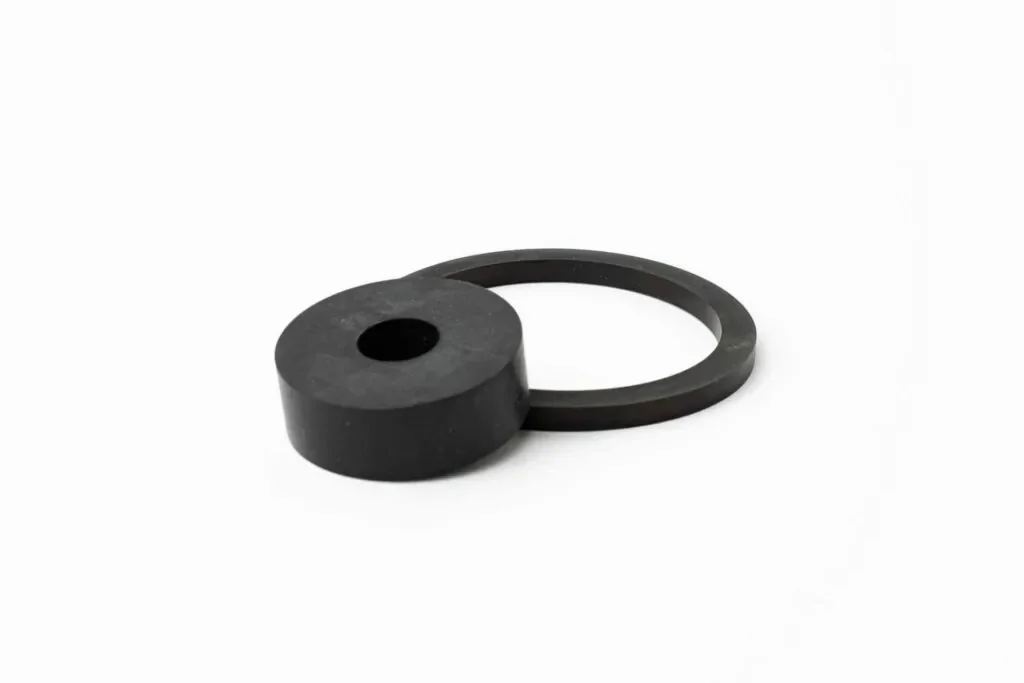
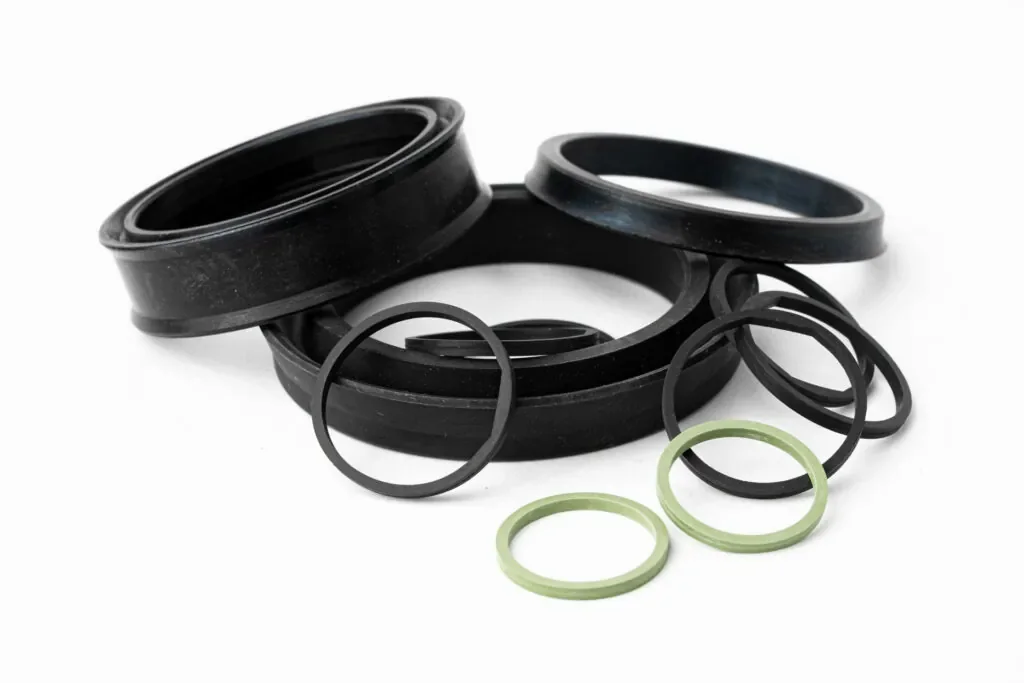
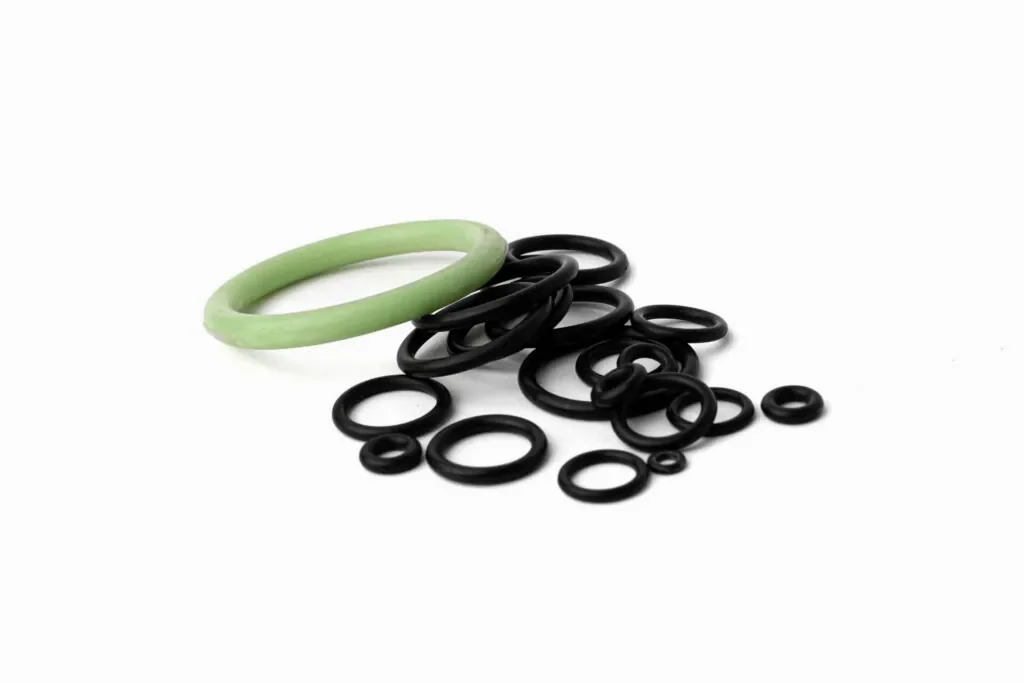
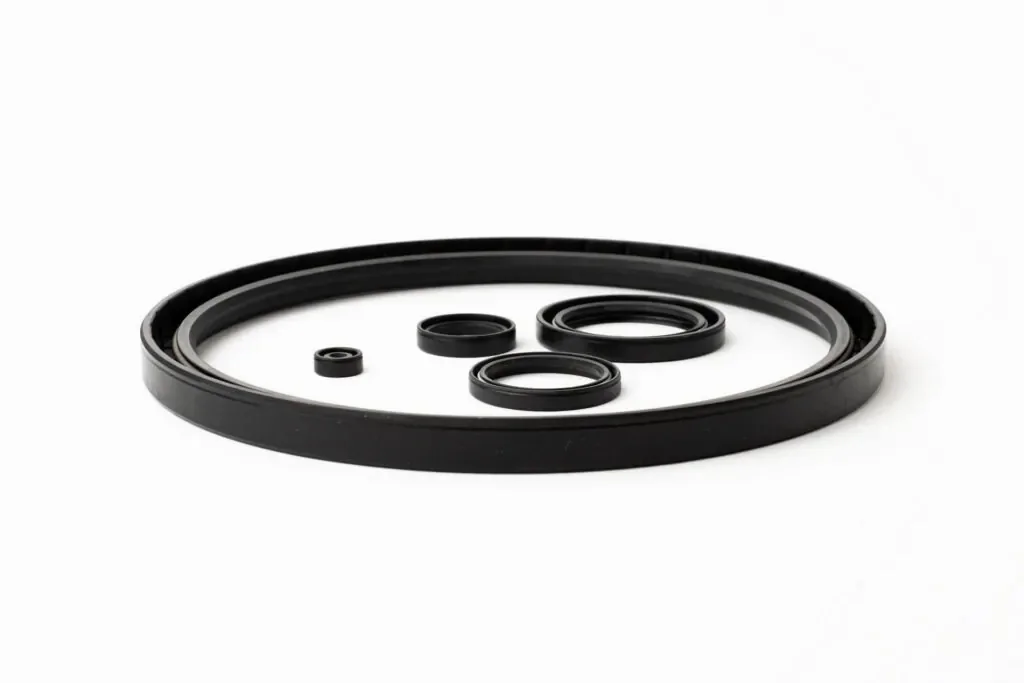
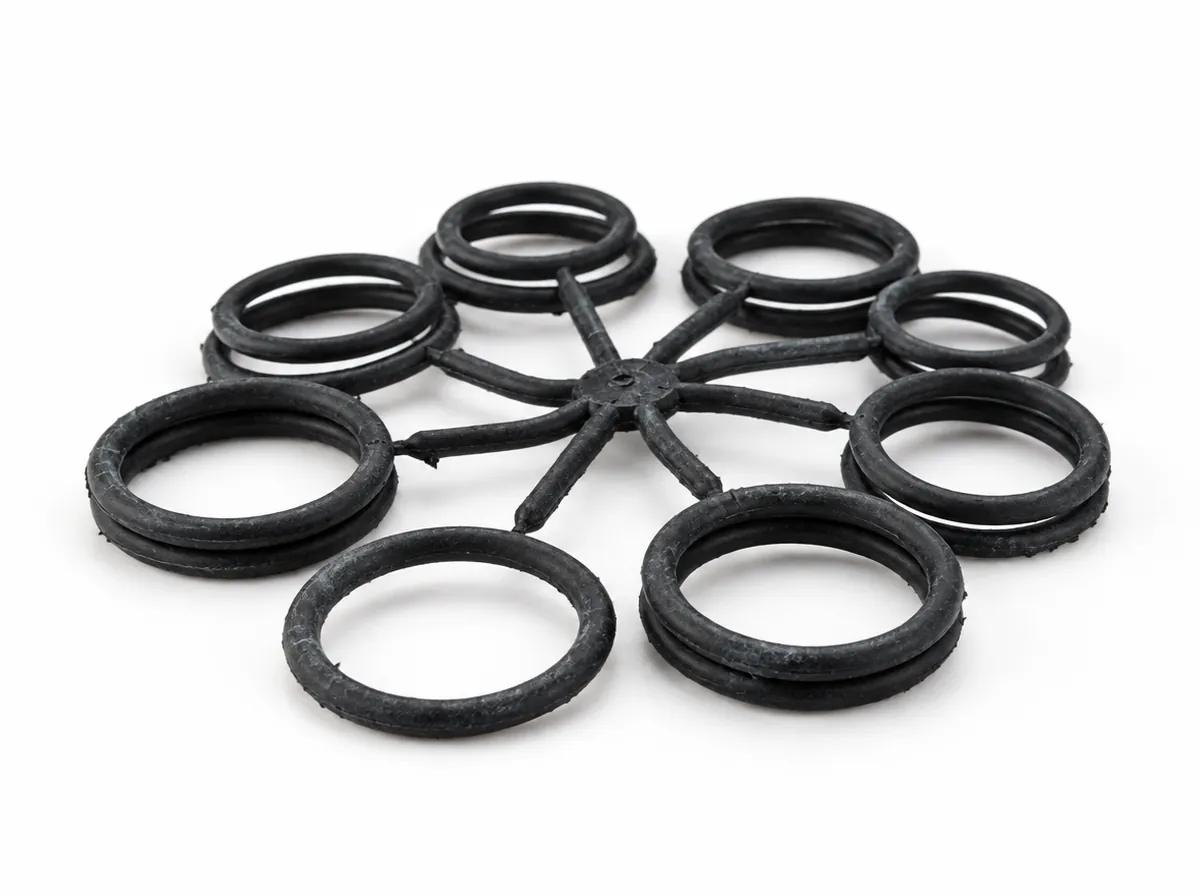
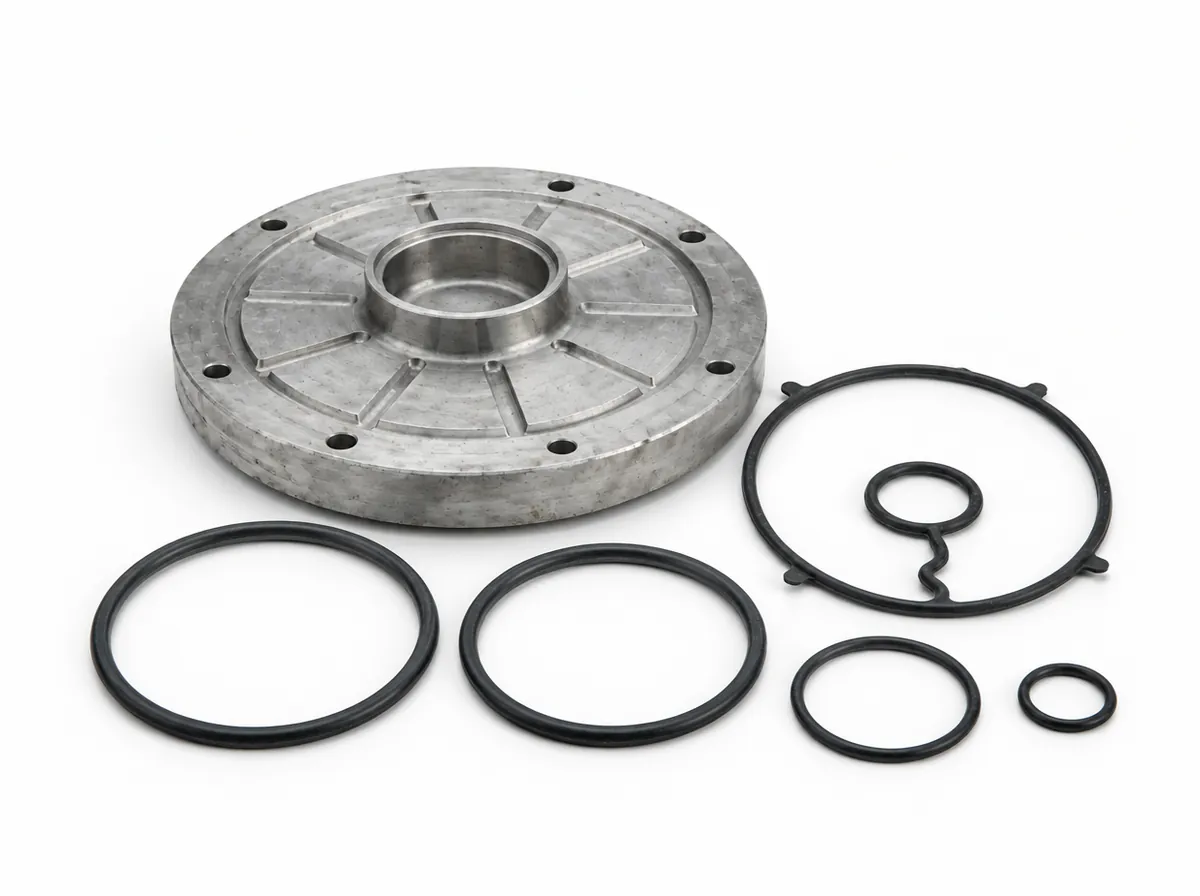
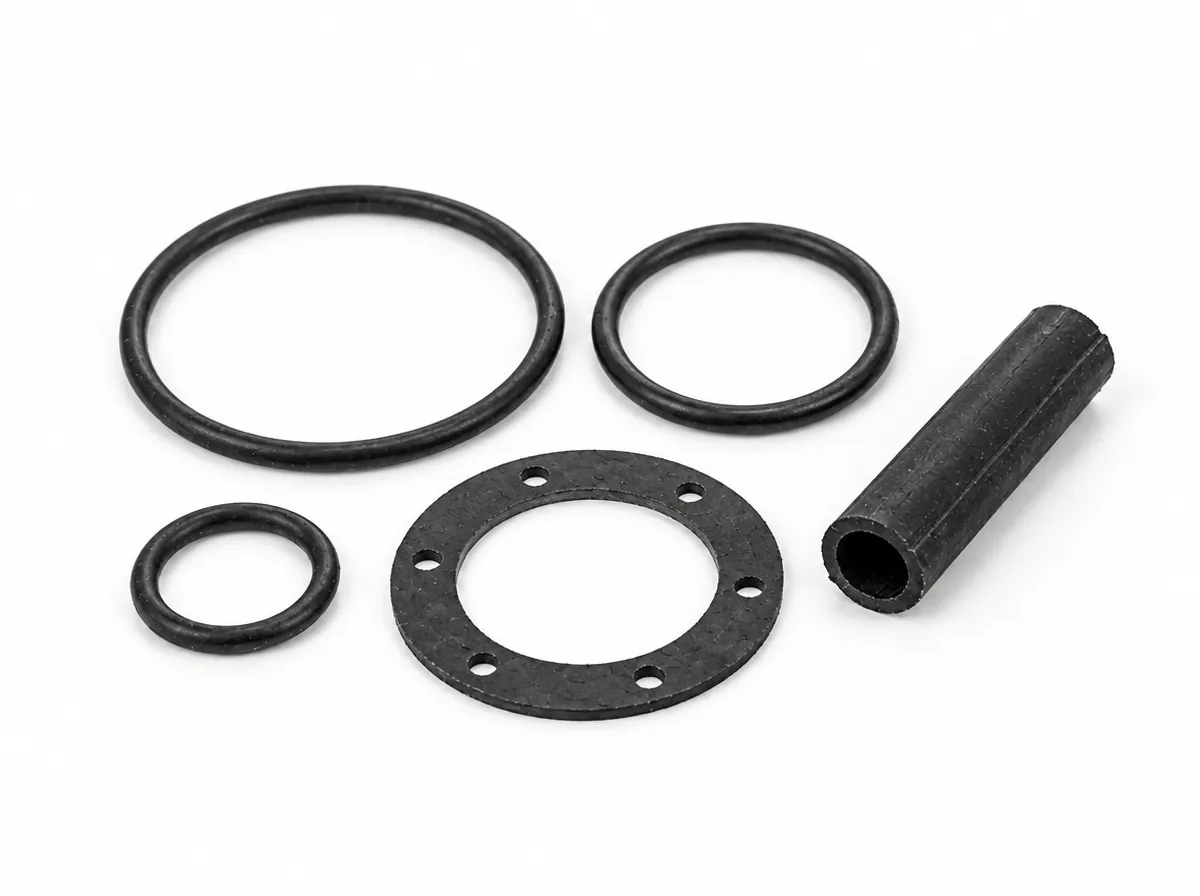
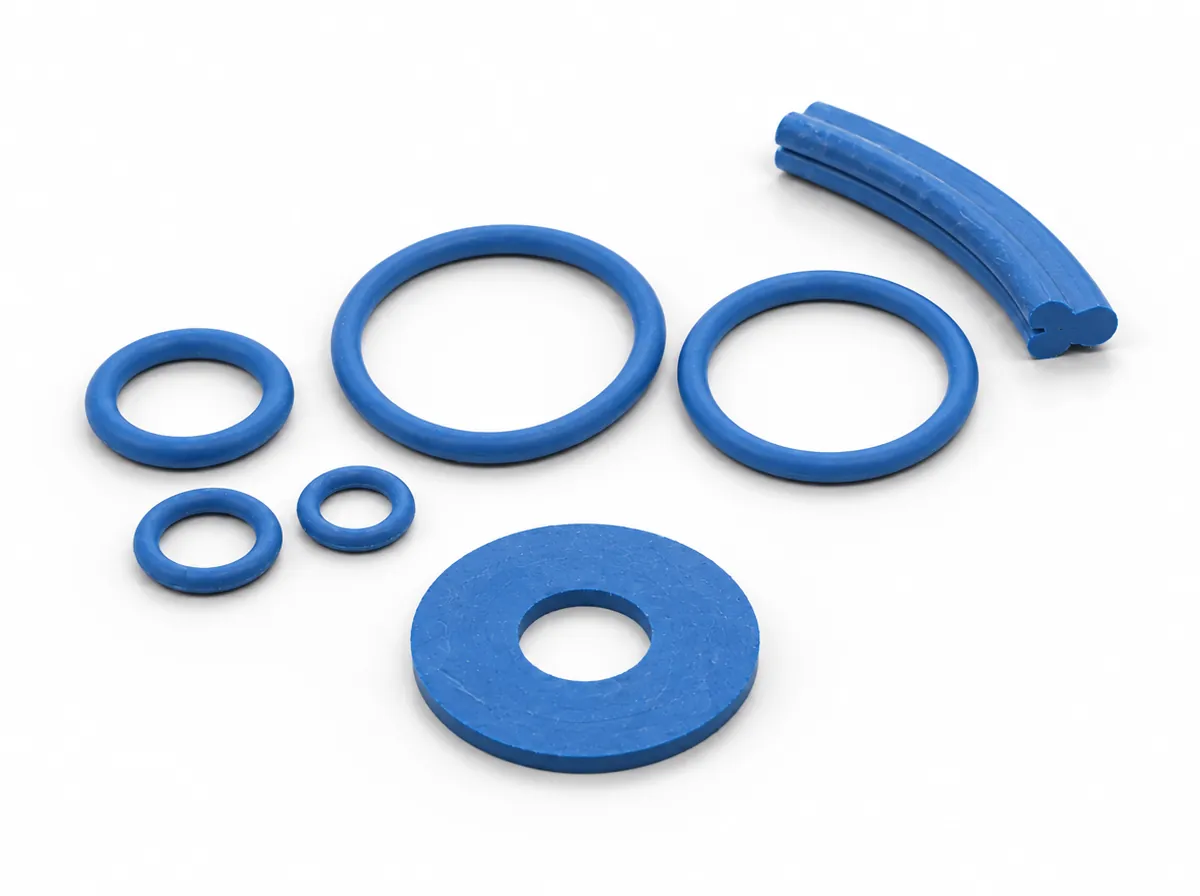
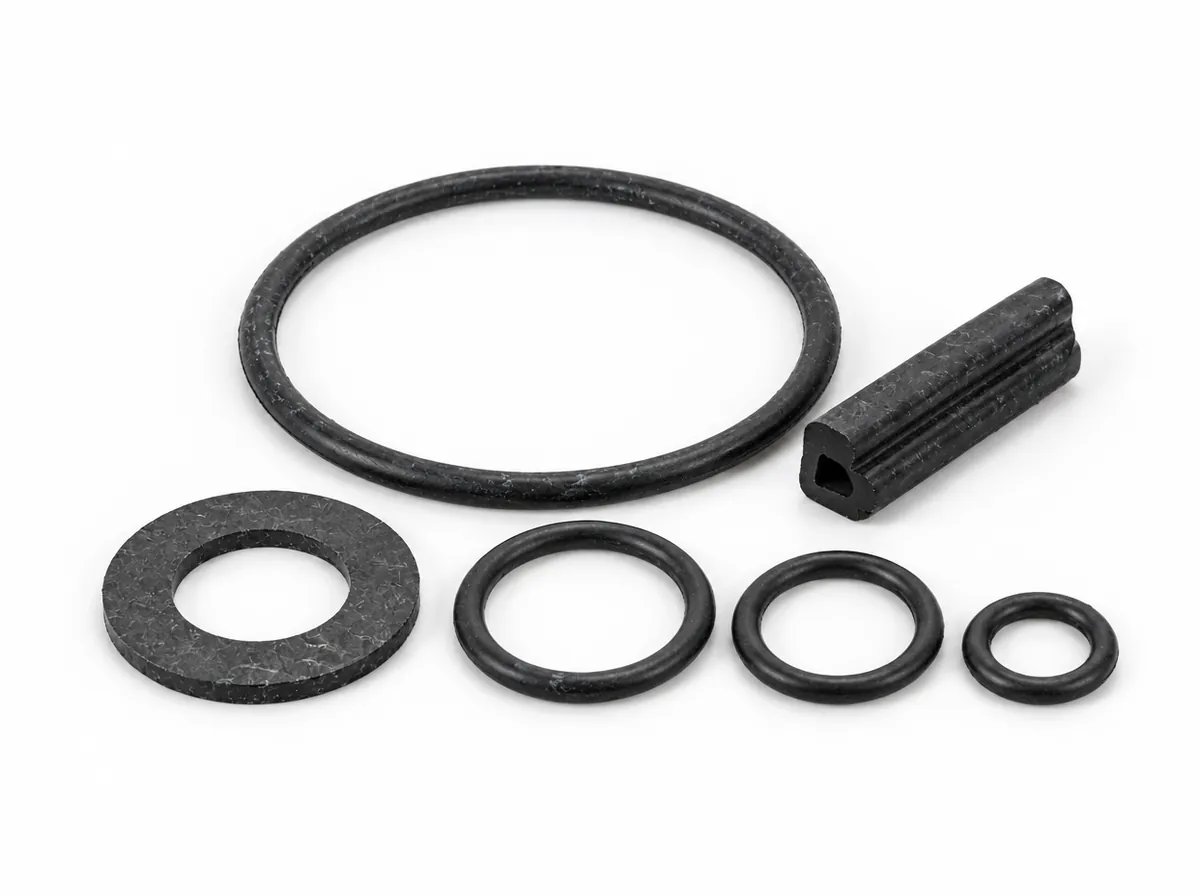
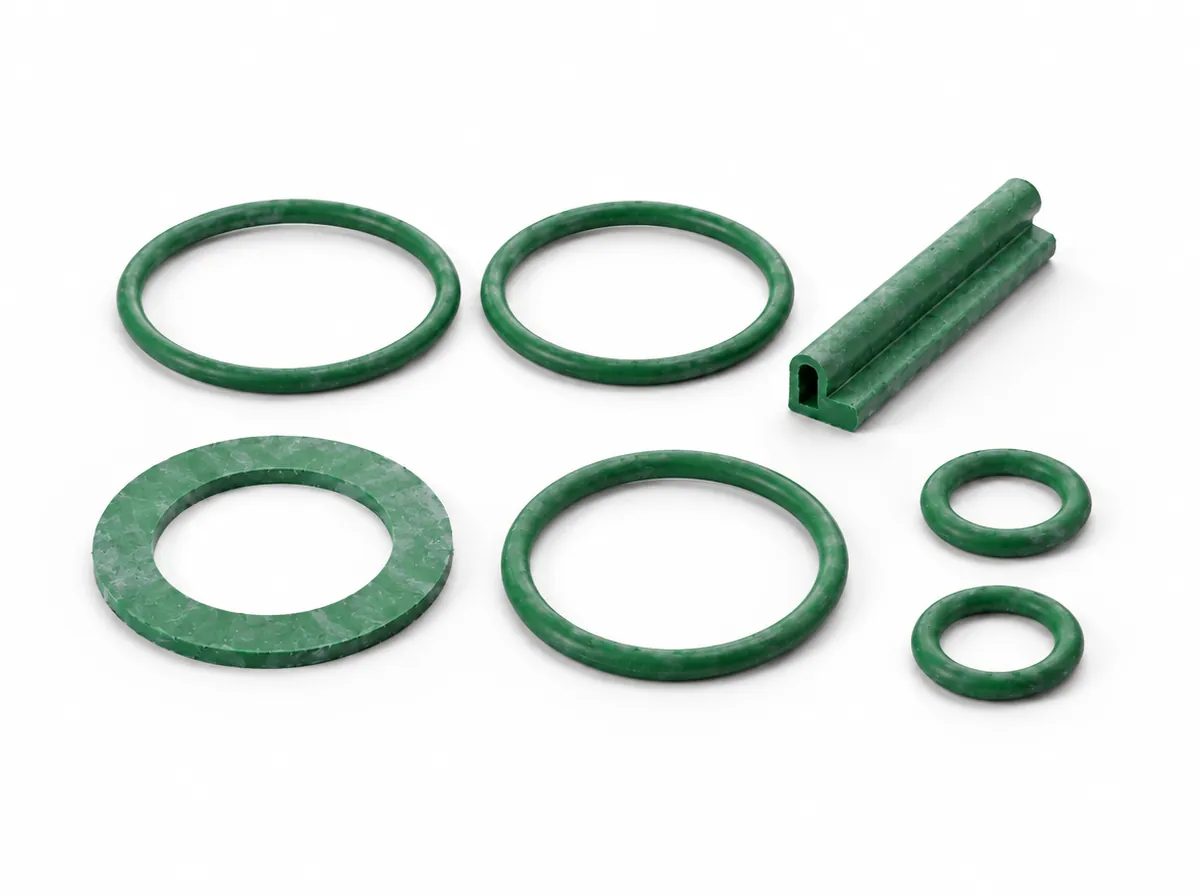
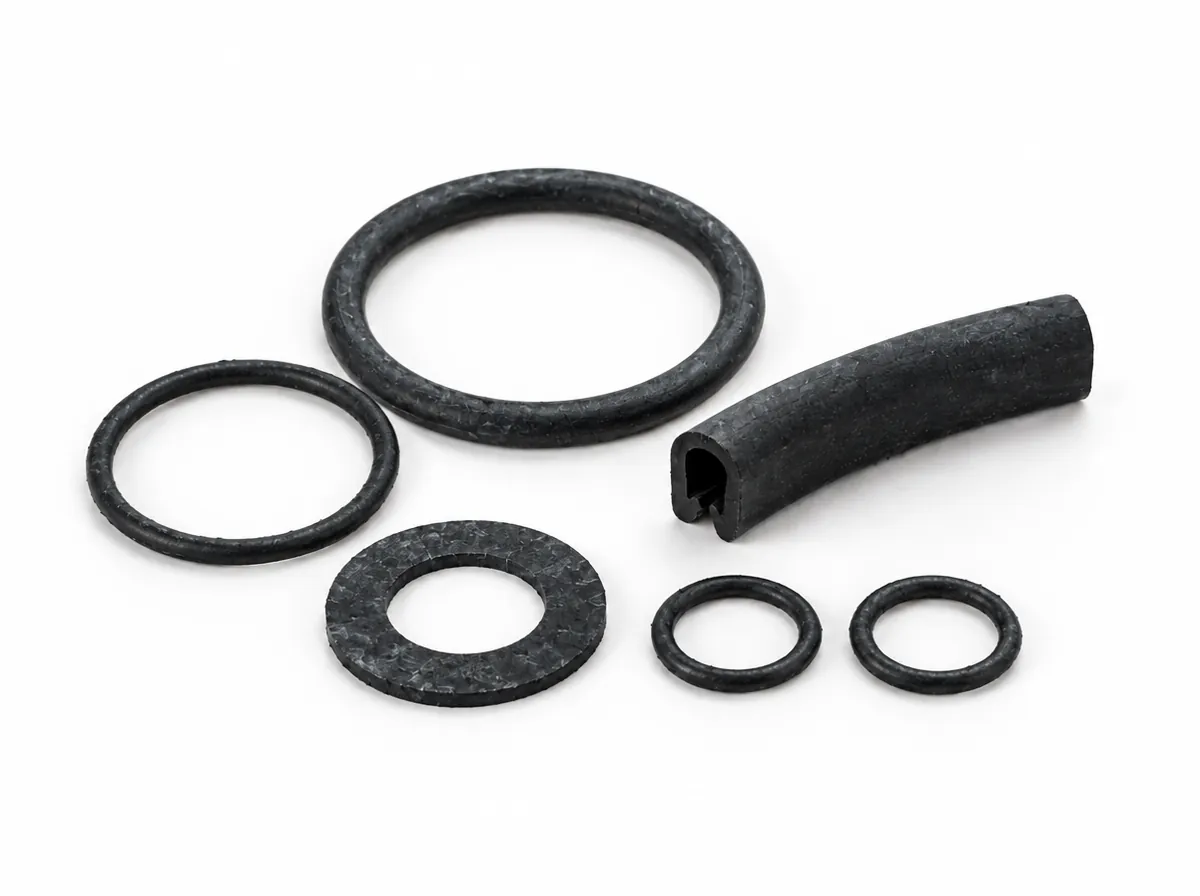
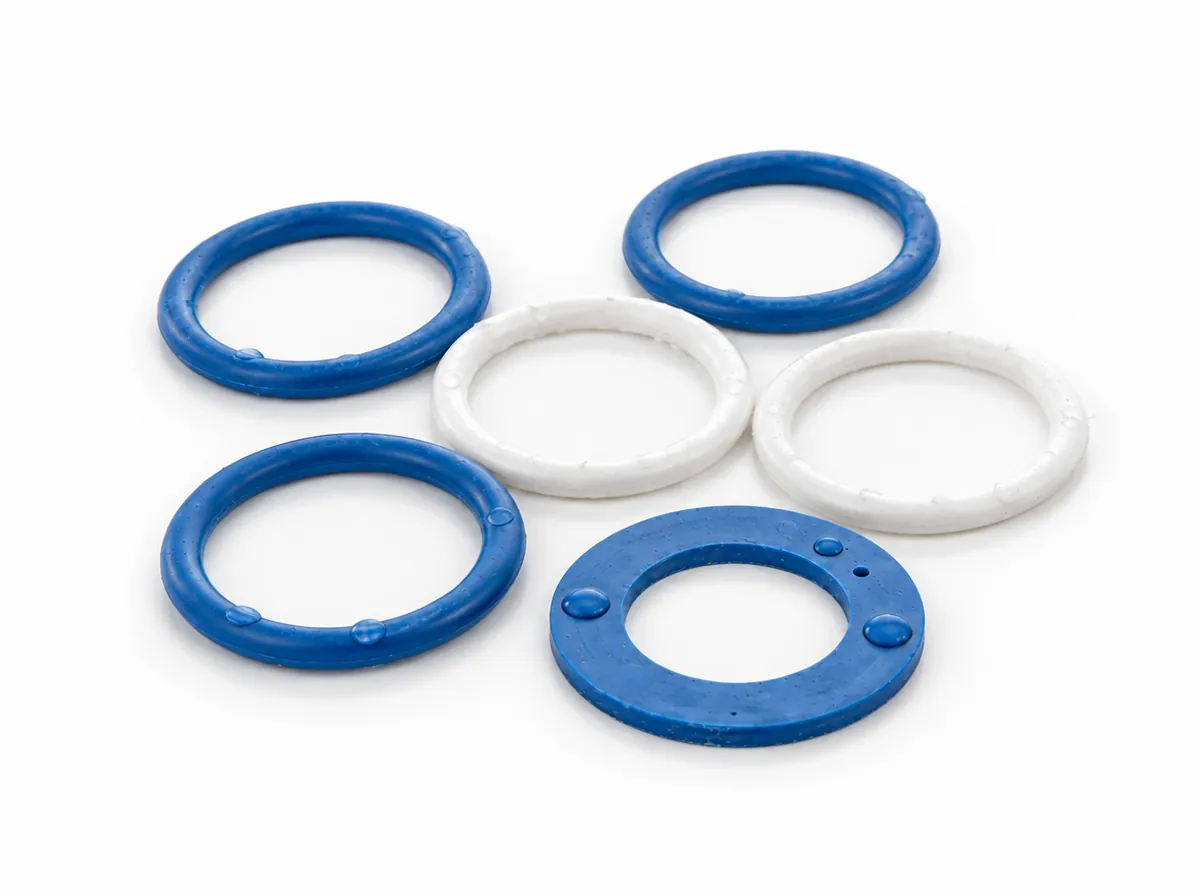
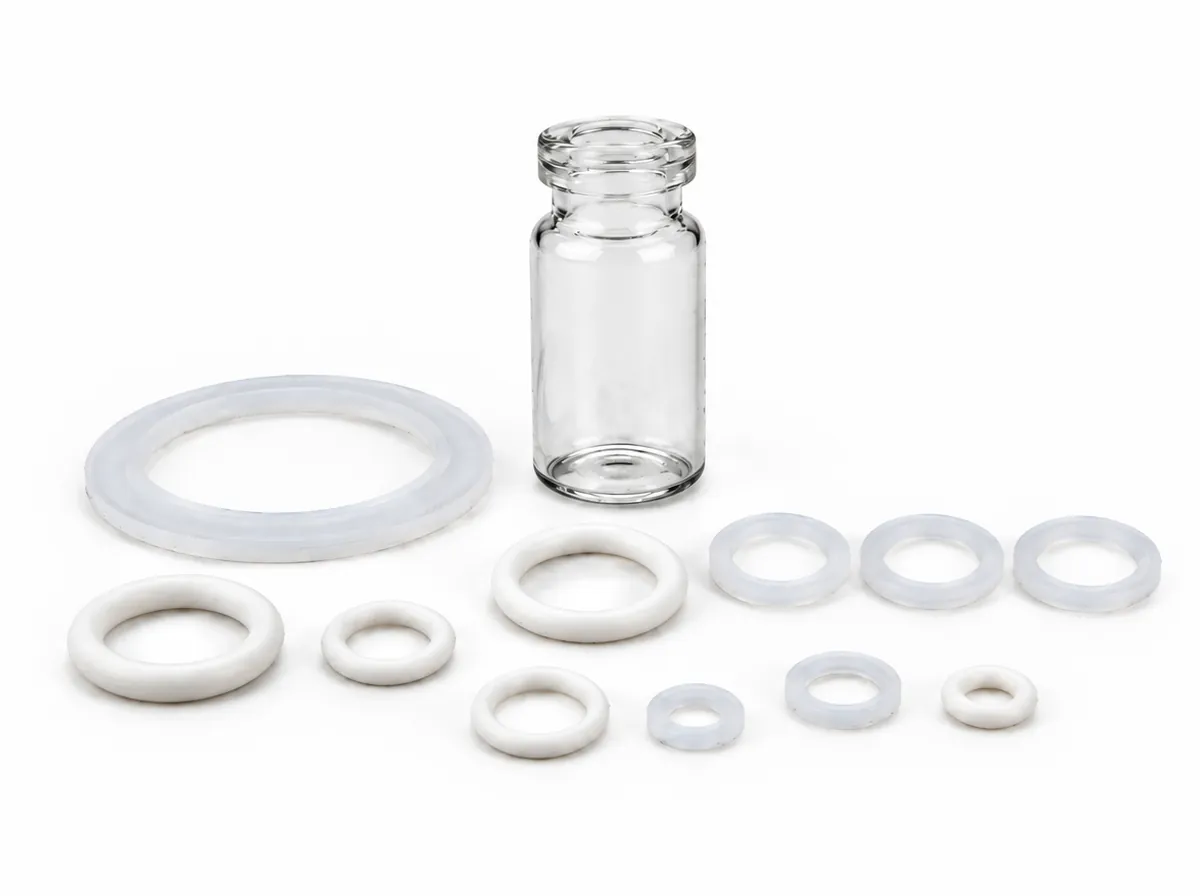
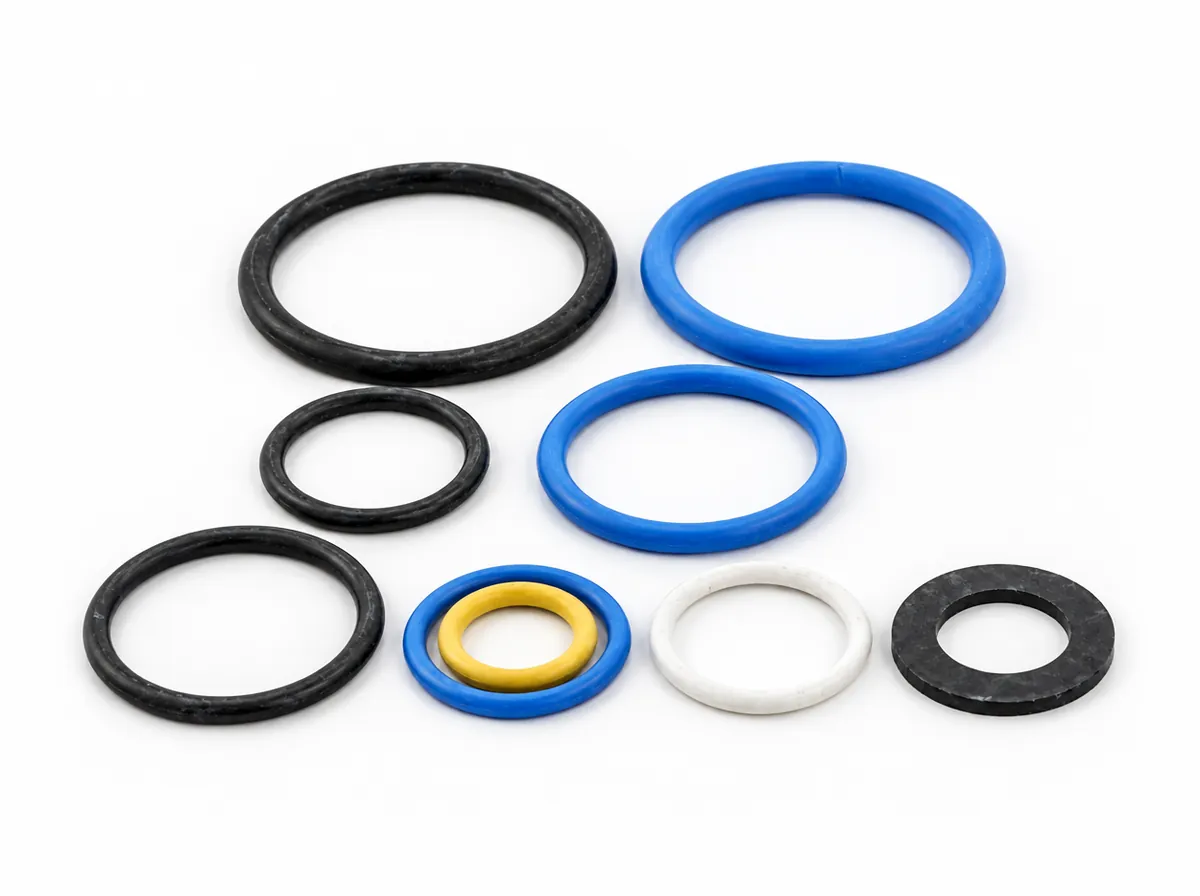
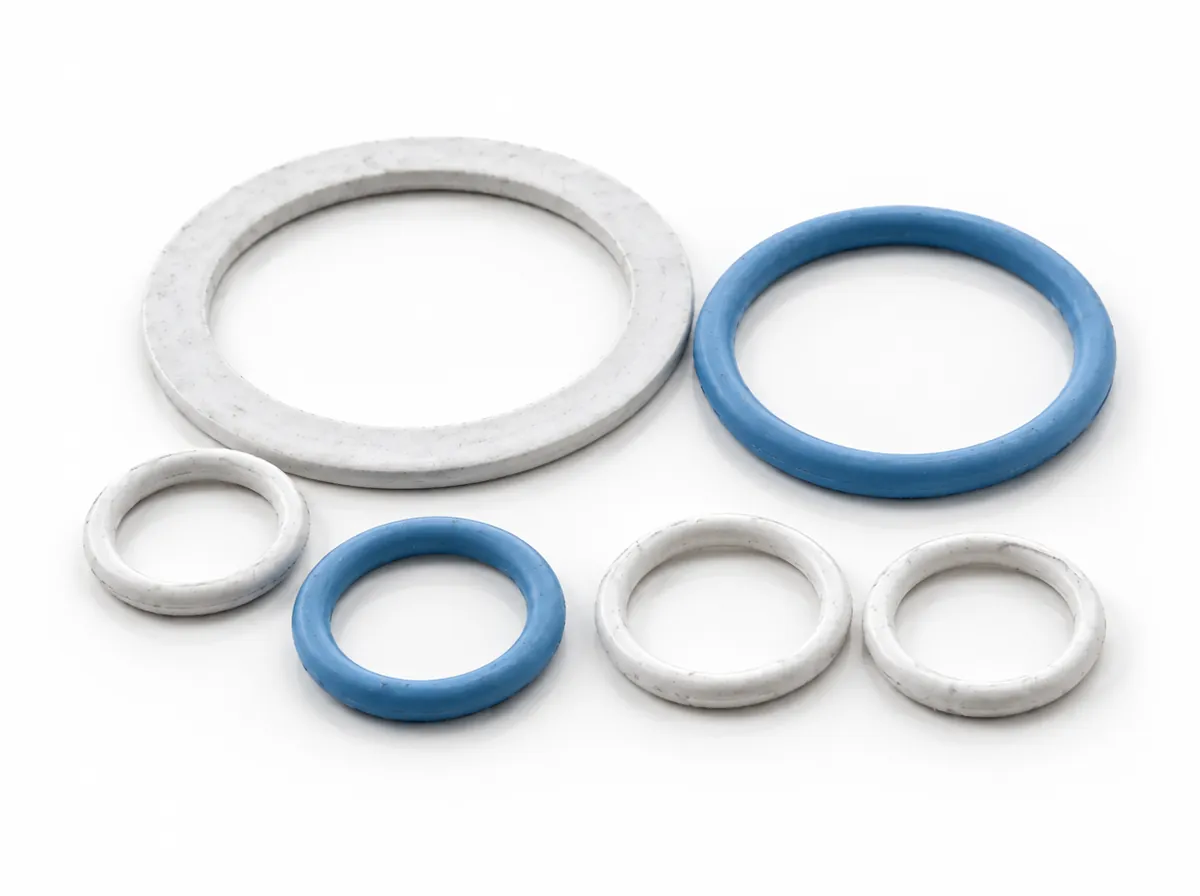
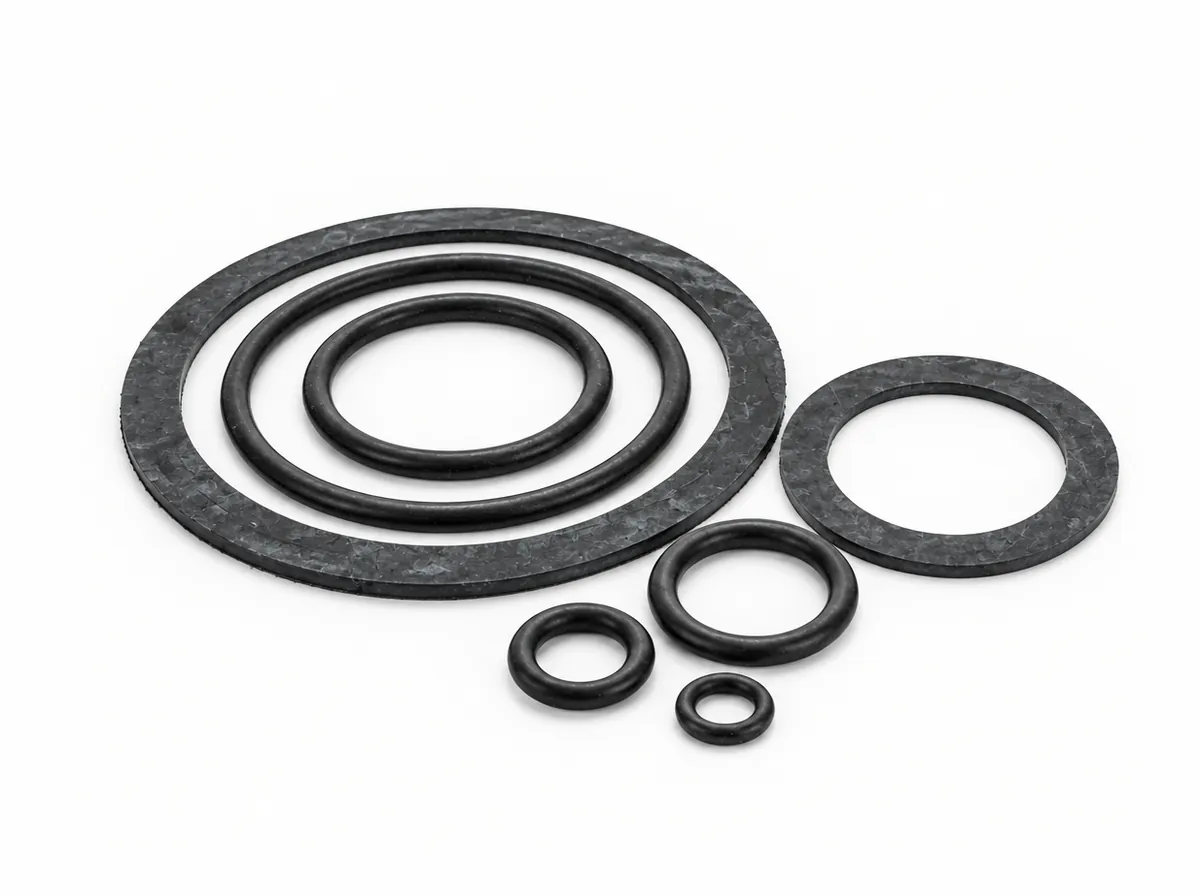
A low compression set is essential for O-rings and seals, as these products must provide uniform sealing under pressure without losing their shape.
Automotive industry
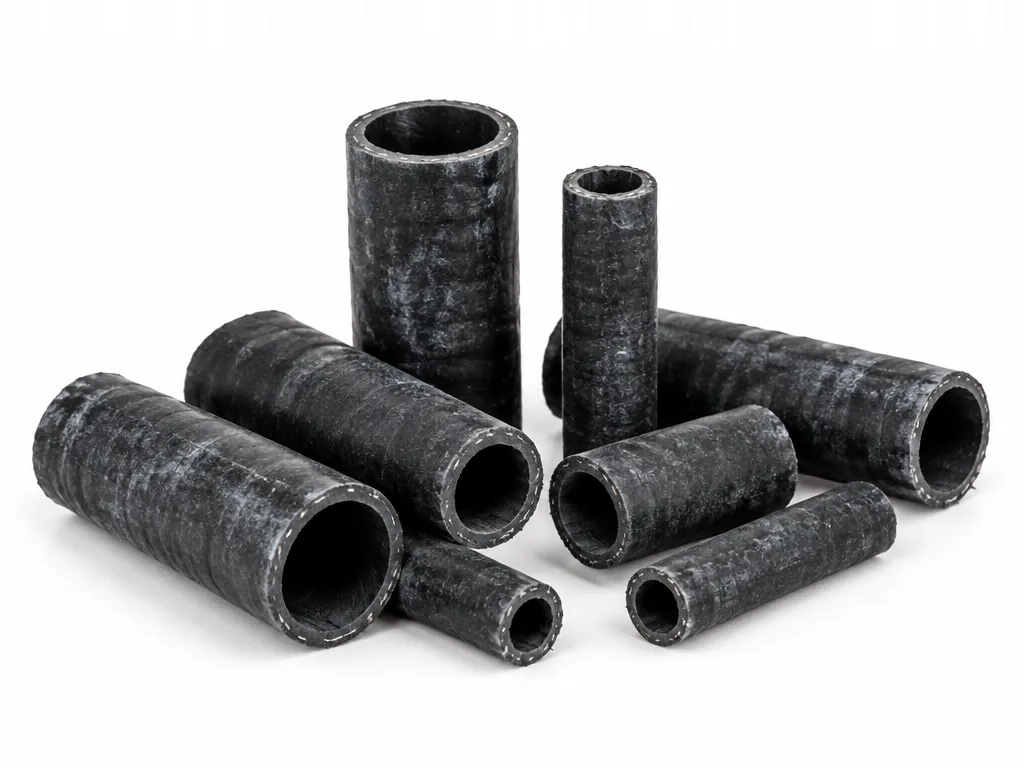
In the automotive industry, elastic components such as hoses and seals are exposed to high temperatures and continuous loads. A low compression set increases the service life and reliability of these components.
Medical and food industries
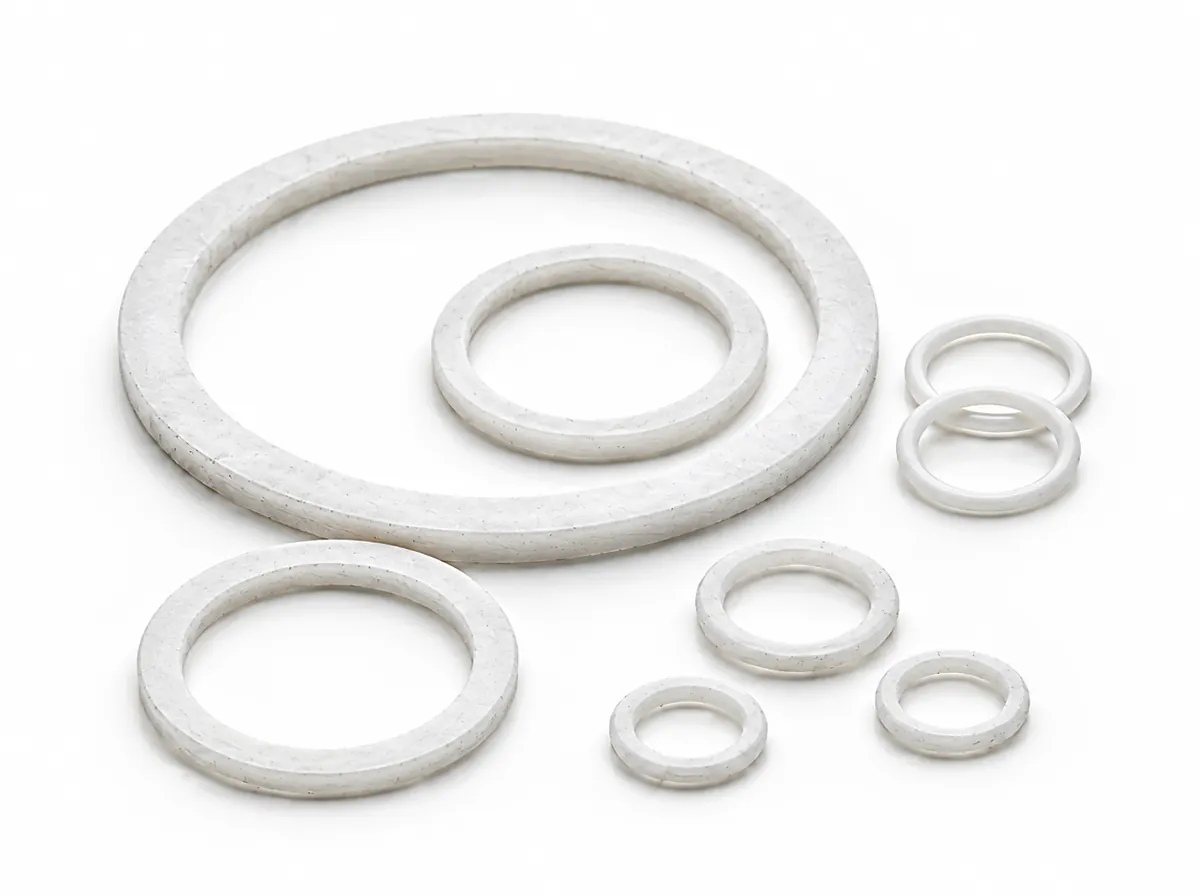
Silicone seals with a low compression set are used in the medical and food industries, where elastic materials must meet hygiene requirements and remain reliable under high pressure.
-
Why is compression set an important parameter? Compression set indicates how well a material returns to its original shape after loading. A low compression set is crucial for components that must remain permanently elastic.
-
How can compression set be improved? Selecting high-quality materials and precise vulcanisation can improve compression set. Adding additives or optimising the design also helps.
-
Can compression set be changed by environmental influences? Yes, high temperatures, chemical influences and mechanical loads can increase compression set over time and impair material performance.
-
Which standards apply to measuring compression set? Compression set is measured using standardised methods, e.g. DIN 53517 or ASTM D395, to ensure comparable and reliable results.
Compression set is an essential factor for the performance and durability of elastic components. A low compression set guarantees high restoring force and elasticity, which is particularly important for seals, moulded articles, hoses and O-rings. Choosing the right material and optimising the processing parameters are crucial to minimising compression set and maximising product service life.
Questions about this term?
Our technical advice
Do you have a specific application or a question about elastomer processing? Talk to us, we will help you with material, process and approval.