















Glossary of elastomer processing
Compound
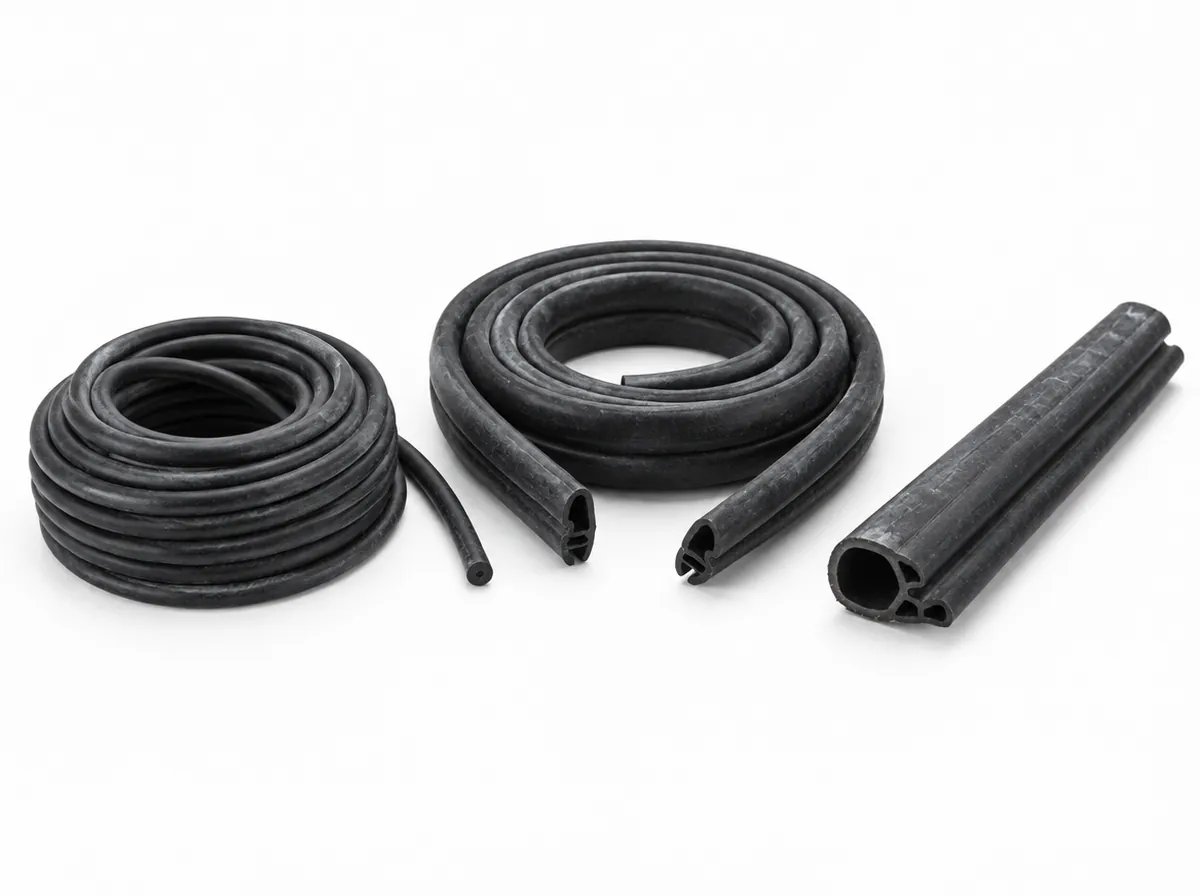
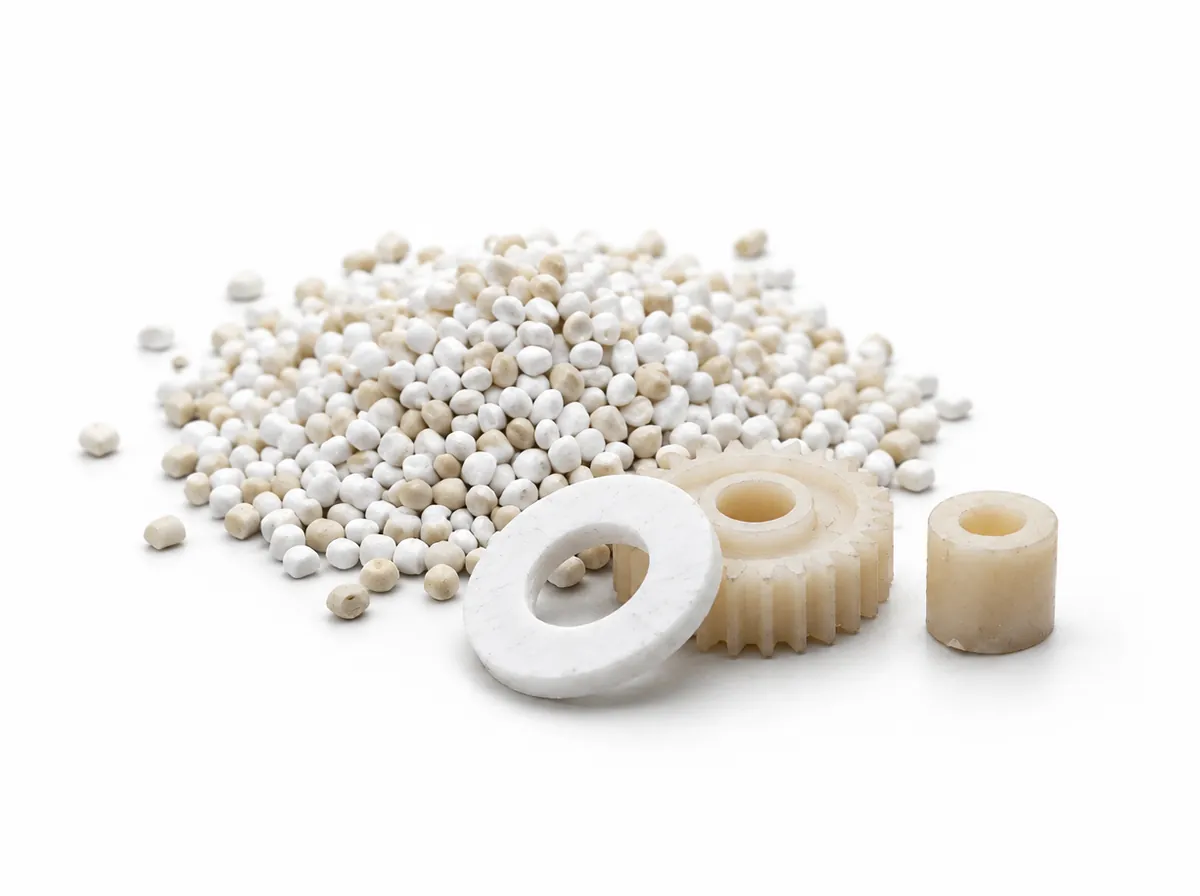
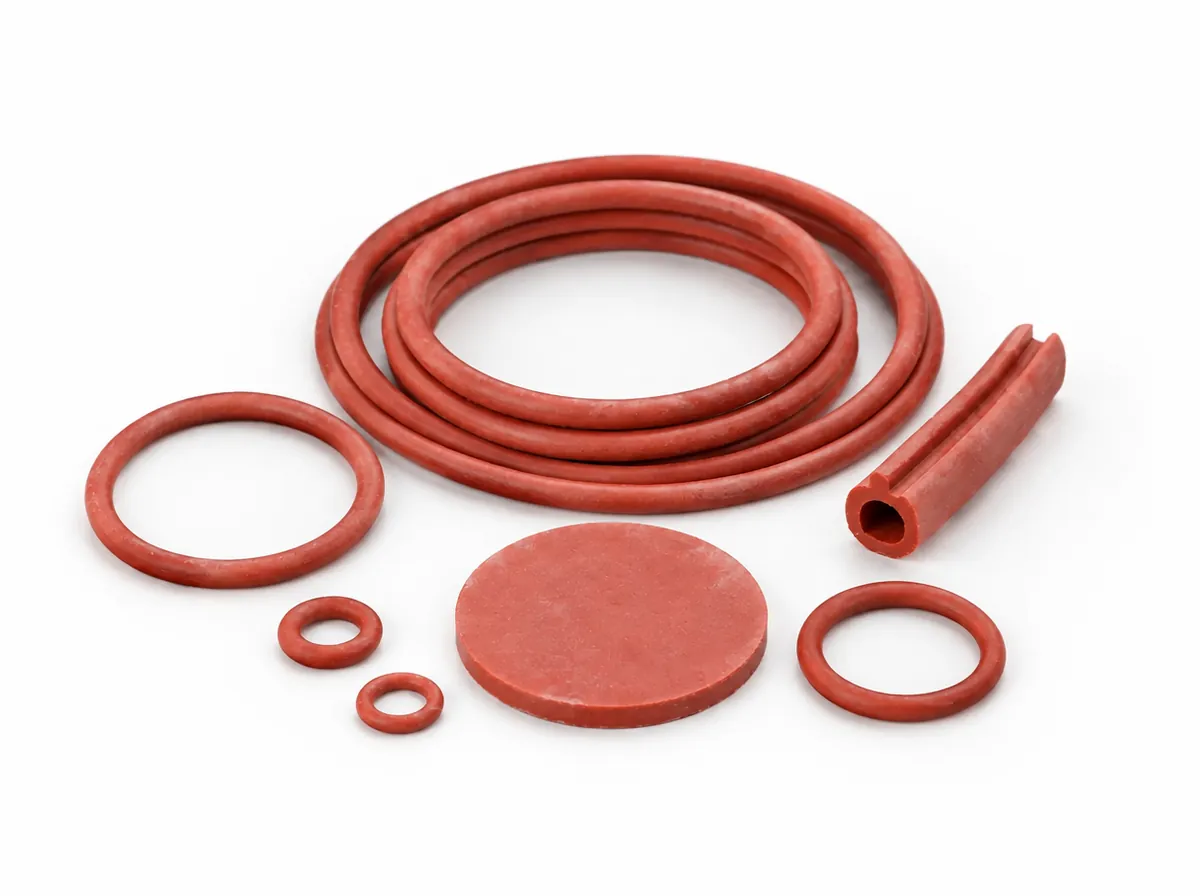
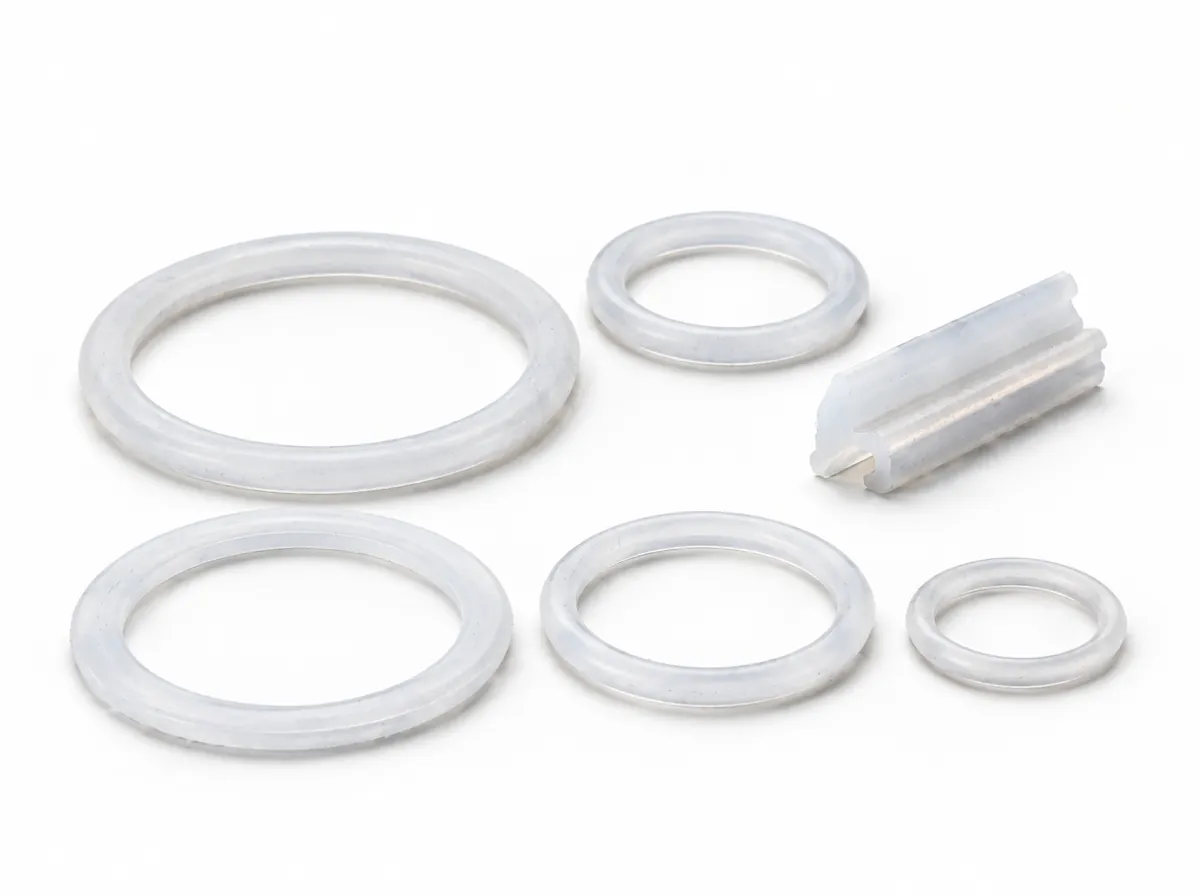
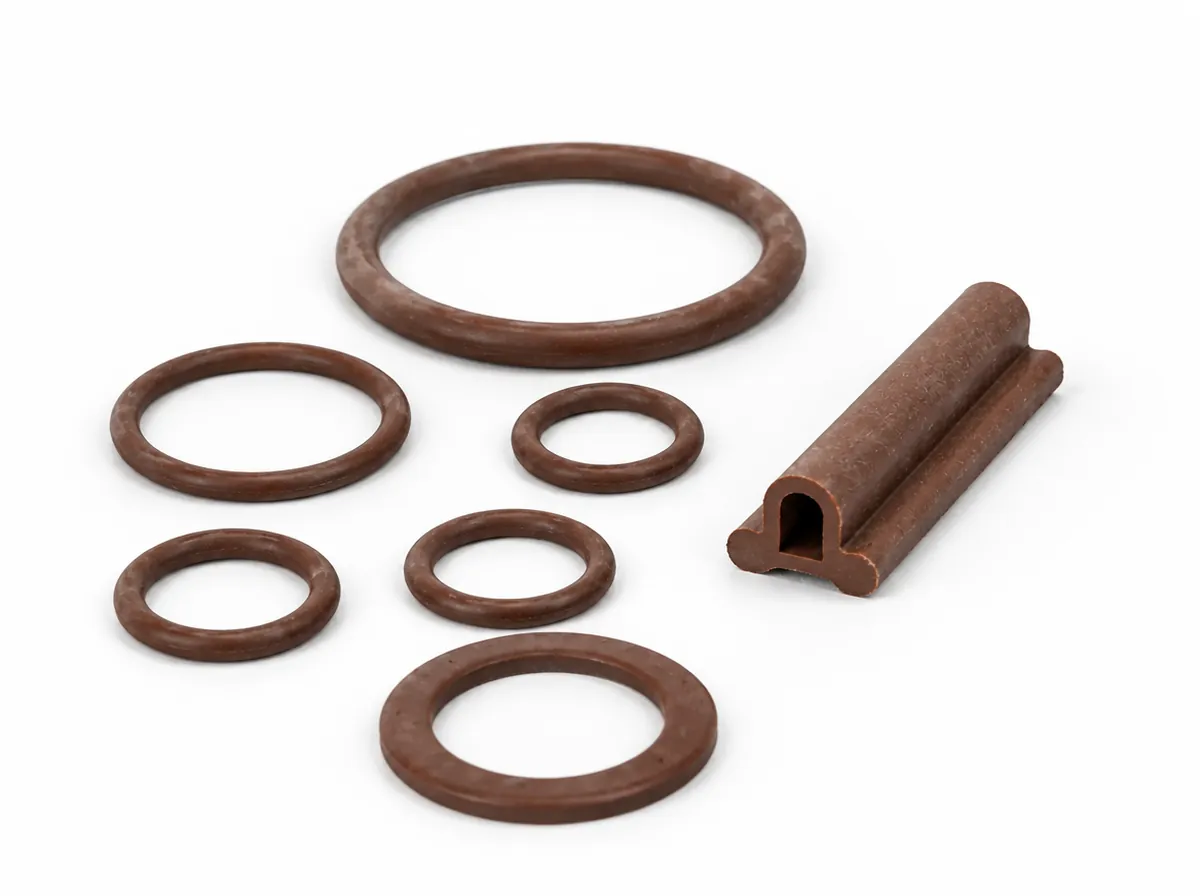
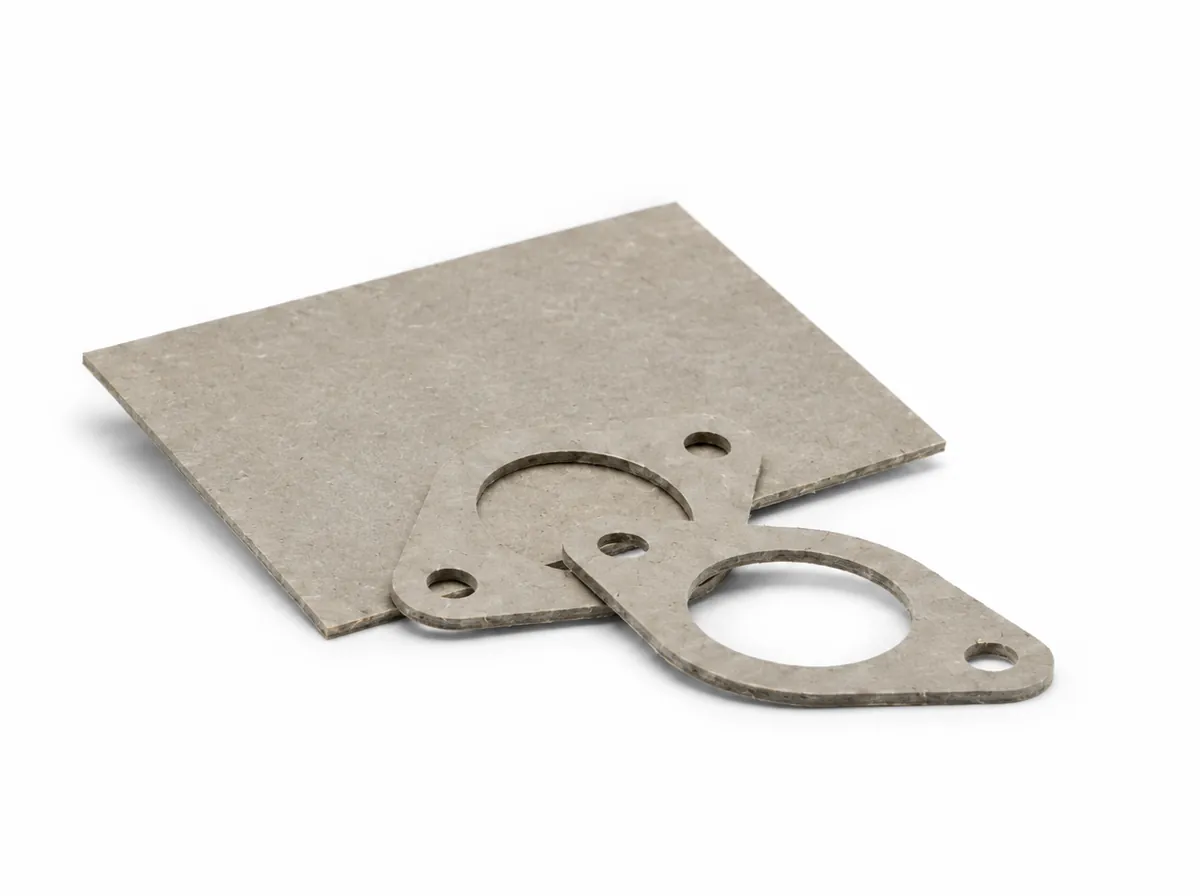
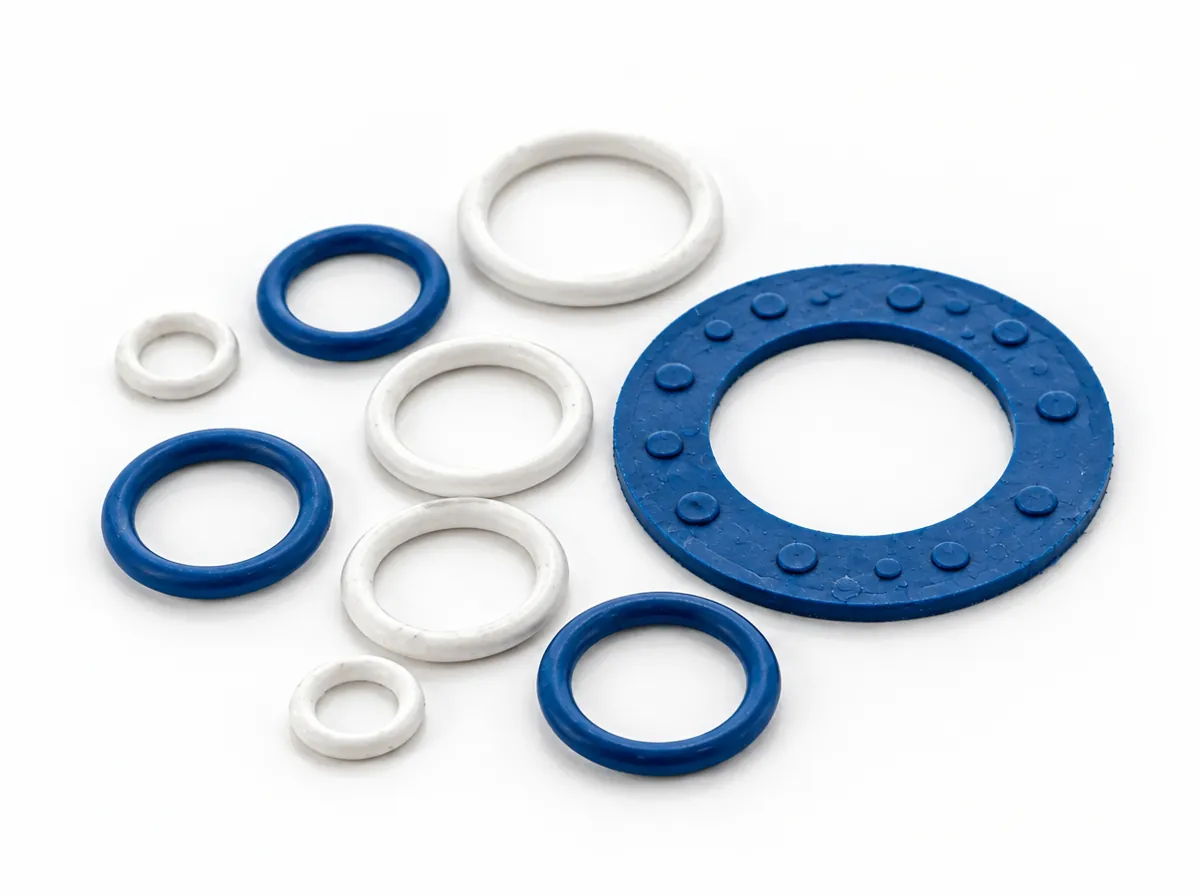
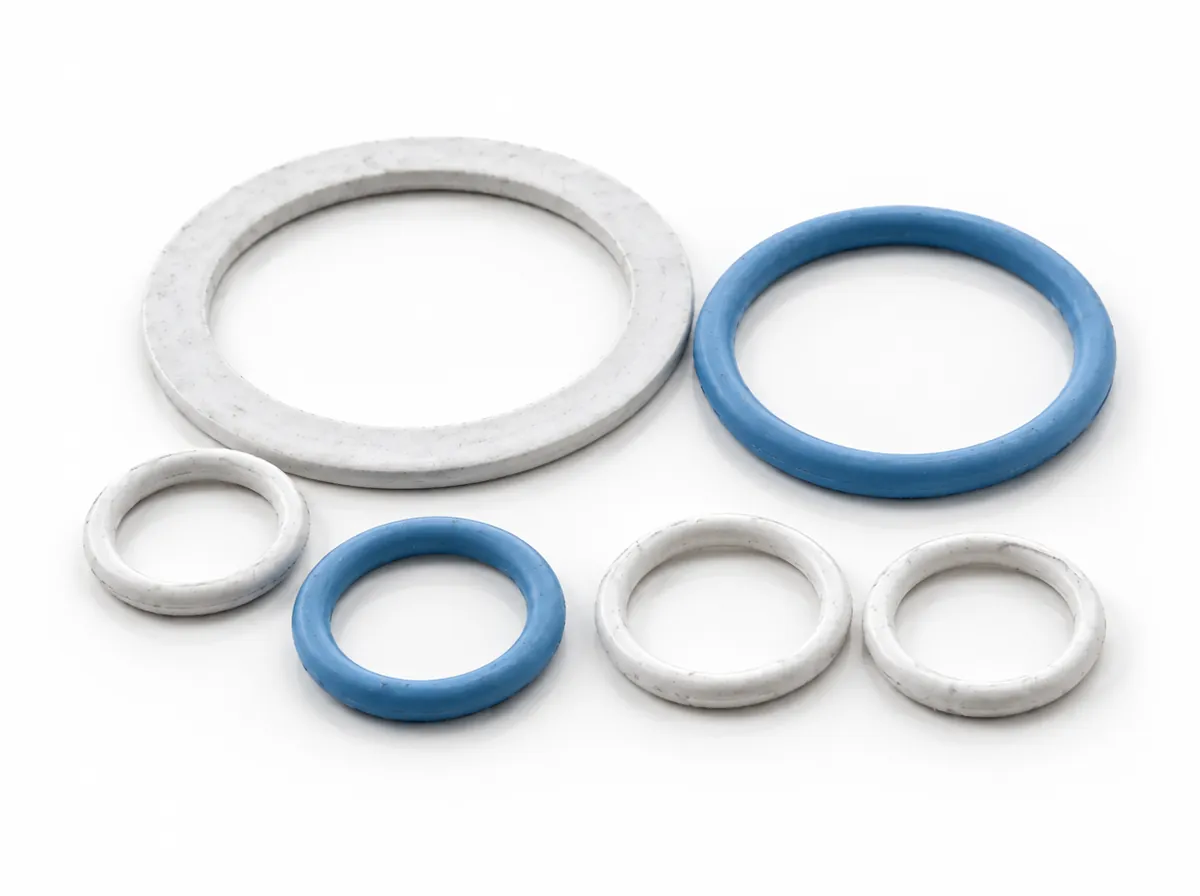
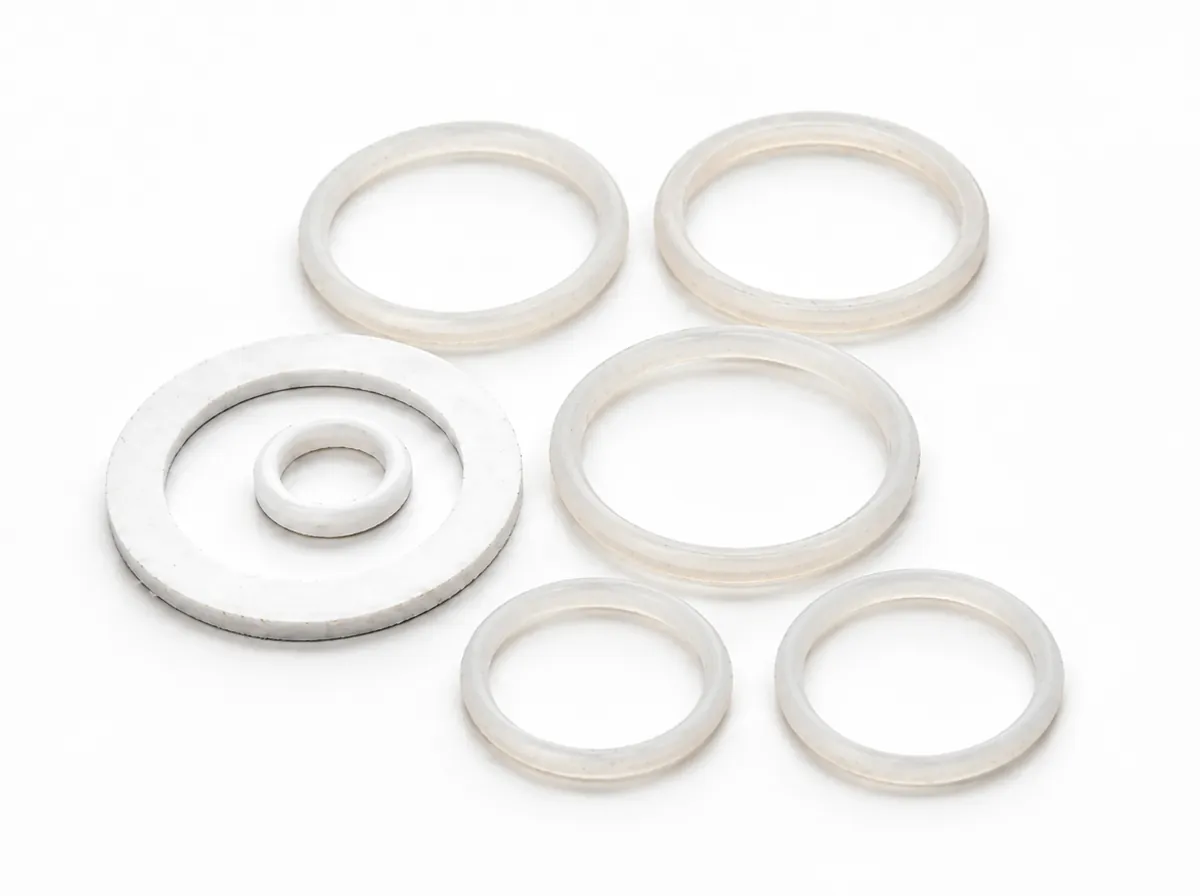
In materials science and manufacturing, a compound (mix) is the combination of different substances or components to achieve specific properties and functions. In the rubber and plastics industry, a compound usually describes the formulation of base materials (such as rubber or plastic), fillers, plasticisers and additives used to manufacture products such as seals, tyres or technical components.
Depending on the objective and type of material, there are different kinds of compounds:
Rubber compounds
-
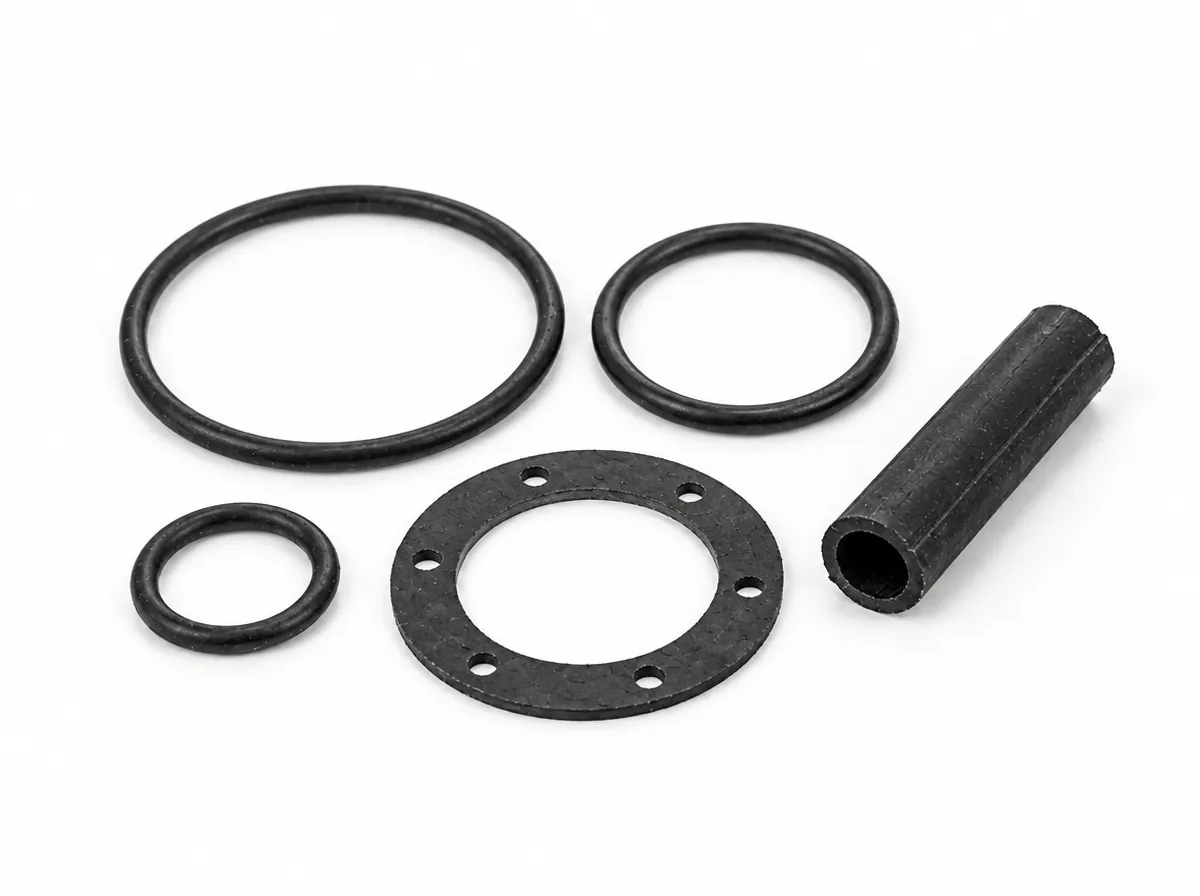
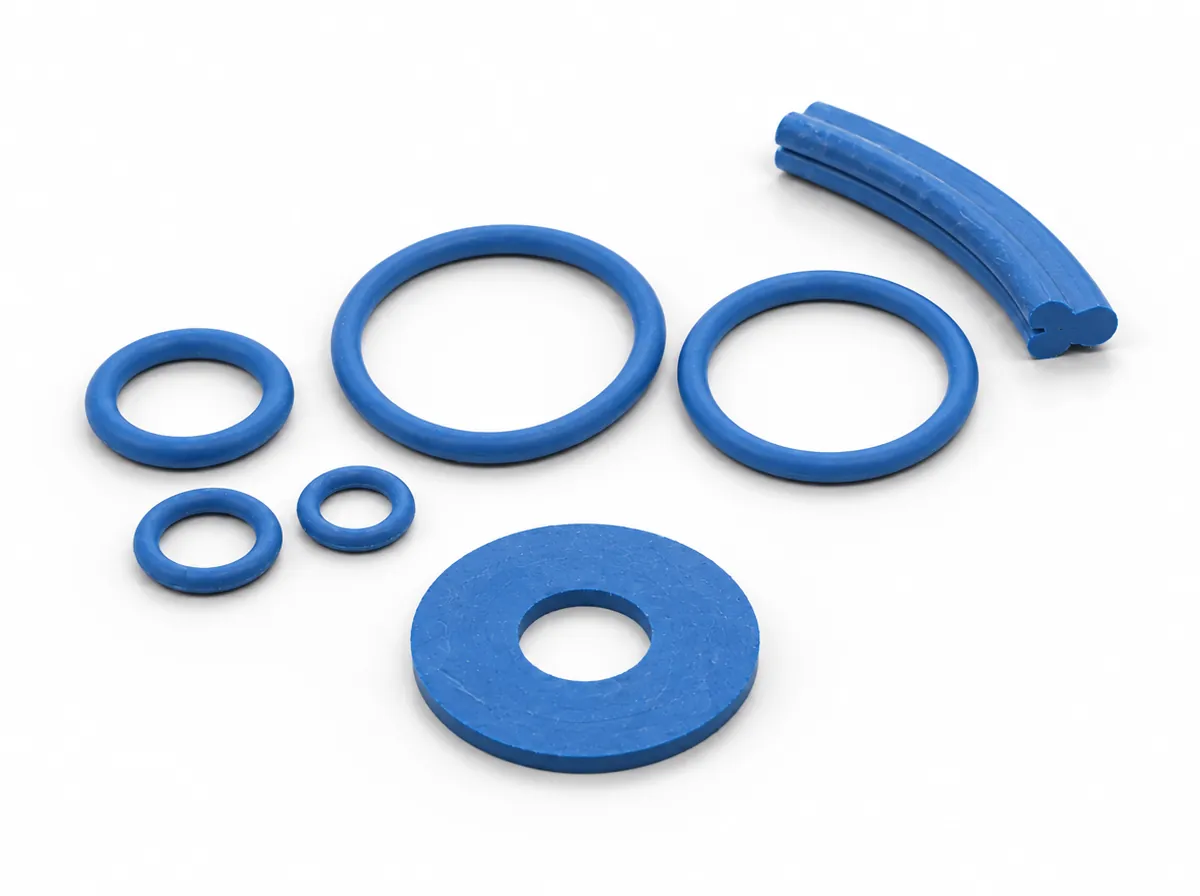
Description: combination of natural or synthetic rubber with additives.
-
Properties: elastic, chemically resistant, abrasion-resistant.
-
Applications: tyres, seals, conveyor belts.
Plastic compounds
-
Description: polymers mixed with fillers or additives.
-
Properties: adjustable hardness, flexibility and chemical resistance.
-
Applications: housings, packaging, automotive parts.
Composite compounds
-
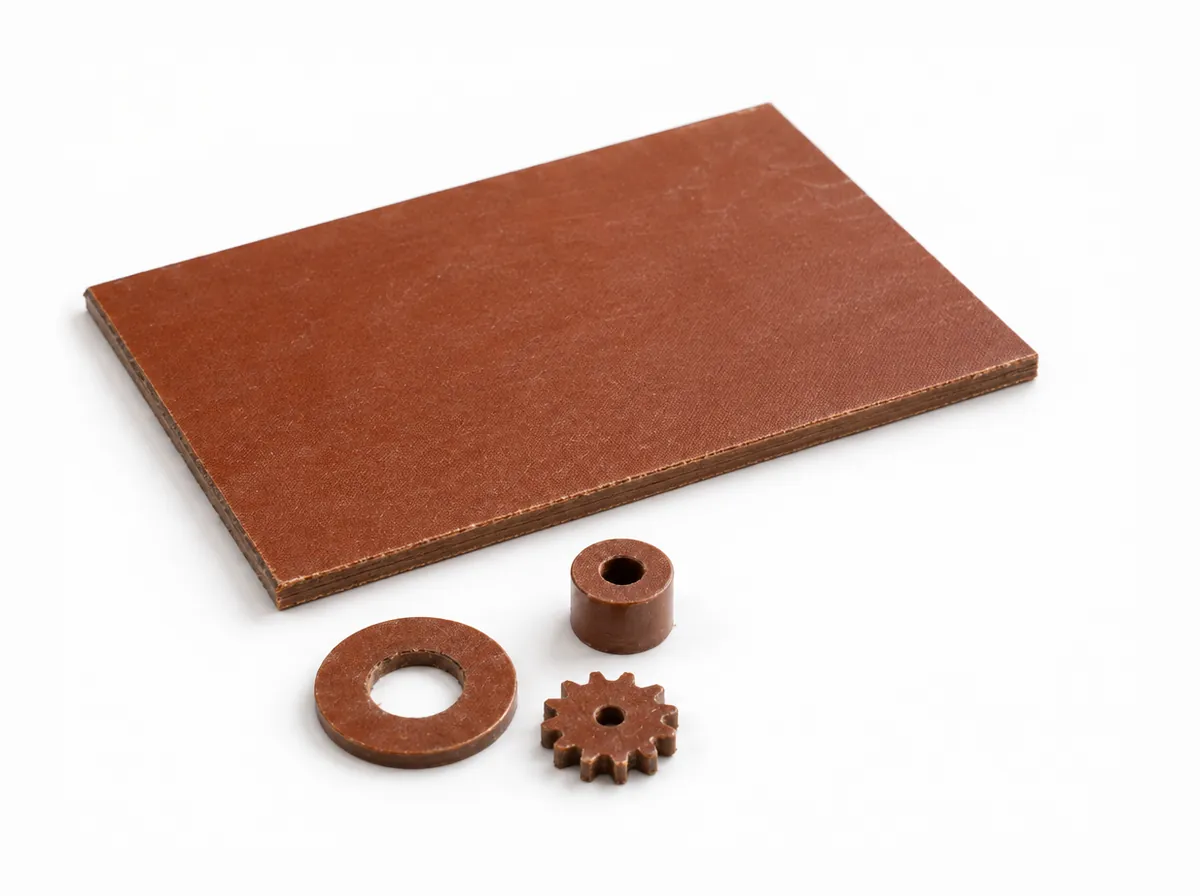
Description: mixture of different types of material, such as plastic and metal.
-
Properties: combination of specific material advantages, e.g. strength and low weight.
-
Applications: aerospace, construction industry, medical technology.
Producing a compound involves several steps, tailored to the desired properties:
Typical steps
-
Choice of materials: selection of the base materials and additives.
-
Dosing: precise measuring of the components.
-
Homogenisation: mechanical mixing of the substances in mixing machines (e.g. roll mills, internal mixers).
-
Refinement: optional addition of colours, plasticisers or special additives.
Compounds consist of various components that fulfil specific functions:
| Component | Function | Examples |
|---|---|---|
| Base material | Main constituent of the compound | Rubber, polyethylene |
| Fillers | Improve mechanical properties | Carbon black, silica |
| Plasticisers | Increase flexibility | Phthalates, esters |
| Additives | Improve specific properties | Antioxidants, flame retardants |
| Colourants | Colour the compound | Pigments, masterbatches |
By combining different materials, compounds offer numerous advantages:
-
Adaptability: properties can be tailored specifically to the application.
-
Cost efficiency: optimised use of material thanks to fillers and additives.
-
Improved performance: higher mechanical, thermal and chemical resistance.
-
Versatility: use in a wide range of industries and applications.
However, developing and producing compounds can also involve challenges:
-
Material compatibility: not all substances can be combined without problems.
-
Homogeneity: an uneven mix can impair the properties of the end product.
-
Costs: high-quality additives or special fillers can be expensive.
-
Environmental aspects: some additives or plasticisers are harmful to health and the environment.
Compounds are used in almost every branch of industry:
Automotive industry
-
Tyre manufacturing: rubber compounds for optimum abrasion resistance and grip.
-
Components: plastic compounds for interior and exterior parts.
Construction industry
-
Sealants: rubber and plastic compounds for durable seals.
-
Insulation: composite compounds for thermal and acoustic insulation.
Medical technology
-
Implants: highly specialised polymer compounds.
-
Seals: food-safe rubber compounds for sterile applications.
Electronics industry
-
Cable insulation: plastic compounds with flame retardants.
-
Housings: impact-resistant and temperature-resistant materials.
The following table compares the properties of rubber and plastic compounds:
| Property | Rubber compounds | Plastic compounds |
|---|---|---|
| Flexibility | Very high | Variable |
| Temperature resistance | Medium | High |
| Chemical resistance | High | Medium |
| Applications | Seals, tyres | Packaging, housings |
| Costs | Medium | Low to high |
-
What is the difference between a compound and an alloy? A compound is a combination of materials without chemical bonding, whereas in an alloy metallic elements are chemically bonded.
-
Which additives are commonly used in compounds? Antioxidants, plasticisers, flame retardants and colourants.
-
How is the quality of a compound tested? Through physical and chemical tests such as hardness measurement, tensile strength and thermal analysis.
-
Can a compound be recycled? Yes, many compounds can be reused or recycled, depending on their composition.
Compounds play a central role in material development and manufacturing. They make it possible to adapt properties to specific requirements and enable innovative applications in numerous industries. Through the targeted selection and combination of components, compounds offer an ideal balance between performance, cost and sustainability.
Questions about this term?
Our technical advice
Do you have a specific application or a question about elastomer processing? Talk to us, we will help you with material, process and approval.