


Glossary of elastomer processing
Plasticisers
Plasticisers are chemical substances that make plastics, rubber and other materials more flexible, more elastic and easier to process. They lower the glass transition temperature of the material and thus make it easier to deform. Plasticisers are used mainly in the plastics and rubber industry to make products easier to use and more durable.
Plasticisers work by embedding themselves between the polymer chains of a material. In doing so, they weaken the intermolecular forces that hold the polymer chains together. This process increases the mobility of the chains, making the material softer and more flexible.
Plasticisers can be divided into different categories according to their chemical structure and application:
| Type | Properties | Typical applications |
|---|---|---|
| Phthalate plasticisers | Widely used, inexpensive | PVC products, cable insulation |
| Adipates | Heat-resistant, low volatility | Food packaging, films |
| Citrates | Bio-based, non-toxic | Medical technology, toys |
| Polyether plasticisers | High compatibility with polymers | Elastomers, polyurethanes |
| Bio-plasticisers | Environmentally friendly, sustainable basis | Bioplastics, packaging |
Plasticisers have various properties that make them suitable for different applications:
-
Thermal stability: plasticisers remain stable even at high temperatures.
-
Low volatility: minimal evaporation ensures longevity.
-
Compatibility: good compatibility with various polymers.
-
Water resistance: many plasticisers are water-resistant.
Plasticisers are used in numerous industries and products:
Plastics industry
-
PVC products: plasticisers make PVC flexible and durable, e.g. for cables, floor coverings and films.
-
Films and packaging: elastic, adaptable materials for food packaging.
Rubber industry
-
Tyres: optimising flexibility and grip at low temperatures.
-
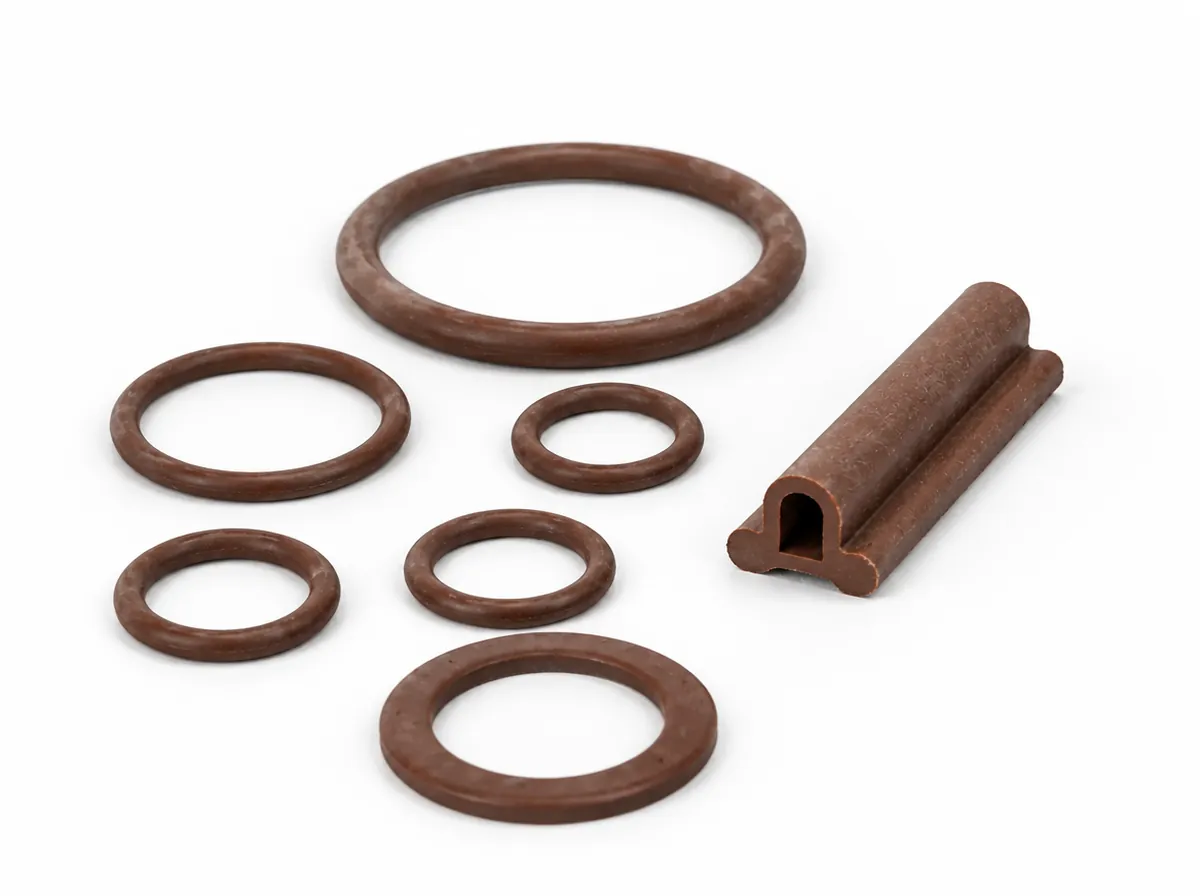
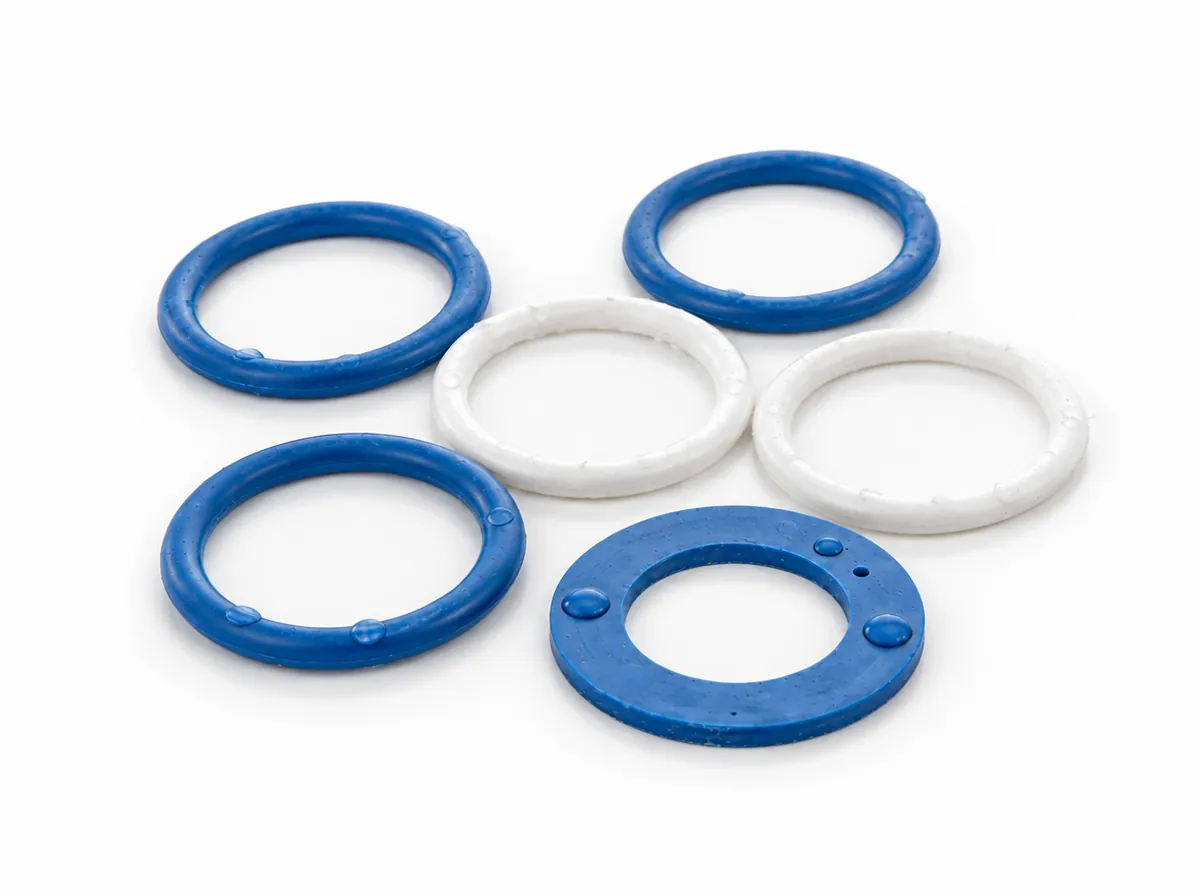
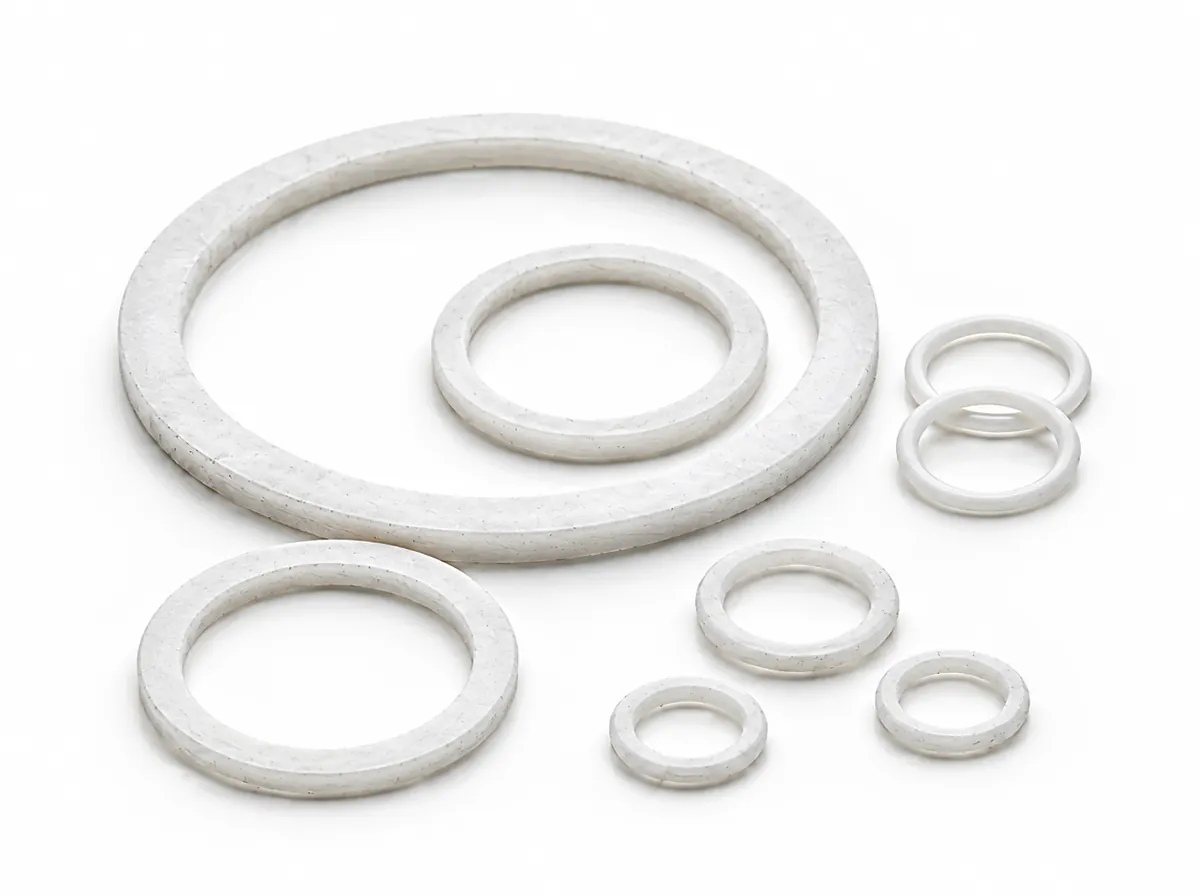
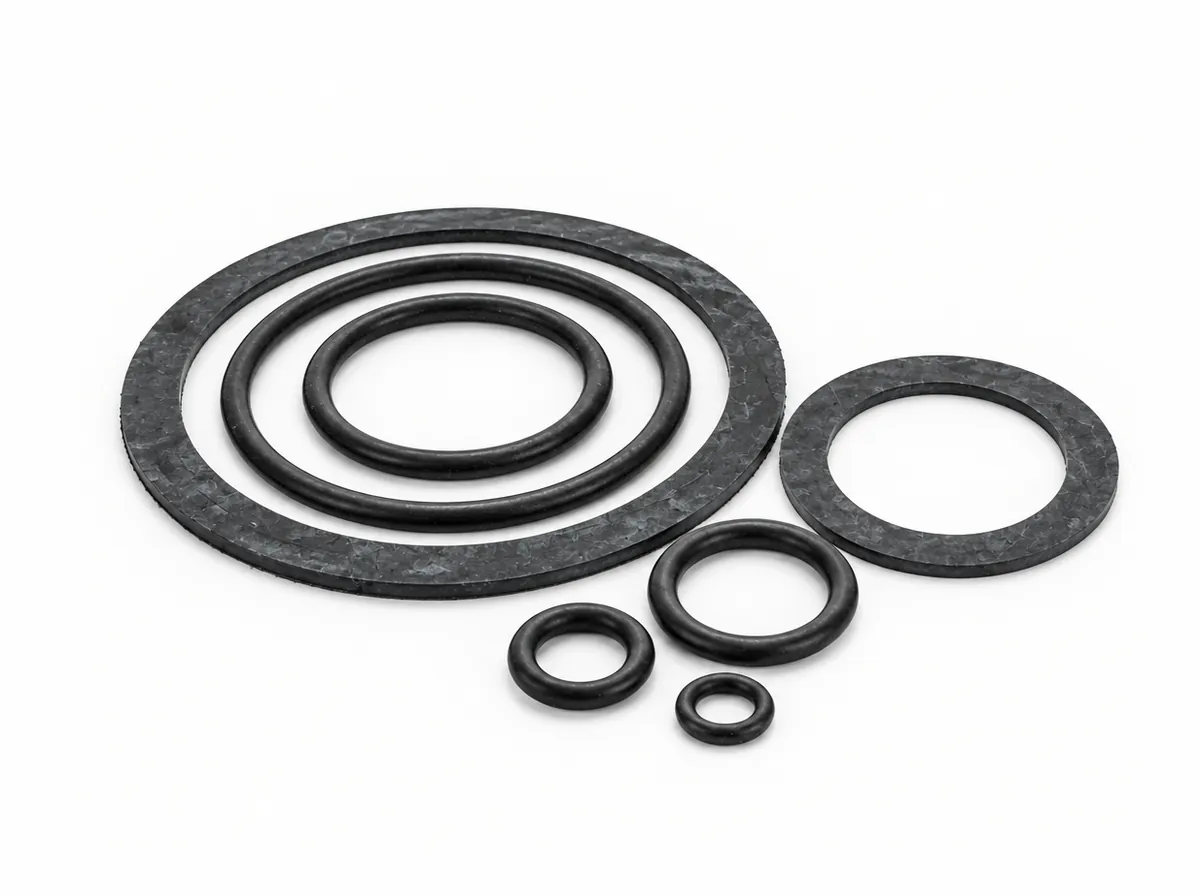
Seals: improving elasticity and long-term stability.
Medical technology
-
Tubing and catheters: flexibility and biocompatibility thanks to non-toxic plasticisers.
-
Medical films: applications in packaging and protective materials.
Automotive industry
-
Cable insulation: improving flexibility and durability.
-
Interior fittings: flexible plastics for dashboards, seats and door trims.
Construction industry
-
Floor coverings: durable, flexible PVC floor coverings.
-
Window and door seals: elastic materials for sealing.
Plasticisers offer numerous advantages:
-
Improved processability: the material becomes easier to shape and process.
-
Increased flexibility: plasticisers make materials pliable and durable.
-
Longer service life: plasticisers reduce cracking and material fatigue.
-
Cost efficiency: lower material consumption thanks to easier processing.
Despite their advantages, there are challenges in using plasticisers:
-
Risk of migration: plasticisers can leach out of the material and affect the environment or health.
-
Health aspects: some plasticisers, such as phthalates, are suspected of being harmful to health.
-
Regulations: strict rules require the use of safe alternatives.
-
Which materials need plasticisers? Mainly PVC, rubber and certain plastics benefit from plasticisers.
-
Are plasticisers harmful to health? Some plasticisers, such as certain phthalates, can pose health risks, so safe alternatives are important.
-
Can plasticisers be replaced? Yes, modern alternatives such as bio-plasticisers are more environmentally friendly and less of a concern.
-
How do plasticisers affect the durability of a product? Plasticisers improve flexibility and durability, but can be lost through migration or ageing.
Plasticisers are essential for making materials flexible, durable and easy to process. They are widely used in the plastics and rubber industry as well as in medical technology and construction. Despite some challenges such as health and environmental concerns, the development of safe and sustainable plasticisers remains a central focus in meeting modern material requirements.
Questions about this term?
Our technical advice
Do you have a specific application or a question about elastomer processing? Talk to us, we will help you with material, process and approval.