


Glossary of elastomer processing
Para rubber
Para rubber is a high-quality natural rubber obtained from the latex of Hevea brasiliensis, also known as the rubber tree. The term "Para" derives from the Brazilian region of Pará, where the rubber tree was originally discovered. Para rubber is characterised by its high elasticity, abrasion resistance and versatility and is a key material in the rubber industry.
Para rubber has a combination of physical and chemical properties that make it indispensable in numerous applications:
-
High elasticity: allows large elongation and recovery without permanent deformation.
-
Abrasion resistance: resistant to mechanical stress.
-
Tear resistance: high load-bearing capacity, even under tension.
-
Flexibility: remains flexible even at low temperatures.
-
Resistance: resistant to water and some chemical substances.
The production of Para rubber starts with harvesting latex from the rubber tree and involves several steps:
Harvesting
-
Tapping: the rubber tree is cut and the latex that flows out is collected.
-
Filtration: the raw latex is filtered to remove impurities.
Coagulation
-
Adding acids: acids such as formic acid are added to coagulate the latex.
-
Pressing: the coagulated rubber is pressed into sheets or blocks.
Drying and processing
-
Drying: the rubber sheets are dried to reduce moisture.
-
Further processing: vulcanisation or mixing with additives for specific applications.
Para rubber is offered in different forms and grades, depending on the requirements of the application:
| Type | Properties | Typical applications |
|---|---|---|
| Ribbed smoked sheet (RSS) | High purity, robust quality | Technical rubber goods |
| Technically specified rubber (TSR) | Standardised quality, machine-friendly | Industrial products, rubber bands |
| Liquid latex | Liquid, flexible to use | Coatings, gloves |
Thanks to its versatile properties, Para rubber is used in numerous industries:
Technical rubber goods
-
Advantage: resistance to mechanical loads.
-
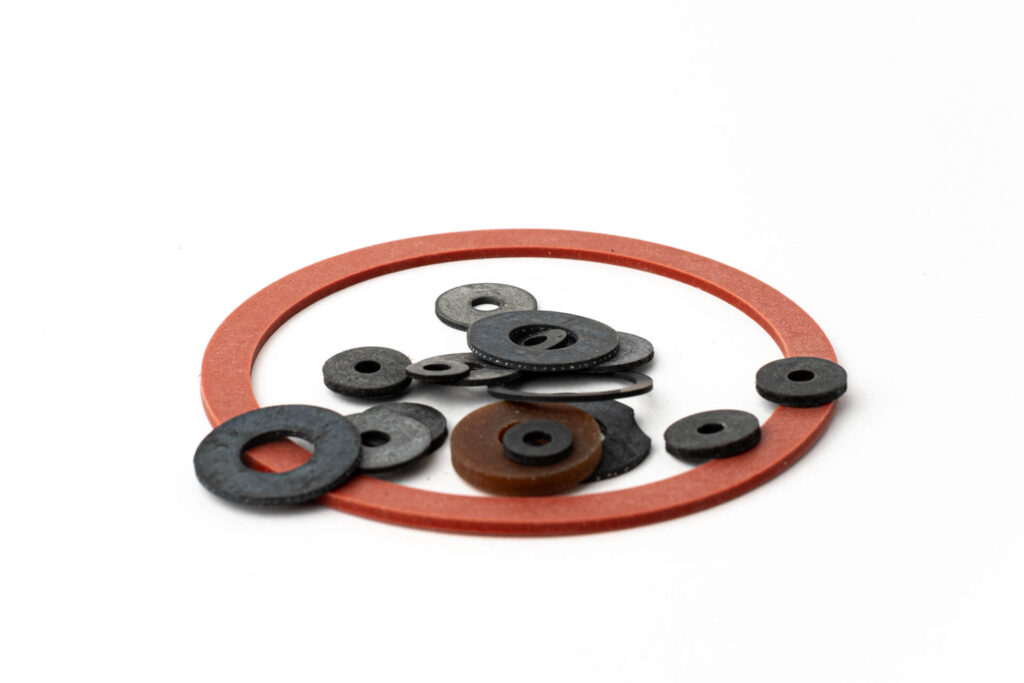
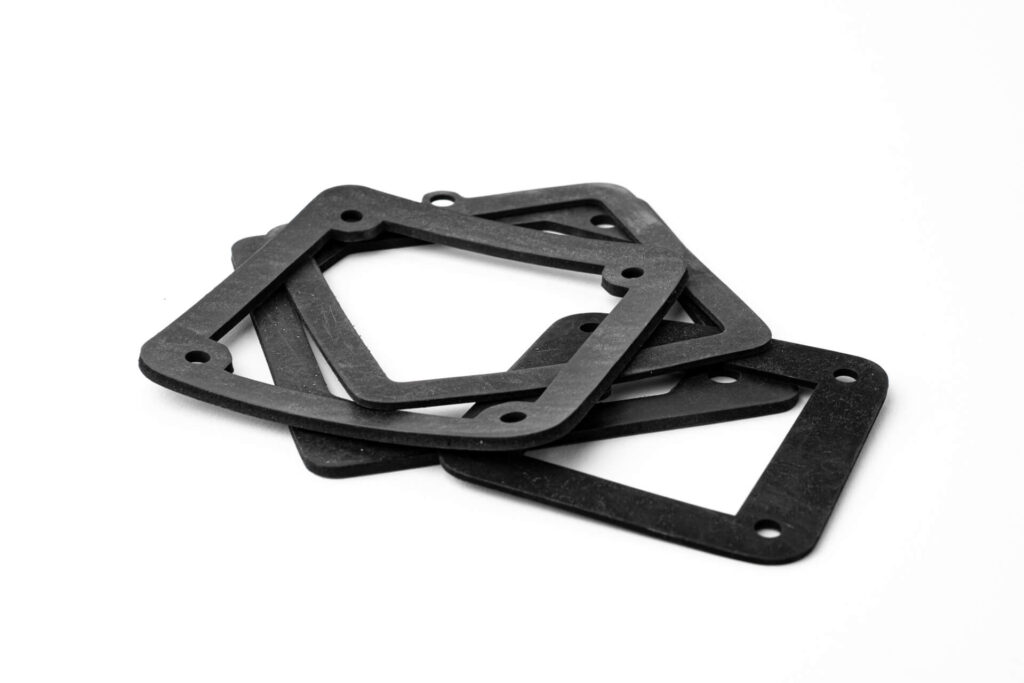
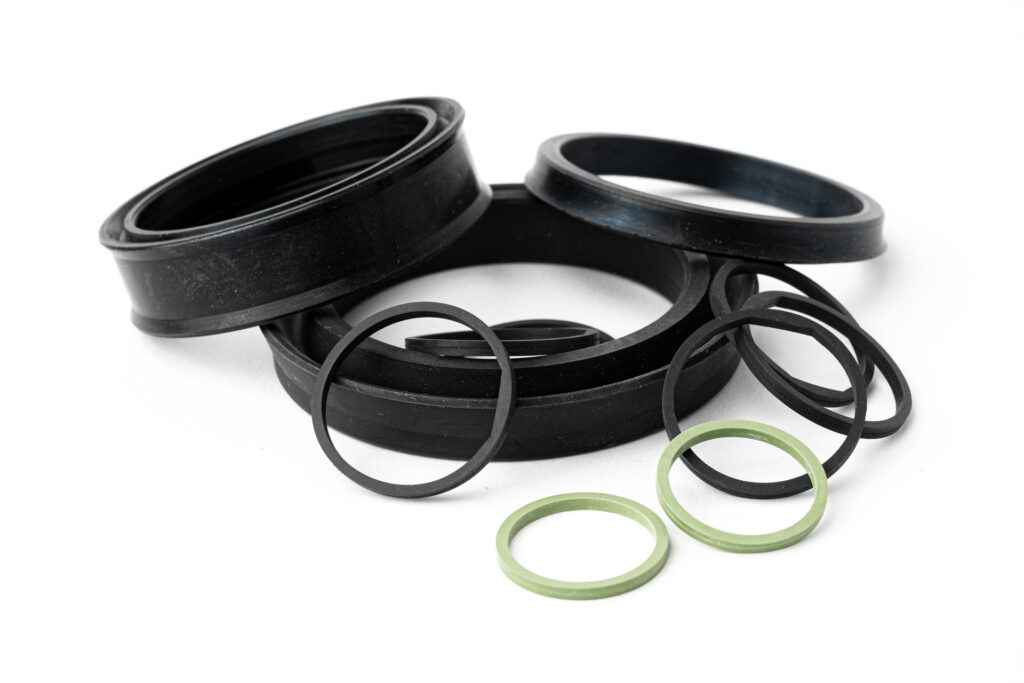
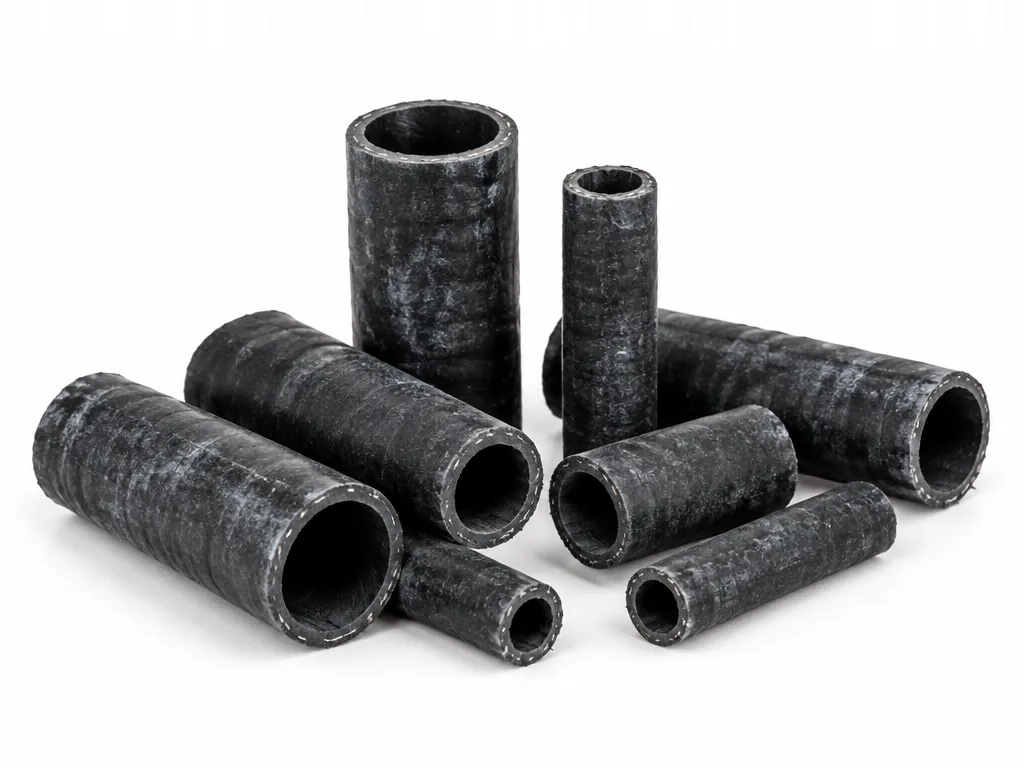
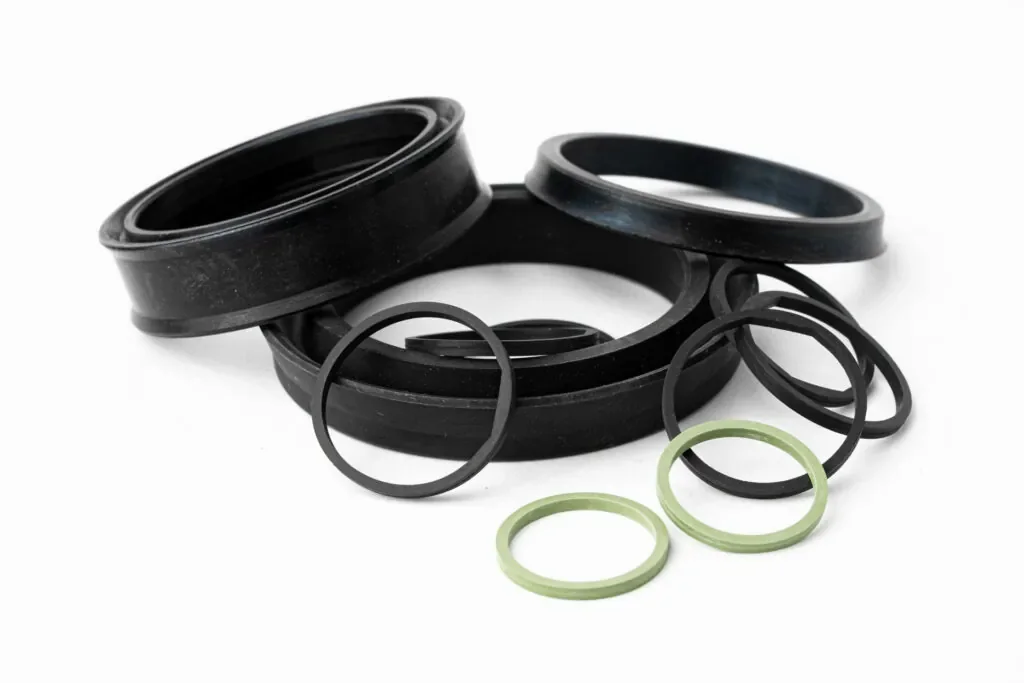
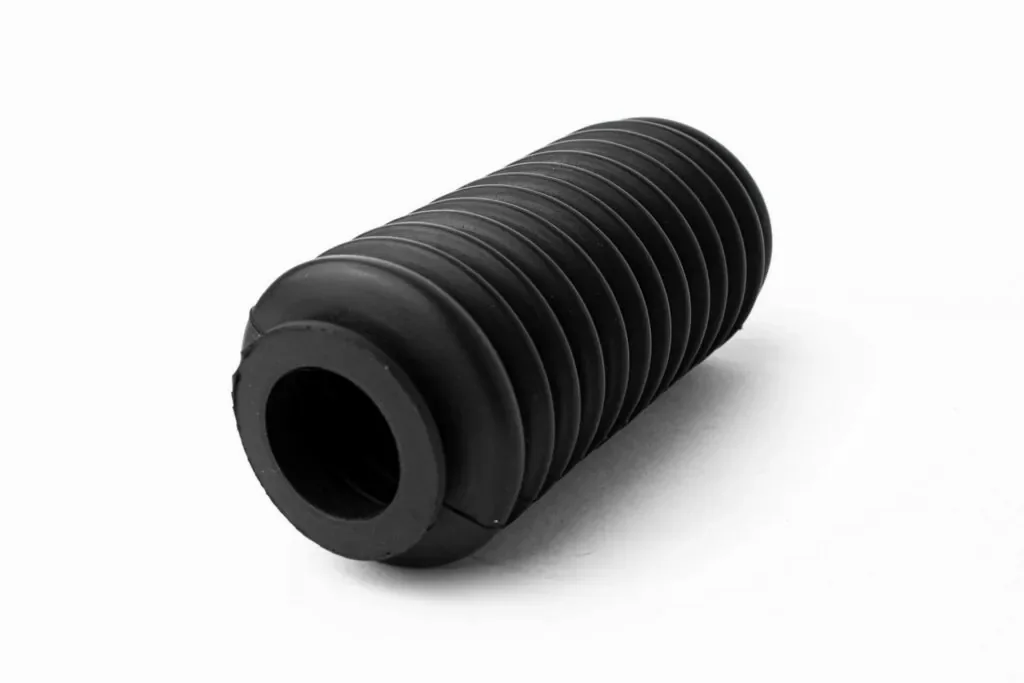
Typical products: seals, hoses, conveyor belts.
Medical technology
-
Advantage: flexibility and biocompatible properties.
-
Typical products: gloves, catheters, elastic bandages.
Sports and leisure industry
-
Advantage: elasticity and abrasion resistance.
-
Typical products: rubber balls, mats, shoe soles.
Using Para rubber offers numerous advantages:
-
Sustainability: natural material from renewable raw materials.
-
Versatility: adaptable through vulcanisation and additives.
-
Cost efficiency: good material properties at moderate cost.
-
Longevity: high resistance to wear.
Despite its advantages, there are also challenges in using Para rubber:
-
Ageing: sensitive to UV radiation, ozone and oxygen, which can lead to embrittlement.
-
Temperature resistance: limited use at extreme temperatures.
-
Fluctuating quality: natural rubber depends on environmental influences.
The following comparison shows the differences between Para rubber and synthetic rubbers:
| Property | Para rubber | Synthetic rubber |
|---|---|---|
| Raw material | Natural | Synthetic |
| Elasticity | High | Variable |
| Temperature resistance | Limited | Higher |
| Costs | Low to medium | Variable |
| Environmental aspect | Renewable | Petrochemical |
-
What is the difference between Para rubber and ordinary natural rubber? Para rubber is a particularly high-quality form of natural rubber, characterised by high purity and excellent mechanical properties.
-
How is Para rubber vulcanised? By adding sulphur and heating, which improves elasticity and resistance.
-
Is Para rubber environmentally friendly? Yes, as it is a renewable raw material. However, production methods and transport routes are decisive for its environmental footprint.
-
Can Para rubber be recycled? Yes, Para rubber can be recycled by mechanical or chemical processes, although the material properties may vary.
Para rubber is an indispensable raw material in the rubber industry. Its combination of elasticity, abrasion resistance and sustainability makes it ideal for applications in the automotive industry, medical technology, construction and beyond. Despite some challenges, Para rubber remains a preferred choice for high-quality, durable products.
Questions about this term?
Our technical advice
Do you have a specific application or a question about elastomer processing? Talk to us, we will help you with material, process and approval.