



Glossary of elastomer processing
Biocompatible
The term biocompatible describes the ability of a material to come into direct contact with biological tissue or fluids without triggering a toxic, immunological or inflammatory reaction. In the rubber industry, and particularly in medical applications, biocompatibility is of crucial importance.
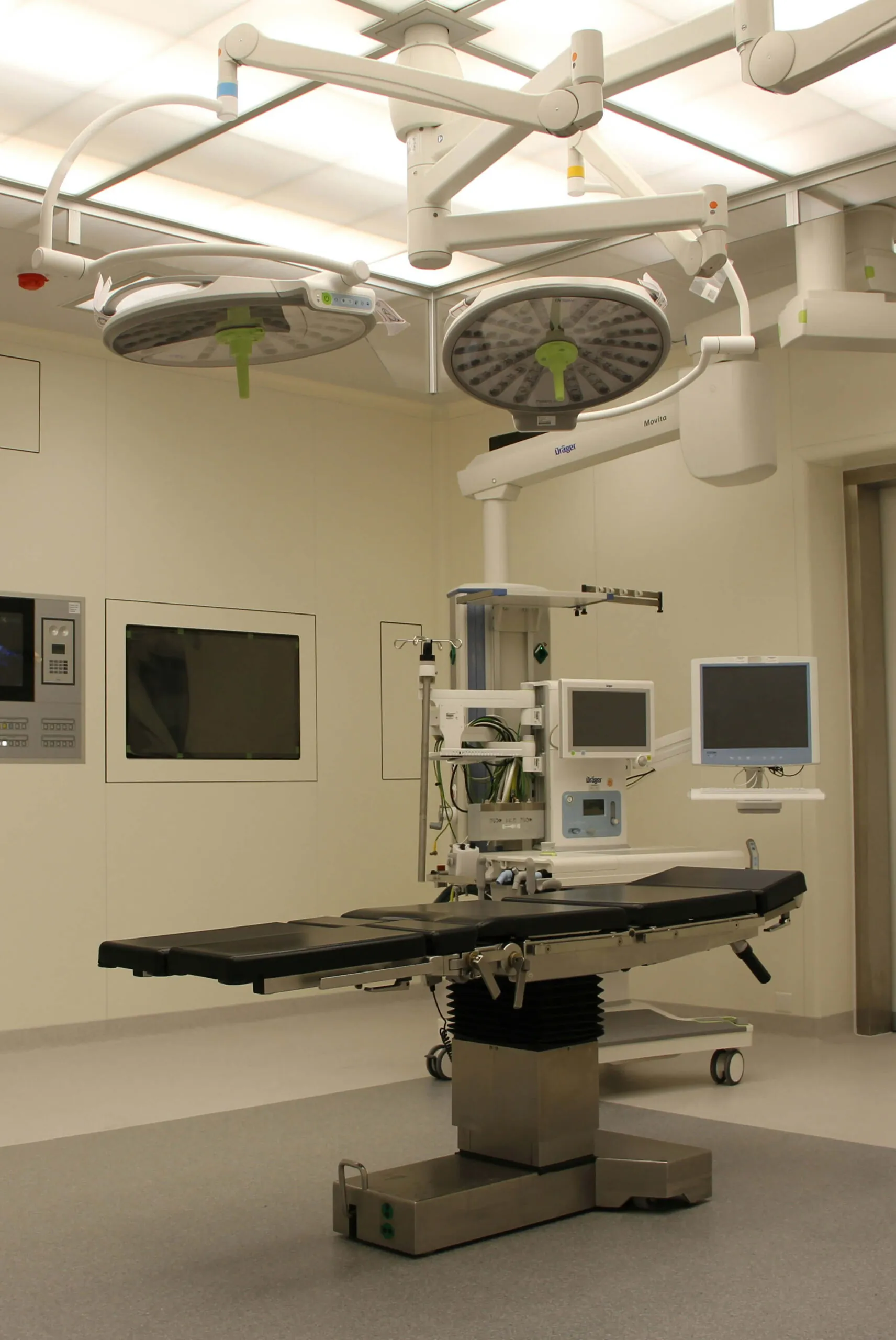
Elastomers are used in many sensitive areas, e.g. in medical technology, laboratory technology and food processing. There they must not only meet functional requirements such as tightness, elasticity and temperature resistance, but also be physiologically safe.
Clear testing for biocompatibility is essential, particularly for applications involving direct contact with skin, blood, mucous membranes or internal tissue.
Silicone, the biocompatible material par excellence
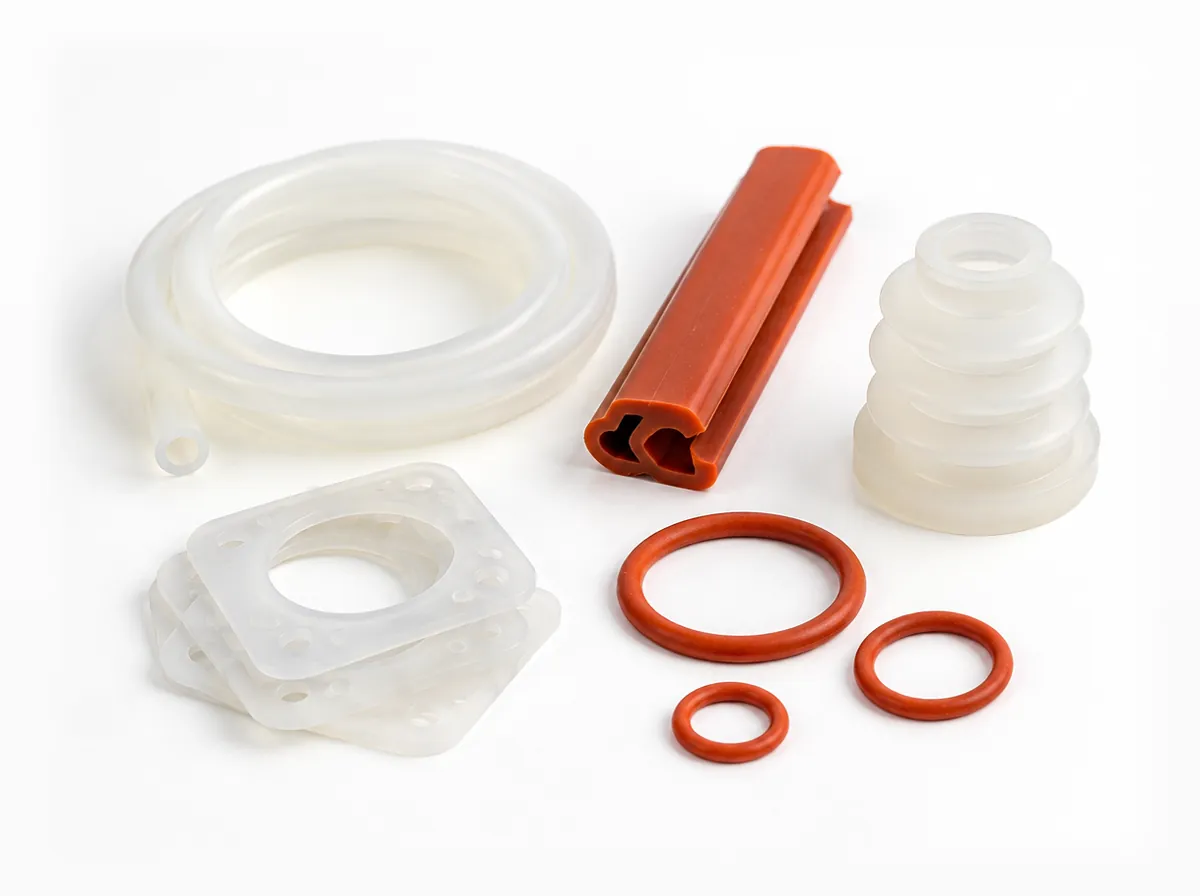
Silicone is considered one of the best-tolerated elastomers for medical applications. It has excellent thermal stability, is physiologically inert and offers outstanding ageing resistance and resistance to body fluids.
Biocompatible silicone is used, for example, for:
-
medical seals
-
implant components (not permanent)
-
catheters
-
syringe plungers
-
valves and stoppers
One of the most important standards in the medical sector for testing biocompatibility is USP Class VI. It comes from the US Pharmacopeia (USP) and sets strict requirements for materials used in a medical environment. The tests include:
-
acute systemic toxicity
-
intracutaneous reactivity
-
implantation tests (over several weeks)
Elastomers certified to USP Class VI are considered particularly safe for temporary or permanent use in the body, depending on the application.
Typical applications with USP Class VI requirements:
-
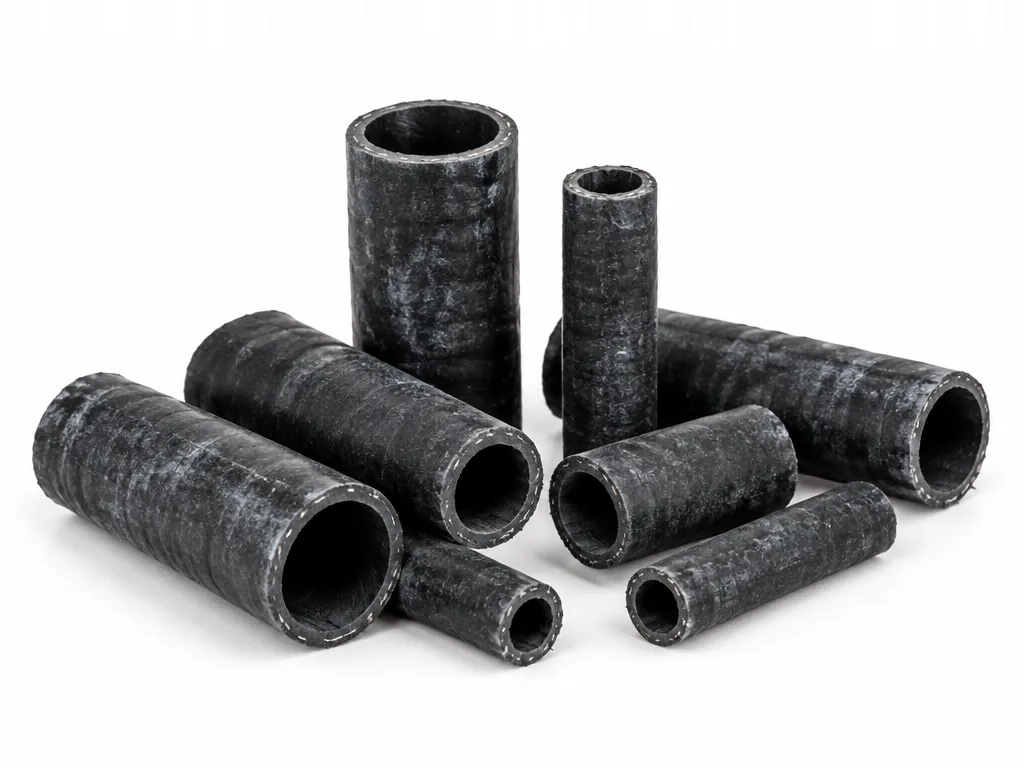
medical tubing systems
-
infusion components
-
membranes and seals in dialysis machines
-
pharmaceutical stoppers and closures
The biocompatibility of a material depends heavily on its purity, type of crosslinking and processing. Any additives (e.g. plasticisers, colourants) can also affect compatibility. For this reason, only appropriately certified grades should be used, especially in sensitive applications involving the human body.
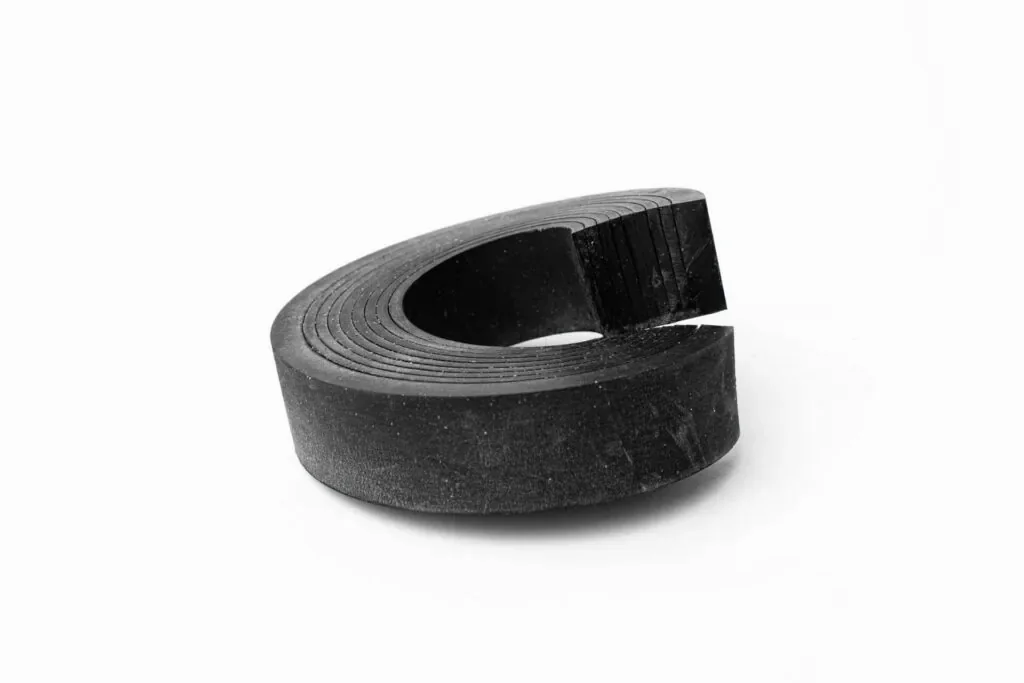
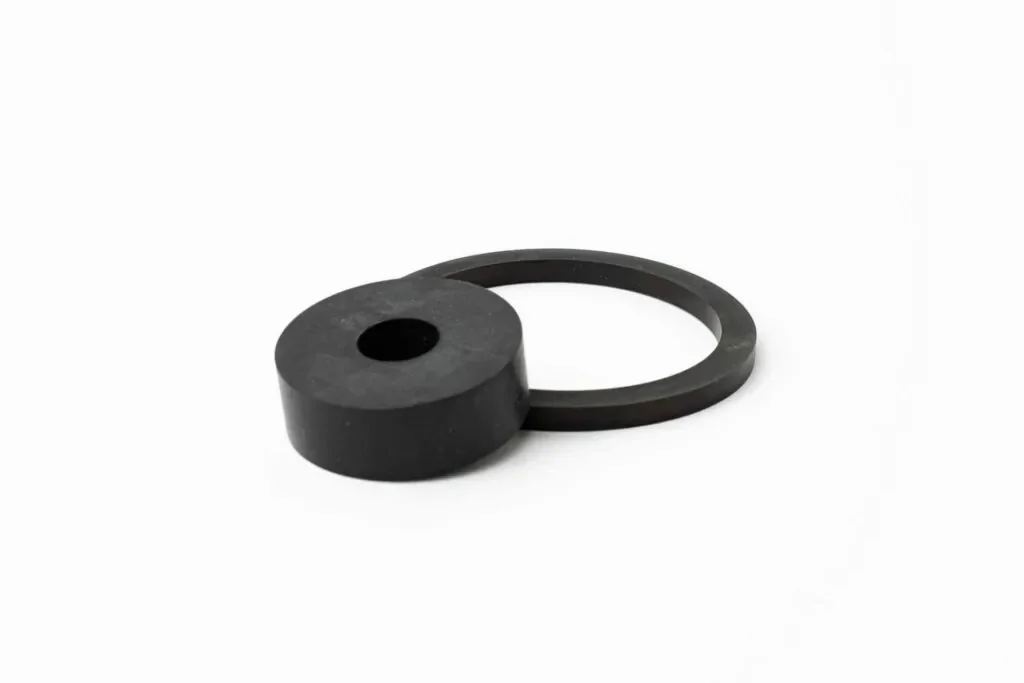
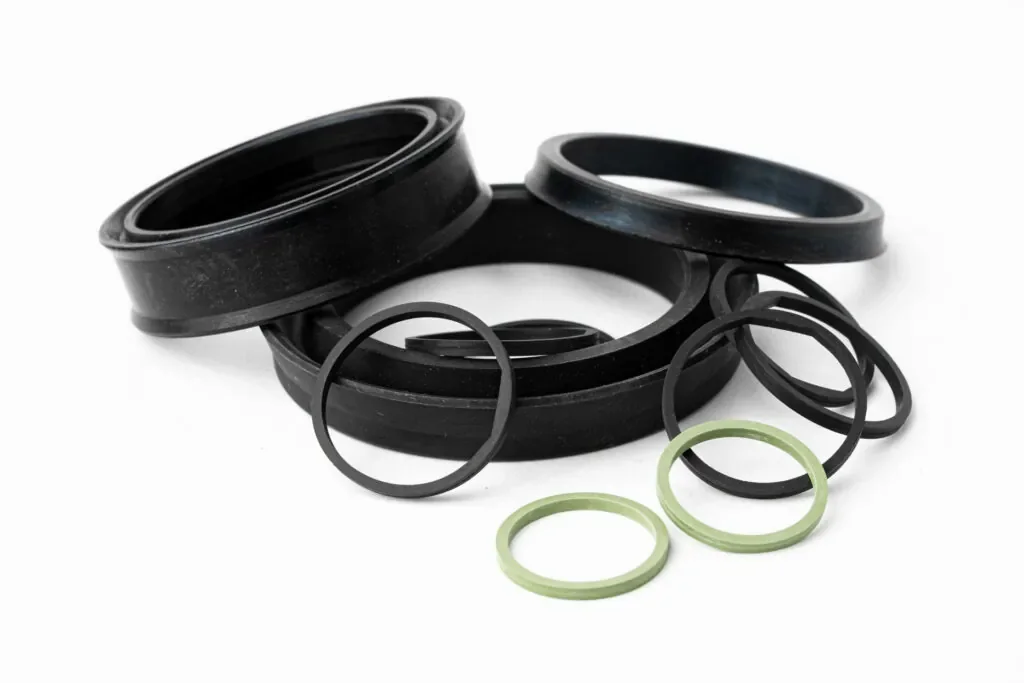
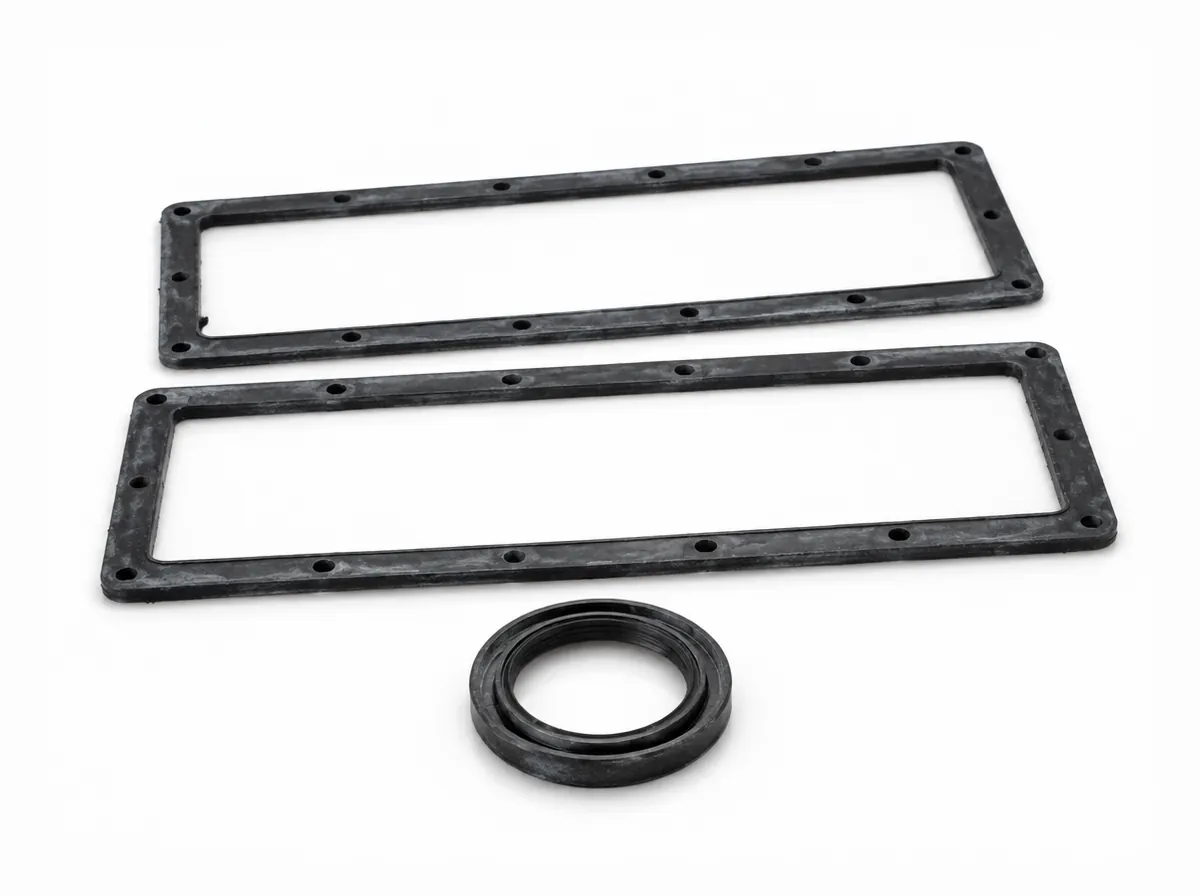
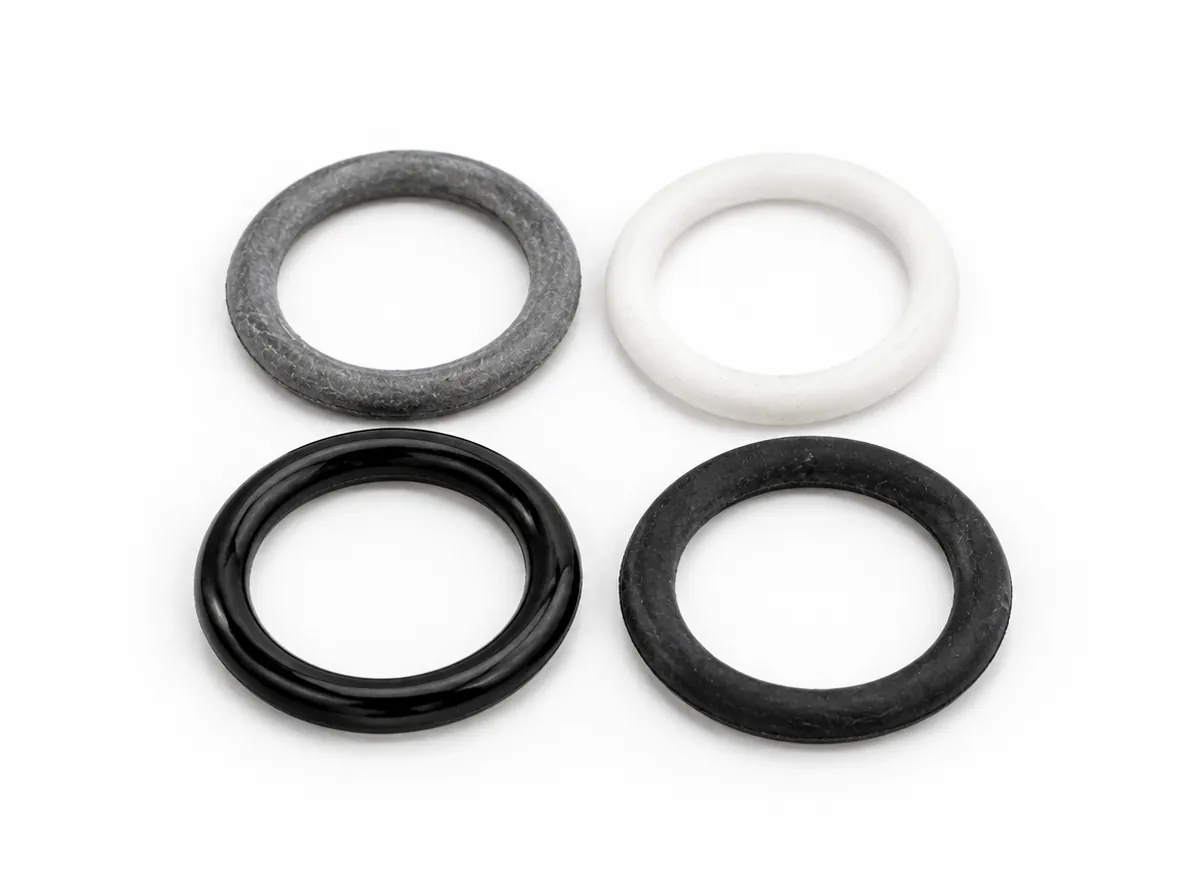
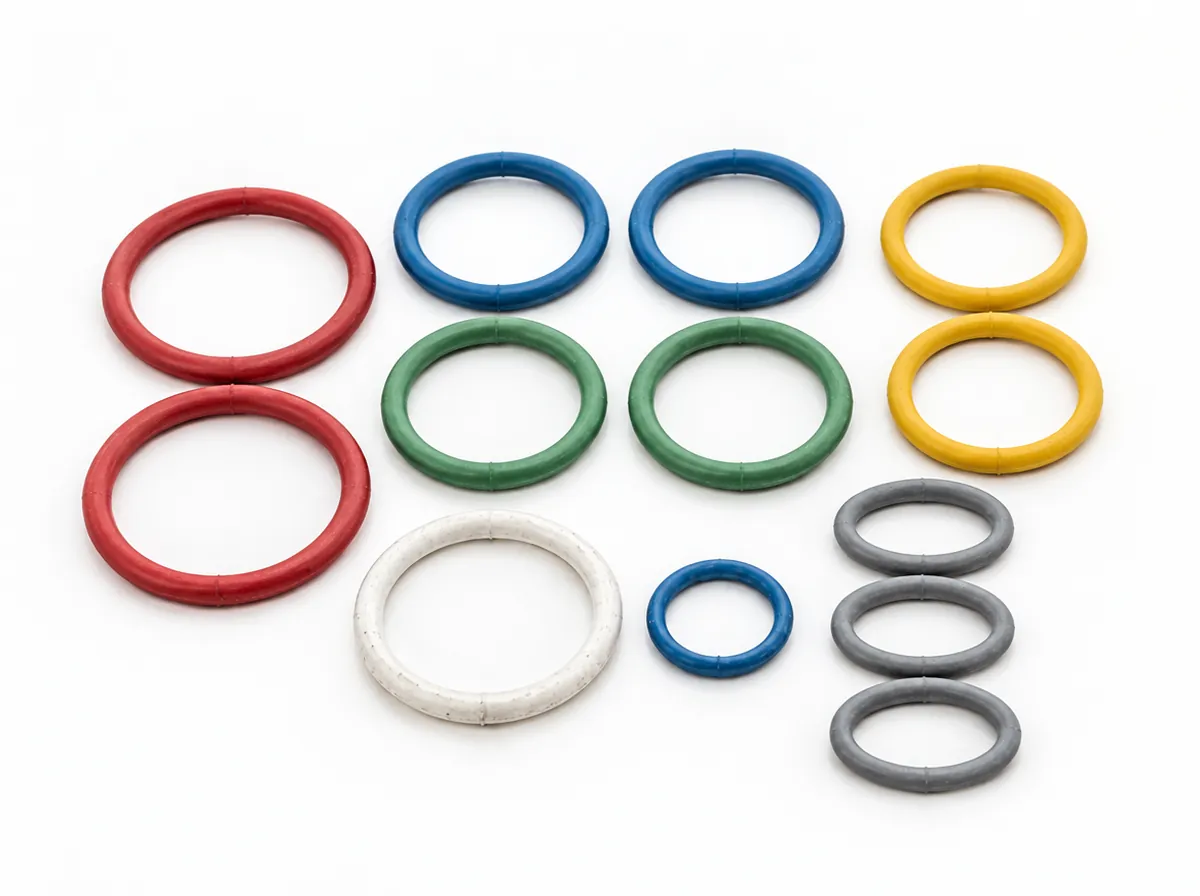
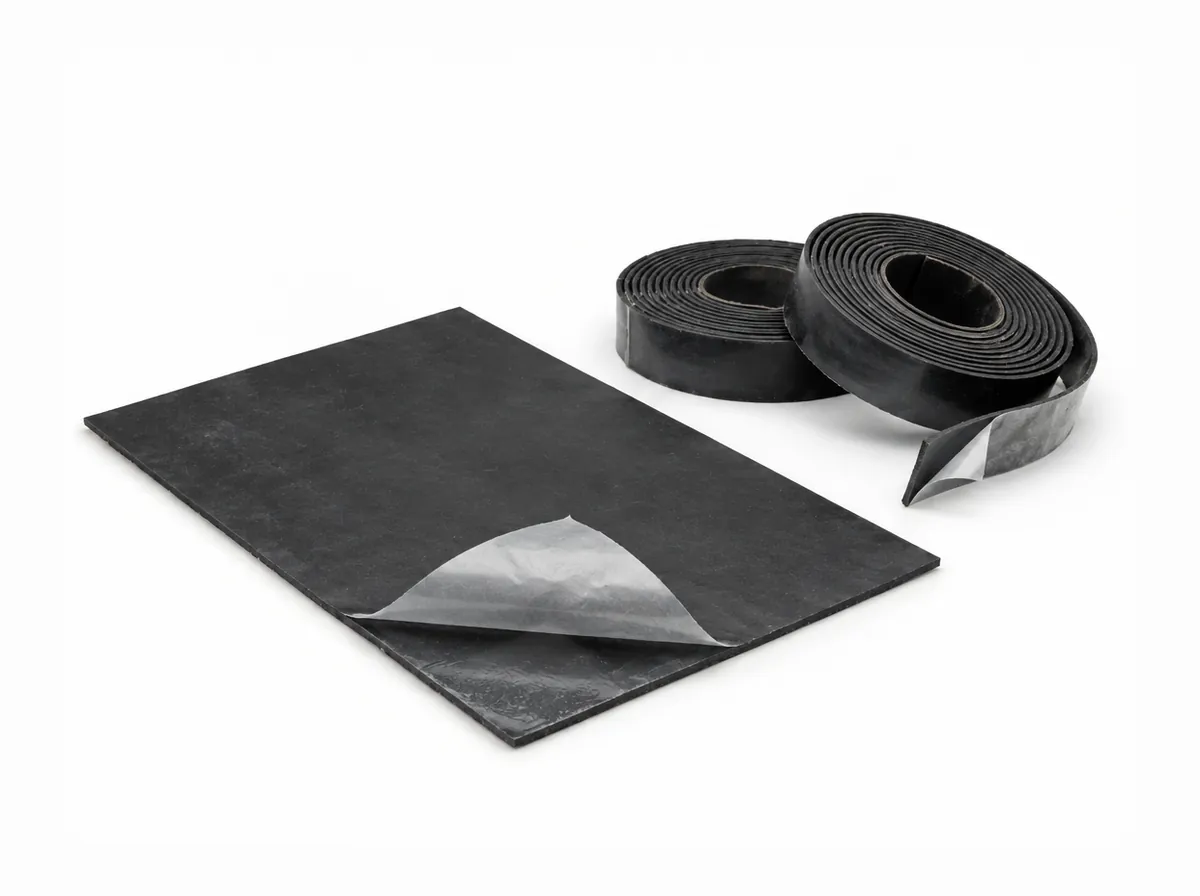
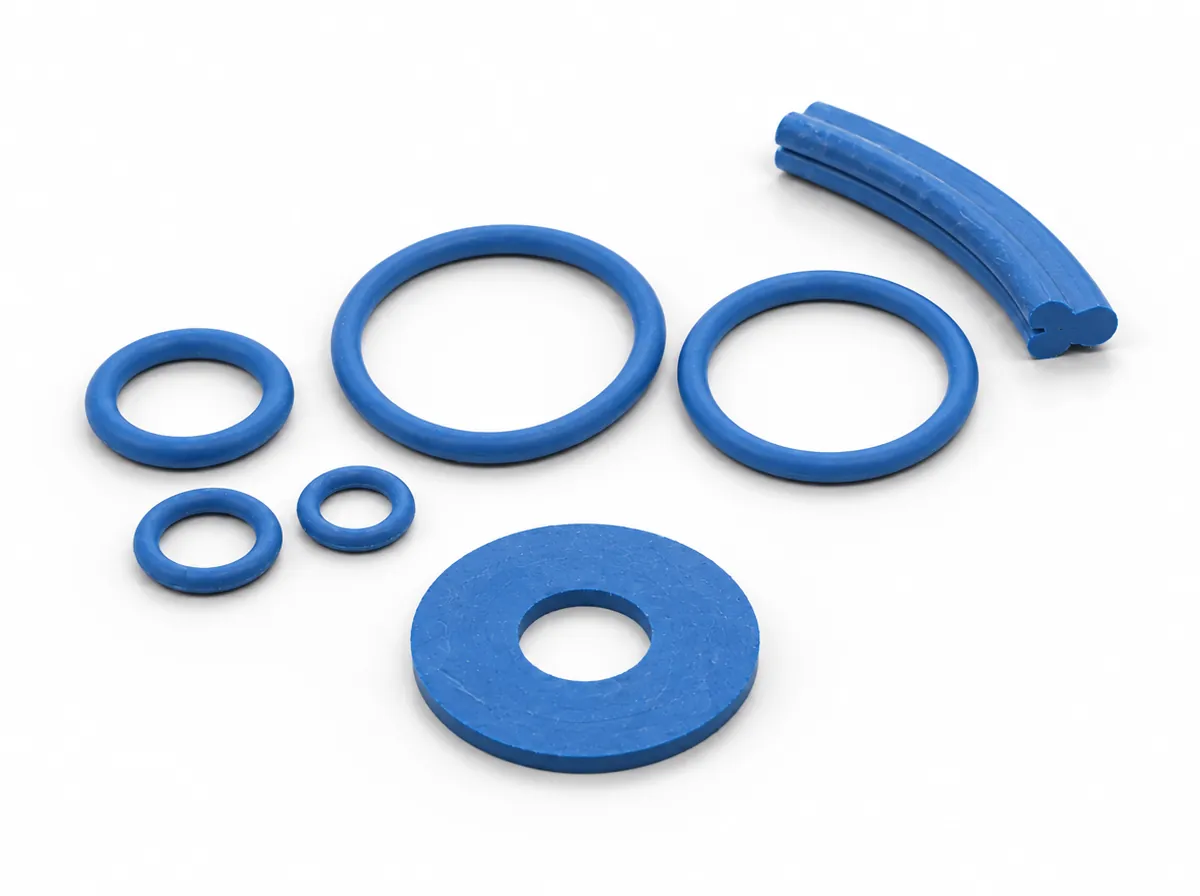
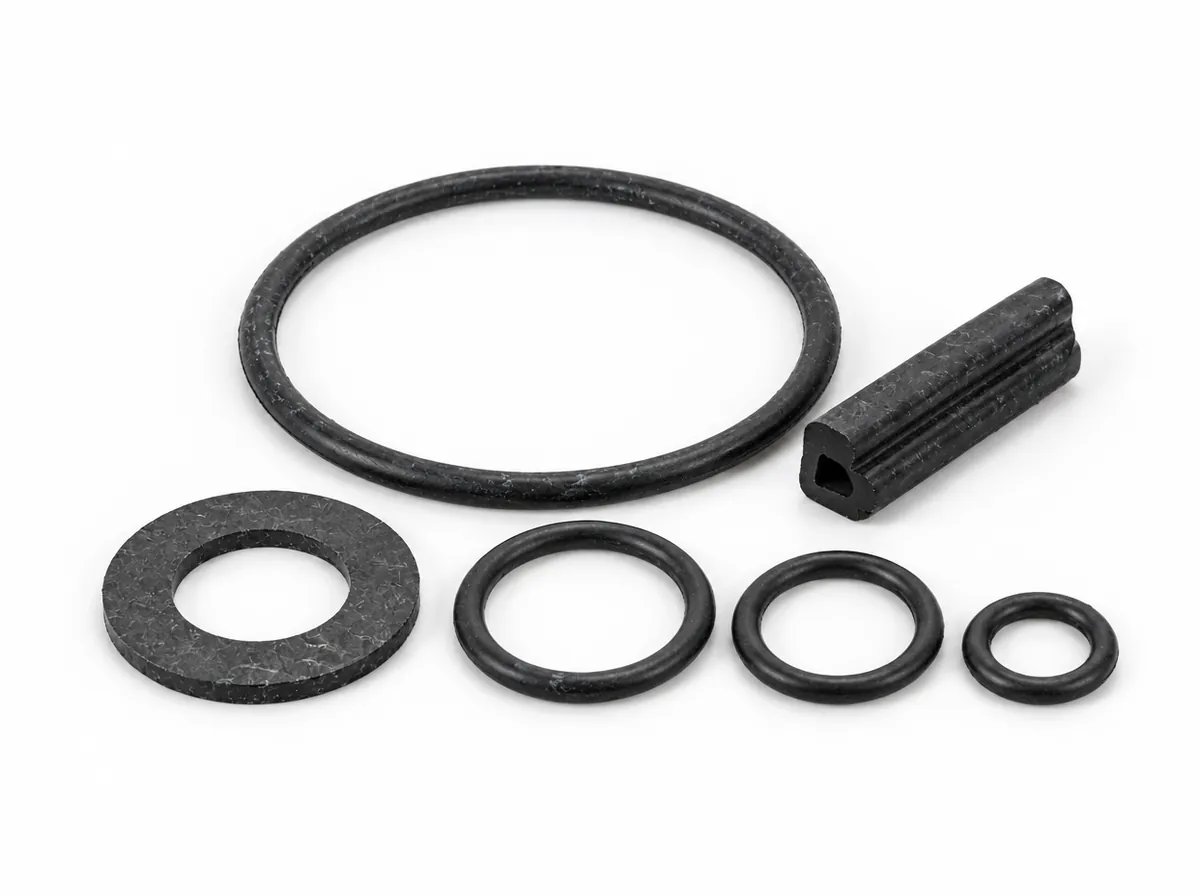
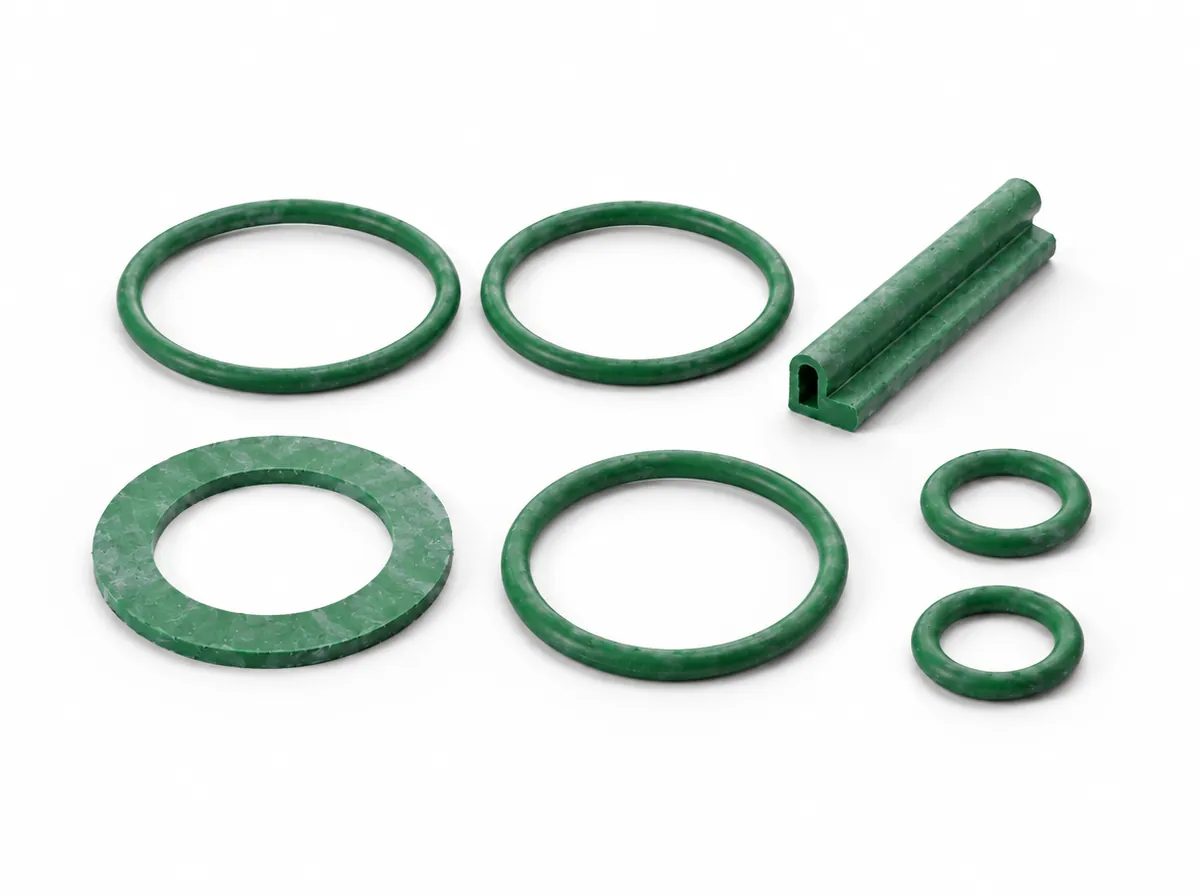
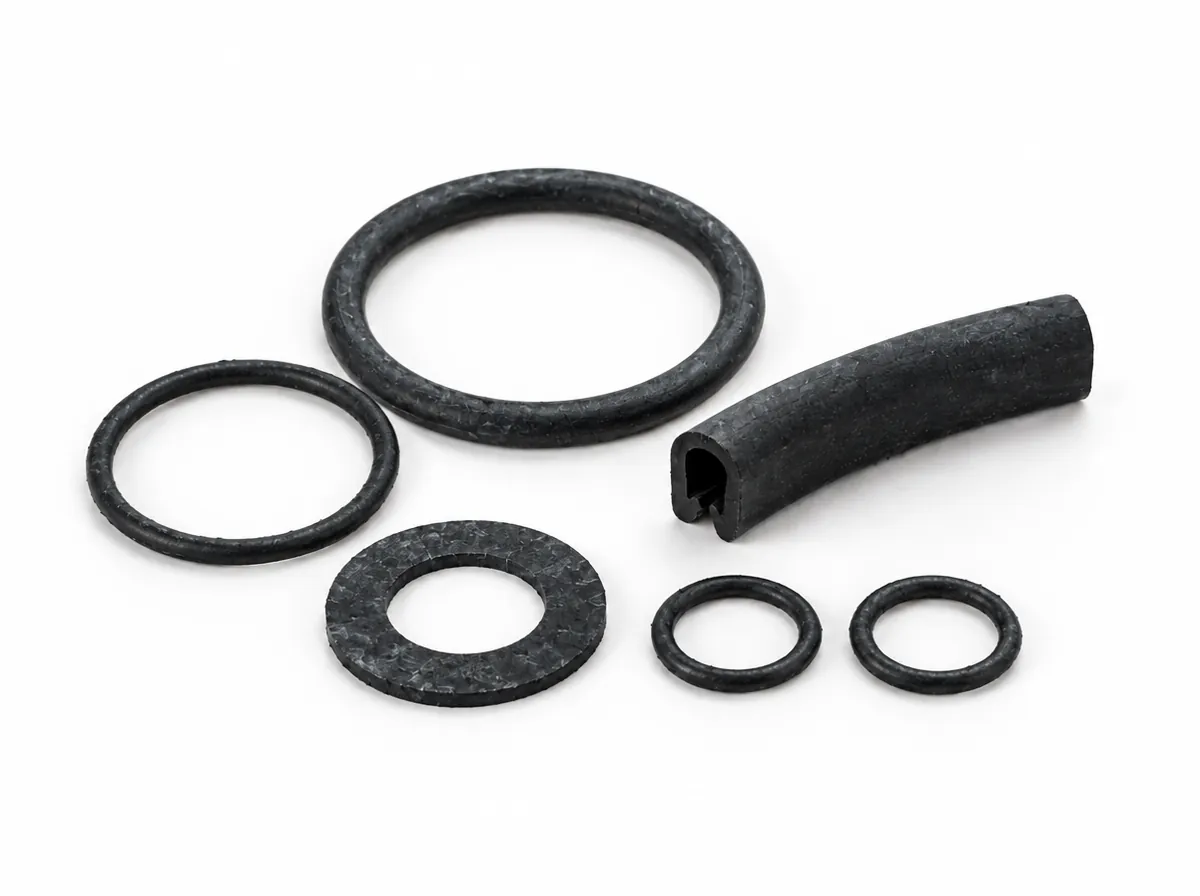
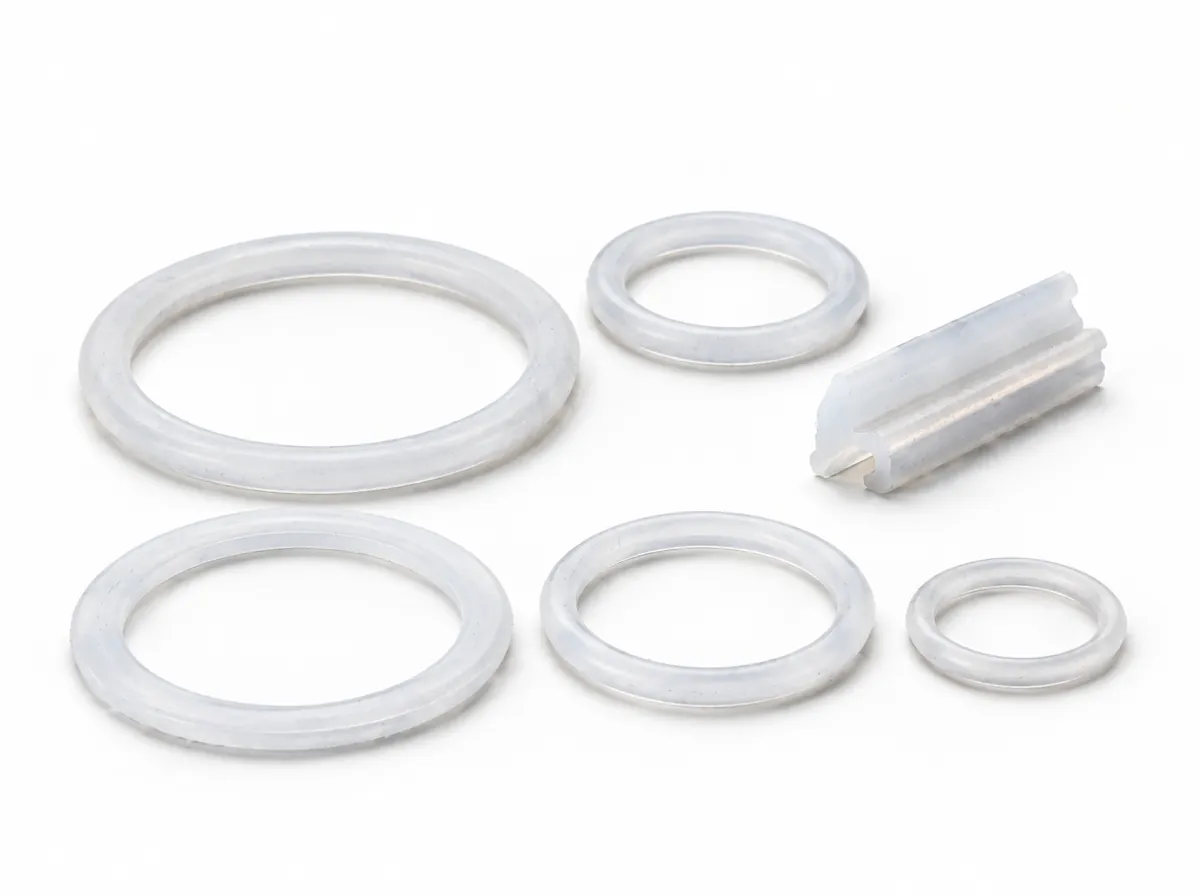
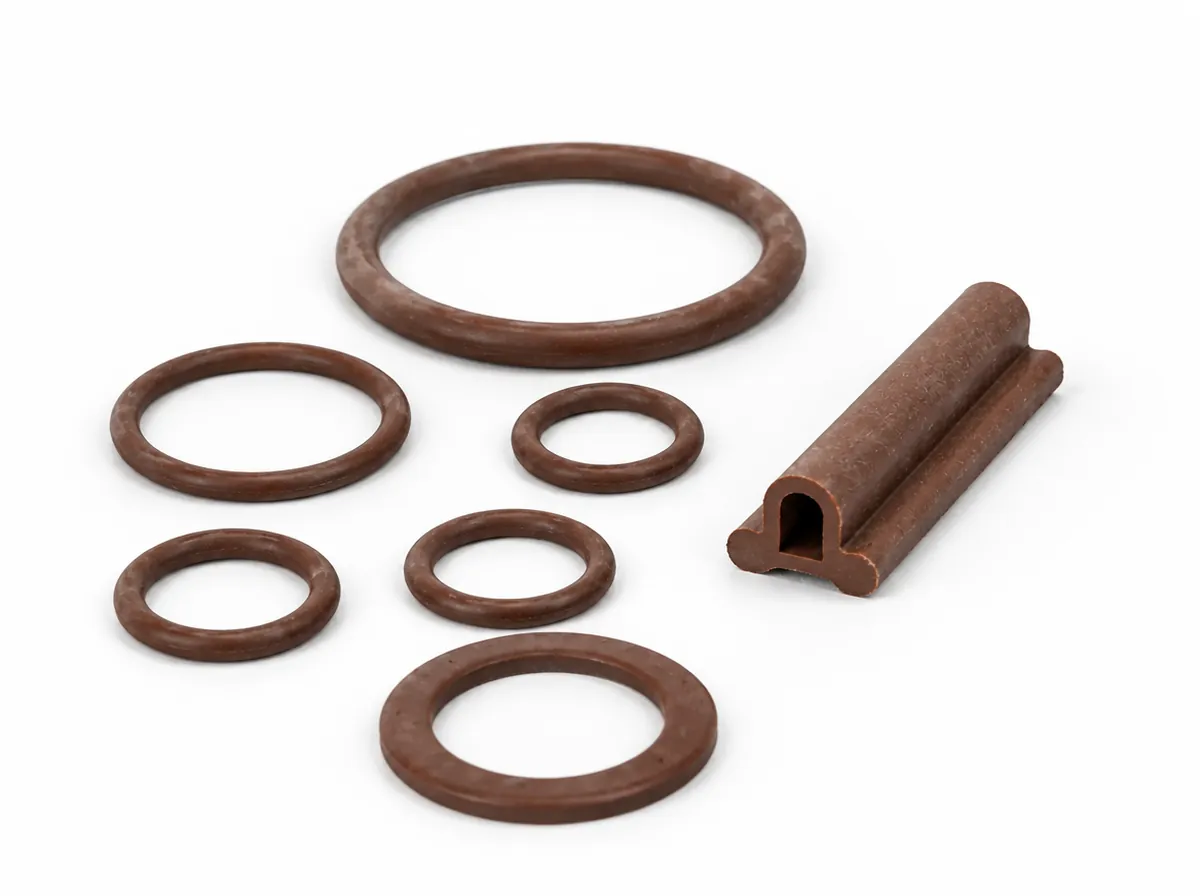
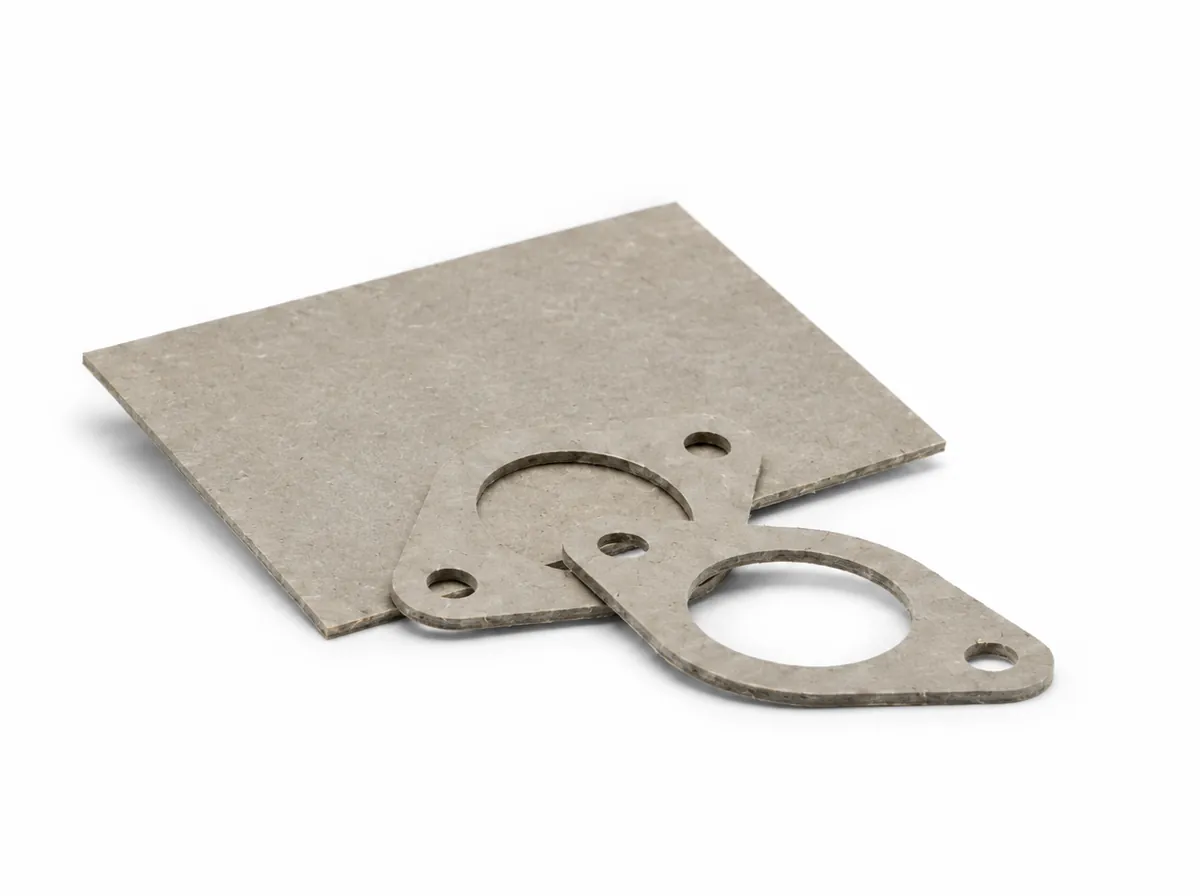
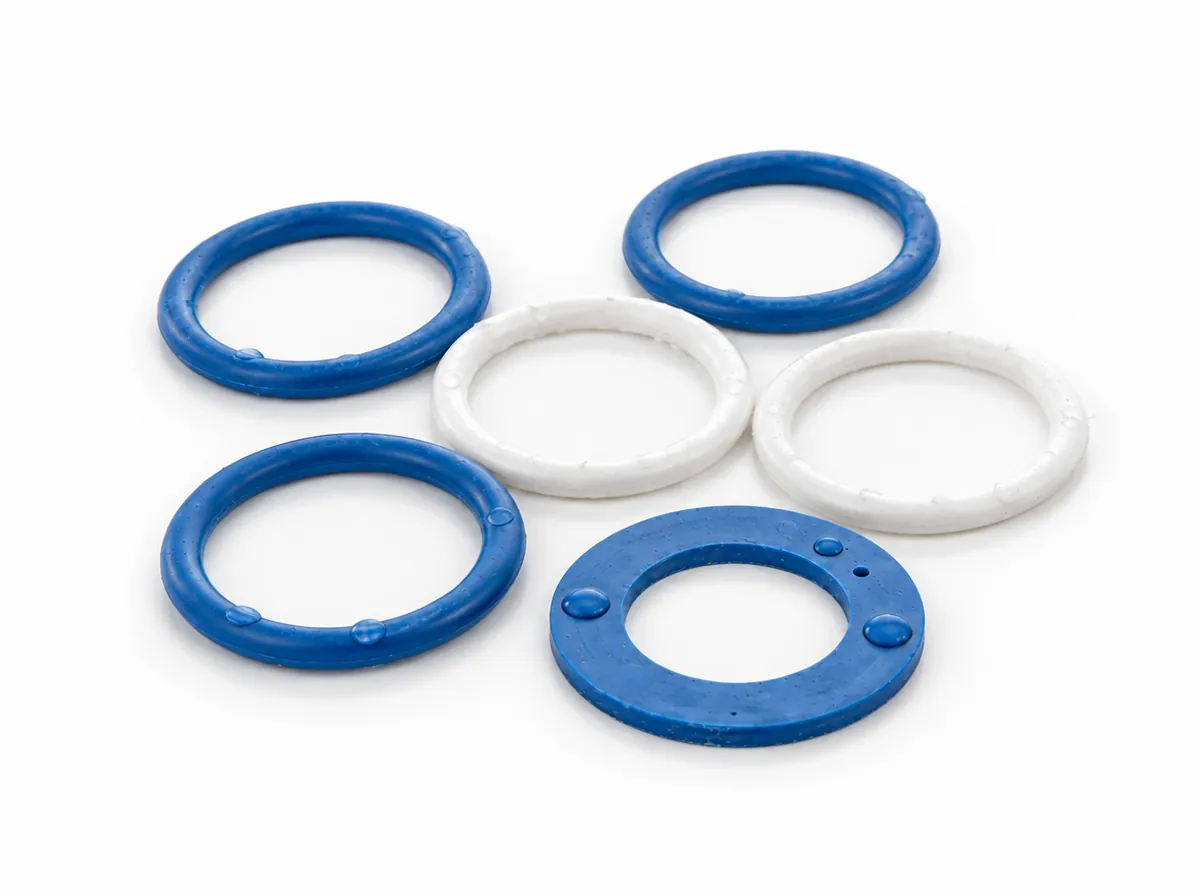
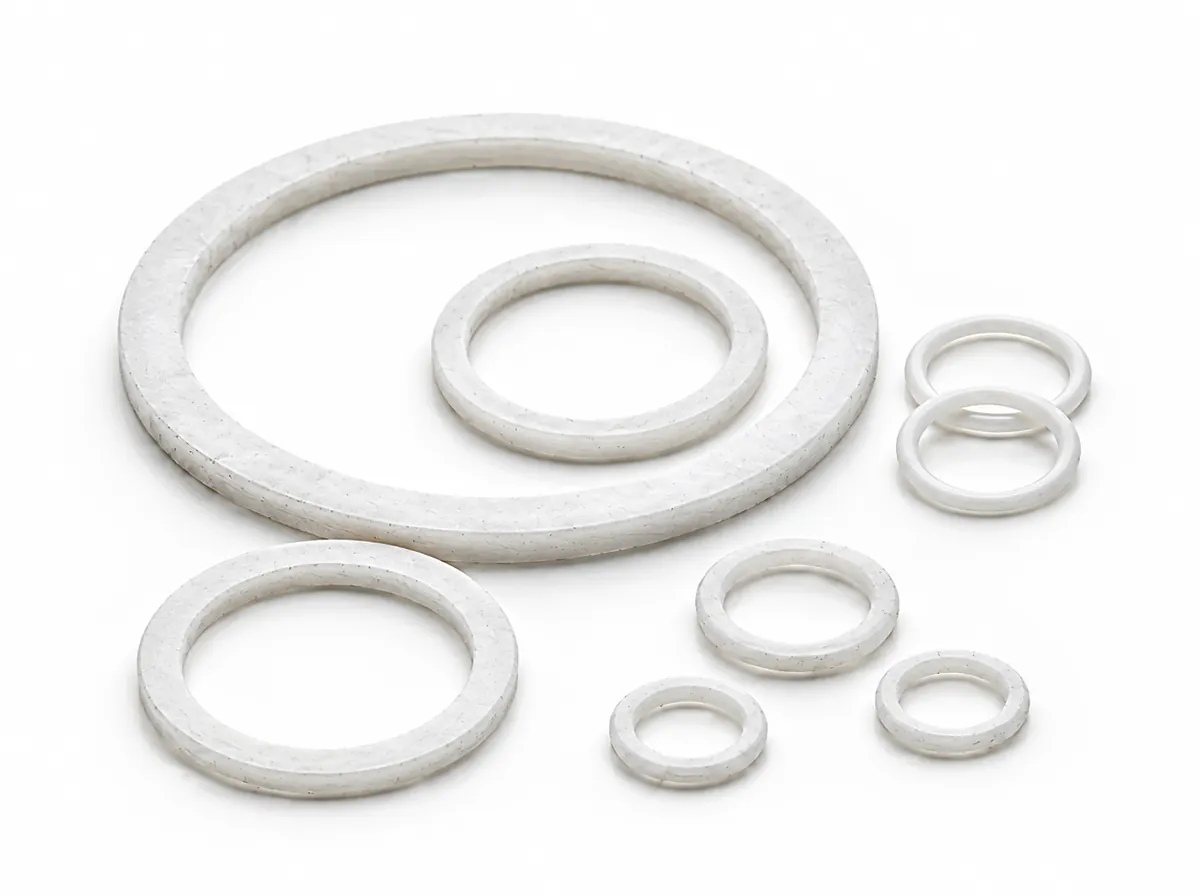
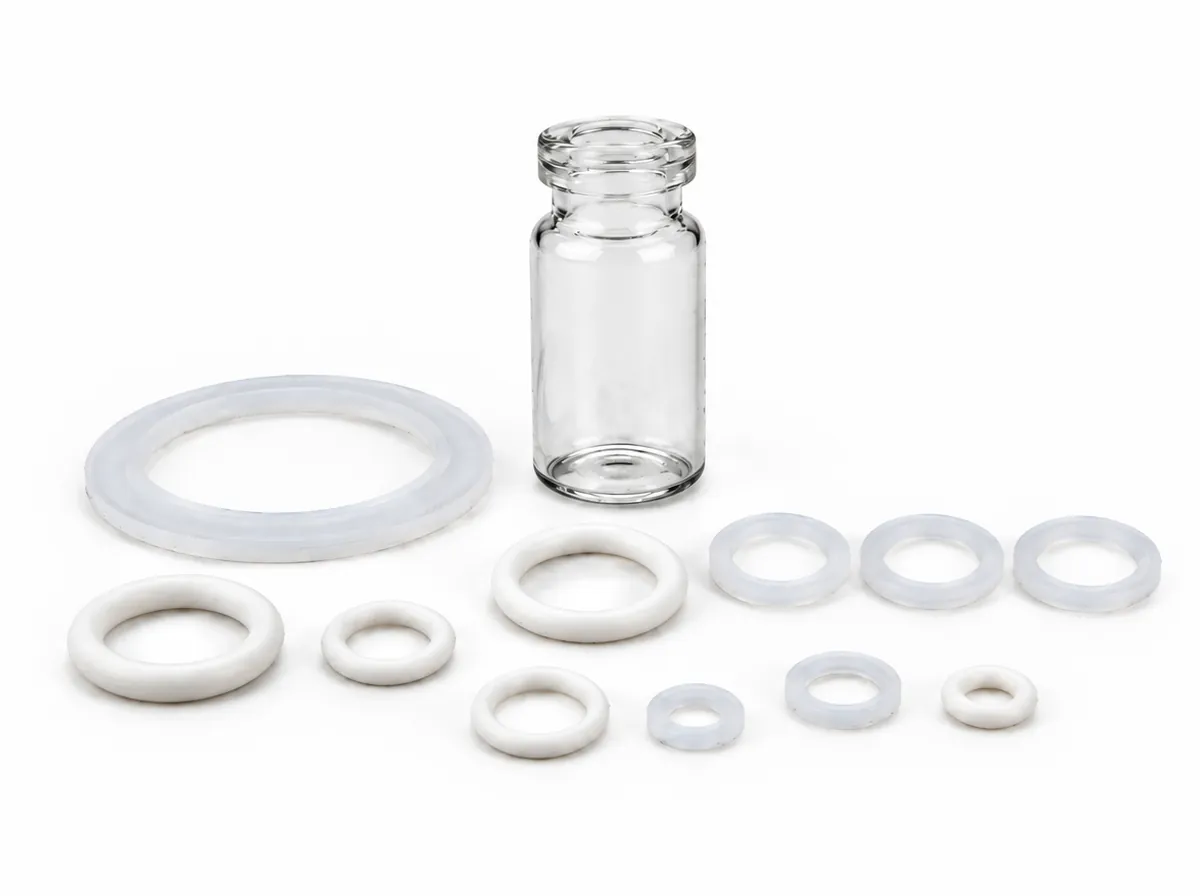
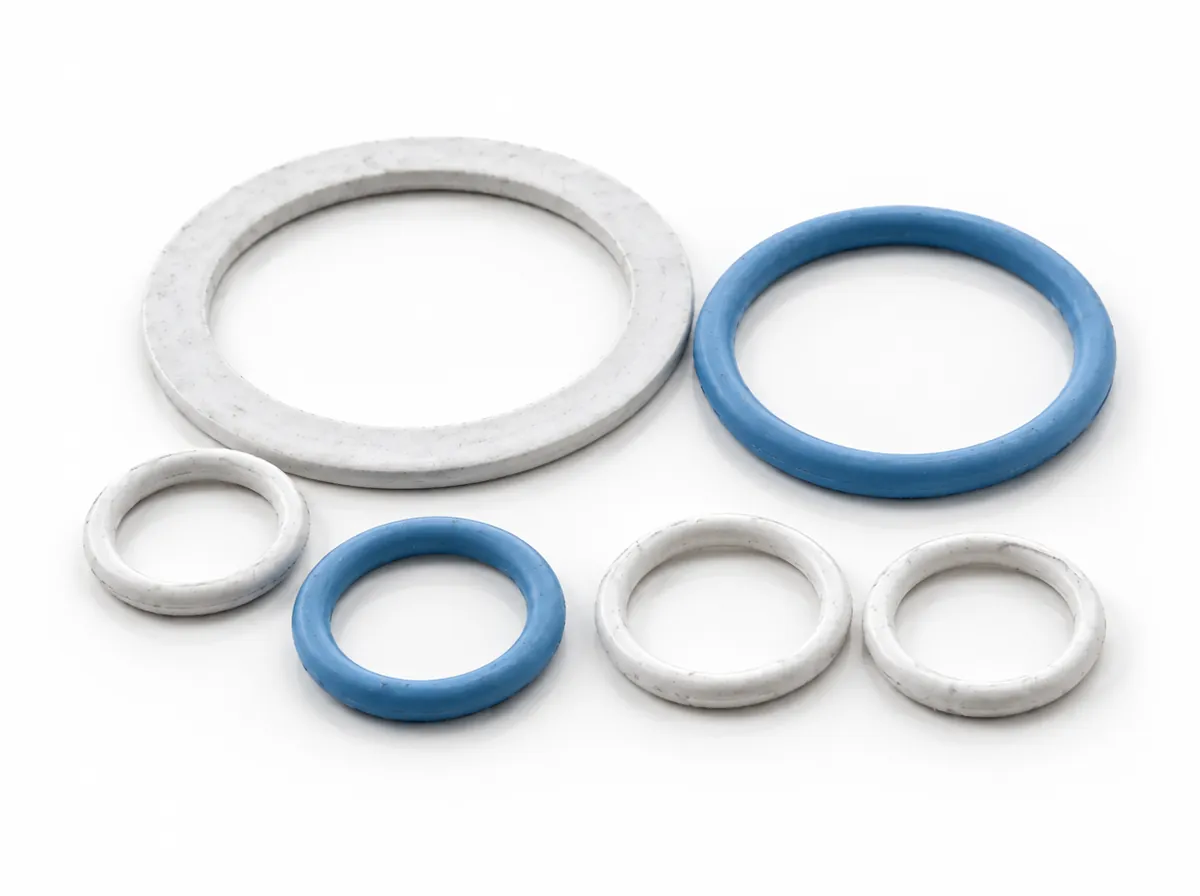
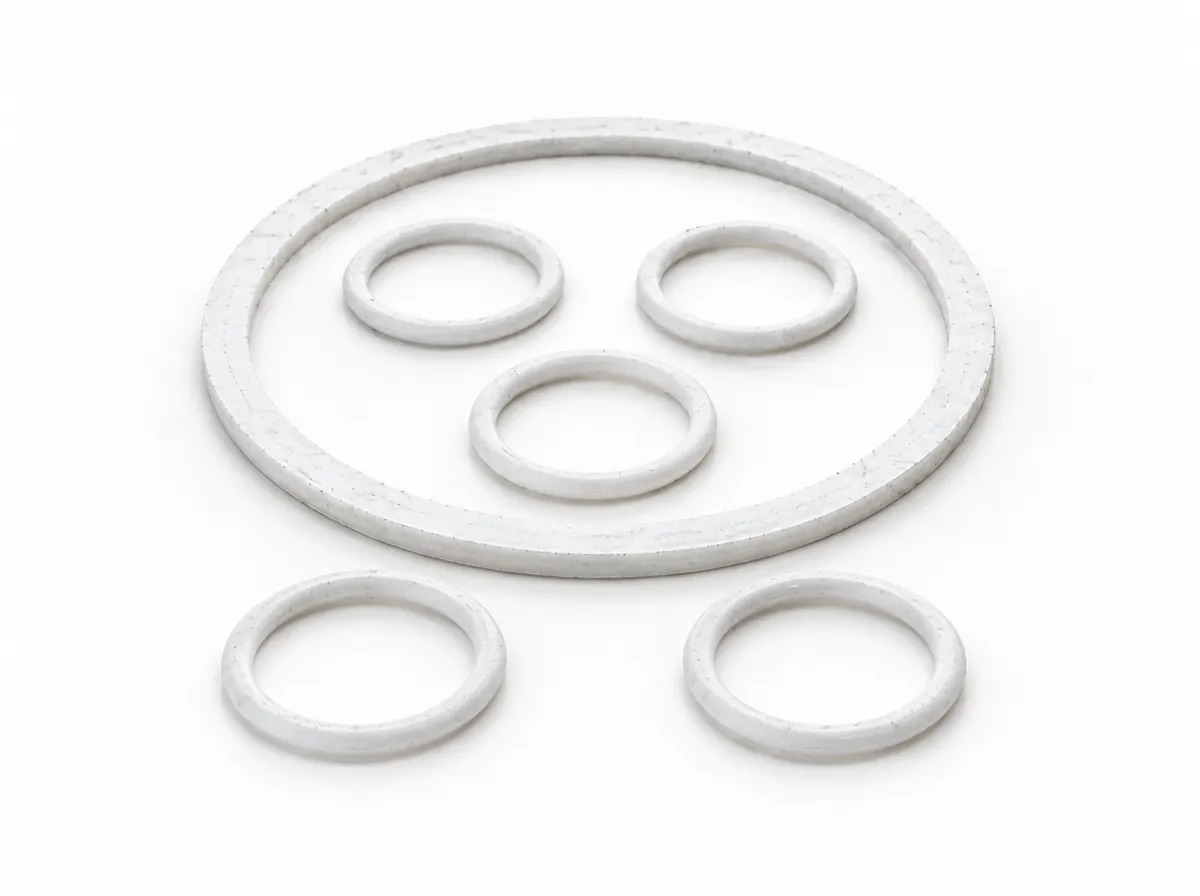
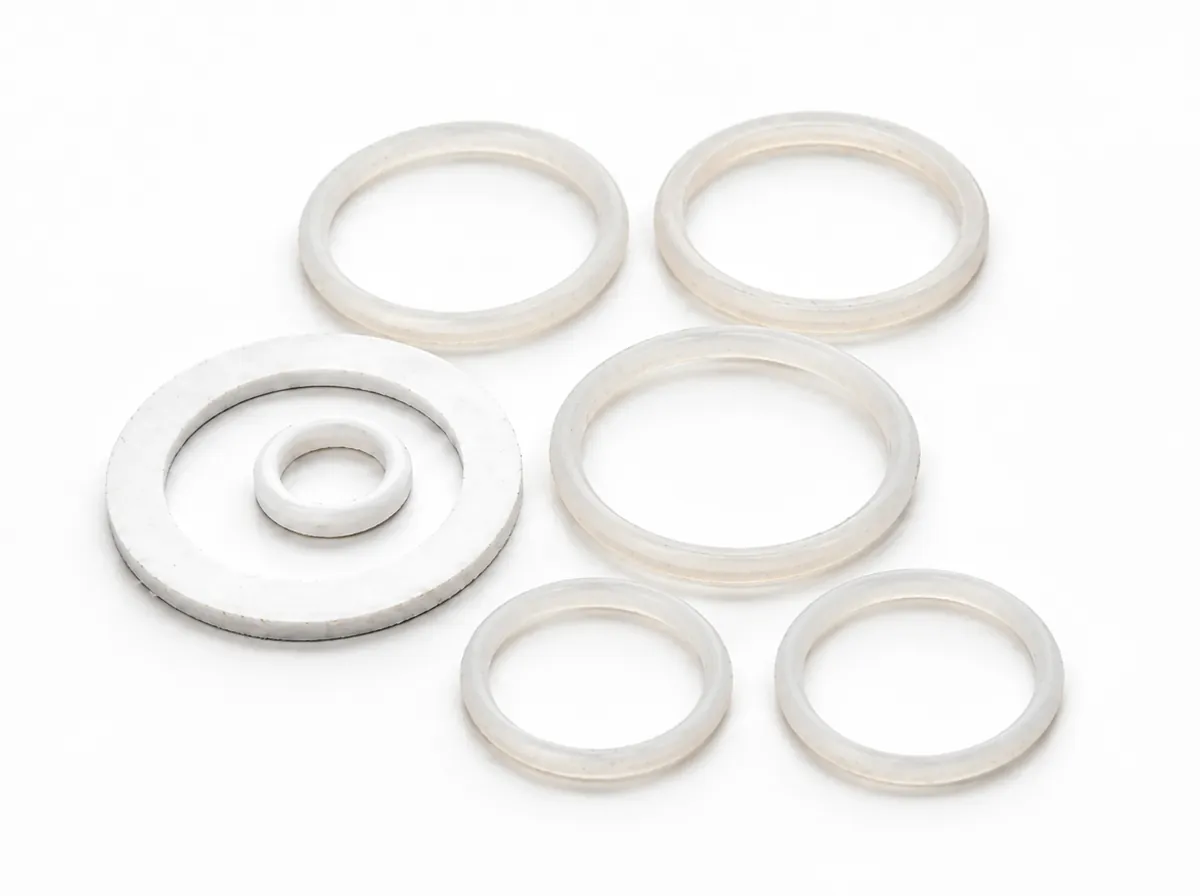
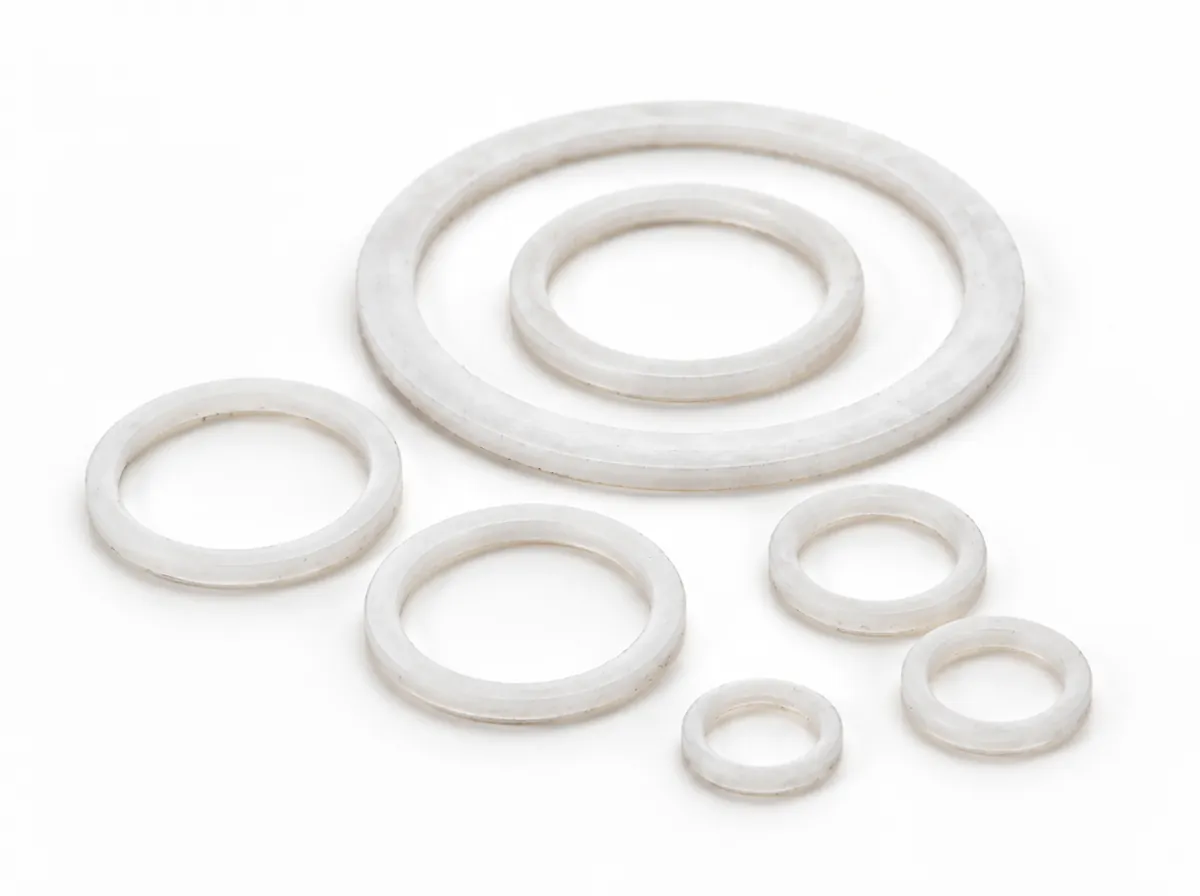
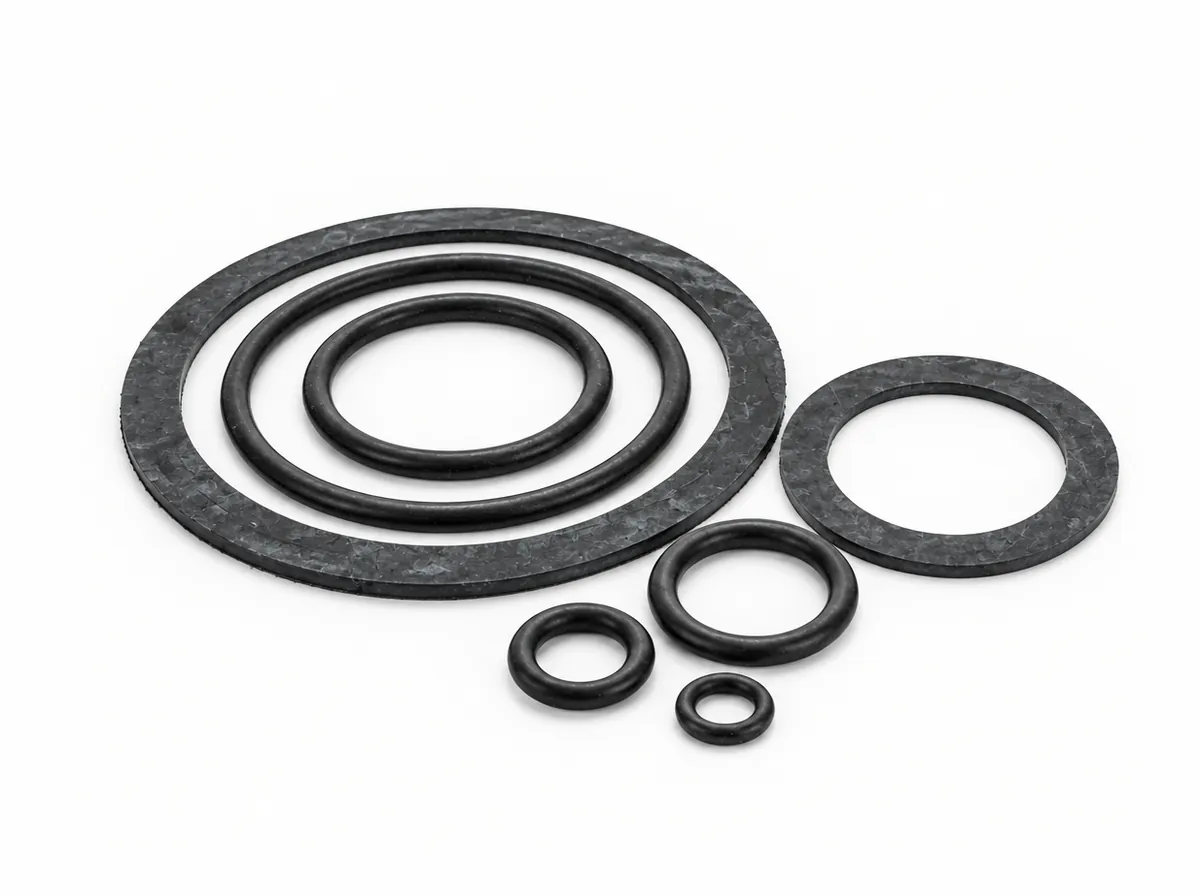
We offer biocompatible seals and moulded parts specifically for applications in medical technology, the pharmaceutical industry and the food industry. Currently in particular demand are:
-
silicone seals with USP Class VI certification
-
moulded parts made of medical-grade fluorosilicone
-
customised special solutions with documentation and test certificates
Feel free to contact us: we will advise you individually based on your application and the requirements of the relevant standard.
In sensitive medical and pharmaceutical applications, the biocompatibility of elastomers is a key quality criterion. Silicone in particular has established itself as the preferred material, not least because grades certified to USP Class VI can be processed.
Questions about this term?
Our technical advice
Do you have a specific application or a question about elastomer processing? Talk to us, we will help you with material, process and approval.