


Glossary of elastomer processing
Bisphenol-cured
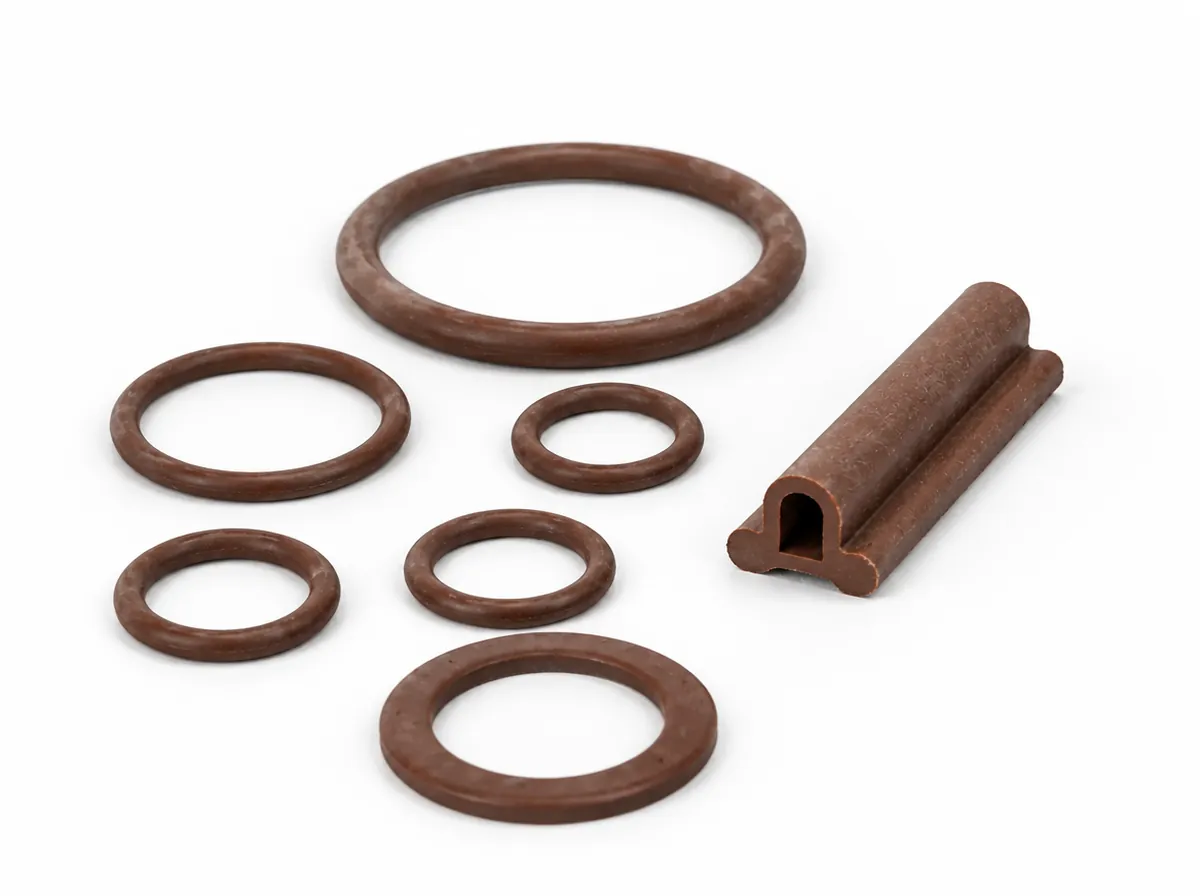
Bisphenol-cured (bisphenol crosslinked) refers to a chemical process in which elastomers are crosslinked by reaction with bisphenol A (BPA) or similar compounds. This form of crosslinking, also known as bisphenolic crosslinking, results in more stable, more durable and more chemically resistant polymer structures. The term is mainly used in connection with fluoroelastomers (FKM, FPM, Viton®), which obtain their resistance to chemicals and high temperatures through this crosslinking mechanism.
Bisphenolic crosslinking is based on the reaction of bisphenol A (BPA) or similar compounds with polymer chains. In this process, the hydroxyl groups of the bisphenol act as reaction centres that create chemical bonds between the polymer strands.
Crosslinking reaction
During the crosslinking reaction, chemical bonds are created between the polymer chains using chain-linking or crosslinking agents. Bisphenol-cured elastomers use bisphenol A, which acts as a link thanks to its two reactive hydroxyl groups. This crosslinking improves the thermal stability and chemical resistance of the polymer.
Role of catalysts and accelerators
In addition to the crosslinking chemistry, catalysts play a central role in the bisphenolic crosslinking process. Amines or other organic compounds are usually used to speed up the reaction and promote the formation of the polymer chains.
Bisphenolic crosslinking offers several advantages that make it particularly valuable in various industrial applications:
High thermal stability
Bisphenol-cured elastomers are characterised by particularly high heat resistance. This makes them ideal for applications in which seals are exposed to high temperatures over long periods, such as in the automotive and aerospace industries and in mechanical and plant engineering.
Excellent chemical resistance
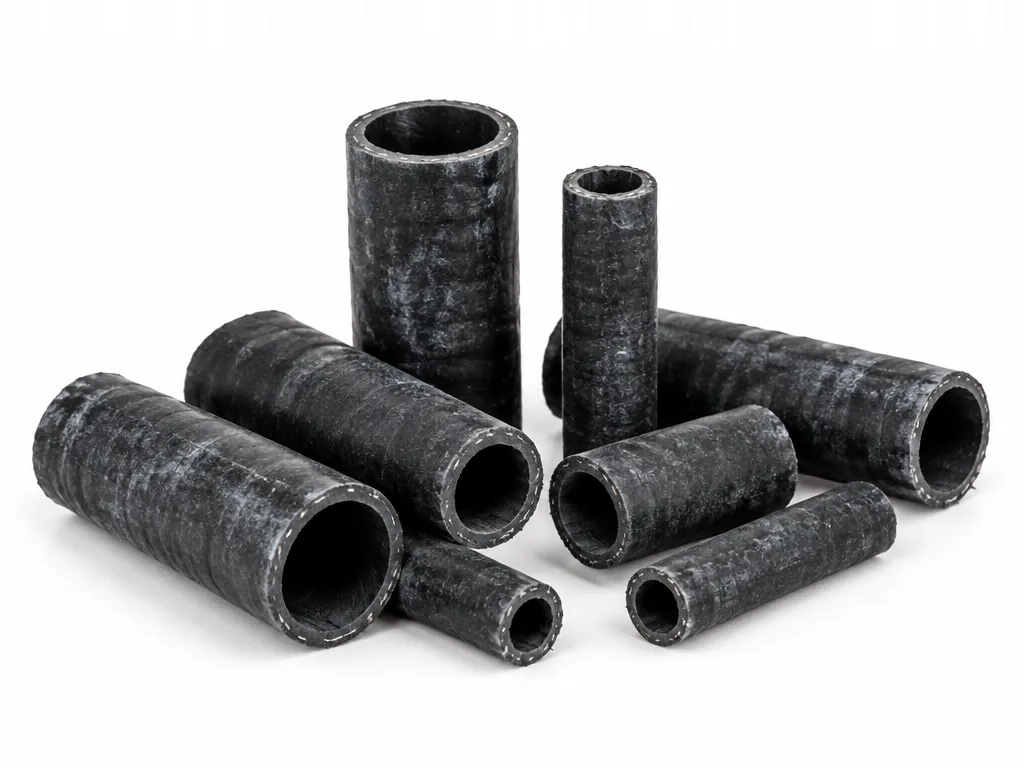
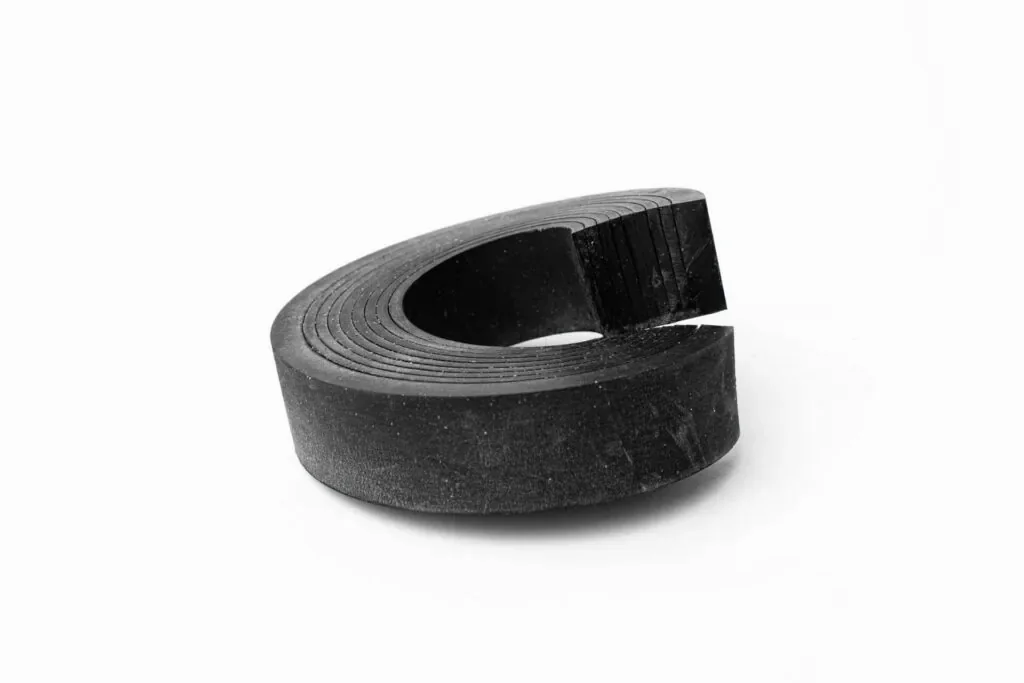
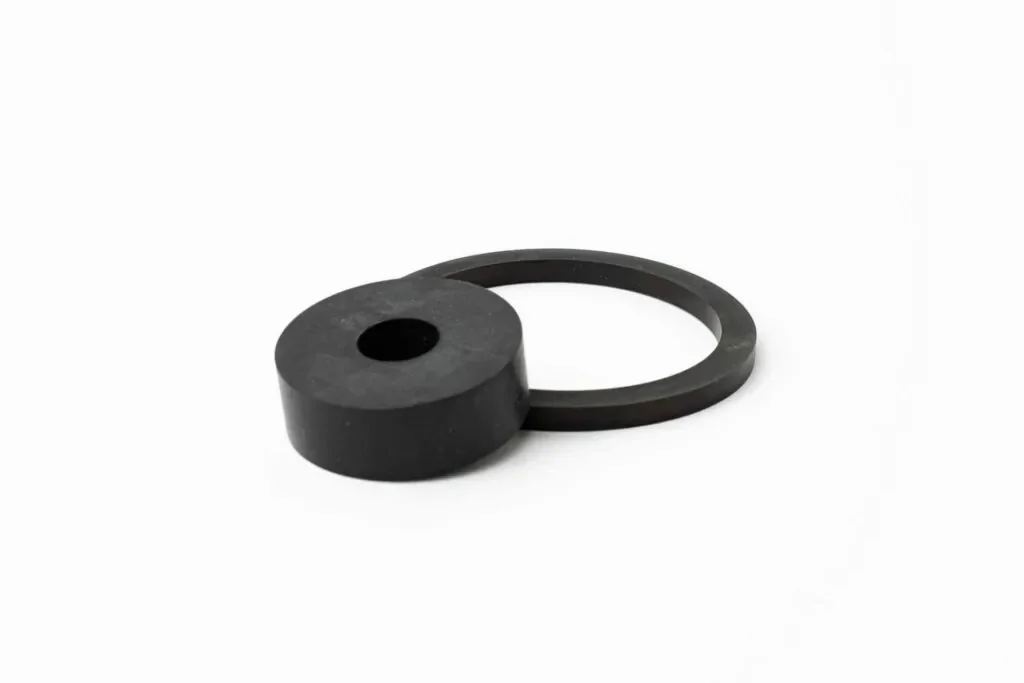
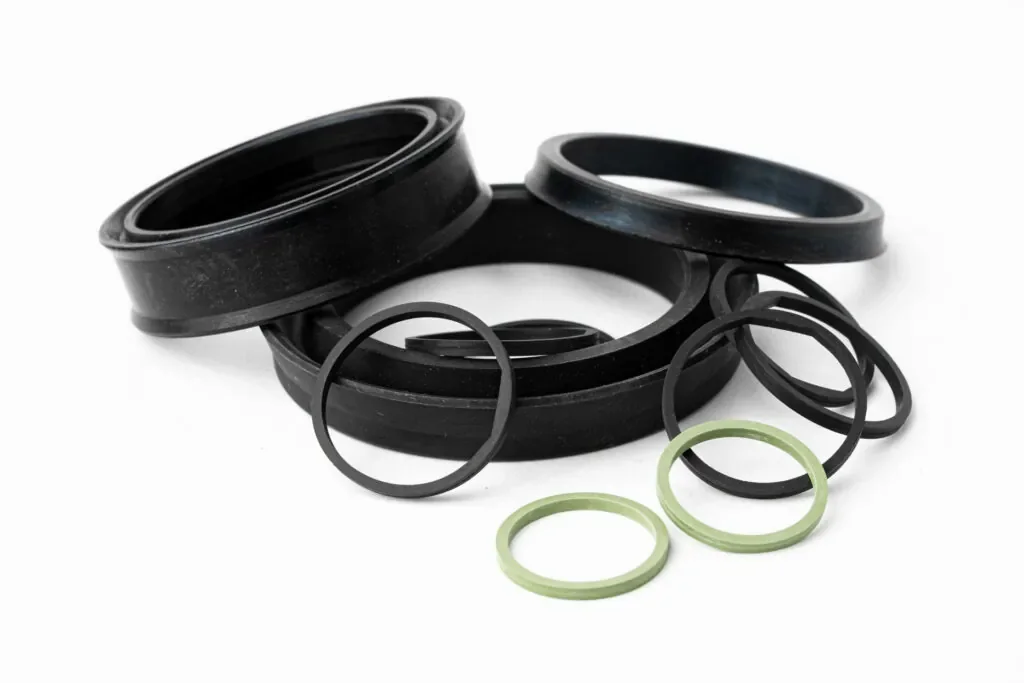
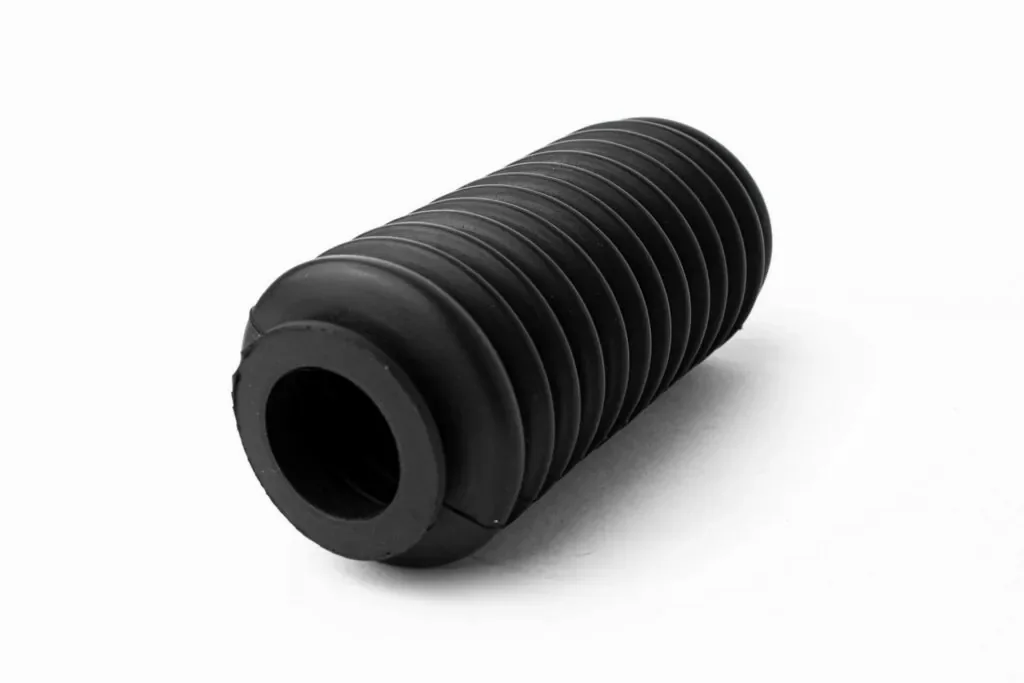
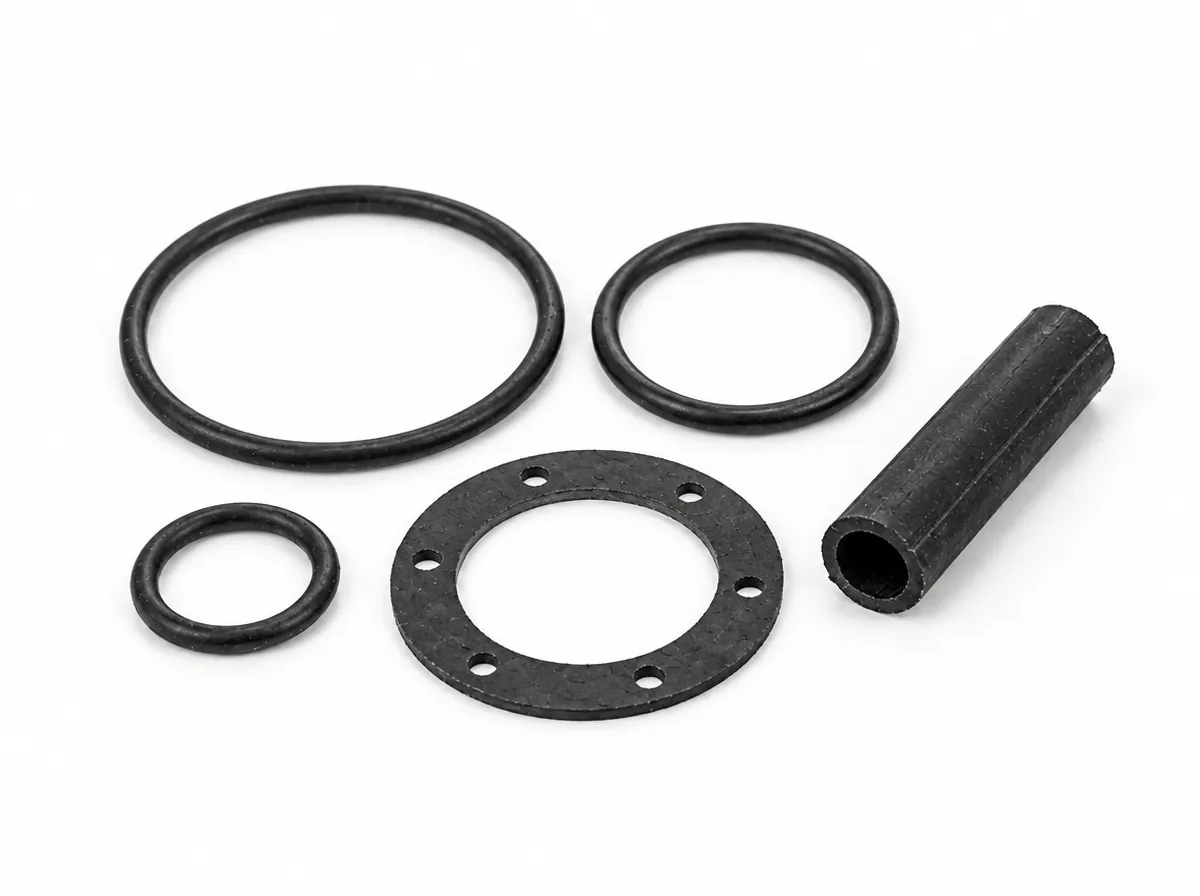
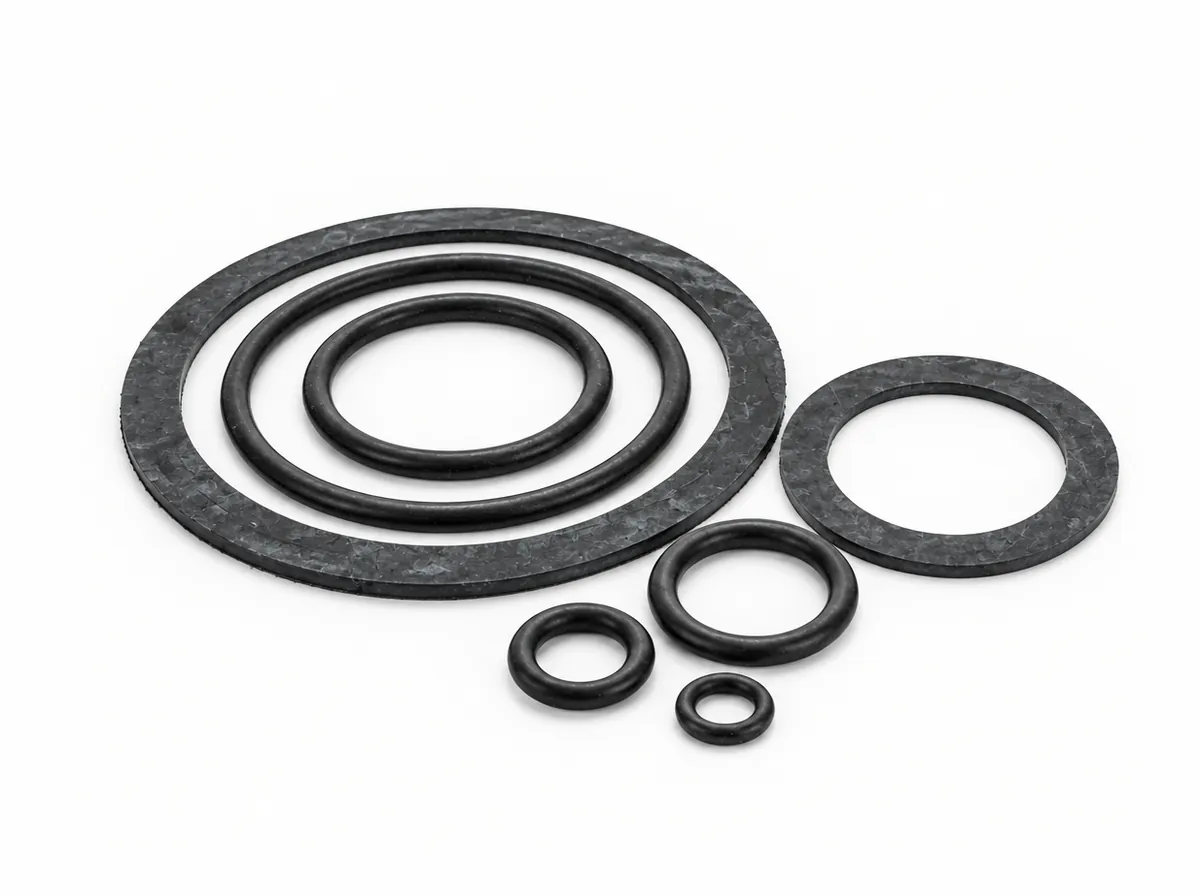
Bisphenolic crosslinking gives elastomers increased resistance to chemicals, including aggressive substances such as acids, alkalis and solvents. This property makes them particularly suitable for seals, sealing rings, hoses, moulded articles, O-rings and other components used in chemical environments.
Improved mechanical properties
Crosslinking improves the mechanical properties of the material, such as strength and flexibility. This leads to higher dimensional stability and a longer service life of the end product, especially in demanding applications.
Bisphenol-cured elastomers are mainly used in industrial applications where high temperatures, chemical exposure and mechanical stress prevail.
Fluoroelastomers in the automotive industry
Fluoroelastomers (FFKM) modified by bisphenolic crosslinking are widely used in the automotive industry, particularly in engine and gearbox seals, fuel lines and exhaust systems. Their high resistance to fuels, oils and high temperatures makes them an ideal choice for these demanding environments.
Applications in the chemical and oil industries
In the chemical and oil industries, bisphenol-cured elastomers are used in hoses, seals, moulded articles and membranes that come into contact with aggressive chemicals. Their chemical resistance and heat resistance ensure a long service life and high reliability in harsh environments and constantly changing weather conditions.
Electronics and semiconductor industry
In the electronics industry, bisphenol-cured elastomers are used in demanding applications such as the production of insulating and sealing materials in semiconductor components, thanks to their excellent electrical insulation and thermal stability.
1. Why is bisphenol A used to crosslink elastomers?
Bisphenol A has two reactive hydroxyl groups that promote chemical bonds between polymer chains. This forms a stable, three-dimensional network that improves the thermal and chemical properties of the end product.
2. What are the main advantages of bisphenolic crosslinking over other methods?
Bisphenolic crosslinking offers higher heat resistance and chemical resistance than other crosslinking methods such as peroxide or sulphur crosslinking. This makes it ideal for use in aggressive chemical environments and at high temperatures.
3. In which industries is bisphenolic crosslinking common?
The automotive, chemical and electronics industries benefit greatly from bisphenolic crosslinking, as they need materials that withstand extreme conditions such as high temperatures, chemical substances and mechanical stress.
4. How does bisphenolic crosslinking affect the recyclability of elastomers?
Crosslinking makes bisphenol-cured elastomers harder to recycle, as the polymer chains formed by crosslinking cannot easily be broken down. This poses a challenge for reuse.
Questions about this term?
Our technical advice
Do you have a specific application or a question about elastomer processing? Talk to us, we will help you with material, process and approval.