


Glossary of elastomer processing
AUMA
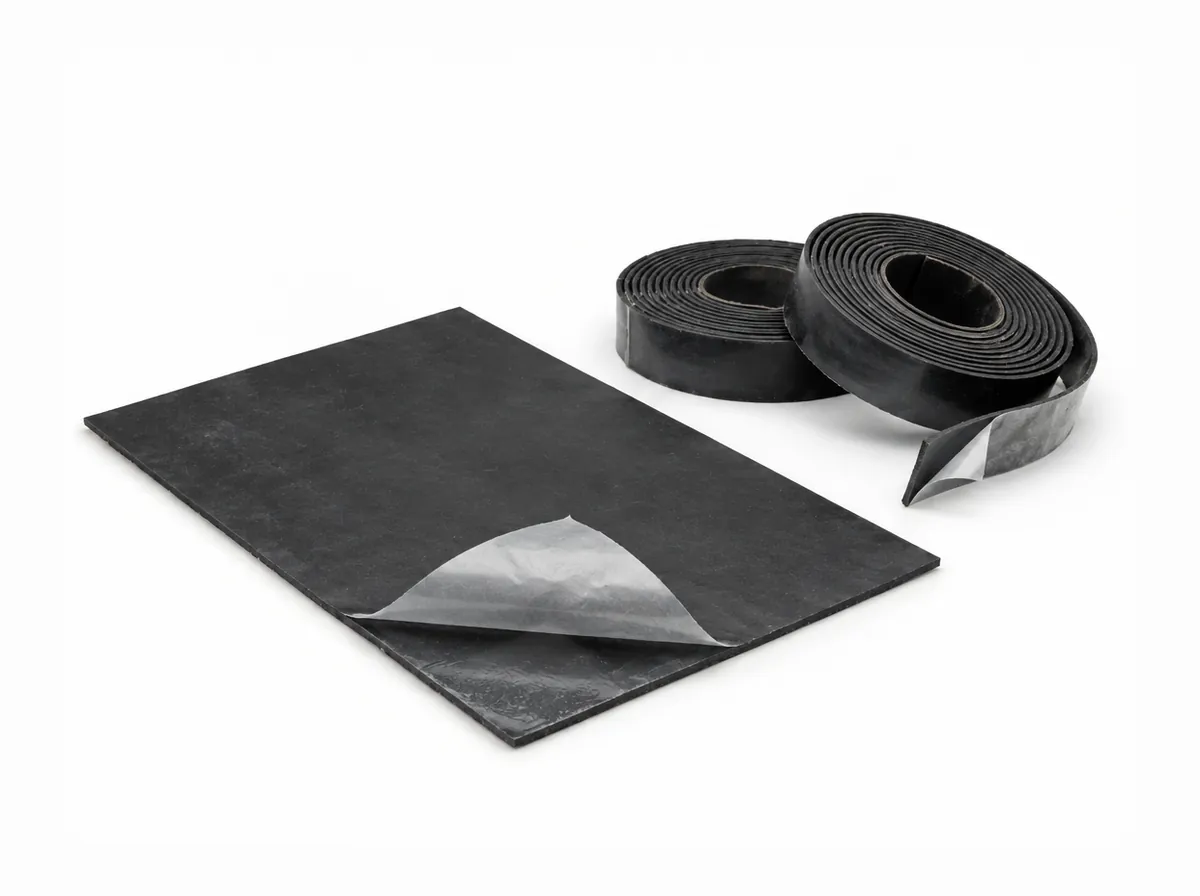
The term AUMA stands for automated mass production (German: Automatisierte Massenproduktion) and describes a production process used in rubber sheet manufacturing to produce large quantities of uniform products efficiently and cost-effectively. This production method is mainly used for standardised rubber sheets that are used in various industrial applications. The AUMA process optimises production through automation technology, which ensures fast production and consistently high quality. AUMA is particularly relevant in industries that need rubber sheets for seals, punched parts, insulation and technical applications.
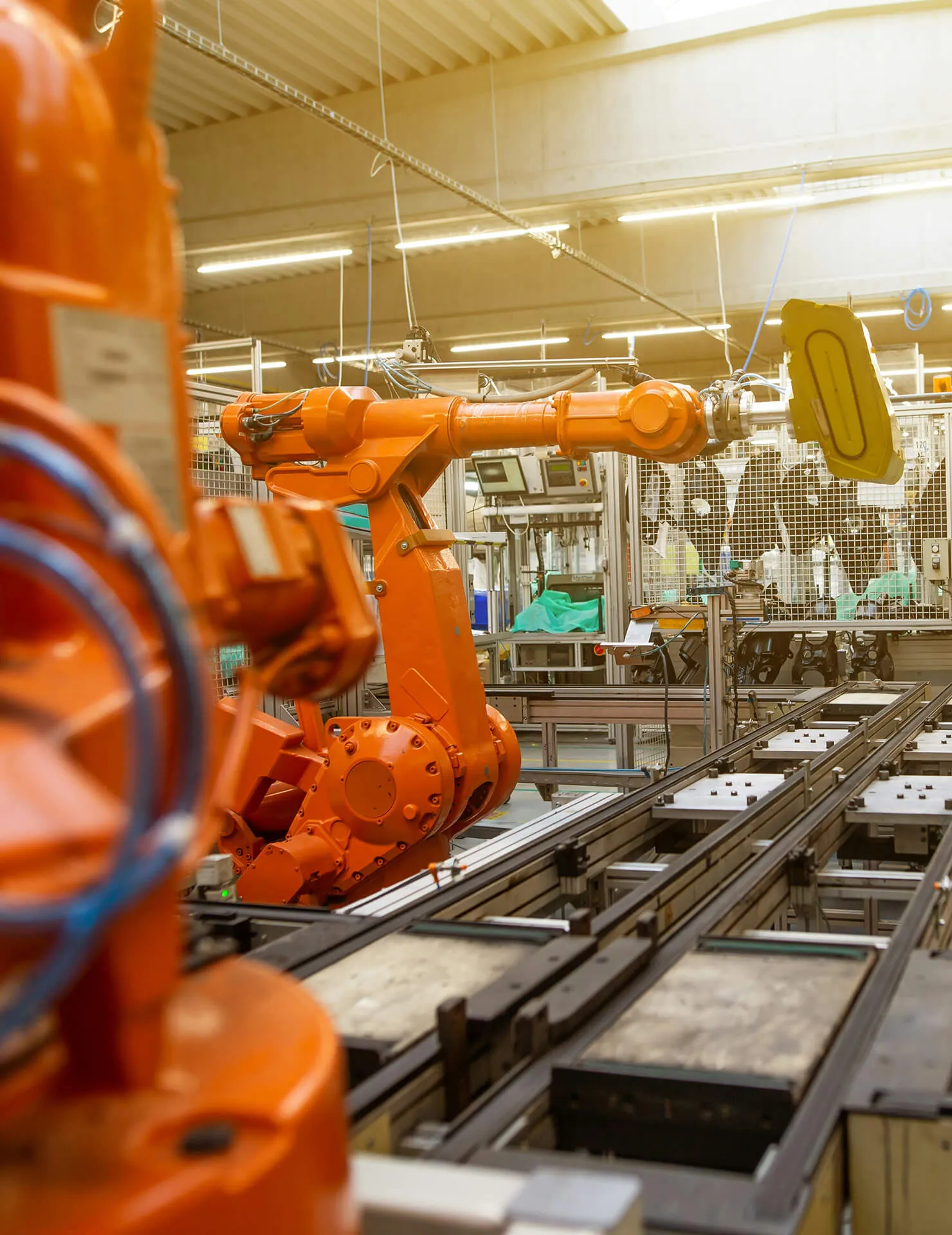
The AUMA production method is based on highly automated processes that control the entire manufacturing cycle of the rubber sheets, from material preparation to final quality control. The process is typically monitored by machines and control systems that ensure the required specifications are met precisely.
Material preparation
The first step in AUMA production is material preparation, in which the raw materials, usually various rubber compounds, are prepared for the production process. This involves mixing natural rubber or synthetic rubbers with additives such as fillers, plasticisers and vulcanising agents.
Forming and pressing
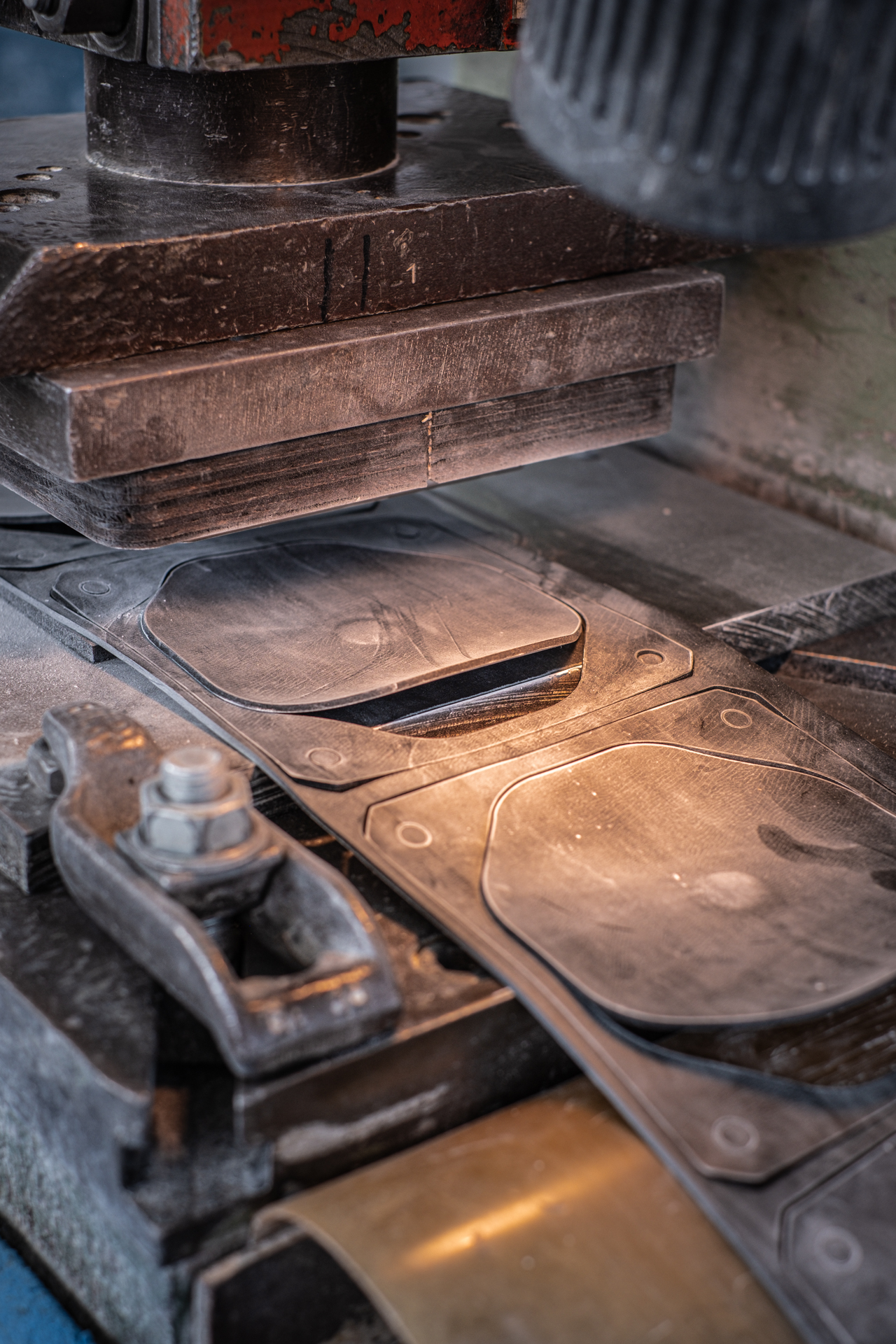
In the next step, the prepared rubber material is transported by automatic conveyor systems into moulds or onto rolling machines, where it is brought into the desired sheet form. Rolling and calendering are typical techniques for producing uniform, flat rubber sheets.
Vulcanisation
Forming is followed by vulcanisation, a process in which the rubber material is crosslinked under high pressure and high temperature. This step is crucial for creating the elastic and mechanical properties typical of rubber products. In the AUMA process, vulcanisation is strictly controlled to ensure consistent quality.
Finishing and quality control
After vulcanisation, the rubber sheets are automatically cut to size and packaged on the AUMA production line. Continuous quality control is integrated into the automated system to ensure that all sheets meet the specified standards. Defective products are sorted out automatically, which minimises scrap and increases efficiency.
The AUMA process offers numerous advantages over conventional production methods, particularly in the mass production of rubber sheets for industrial applications:
-
High efficiency and speed: thanks to automation, large quantities of rubber sheets can be produced in a short time, which lowers costs and increases production speed.
-
Consistent quality: modern automation technology ensures that every rubber sheet produced meets the same high quality standards.
-
Less scrap: automated quality control reduces the number of defective products, which minimises material costs and production losses.
-
Flexibility: despite mass production, the AUMA process can be quickly switched to different sheet sizes or thicknesses, which allows high flexibility in production.
Rubber sheets produced using the AUMA process are used in a wide range of industries. Their high quality and standardisation make them the ideal choice for technical and industrial applications that require robust and durable materials.
Seals and insulation
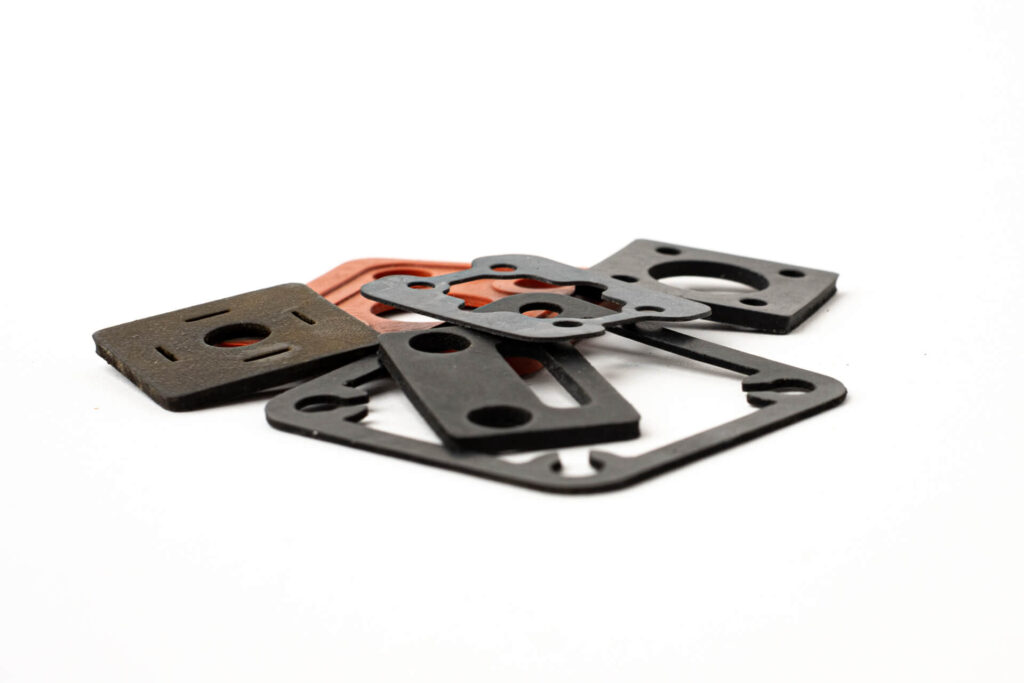
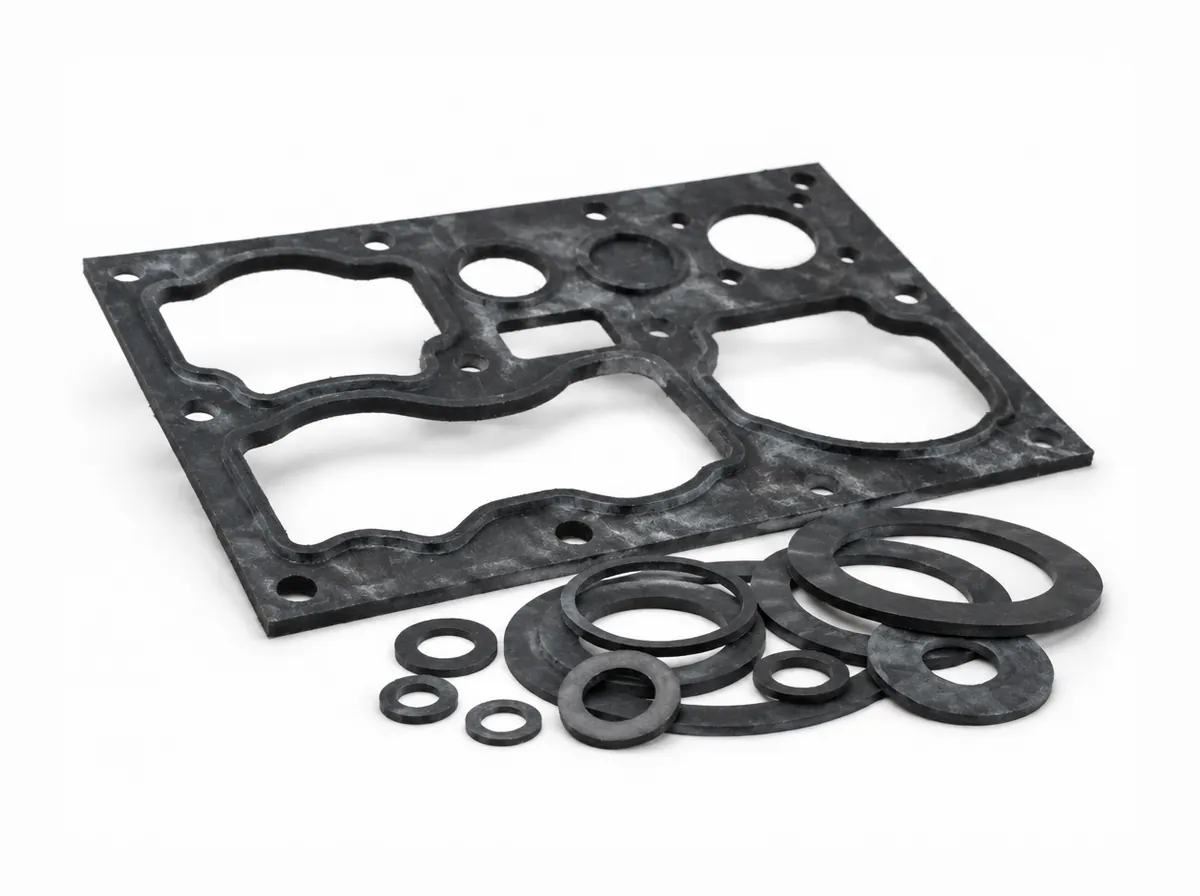
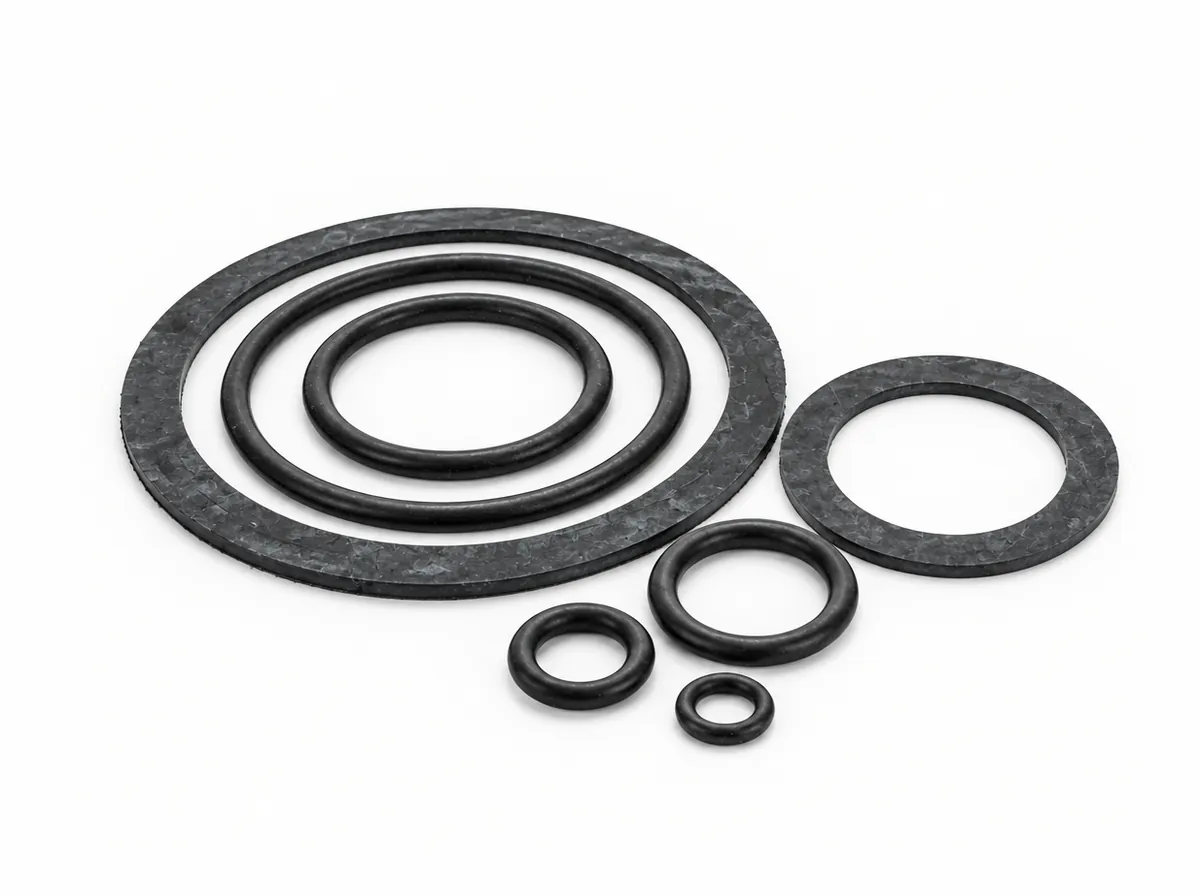
One of the most common applications of AUMA rubber sheets is the manufacture of seals and insulation for machines and plants. These rubber sheets offer excellent resistance to pressure, chemicals and extreme temperatures, which makes them ideal for use in the automotive, chemical and mechanical engineering industries.
Vibration damping
Rubber sheets produced using the AUMA process are also used for vibration damping. They are used in machine mounts and foundations, where they help to absorb vibrations and shocks, which extends the service life of machines and reduces noise.
Floor coverings and protective mats
In the construction industry and in occupational safety, AUMA rubber sheets are used as floor coverings or protective mats. They provide a resistant, non-slip surface that is particularly needed in areas with high loads or mechanical stress.
The AUMA process is characterised by a high degree of automation, which leads to faster, more cost-effective and more consistent production. Conventional processes often require more manual work and therefore have higher error rates and longer production times.
- What types of rubber materials are processed using the AUMA process?
Depending on the requirements of the end products, the AUMA process can handle both natural rubber and synthetic rubbers such as NBR, EPDM and SBR.
- Is the AUMA process also suitable for customised rubber sheets?
Yes, despite its high efficiency in mass production, the AUMA process also allows production lines to be quickly converted for customer-specific requirements, such as special sizes, shapes or material compositions.
- How does AUMA contribute to sustainability in production?
Through automation, the AUMA process reduces material scrap and energy consumption. In addition, raw materials can be used optimally and production waste minimised, which leads to more sustainable manufacturing.
The AUMA production method has become established as the standard process in rubber sheet manufacturing because it combines efficiency, cost reduction and consistently high quality. For companies that need large quantities of rubber sheets for industrial applications, the AUMA process is an optimal solution that increases both productivity and flexibility in production.
Questions about this term?
Our technical advice
Do you have a specific application or a question about elastomer processing? Talk to us, we will help you with material, process and approval.