









Glossary of elastomer processing
Plug gauge
A plug gauge (measuring mandrel) is a precision tool used in metrology to check diameters, bores, tapers and other internal geometries. It is a cylindrical or conical device that is inserted into the workpiece under test to check its dimensions or deviations in form. Plug gauges are indispensable in quality assurance and production control in industries such as mechanical engineering, the automotive industry and aerospace.
Plug gauges are used for the precise inspection of internal dimensions and geometries. They work by being inserted into the bore or opening under test. Depending on how well they fit, deviations in form, size or tolerance can be detected.
Typical applications
-
Quality control: checking bore diameters in mechanical components.
-
Manufacturing: checking tolerances during production.
-
Adjustment: calibration of machines and tools.
-
Checking tapers: monitoring conical geometries in precision components.
Plug gauges are available in various designs, each suited to specific applications:
Plain plug gauges
-
Description: cylindrical plug gauge for checking simple bore diameters.
-
Typical applications: measuring fits and tolerances.
Taper plug gauges
-
Description: conical plug gauges for checking tapers and reductions in diameter.
-
Typical applications: checking tool holders and tapered bores.
Adjustable plug gauges
-
Description: variably adjustable plug gauges for different diameters.
-
Typical applications: flexible use with changing workpiece sizes.
Plug gauges with indicator
-
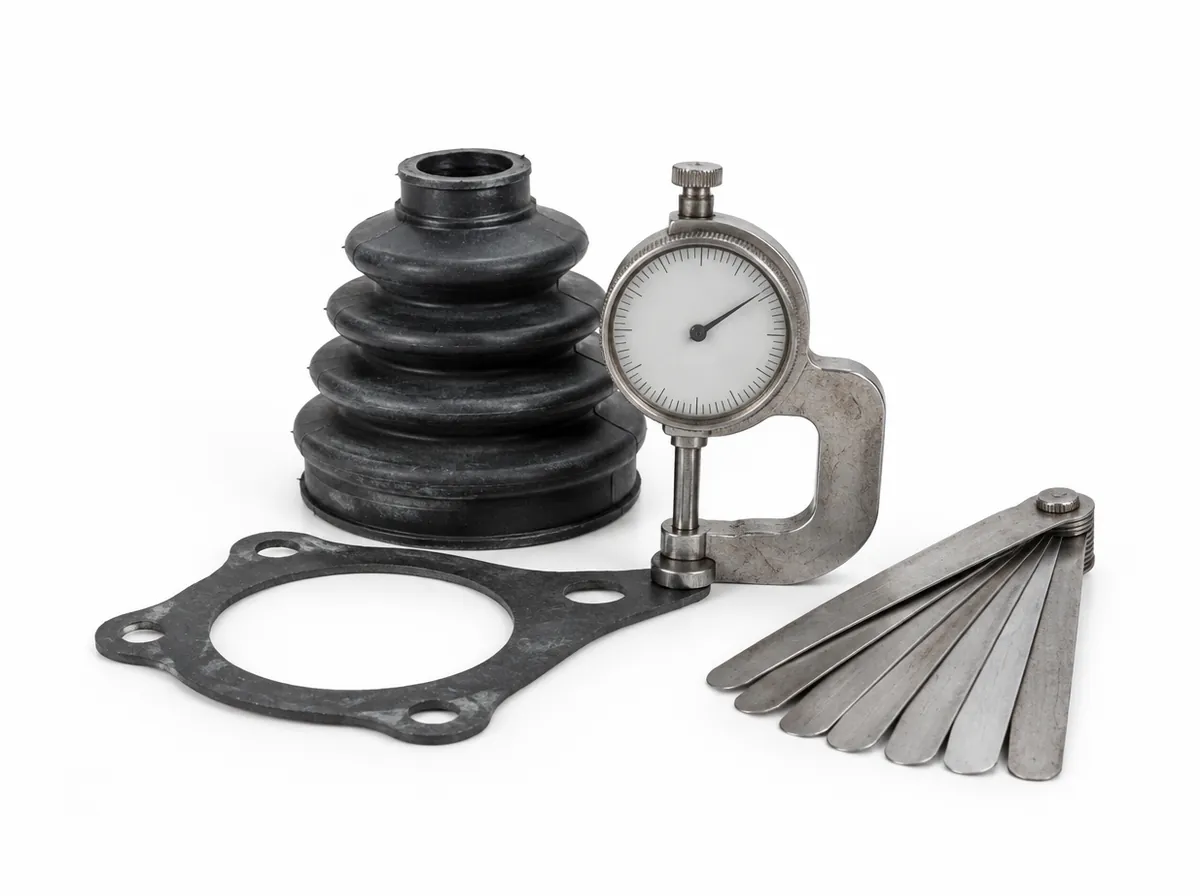
Description: plug gauges with an integrated indicator (mechanical or digital) for direct reading of the diameter.
-
Typical applications: rapid inspection in production.
Plug gauges are made from high-precision materials to ensure accuracy and long service life:
-
Steel: widely used, robust and wear-resistant.
-
Tungsten carbide: particularly suitable for abrasive environments.
-
Ceramics: resistant to corrosion and temperature, ideal for special applications.
-
Light metals: for less critical measuring tasks or to reduce weight.
Plug gauges offer a wide range of advantages in metrology:
-
Precision: high measuring accuracy, even with tight tolerances.
-
Longevity: high-quality materials ensure a long service life.
-
Easy to use: quick and straightforward to operate.
-
Cost savings: less scrap thanks to precise production control.
-
Flexibility: available in different sizes and designs for specific requirements.
Using plug gauges also involves some challenges:
-
Calibration: regular calibration is necessary to ensure measuring accuracy.
-
Wear: plug gauges can wear, especially with abrasive materials.
-
Handling: improper handling can impair precision.
Plug gauges are used in numerous industries:
Mechanical engineering
-
Fit measurement: checking bearings, shafts and housings.
-
Quality control: ensuring tolerances are met in precision parts.
Automotive industry
-
Engine components: checking bores in cylinder blocks and crankcases.
-
Gearbox parts: checking internal dimensions in gear seats.
Medical technology
-
Implants: ensuring precise fits in medical devices.
-
Instruments: checking the internal geometries of surgical tools.
Electronics industry
- Housings: checking housing openings and plug connections.
Compared with other measuring methods, the plug gauge offers specific advantages:
| Criterion | Plug gauge | Calliper | Coordinate measuring machine |
|---|---|---|---|
| Precision | Very high | Medium | Very high |
| Costs | Medium | Low | High |
| Mobility | High | Very high | Limited |
| Flexibility | Medium | High | High |
-
How is a plug gauge calibrated? By comparison measurements against standardised reference dimensions.
-
Which tolerances can be checked with a plug gauge? Depending on the plug gauge, tolerances in the micrometre range can be checked.
-
Are plug gauges prone to wear? Yes, especially with frequent use and abrasive materials.
-
Which materials are suitable for plug gauges? Typically steel, tungsten carbide or ceramics.
Plug gauges are indispensable tools for quality assurance in manufacturing. They offer high precision and easy handling when checking internal dimensions and tolerances. By choosing the right plug gauge and calibrating it regularly, companies can optimise their product quality and minimise scrap.
Questions about this term?
Our technical advice
Do you have a specific application or a question about elastomer processing? Talk to us, we will help you with material, process and approval.