

Glossary of elastomer processing
Peroxide-cured
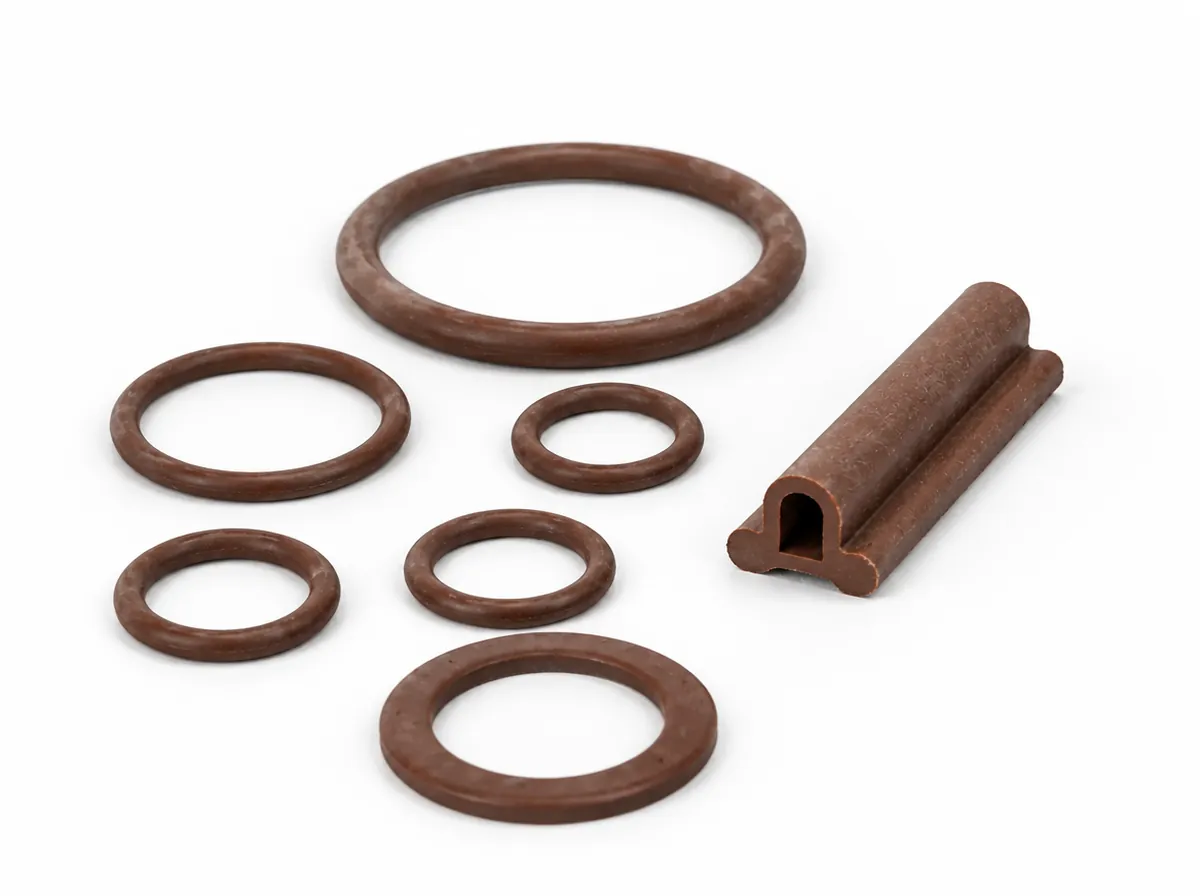
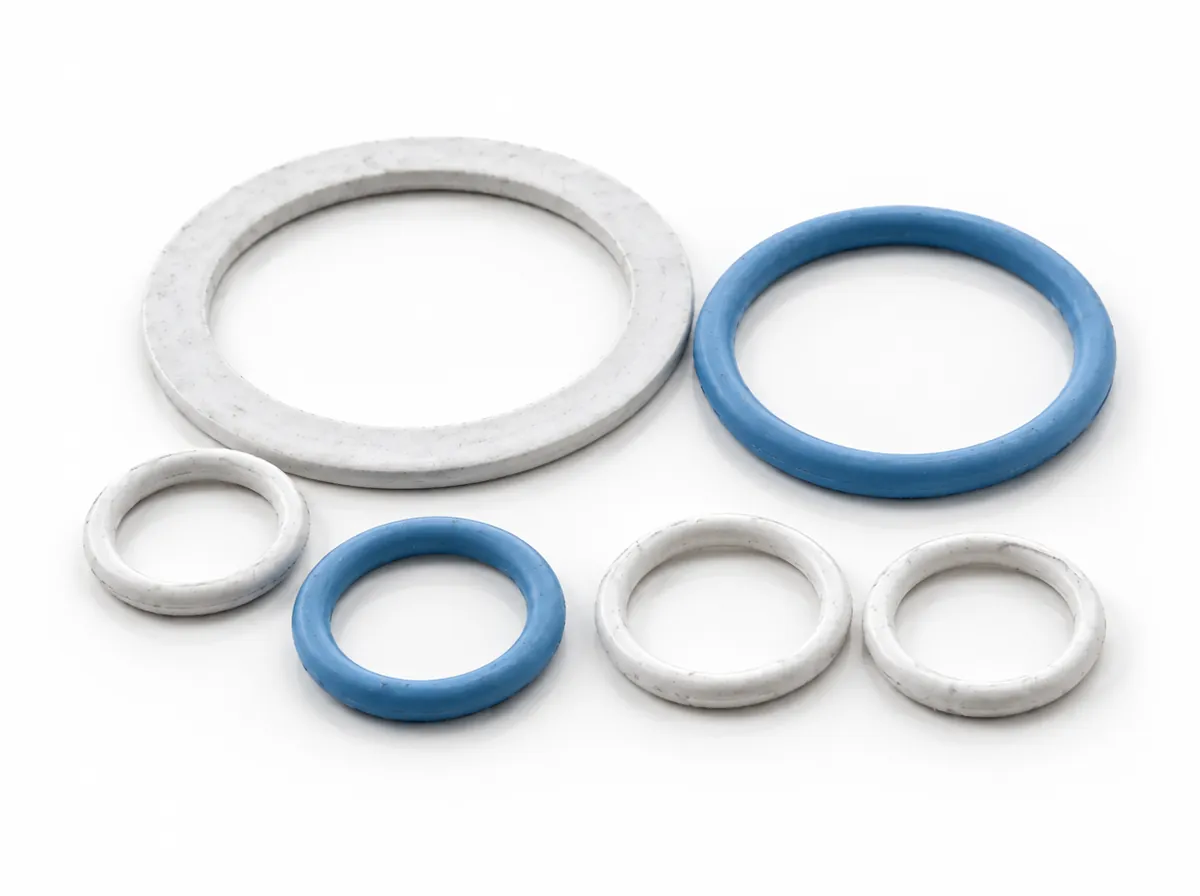
Peroxide-cured describes a crosslinking process in which peroxides are used as chemical initiators to create permanent crosslinks in elastomers or plastics. This process is widely used in the rubber and plastics industry to produce materials with improved mechanical, thermal and chemical properties. Peroxide crosslinking is particularly in demand in applications involving high temperatures or special environments.
Peroxide crosslinking gives materials a range of improved properties:
-
High temperature resistance: ideal for applications at temperatures above 150 °C.
-
Chemical resistance: resistance to oils, solvents and aggressive media.
-
Ageing resistance: low sensitivity to UV radiation, ozone and oxygen.
-
Good mechanical stability: improved tensile and tear strength.
-
Thermal stability: less tendency towards thermal degradation.
The peroxide crosslinking process is based on the chemical decomposition of organic peroxides, which release free radicals. These radicals start a reaction that leads to permanent crosslinking of the polymer chains:
Process steps
-
Adding peroxide: peroxides are added to the polymer compound as a crosslinking initiator.
-
Heating: the compound is heated, causing the peroxides to decompose and release radicals.
-
Crosslinking: the radicals trigger chemical reactions that permanently link the polymer chains.
-
Cooling: the material is cooled to stabilise the crosslinked structure.
Commonly used peroxides
-
Dicumyl peroxide (DCP): widely used peroxide for vulcanisation.
-
Bis(tert-butylperoxy)isopropylbenzene: suitable for high-temperature applications.
-
Benzoyl peroxide: used for specific applications, e.g. in plastics.
Peroxide crosslinking differs from conventional sulphur crosslinking, which is widely used in the rubber industry:
| Property | Peroxide crosslinking | Sulphur crosslinking |
|---|---|---|
| Temperature resistance | Higher (up to 250 °C) | Limited (up to 150 °C) |
| Chemical resistance | Higher | Lower |
| Ageing resistance | Better | Lower |
| Flexibility | Limited | Better |
| Applications | High-temperature and chemical applications | Standard rubber applications |
Peroxide-cured materials are used in various industries, particularly where high demands are placed on material properties:
Automotive industry
-
Engine seals: resistant to high temperatures and aggressive media.
-
Fuel lines: chemically resistant, durable hoses.
Electrical engineering
-
Cable insulation: heat-resistant, durable materials for power lines.
-
Protective hoses: resistant to thermal stress.
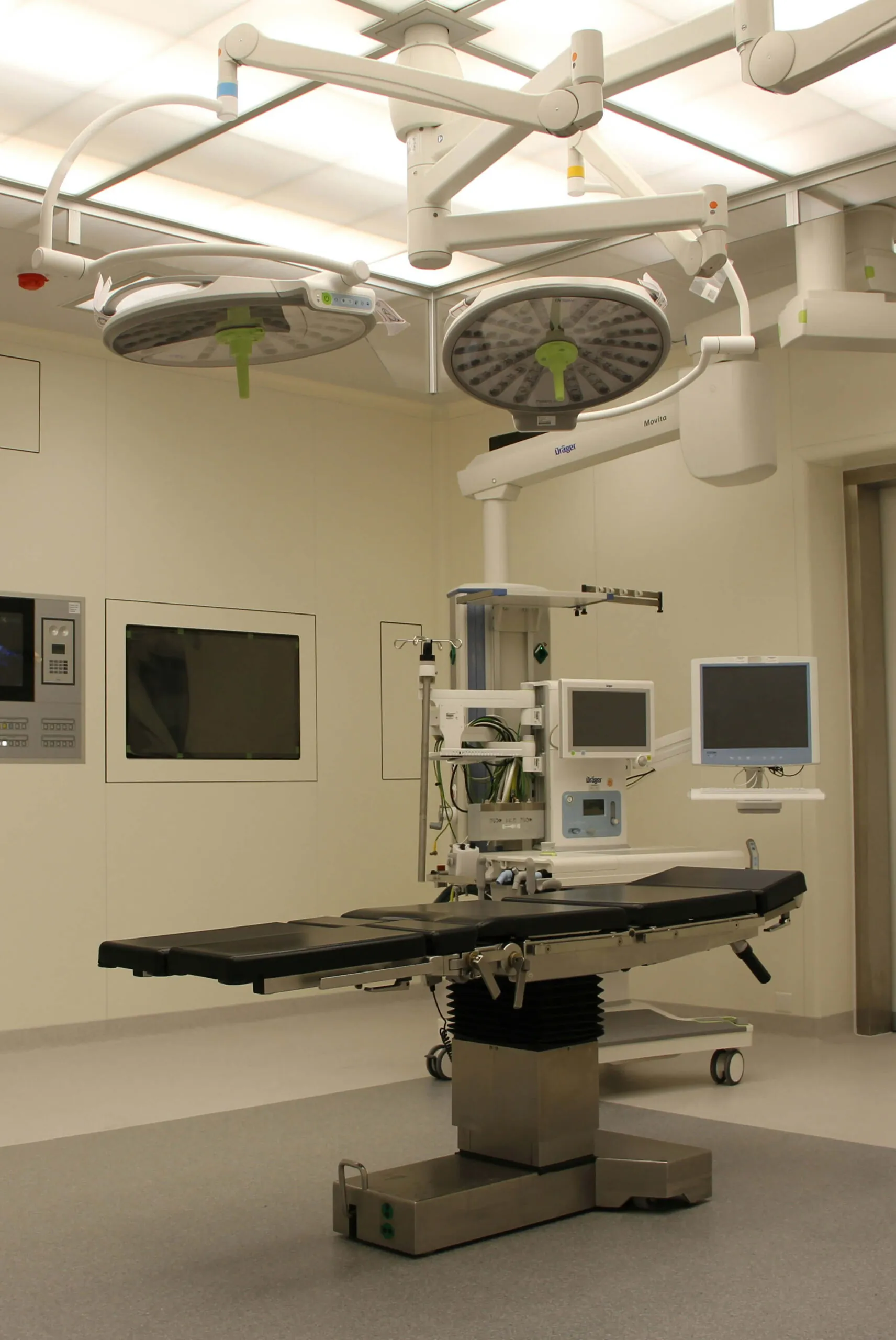
Medical technology
-
Tubing and seals: durable, chemically resistant components.
-
Sterile applications: high temperature and chemical resistance for medical devices.
Construction industry
-
Sealing profiles: resistant to weathering and ozone.
-
Seals: suitable for high-temperature and chemical environments.
Peroxide crosslinking offers numerous advantages:
-
Improved properties: higher temperature, chemical and ageing resistance compared with other crosslinking methods.
-
Wide range of applications: suitable for various materials such as EPDM, FKM, HNBR or silicone.
-
Homogeneous crosslinking: even distribution of crosslinking points for stable material properties.
Peroxide crosslinking also brings challenges:
-
Lower flexibility: compared with sulphur crosslinking, the material can be more brittle.
-
Costs: peroxides and the manufacturing process are more expensive than conventional sulphur vulcanisation.
-
Sensitivity: peroxides are temperature-sensitive and must be stored carefully.
-
Which materials can be peroxide-cured? Typical materials are EPDM, HNBR, FKM, silicone and other heat-resistant elastomers.
-
How does peroxide crosslinking differ from other processes? It offers better thermal and chemical resistance, but at the expense of flexibility.
-
Is peroxide crosslinking environmentally friendly? Peroxide crosslinking methods can be more environmentally friendly, as less sulphur and fewer emissions are released.
-
How is the quality of peroxide-cured materials tested? Through tests such as tensile strength, hardness, ageing resistance and thermal load.
Peroxide crosslinking is an indispensable process for producing materials with excellent thermal stability, chemical resistance and longevity. Although it is more expensive and less flexible than sulphur crosslinking, it offers decisive advantages in demanding applications, particularly in the automotive industry, electrical engineering and medical technology. The choice of the right crosslinking method depends on the specific requirements of the end product.
Questions about this term?
Our technical advice
Do you have a specific application or a question about elastomer processing? Talk to us, we will help you with material, process and approval.