



Glossary of elastomer processing
Co-extrusion
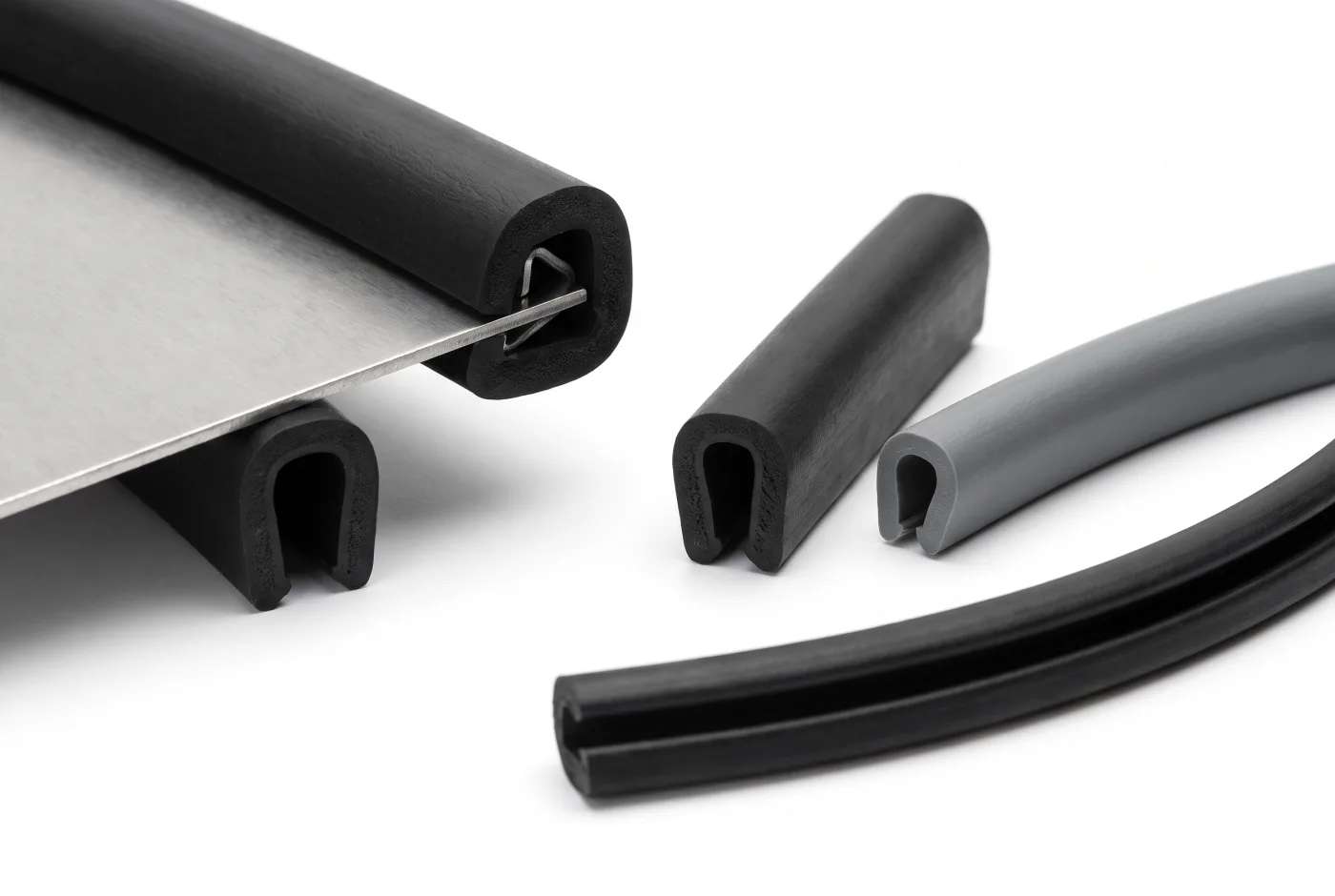
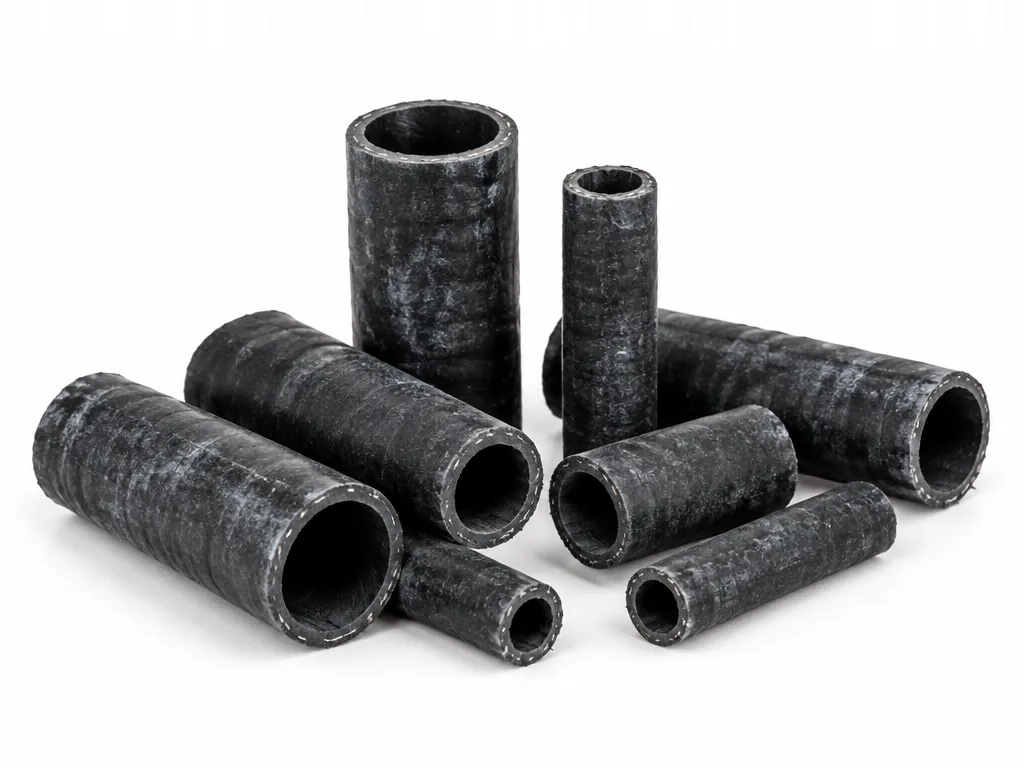
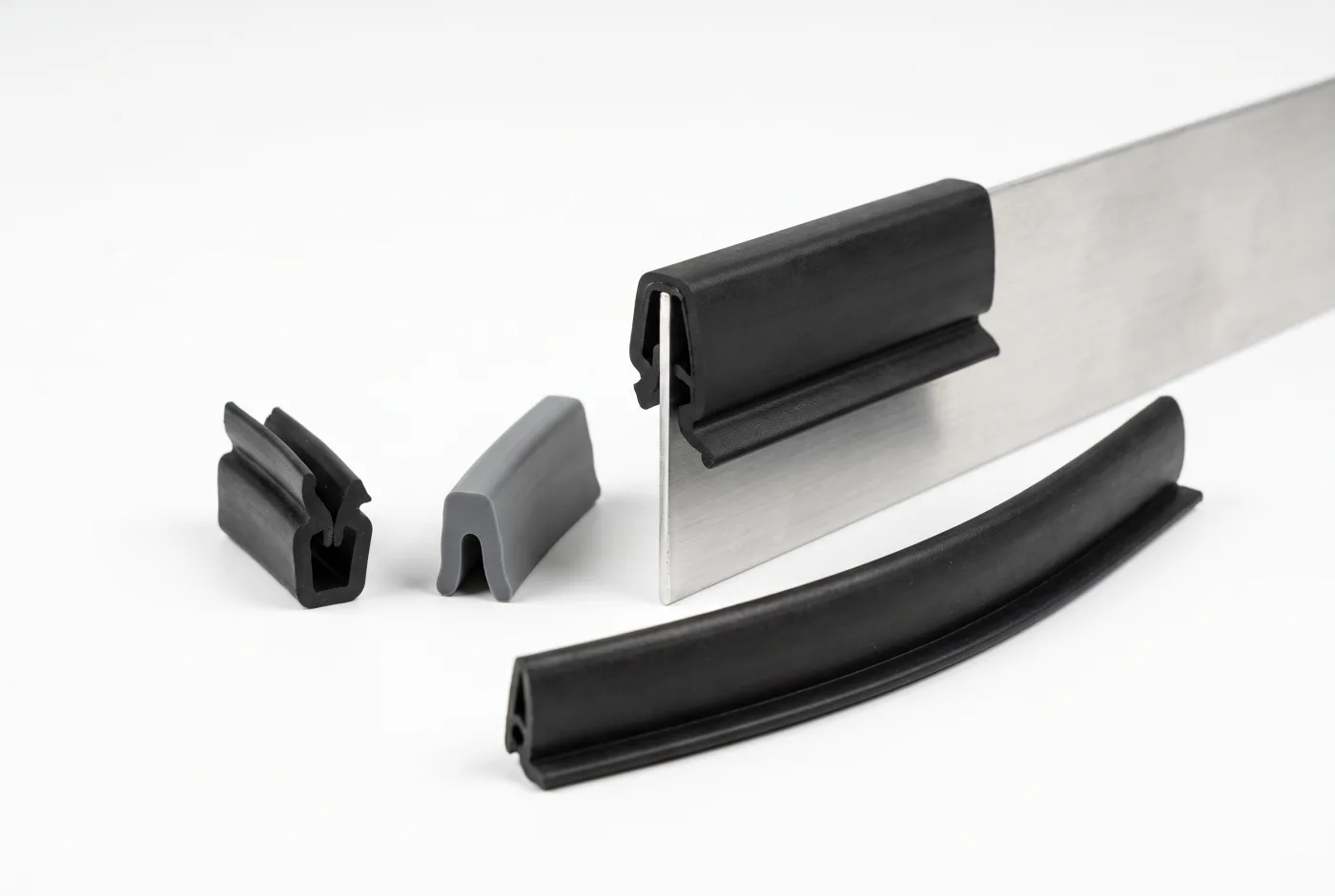
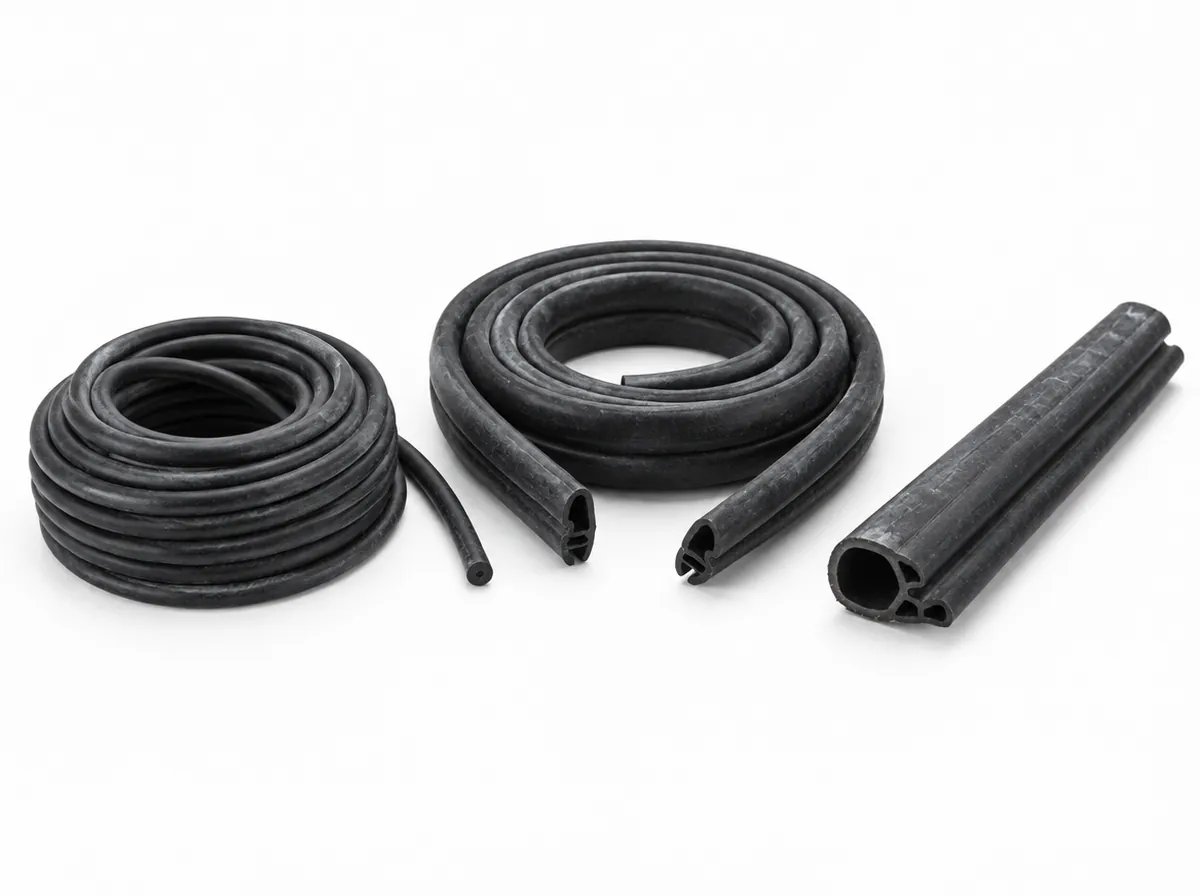
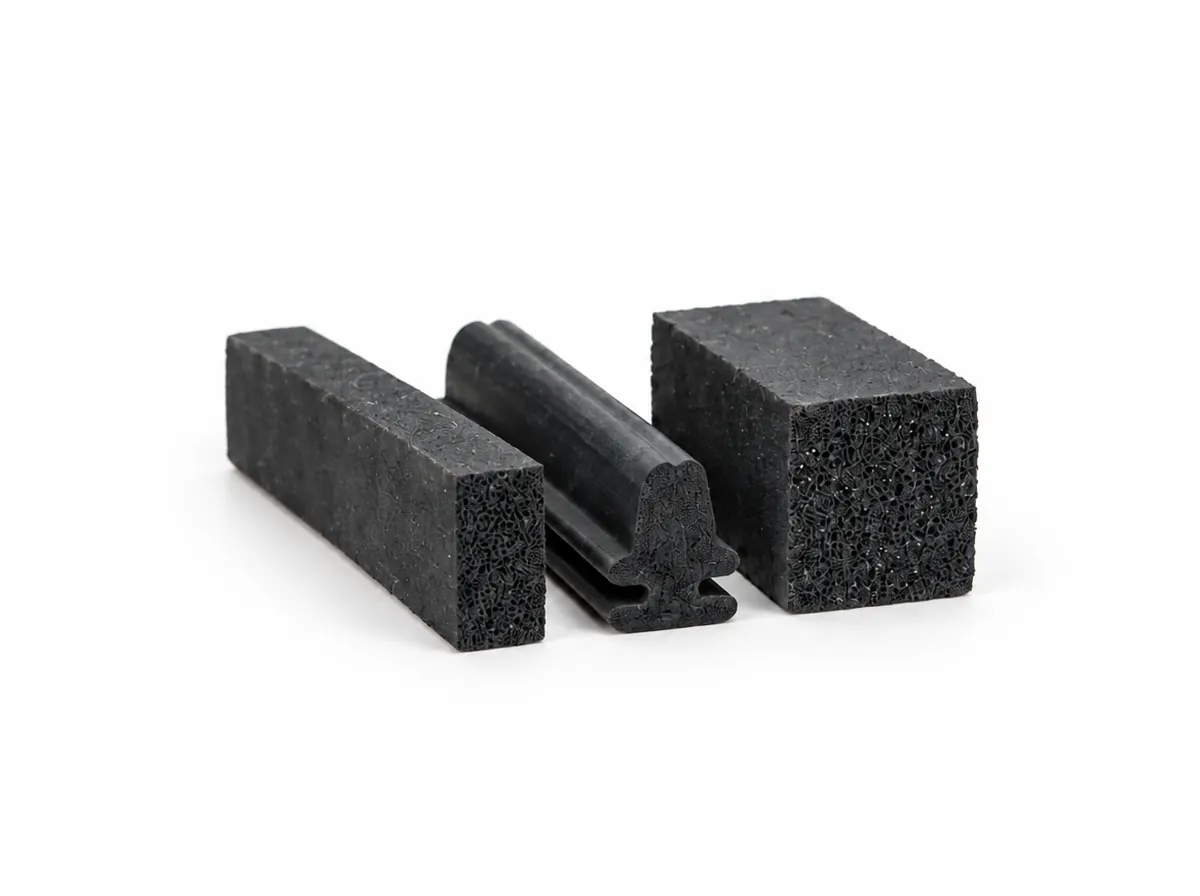
Co-extrusion is a process in elastomer and plastics processing in which two or more different materials are pressed simultaneously through an extrusion die, also called a mouthpiece, to create a multi-layer product. This technique makes it possible to produce elastomer hoses and profiles with different properties in the various layers, resulting in improved mechanical, chemical or optical properties. Co-extruded products are widely used in the packaging, construction and automotive industries.
In co-extrusion, several materials, usually different polymers, are processed in separate extruders and then brought together before being pressed through a single extrusion die. The materials bond without mixing, so that each layer retains its specific properties.
The co-extrusion process
-
Material preparation: different elastomer compounds are processed in separate extruders and conveyed by a screw to the shaping extrusion die.
-
Combining the materials: the materials are brought together, but not mixed, before being pressed through a special die to form the multi-layer product.
-
Shaping and cooling: after leaving the die, the material is brought into the desired shape (e.g. hose or profile) and cooled to achieve stability and its final form.
-
Colour code stripes: in addition to a large extruder for hoses and profiles, a small extruder can also be used to apply a continuous colour code stripe to the extrudate.
Co-extrusion offers a number of advantages over the simple extrusion of a single material:
-
Multiple layers: co-extrusion makes it possible to produce products with several layers, each of which can have different properties, e.g. an outer layer for UV resistance and an inner layer for strength or flexibility.
-
Cost savings: by combining low-cost materials in the core with higher-quality materials at the surface, costs can be reduced without compromising product performance.
Co-extrusion is widely used in various industries, especially where products with specific surface or layer properties are required.
Construction
In construction, co-extrusion is used to manufacture window profiles and seals. Here, co-extrusion makes it possible to use low-cost, high-strength materials on the inside, while the outer layers can be made weather- or UV-resistant.
- Example: co-extrusion can give PVC window profiles a UV-resistant outer layer and a stable, insulating inner layer.
Automotive industry
In the automotive industry, co-extrusion is used to produce multi-layer seals, profiles and hoses that meet different requirements such as resistance to weathering, chemicals or mechanical stress.
- Example: co-extruded seals for car doors combine a soft inner layer for flexibility and tightness with a harder outer layer for abrasion and weather resistance.
While extrusion presses only one material through the extrusion die, co-extrusion combines several materials simultaneously into a multi-layer product. Co-extrusion therefore makes it possible to manufacture complex products with different properties in each layer, whereas conventional extrusion only produces homogeneous products.
Despite its many advantages, co-extrusion is a demanding process that brings specific challenges:
-
Material compatibility: the various materials must be compatible to ensure good adhesion between the layers without delamination.
-
Processing complexity: the process requires complex machinery and precise control to ensure that the layers are extruded correctly and evenly.
-
Quality control: because co-extruded products consist of several layers, they must undergo strict quality controls to ensure that each layer has the desired properties.
Co-extrusion is an advanced process that makes it possible to manufacture products with several layers and improved properties. By combining different materials, elastomer products can be produced that meet the high demands of modern applications in the construction and automotive industries.
Questions about this term?
Our technical advice
Do you have a specific application or a question about elastomer processing? Talk to us, we will help you with material, process and approval.