




Glossary of elastomer processing
Extrusion die
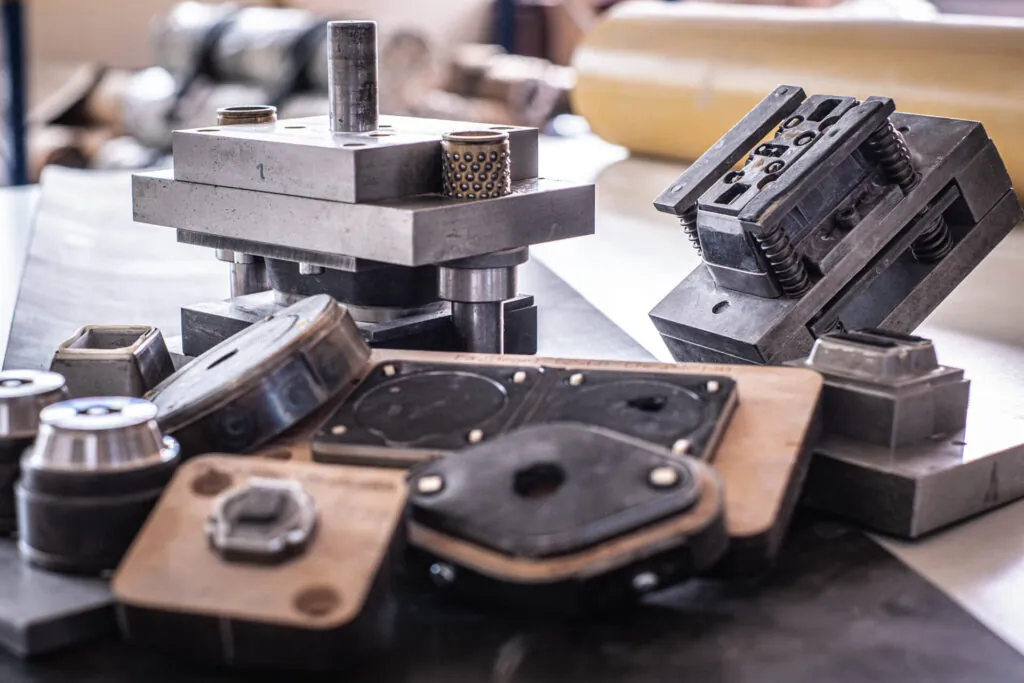
An extrusion die is a technical tool used as the end piece of production machines, particularly in extrusion processes. It gives mouldable materials such as elastomers (rubber) and plastics a specific shape. Dies, also known as nozzles, are usually made from high-precision, wear-resistant materials to ensure consistent quality and dimensional accuracy of the extruded products.
The main function of a die is to guide the material through a defined opening and give it the desired shape. In doing so, it performs the following tasks:
-
Shaping: the die determines the cross-sectional shape of the extruded material, e.g. for hoses, profiles or cable sheathing.
-
Material flow: it controls the flow rate and pressure of the material.
-
Surface quality: the die contributes to the smoothness and precision of the surface.
There are different types of dies, used depending on the material and application:
Flat die
-
Description: produces flat, wide materials such as films or sheets.
-
Typical applications: packaging materials, floor coverings.
Round die
-
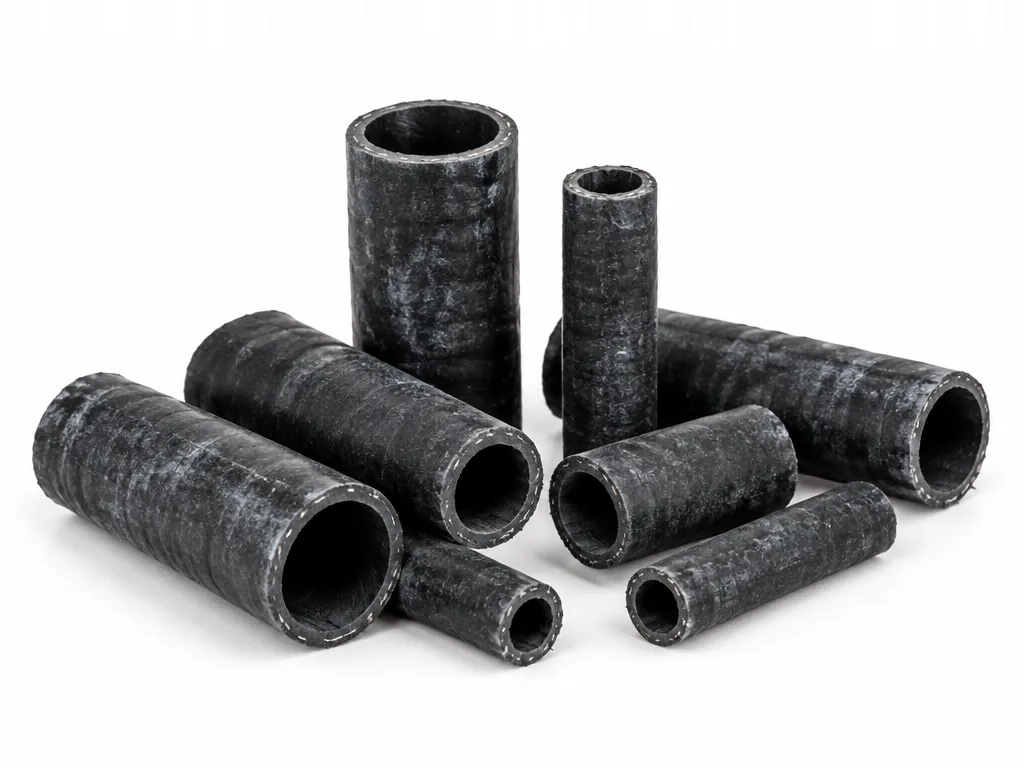
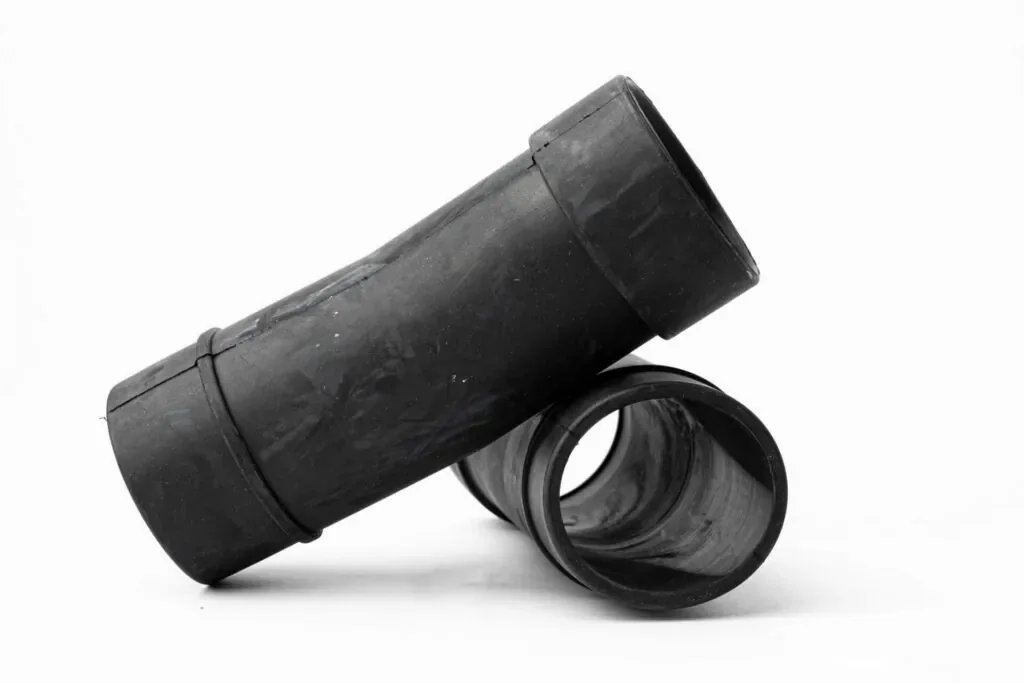
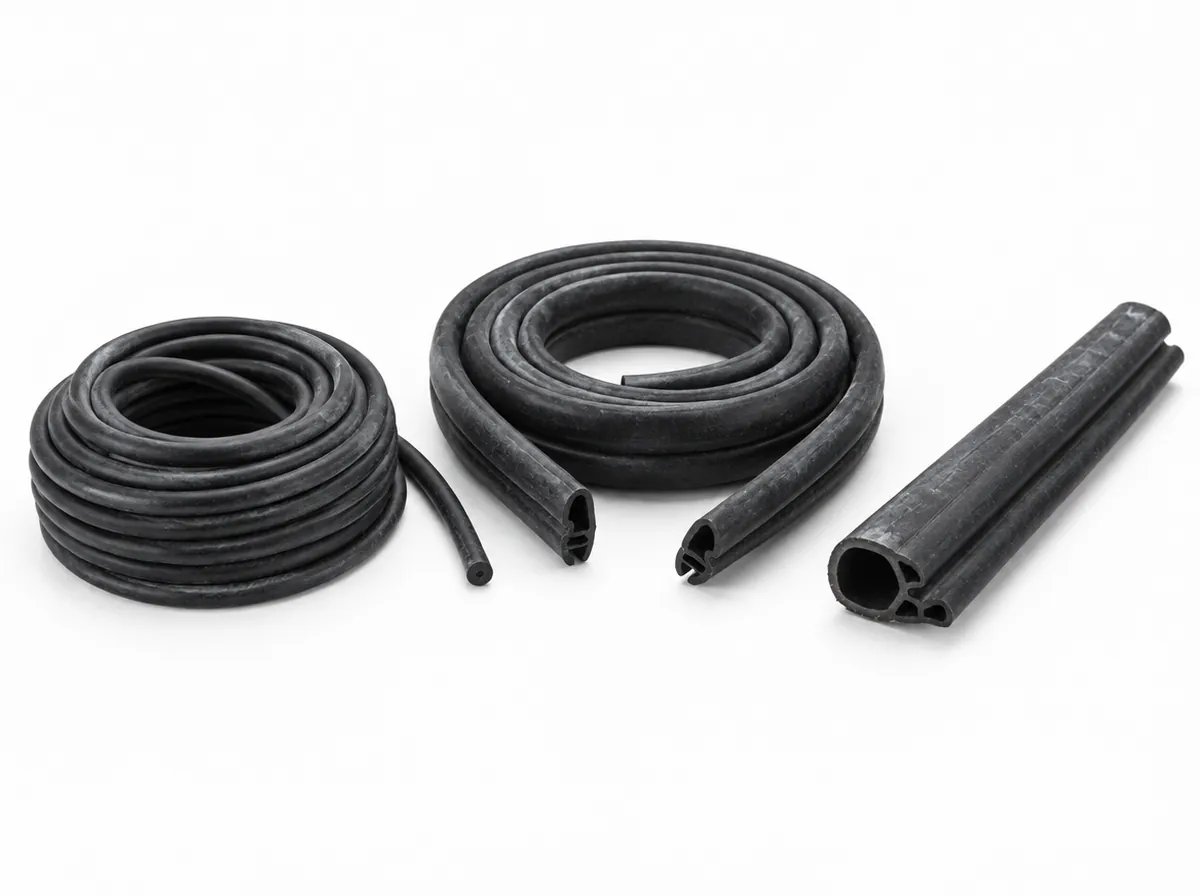
Description: forms round cross-sections such as pipes or hoses.
-
Typical applications: water pipes, cable sheathing.
Profile die
-
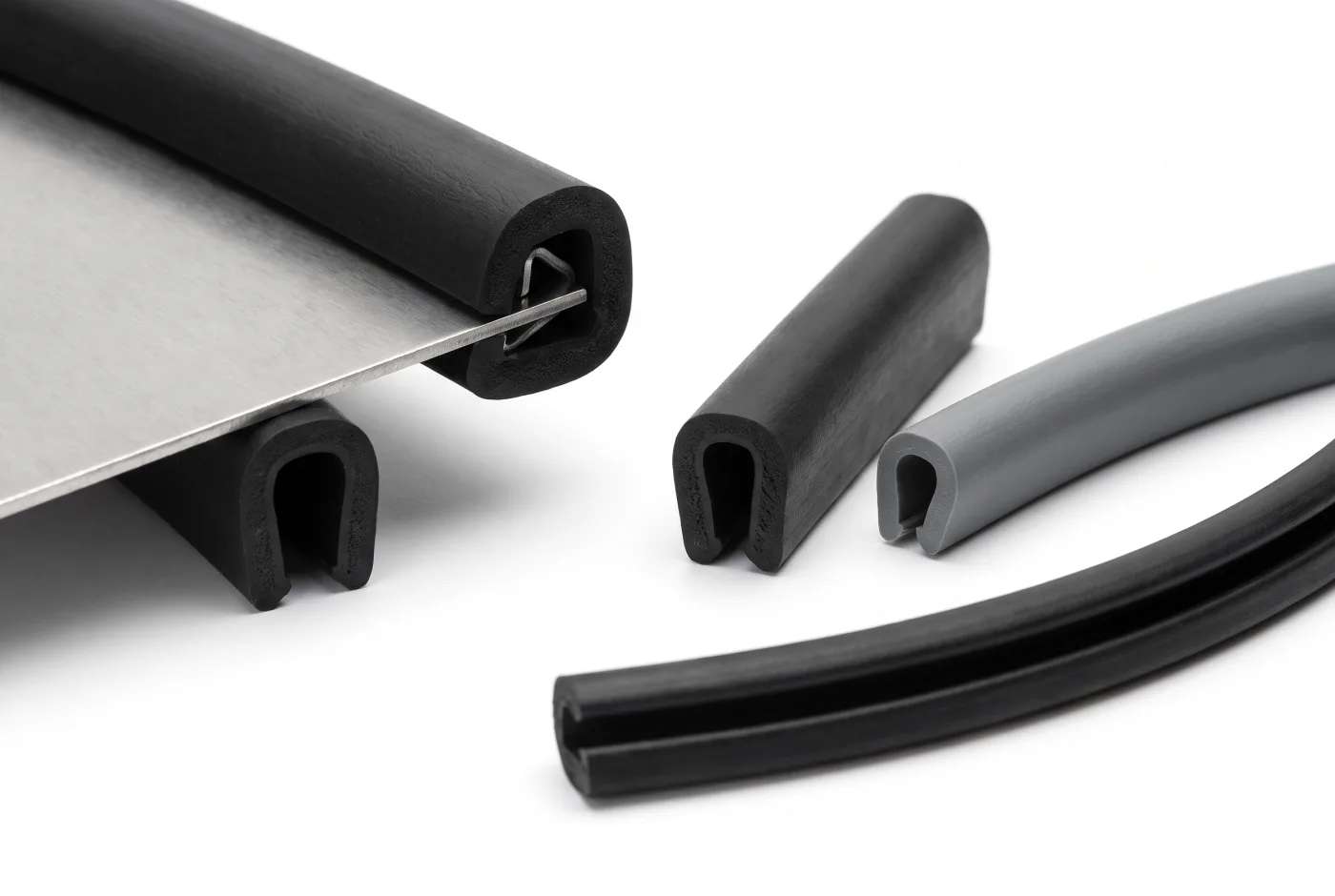
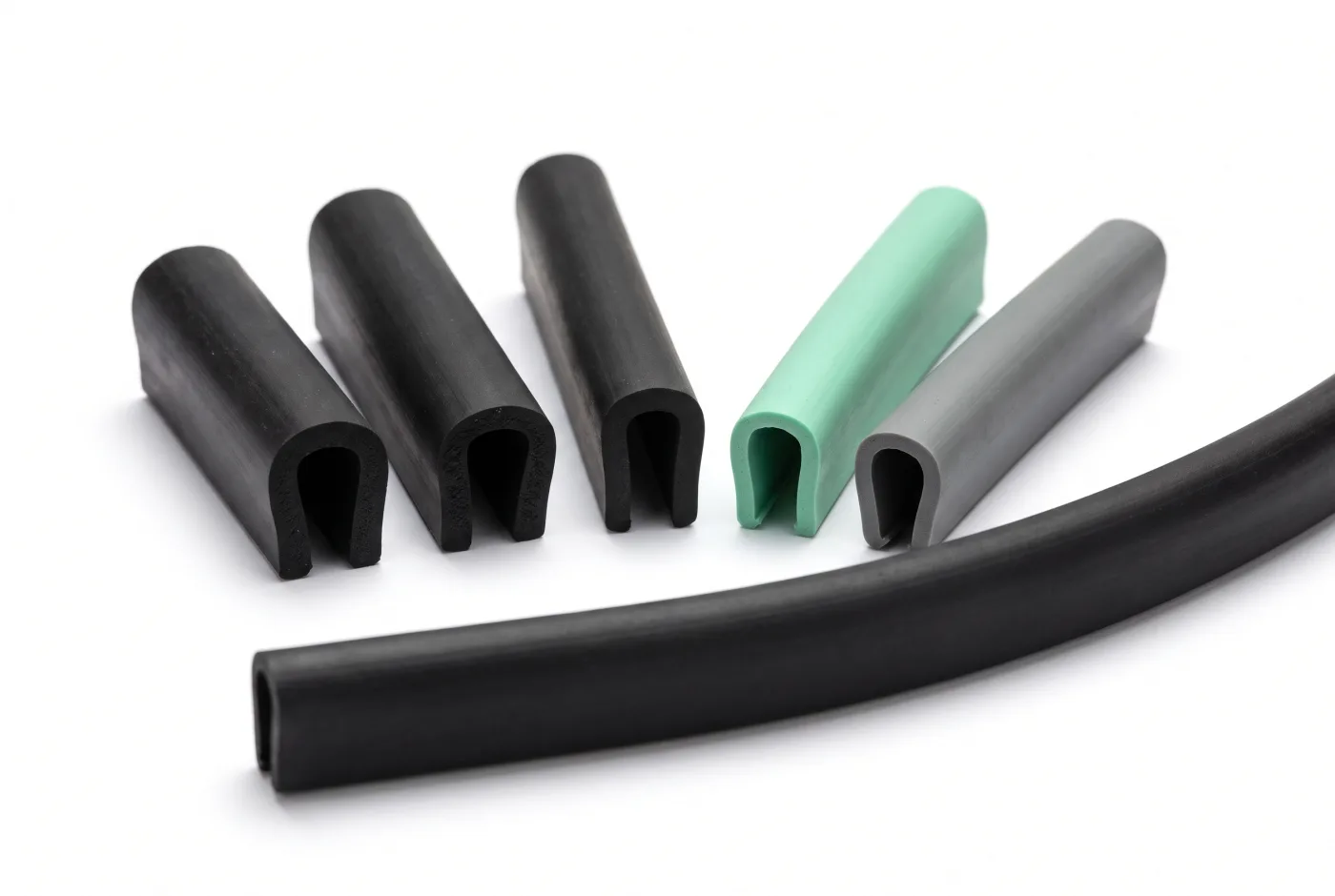
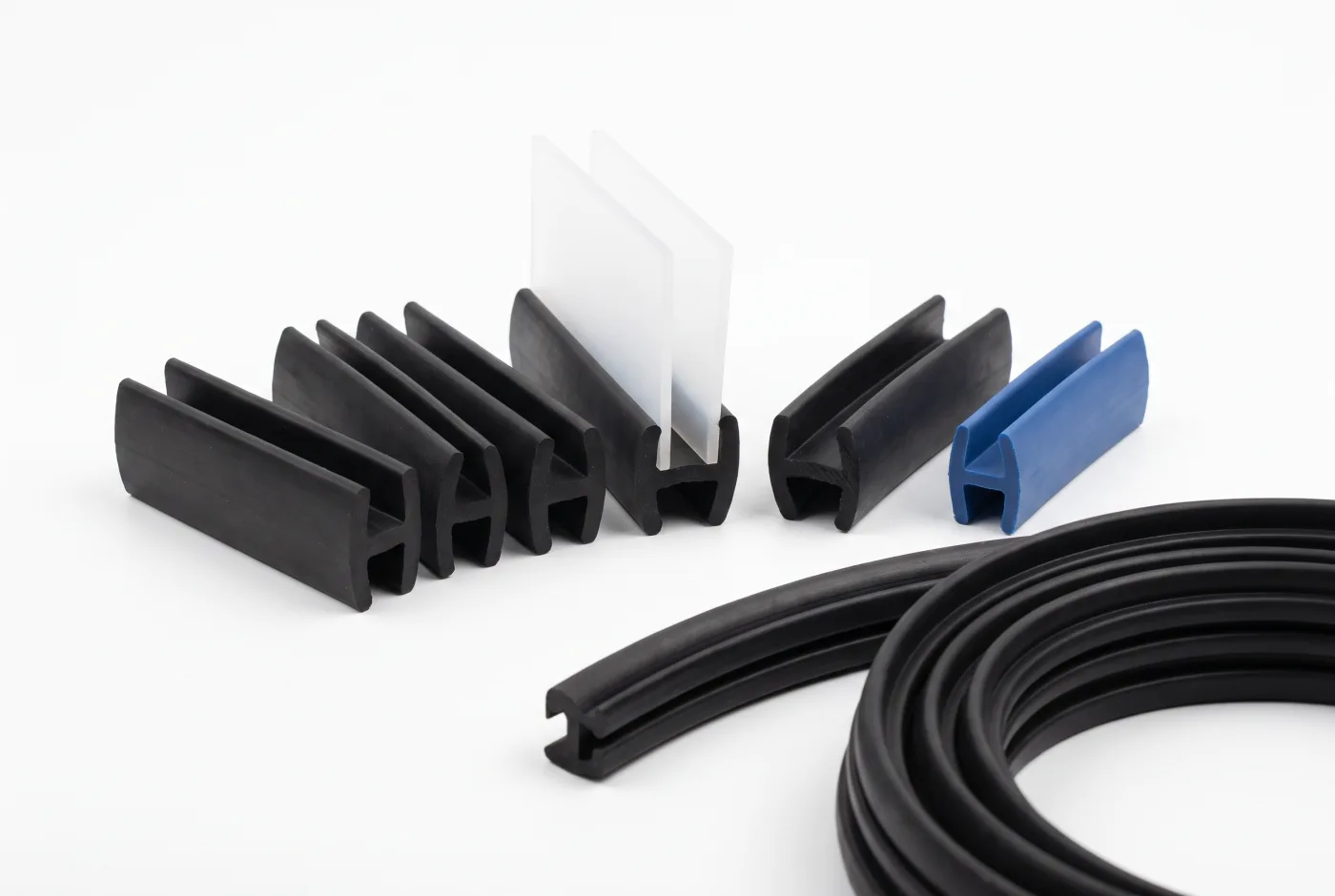
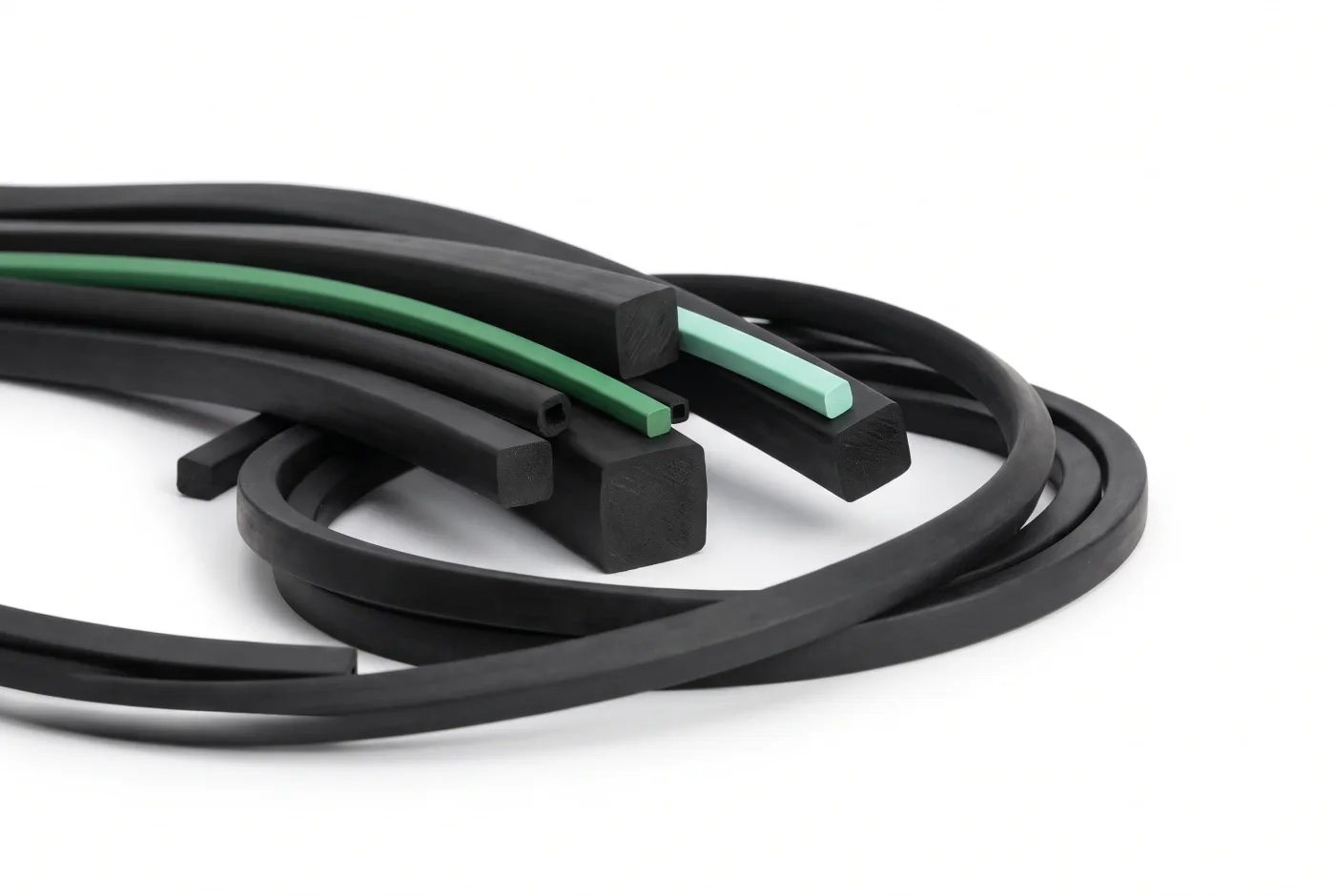
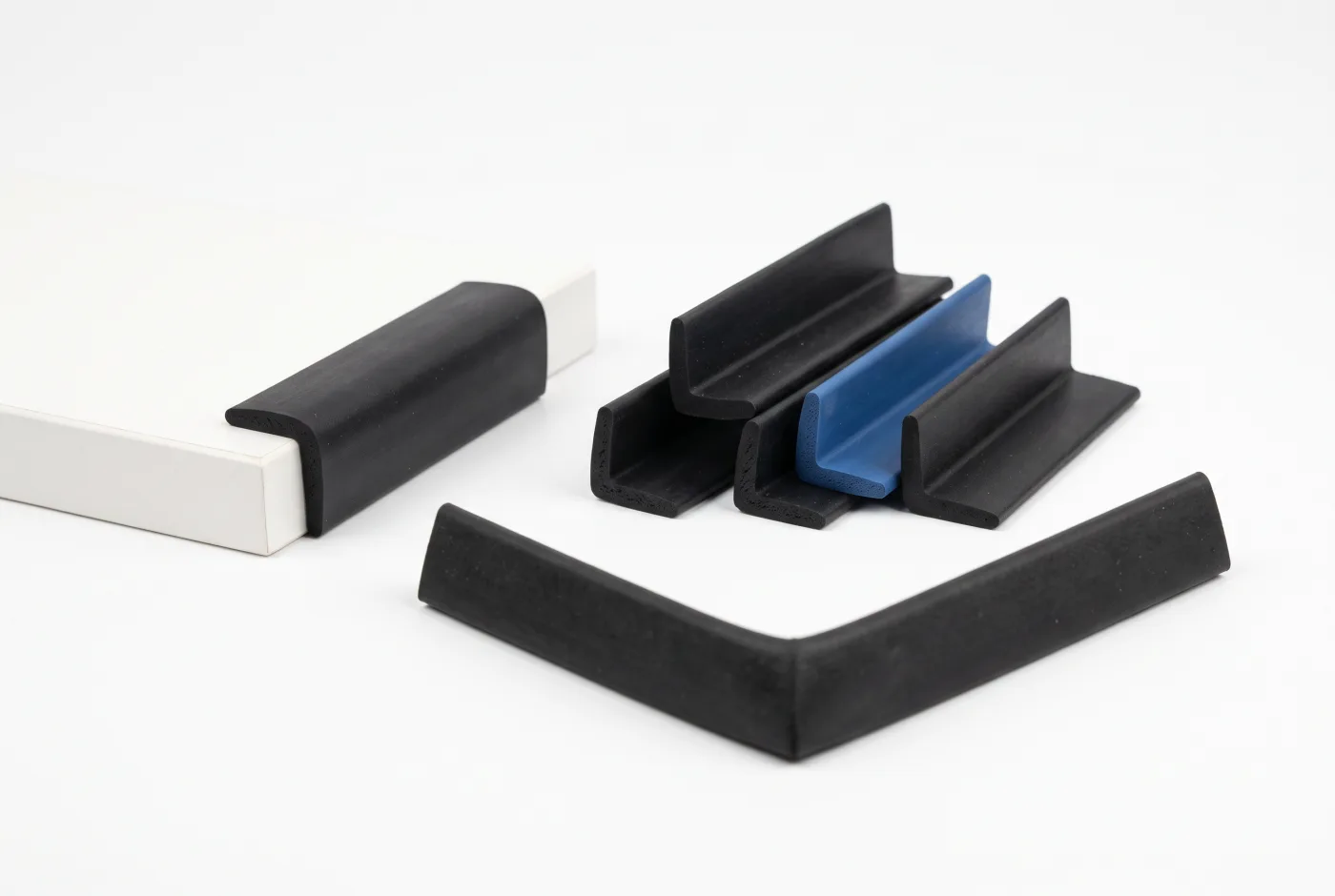
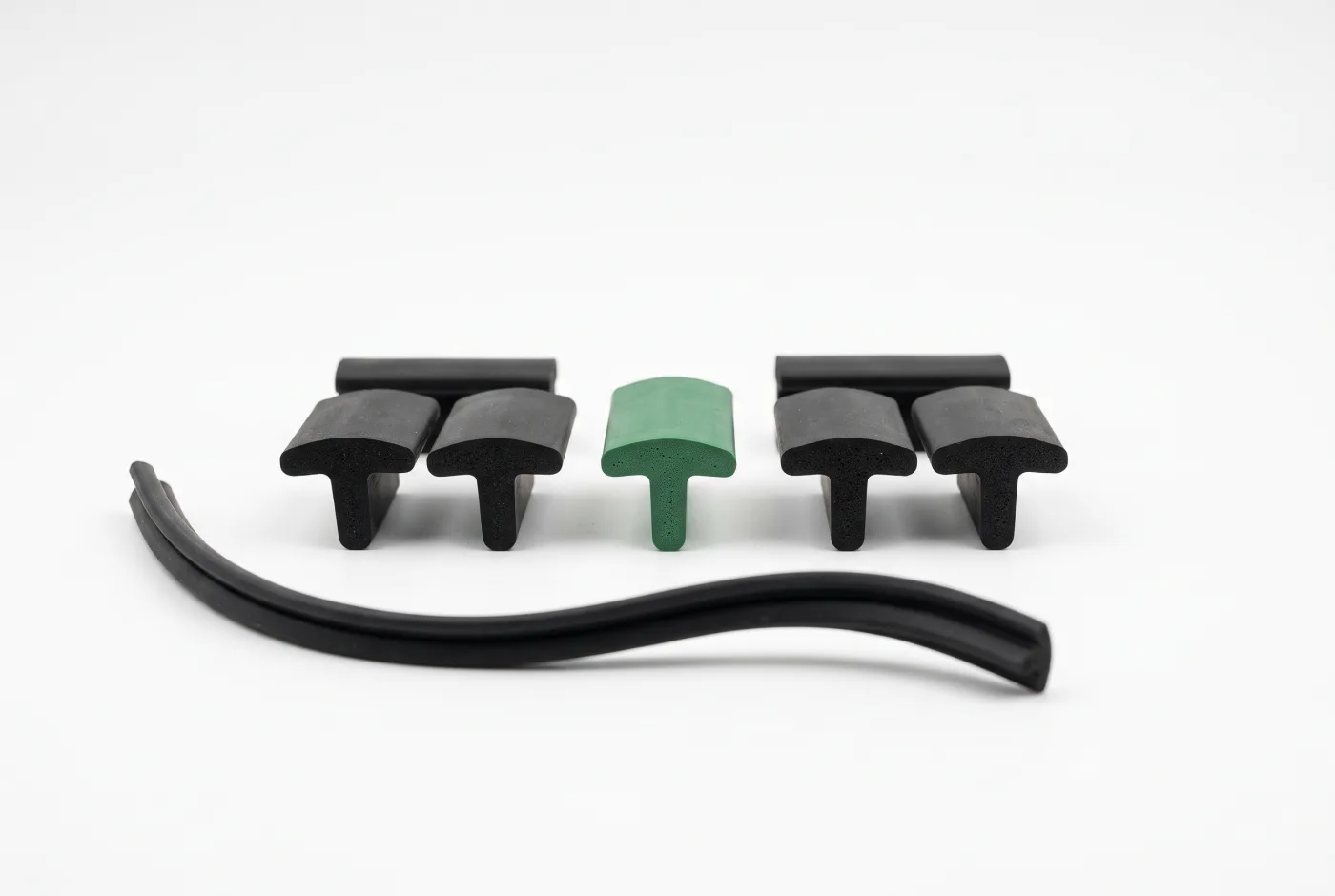
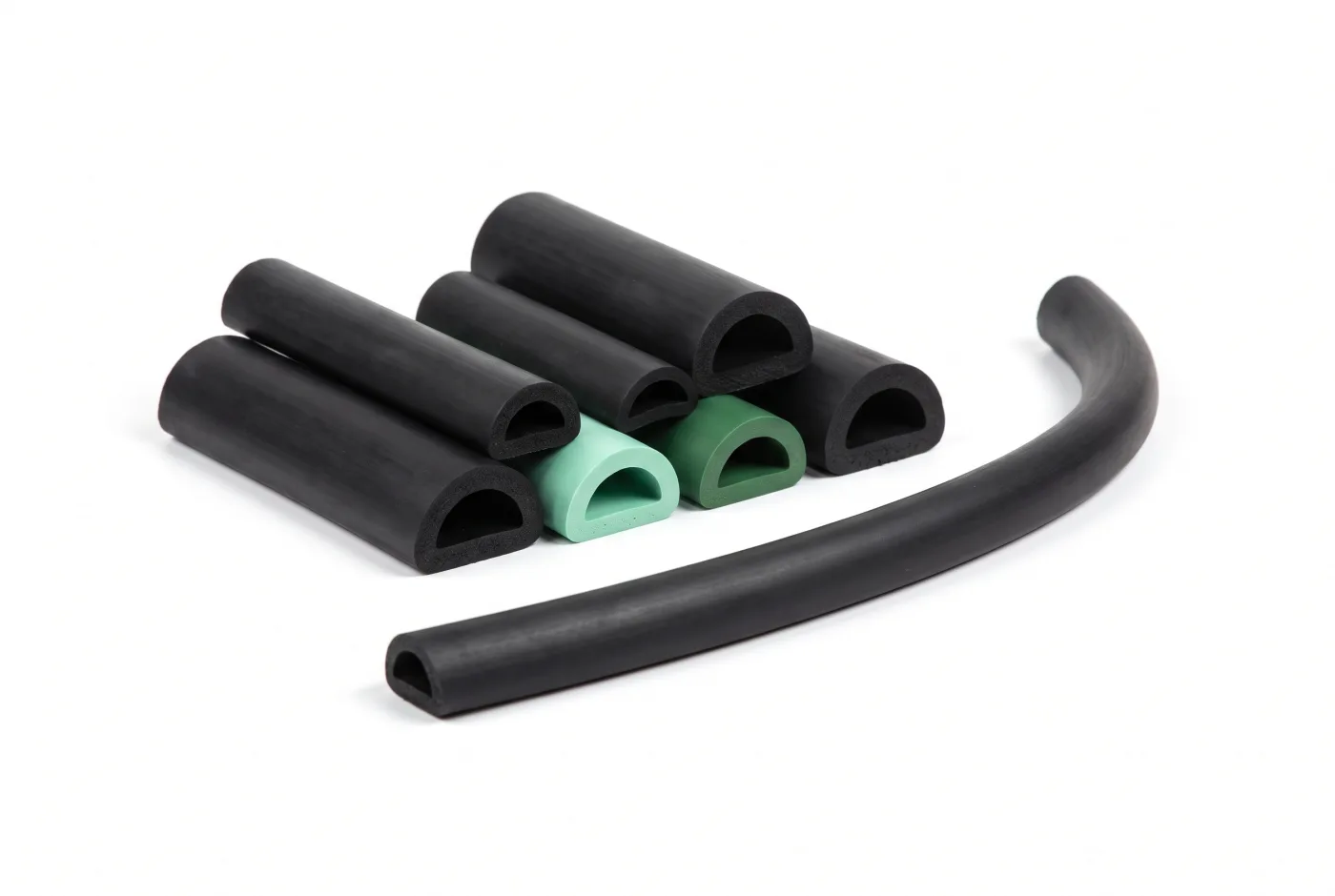
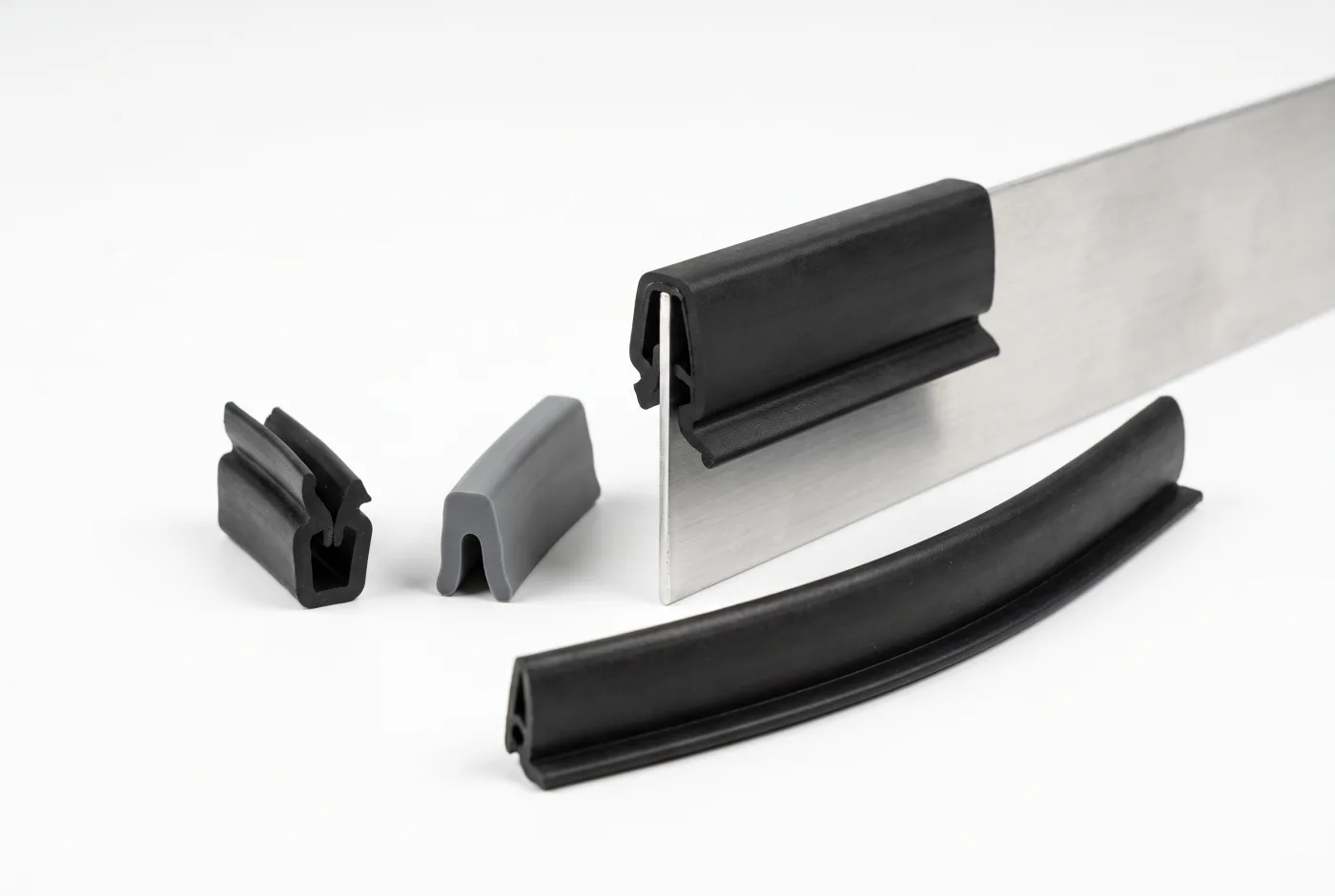
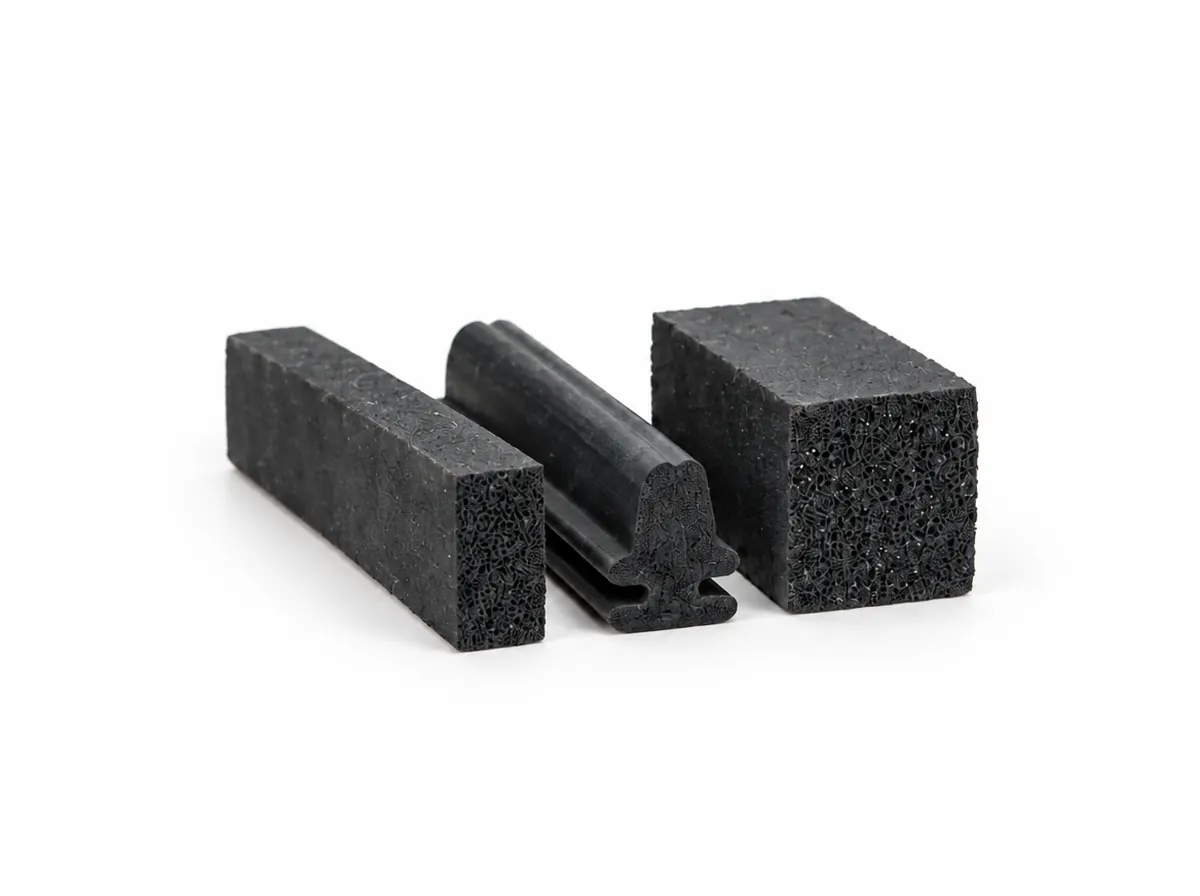
Description: produces complex cross-sections such as window profiles or seals.
-
Typical applications: construction industry, automotive engineering.
Multi-layer die
-
Description: allows several layers of material to be extruded simultaneously.
-
Typical applications: multi-layer hoses, laminations.
Dies are made of robust materials that withstand high temperatures, pressures and abrasive conditions:
| Material | Properties | Typical applications |
|---|---|---|
| Steel | High strength, wear-resistant | Standard applications such as pipe and profile production |
| Tungsten carbide | Extremely wear-resistant, durable | Abrasive materials such as filled rubber |
| Ceramics | Heat-resistant, chemically inert | Special applications such as high-temperature processes |
| Stainless steel | Corrosion-resistant, hygienic | Food and pharmaceutical production |
The performance of a die depends on several factors:
-
Material compatibility: the die must be matched to the physical and chemical properties of the material.
-
Geometry: the precision of the opening determines the quality of the extruded product.
-
Maintenance: regular cleaning and inspection prevent wear and blockages.
Dies are indispensable in numerous industries and processes:
Plastics and rubber industry
-
Extrusion of hoses: production of flexible and rigid tubes.
-
Production of sealing profiles: for windows, doors and technical applications.
Food industry
-
Shaping: production of noodles, sweets or pasta.
-
Hygienic processes: use of stainless steel designs.
Construction industry
-
Facade profiles: production of plastic and aluminium profiles.
-
Insulating materials: production of insulation.
Pharmaceutical industry
-
Medical tubing: precise shaping for sterile applications.
-
Packaging: extrusion of blisters and containers.
Using dies can also involve challenges:
-
Wear: abrasive materials can cause rapid wear.
-
Blockages: accumulated material residues can obstruct the material flow.
-
Precision: inaccurate dies lead to defective products.
-
How is a die cleaned? By thermal cleaning, chemical solvents or mechanical polishing.
-
Which materials are suitable for dies? Steel, tungsten carbide, ceramics and stainless steel.
-
How can the service life of a die be extended? Regular maintenance, cleaning and the use of wear-resistant materials.
-
Can dies be customised? Yes, many manufacturers offer tailor-made solutions for specific applications.
Dies are crucial for shaping and quality in extrusion technology. They enable products to be manufactured with high precision and surface quality. By choosing the right material and maintaining them regularly, dies can be used efficiently and durably in numerous industries.
Questions about this term?
Our technical advice
Do you have a specific application or a question about elastomer processing? Talk to us, we will help you with material, process and approval.