


Glossary of elastomer processing
FVMQ
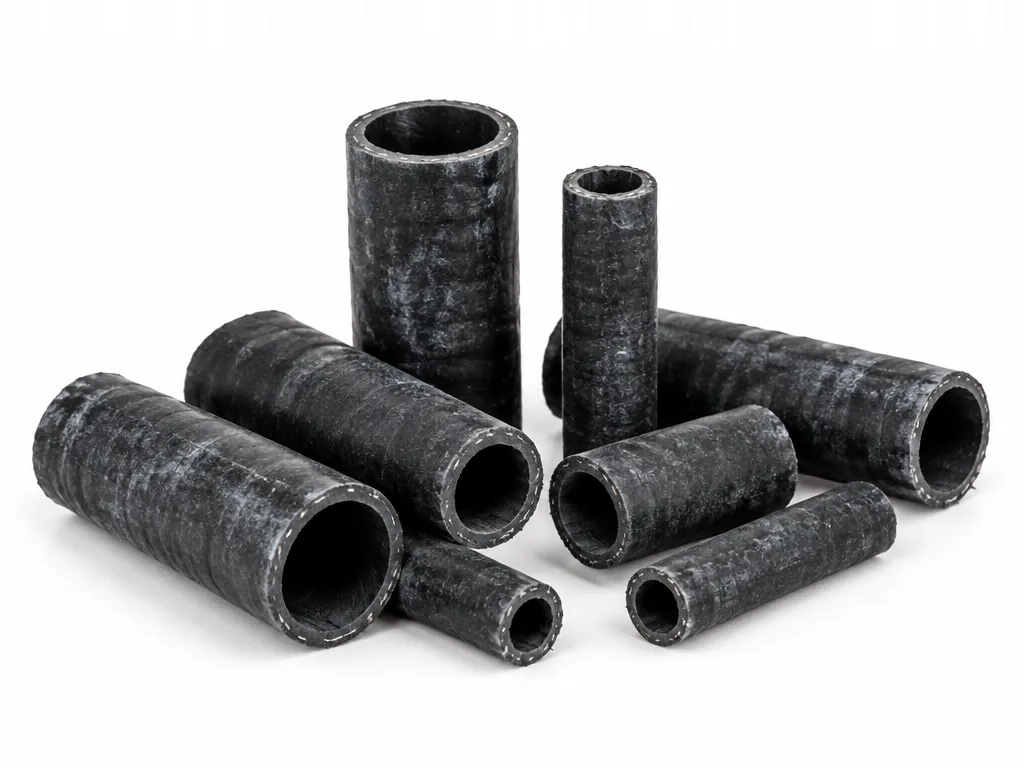
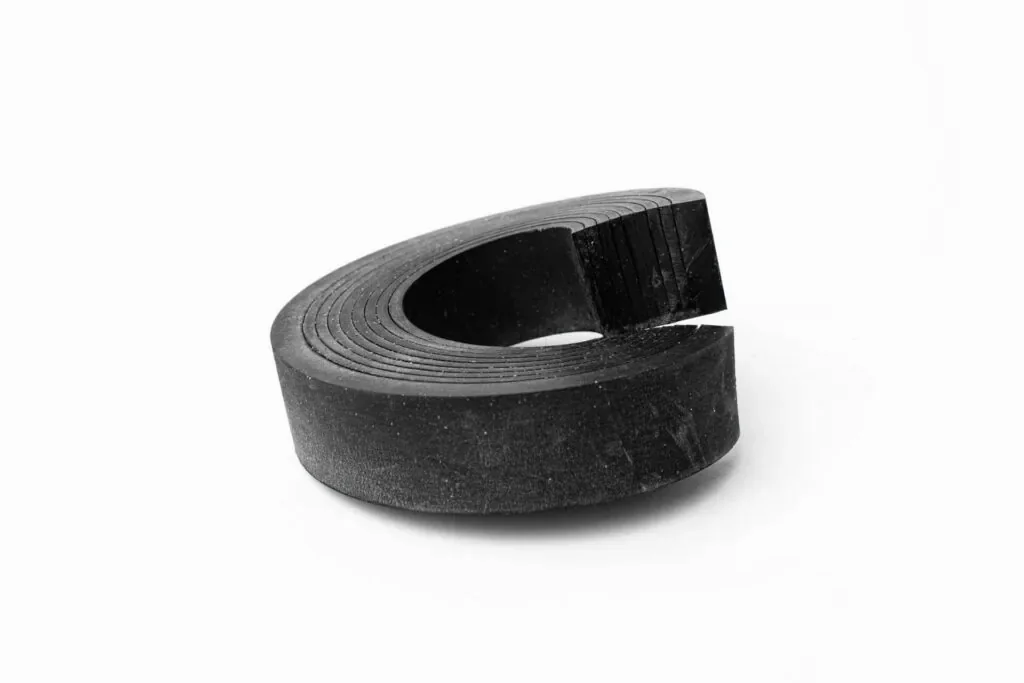
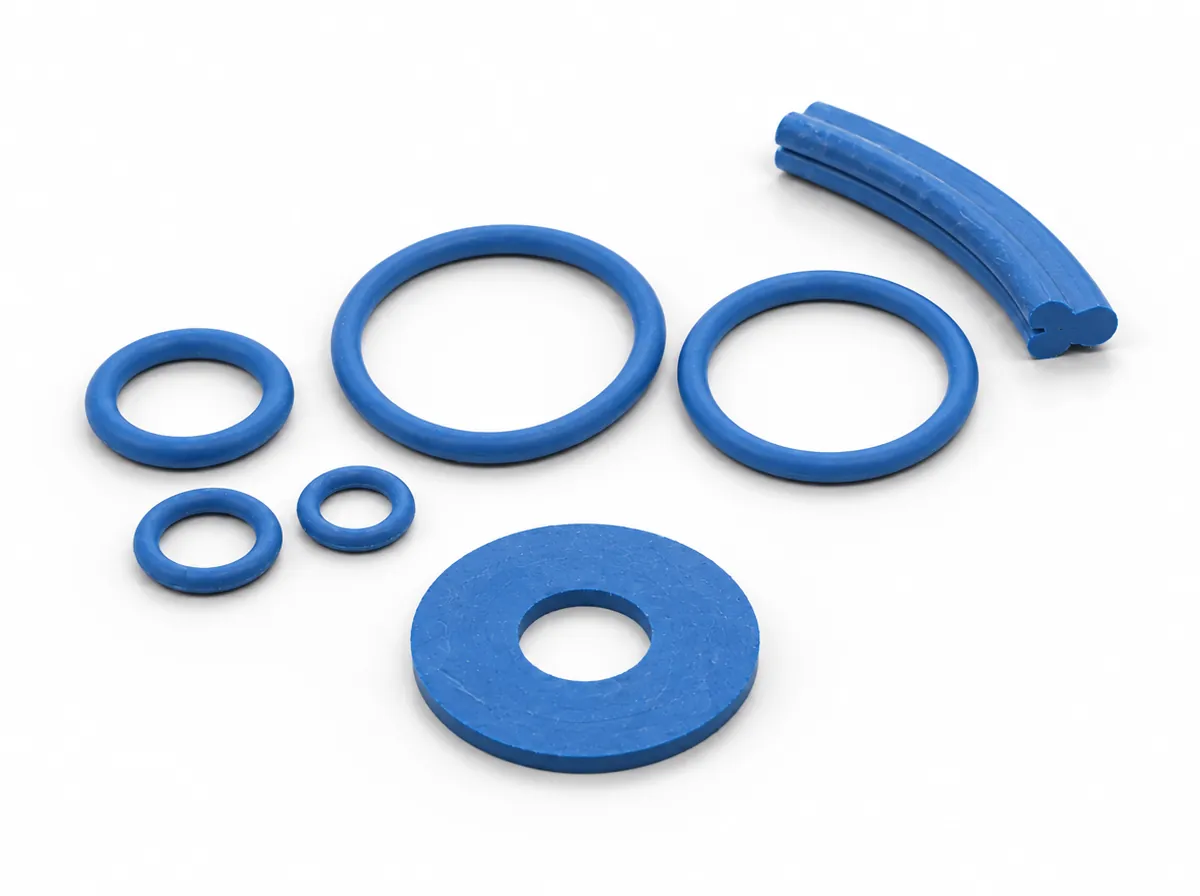
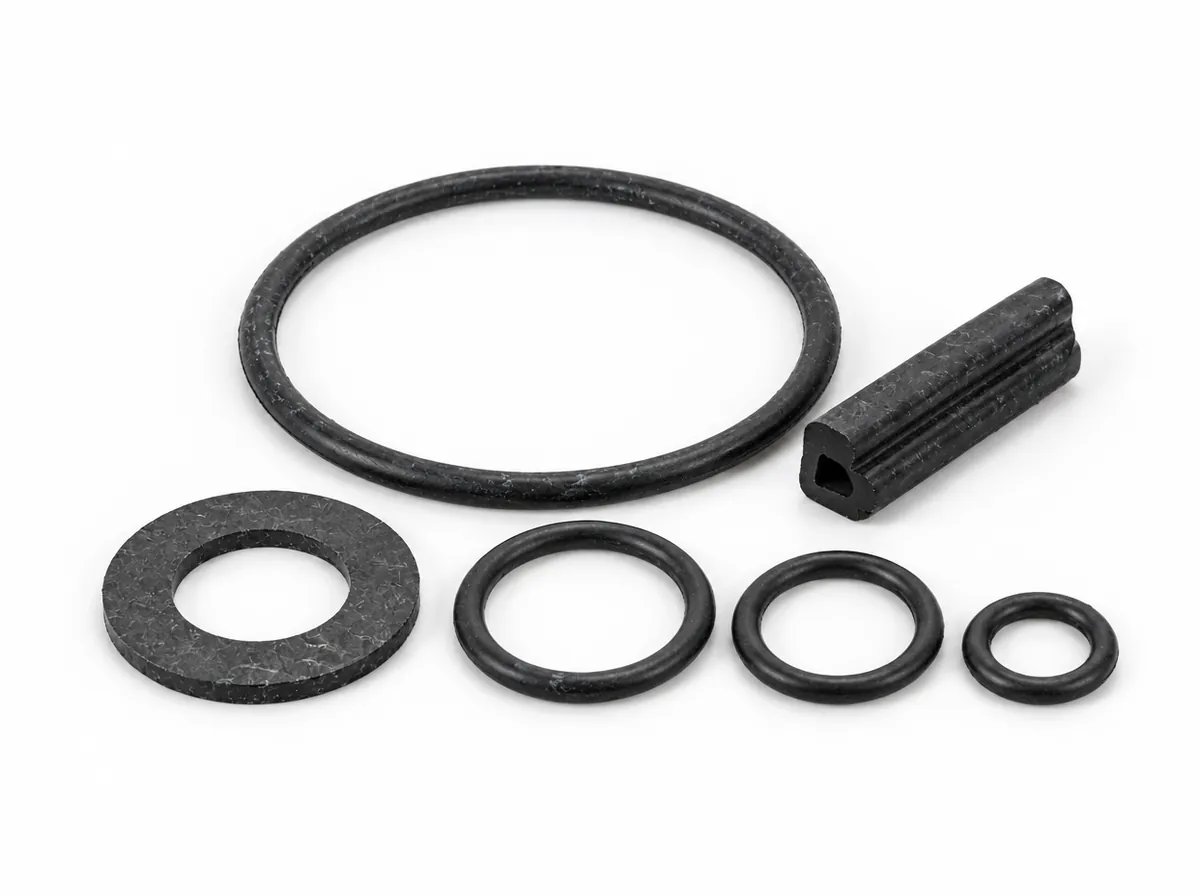
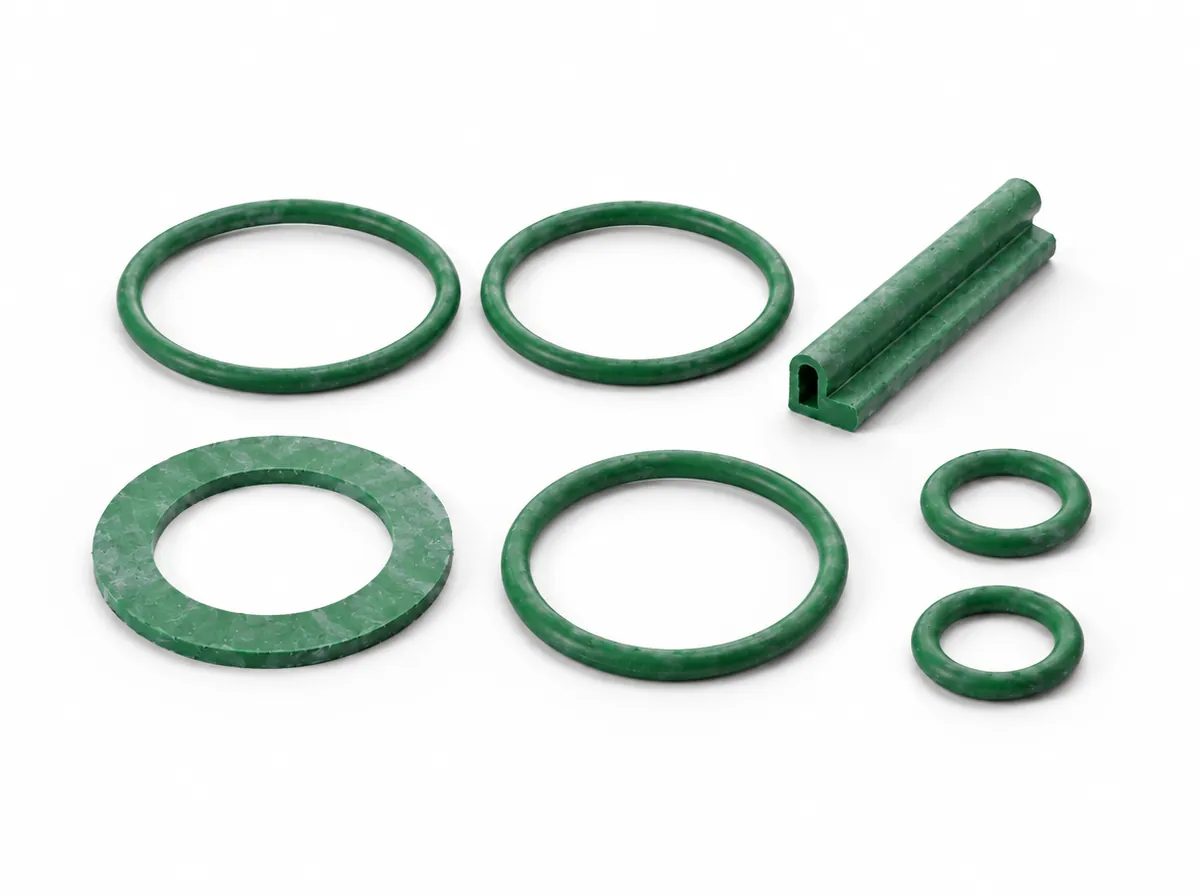
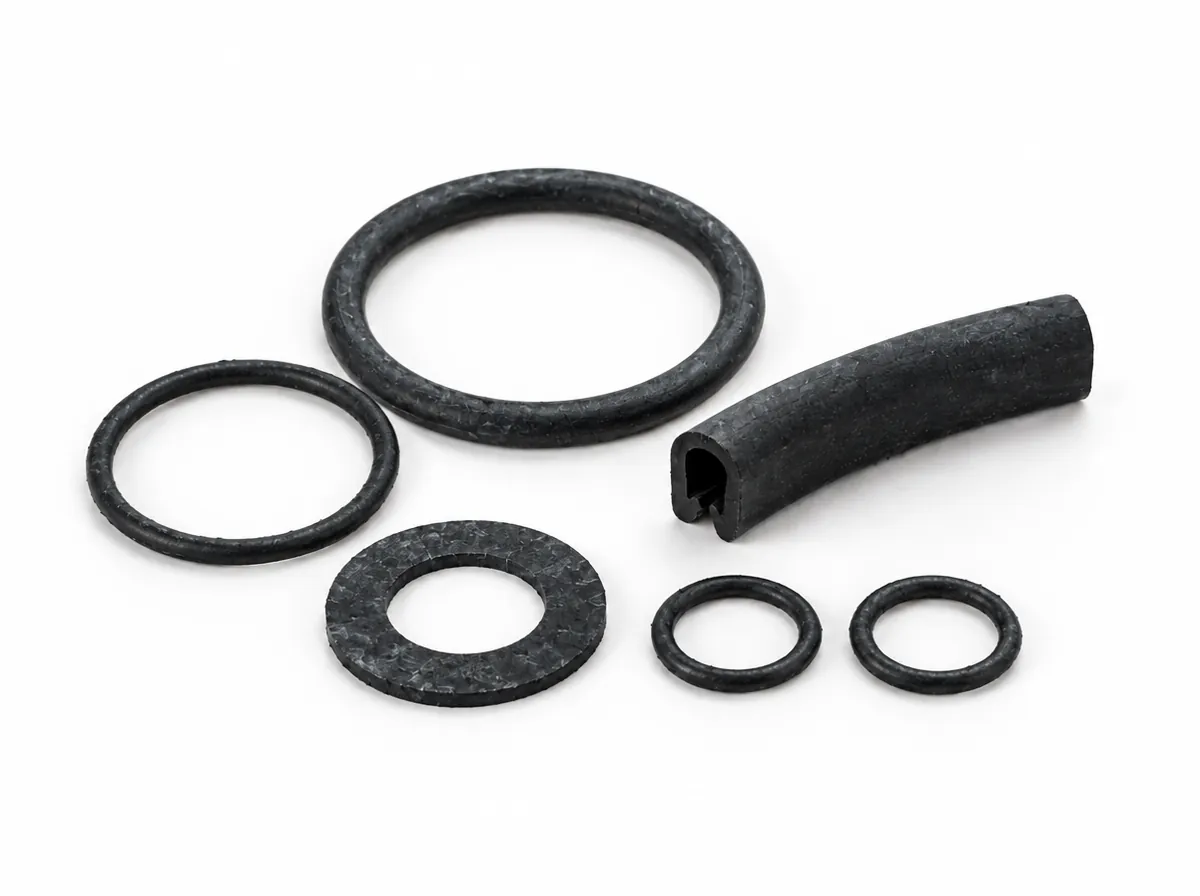
FVMQ stands for fluorosilicone elastomer and refers to a special group of fluorinated silicone elastomers. These materials combine the advantages of standard silicones (VMQ), such as flexibility and temperature resistance, with the additional resistance to fuels, oils and chemicals achieved through fluorination. FVMQ is often used in demanding applications in which conventional silicones or other elastomers are not sufficient.
-
Excellent resistance to fuels, oils and solvents.
-
High temperature stability: operating temperatures from approx. -60 °C to +230 °C.
-
Flexibility at low temperatures: retains its elasticity even at extremely low temperatures.
-
Weather resistance: high resistance to UV radiation and ozone.
-
Electrical insulation: good insulating properties that can be used in electronics.
FVMQ is used mainly in industries in which extreme conditions and chemical exposure occur.
Automotive industry
-
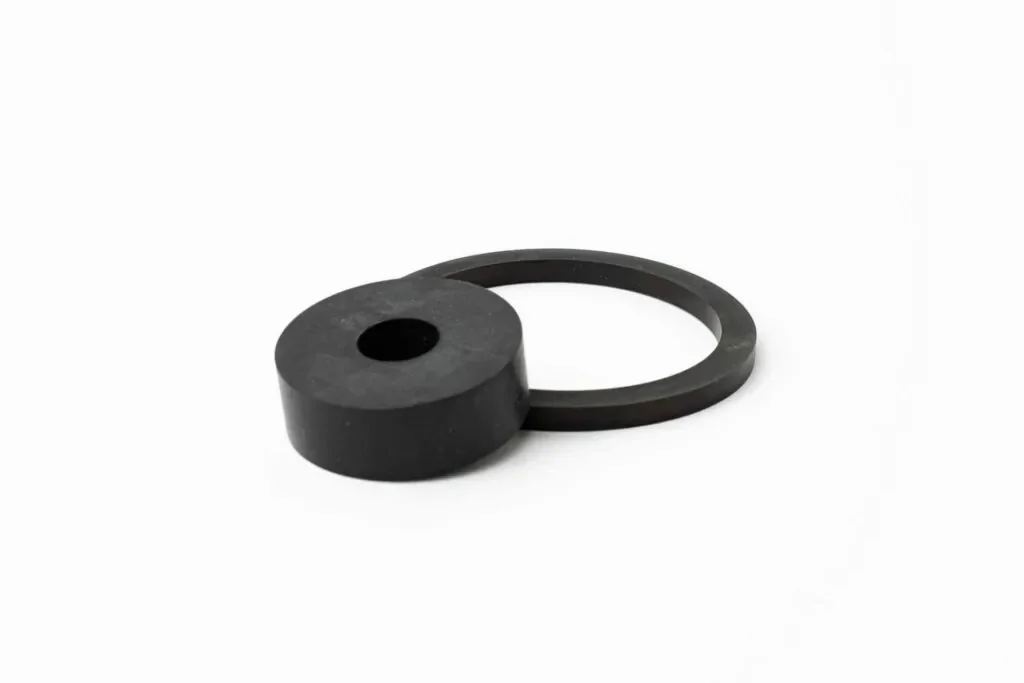
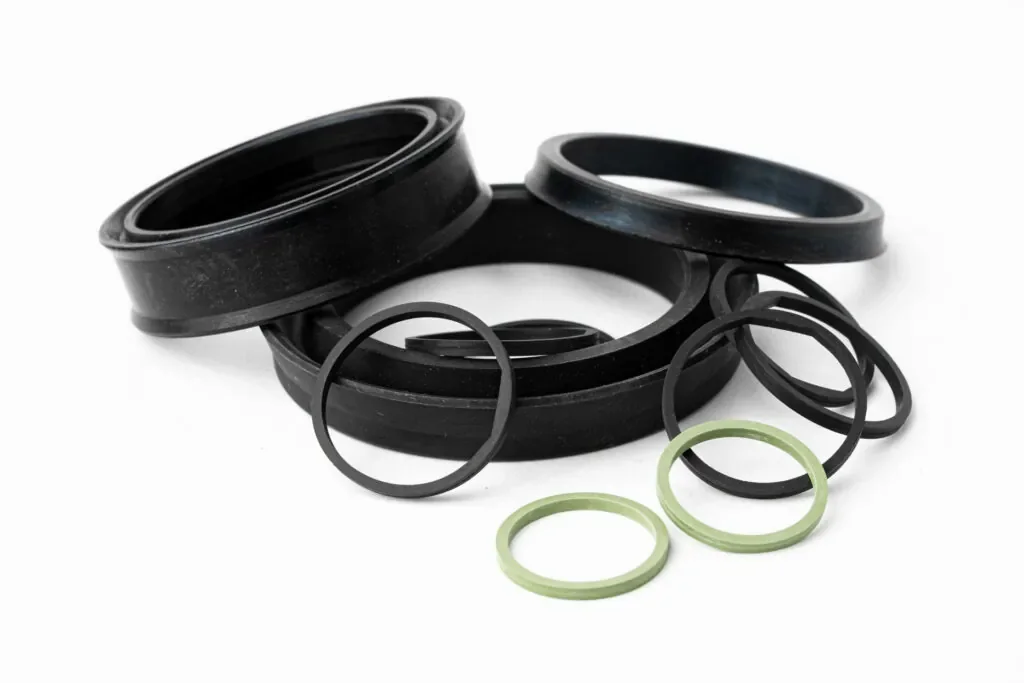
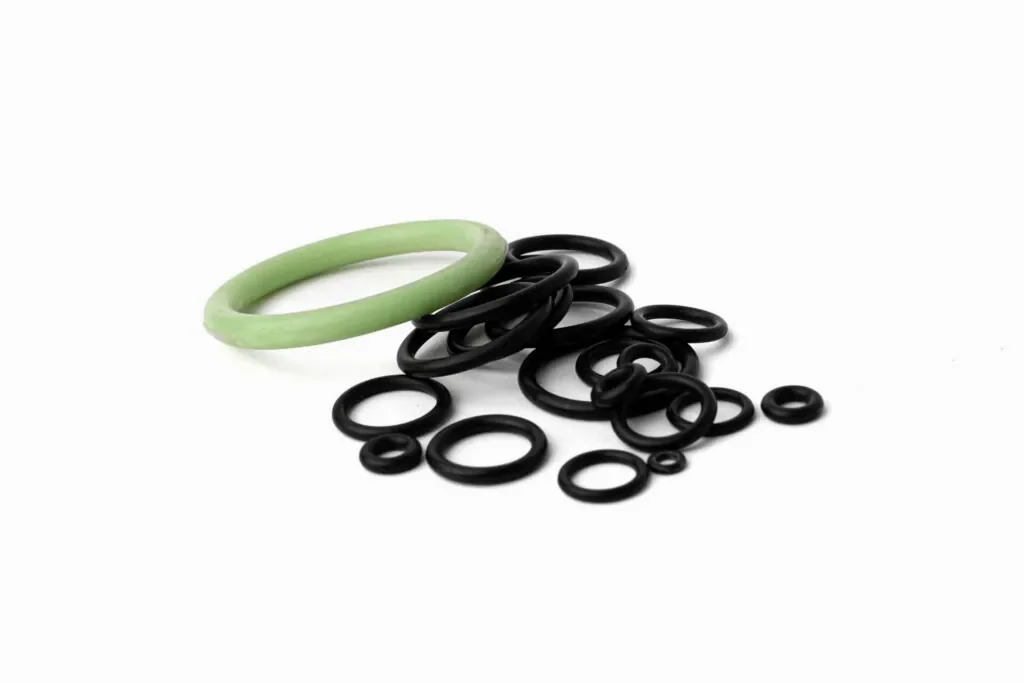
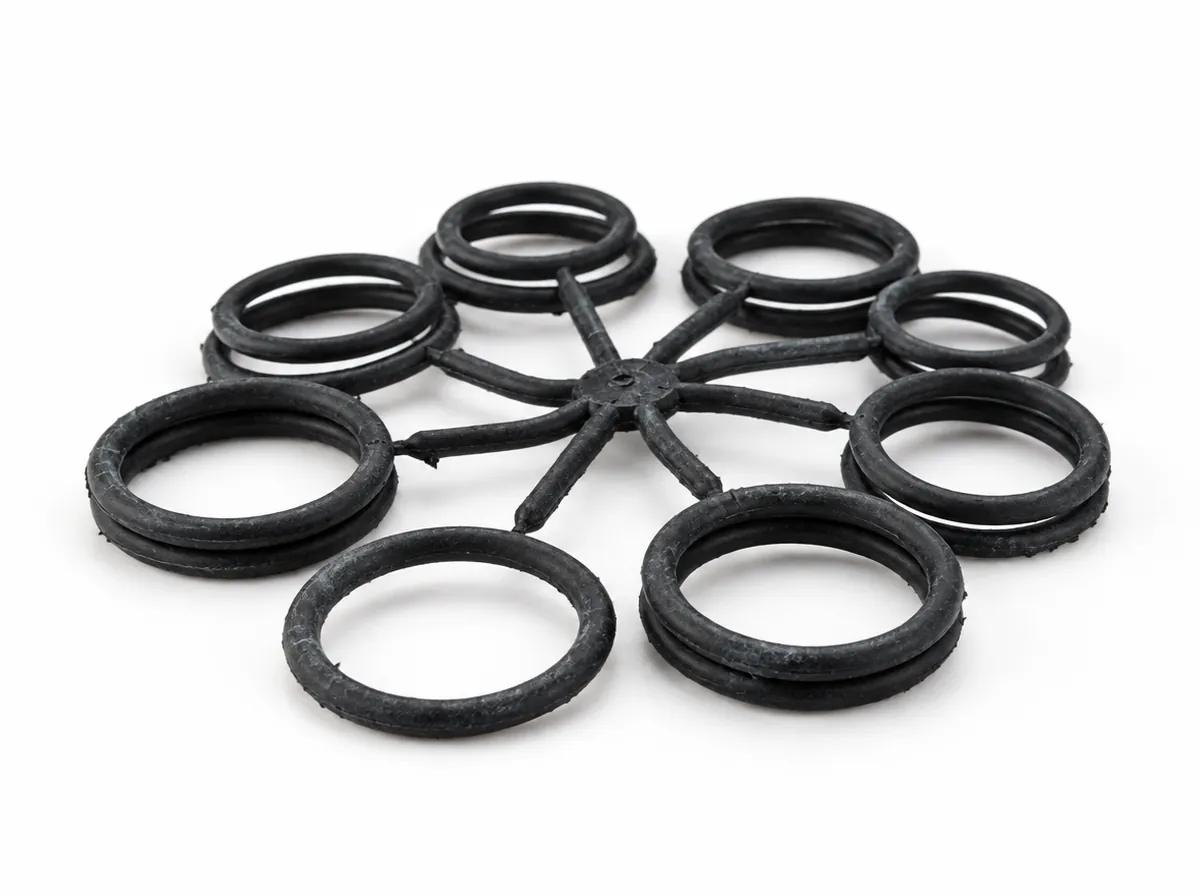
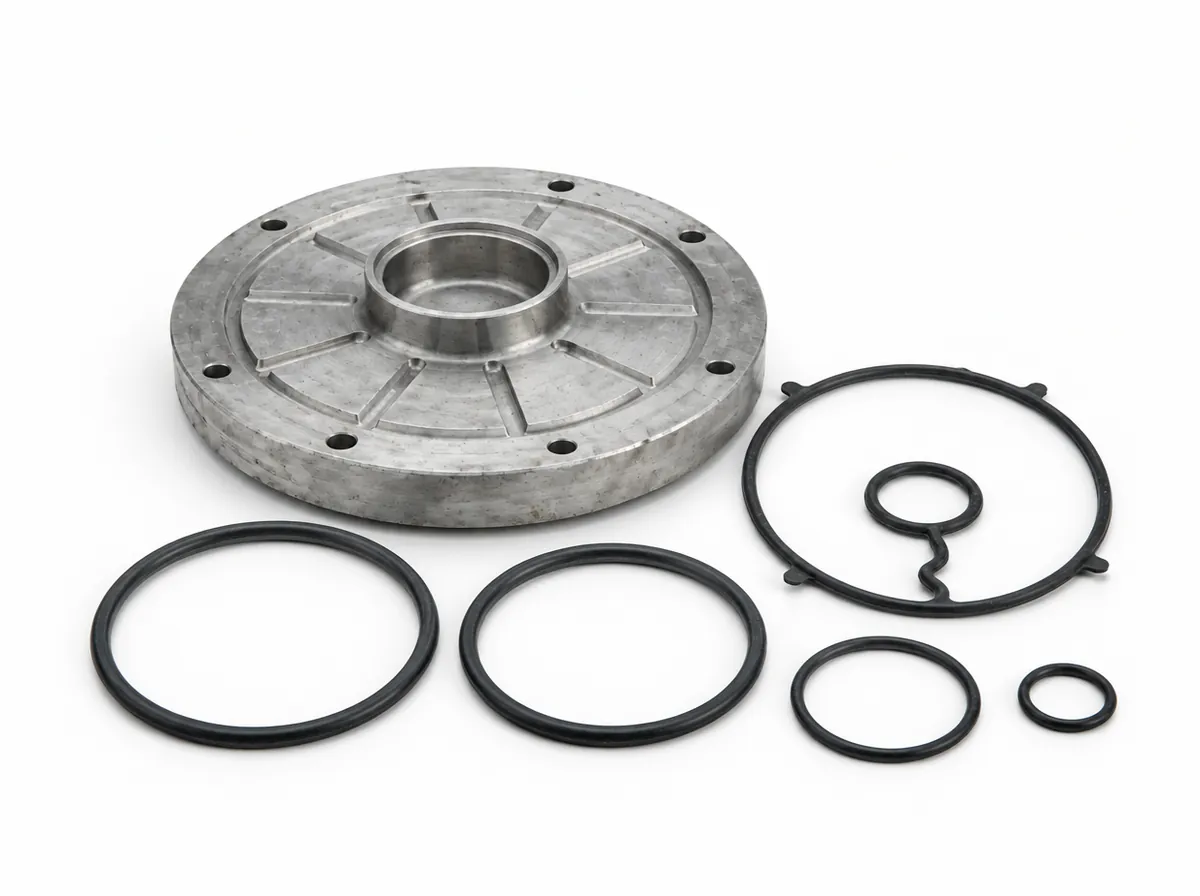
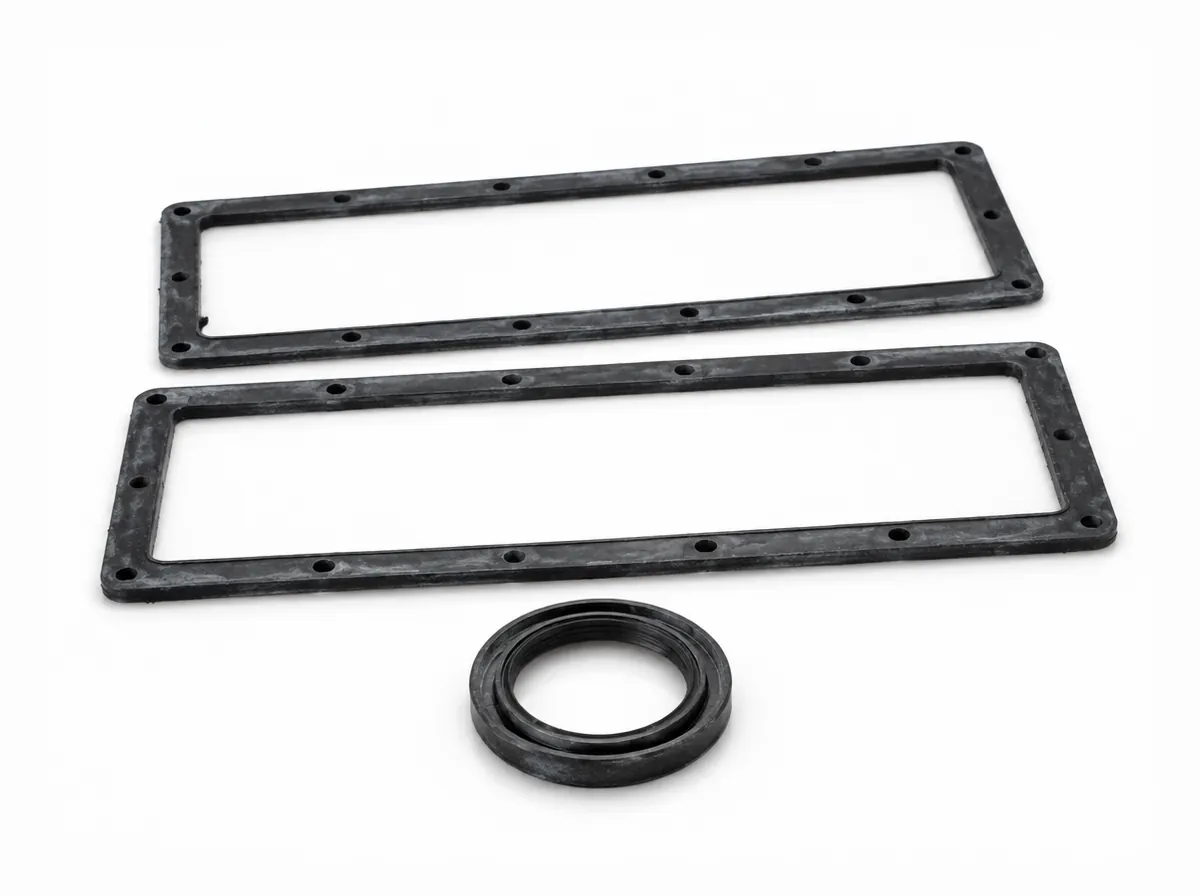
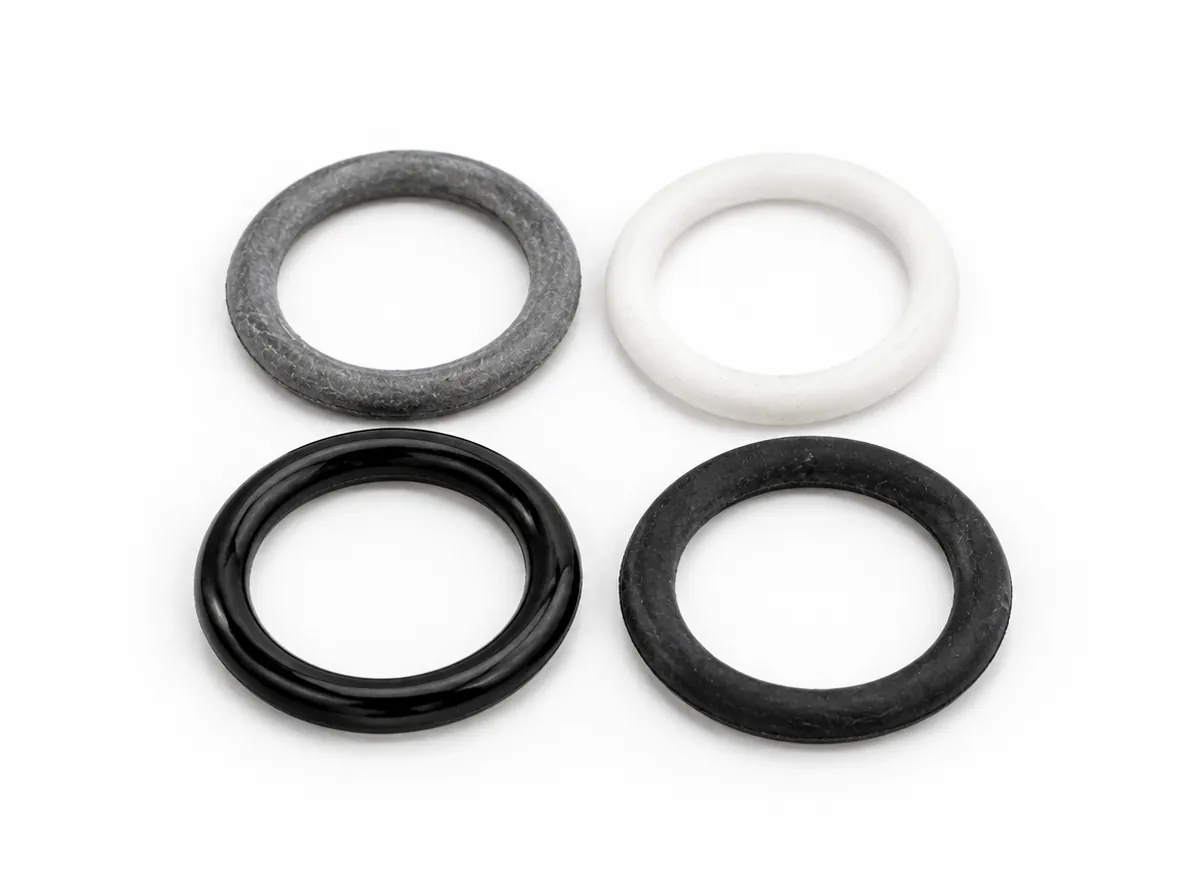
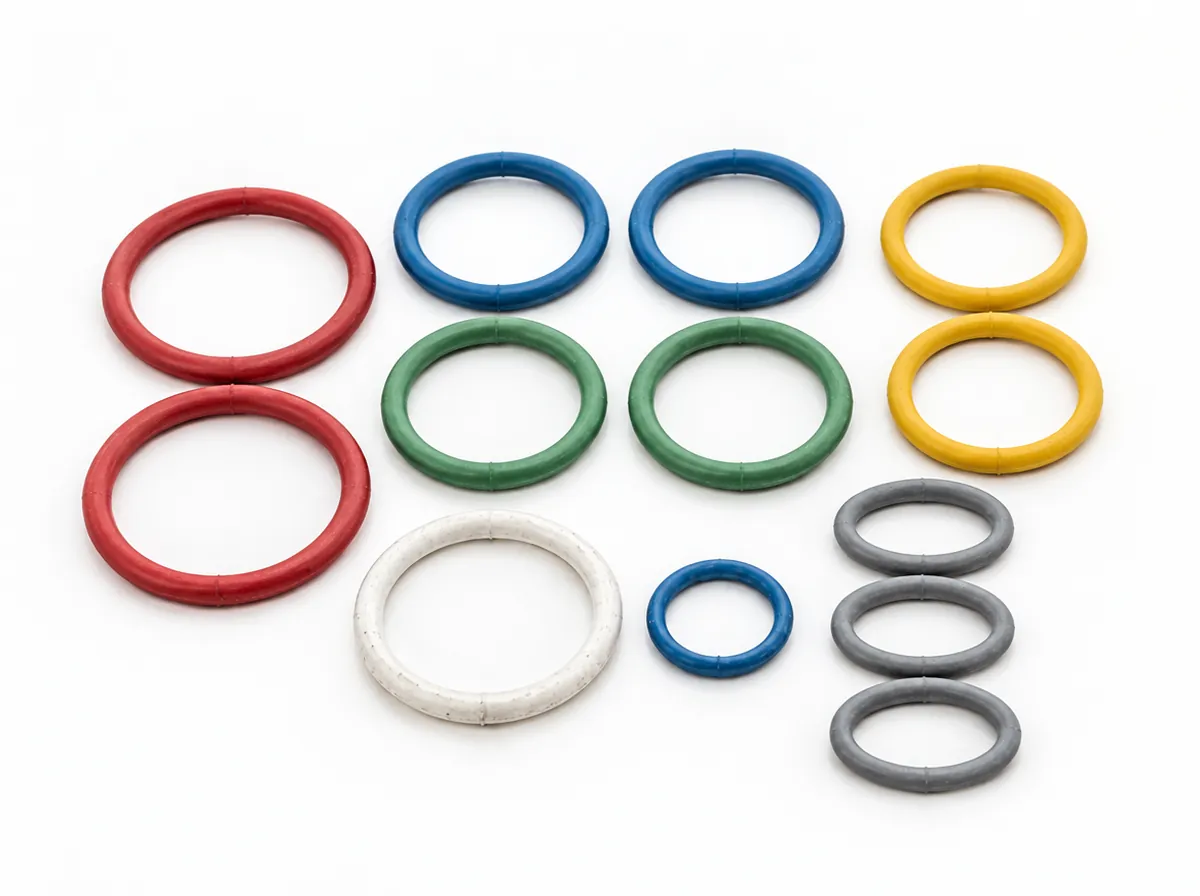
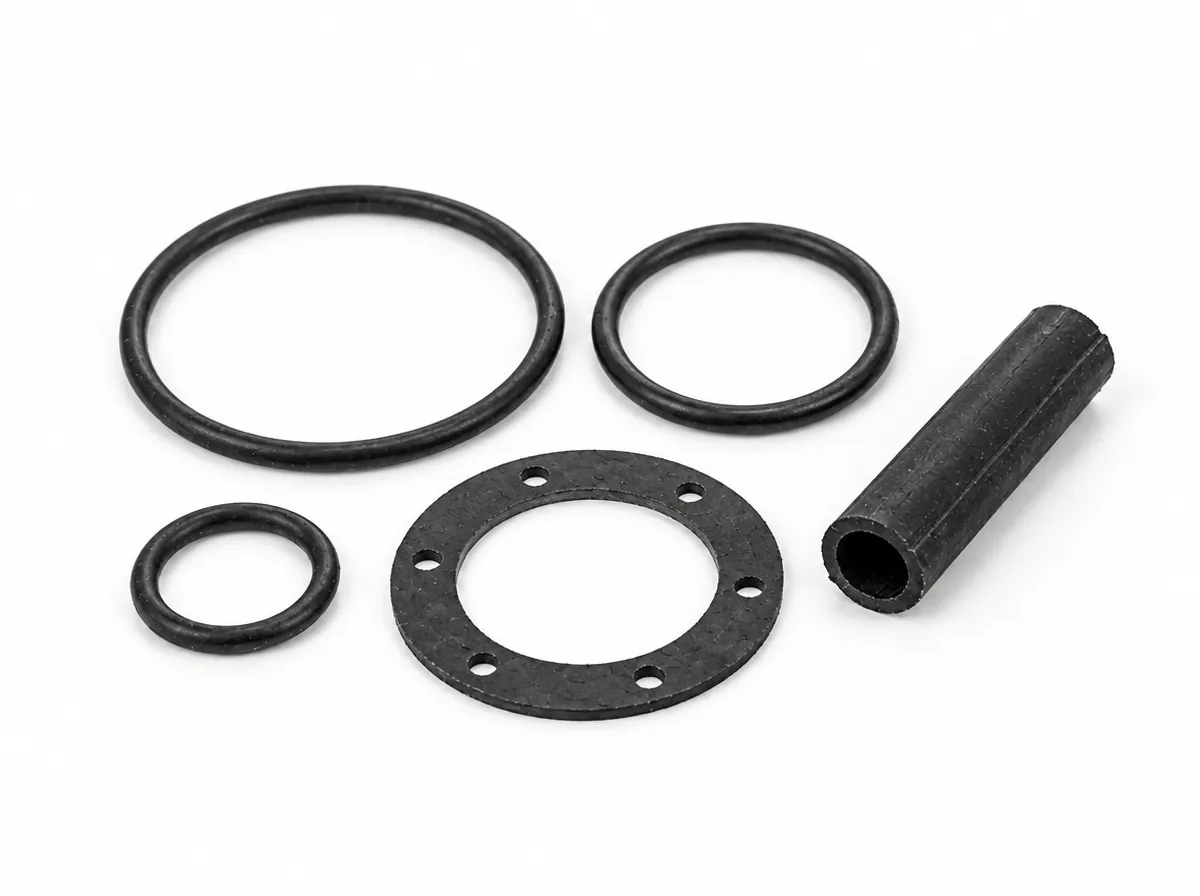
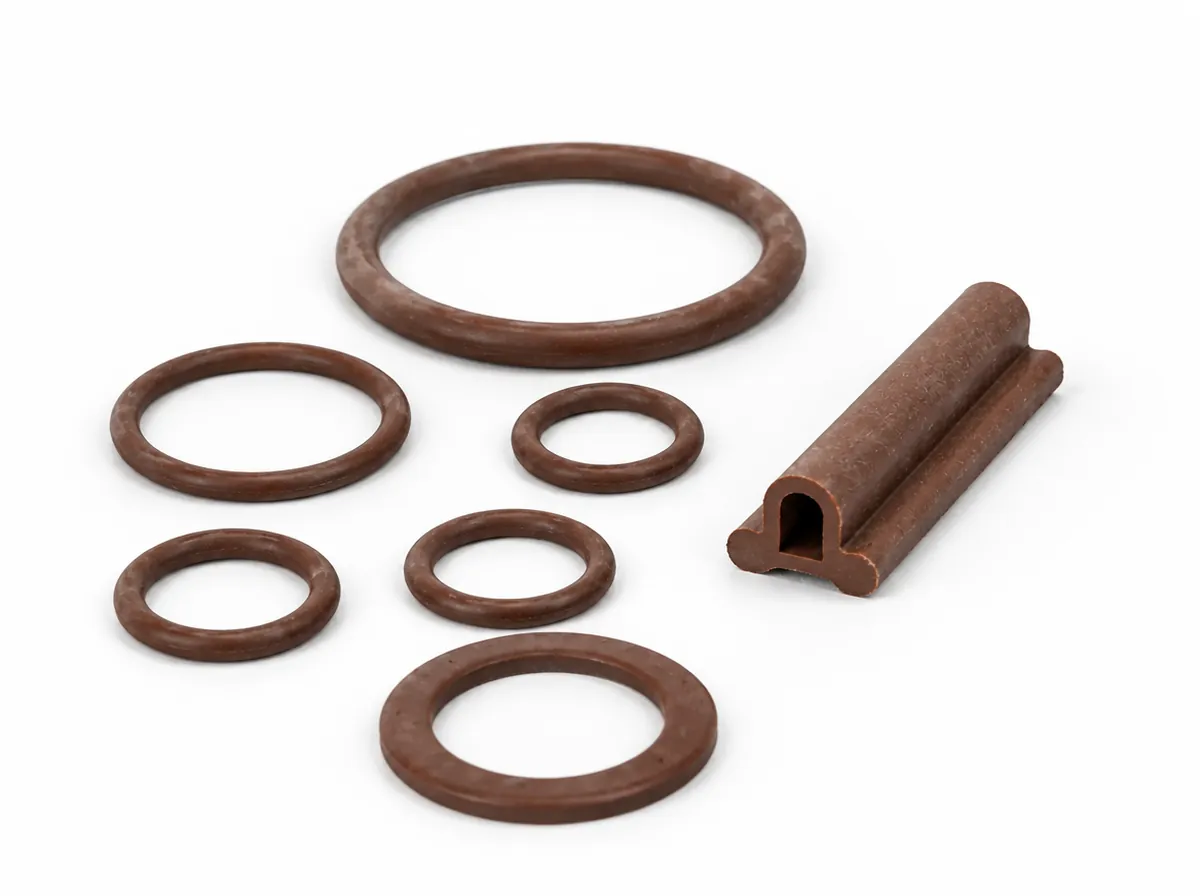
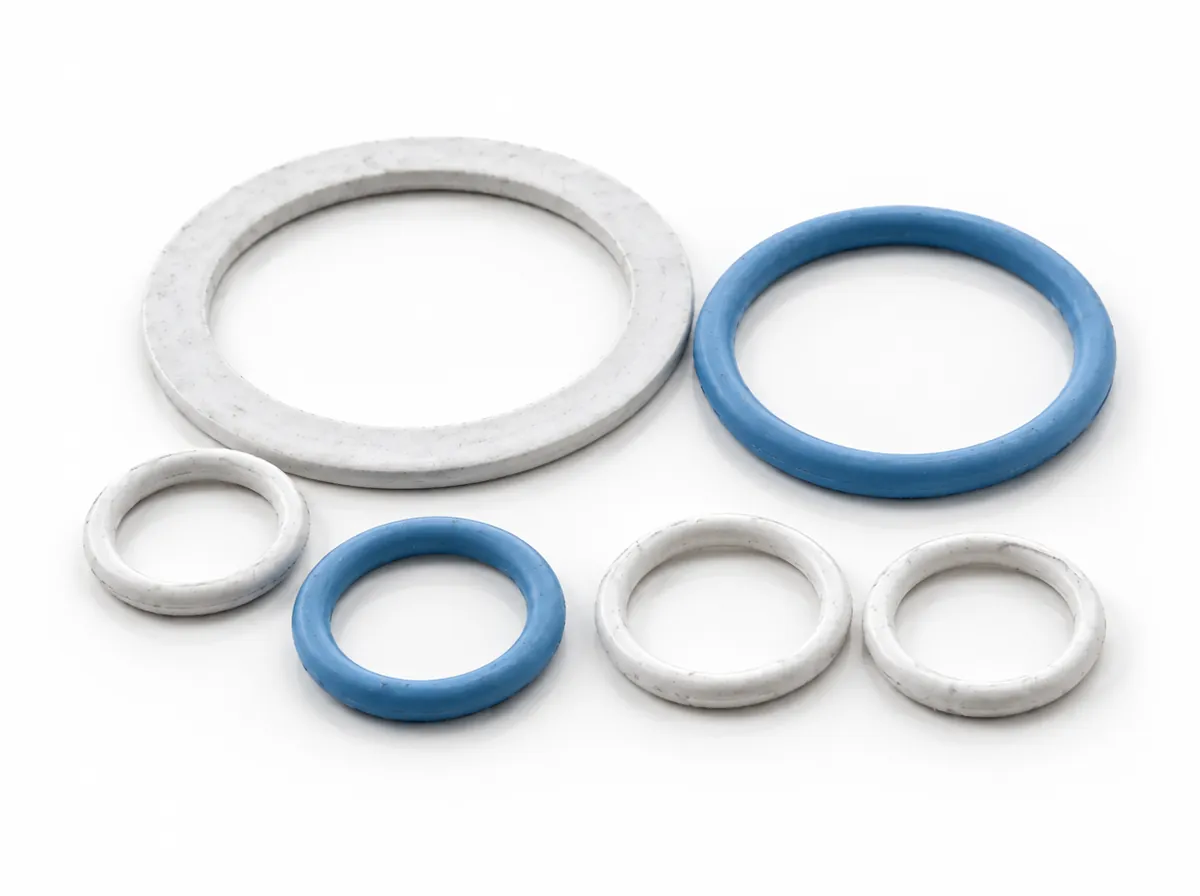
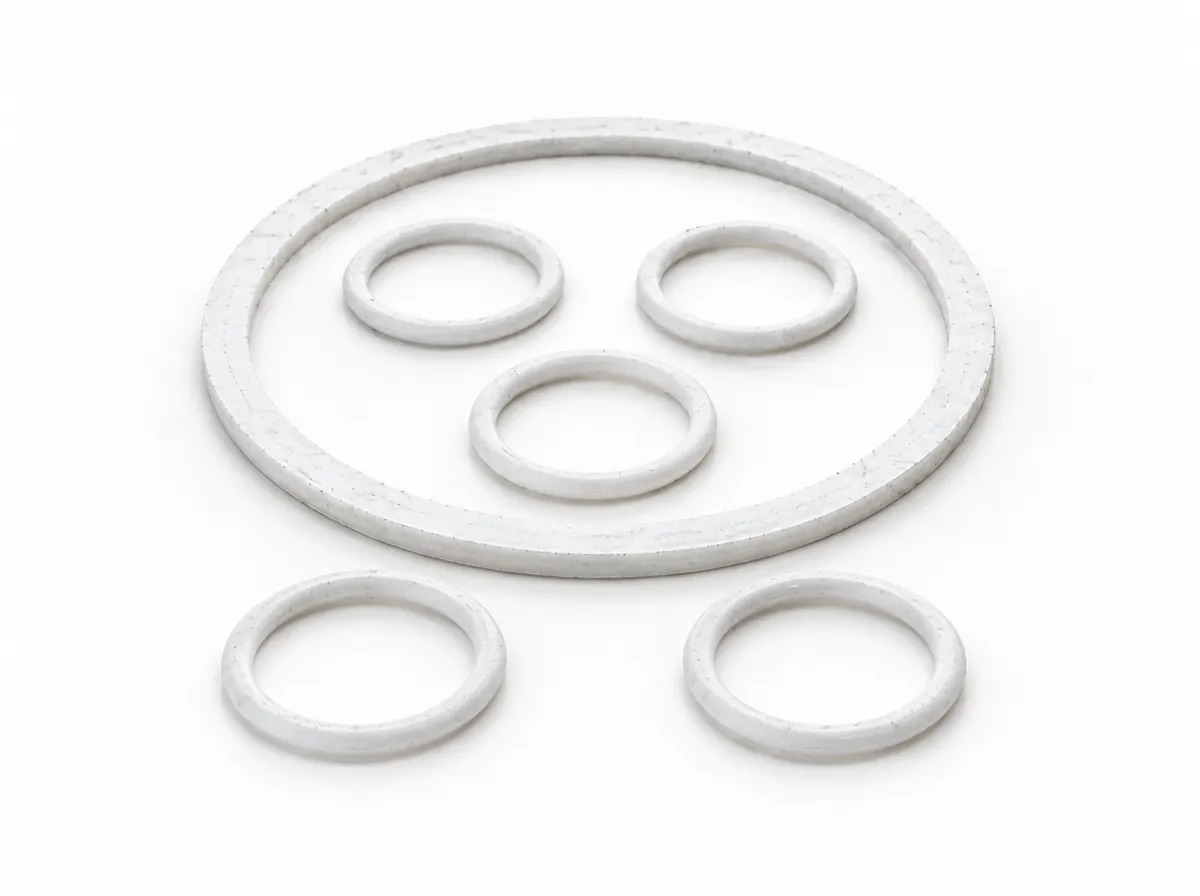
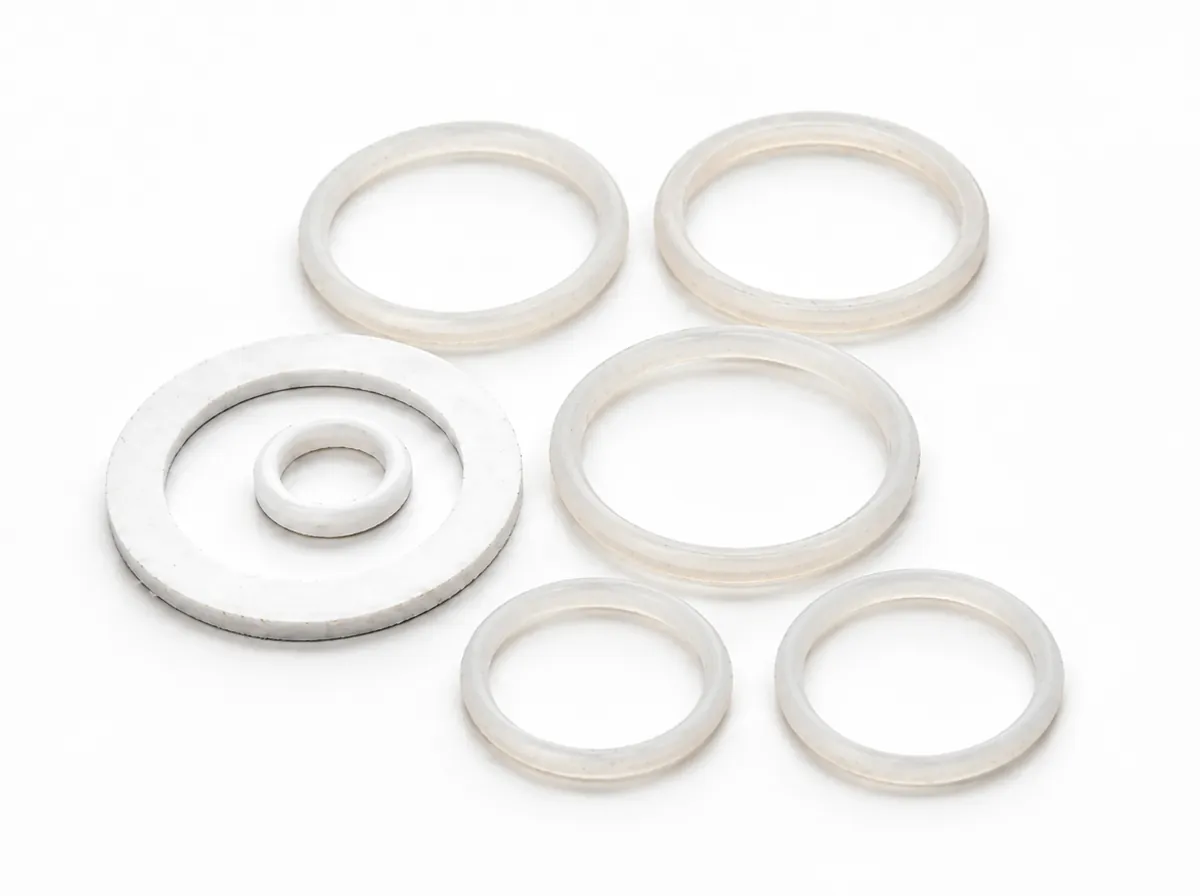
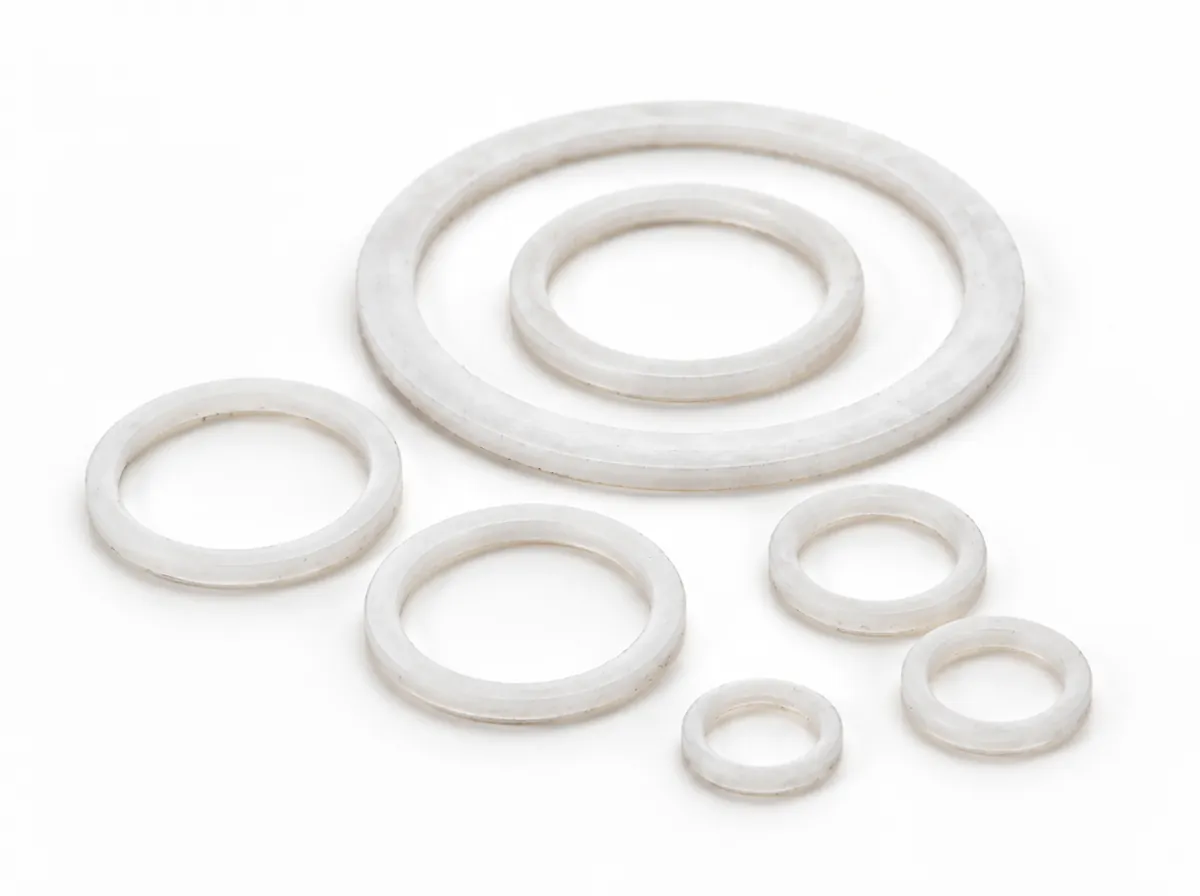
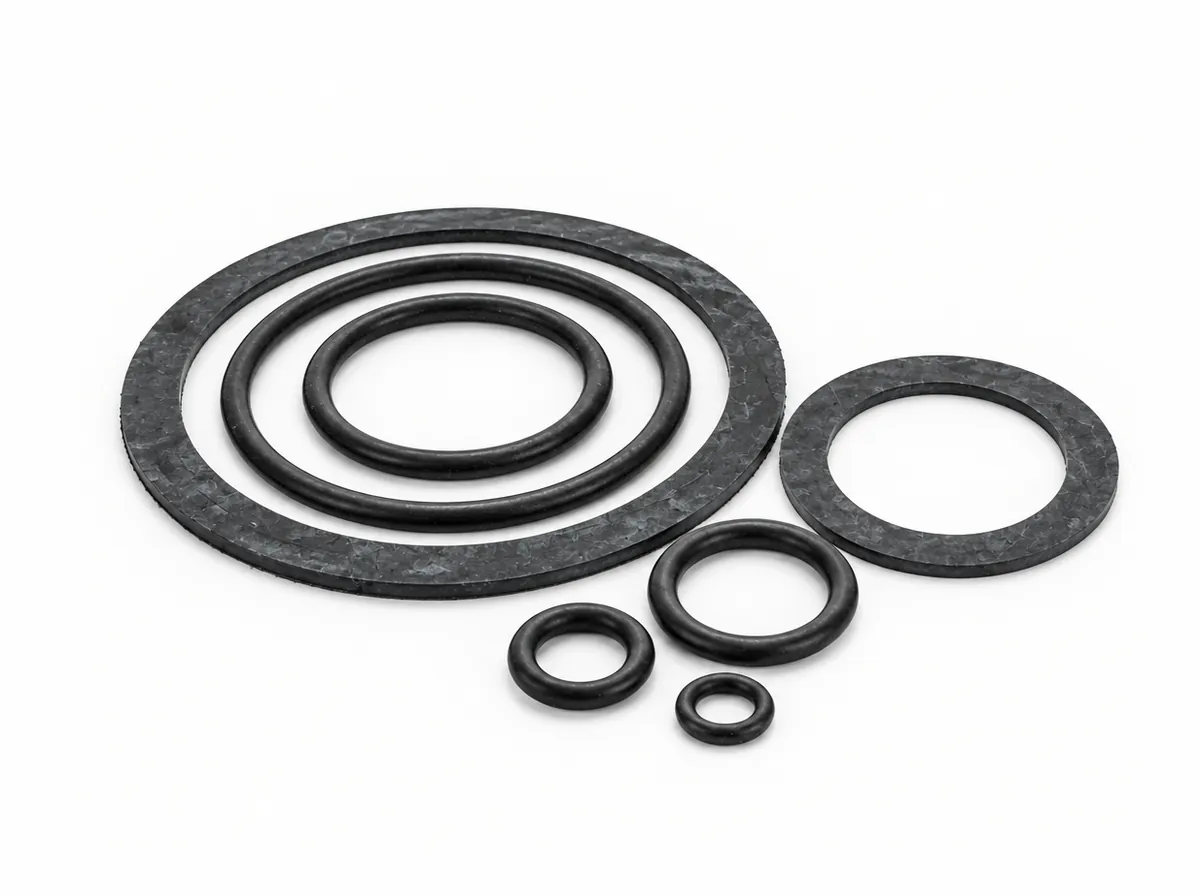
Seals and O-rings: for fuel systems, oil lines and turbochargers.
-
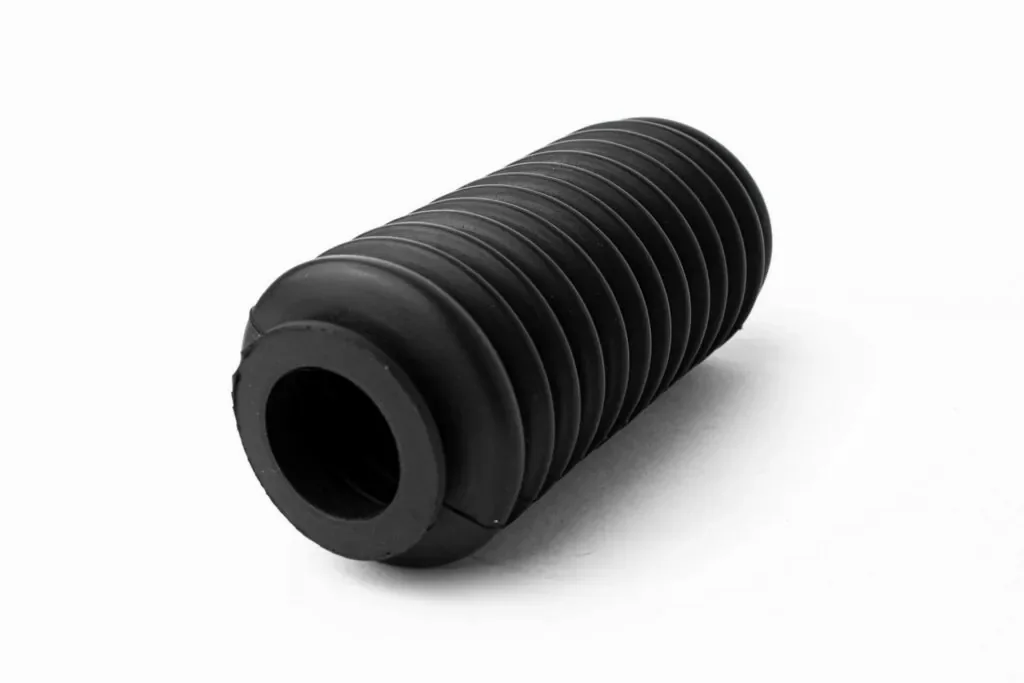
Hoses and membranes: in engine and fuel systems.
-
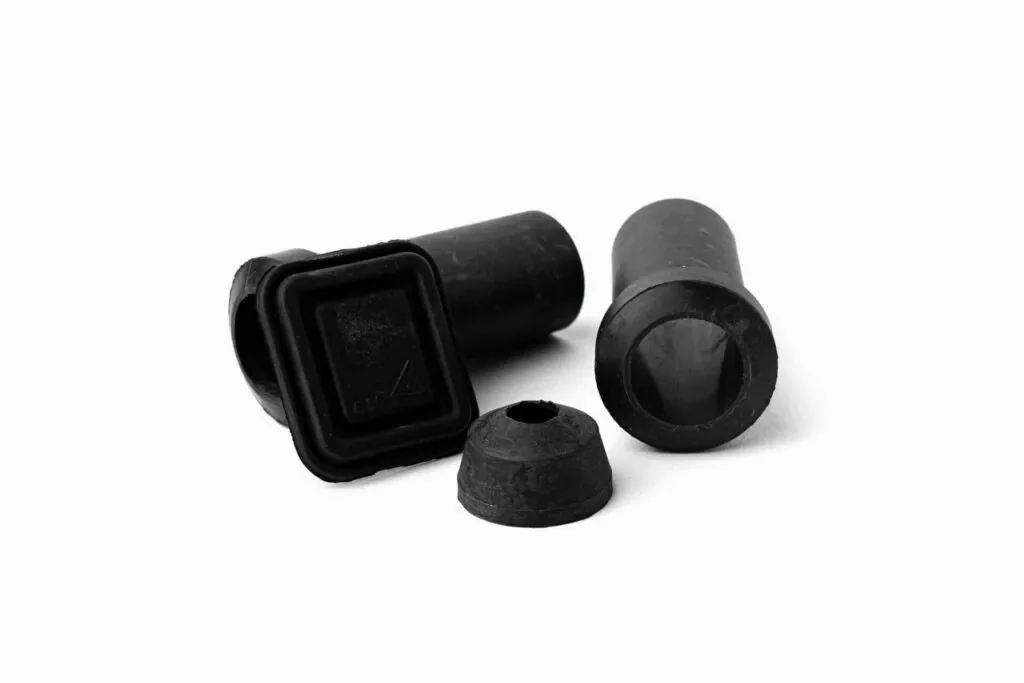
Vibration dampers: resistant to vibrations and chemical exposure.
Aerospace
-
Seals and O-rings: for aircraft fuel systems and hydraulic systems.
-
Insulation: protection against extreme temperatures and chemical exposure.
Chemical industry
-
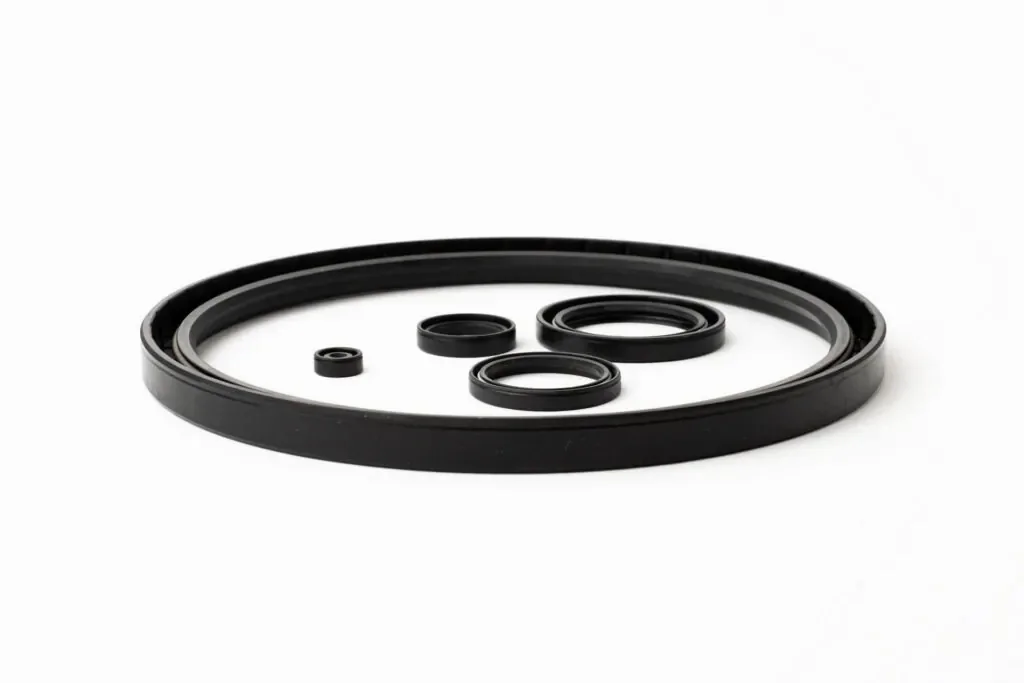
Seals: in plants that work with aggressive chemicals.
-
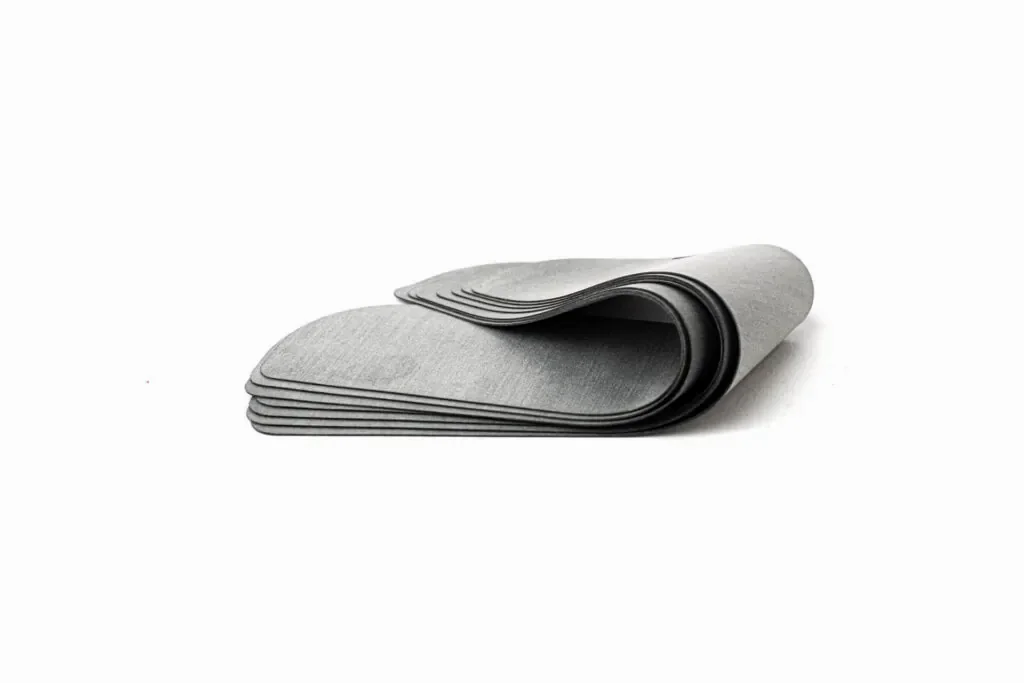
Membranes: for pumps and valves that come into contact with solvents and fuels.
Electrical industry
-
Protective coatings: for electronic components.
-
Seals: for equipment operated in harsh environments.
Compared with other elastomers, FVMQ offers specific advantages, particularly under chemical exposure and at extreme temperatures. The following table shows the differences from other common materials:
| Property | FVMQ | VMQ (silicone) | NBR (nitrile rubber) |
|---|---|---|---|
| Temperature range | -60 °C to +230 °C | -50 °C to +200 °C | -30 °C to +120 °C |
| Resistance to oils and fuels | Very high | Limited | High |
| Resistance to chemicals | Very high | Limited | Medium |
| Weather resistance | Excellent | Excellent | Limited |
| Costs | High | Medium | Low |
-
Chemical resistance: particularly suitable for aggressive environments with fuels, solvents and chemicals.
-
Temperature tolerance: can be used in extremely cold or hot environments.
-
Durability: high weather and ozone resistance ensures a long service life.
-
Versatility: used in critical applications where other elastomers fail.
-
Costs: FVMQ is more expensive than VMQ and many other elastomers, which limits its use to highly specialised areas.
-
Mechanical properties: tear strength and abrasion resistance are lower than those of other elastomers (e.g. NBR).
-
Complex processing: manufacturing and processing require specialised methods and equipment.
-
How does FVMQ differ from conventional silicone (VMQ)? FVMQ offers considerably higher resistance to oils, fuels and chemicals, while VMQ stands out above all for its high flexibility and temperature resistance.
-
In which environments is FVMQ particularly suitable? FVMQ is particularly suitable for extreme temperatures (-60 °C to +230 °C) and applications that come into contact with aggressive chemicals or fuels.
-
What are the main applications of FVMQ in the automotive industry? The main applications include seals, O-rings, moulded articles, hoses and membranes in fuel systems, as well as vibration dampers and turbocharger seals.
-
Are there environmentally friendly alternatives to FVMQ? While FVMQ is indispensable for special applications, more environmentally friendly elastomers such as EPDM or recycled materials can be used in less demanding environments.
FVMQ combines the advantages of silicone with exceptional chemical resistance and temperature stability. It is the first choice for applications that require high load capacity, durability and flexibility. Whether in the automotive industry, aerospace or electronics, FVMQ offers solutions for the most demanding technical challenges.
Questions about this term?
Our technical advice
Do you have a specific application or a question about elastomer processing? Talk to us, we will help you with material, process and approval.