




Glossary of elastomer processing
Metric rings
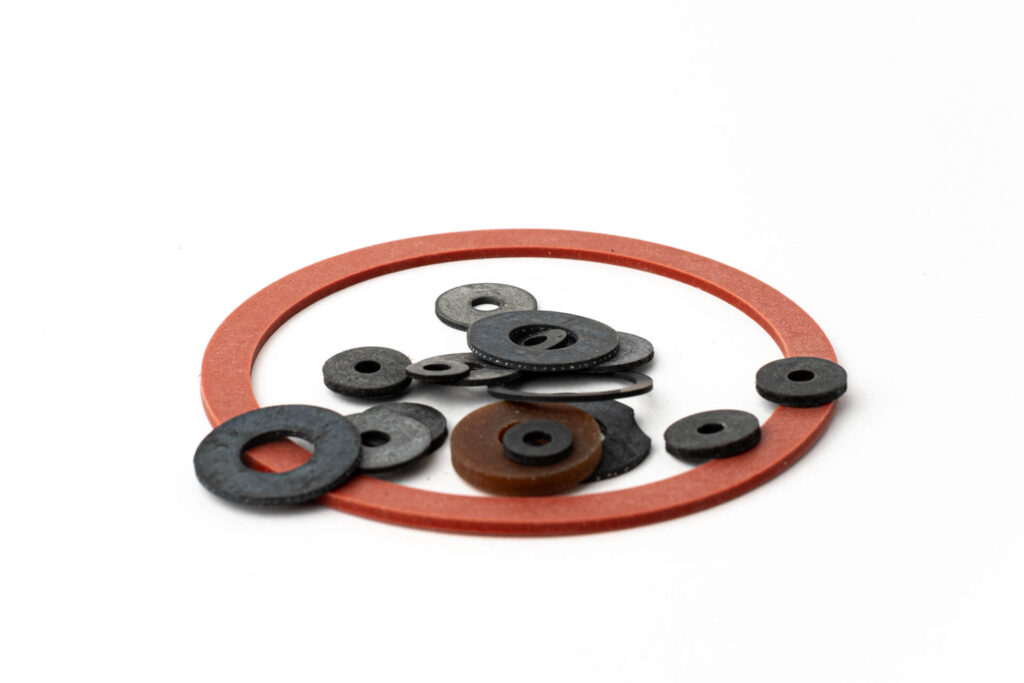
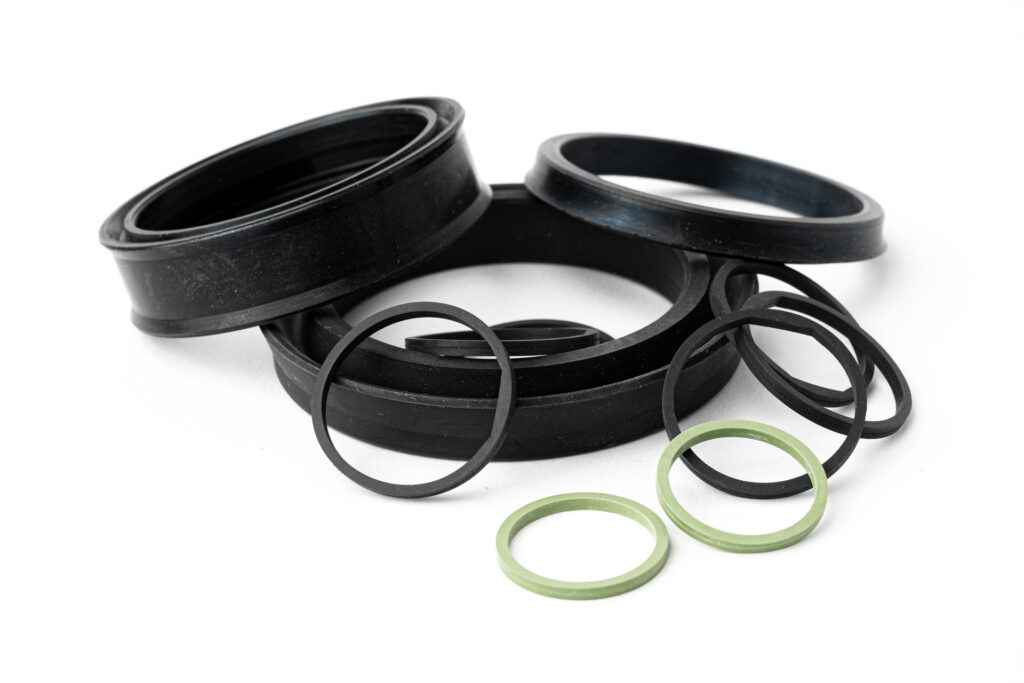
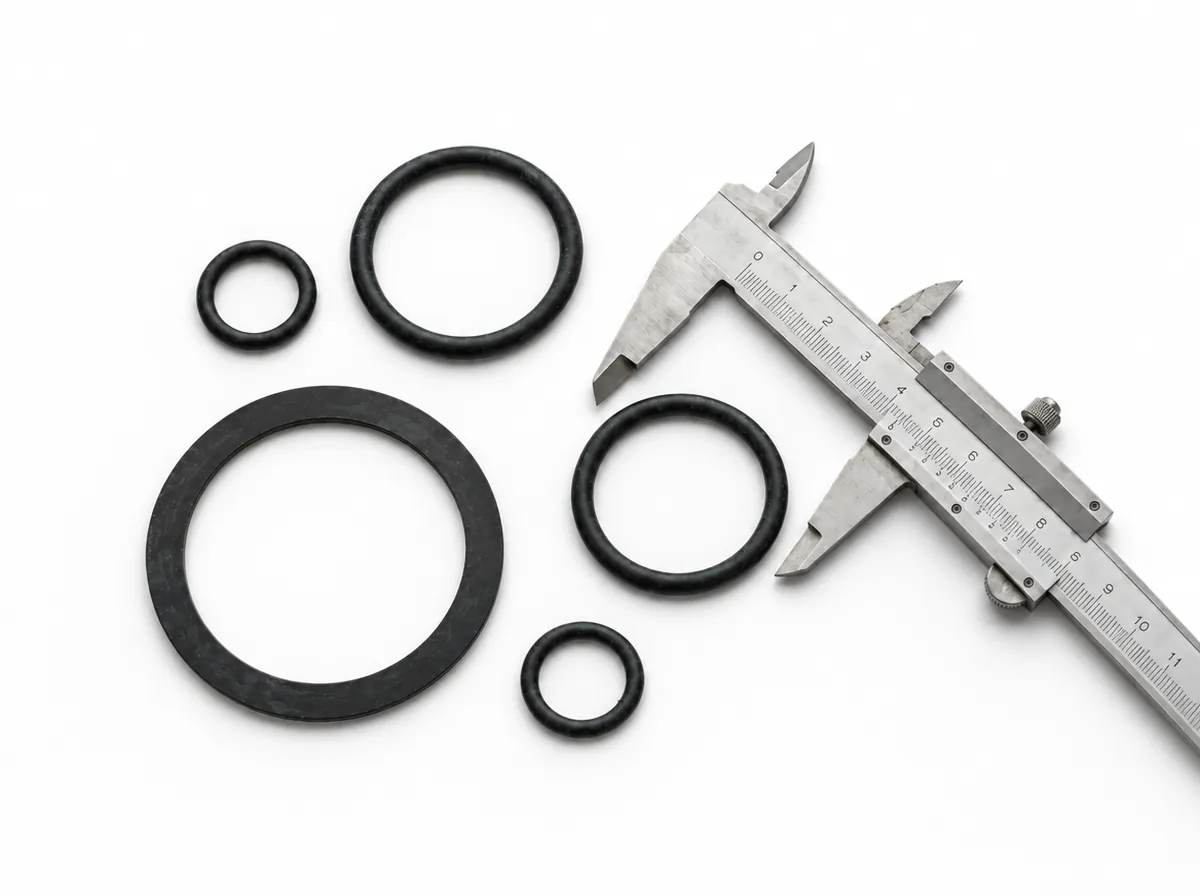
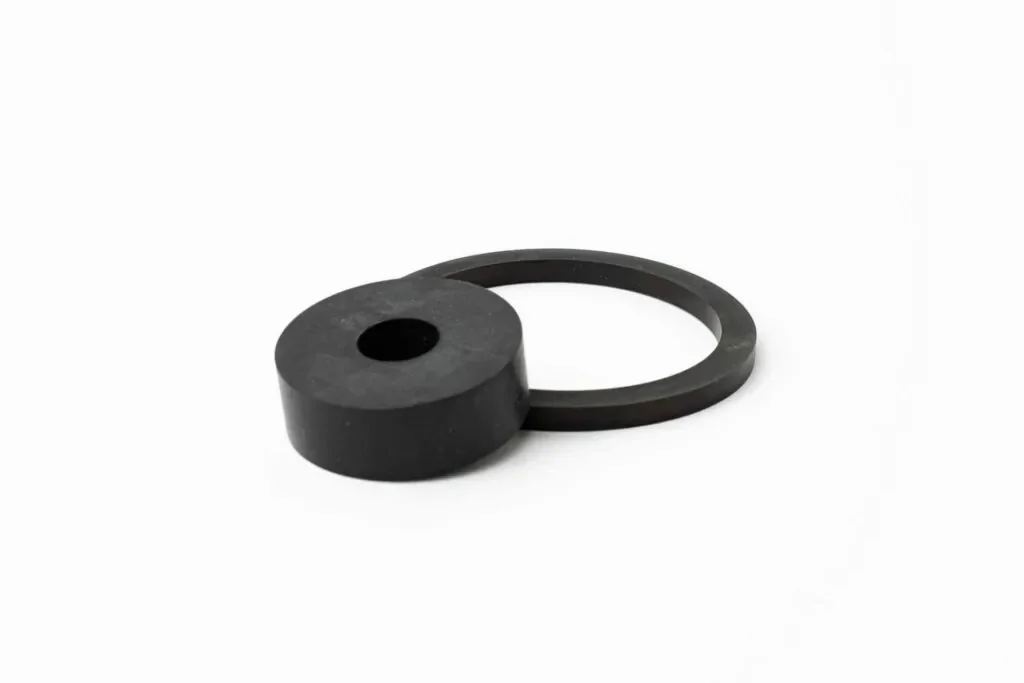
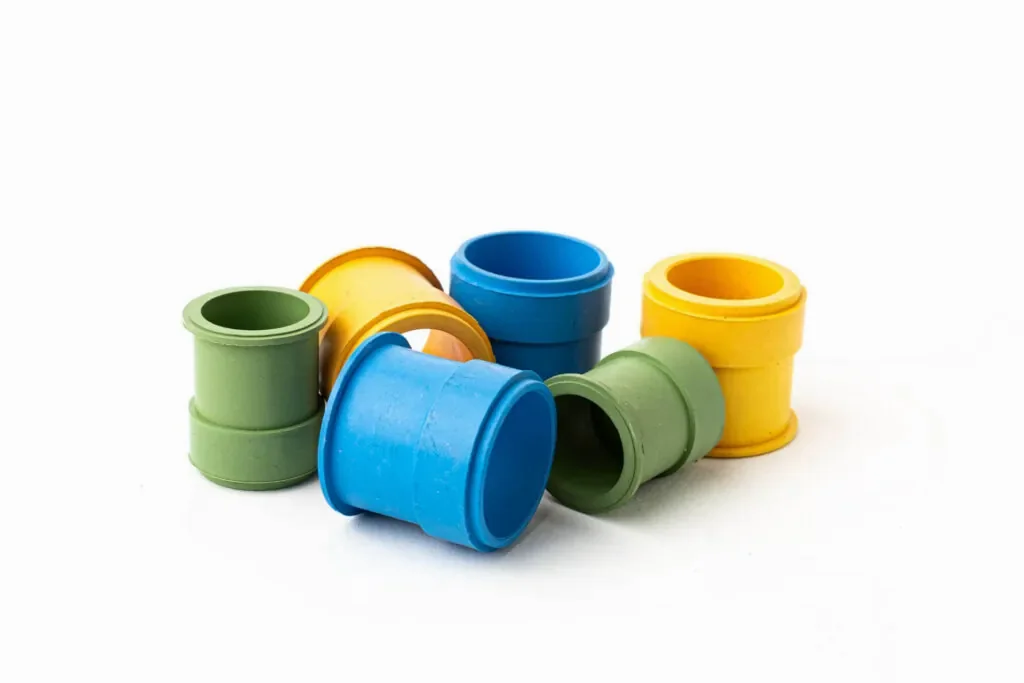
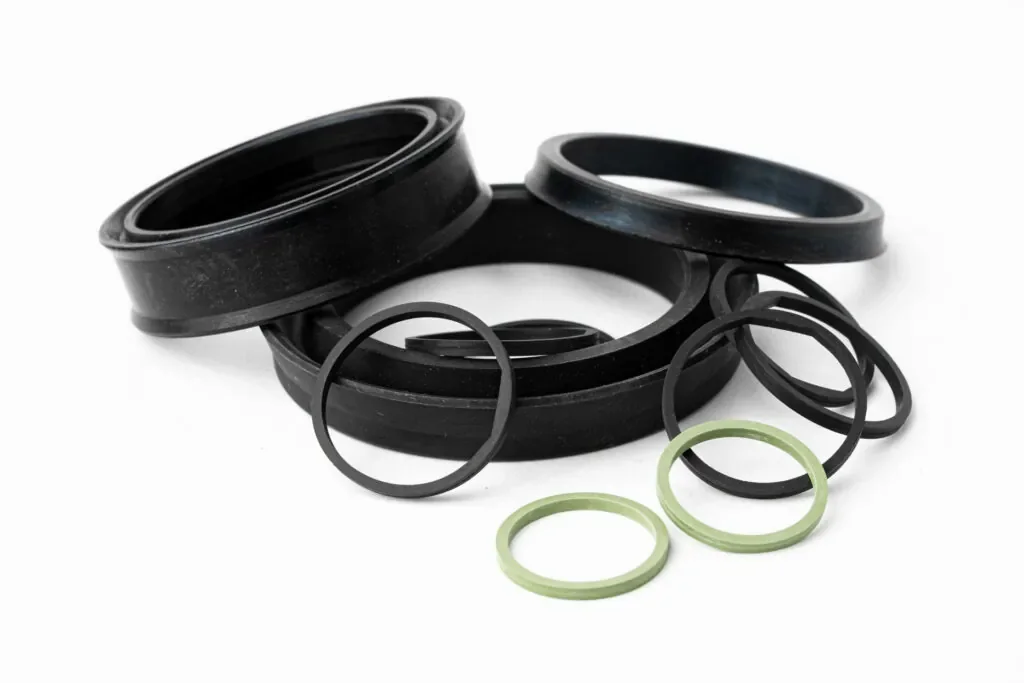
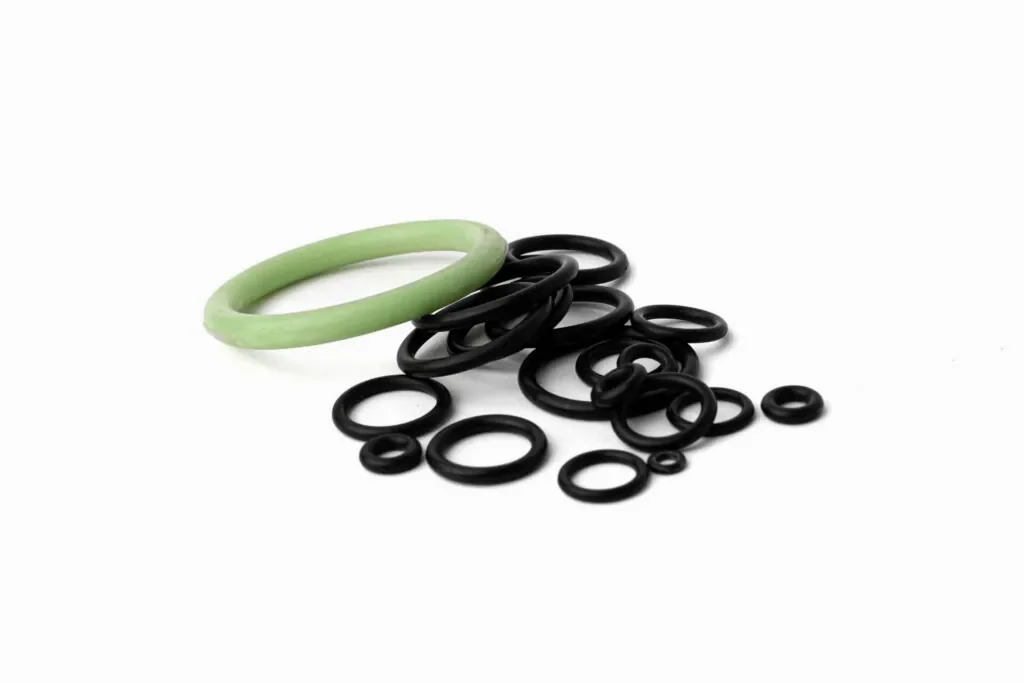
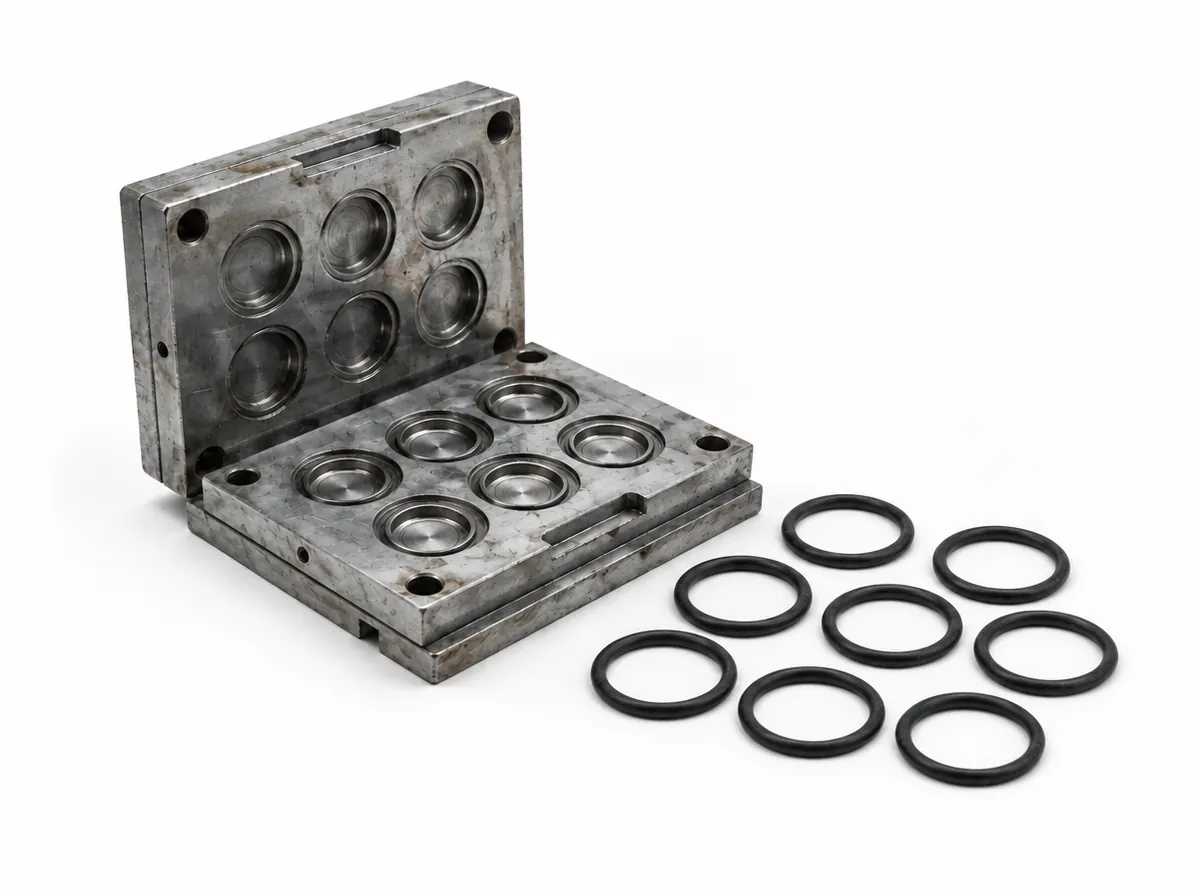
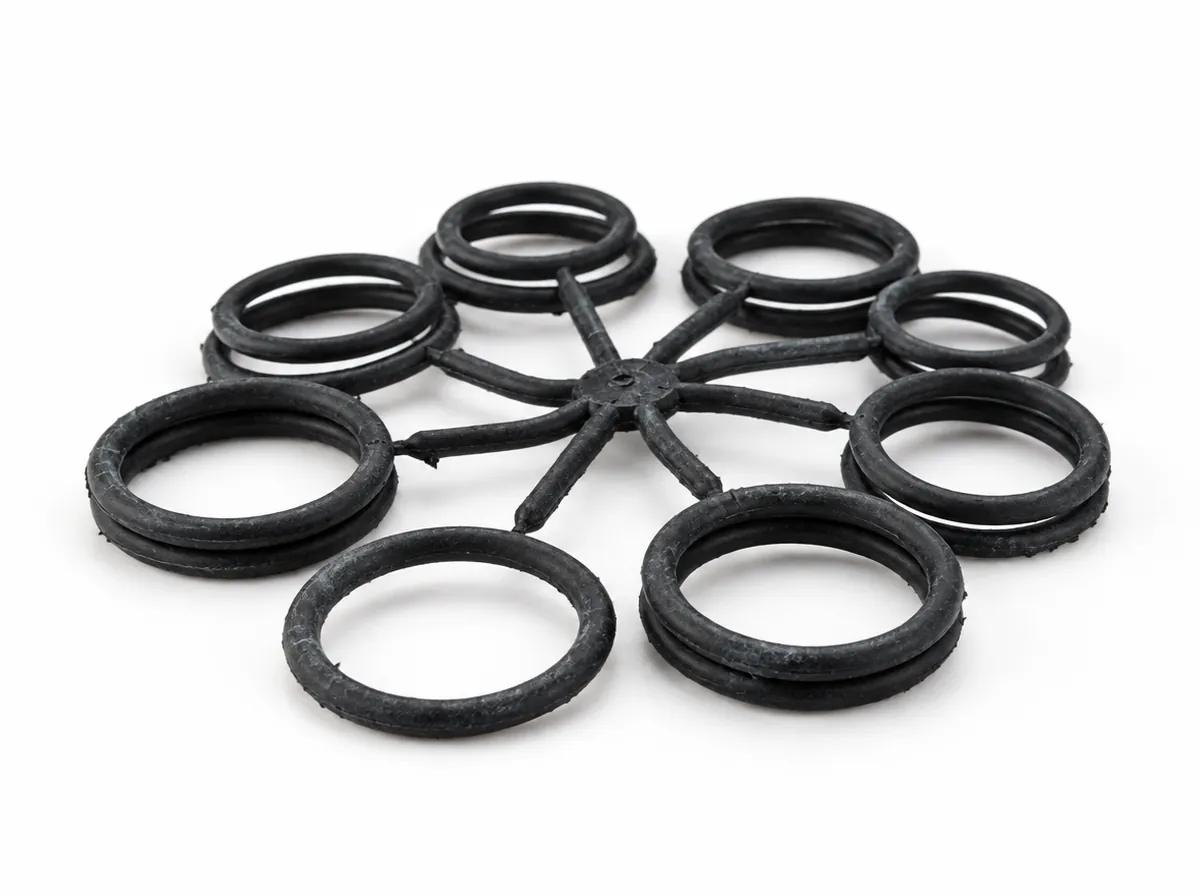
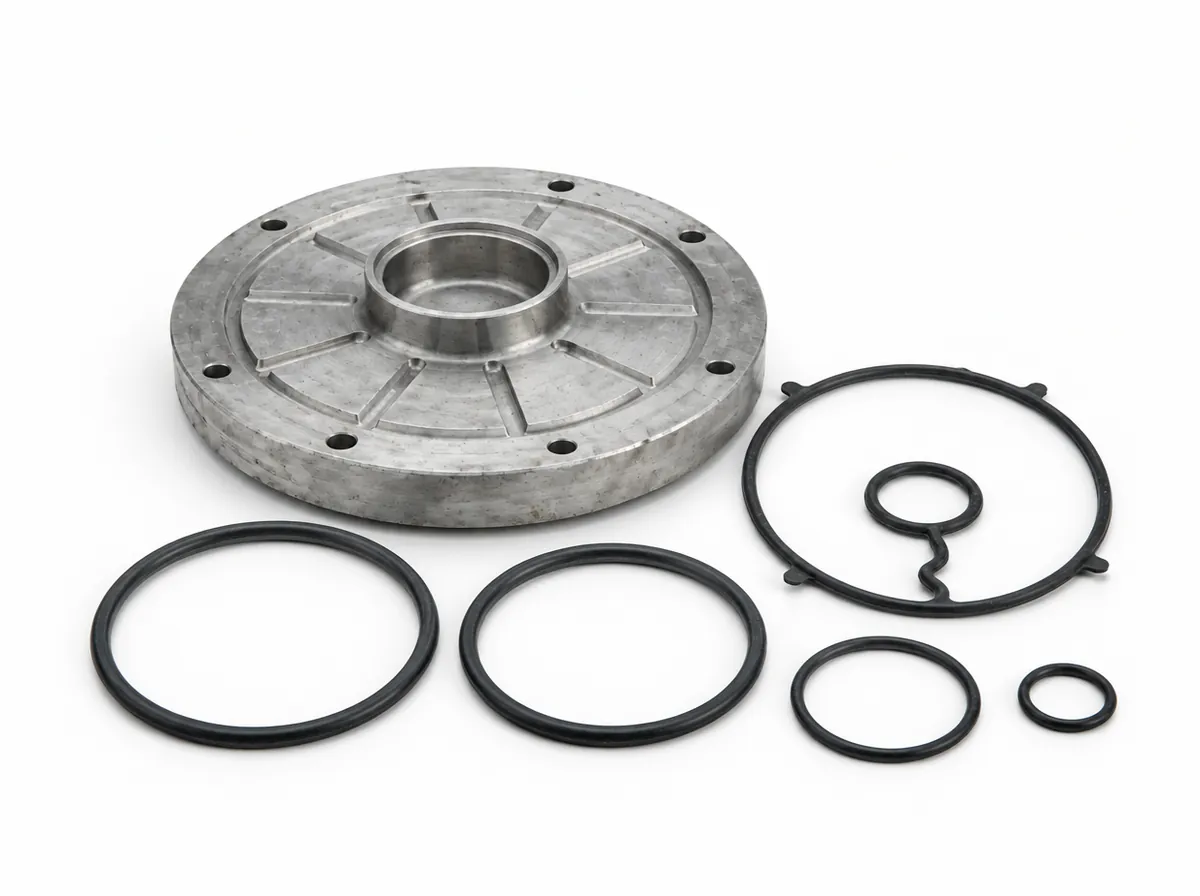
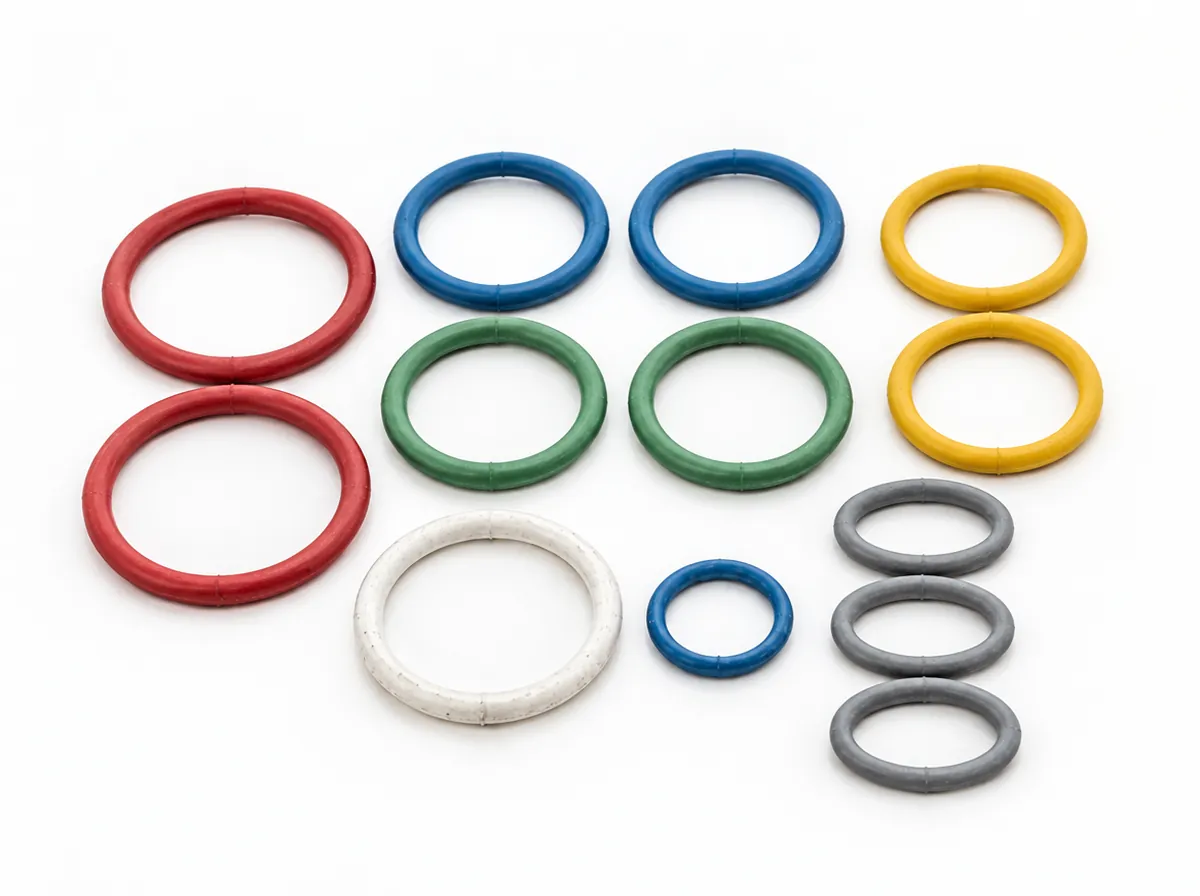
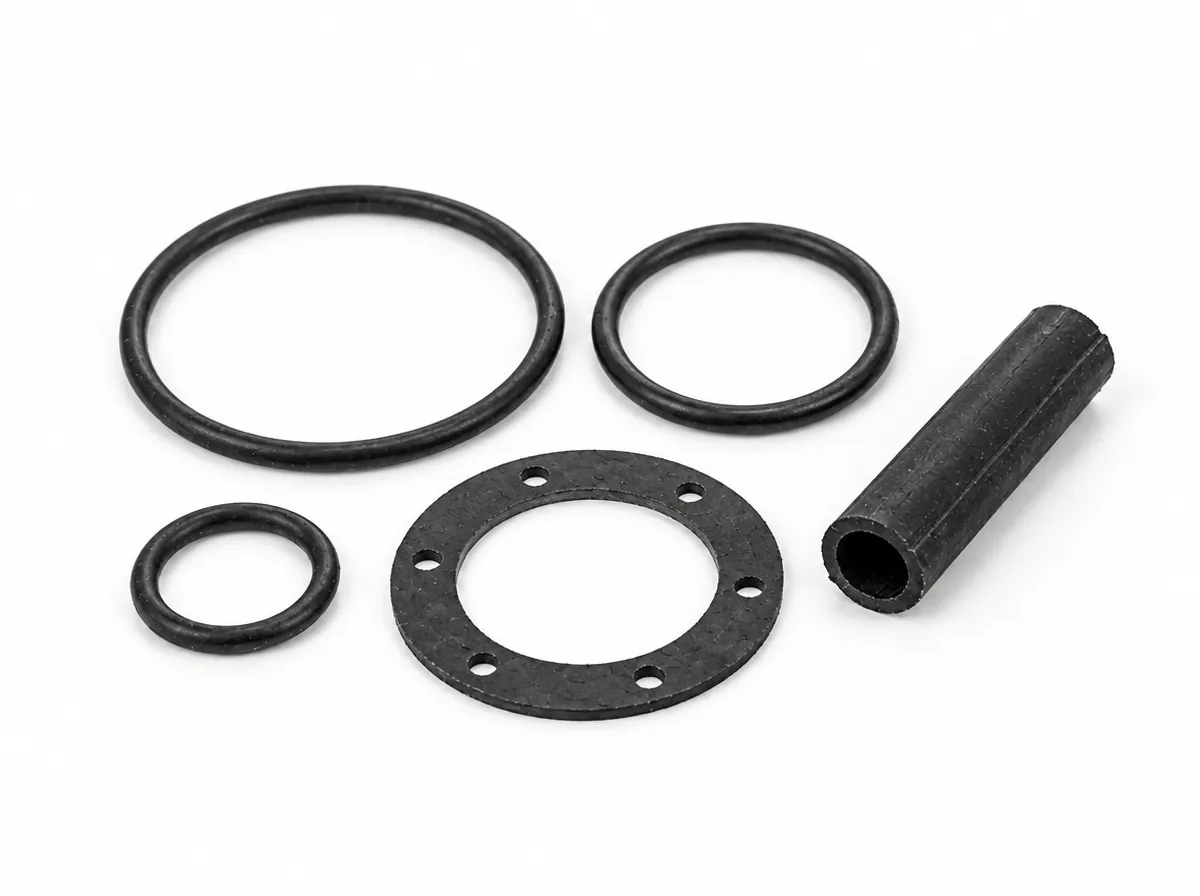
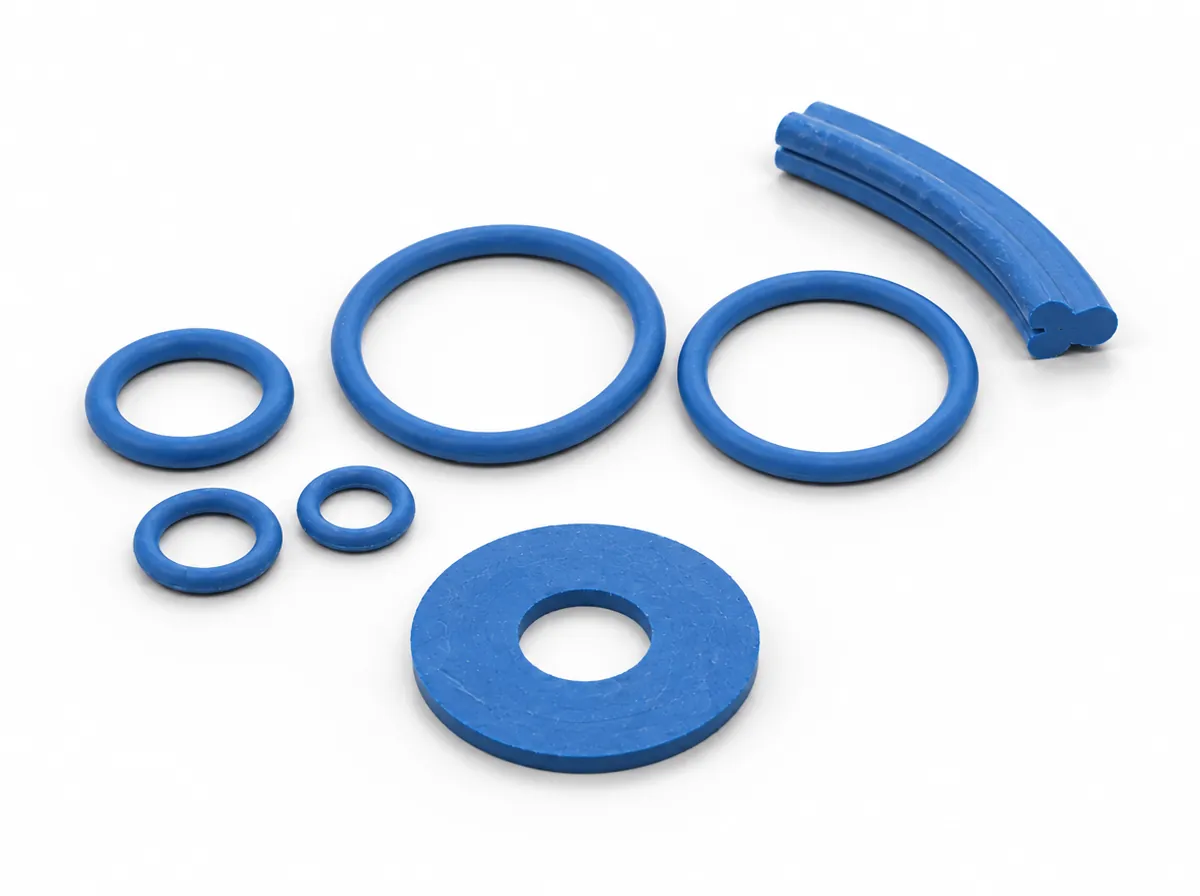
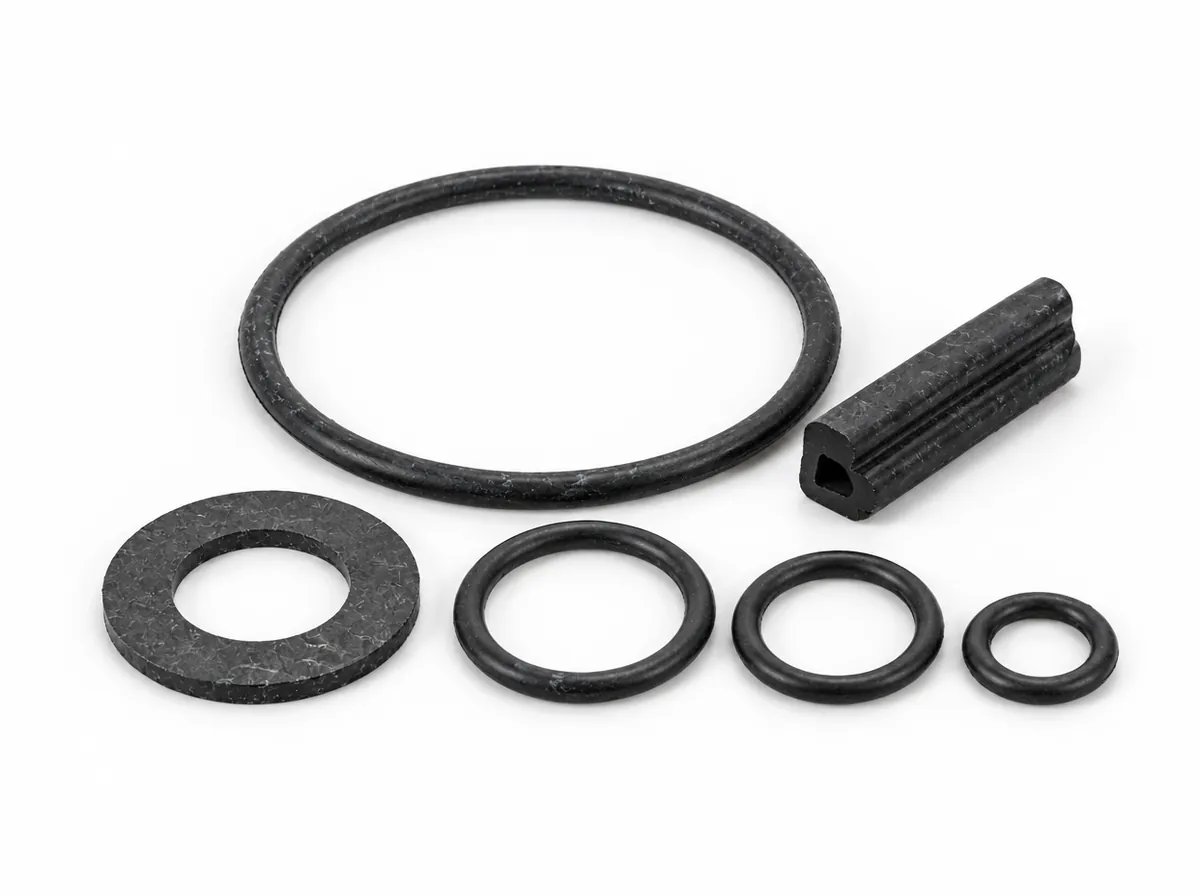
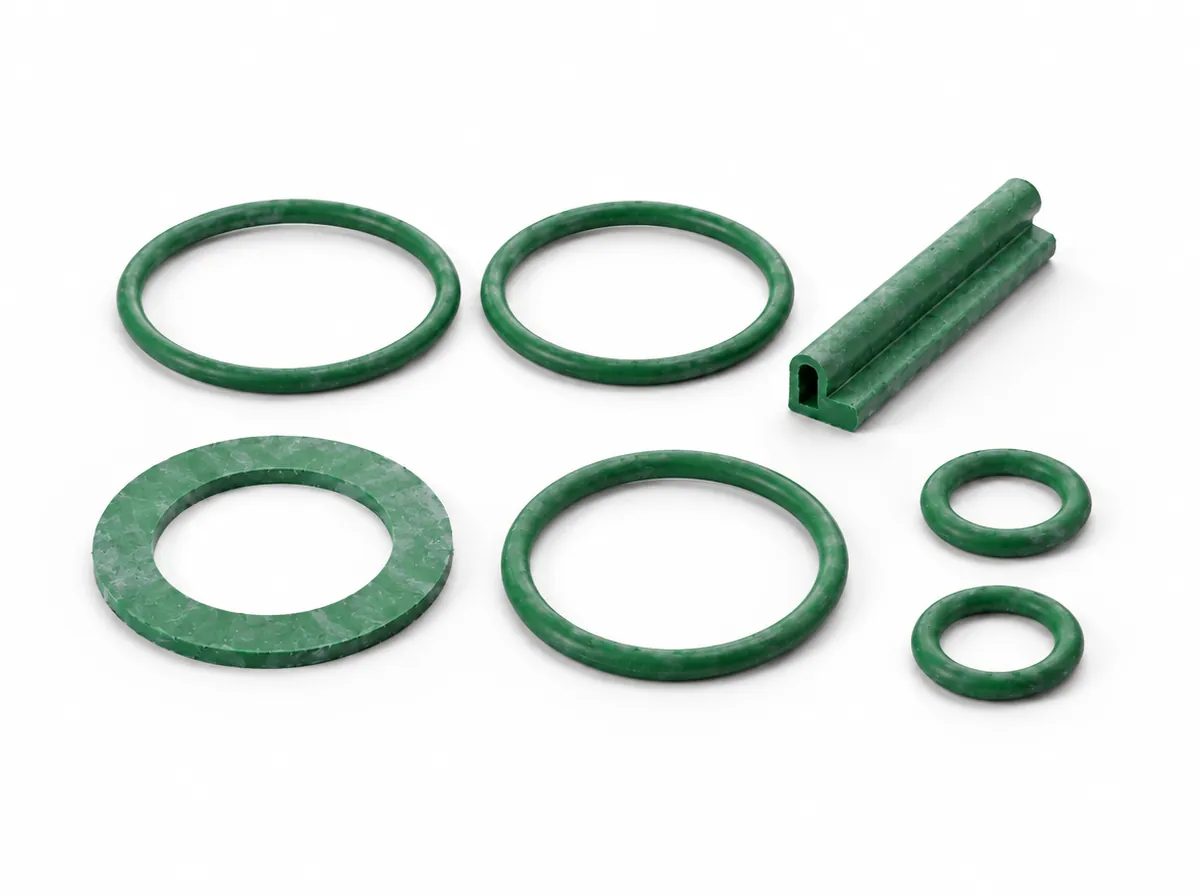
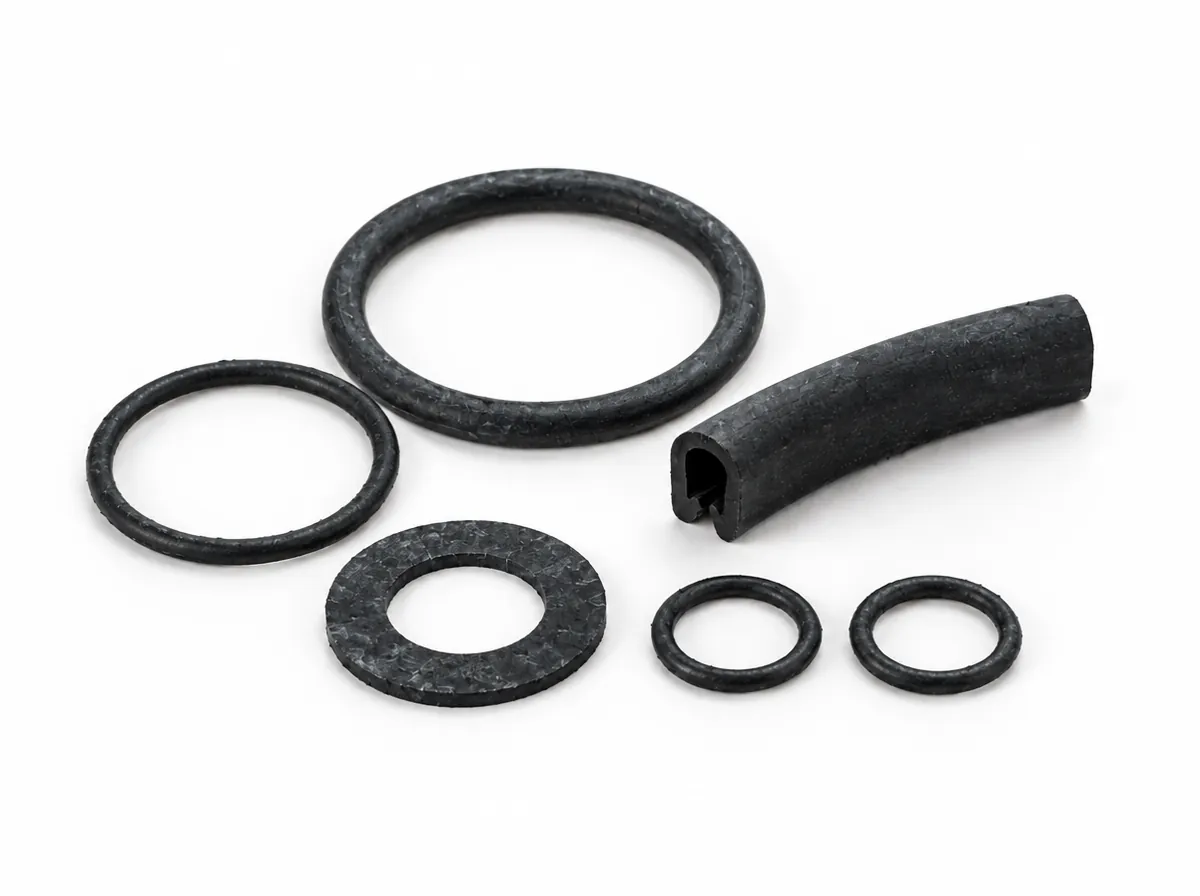
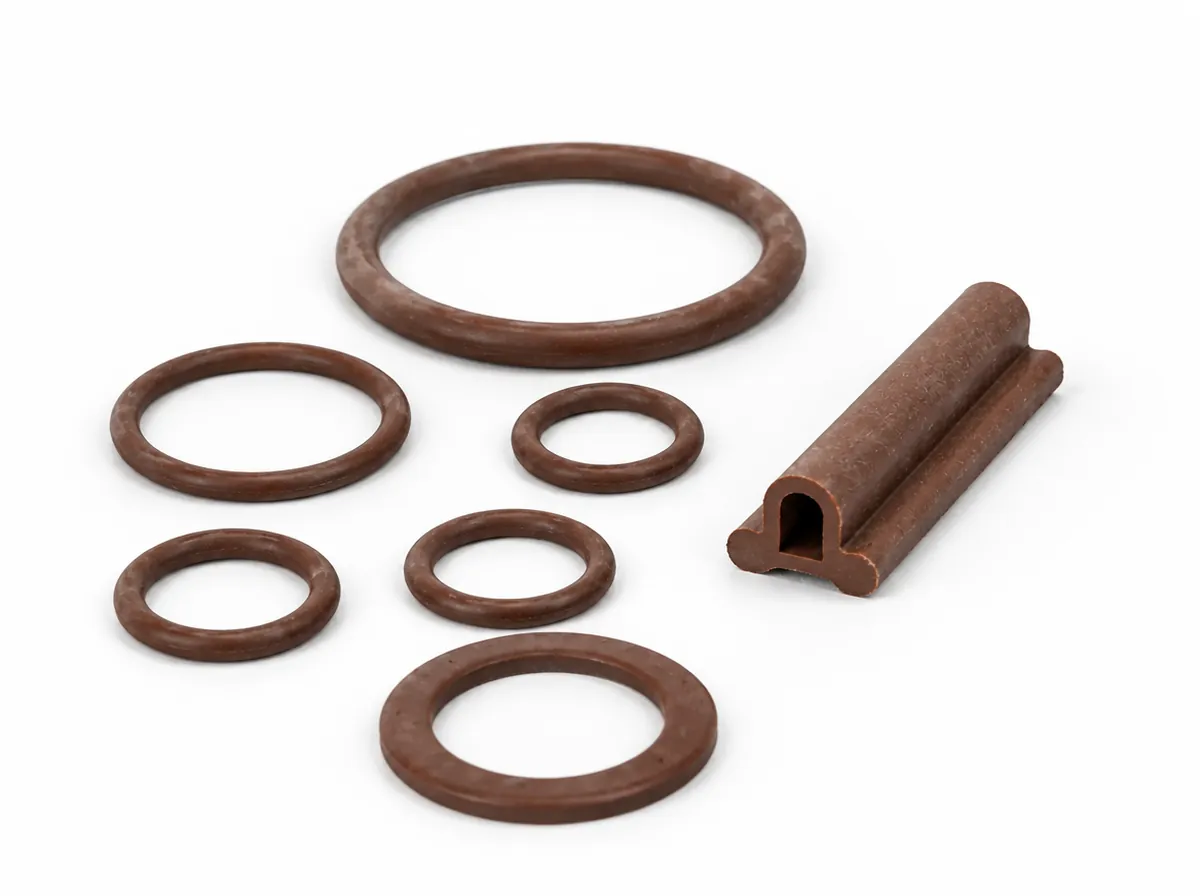
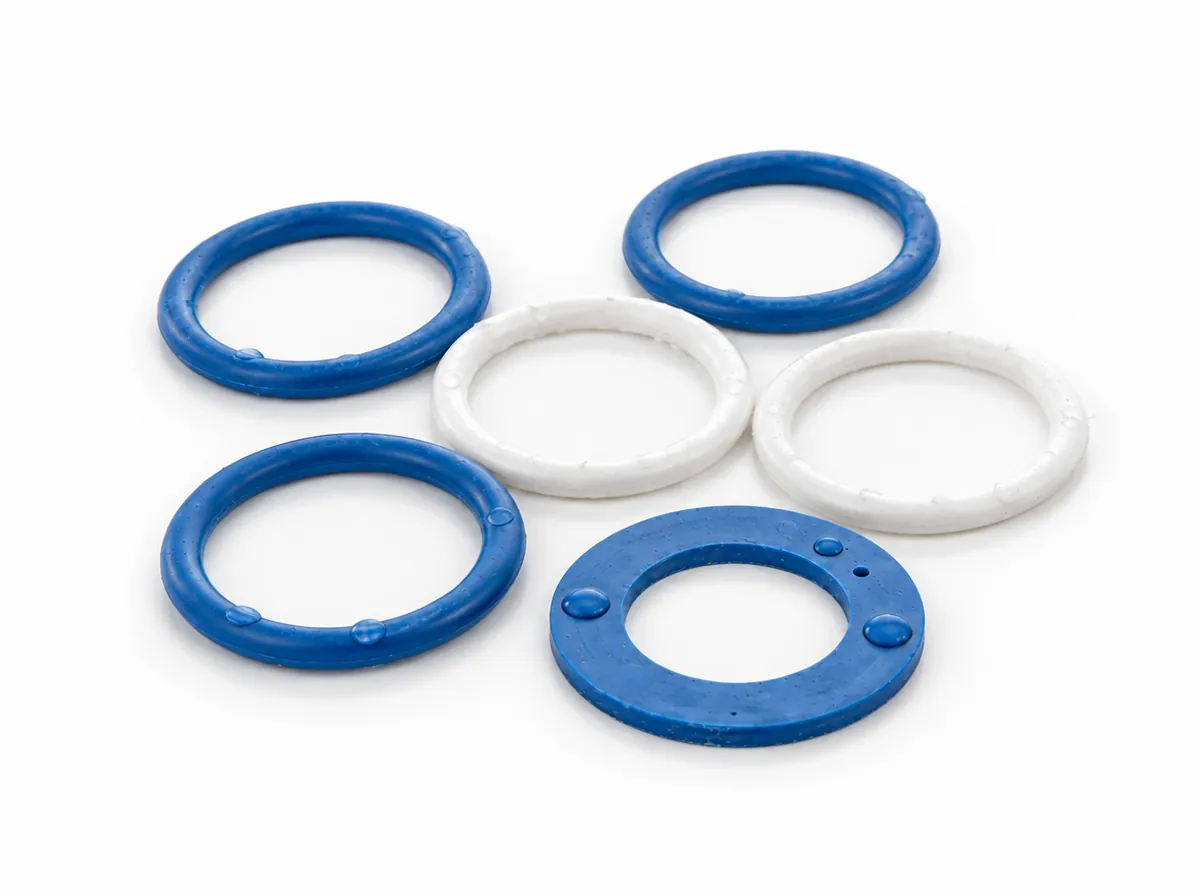
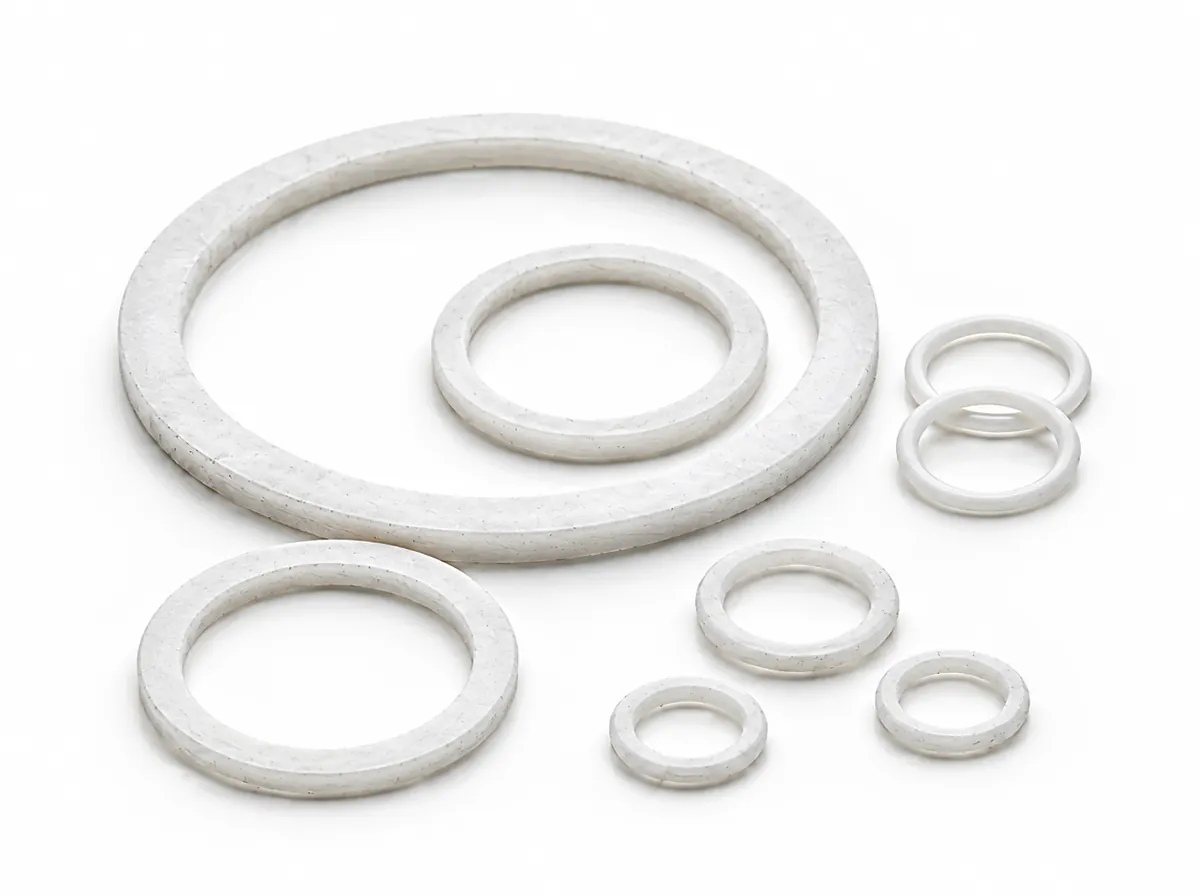
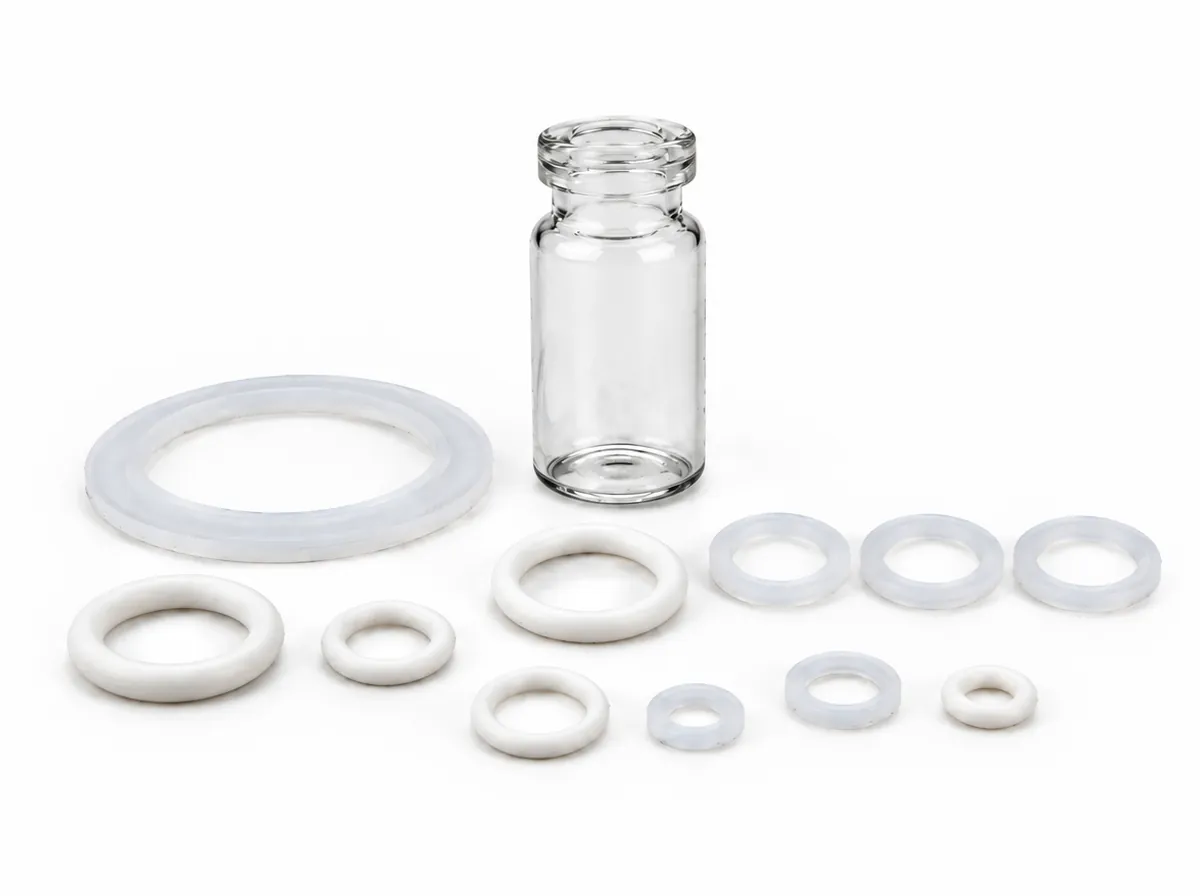
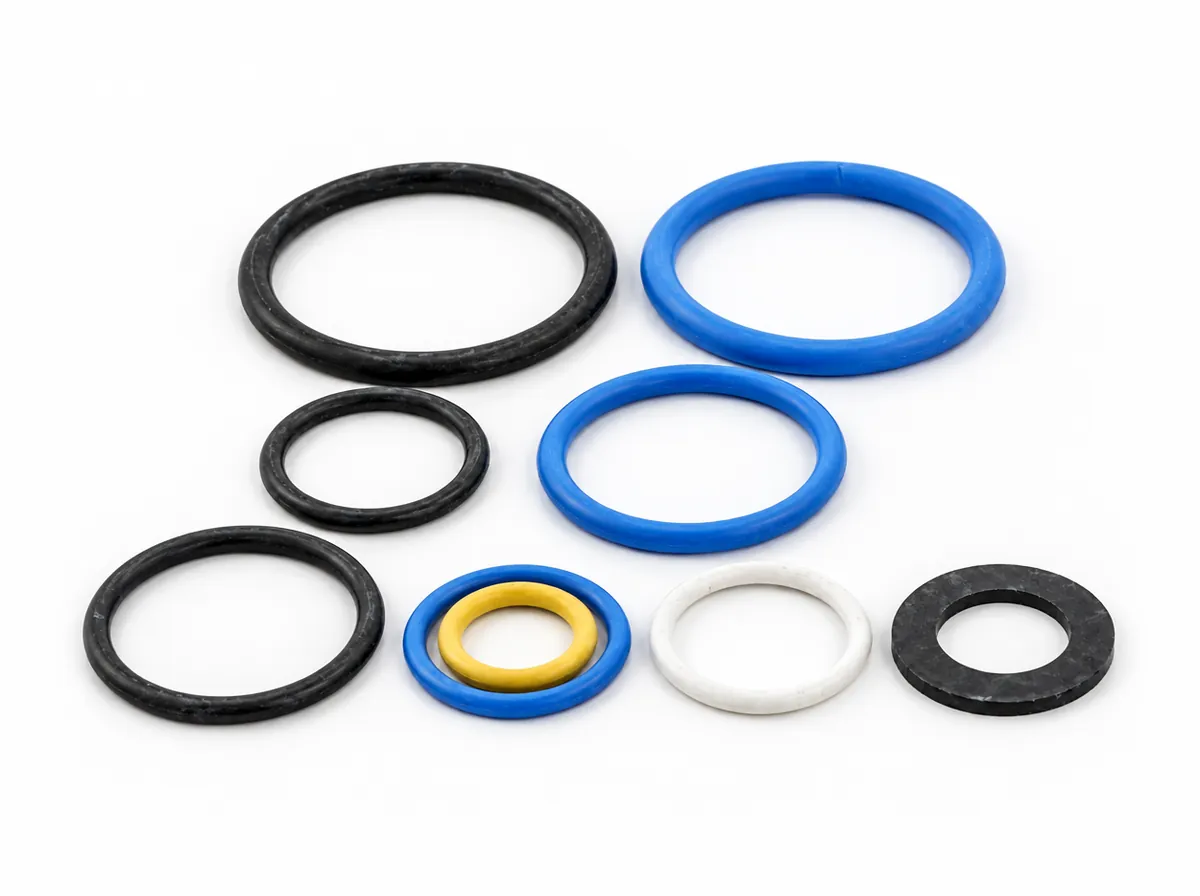
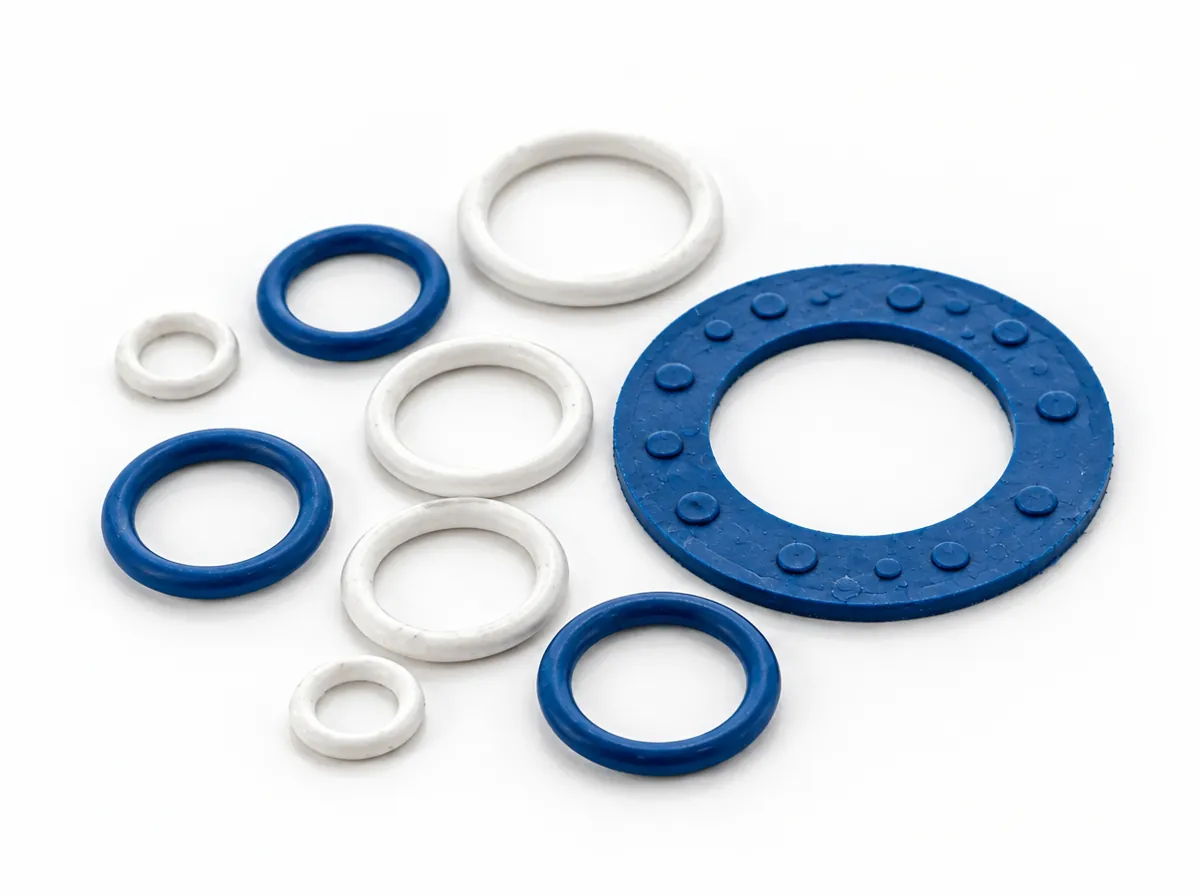
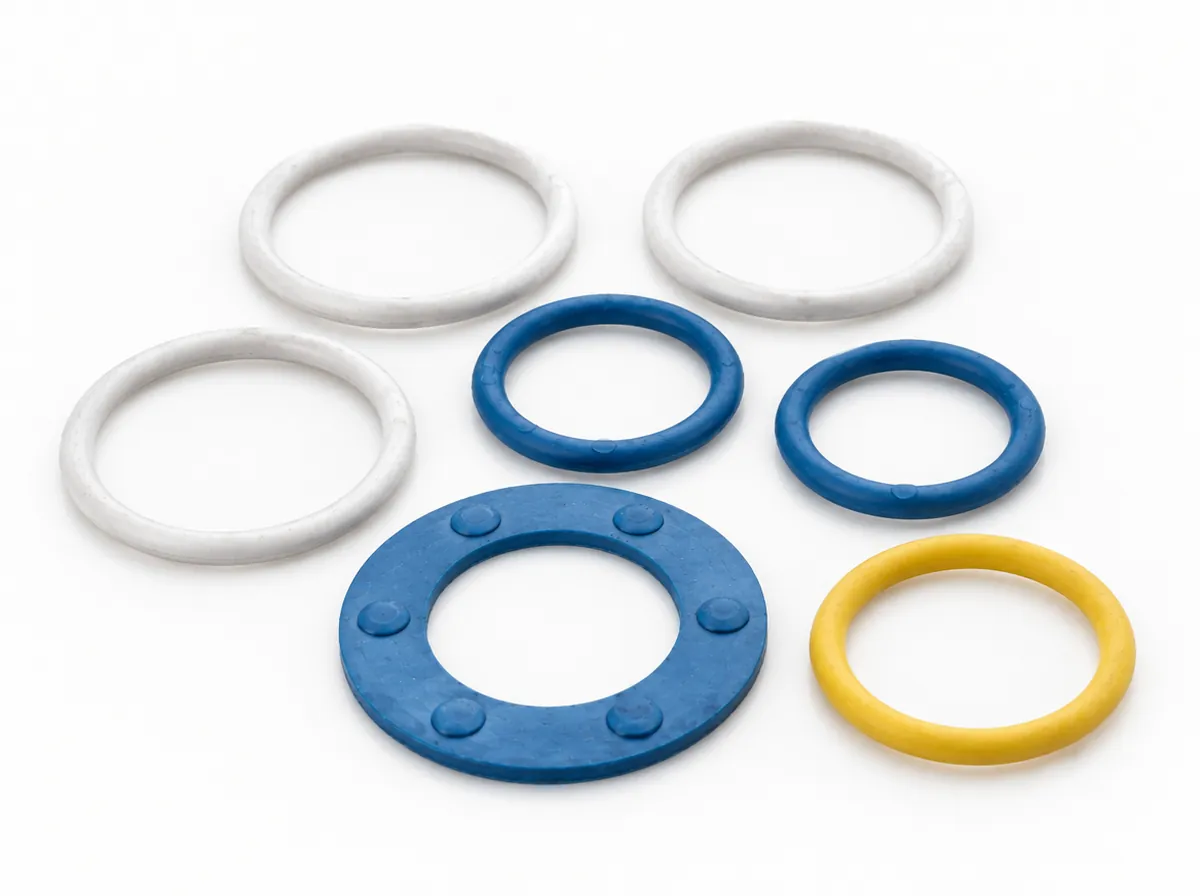
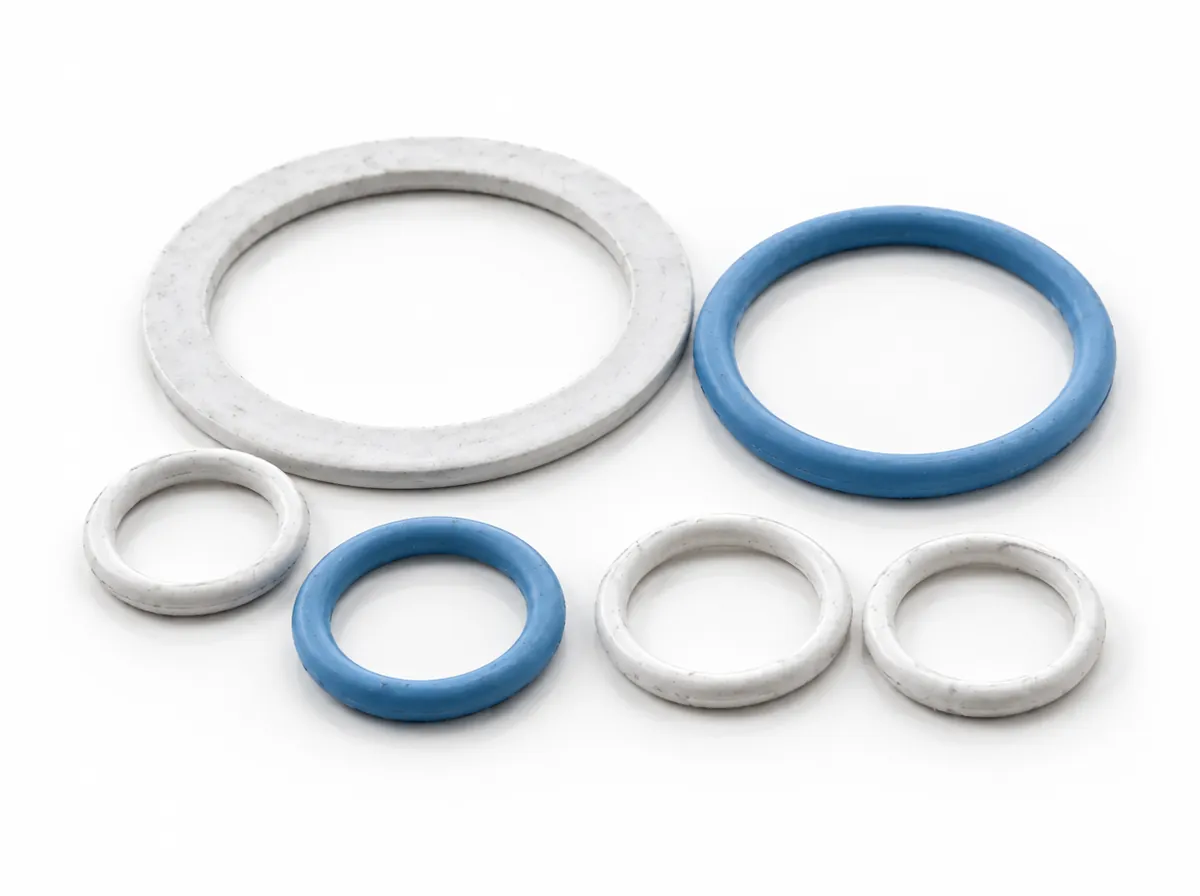
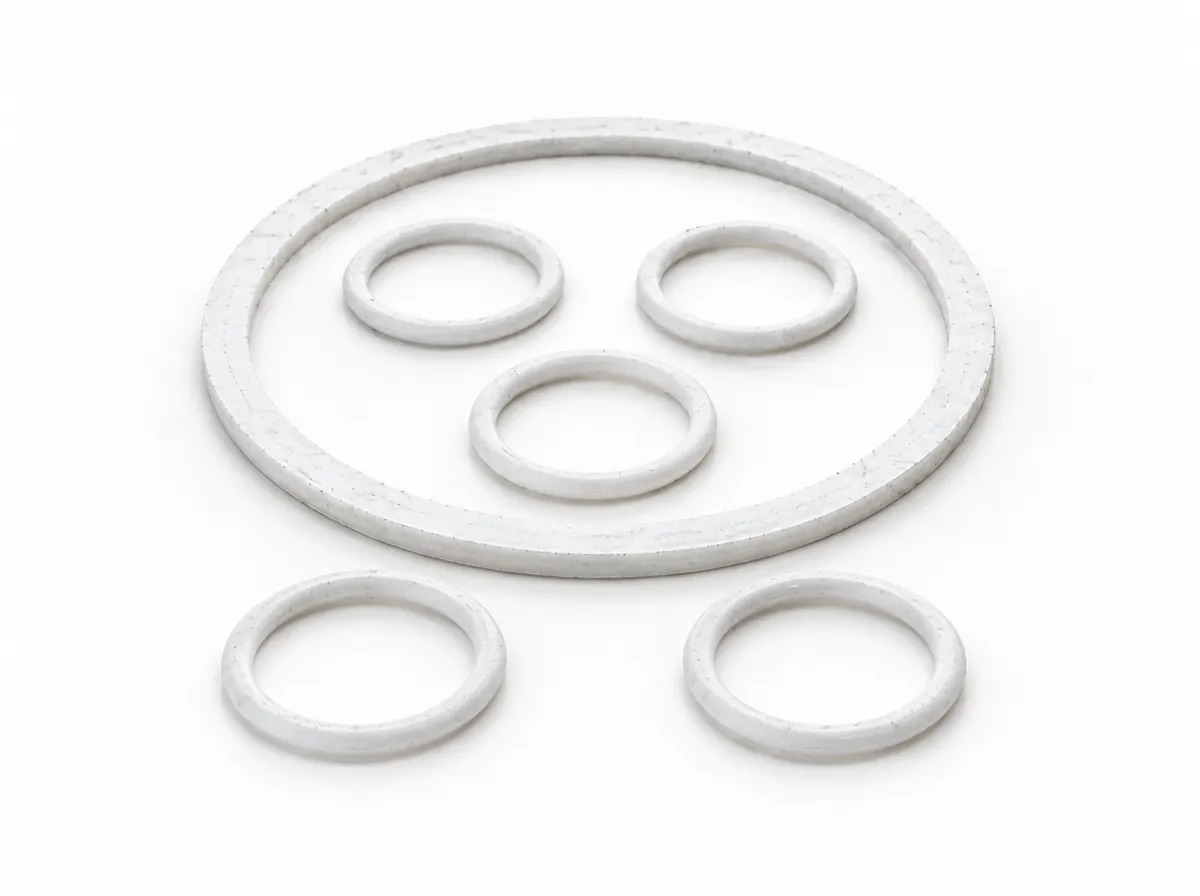
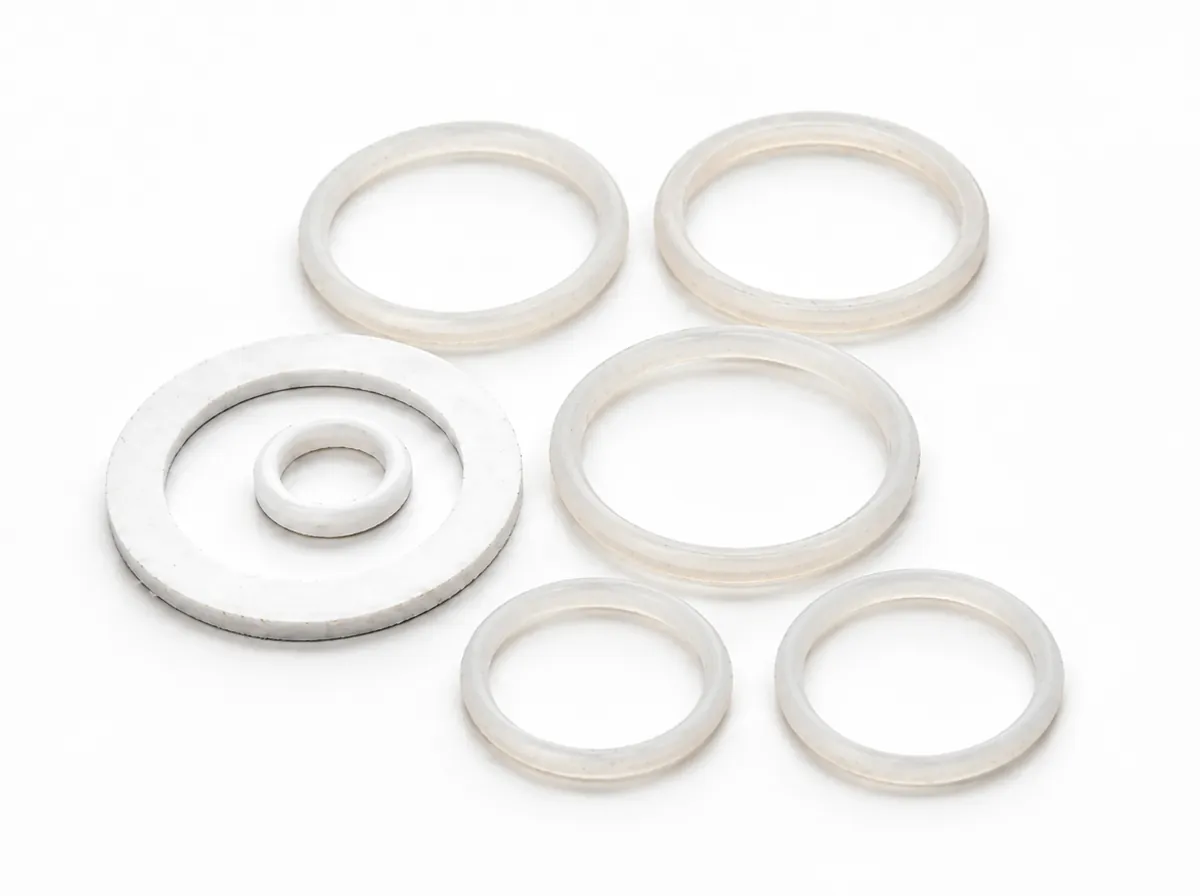
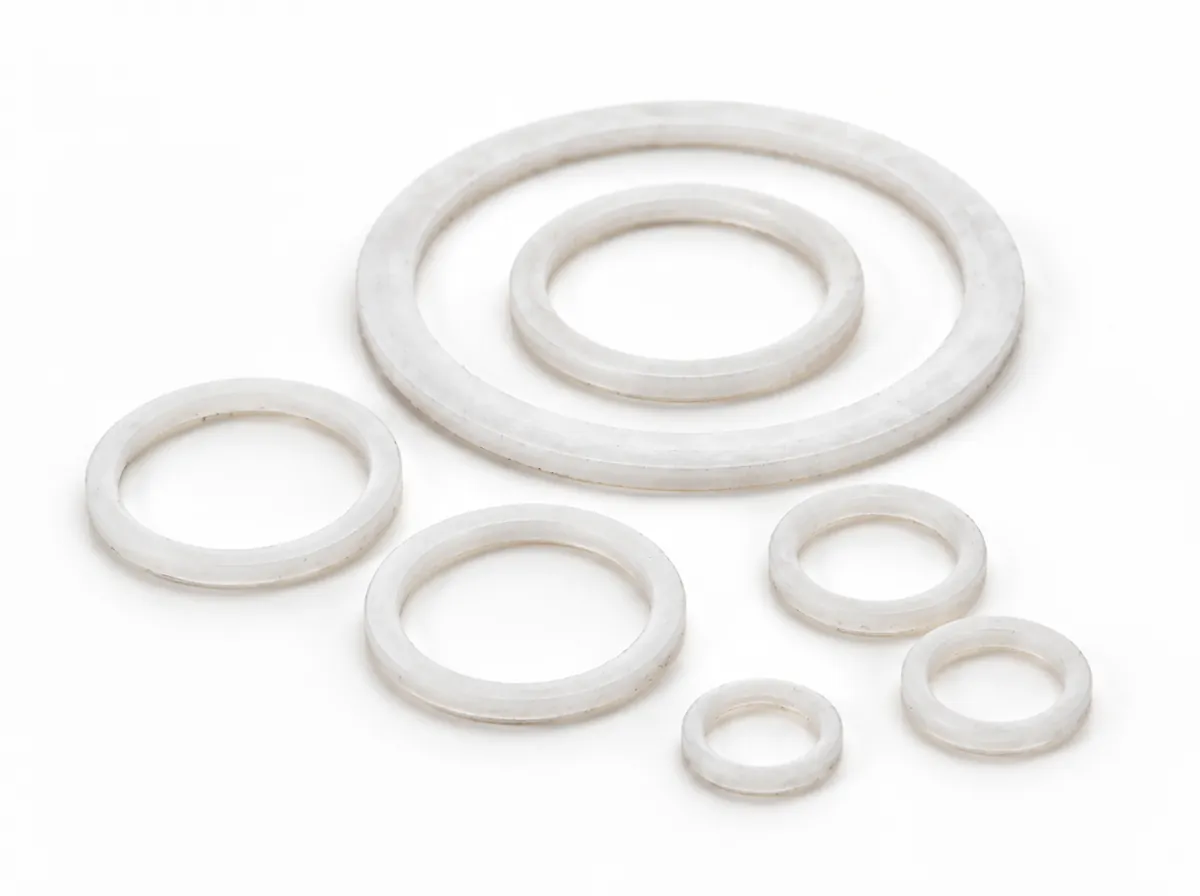
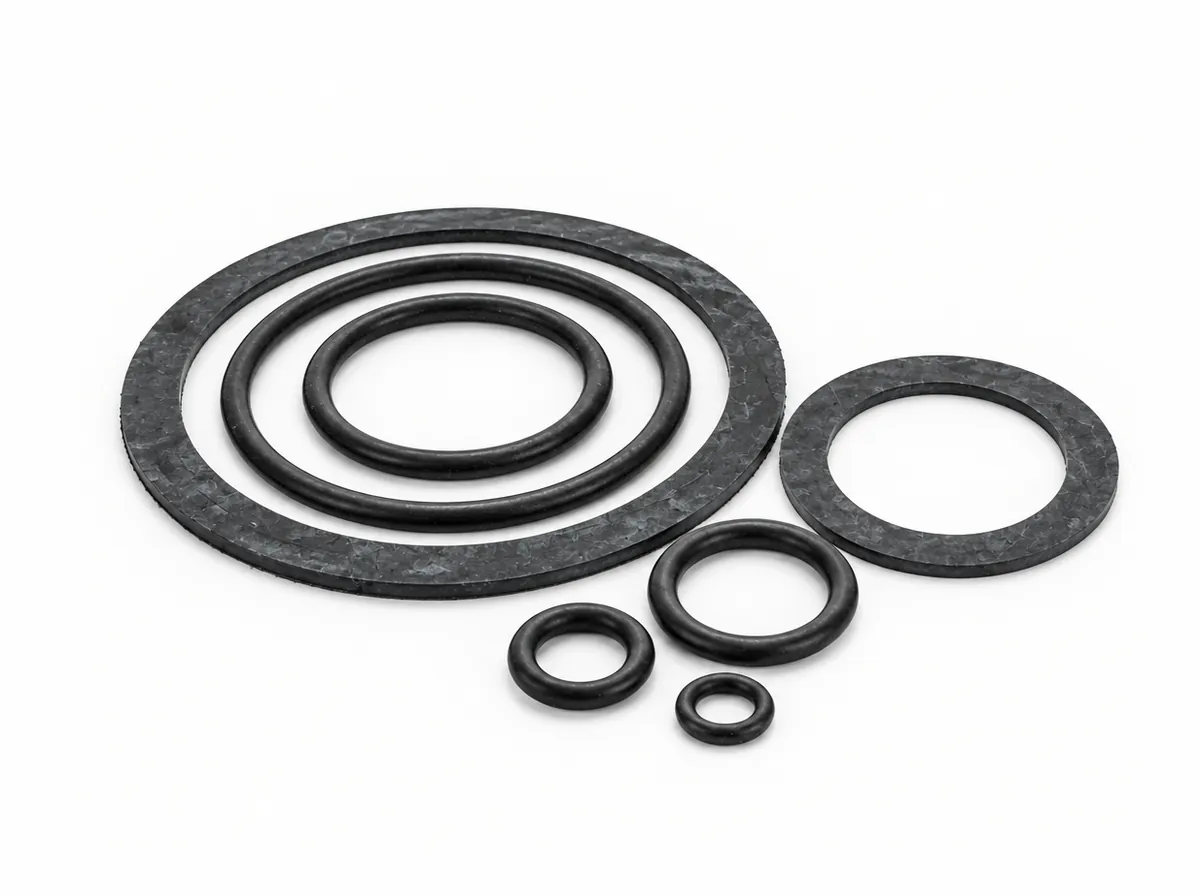
Metric rings are sealing or connecting elements that are standardised to metric dimensions. They are widely used in technical and industrial applications to ensure precise fits, seals or connections between components. These rings are available in various materials and designs and comply with international standards such as ISO and DIN.
Metric rings are characterised by the following properties:
-
Standardised dimensions: standardised diameters and cross-sections for precise applications.
-
Wide choice of materials: available in rubber, plastic, metal and composites.
-
Flexibility: adaptable to different applications, such as static or dynamic sealing.
-
Longevity: resistance to wear, chemical influences and thermal stress.
Metric rings are used in numerous industries and applications:
Mechanical engineering
-
Fitting rings: ensuring precise fits in rotating or fixed components.
-
Seals: use in hydraulic and pneumatic systems.
Automotive industry
-
Engines and gearboxes: sealing oil systems and cooling circuits.
-
Chassis: protection against dust and moisture.
Construction and sanitary industry
-
Pipe connections: ensuring watertight connections.
-
Seals: use in valves and fittings.
Medical technology
-
Device seals: use in surgical instruments and diagnostic equipment.
-
Food-safe applications: use in sterile environments.
Metric rings are available in various materials, chosen according to the application:
| Material | Properties | Typical applications |
|---|---|---|
| EPDM | Resistant to UV, ozone and water | Roof seals, pipe connections |
| NBR (nitrile rubber) | Resistant to oil and fuel | Hydraulic systems, engine seals |
| Viton® (FKM) | High temperature resistance, chemically resistant | Chemical plants, high-performance systems |
| Metal | High mechanical strength | Static seals, heavy-duty applications |
| Silicone | Food-safe, flexible | Medical technology, food processing |
Using metric rings offers numerous advantages:
-
Precision: standardised dimensions ensure accurate fits and seals.
-
Versatile applications: flexibility for static and dynamic use.
-
Long service life: high resistance to mechanical and chemical stress.
-
Easy availability: available worldwide in standardised dimensions.
-
Cost efficiency: standardised manufacturing reduces production and maintenance costs.
Although metric rings are versatile, there are also challenges:
-
Choice of material: the wrong material can lead to premature wear.
-
Installation: improper installation can impair function.
-
Temperature limits: extreme temperatures require specialised materials.
The following table compares the properties of metric and inch rings:
| Criterion | Metric rings | Inch rings |
|---|---|---|
| Unit of measurement | Millimetres (metric) | Inches (imperial) |
| Standards | ISO, DIN | ASTM, SAE |
| Availability | Europe, Asia | USA, United Kingdom |
| Typical applications | Mechanical engineering, automotive industry | Hydraulic systems, older machinery |
-
What are metric rings? Standardised rings for seals and fits, based on metric dimensions.
-
Which materials are metric rings available in? Commonly used materials are EPDM, NBR, Viton®, silicone and metal.
-
How do I choose the right metric ring? Consider factors such as temperature, pressure and chemical resistance.
-
Can metric rings be recycled? Yes, especially those made of metal or recyclable plastics.
Metric rings are indispensable components in industry and engineering. Their standardised dimensions, wide choice of materials and versatile applications make them a cost-efficient and reliable solution for seals and fits. Whether in the automotive industry, mechanical engineering or medical technology, metric rings make a decisive contribution to the function and quality of products.
Questions about this term?
Our technical advice
Do you have a specific application or a question about elastomer processing? Talk to us, we will help you with material, process and approval.