





Glossary of elastomer processing
Ovality
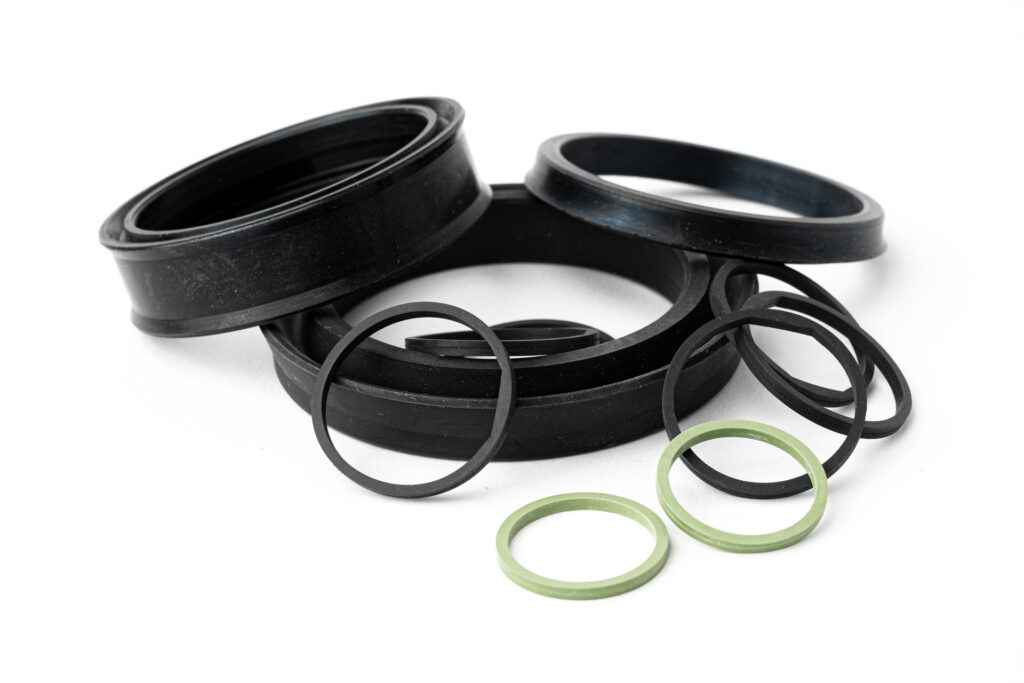
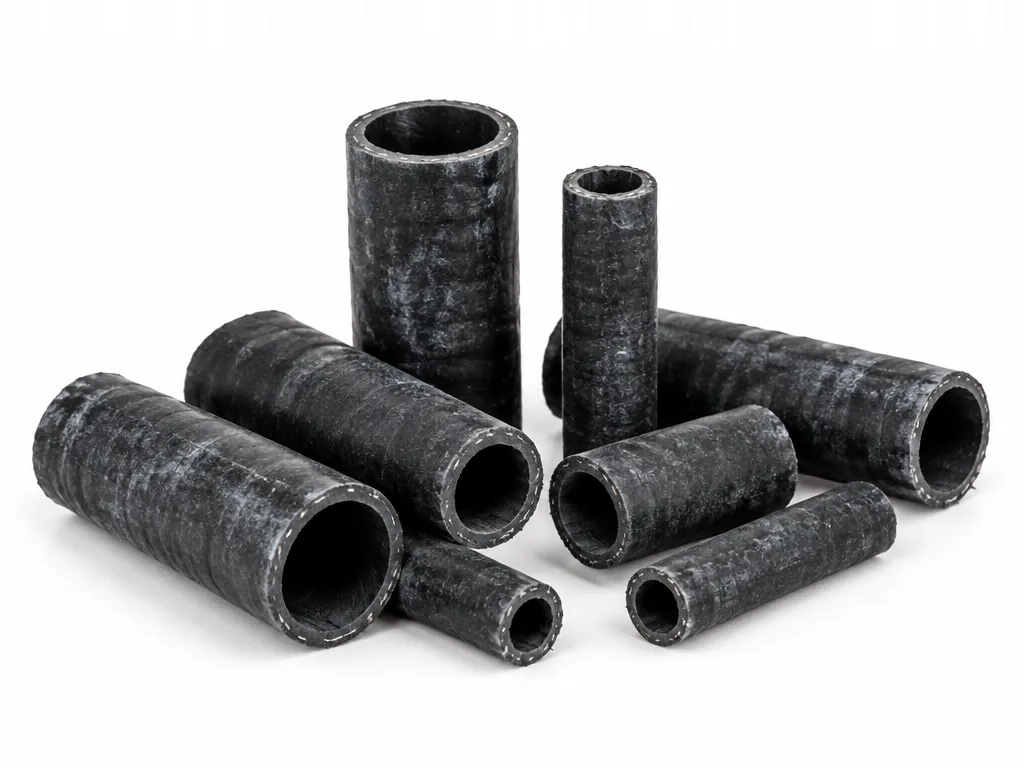
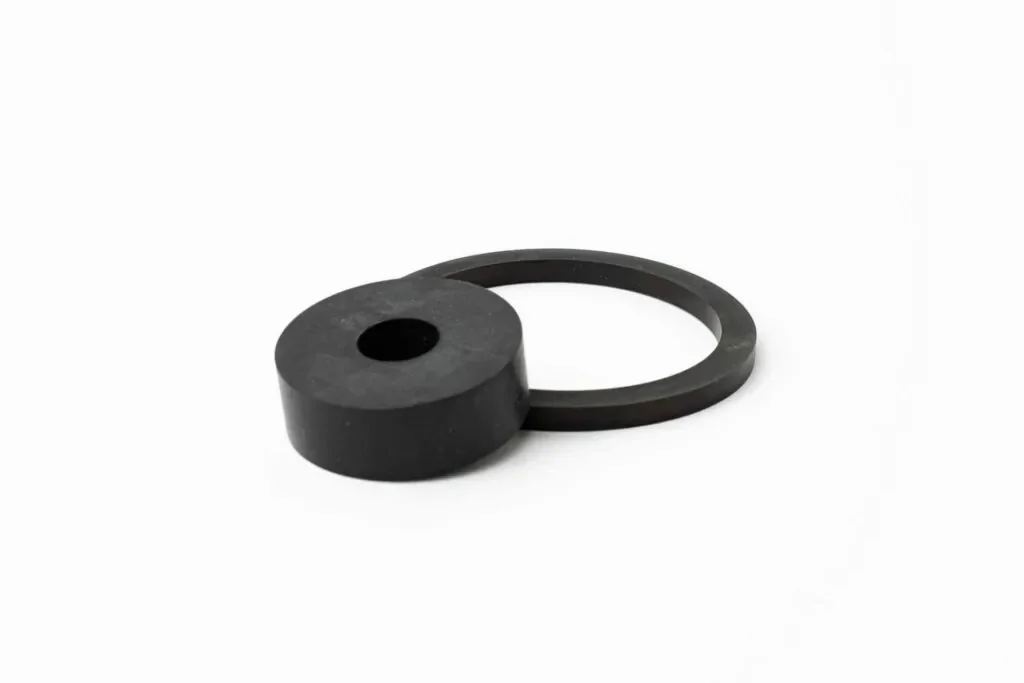
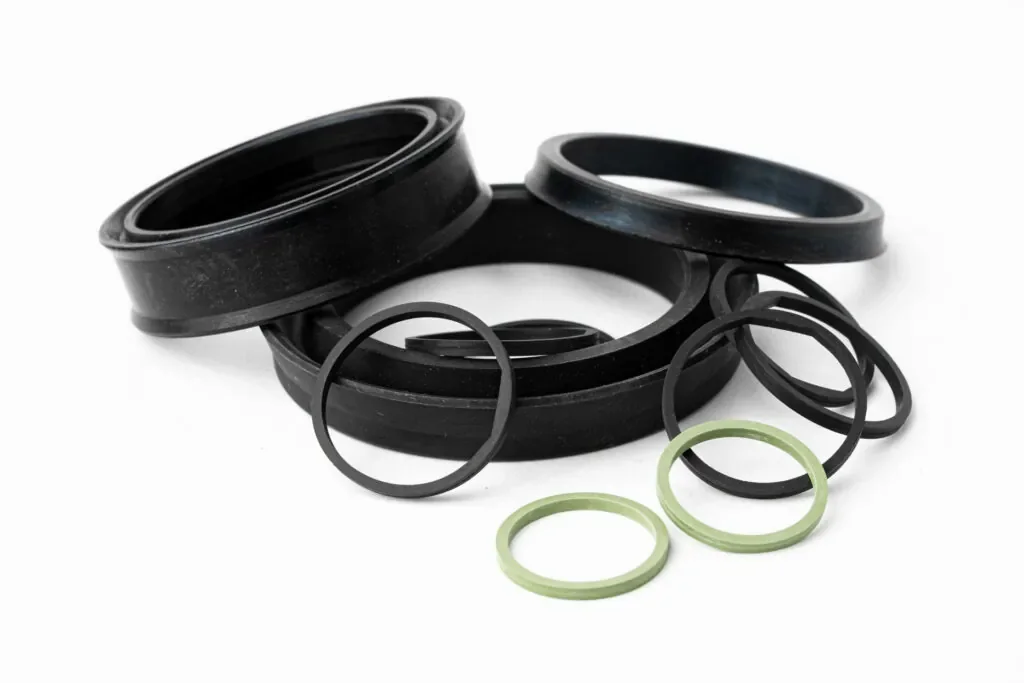
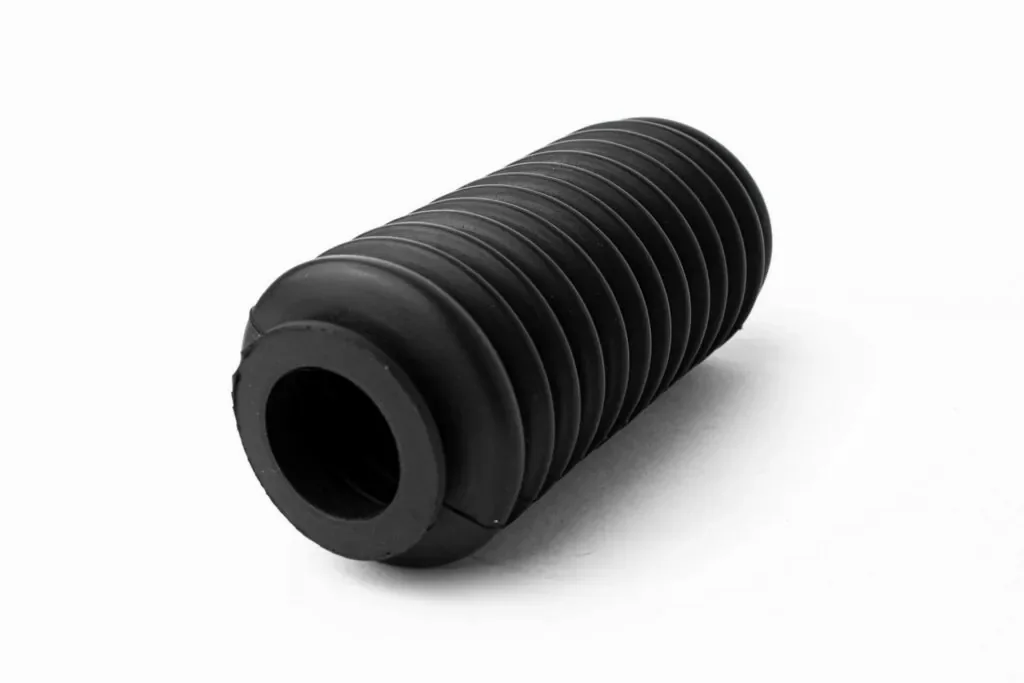
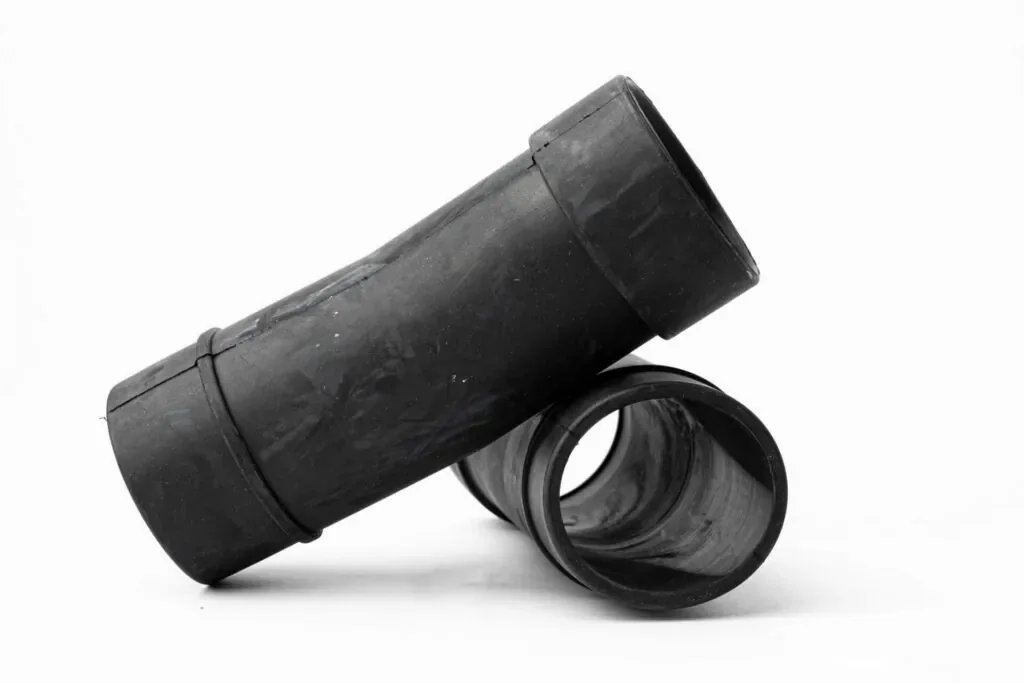
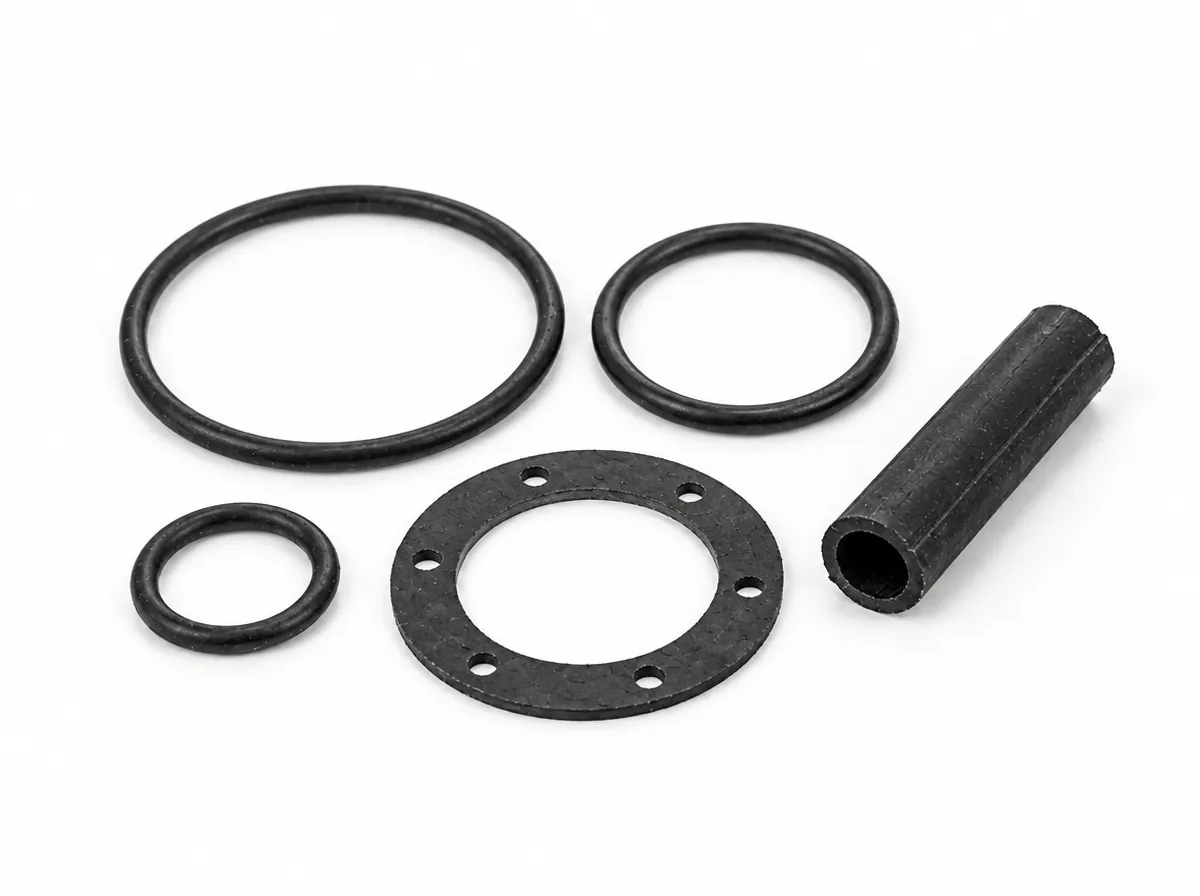
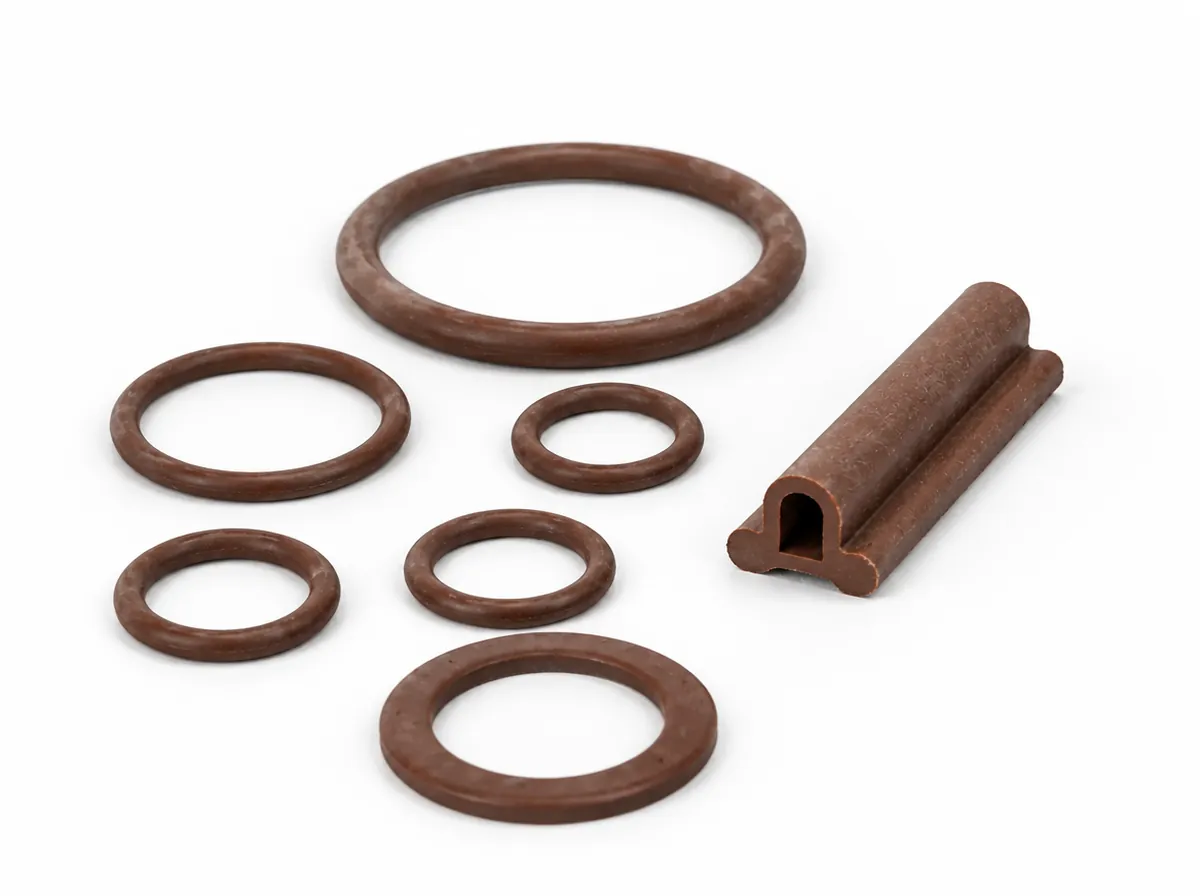
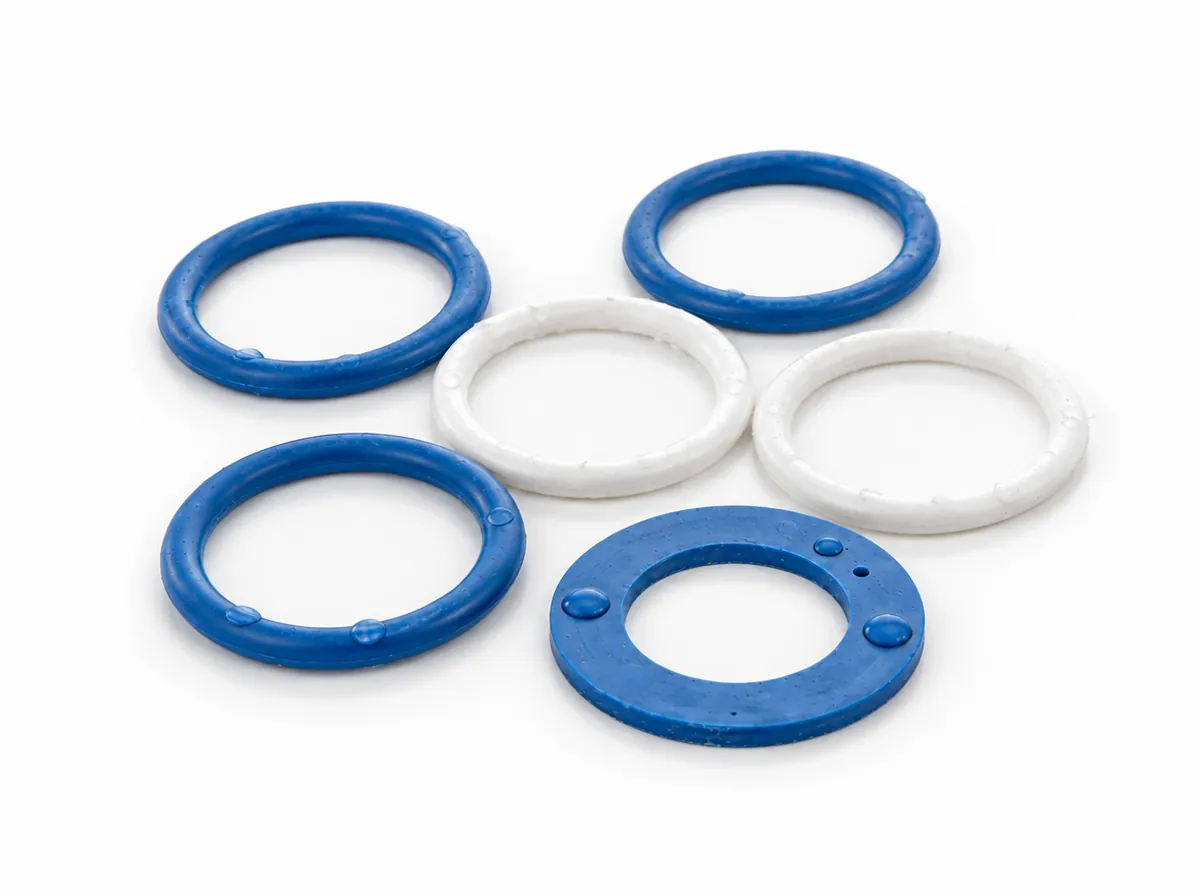
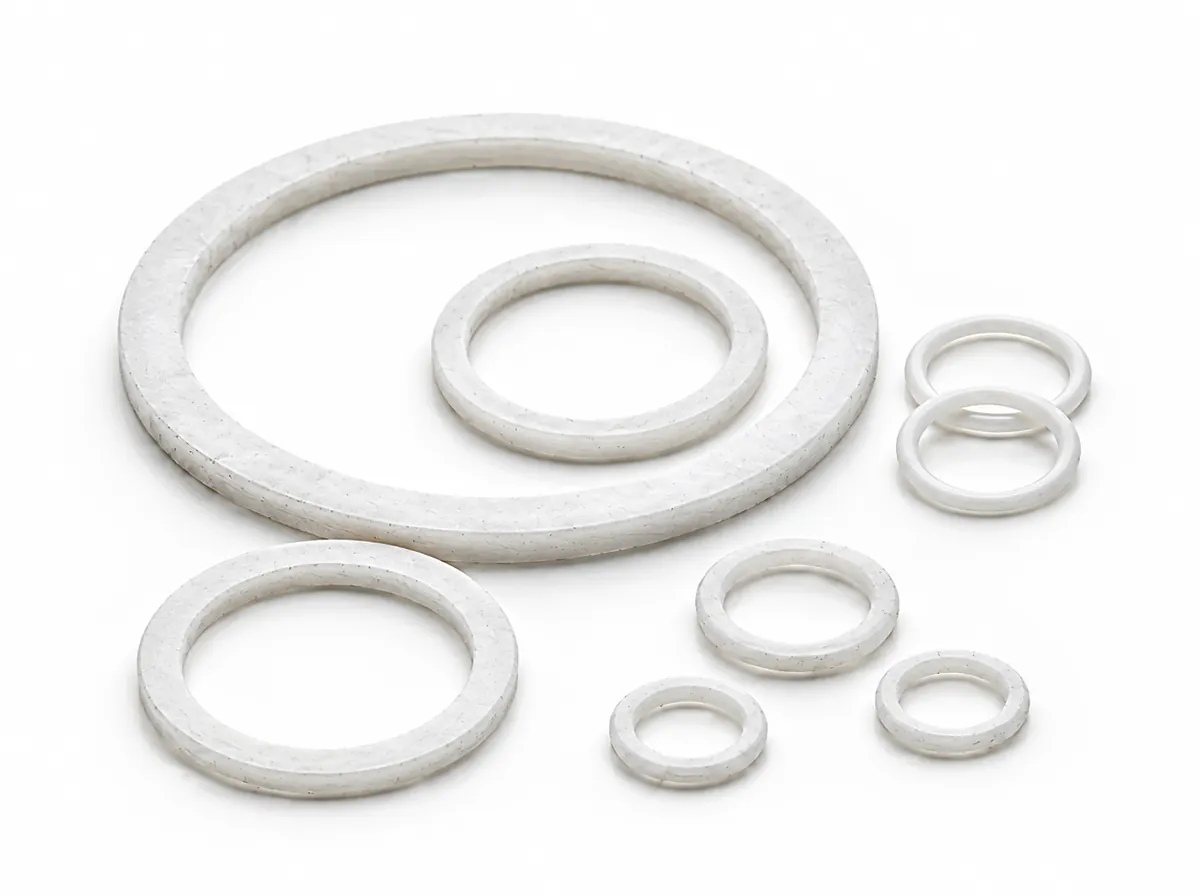
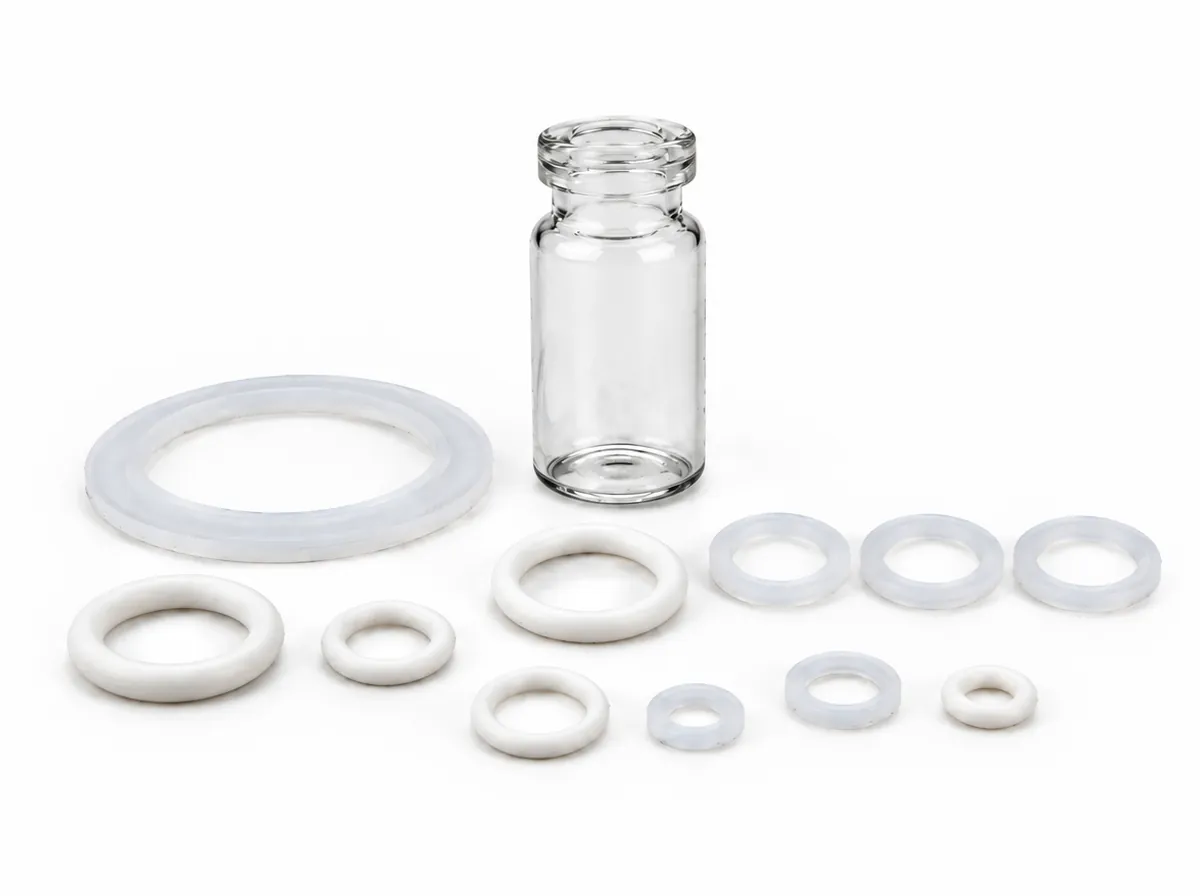
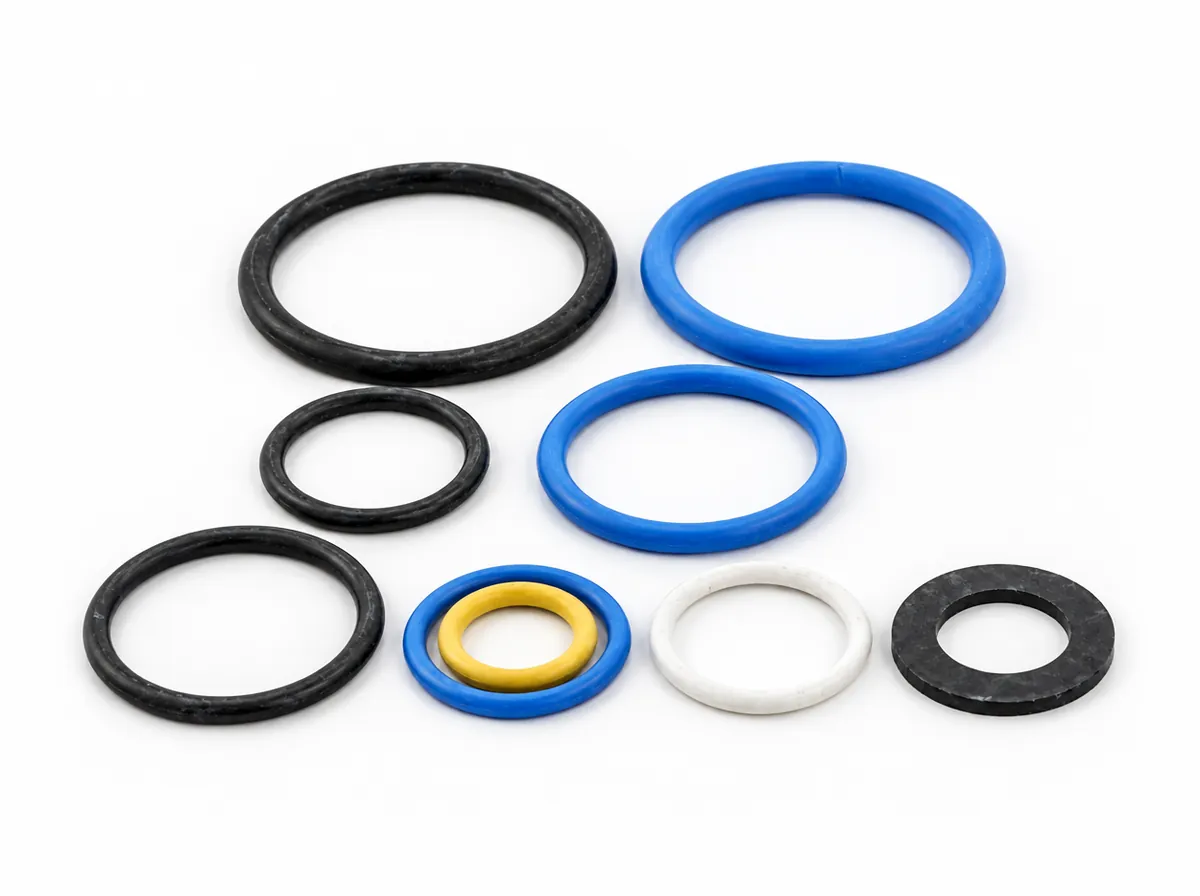
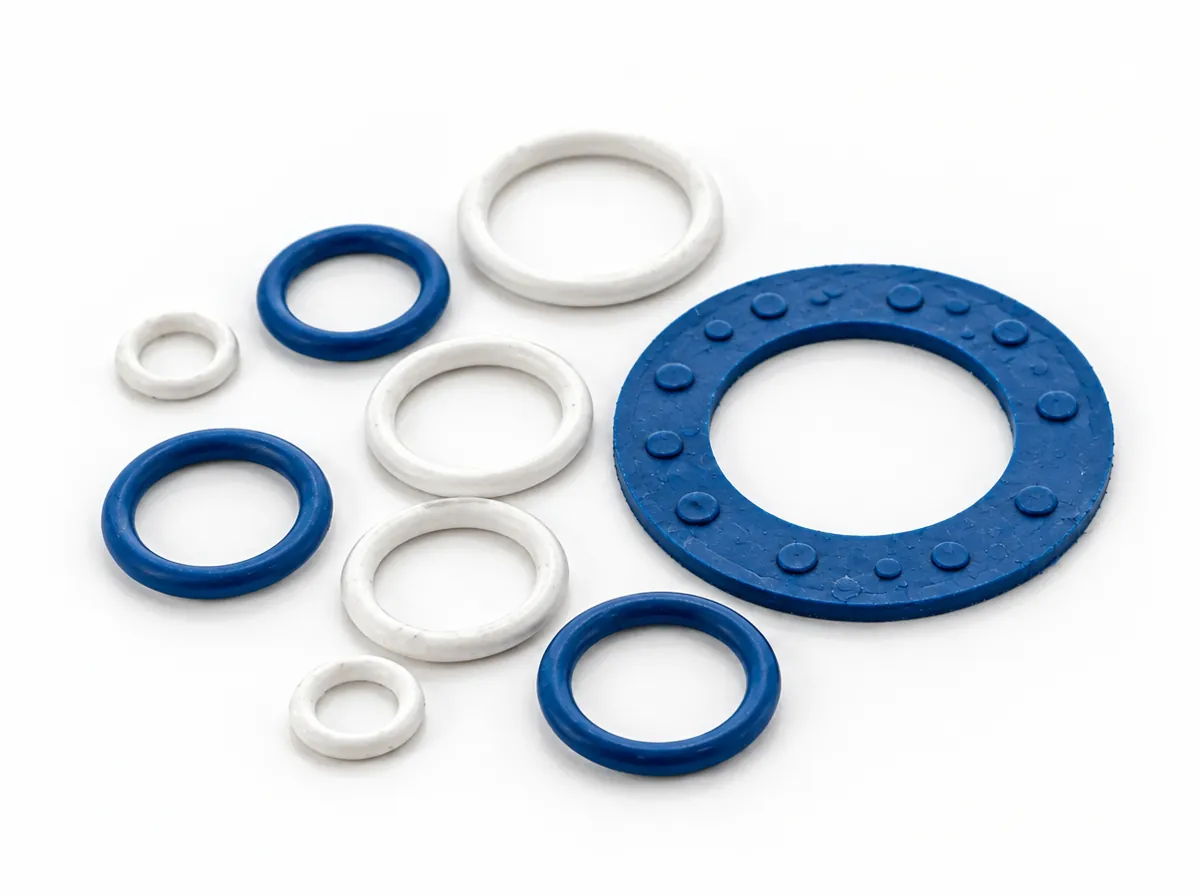
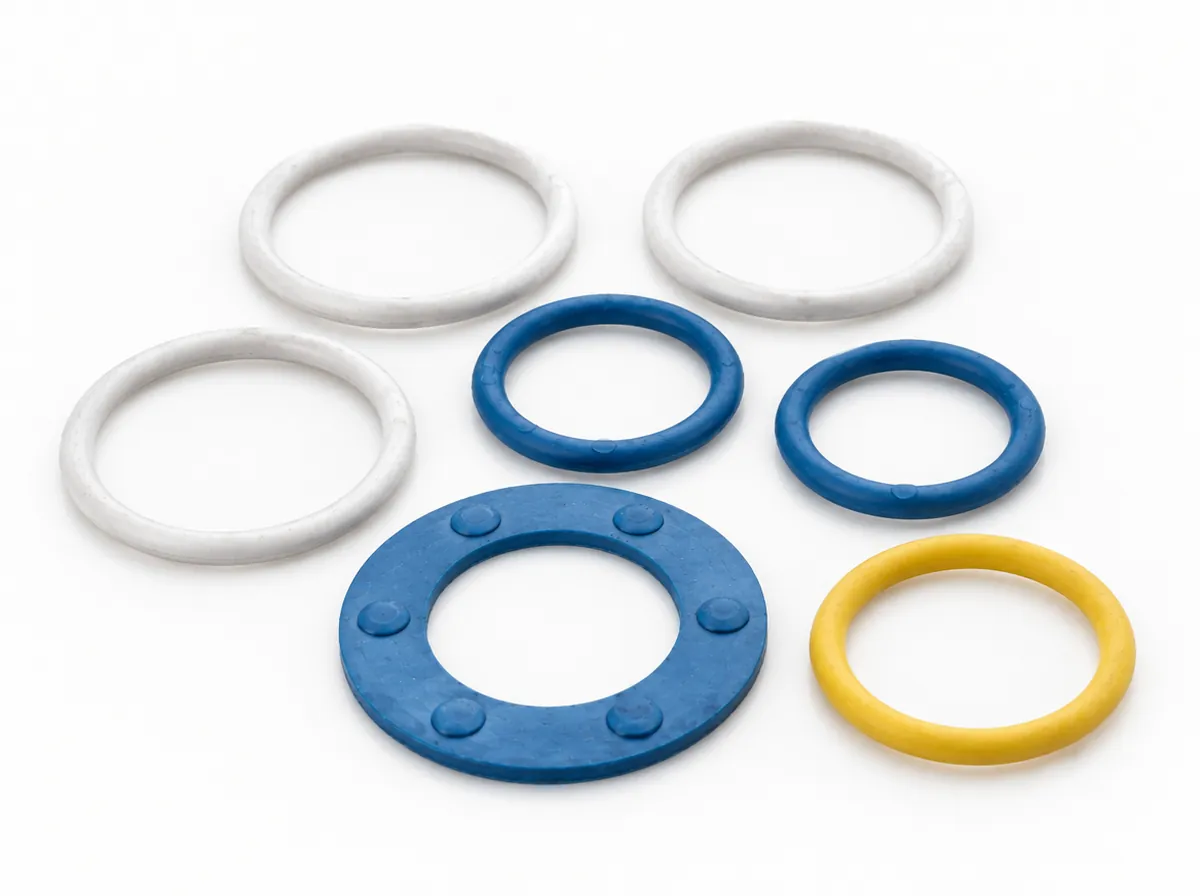
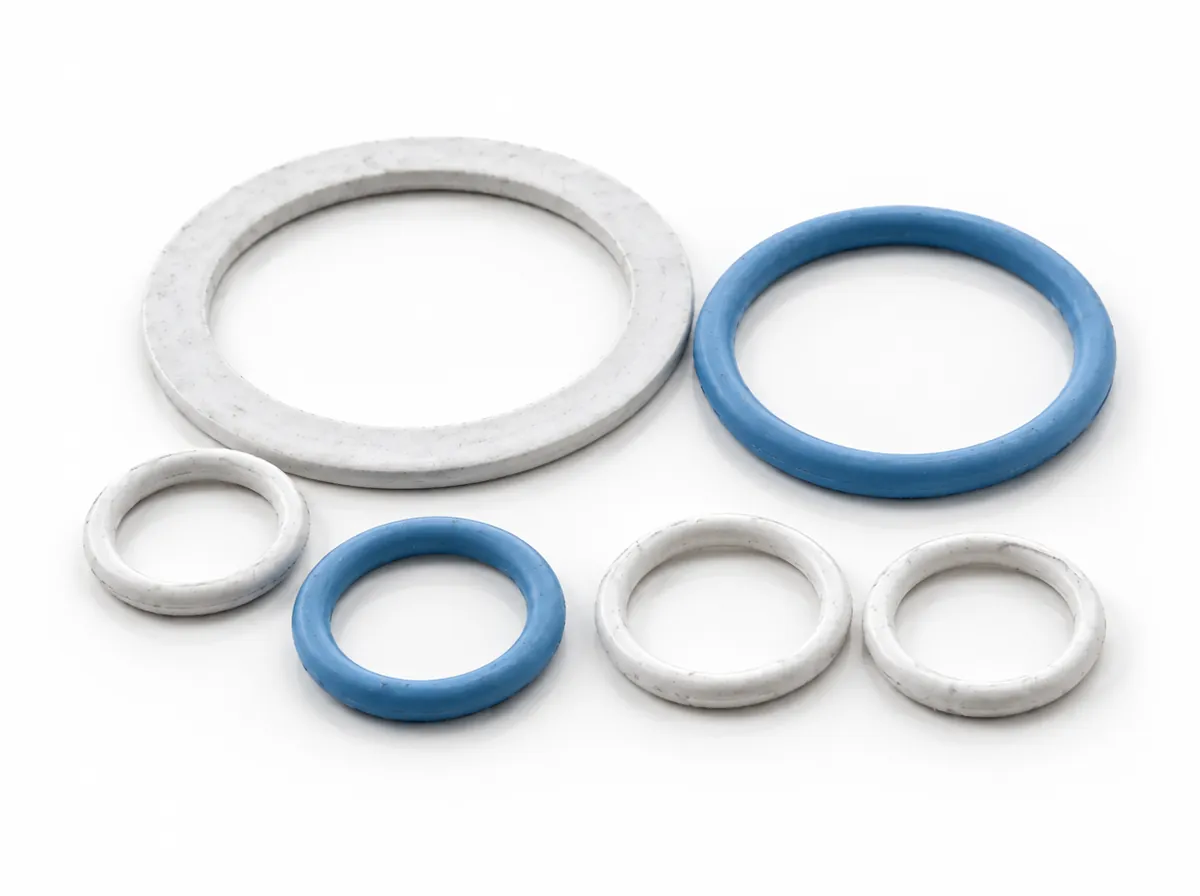
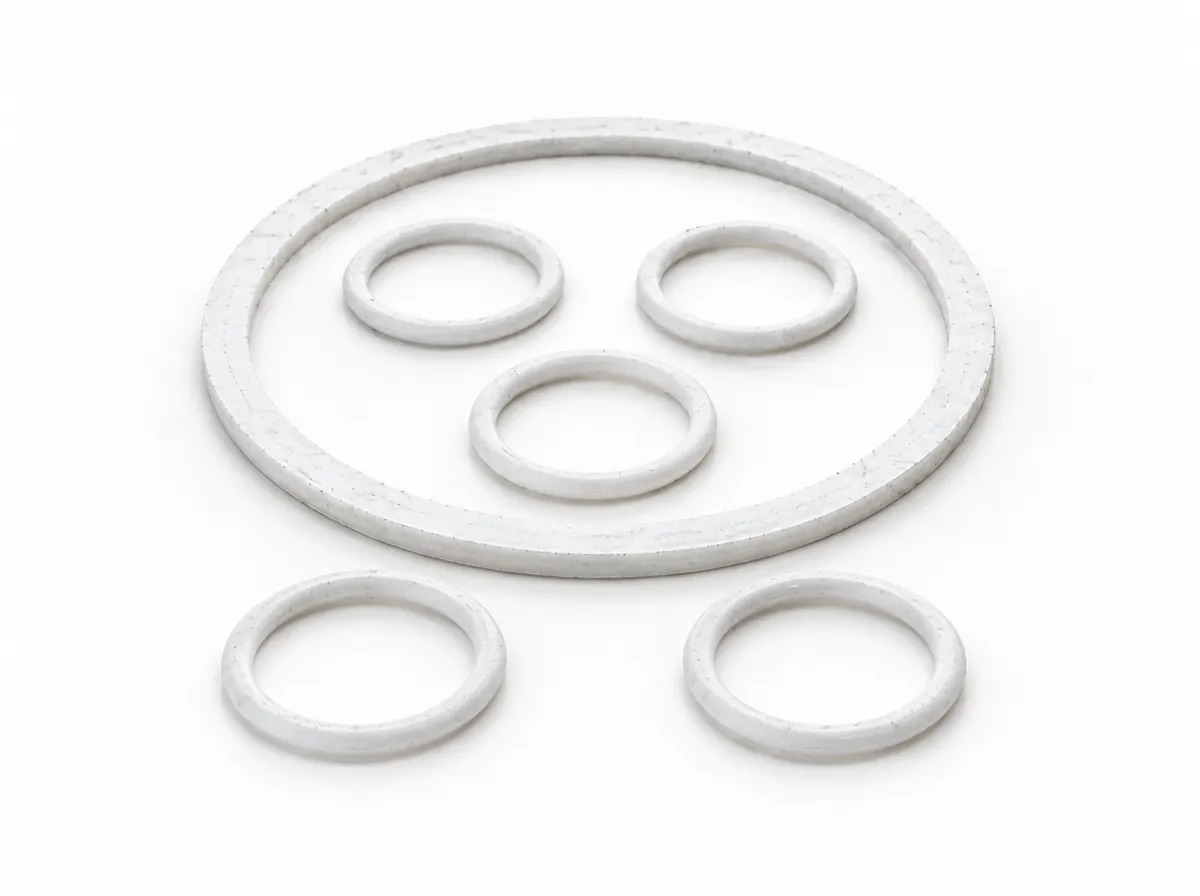
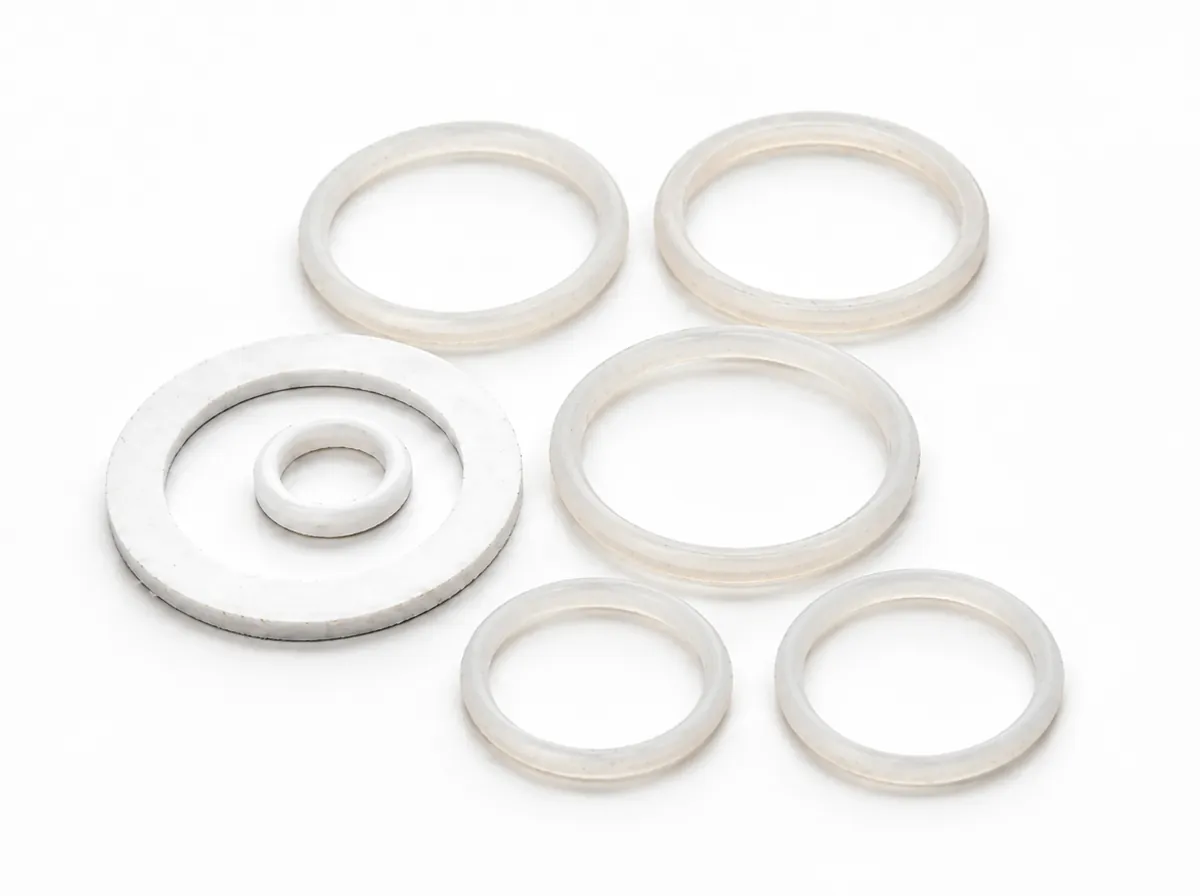
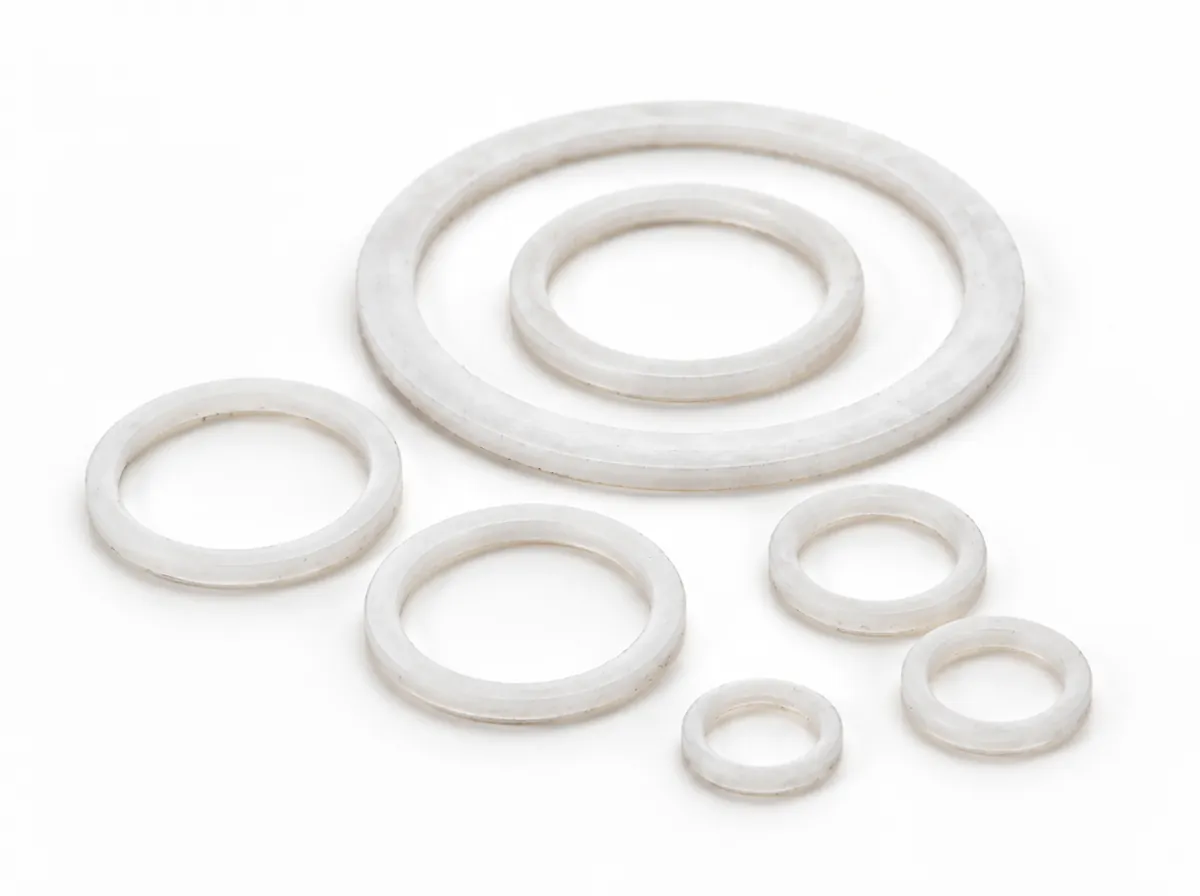
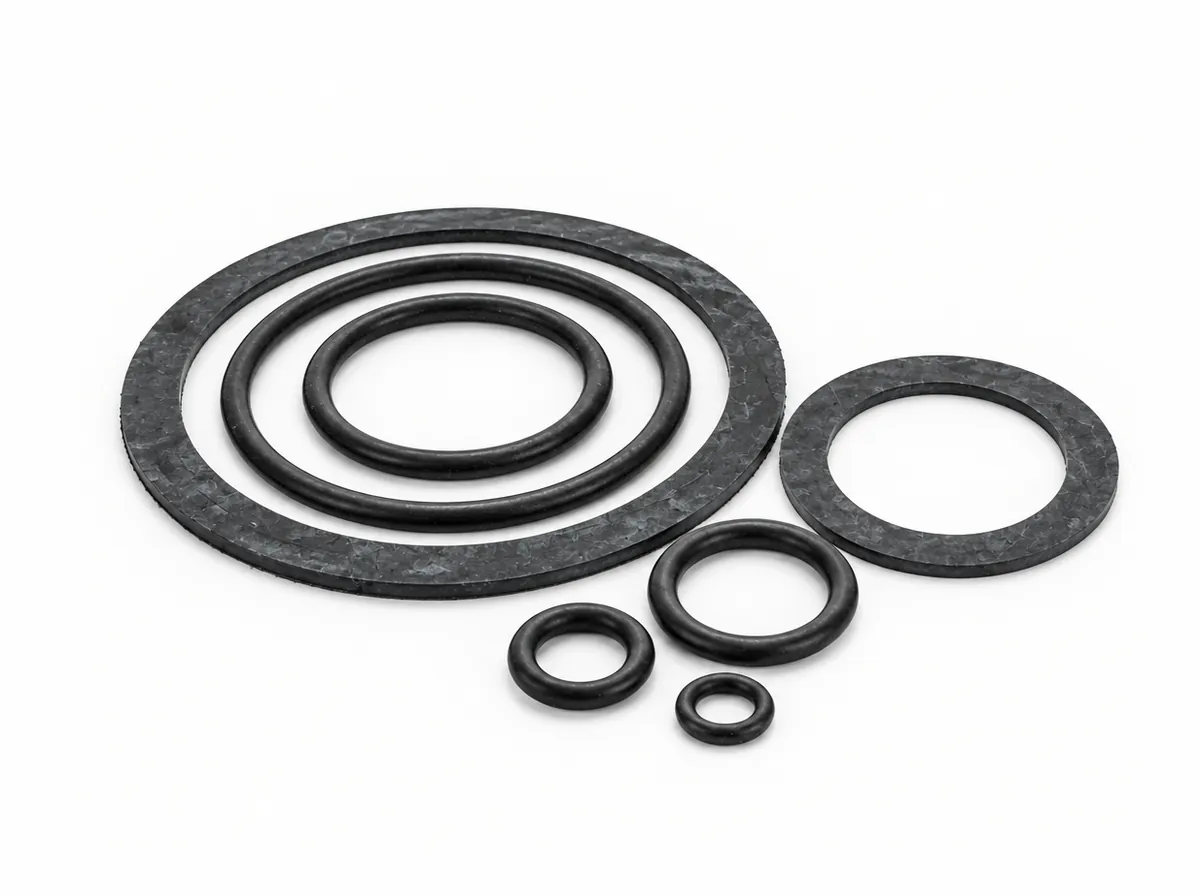
Ovality describes the deviation of an originally circular geometry from its ideal shape. It indicates how far a component, such as a hose, a hose ring or a sealing ring, deviates from a perfect circle. In the rubber and plastics industry, controlling ovality is essential to ensure the function, tightness and load-bearing capacity of components.
Ovality is usually calculated as the ratio of the difference between the maximum and minimum diameter to the mean diameter:
Ovality (%) = [(Dmax - Dmin) / Dmean] × 100
-
Dmax: largest measured diameter.
-
Dmin: smallest measured diameter.
-
Dmean: average of Dmax and Dmin.
Ovality is an important parameter that affects several properties of a component:
-
Sealing function: deviations from the circular shape can cause leaks or uneven loading.
-
Mechanical stability: high ovality can reduce the strength and service life of a component.
-
Ease of assembly: highly oval components can be difficult to insert into the intended fits.
-
Visual quality: for visible components, a precise circular shape is often regarded as a mark of quality.
Ovality can be caused by various factors:
-
Manufacturing tolerances: deviations during production, e.g. in extrusion or vulcanisation.
-
Material shrinkage: uneven shrinkage during cooling or curing.
-
Load: mechanical forces that deform the material during storage or use.
-
Temperature differences: thermal stresses that lead to deformation.
Ovality can be checked using various measuring methods:
Mechanical measuring methods
-
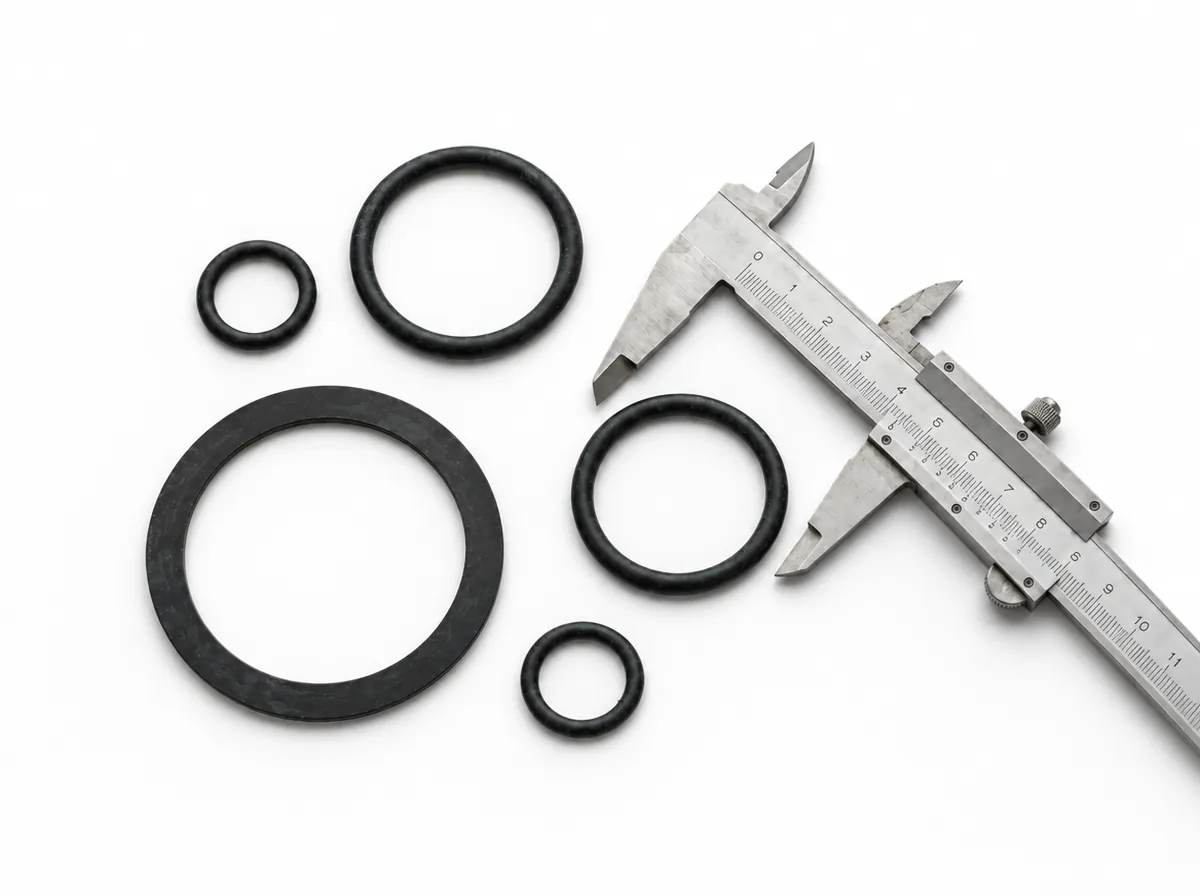
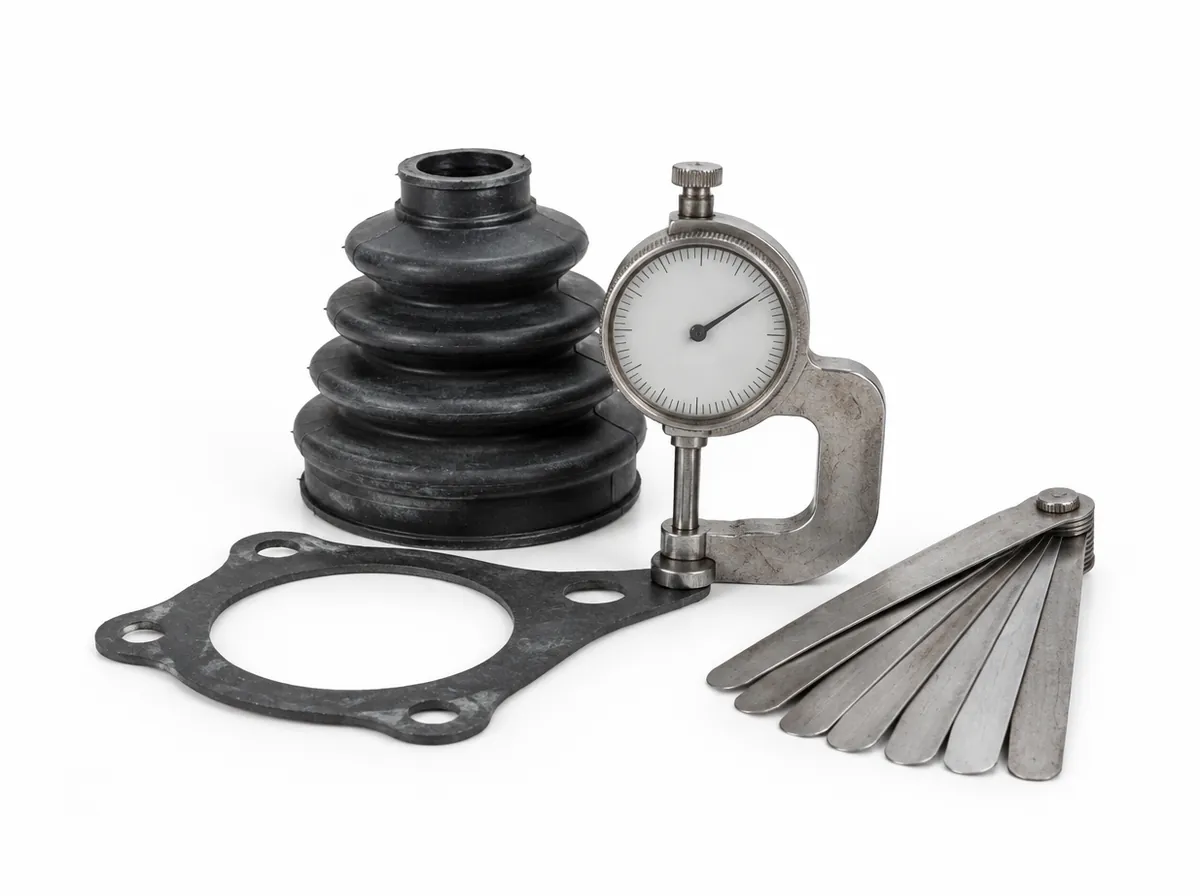
Callipers: manual measurement of Dmax and Dmin at various points.
-
Internal measuring instruments: for precise measurement of inner diameters.
Optical measuring methods
-
Laser scanners: non-contact measurement of deviations in form.
-
Camera systems: analysis of profile images for accurate diameter measurement.
Digital measuring methods
-
Coordinate measuring machines (CMM): high-precision 3D measurement of the entire geometry.
-
Software-based analysis: automatic calculation of ovality from measurement data.
Controlling ovality is of central importance in many industries:
Pipe and hose manufacturing
-
Pressure resistance: ensuring an even wall thickness to avoid stress peaks.
-
Accuracy of fit: precise circular shapes for tight connections in piping systems.
Seal manufacturing
-
Function: ensuring even pressure distribution in O-rings and flat seals.
-
Service life: minimising leaks and premature wear.
Automotive industry
-
Fuel and hydraulic lines: ovality can affect tightness and flow.
-
Tyre manufacturing: ensuring roundness for even load distribution.
Medical technology
-
Catheters and tubing: precise diameters for safe and reliable applications.
-
Implants: checking dimensional stability for an optimum fit.
Controlling ovality can involve various challenges:
-
Material behaviour: elastic materials such as rubber tend to return to their original shape after measurement, which makes measuring more difficult.
-
Temperature dependence: ovality can change significantly with changes in temperature.
-
Manufacturing costs: tighter tolerances require more precise tools and closer process control.
The requirements and effects of ovality differ between rubber and plastic:
| Property | Rubber | Plastic |
|---|---|---|
| Flexibility | High, deformation possible but often recovers. | Limited, dimensionally stable but sensitive to shrinkage. |
| Main causes of ovality | Vulcanisation, mechanical load | Shrinkage on cooling, tool deviations |
| Applications | O-rings, flexible hoses | Pipes, rigid components |
| Measuring methods | Mechanical and optical measurements | Optical and digital measuring methods |
-
How is ovality measured? By comparing the maximum and minimum diameters with mechanical or optical measuring instruments.
-
Why is ovality important? It affects the function, accuracy of fit and stability of components.
-
Which ovality tolerances are usual? That depends on the application, but they are typically a few percent of the nominal size.
-
Can ovality be corrected afterwards? For elastic materials often by applying pressure, for rigid materials only by post-processing.
Ovality is a critical measure of the quality and function of components in the rubber and plastics industry. Precise control and measurement ensure that products retain their desired properties and function reliably in demanding applications. Modern measuring technology and manufacturing processes help keep ovality within tight tolerances.
Questions about this term?
Our technical advice
Do you have a specific application or a question about elastomer processing? Talk to us, we will help you with material, process and approval.