

Glossary of elastomer processing
Wig-Wag
Wig-wag refers to a process or method for producing elastomer compounds in which the material is laid down in even layers on top of each other. The term comes from the even, back-and-forth ("wig-wag") movement of the laying unit that deposits the material. This process ensures even distribution and structuring of the material, which is particularly important in the rubber industry.
The wig-wag process typically takes place in the following steps:
-
Material preparation: the raw material, e.g. rubber compounds or plastics, is prepared and brought to a homogeneous consistency.
-
Extrusion: the material is formed by an extruder or roller and divided into strips or layers.
-
Laying: the layers are laid on top of each other by a back-and-forth movement to ensure an even structure.
-
Compaction: the deposited material is compacted to minimise air inclusions and ensure material quality.
-
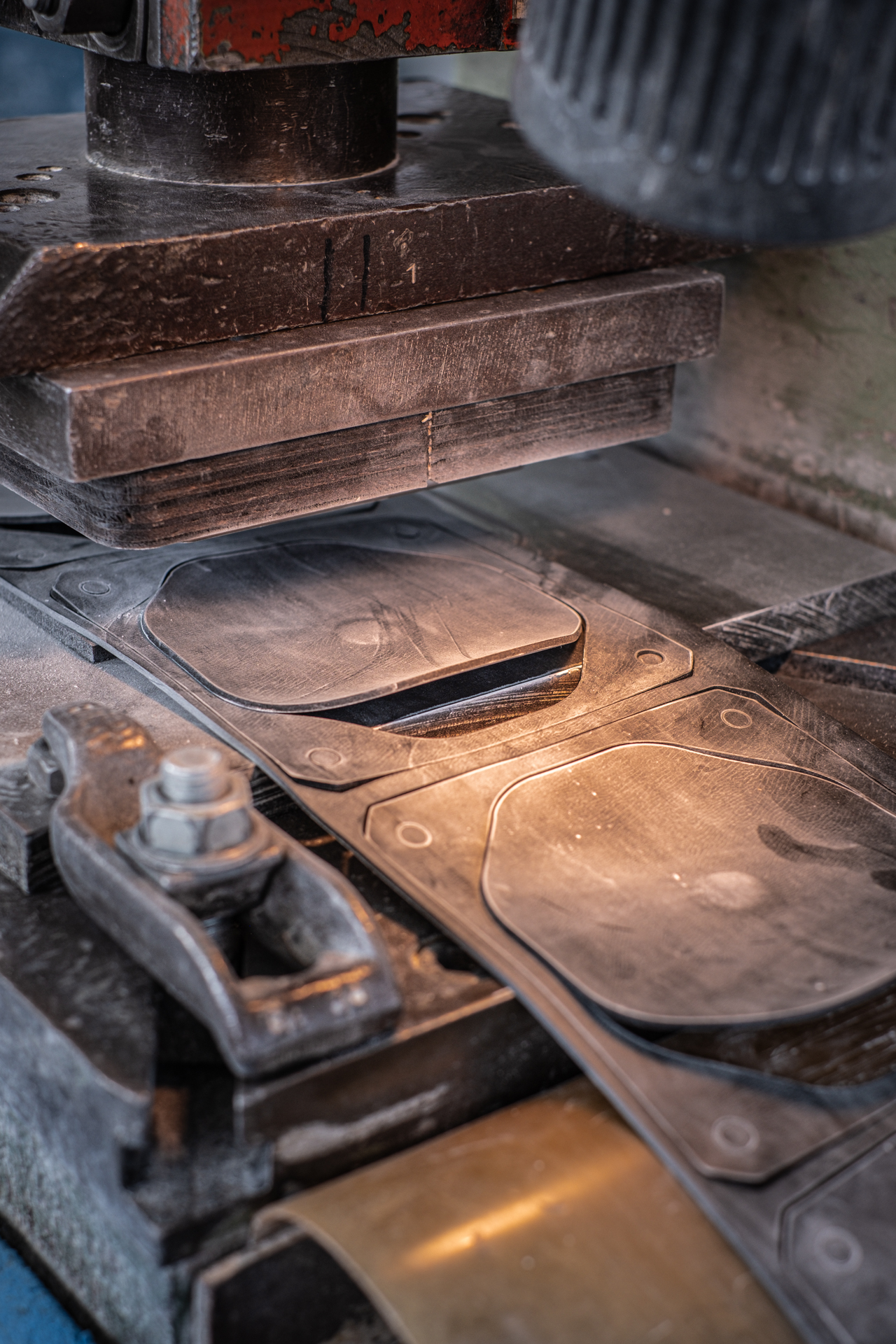
Further processing: the finished stacked material is cut, punched or moulded, depending on the application requirements.
The wig-wag process offers a number of advantages that make it particularly suitable for material processing:
-
Even distribution: the method ensures a homogeneous material structure.
-
Fewer material defects: even layering reduces weak points.
-
Efficient use: optimum material utilisation with minimal waste.
-
Flexibility: applicable to different types and thicknesses of material.
The wig-wag process is used in various industries, particularly in the manufacture of rubber and plastic products:
Rubber industry
-
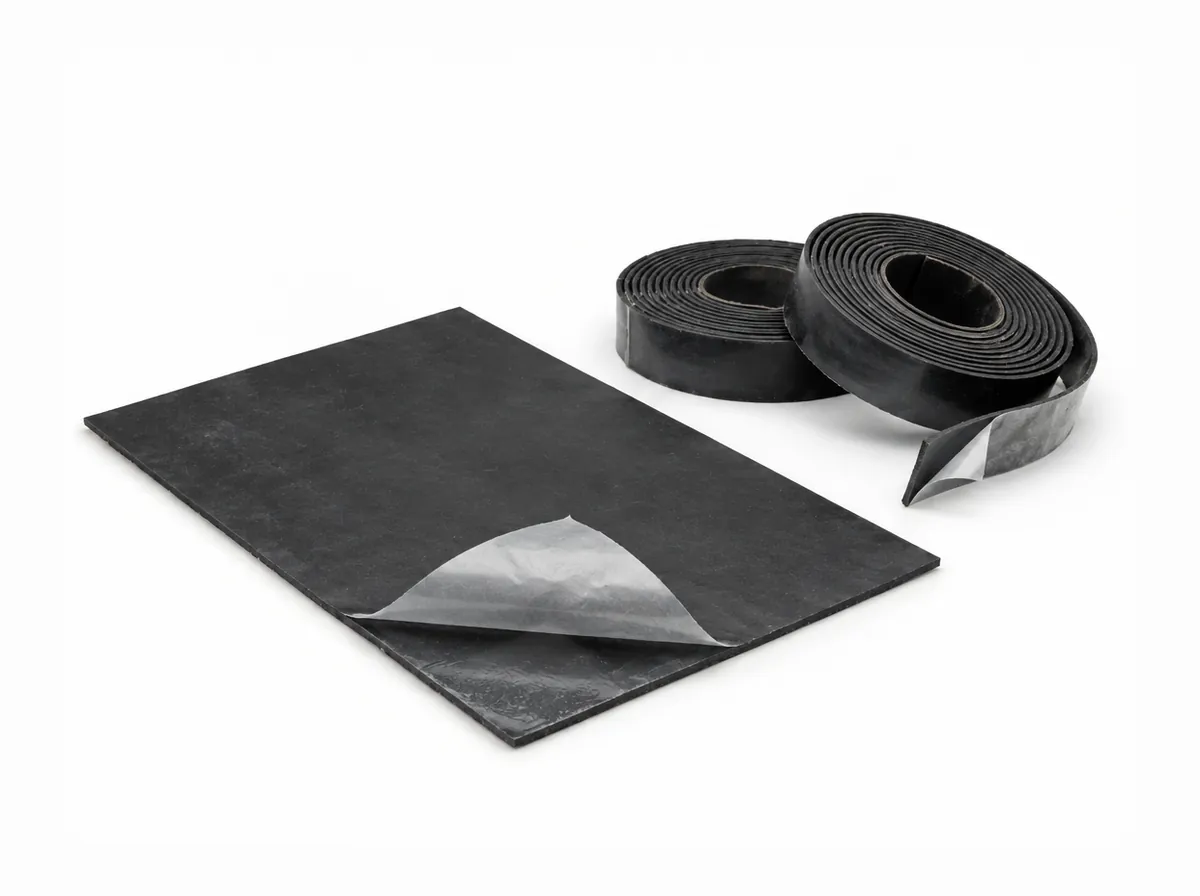
Sheet production: rubber sheets for seals, conveyor belts or technical applications.
-
Processing rubber compounds: even distribution of compounds for further processes such as vulcanisation.
Plastics industry
-
Film and sheet production: produces high-quality, uniform plastic sheets for construction and packaging applications.
-
Composites: even layering of materials for increased stability.
Construction industry
- Sealing materials: production of uniform sheets for sealing and insulation.
The wig-wag process offers numerous advantages:
-
Homogeneous structure: ideal for applications that require even material distribution.
-
Fewer air inclusions: minimises defects and improves material quality.
-
Material efficiency: little waste and optimum use of raw material.
-
Wide applicability: can be used for different types of material and product requirements.
Despite its advantages, the wig-wag process also involves challenges:
-
Machine precision: inaccuracies in the laying mechanism can lead to material defects.
-
Process control: uniformity and layer thickness must be monitored.
-
Material quality: fluctuations in raw material composition can affect final quality.
-
Which materials are suitable for the wig-wag process? Rubber compounds, thermoplastics and composite materials are particularly suitable.
-
Is the wig-wag process energy-efficient? Yes, targeted use of material reduces energy consumption and minimises waste.
-
Can the process be used for thin materials? Yes, it is also suitable for very thin layers, but requires precise control.
-
Which machines are needed for the wig-wag process? Special laying machines with a back-and-forth movement and rolling or extrusion units.
The wig-wag process is a versatile method for producing evenly distributed materials and is widely used in the rubber and plastics industry. It enables high-quality products to be manufactured with minimal waste and maximum efficiency. Thanks to modern technology and precise process control, the wig-wag process remains an indispensable part of modern manufacturing.
Questions about this term?
Our technical advice
Do you have a specific application or a question about elastomer processing? Talk to us, we will help you with material, process and approval.