



Glossary of elastomer processing
Cyanoacrylate adhesive
Cyanoacrylate adhesive, commonly known as superglue, is a highly effective adhesive known for extremely fast curing and strong adhesion. It is based on cyanoacrylate monomers, which are activated by moisture in the environment or on the surface of the material to be bonded. Within a few seconds, a stable bond forms, which is used in many industries such as electronics, automotive, construction and medical technology.
Cyanoacrylate adhesives cure through a chemical reaction with moisture, which is typically present on the surfaces or in the air. As soon as the adhesive comes into contact with moisture, the polymerisation of the cyanoacrylate monomers begins, resulting in a fast and strong bond.
Curing process
-
Activation: curing starts as soon as the adhesive comes into contact with moisture on the surface of the material.
-
Polymerisation: the cyanoacrylate monomers join together and form a dense polymer structure that bonds firmly to the material.
-
Final strength: the adhesive reaches its initial strength within seconds, but complete curing and maximum strength can take several hours, depending on the type of adhesive and the material.
Cyanoacrylate adhesive offers numerous advantages that make it particularly popular for fast, high-strength bonds in industrial and private applications:
-
Fast curing: the adhesive cures in seconds, which makes it ideal for applications that require immediate fixing.
-
High strength: cyanoacrylate adhesives offer very strong adhesion that withstands loads and ensures permanent bonds.
-
Versatility: the adhesive bonds to many materials, including metal, plastic, elastomers (rubber), wood, ceramics and glass.
-
Easy application: thanks to its liquid consistency and precision applicators, the adhesive can be applied easily and accurately.
Because of their fast adhesion and high strength, cyanoacrylate adhesives are used in a variety of areas. They are particularly suitable for applications that require immediate fixing and precision.
Electronics industry
In the electronics industry, cyanoacrylate adhesives are used to assemble sensitive parts and fix small components. Their fast curing and strong adhesion are ideal for precise assembly and for increasing stability in electronic devices.
Automotive industry
In the automotive sector, they are used to attach small parts such as covers and emblems that are exposed to strong vibrations and loads. Cyanoacrylate adhesives are also suitable for repairs and for fixing components that are difficult to access.
Medicine and pharmaceuticals
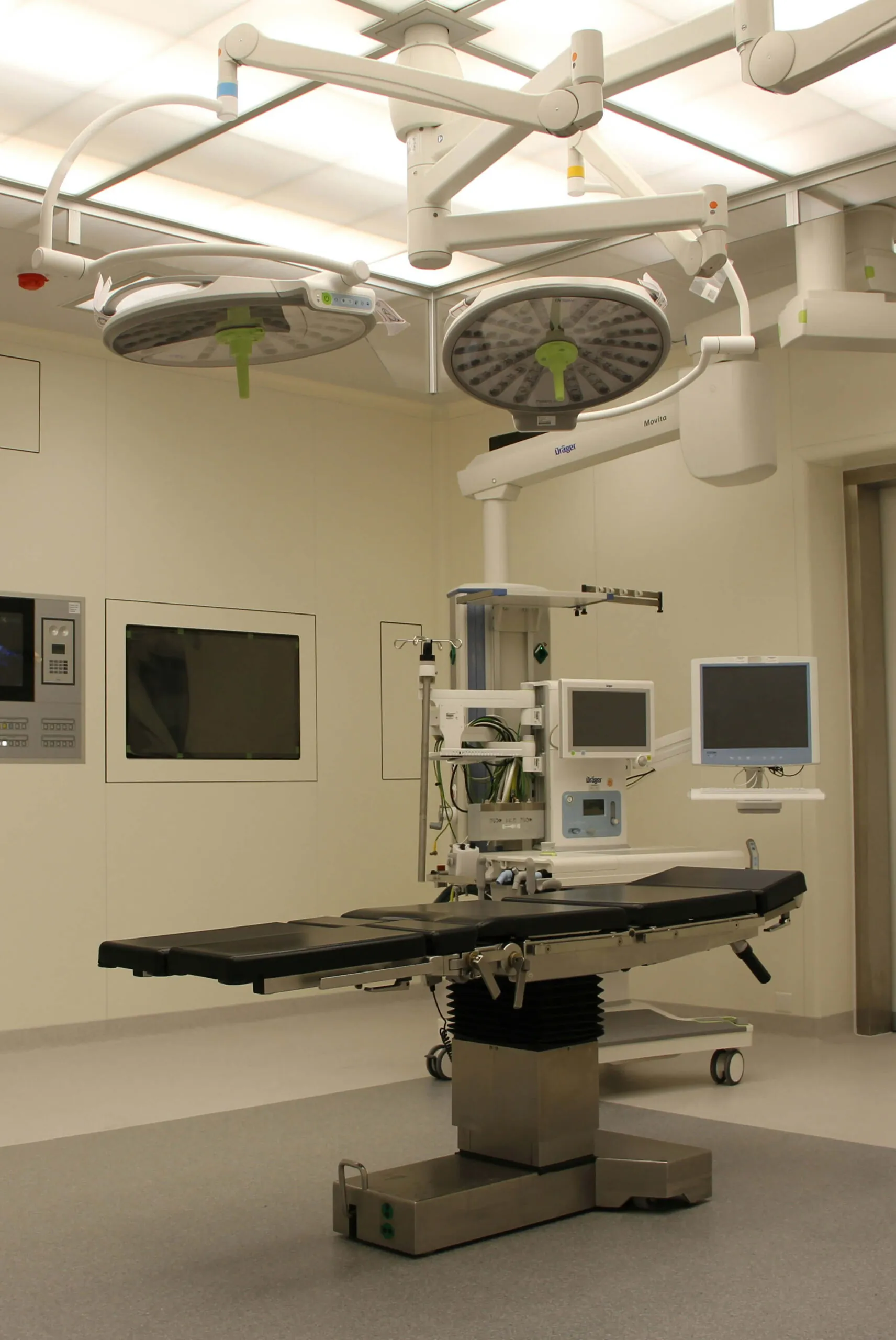
In the medical sector, cyanoacrylate adhesives are used in wound care and in medical devices. Special medical variants are used as wound adhesives, as they seal skin incisions without stitches and promote healing.
Elastomer processing
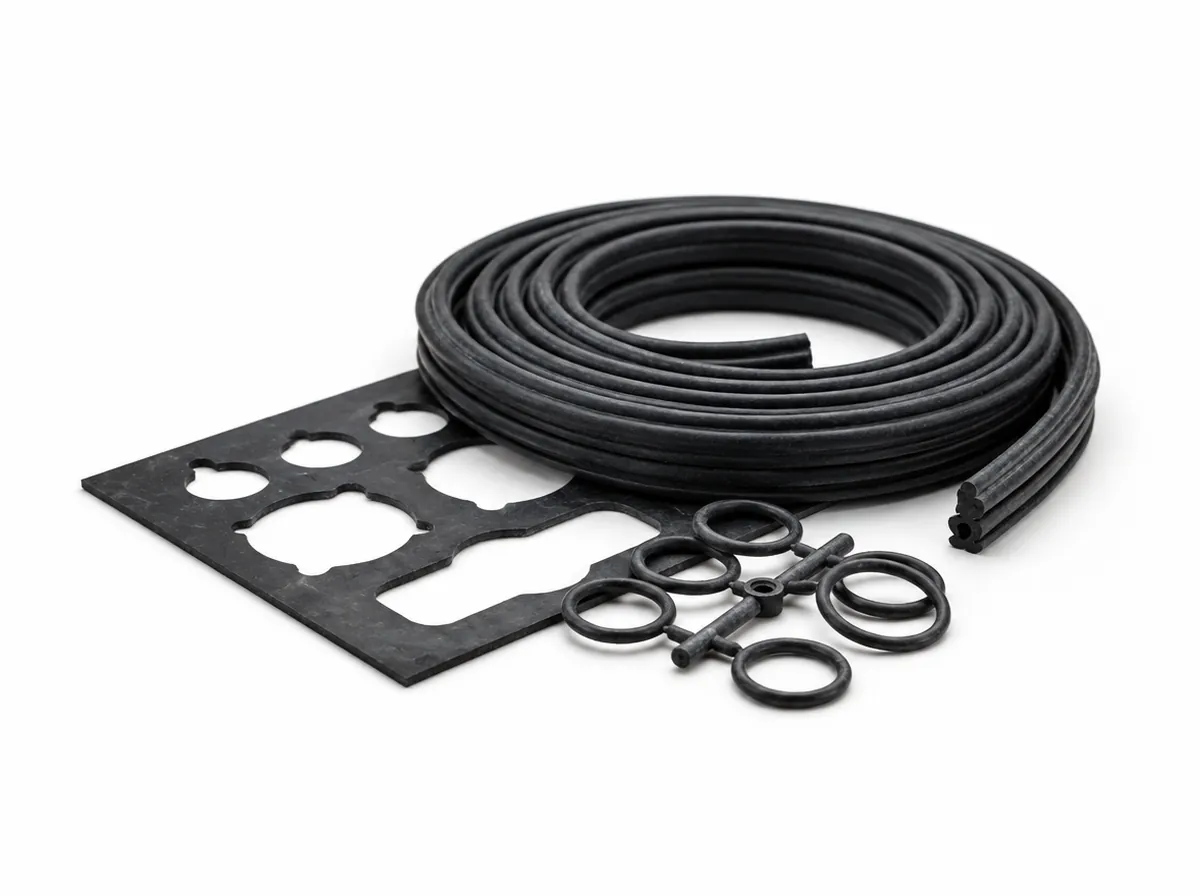
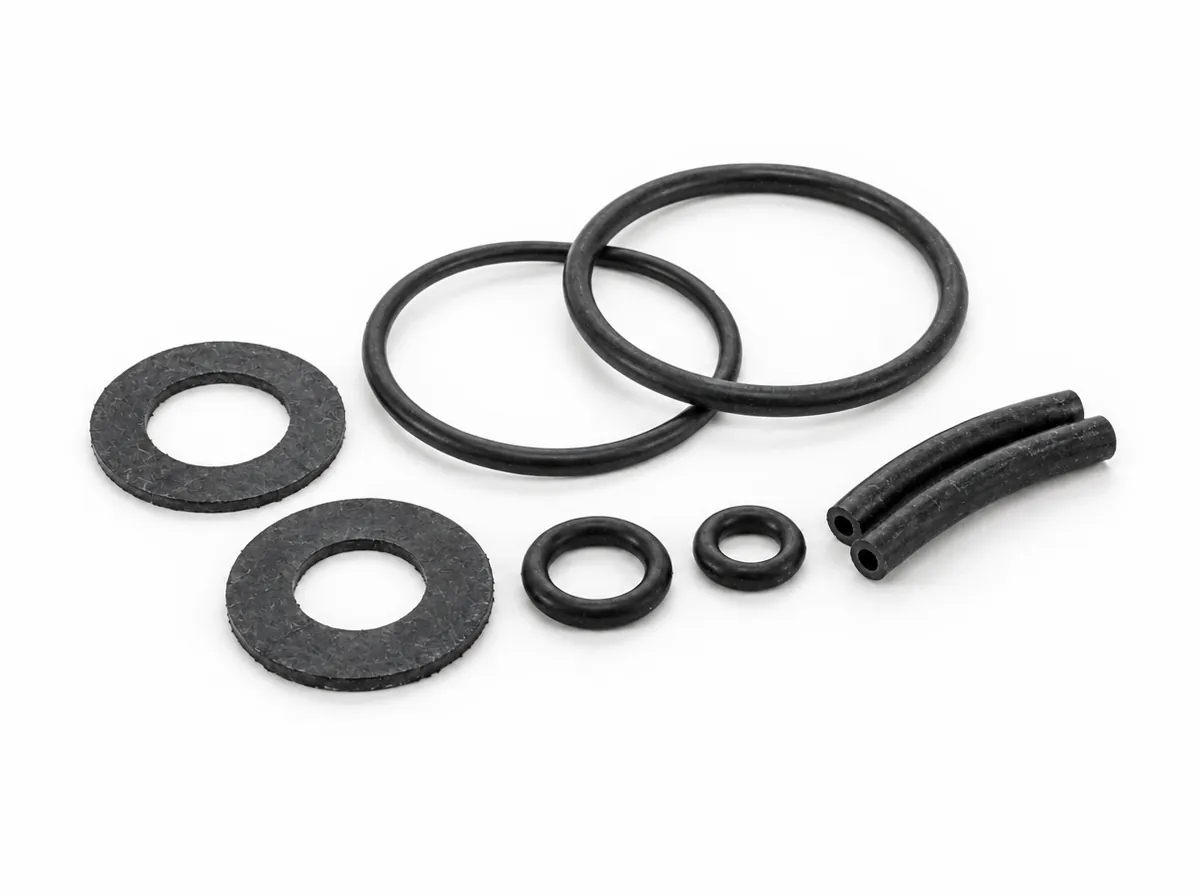
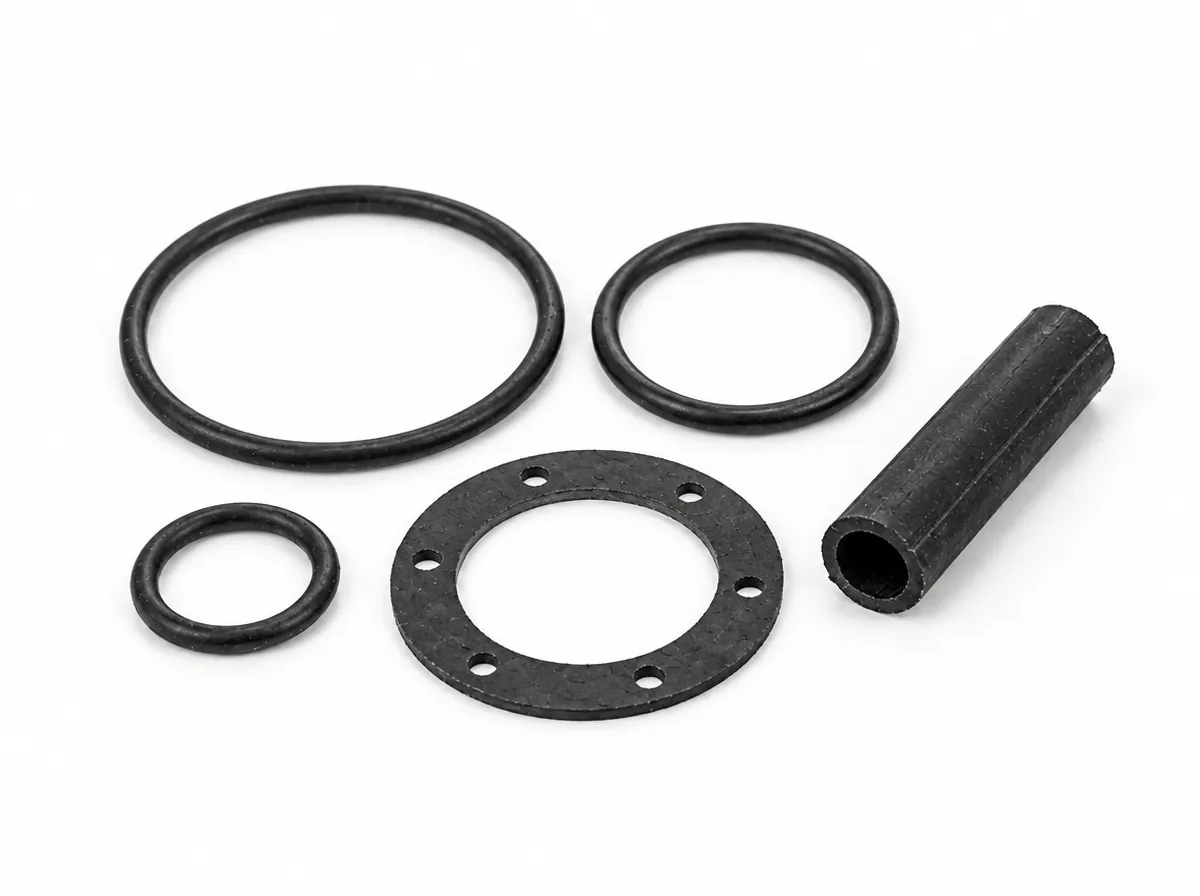
Cyanoacrylate adhesives are used very frequently in elastomer processing. Here are some examples:
-
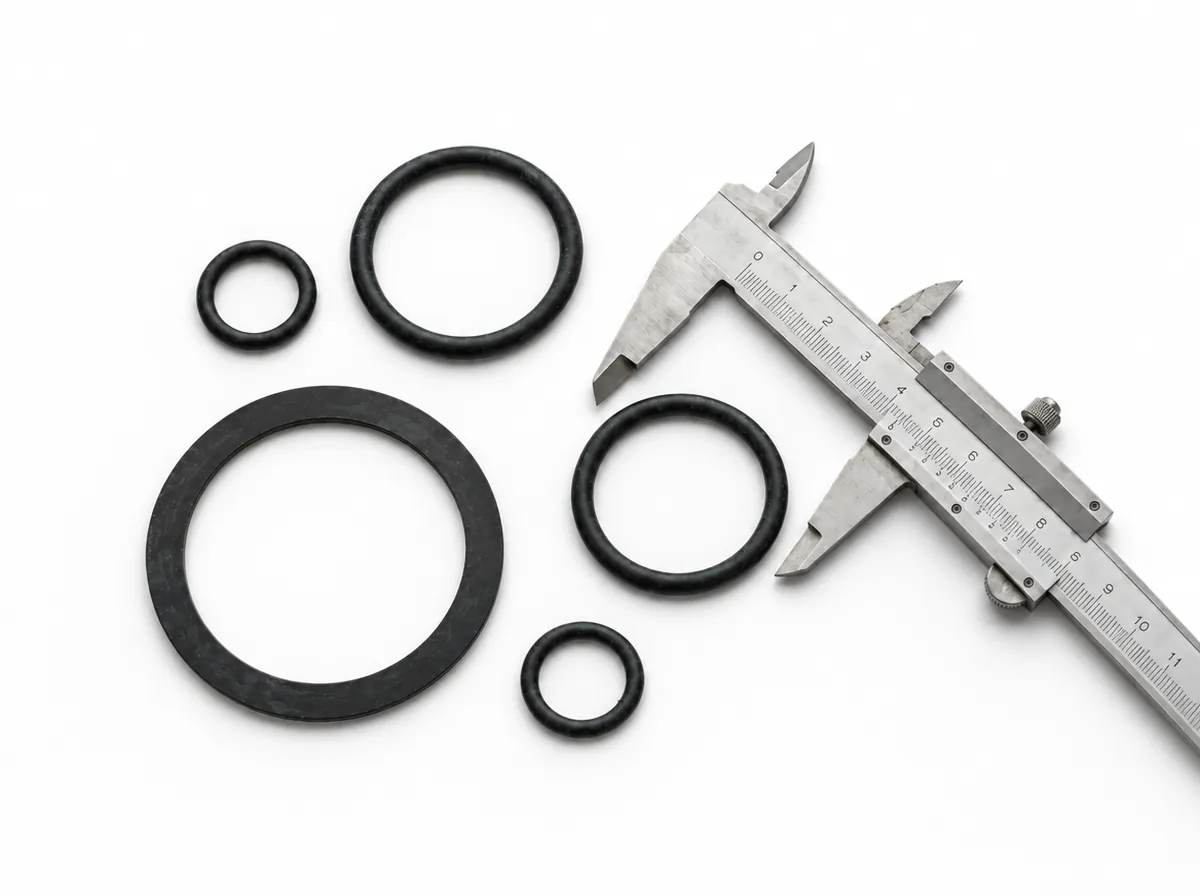
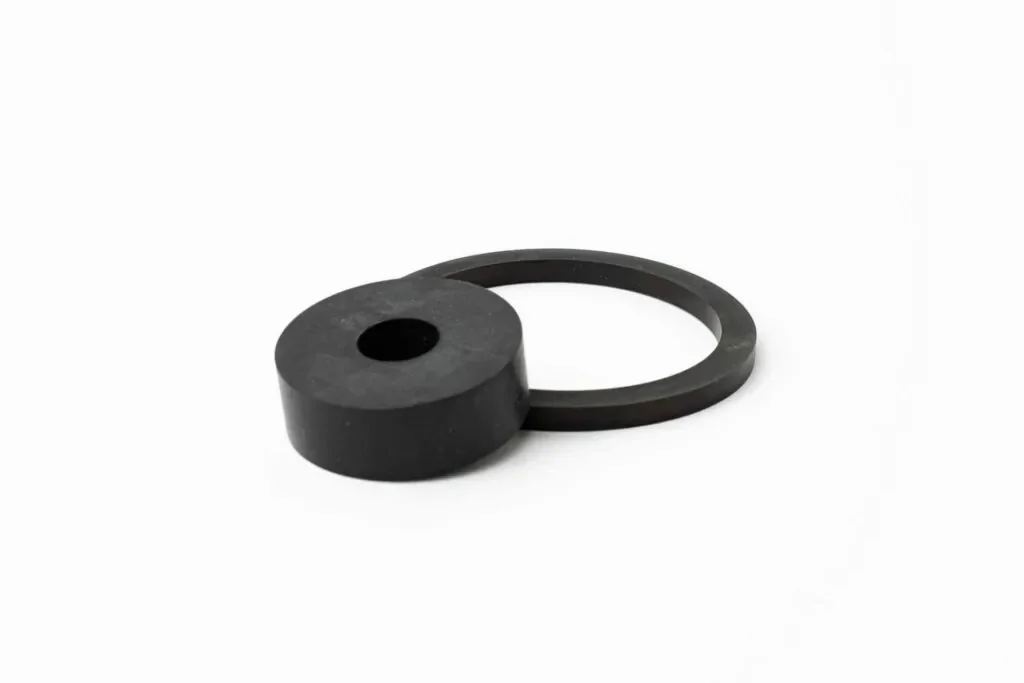
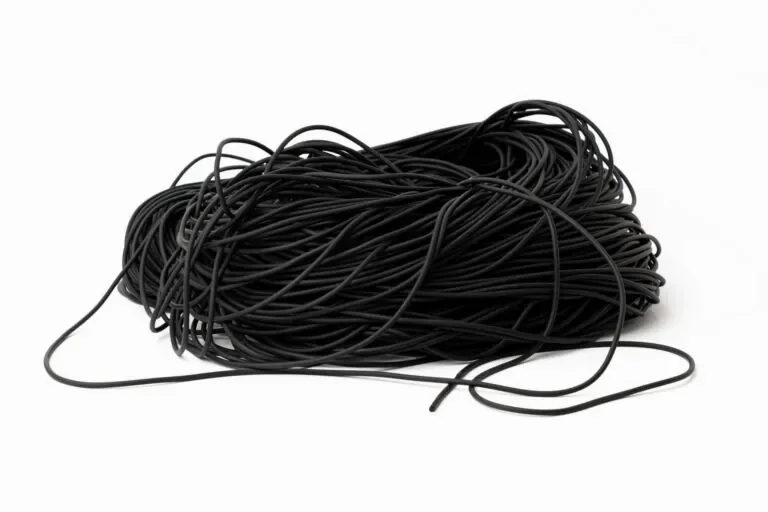
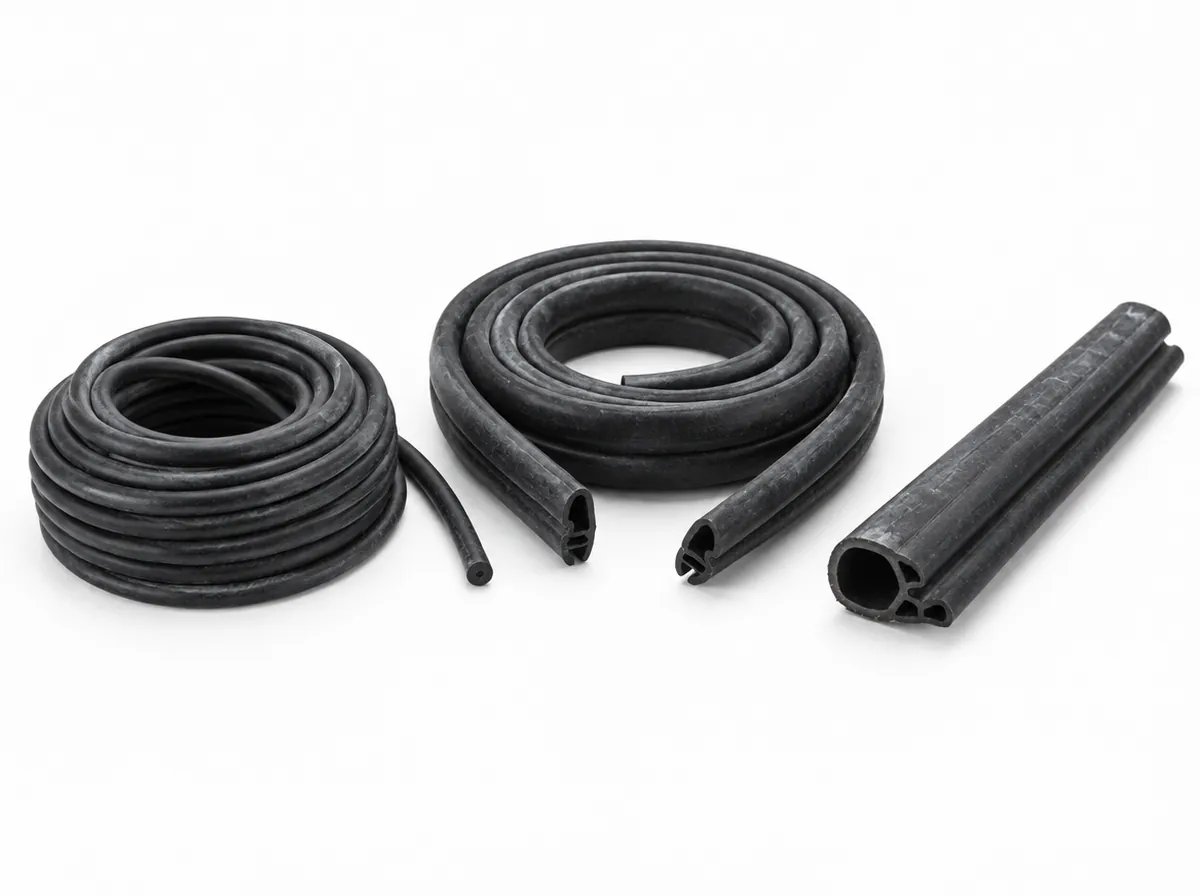
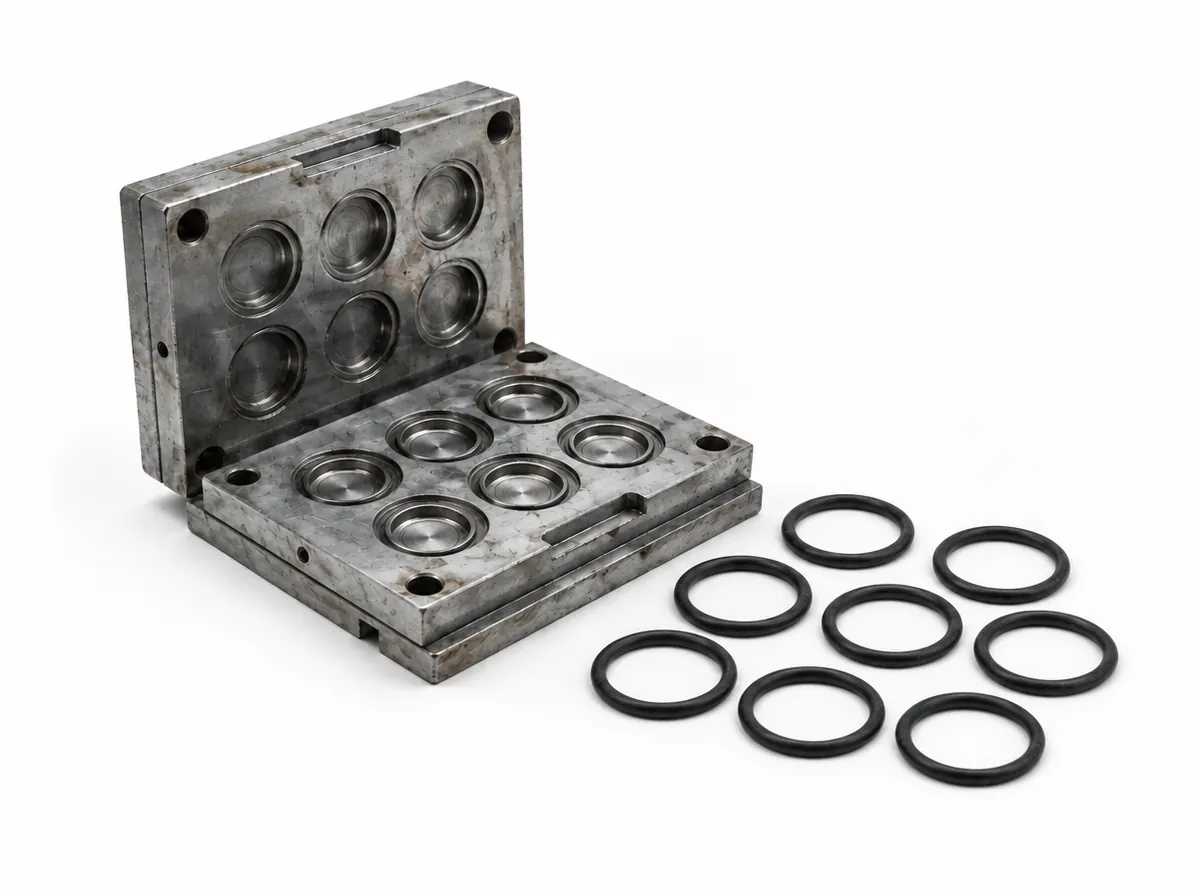
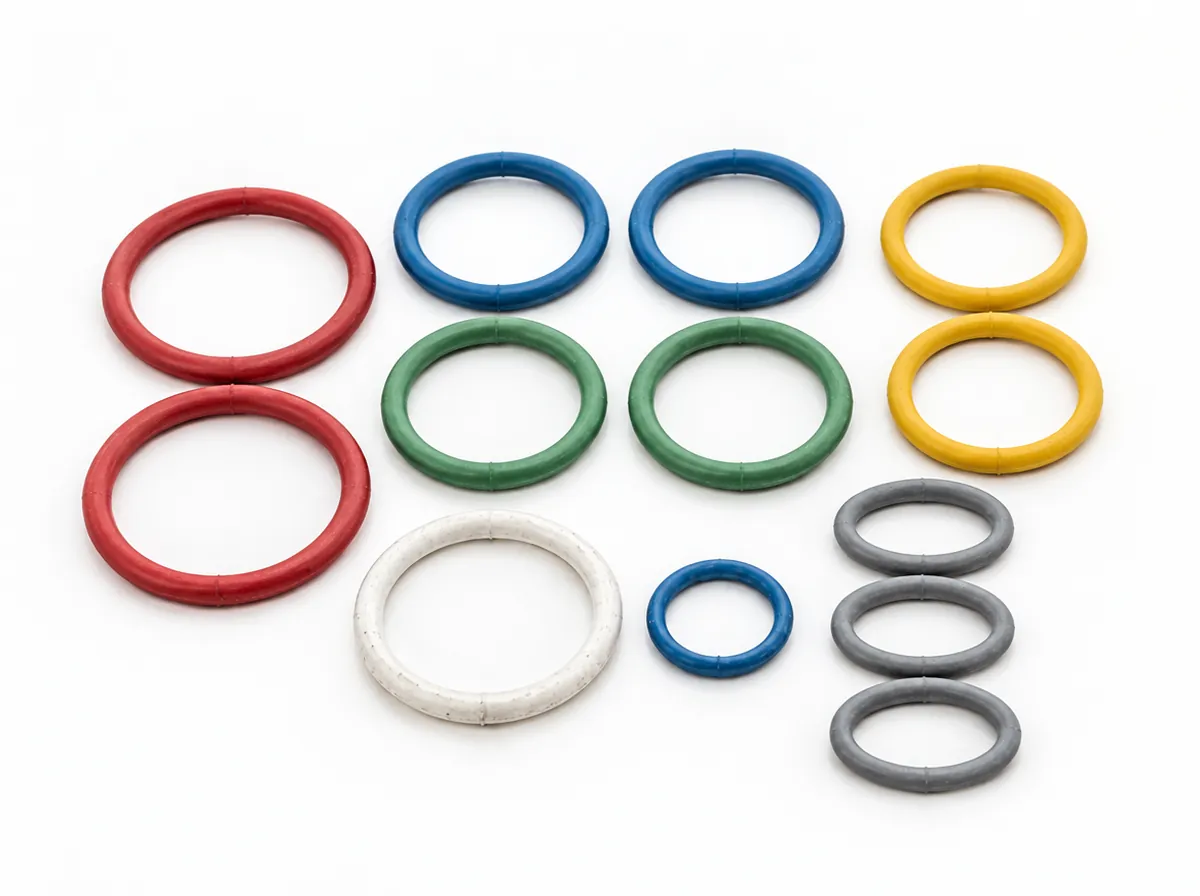
bonding a round cord into a ring
-
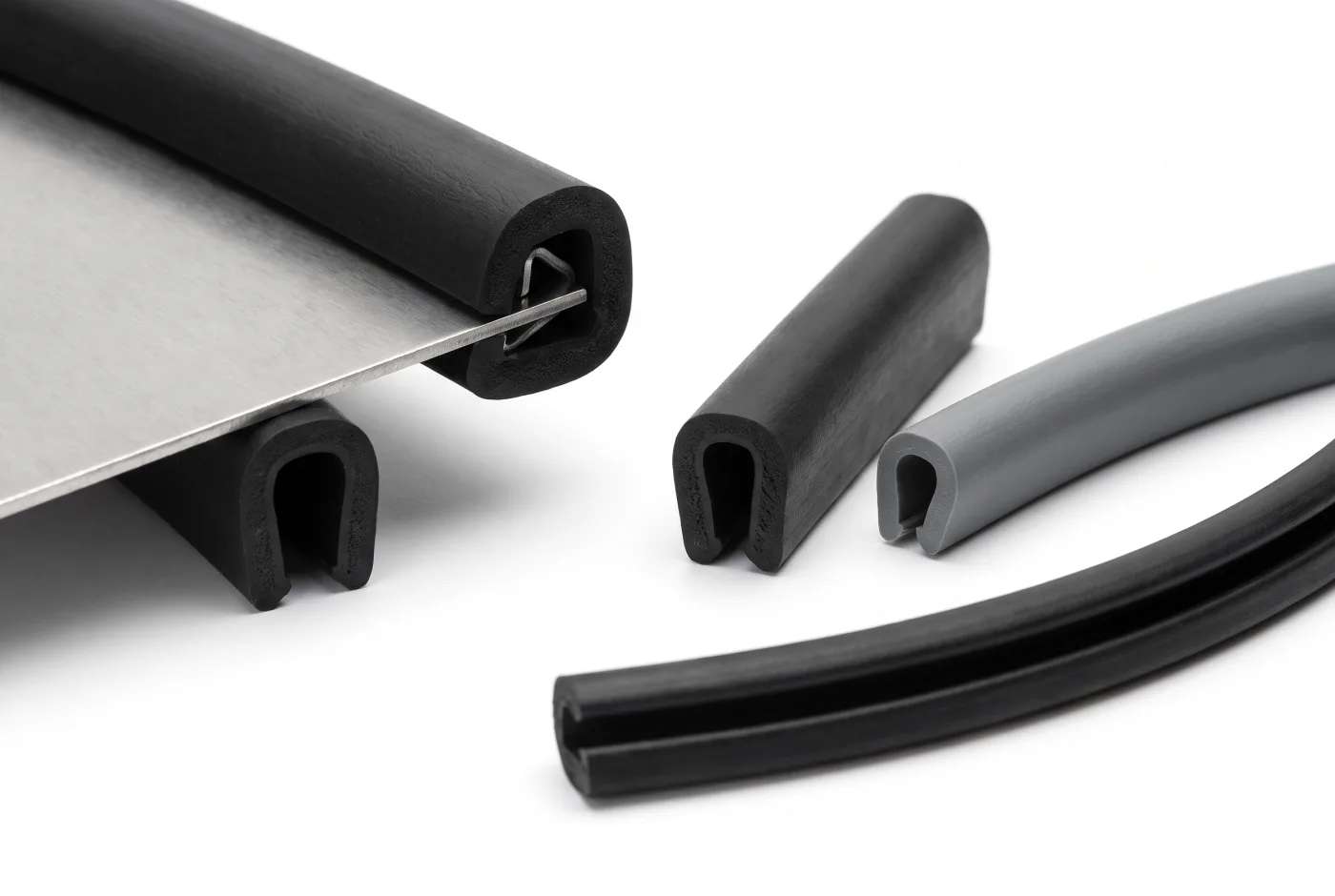
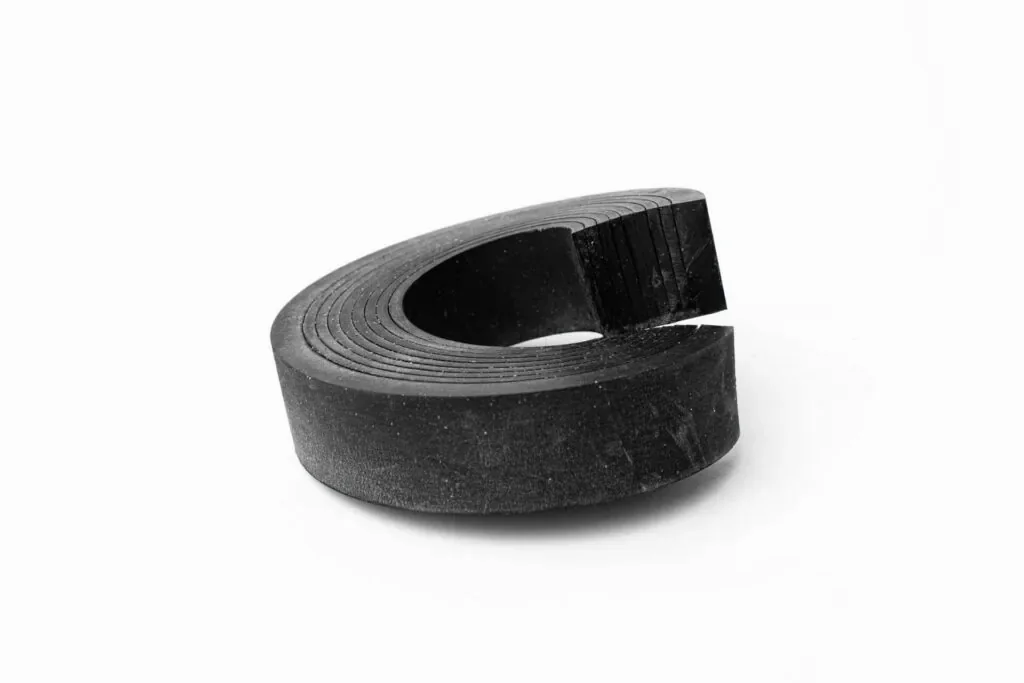
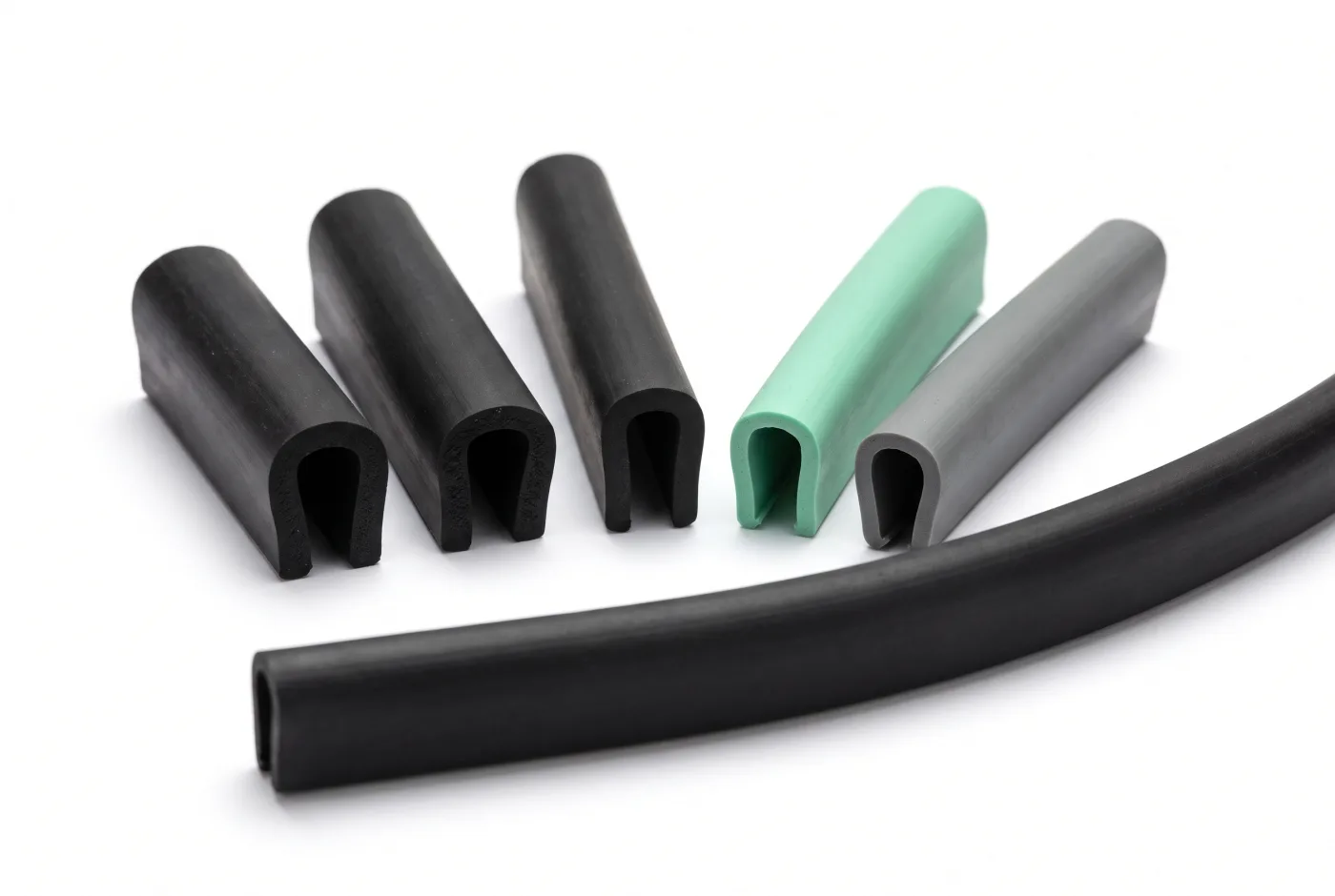
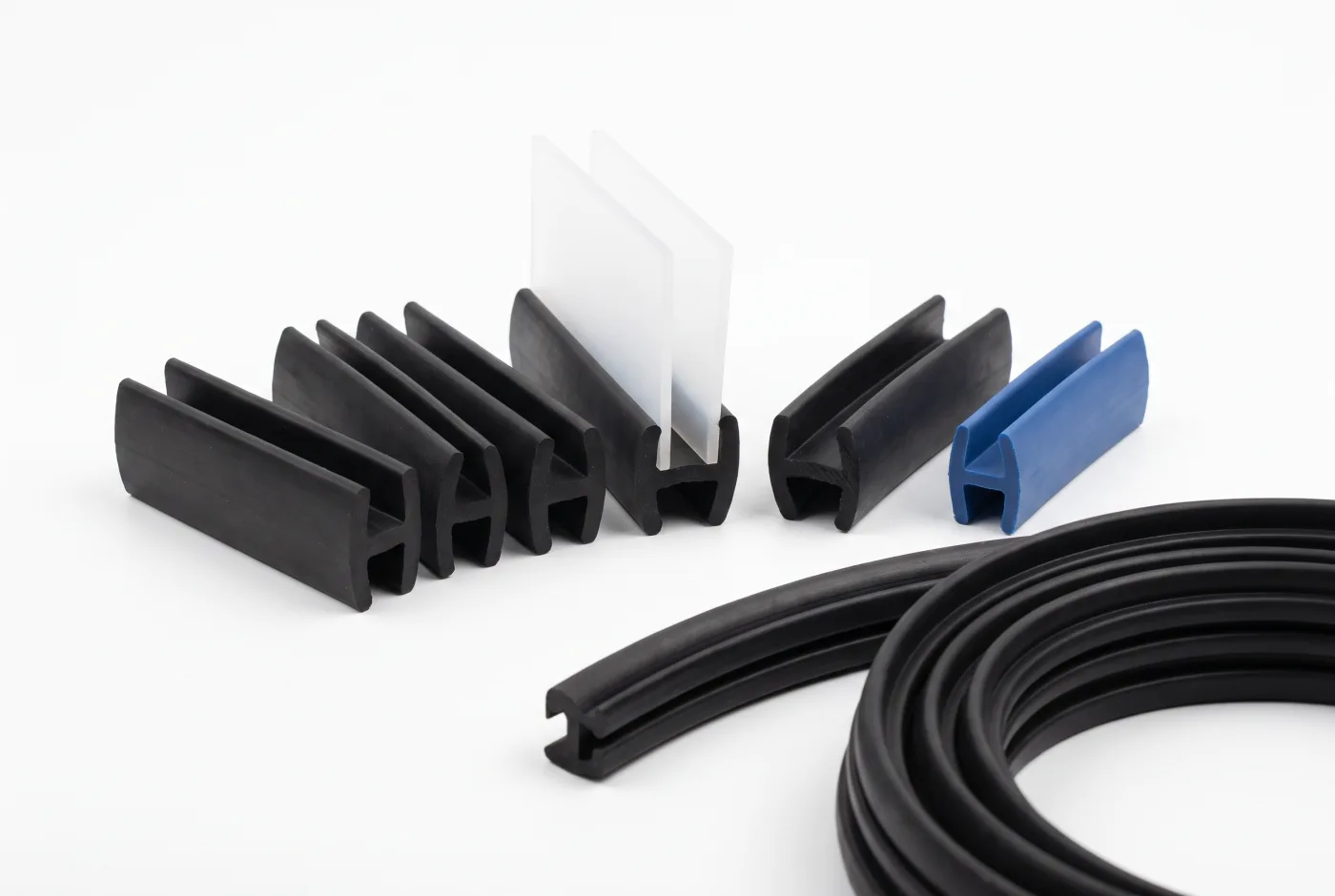
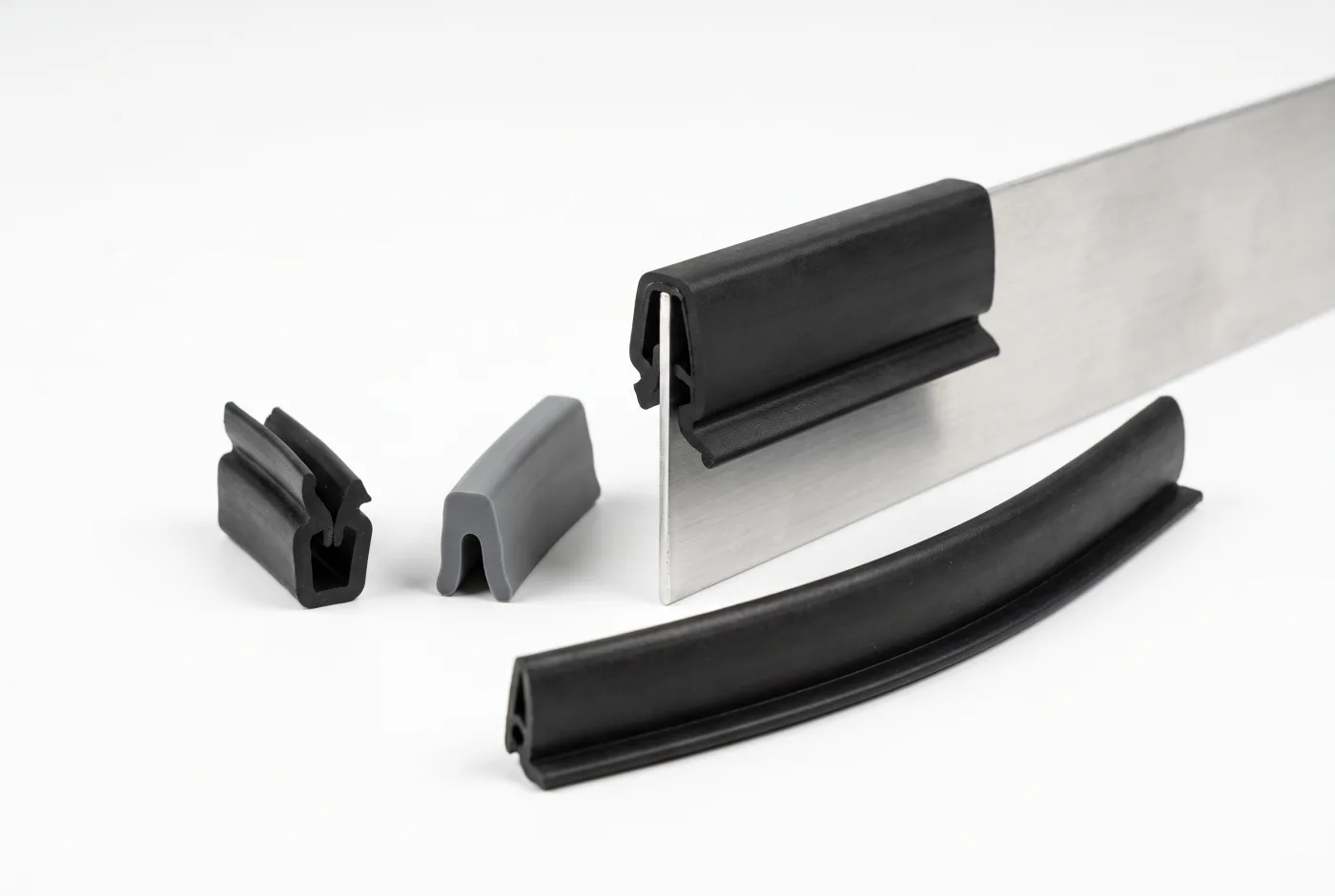
bonding two profile pieces into one long length
-
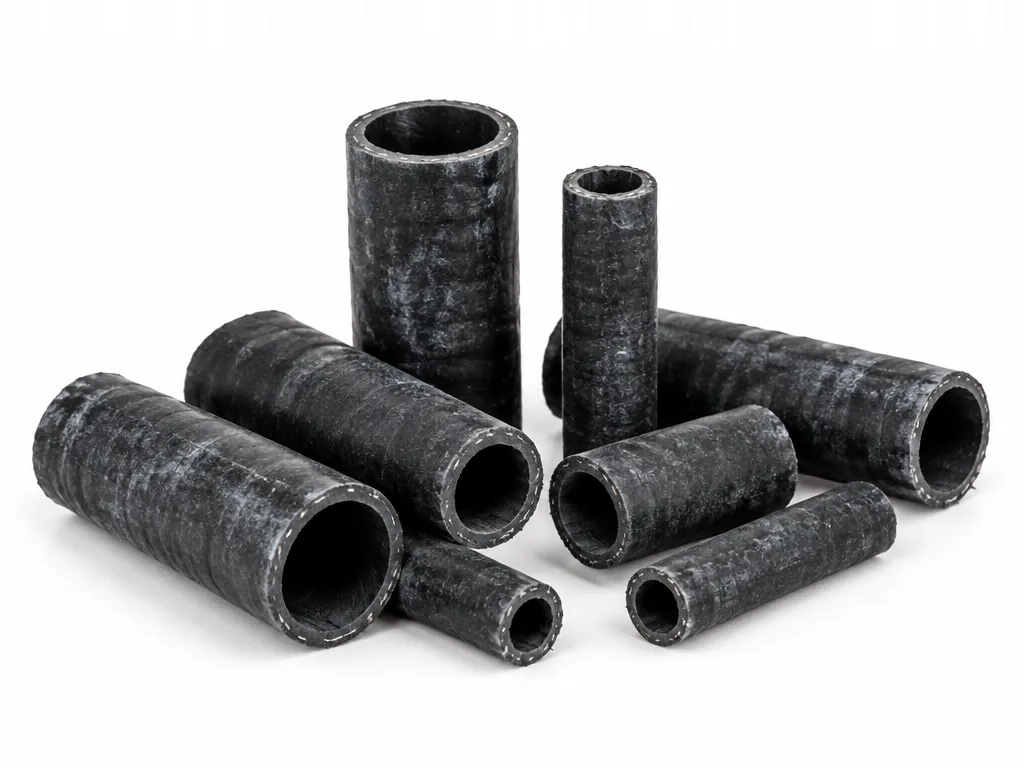
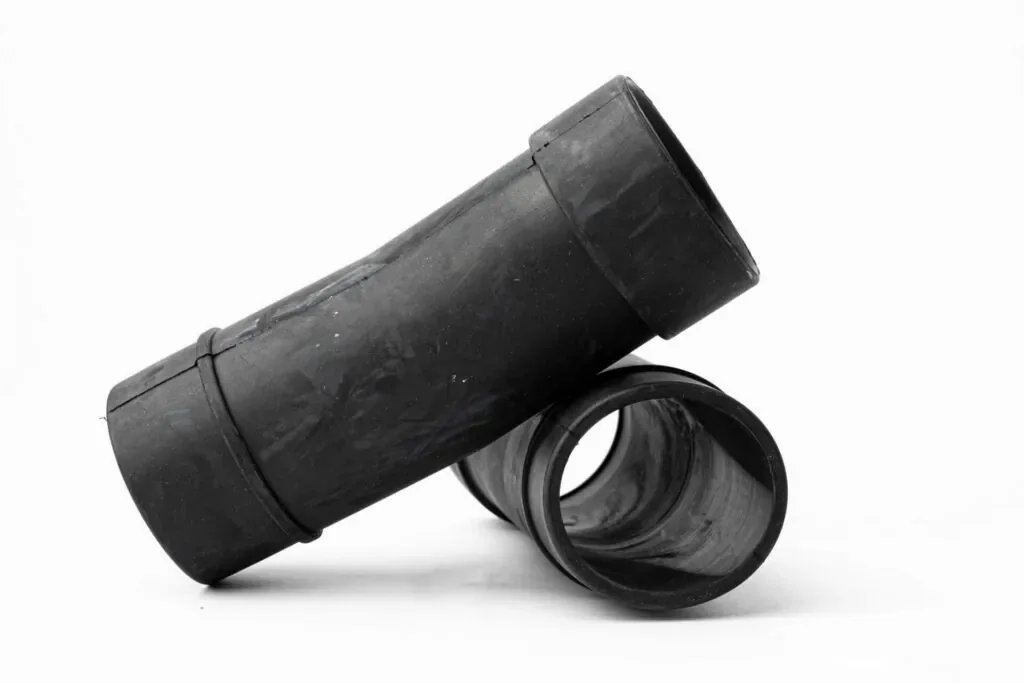
bonding two hose pieces into one long length
-
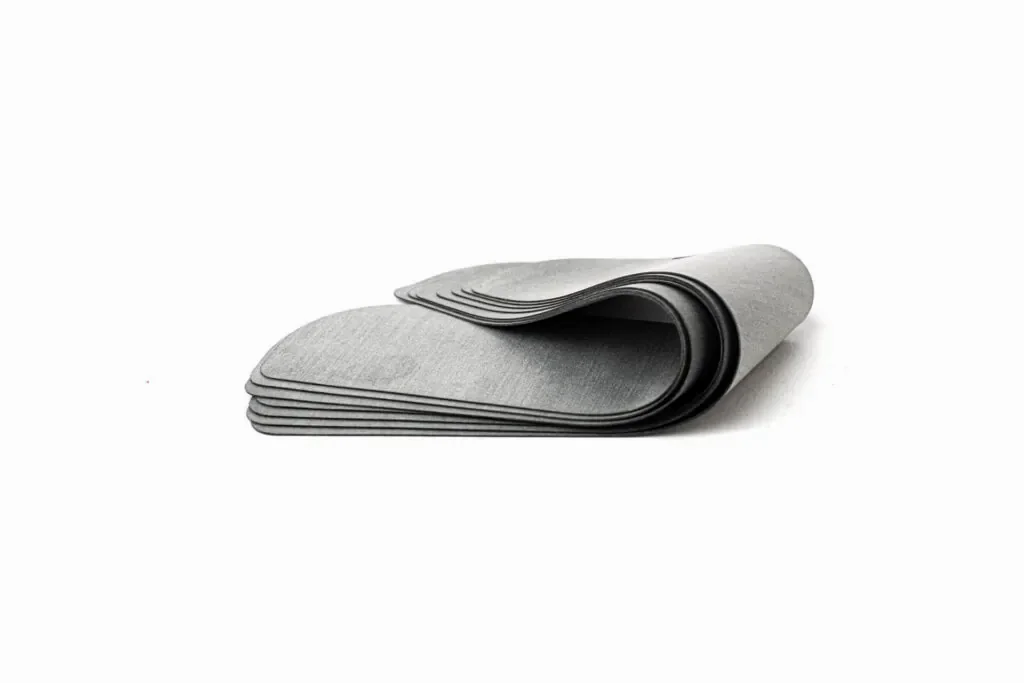
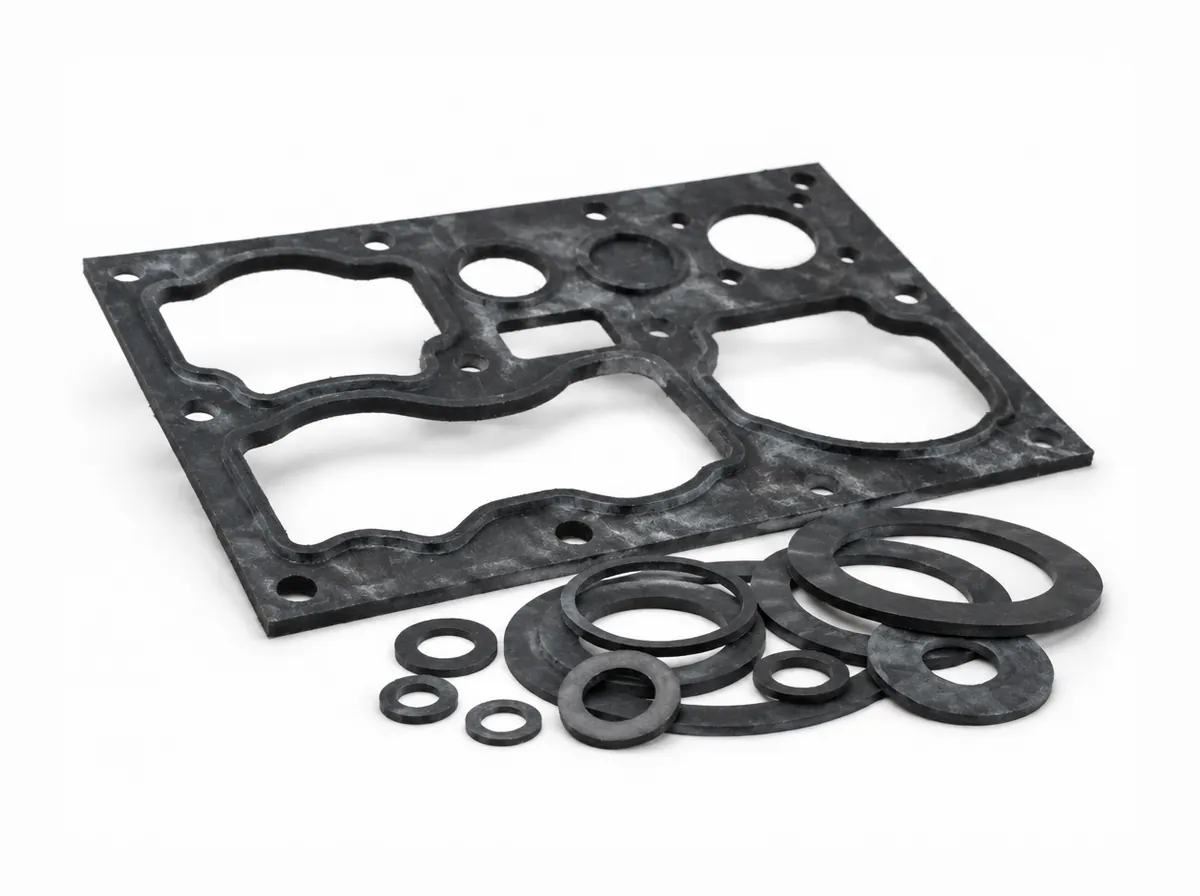
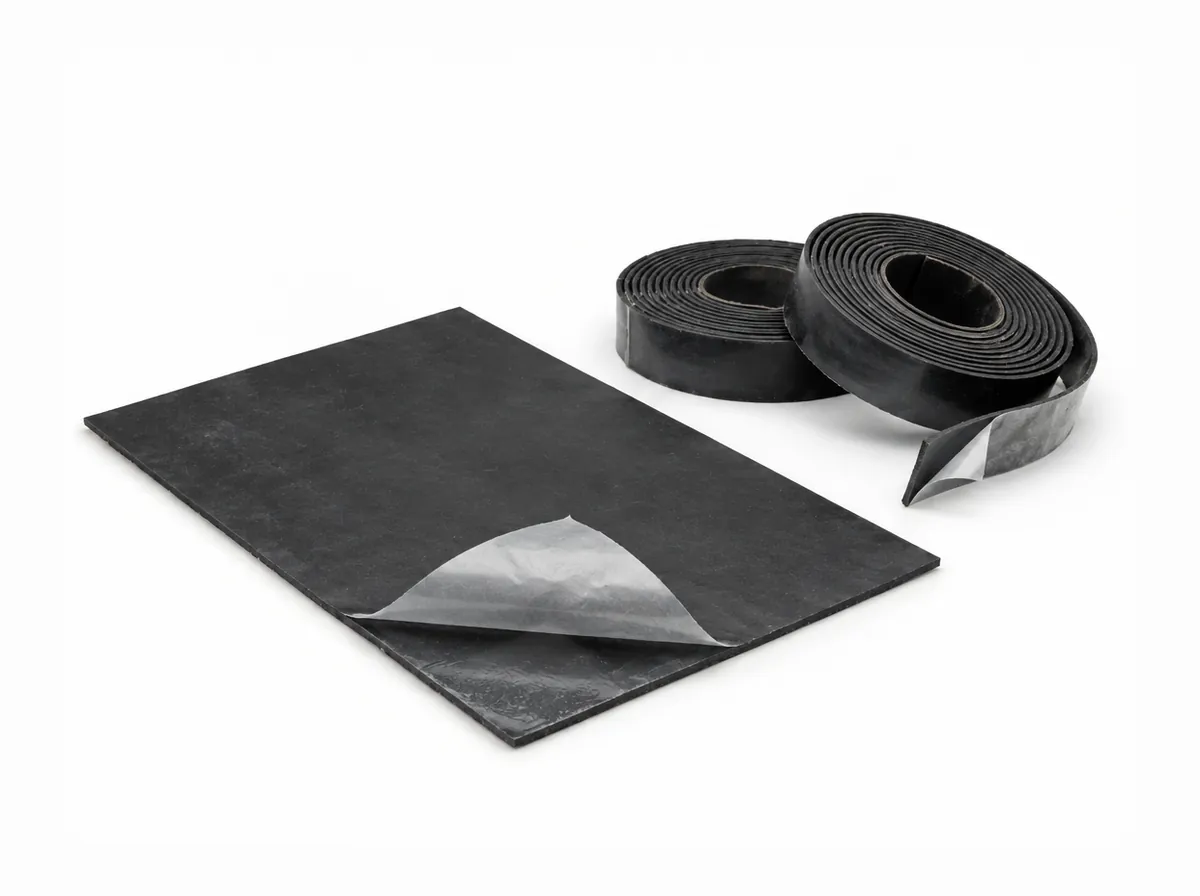
laminating two rubber sheets to increase the material thickness
There are various types of cyanoacrylate adhesives, which differ in their viscosity, curing speed and resistance. The choice of the right type depends on the specific requirements and materials.
Questions about this term?
Our technical advice
Do you have a specific application or a question about elastomer processing? Talk to us, we will help you with material, process and approval.