
Glossary of elastomer processing
Semi-finished product
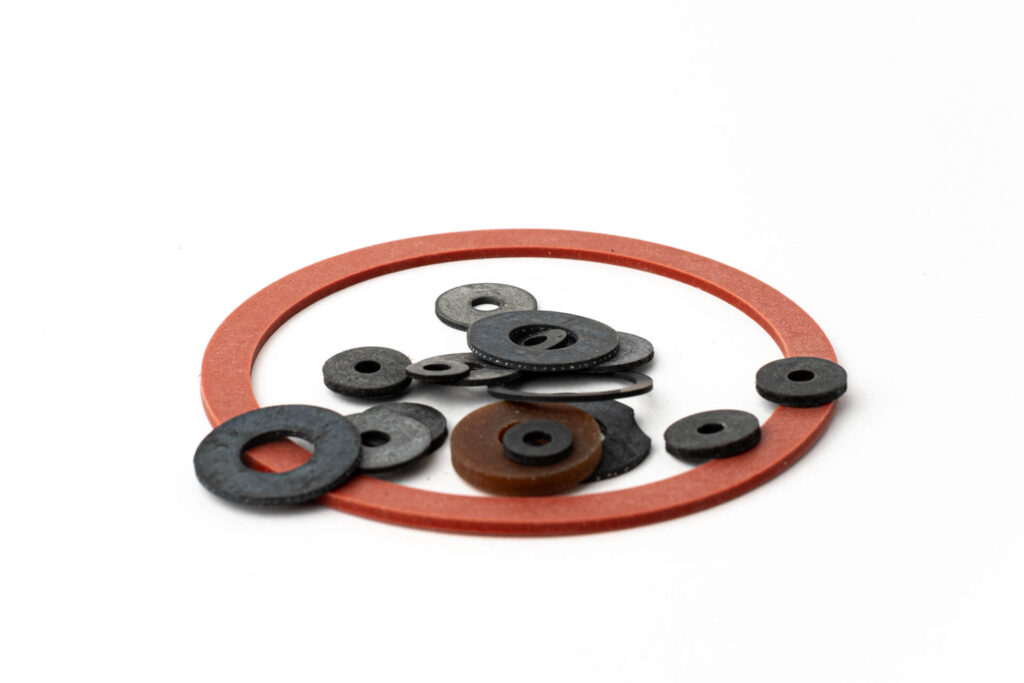
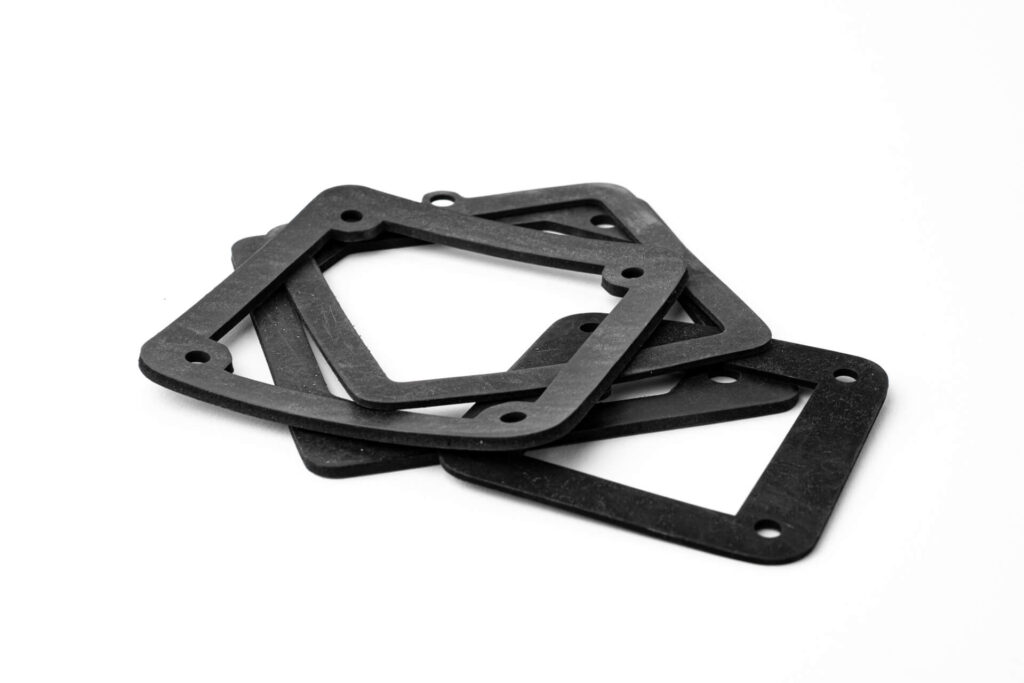
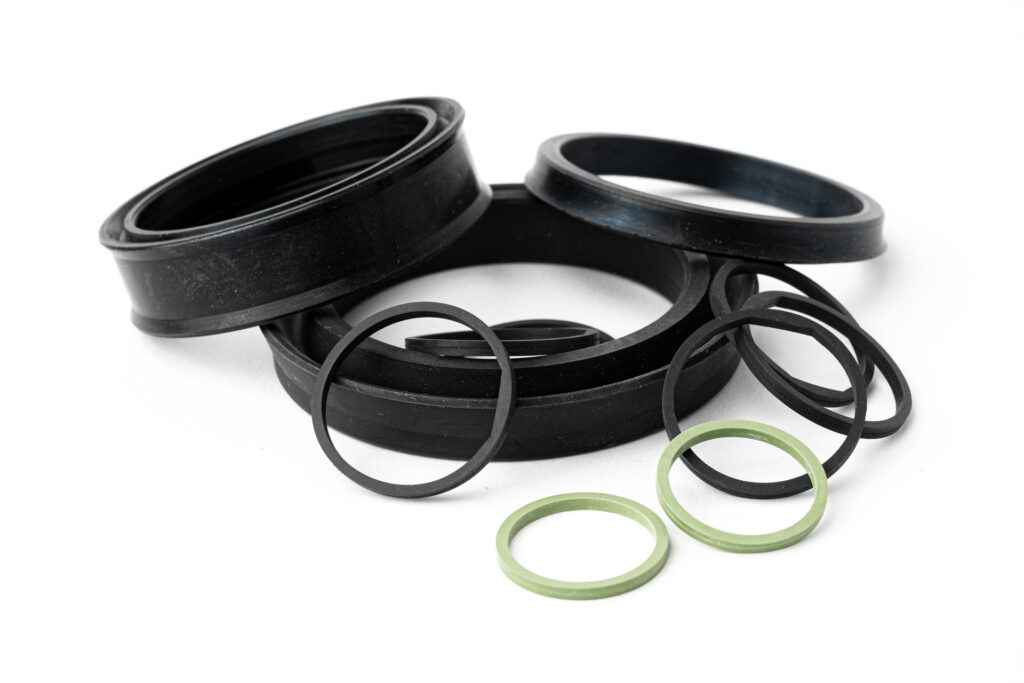
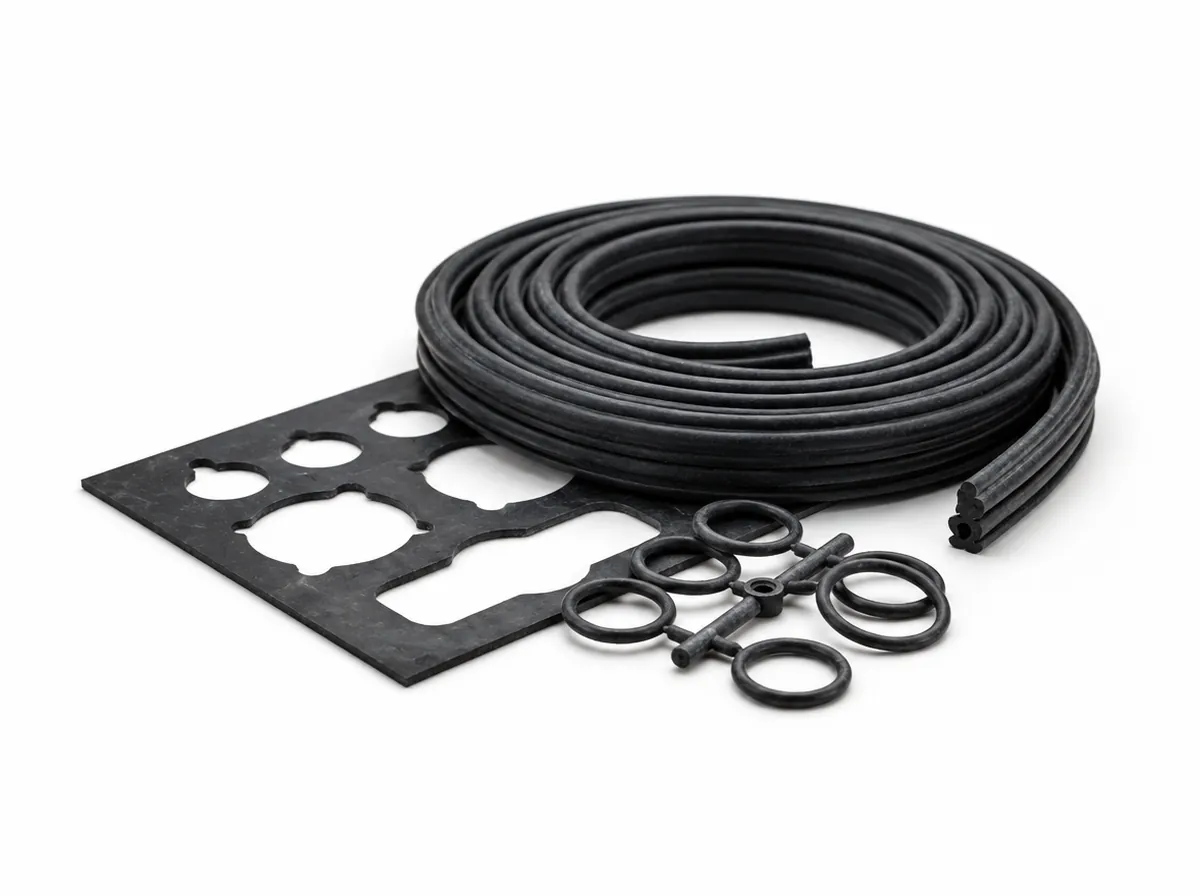
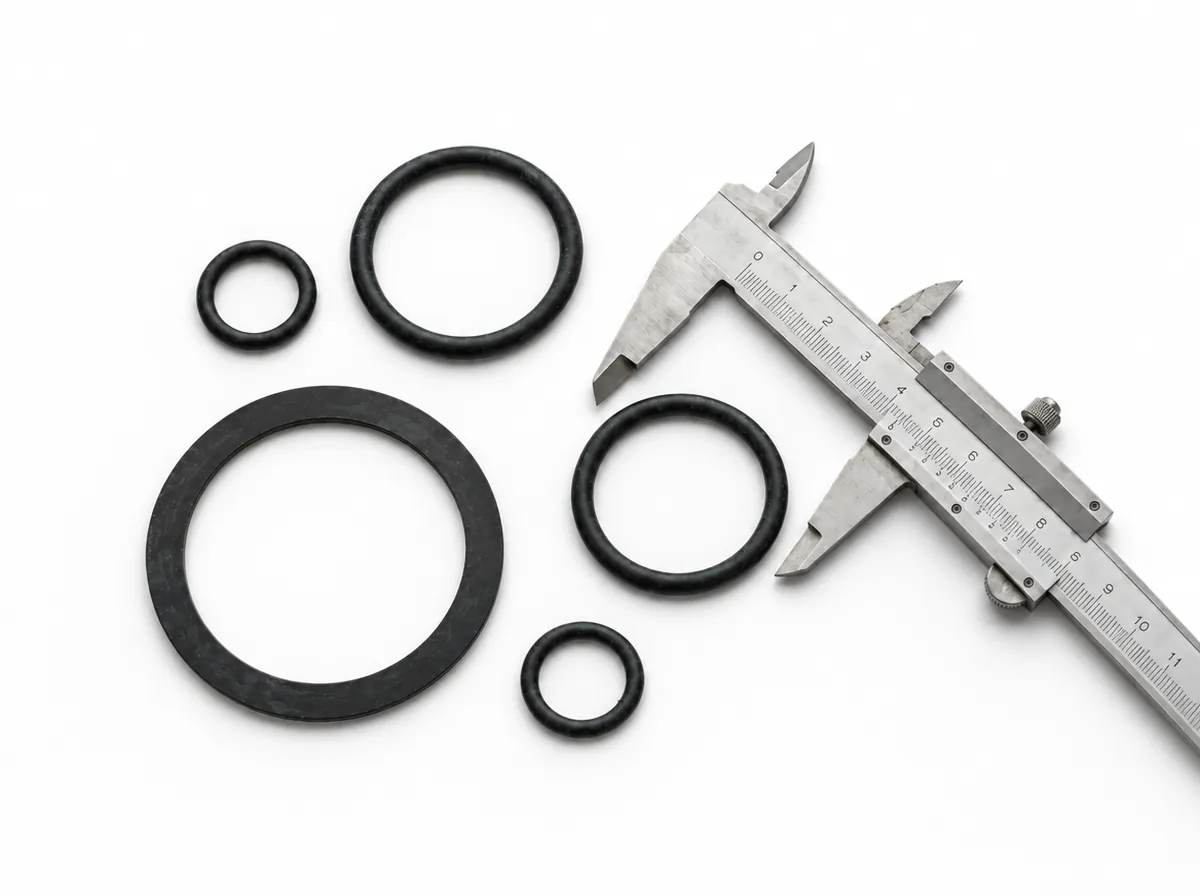
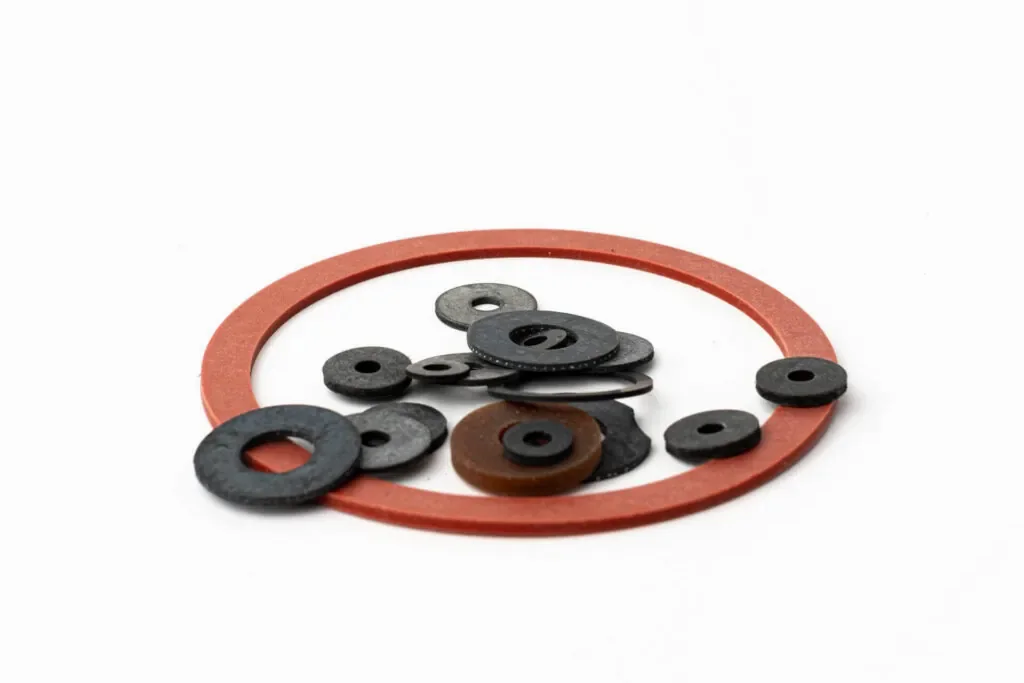
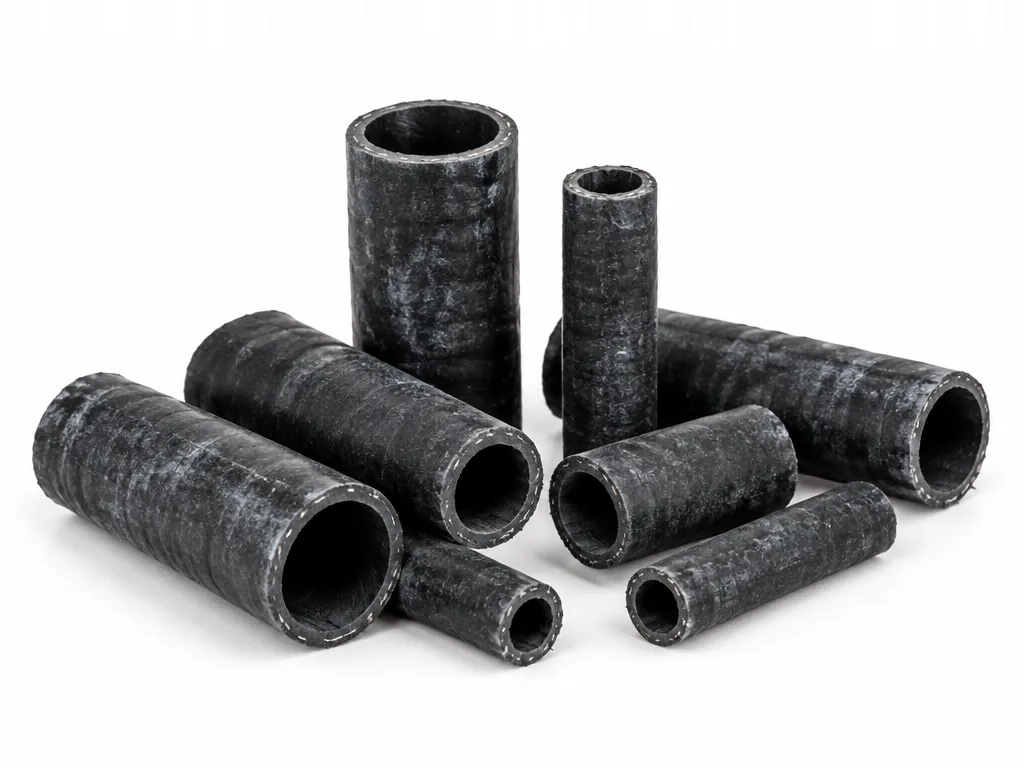
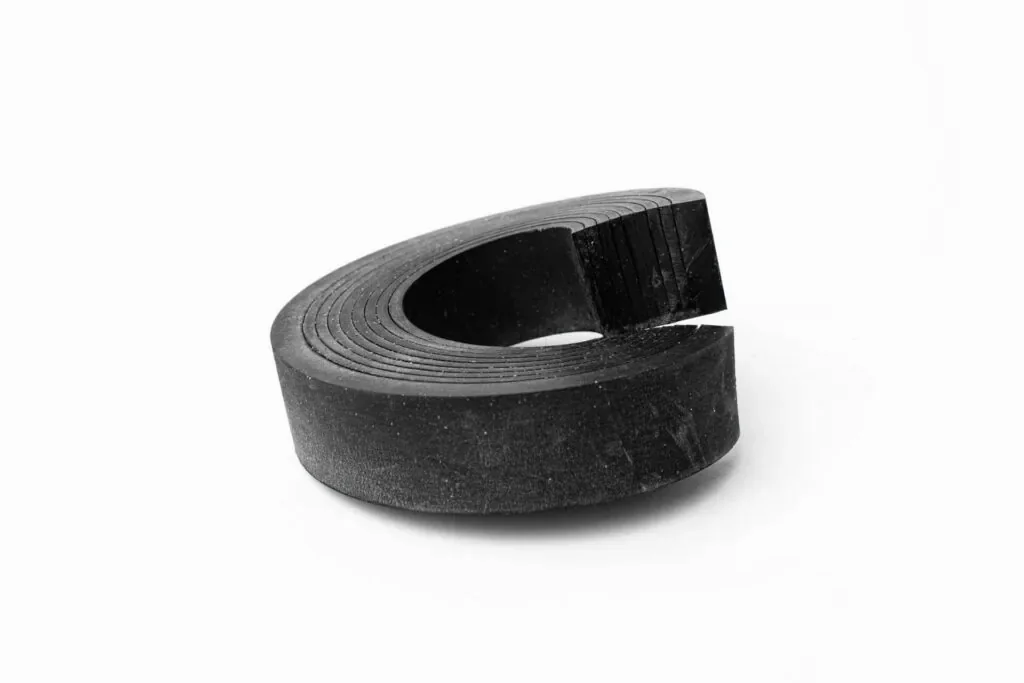
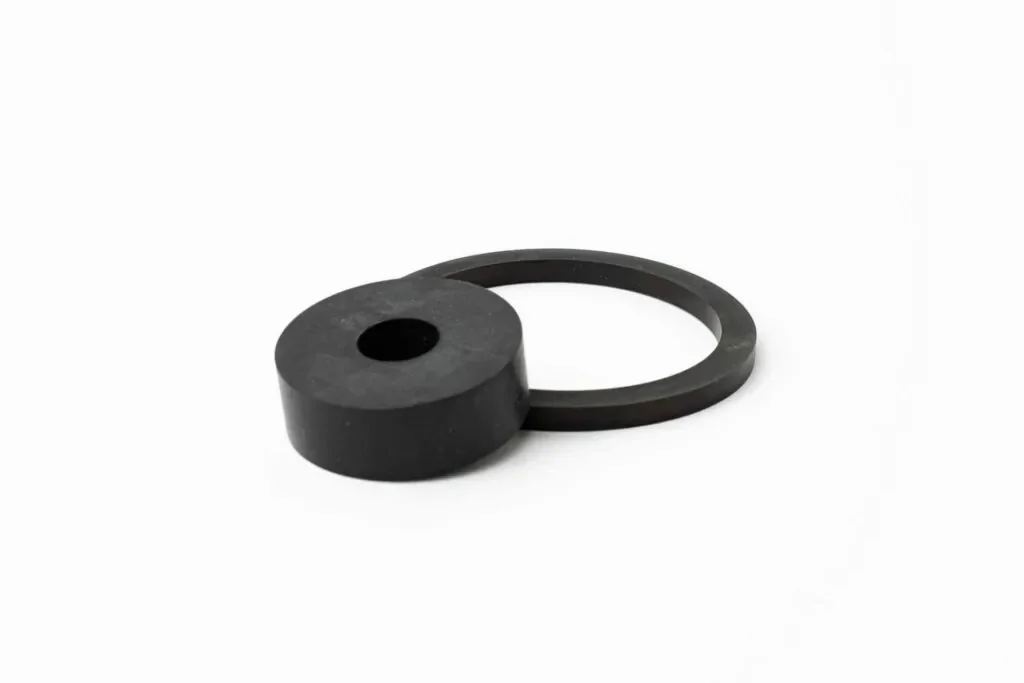
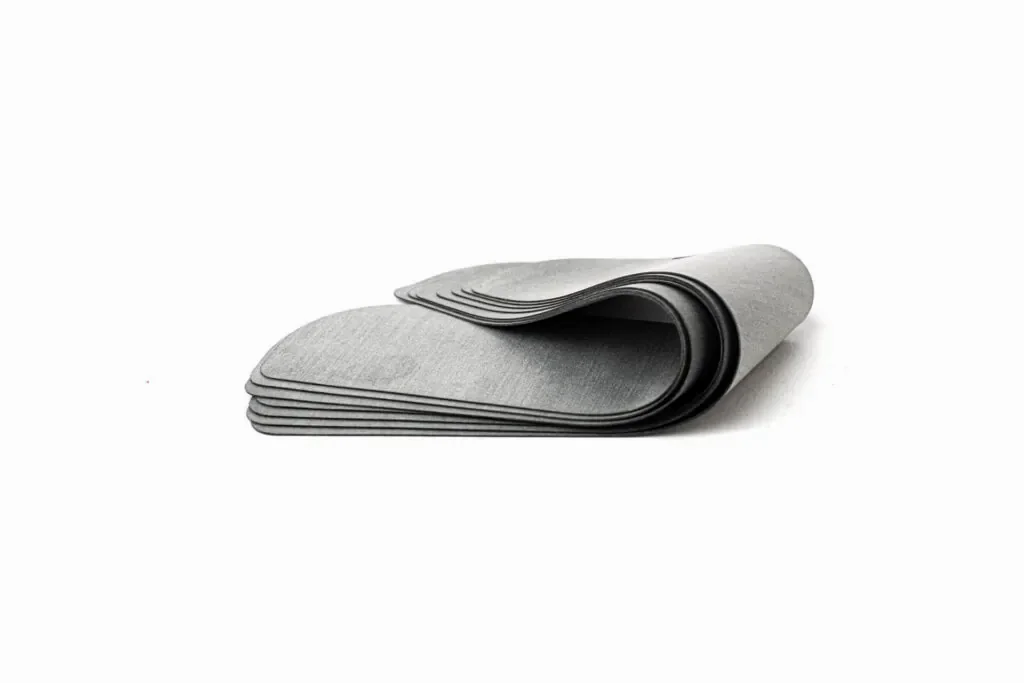
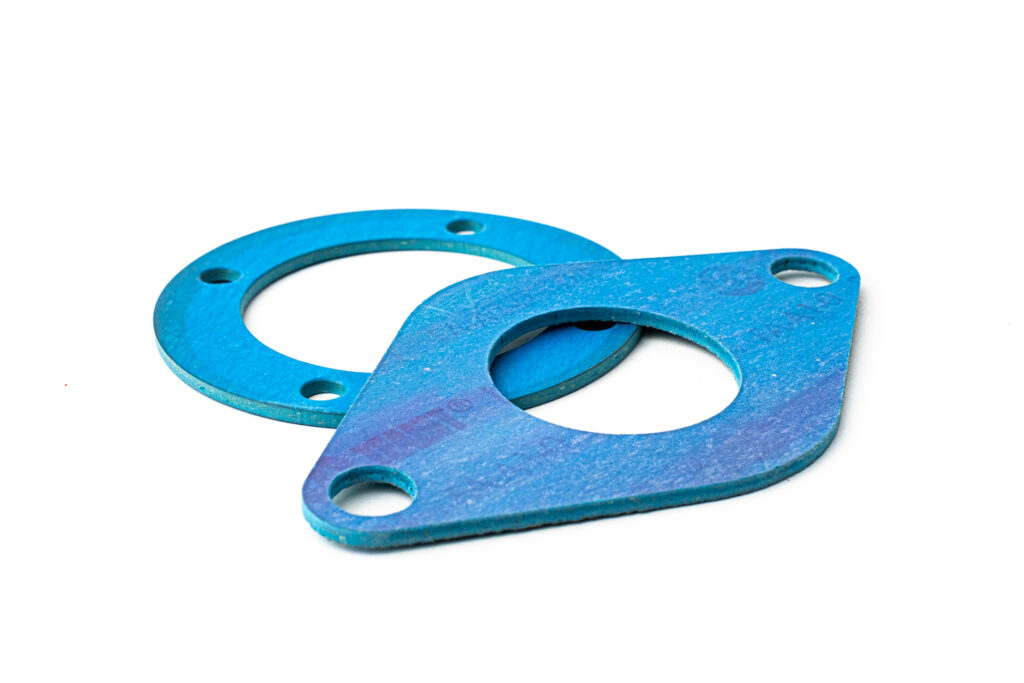
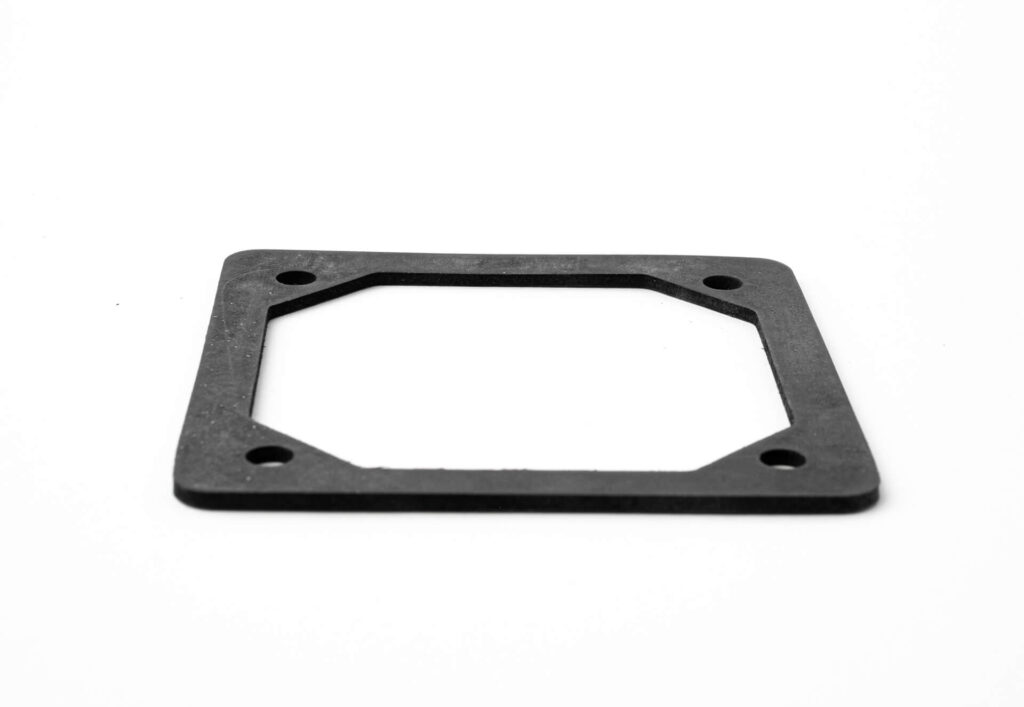
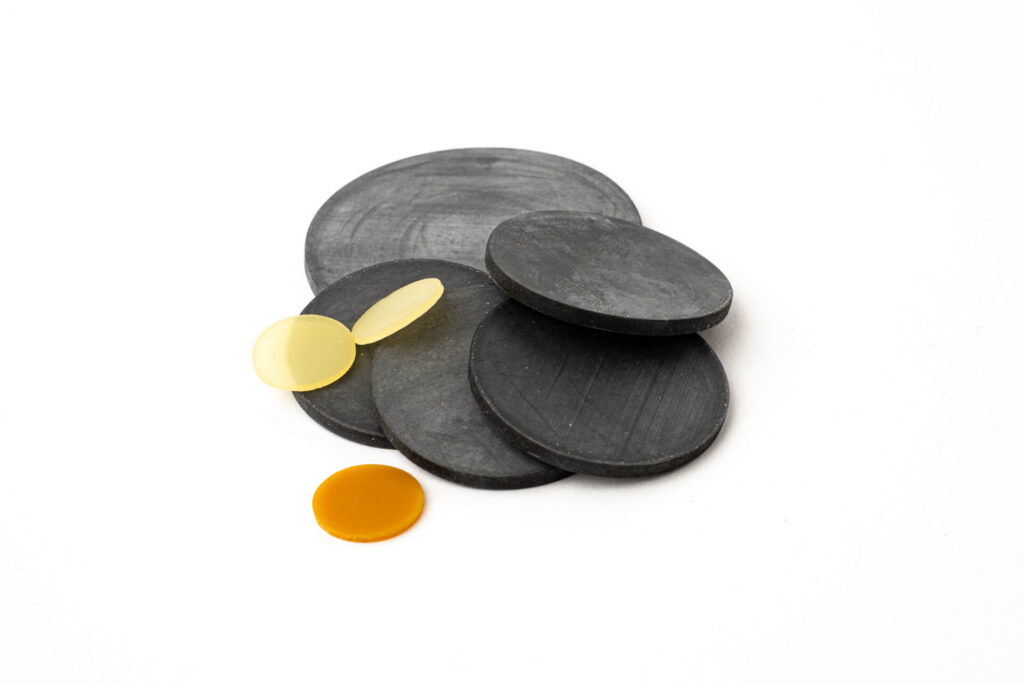
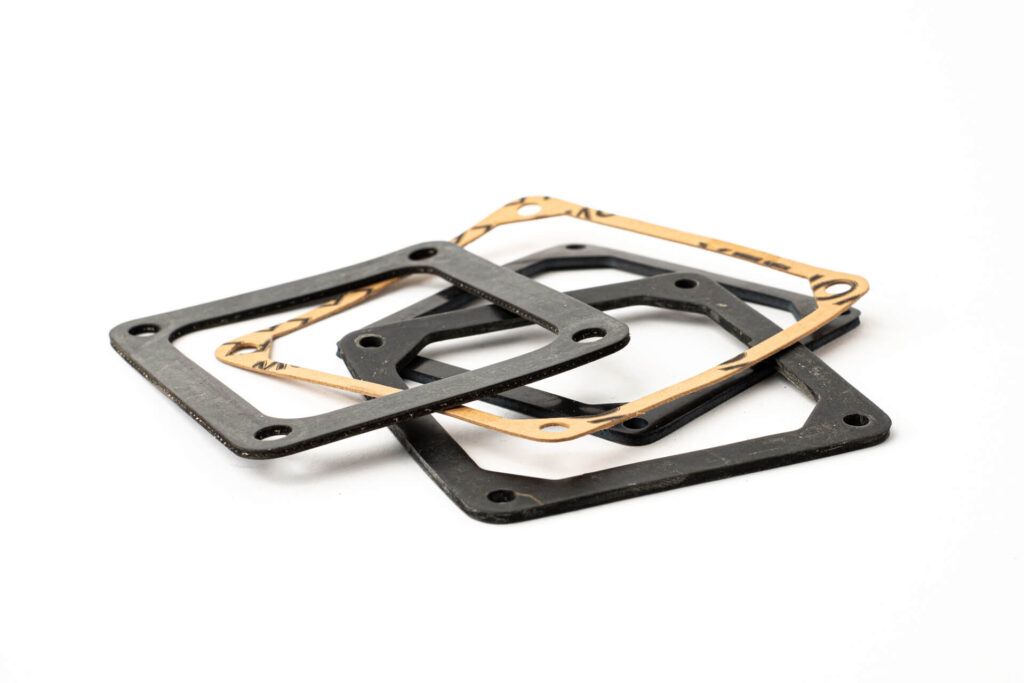
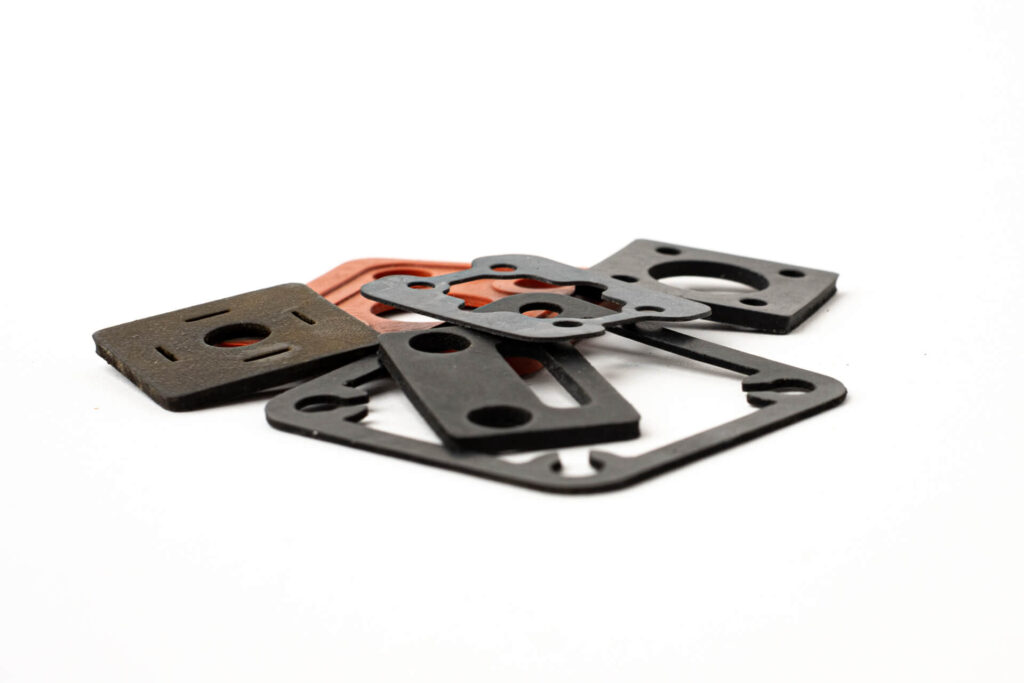
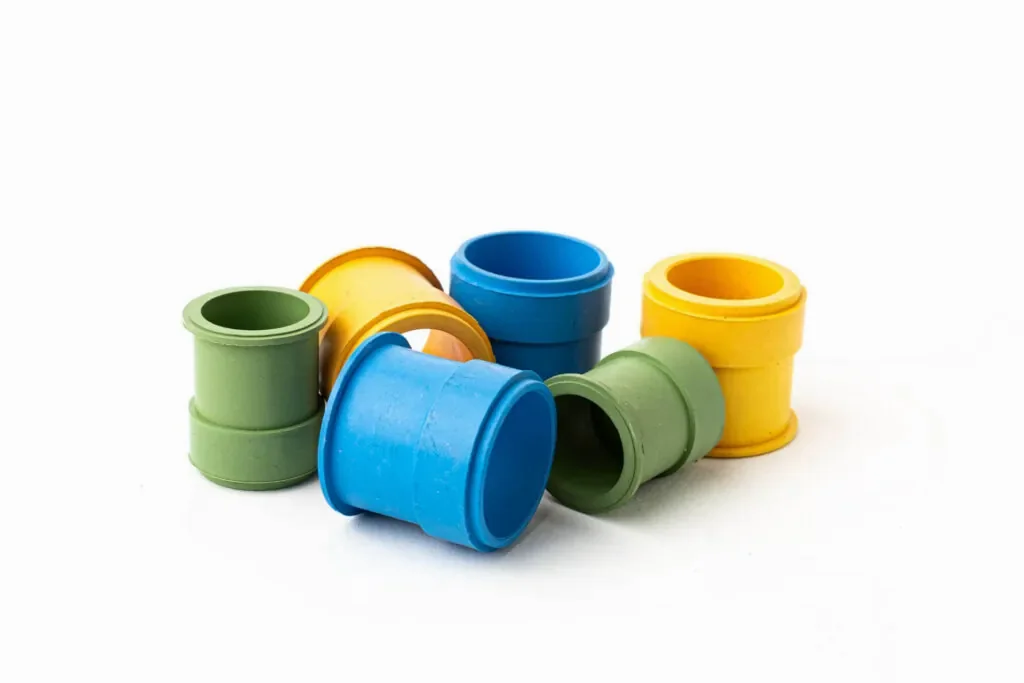
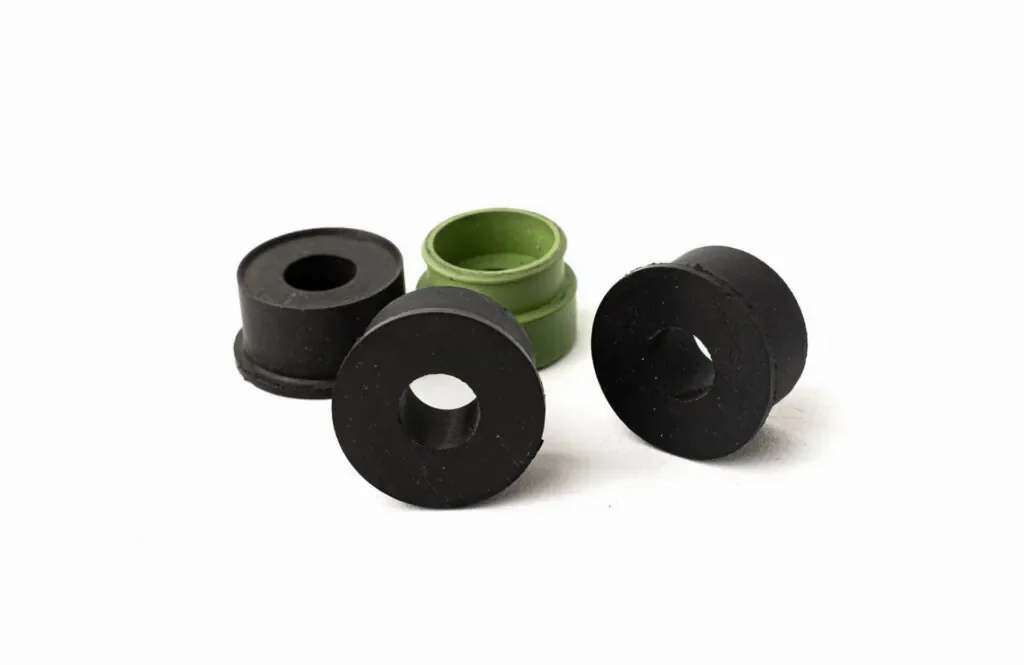
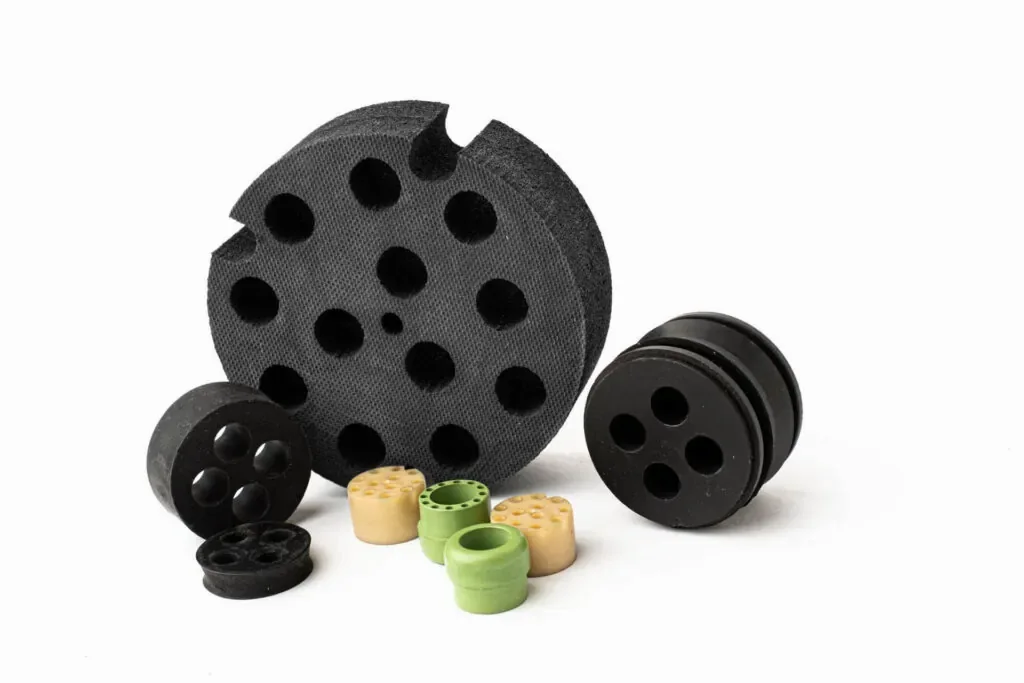
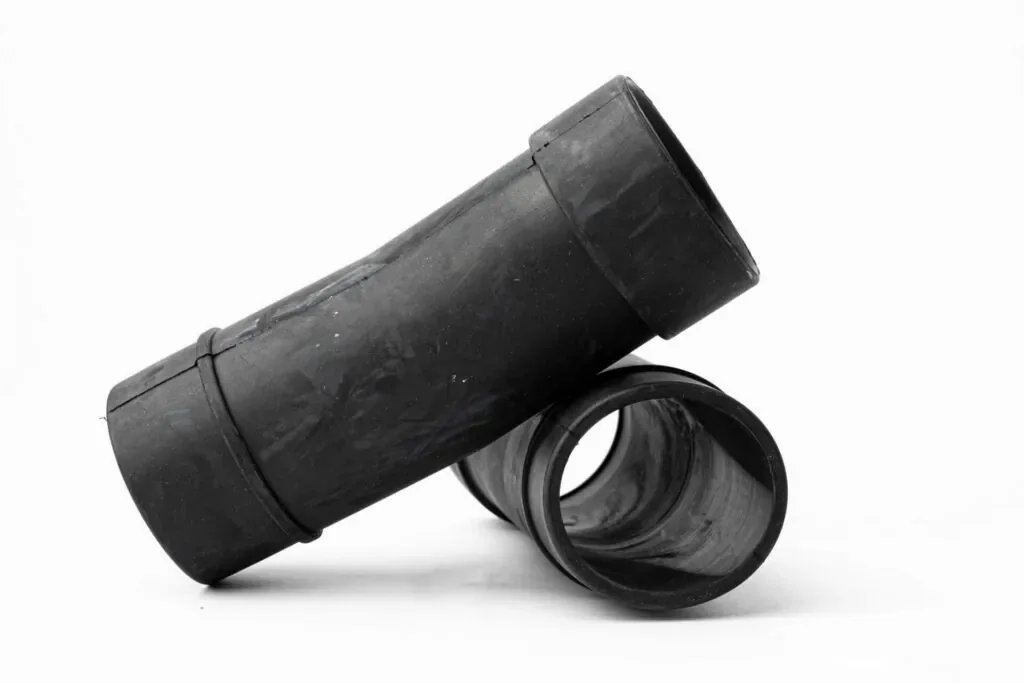
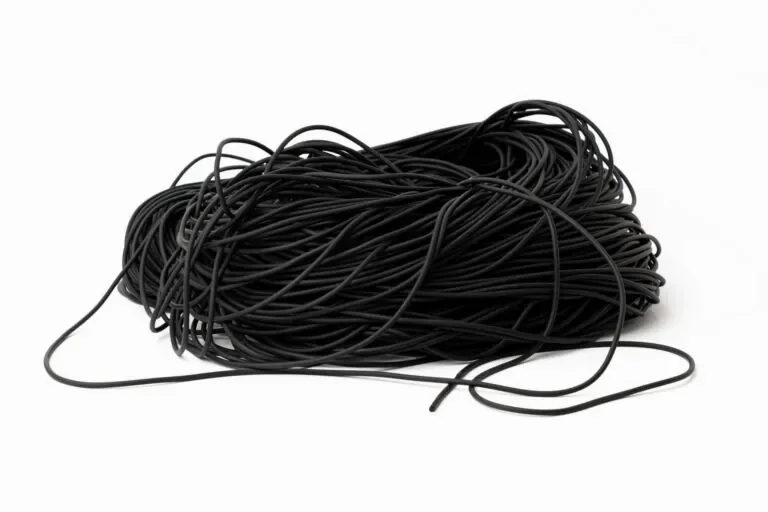
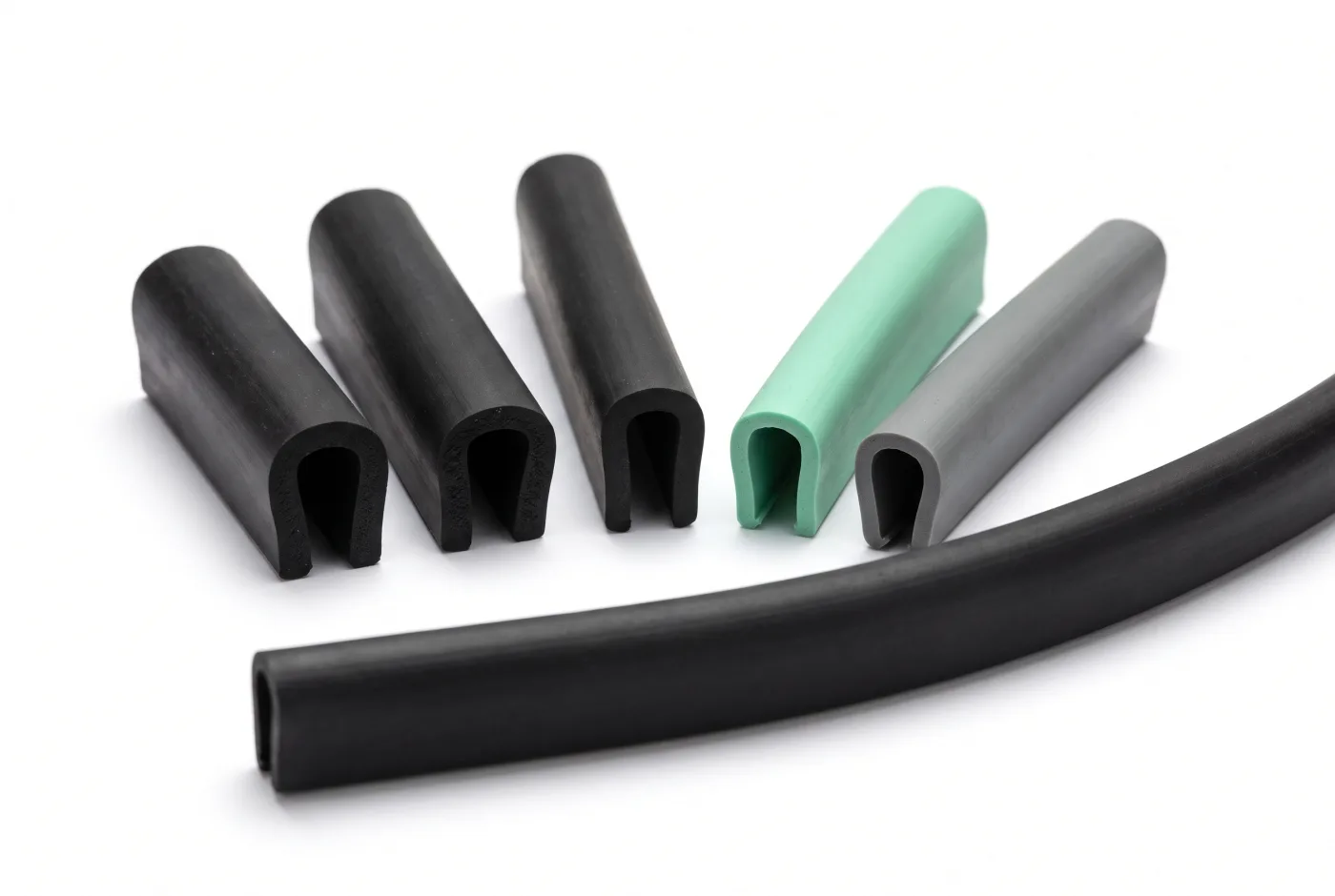
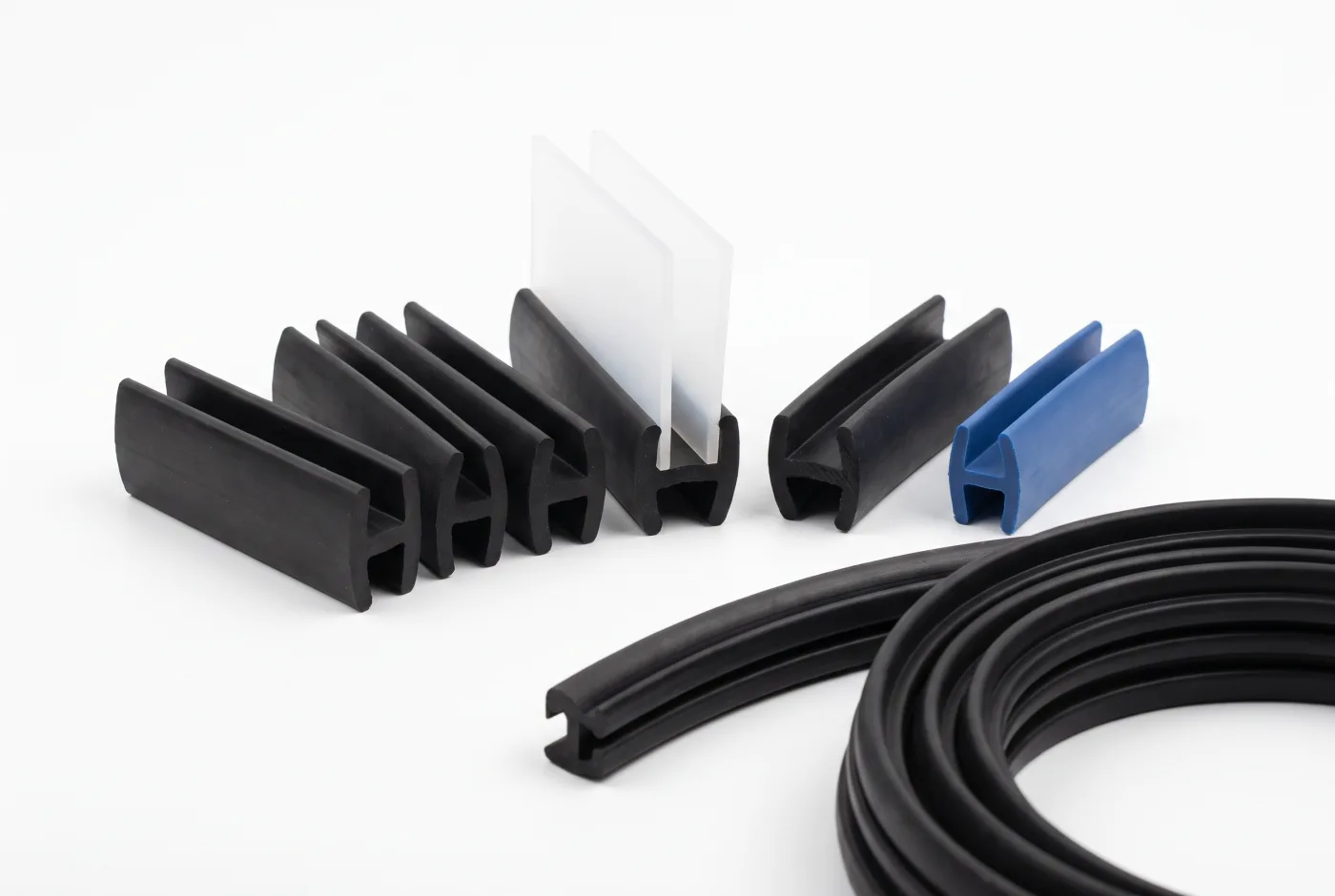
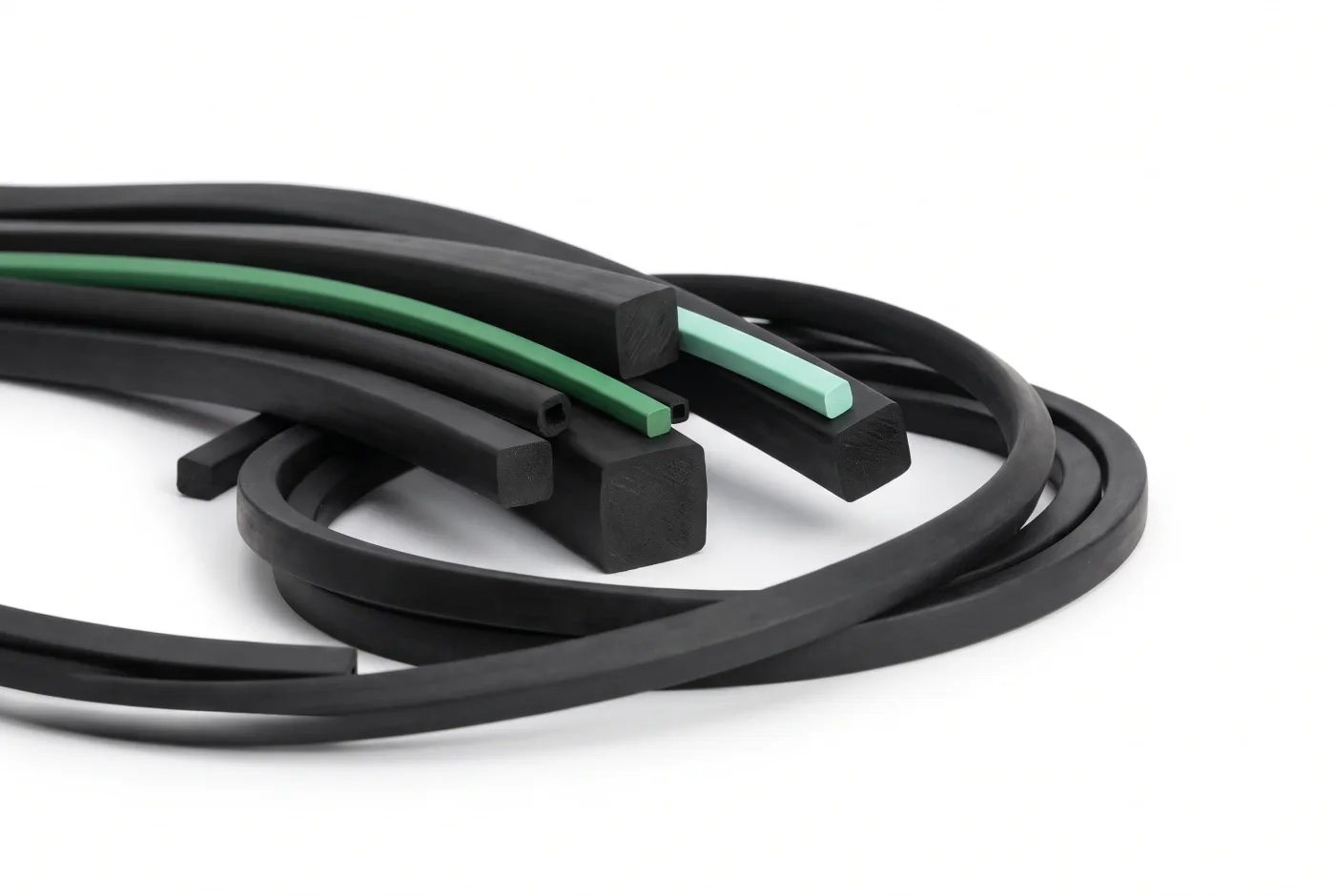
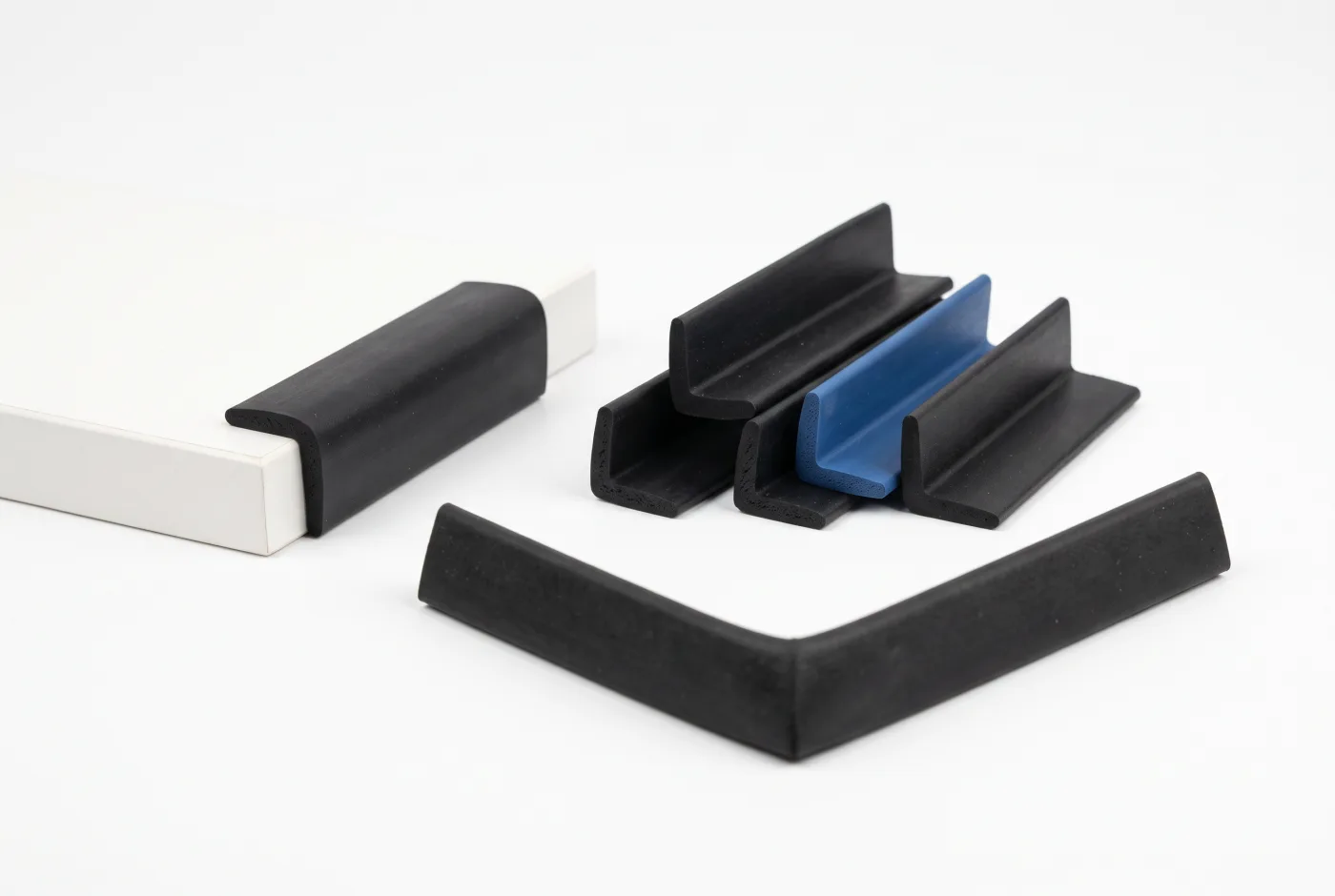
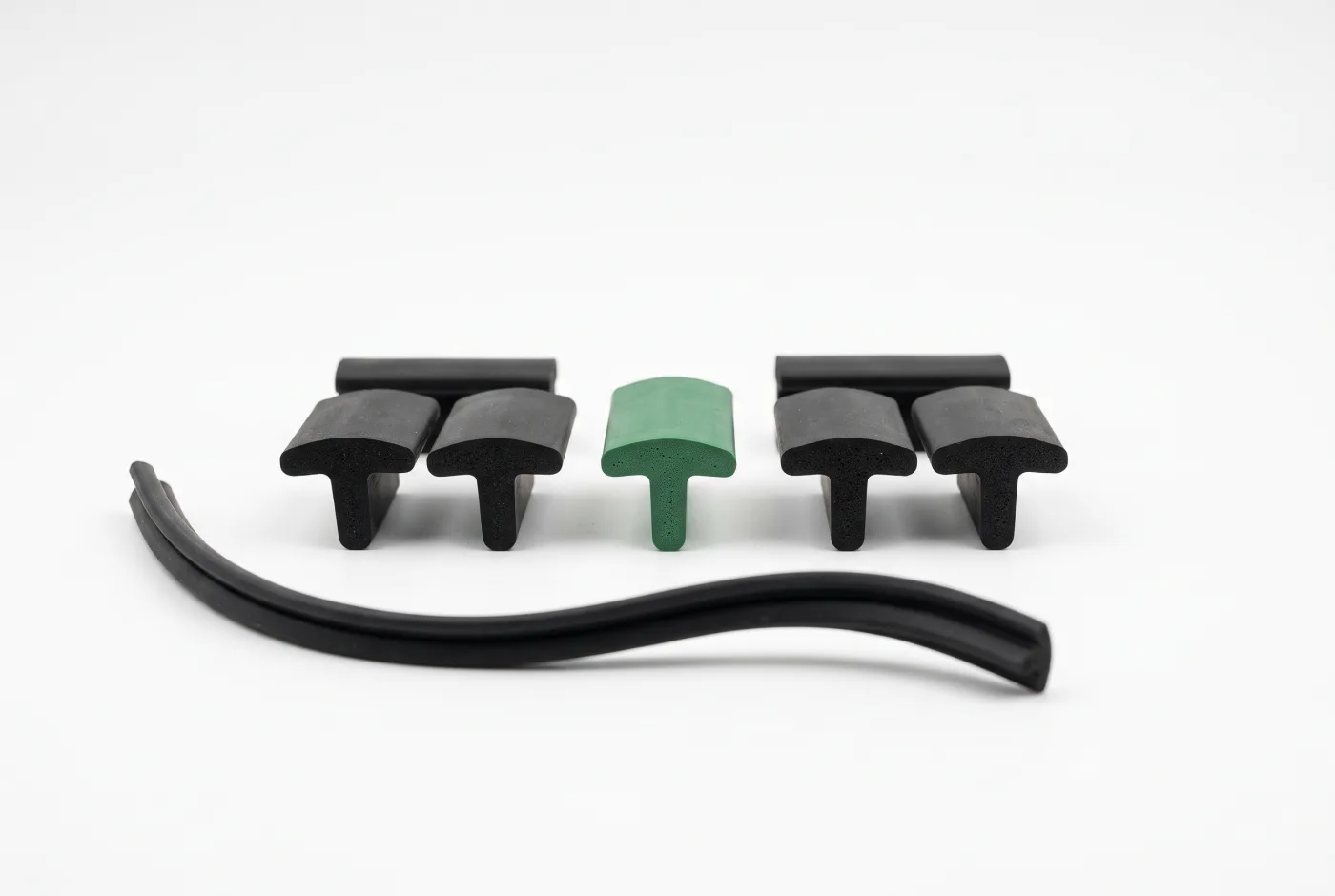
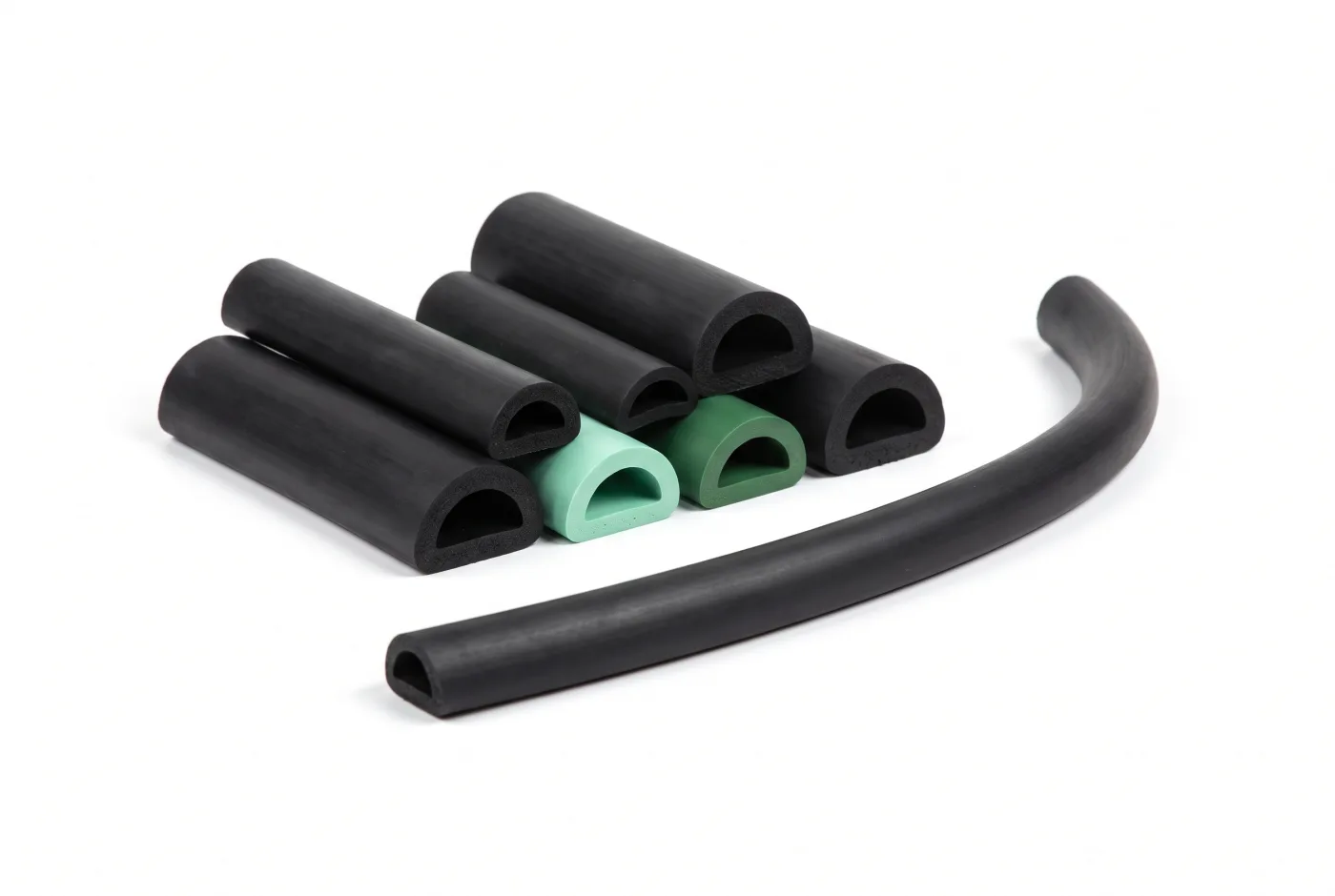
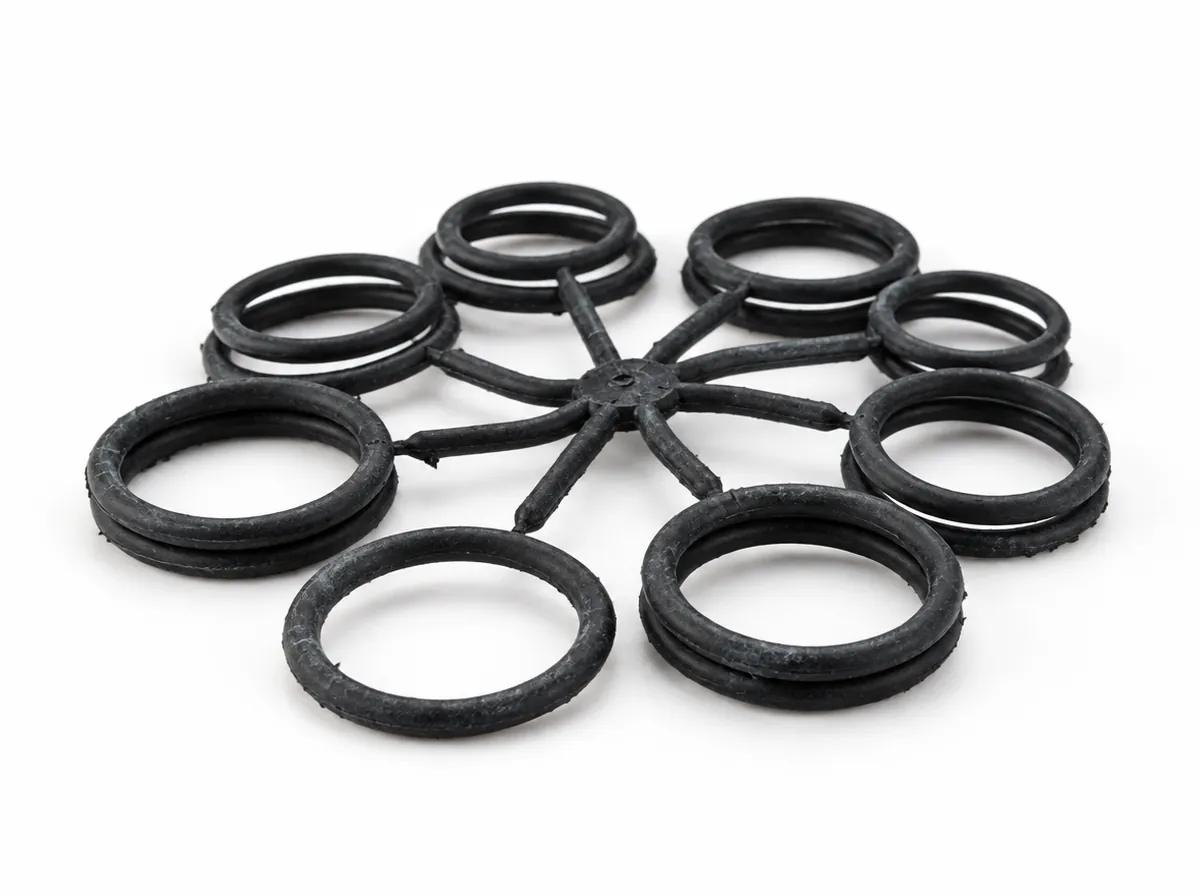
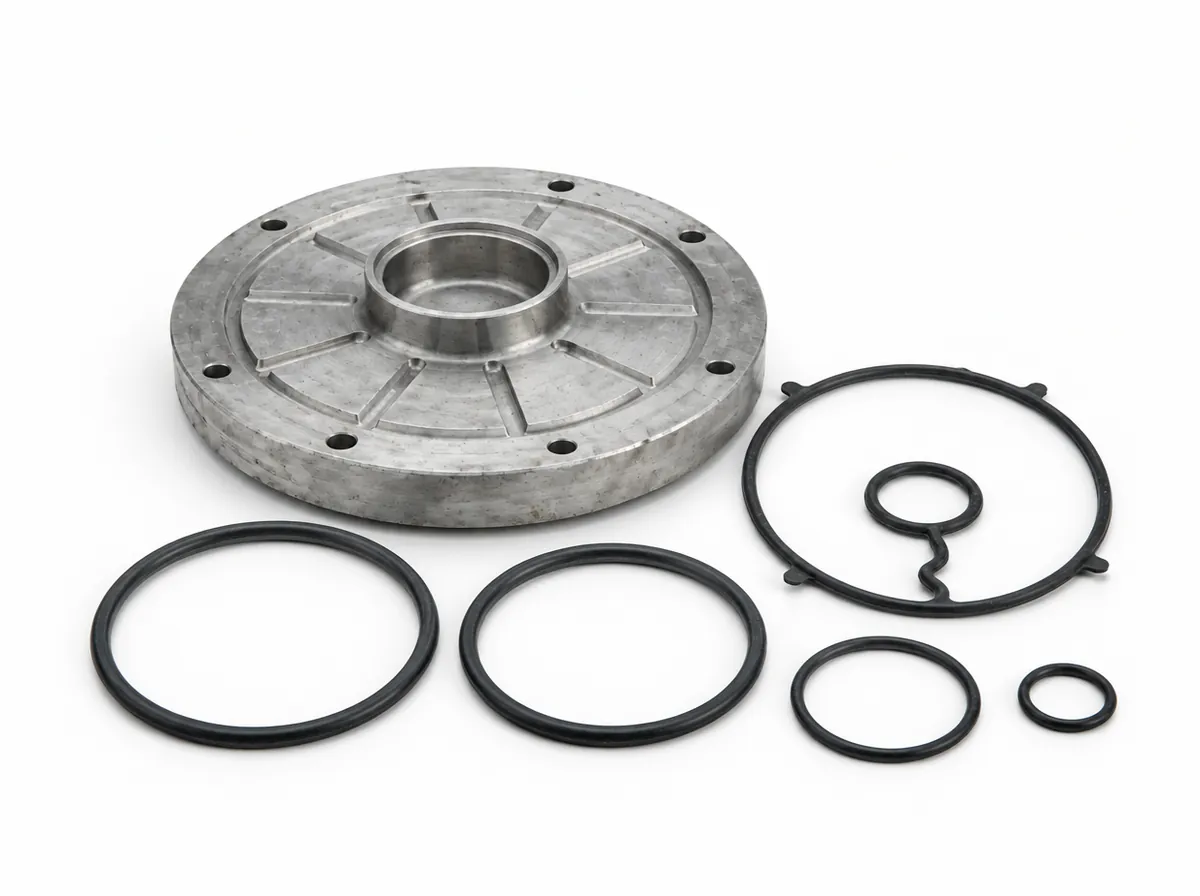
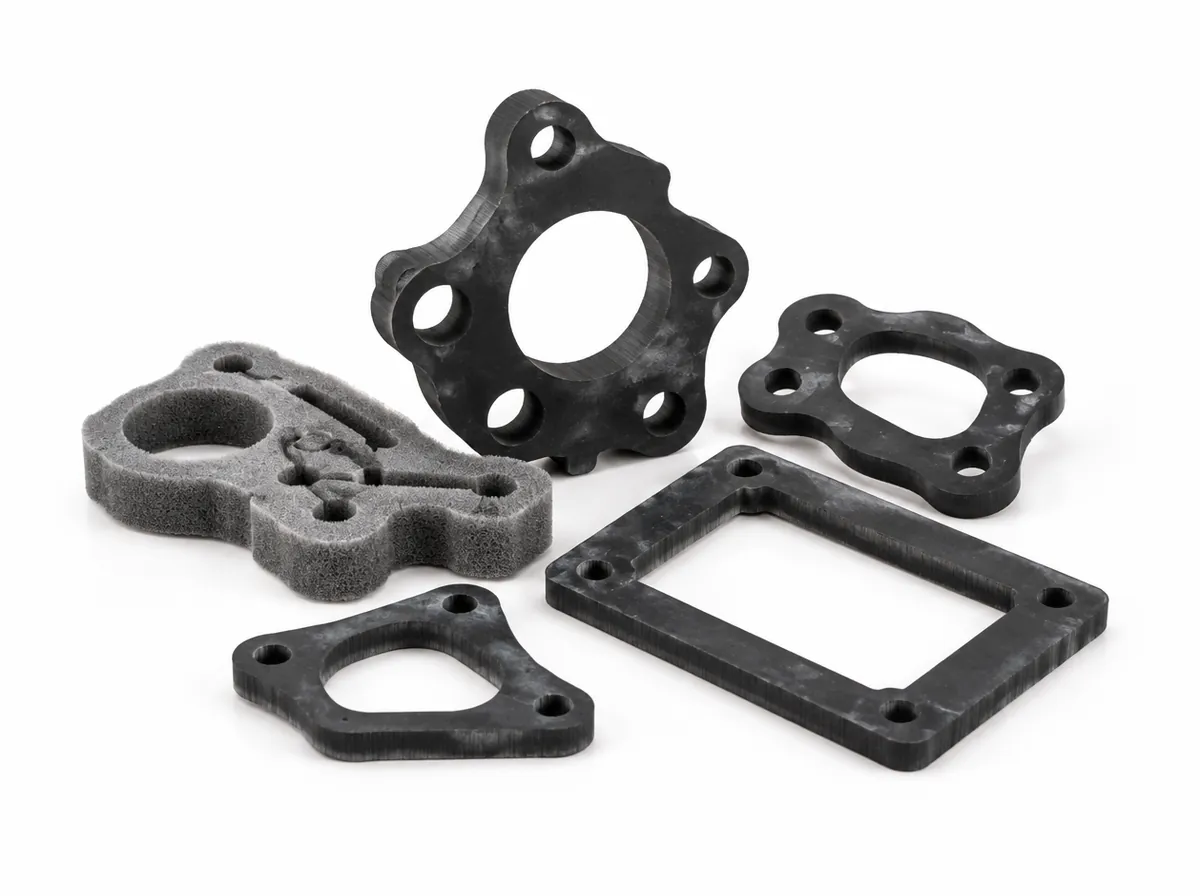
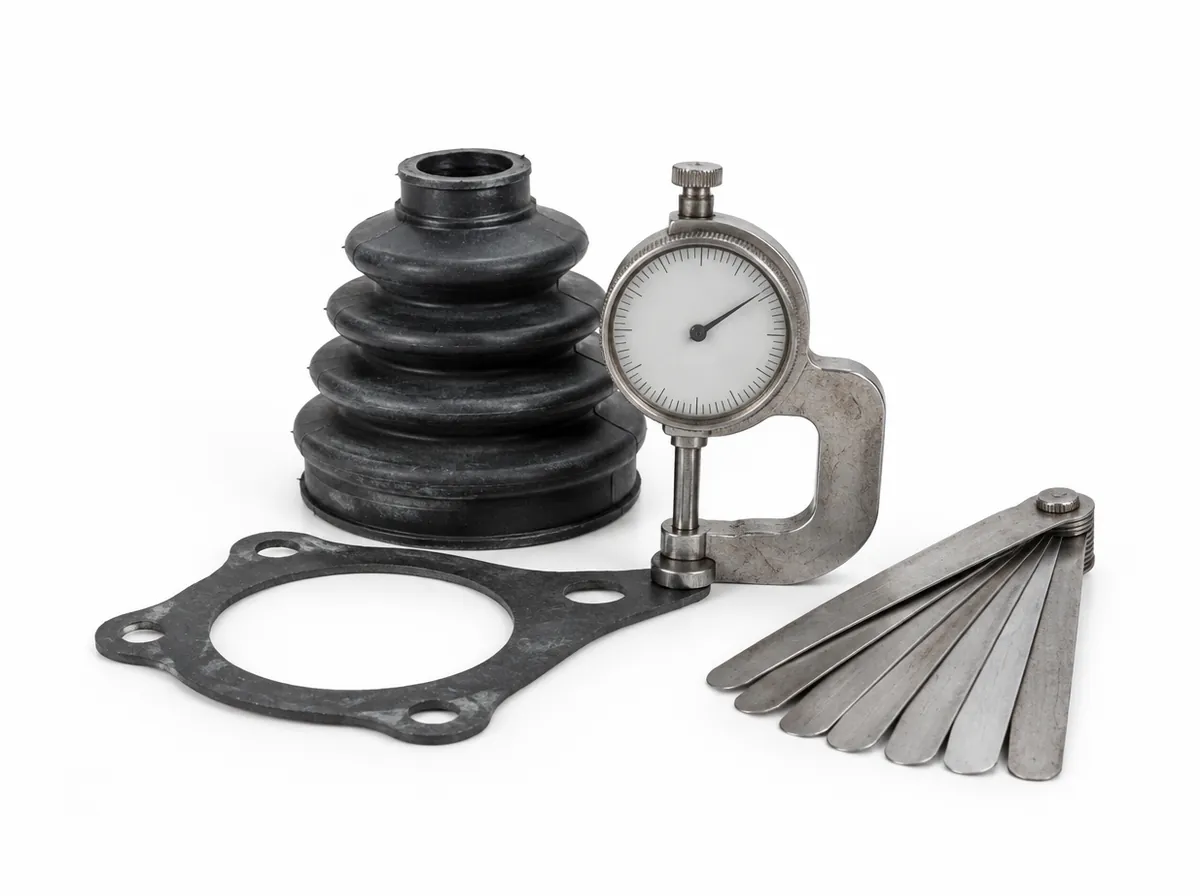
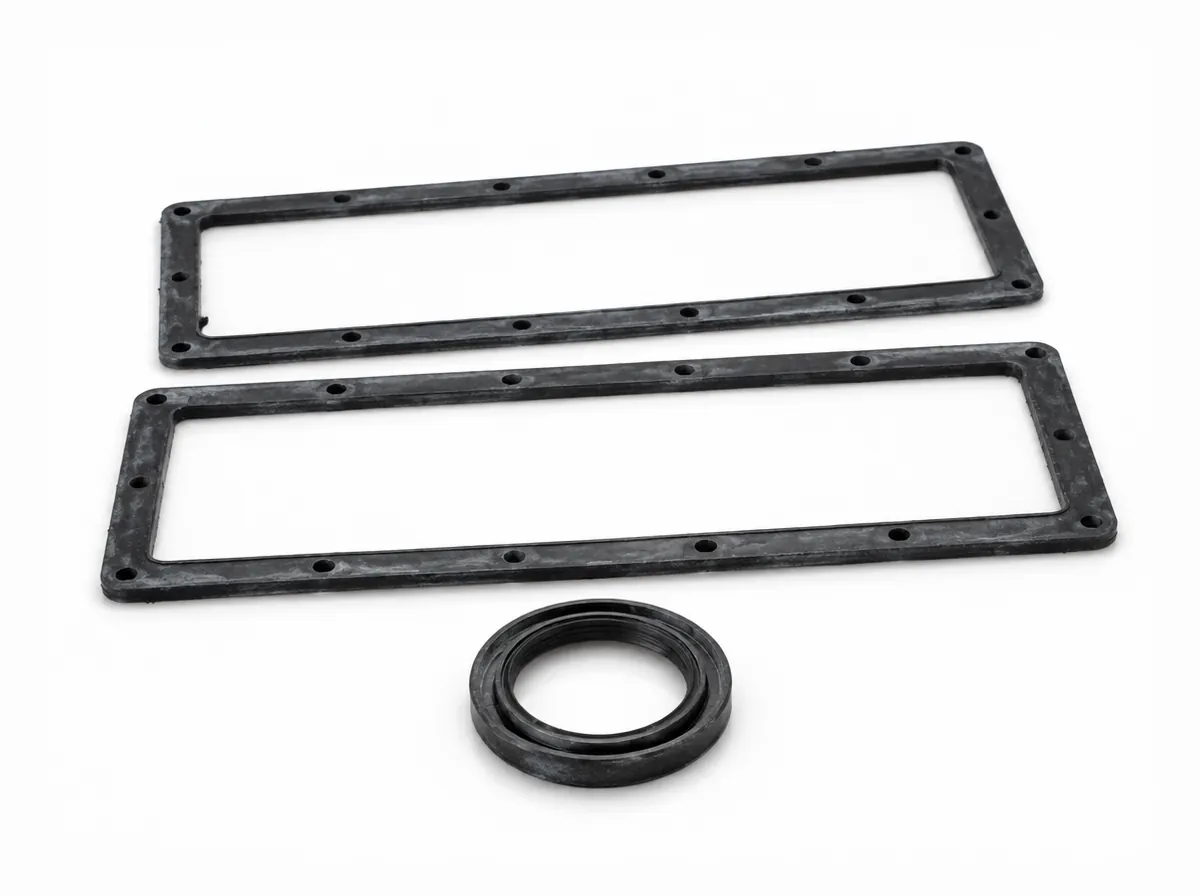
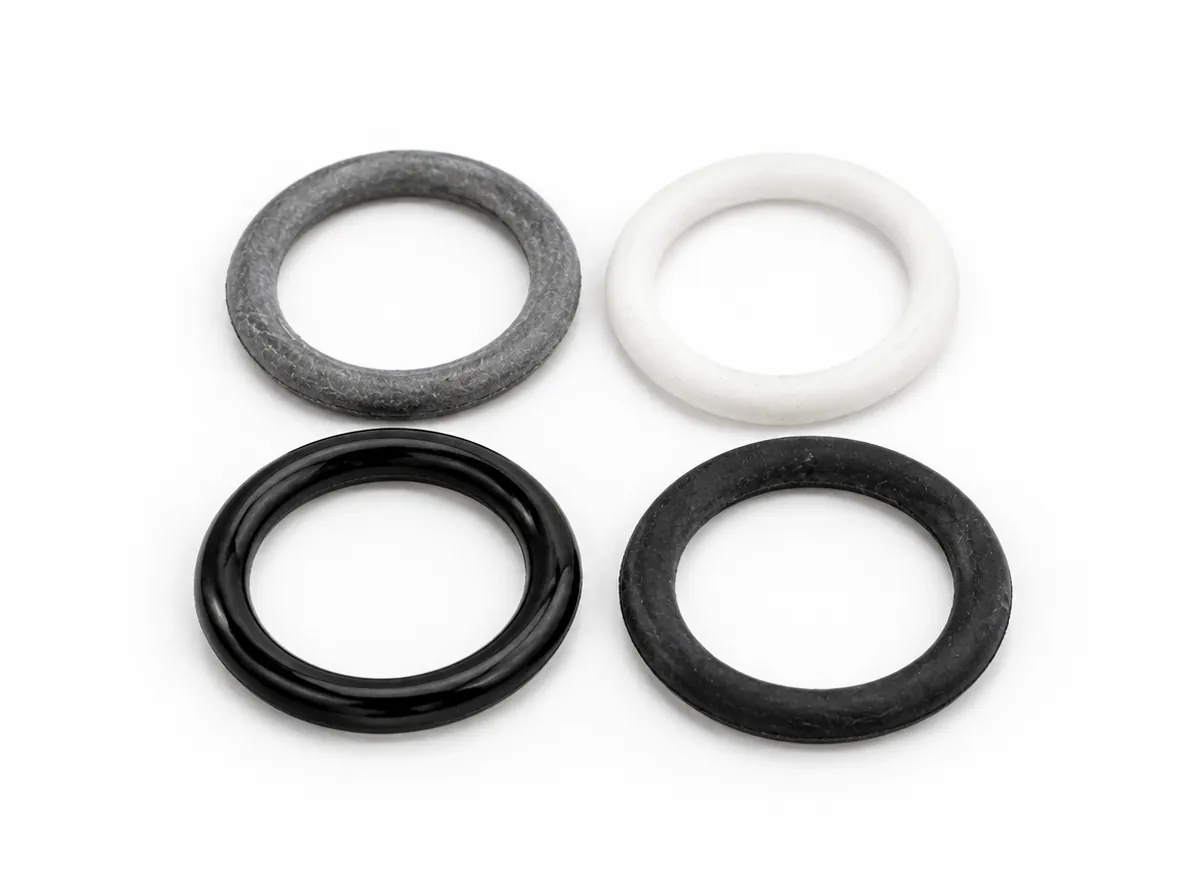
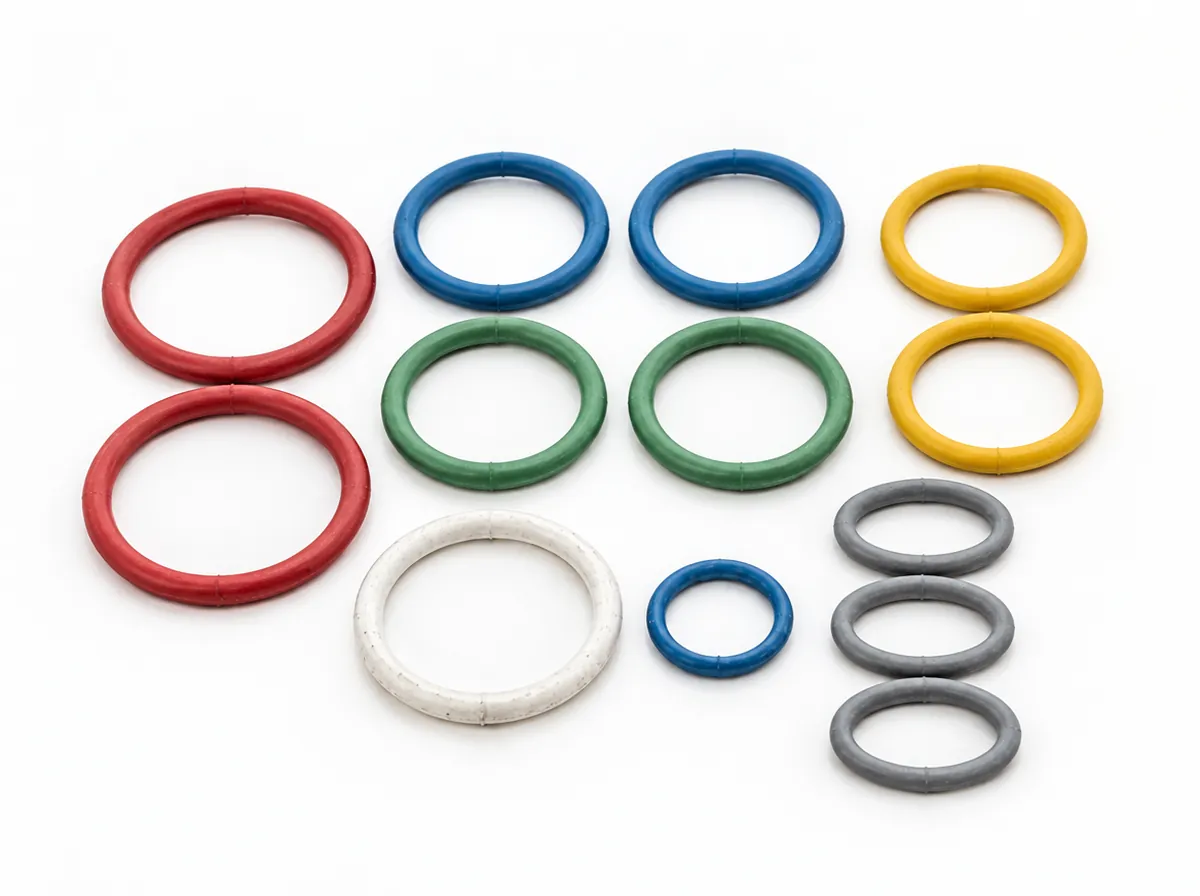
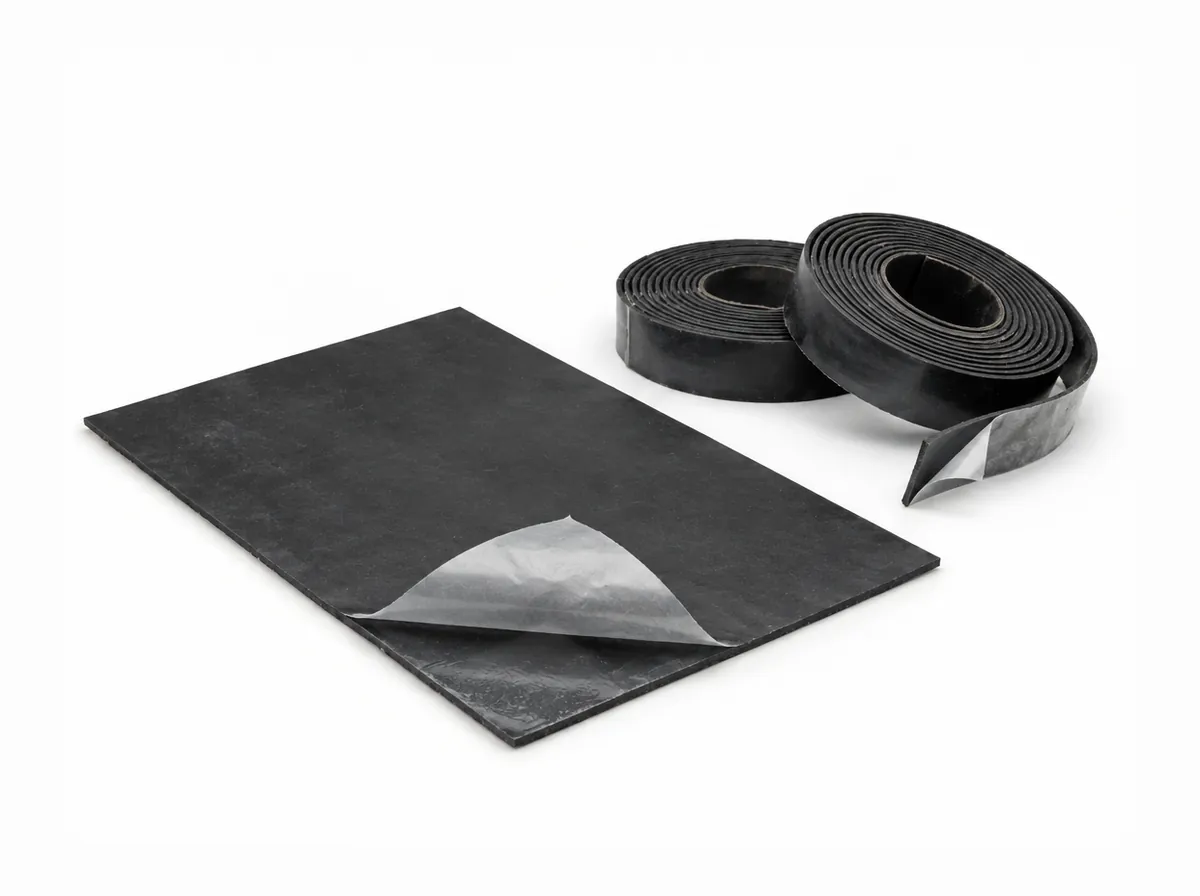
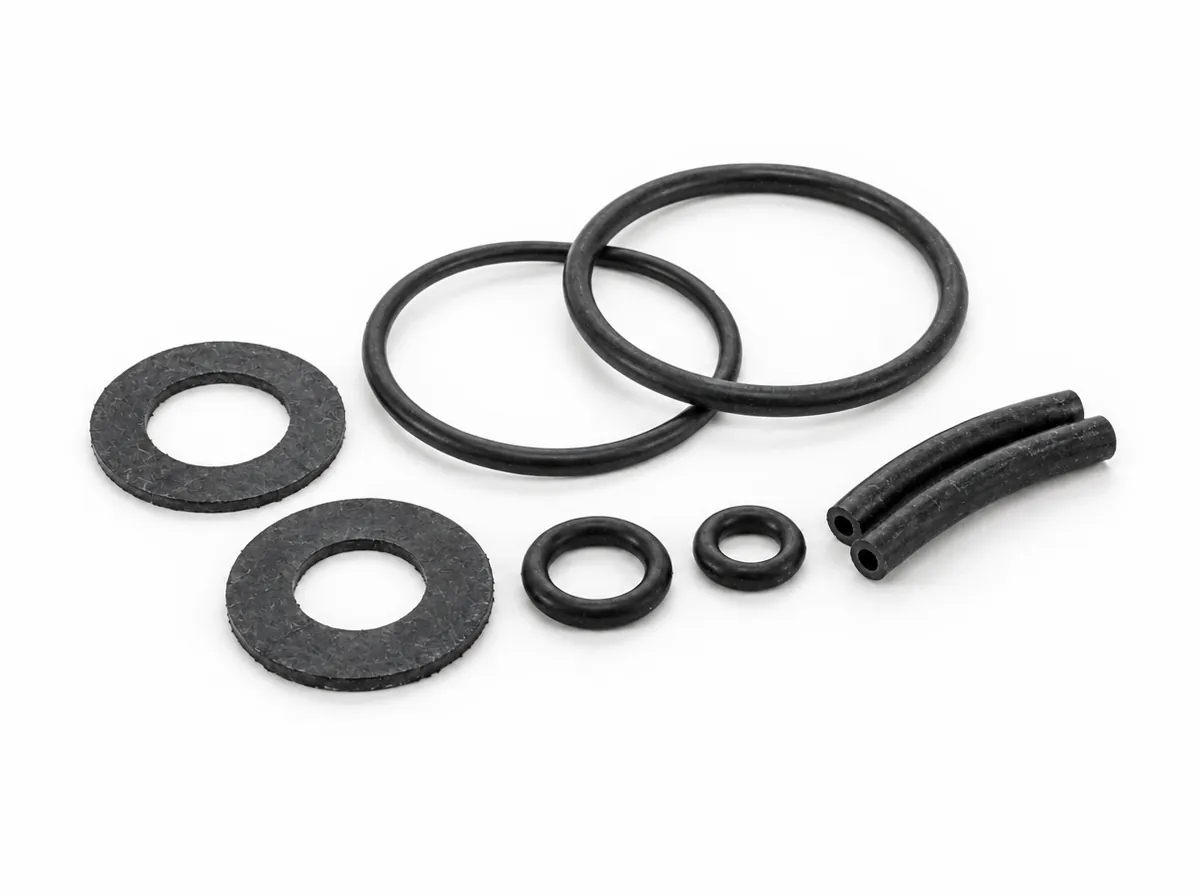
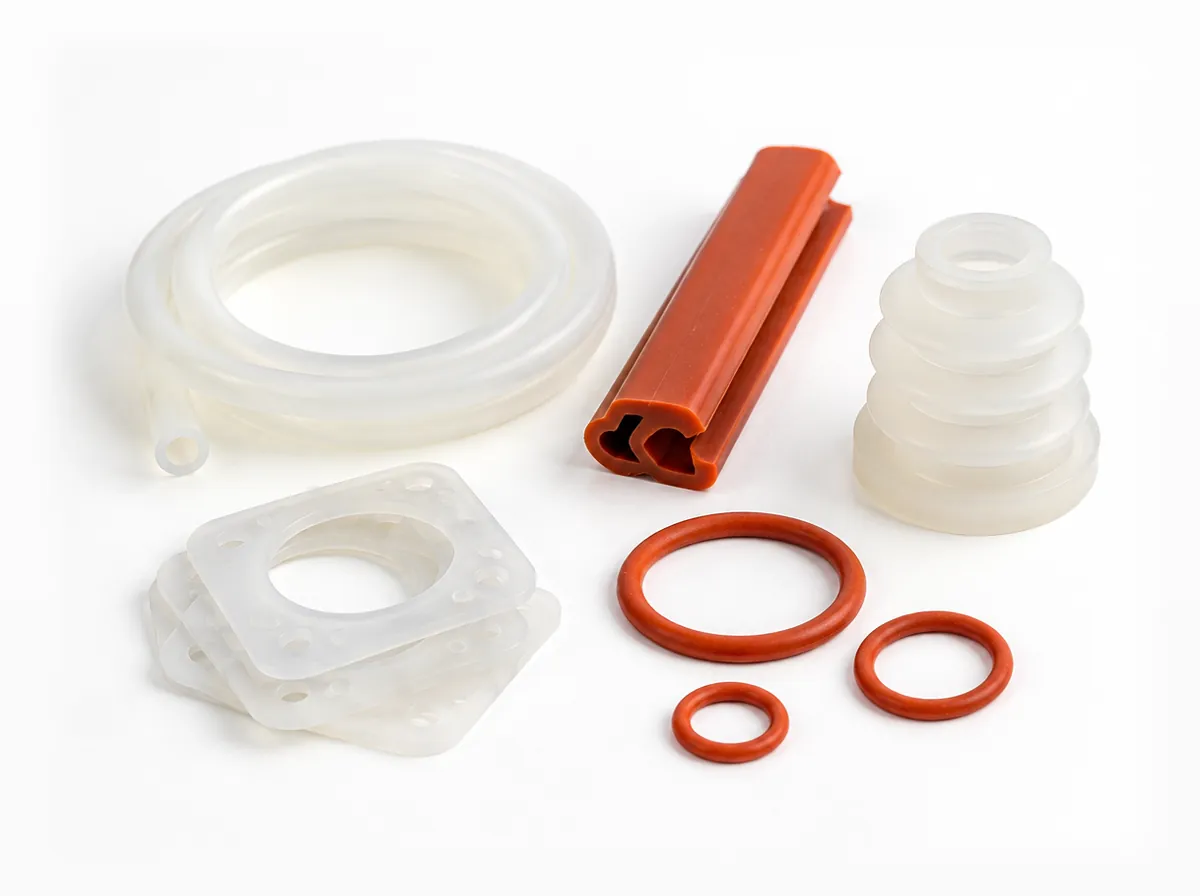
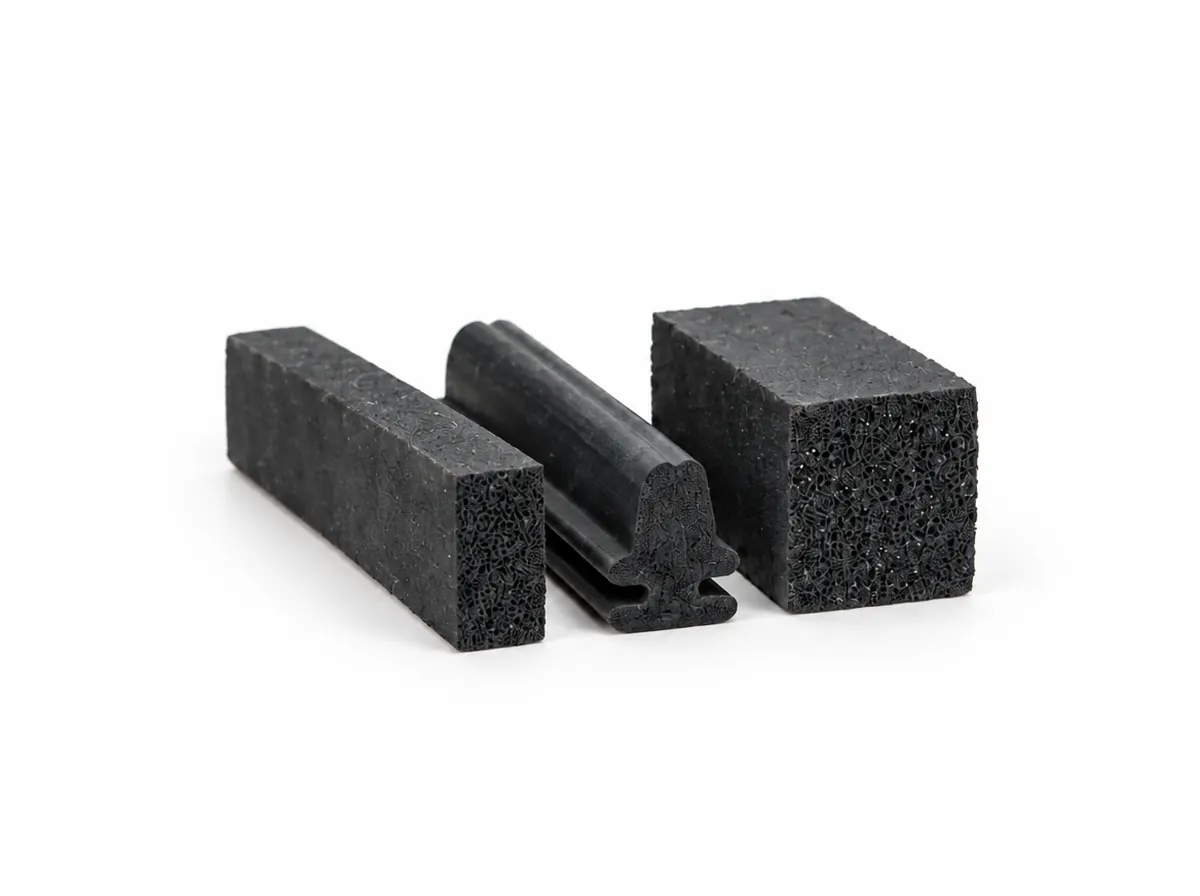
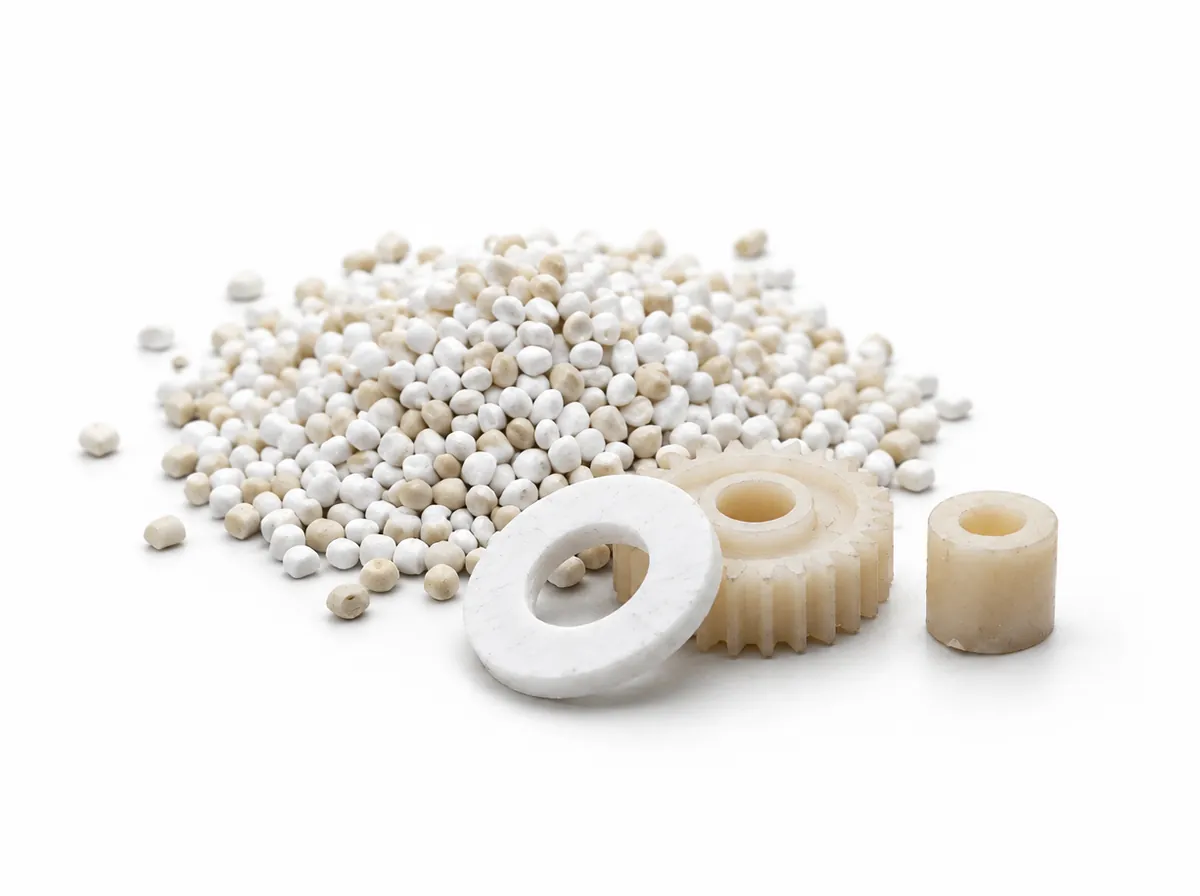
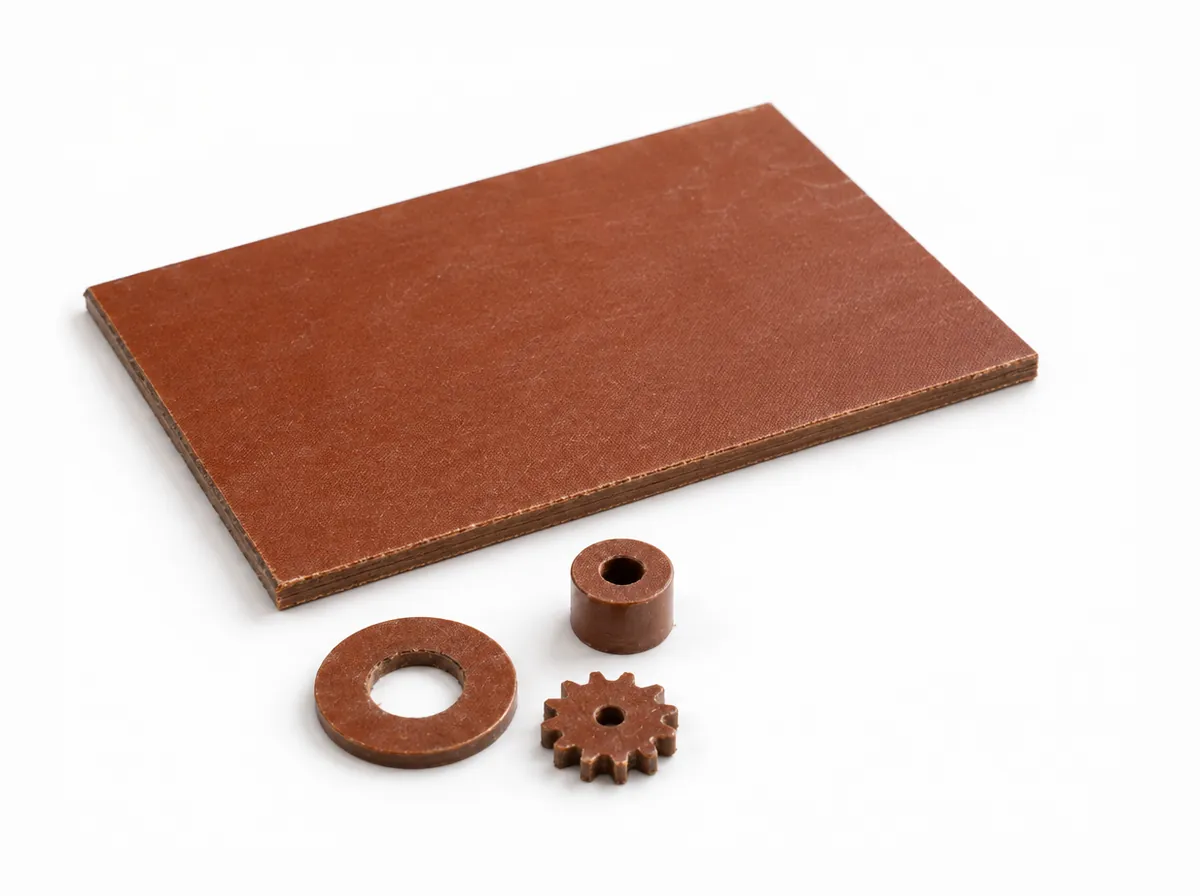
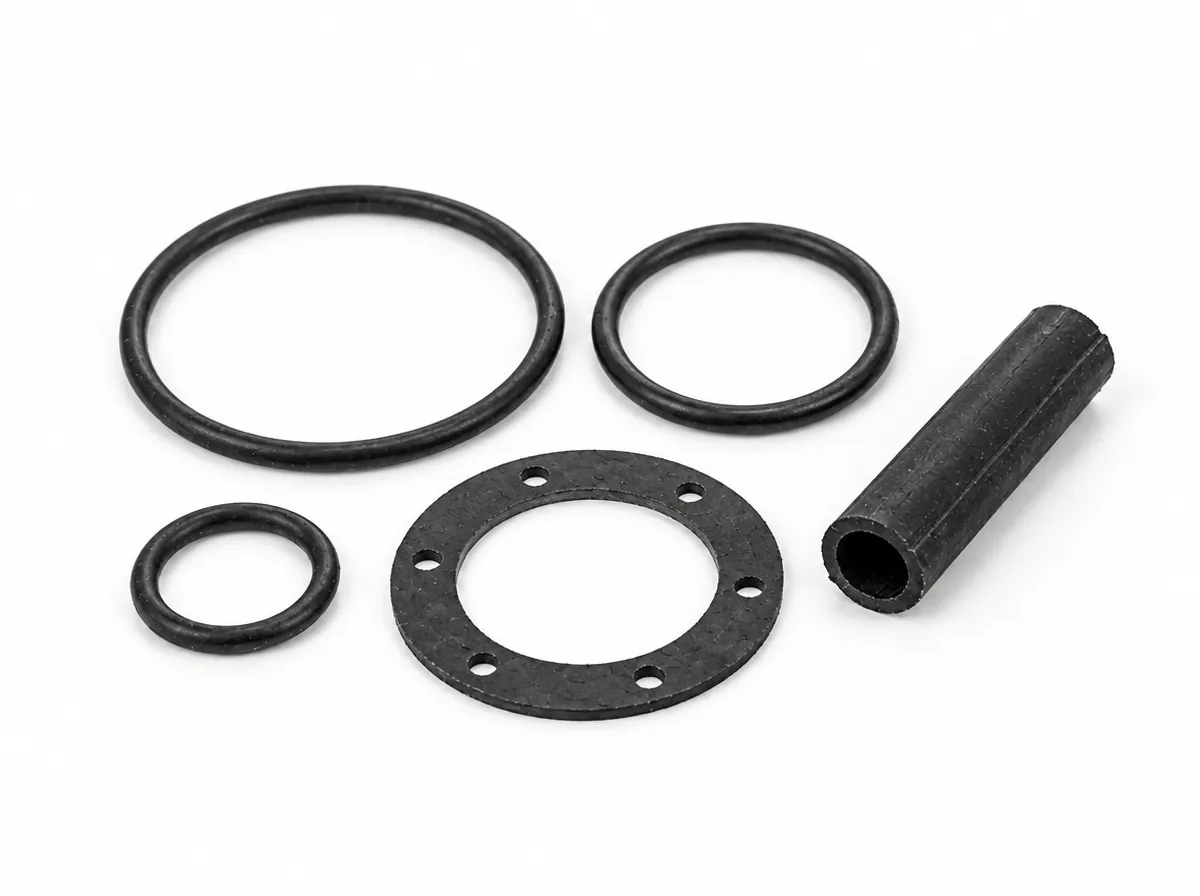
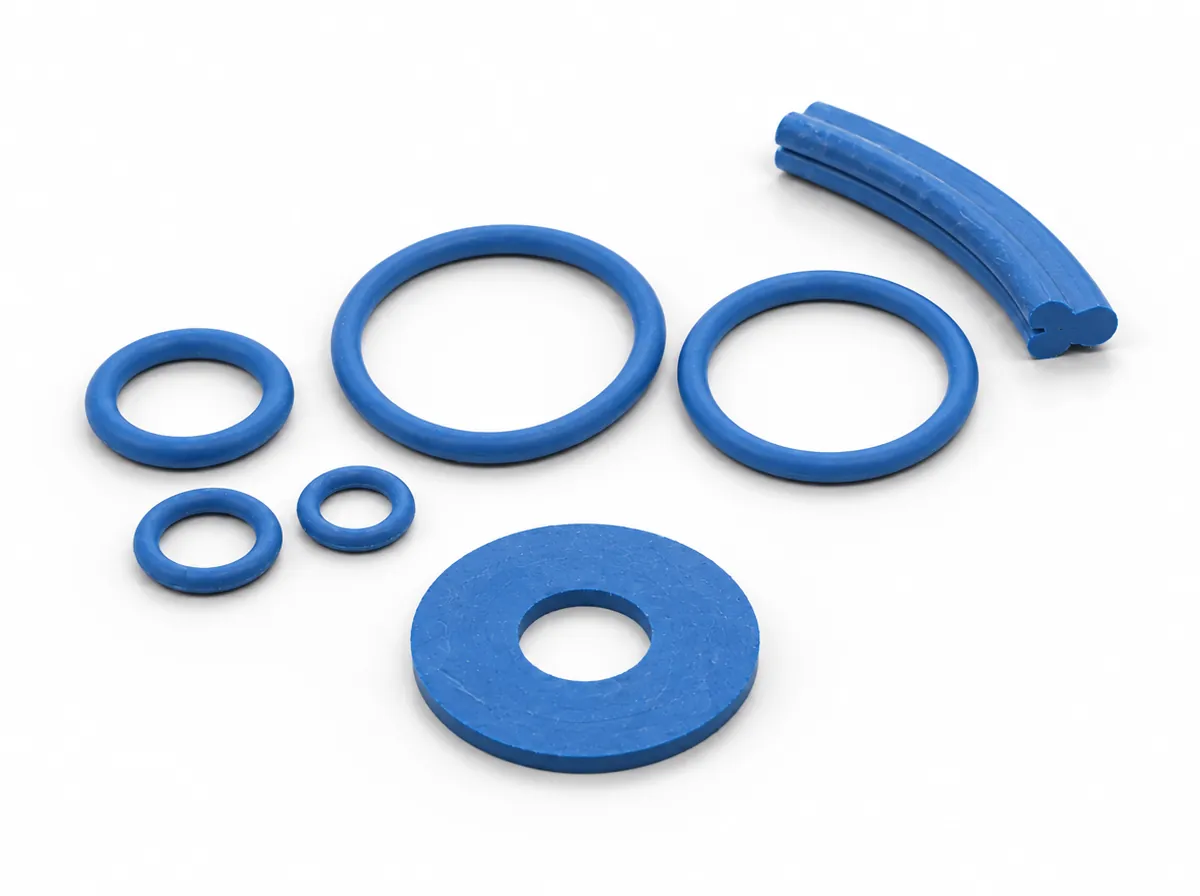
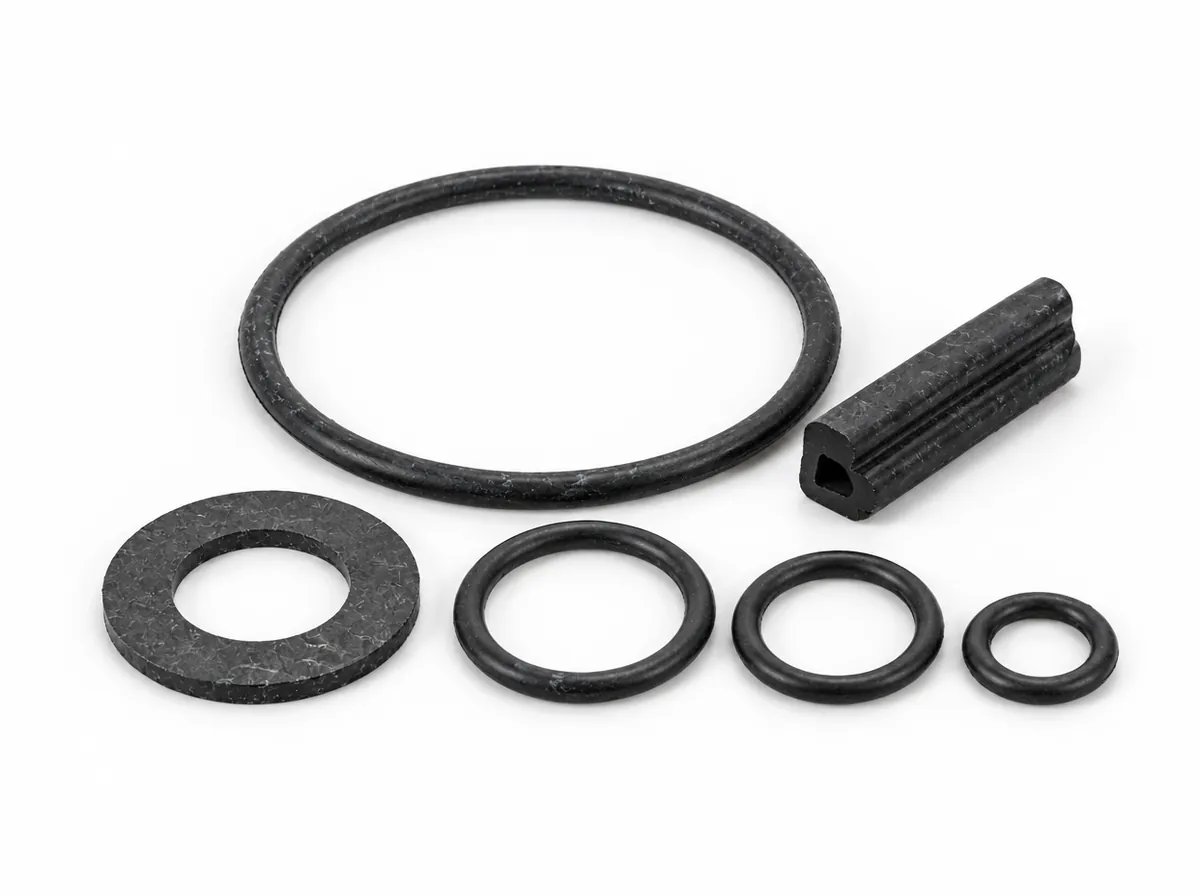
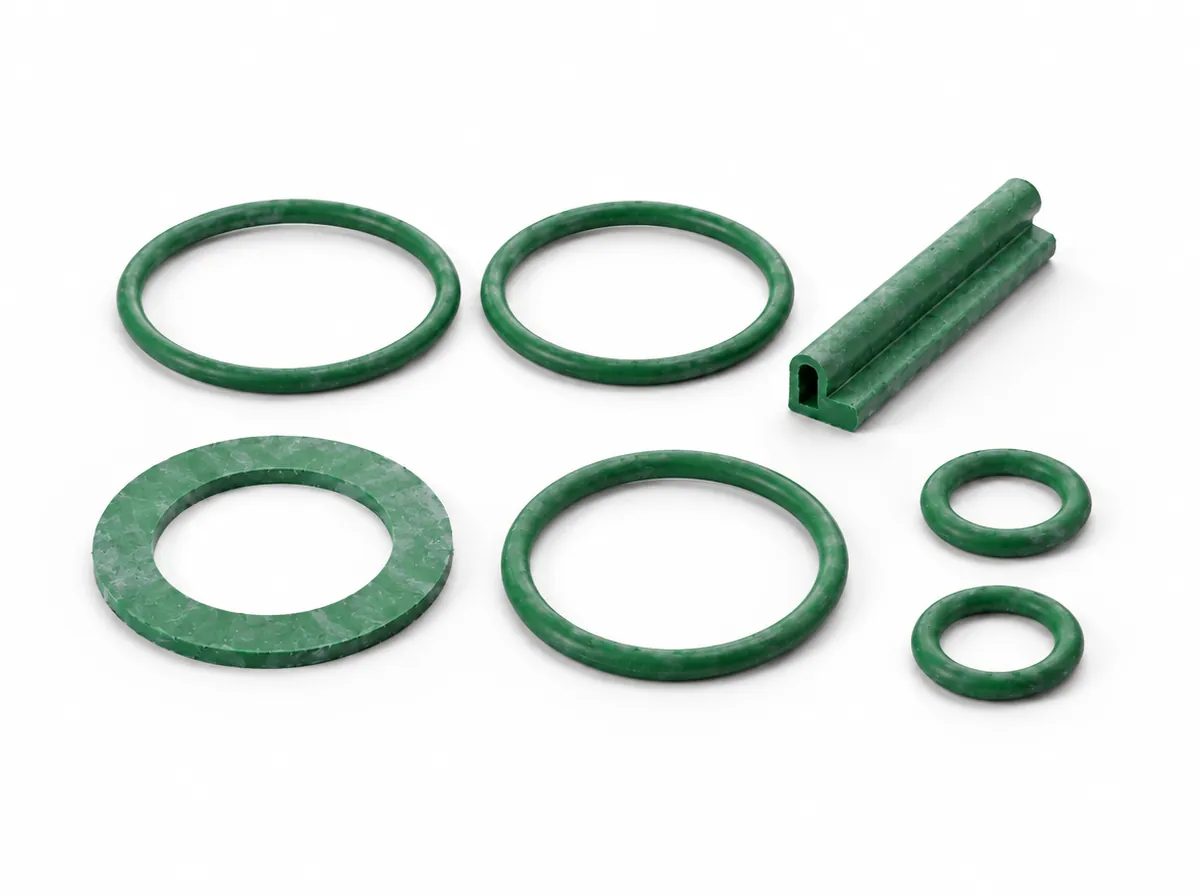
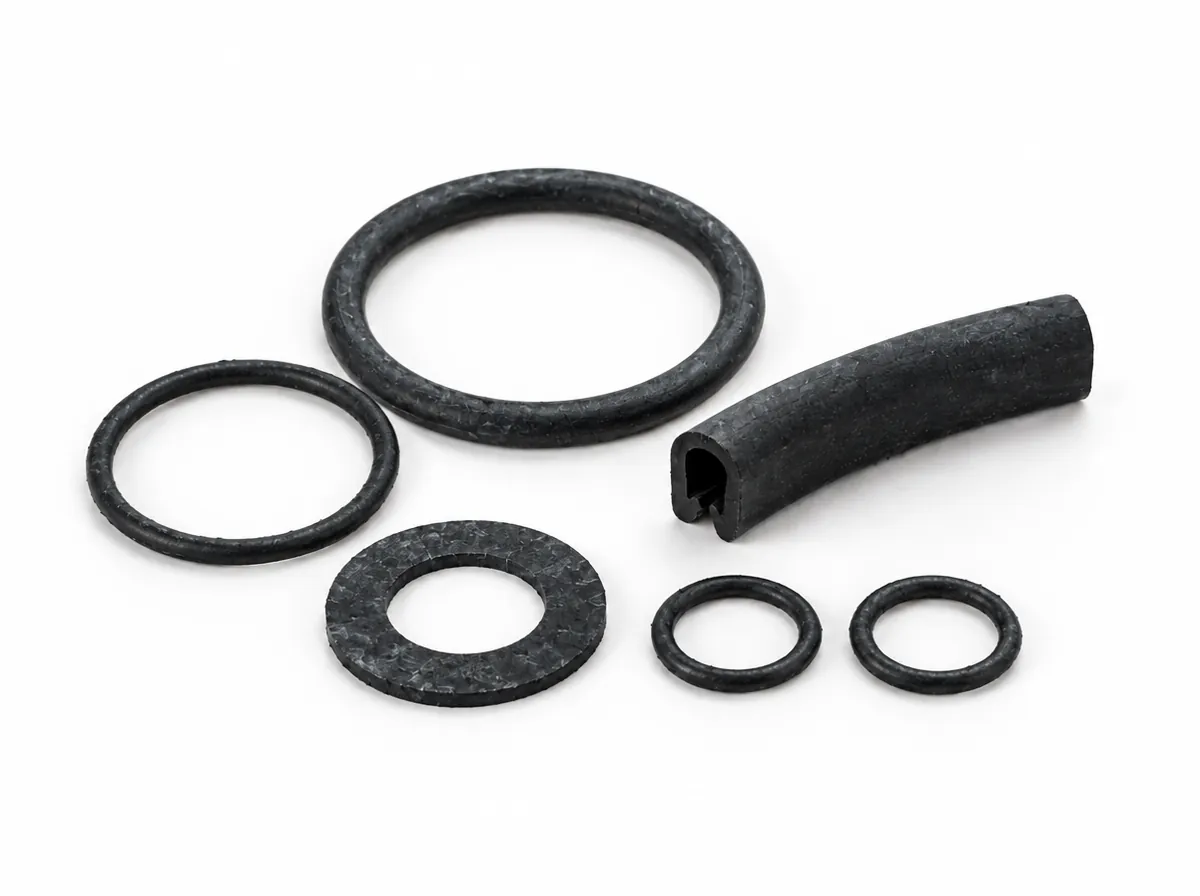
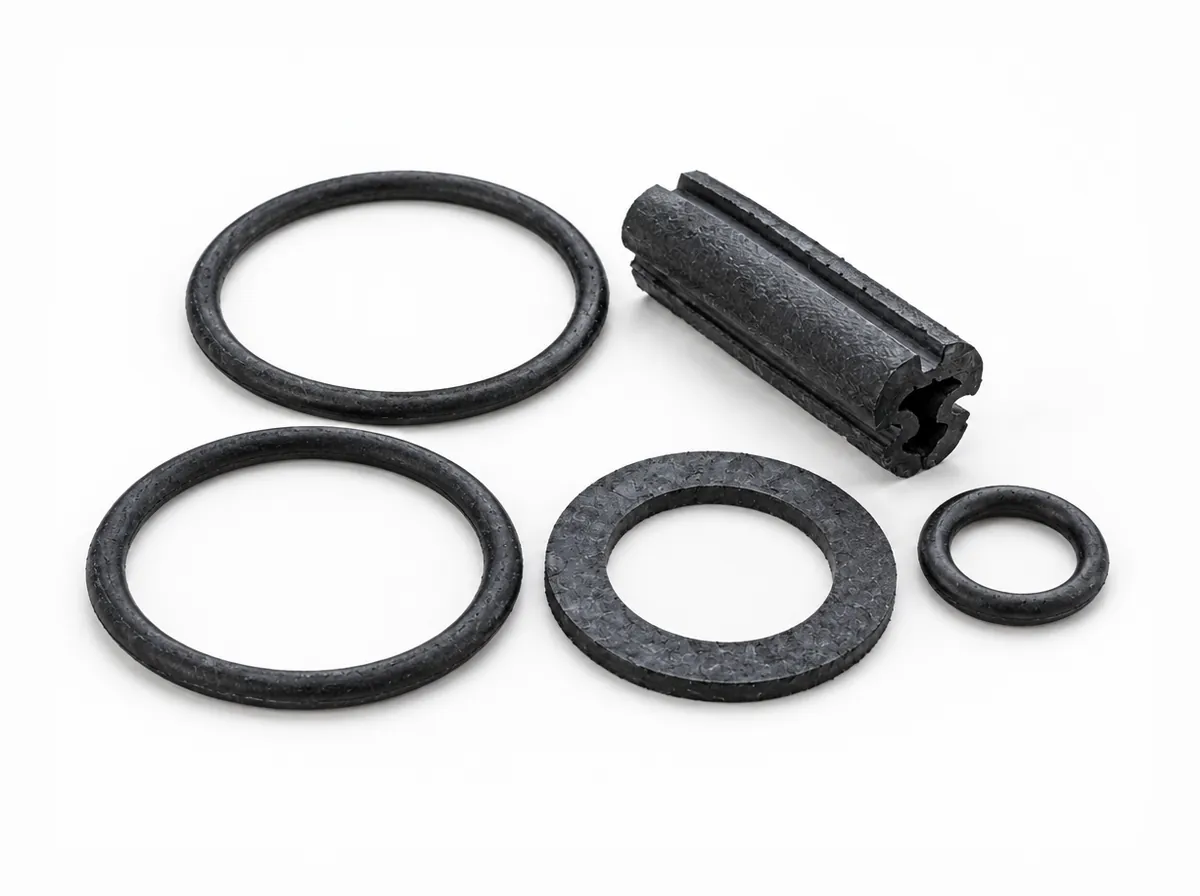
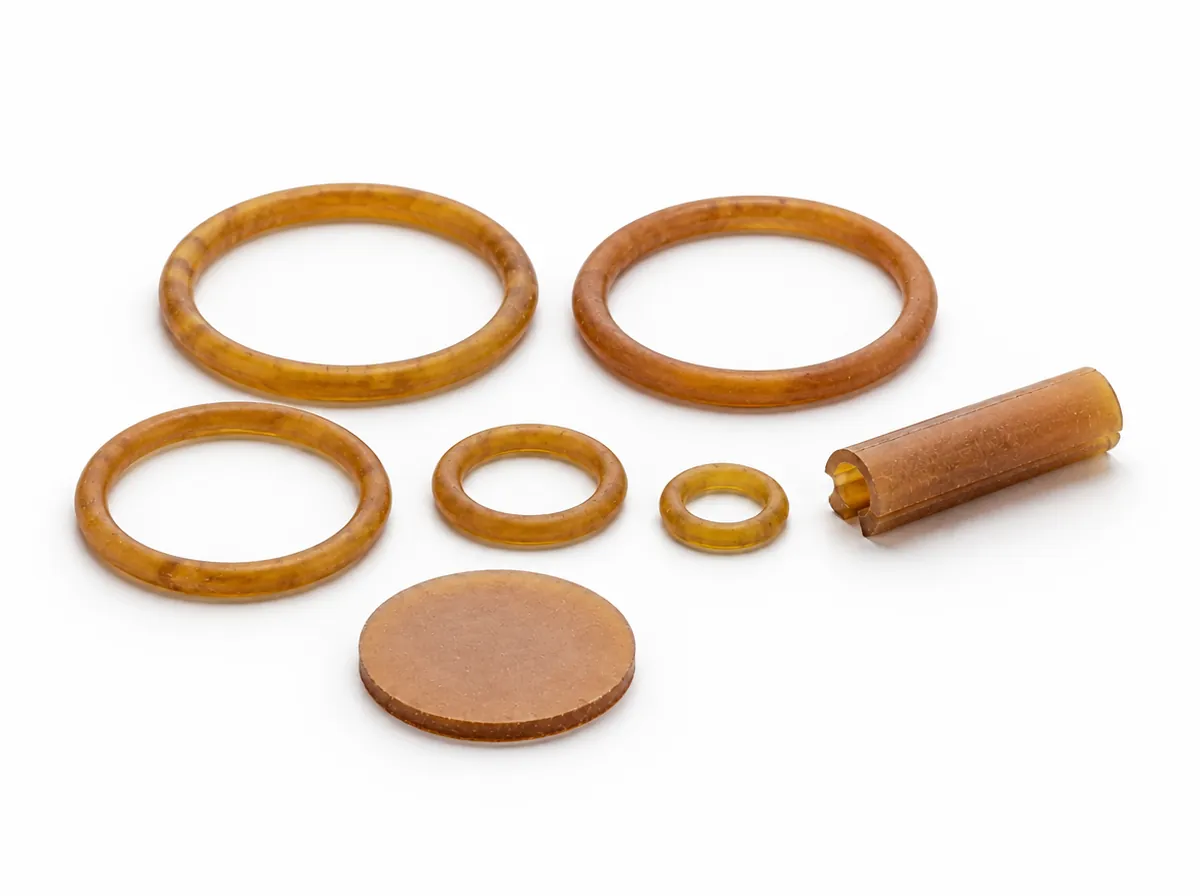
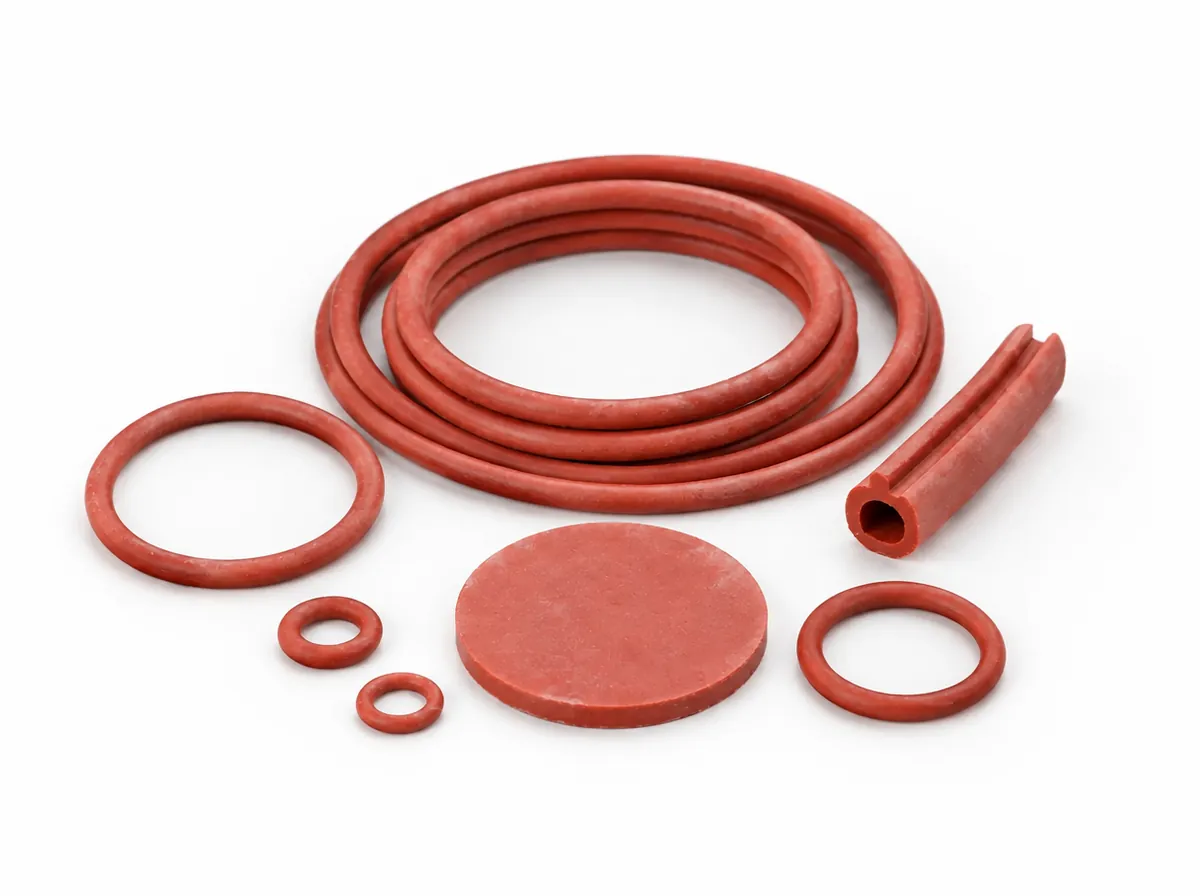
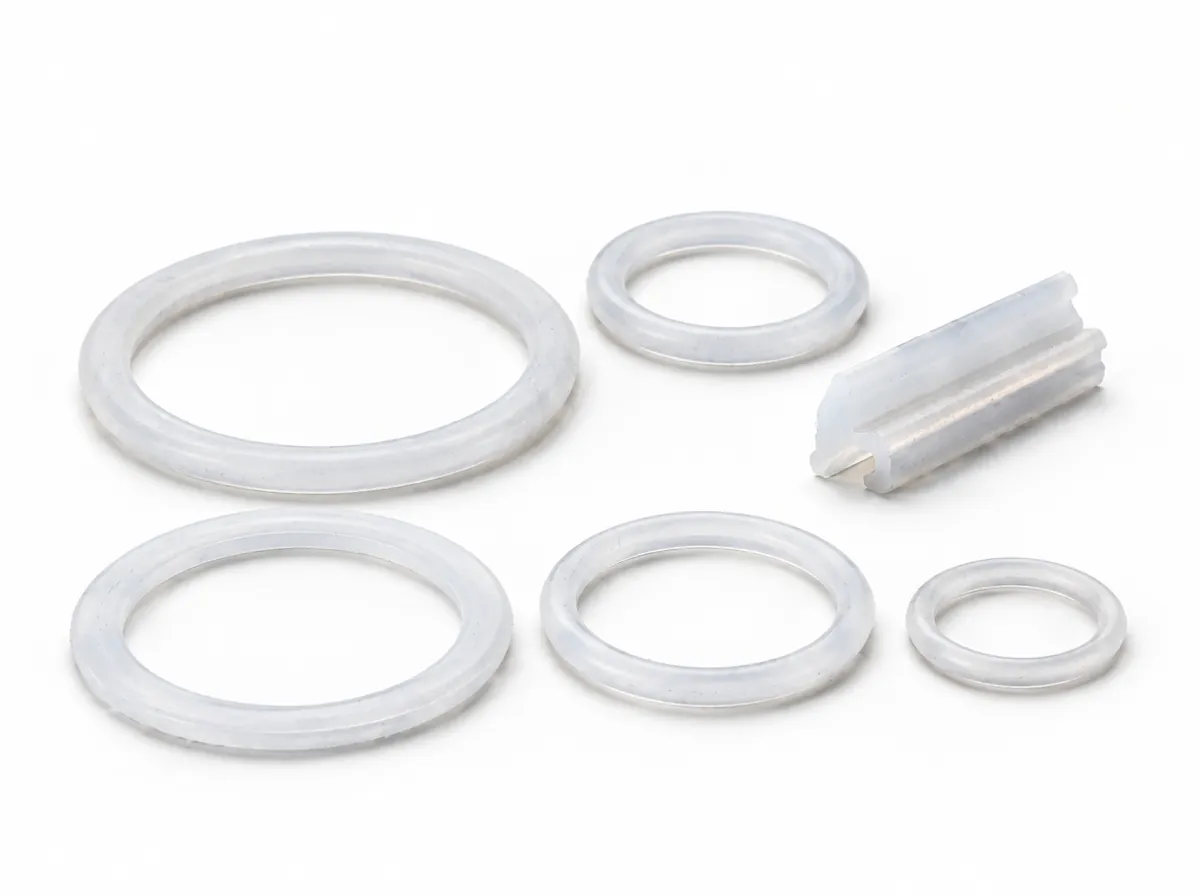
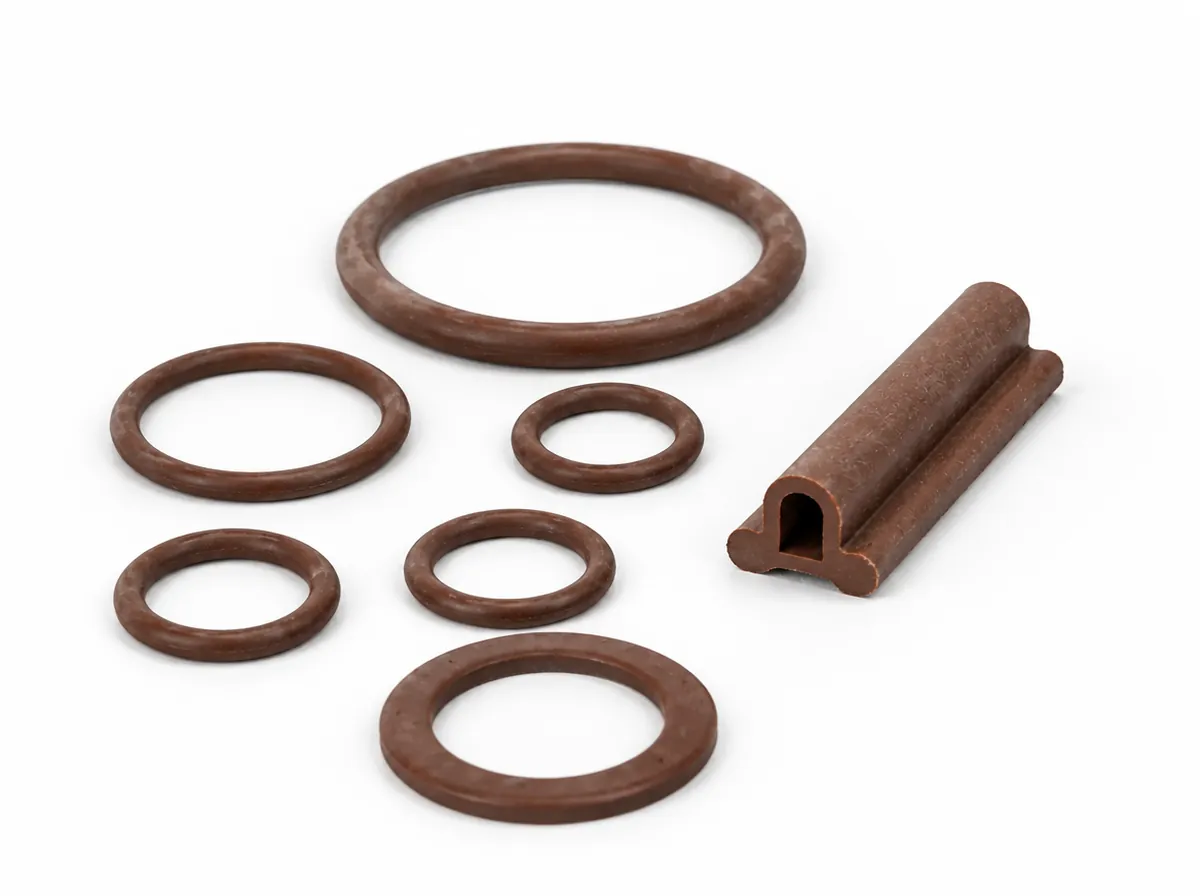
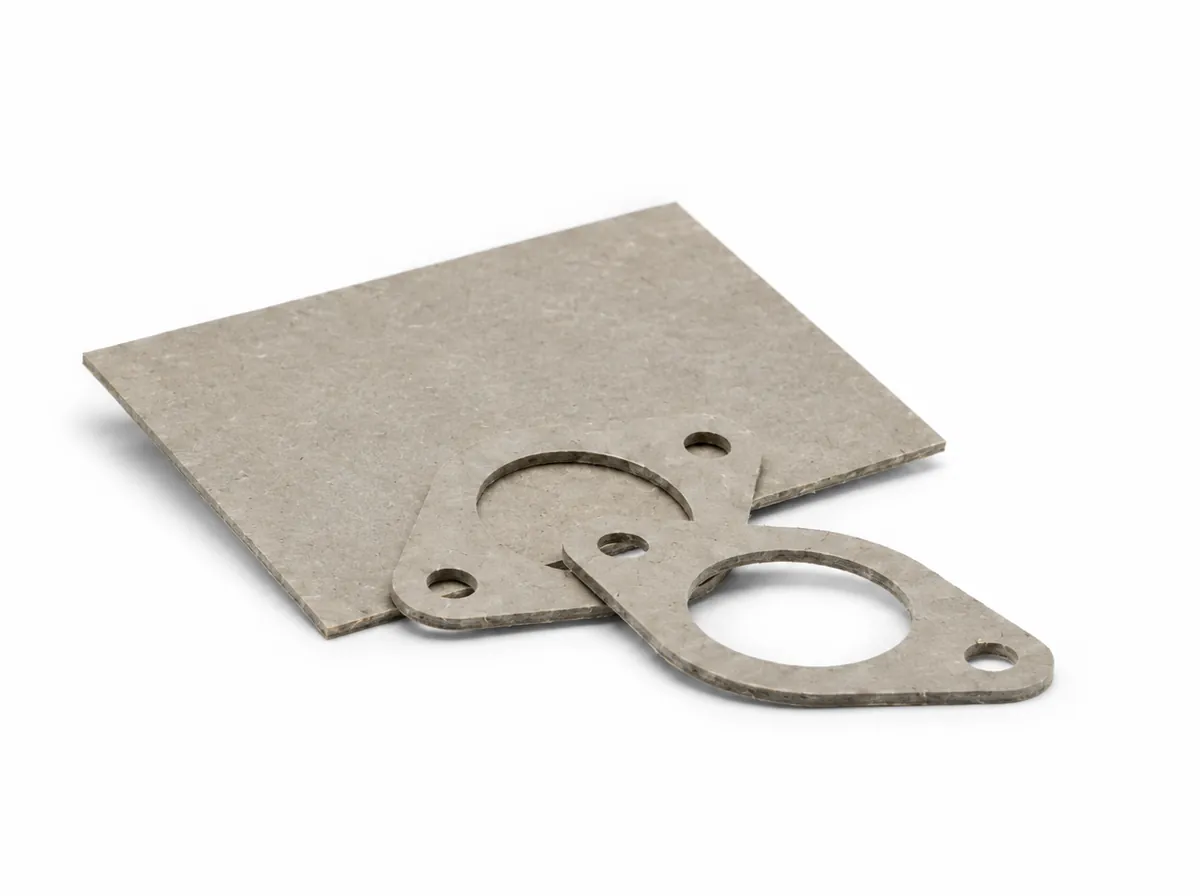
Semi-finished products are prefabricated industrial materials in a basic form that serve as the starting product for further processing into finished parts. In the rubber industry, these are often sheet material, round cords, profiles and hoses produced by processes such as rolling, pressing or extrusion. These intermediate products have standardised dimensions and shapes and enable the efficient manufacture of seals, punched parts and rubber-lined components.
-
Dimensional stability: rubber semi-finished products offer a uniform structure and are flexible yet resilient.
-
Consistent quality: semi-finished products are manufactured industrially and meet high standards for consistent material properties.
-
Wide range of materials: available in various rubber types such as NBR, EPDM, FKM or silicone.
-
Standardisation: defined dimensions and tolerances make further processing into punched parts, flat seals and special components easier.
| Type | Forms | Properties | Example applications |
|---|---|---|---|
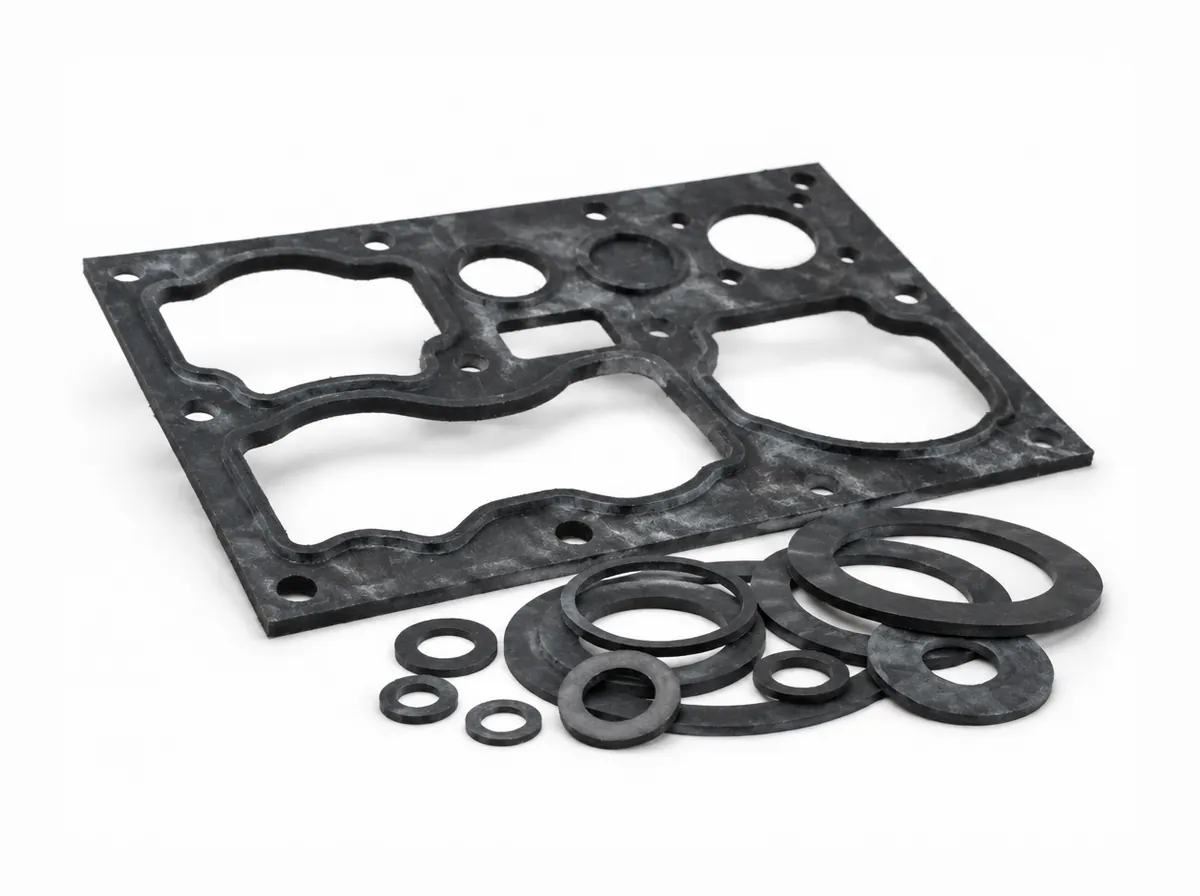
| Sheet material | Rubber sheets and rubber sheets with fabric insert | Flexible, abrasion-resistant, temperature-resistant | Punched parts, seals, vibration dampers |
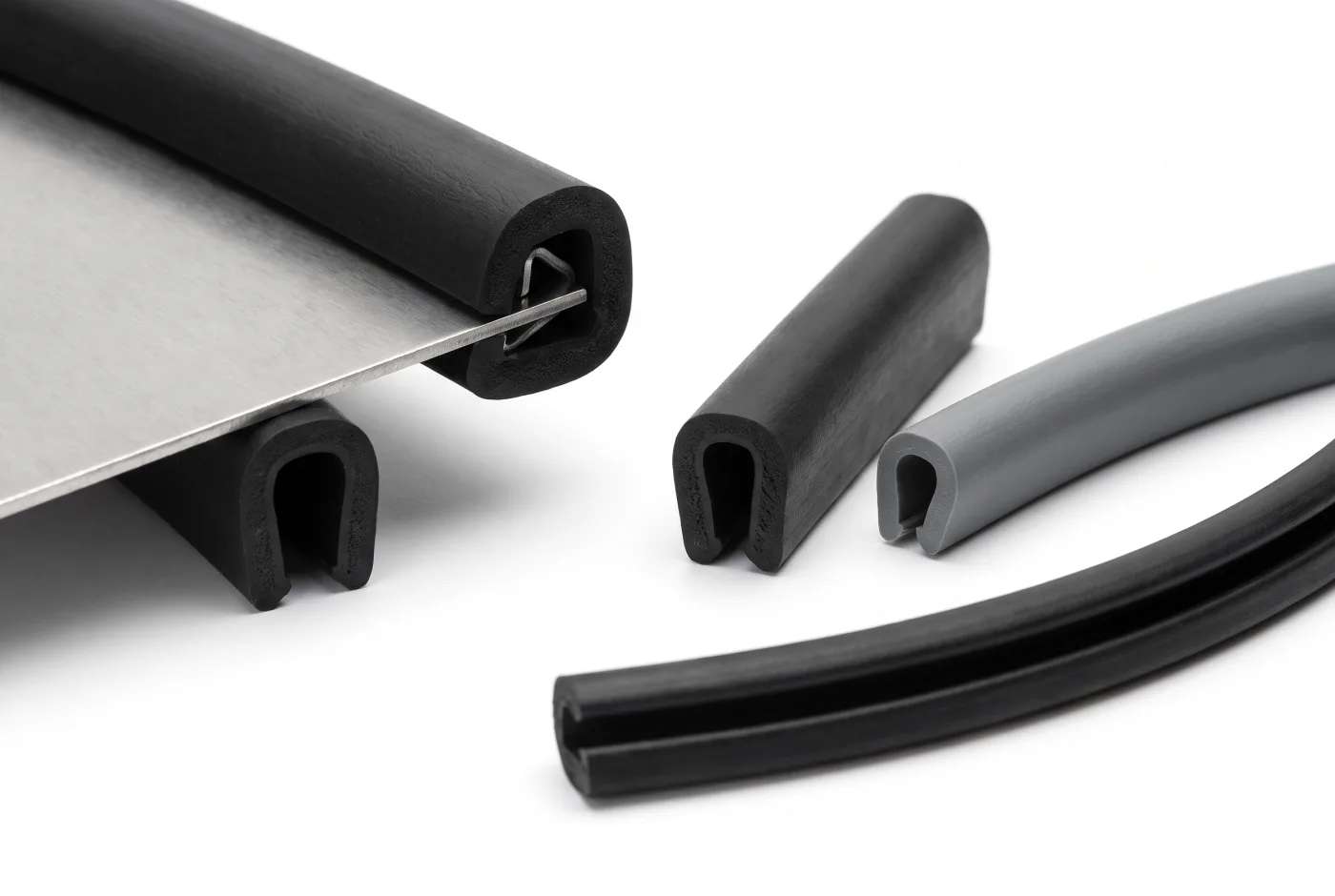
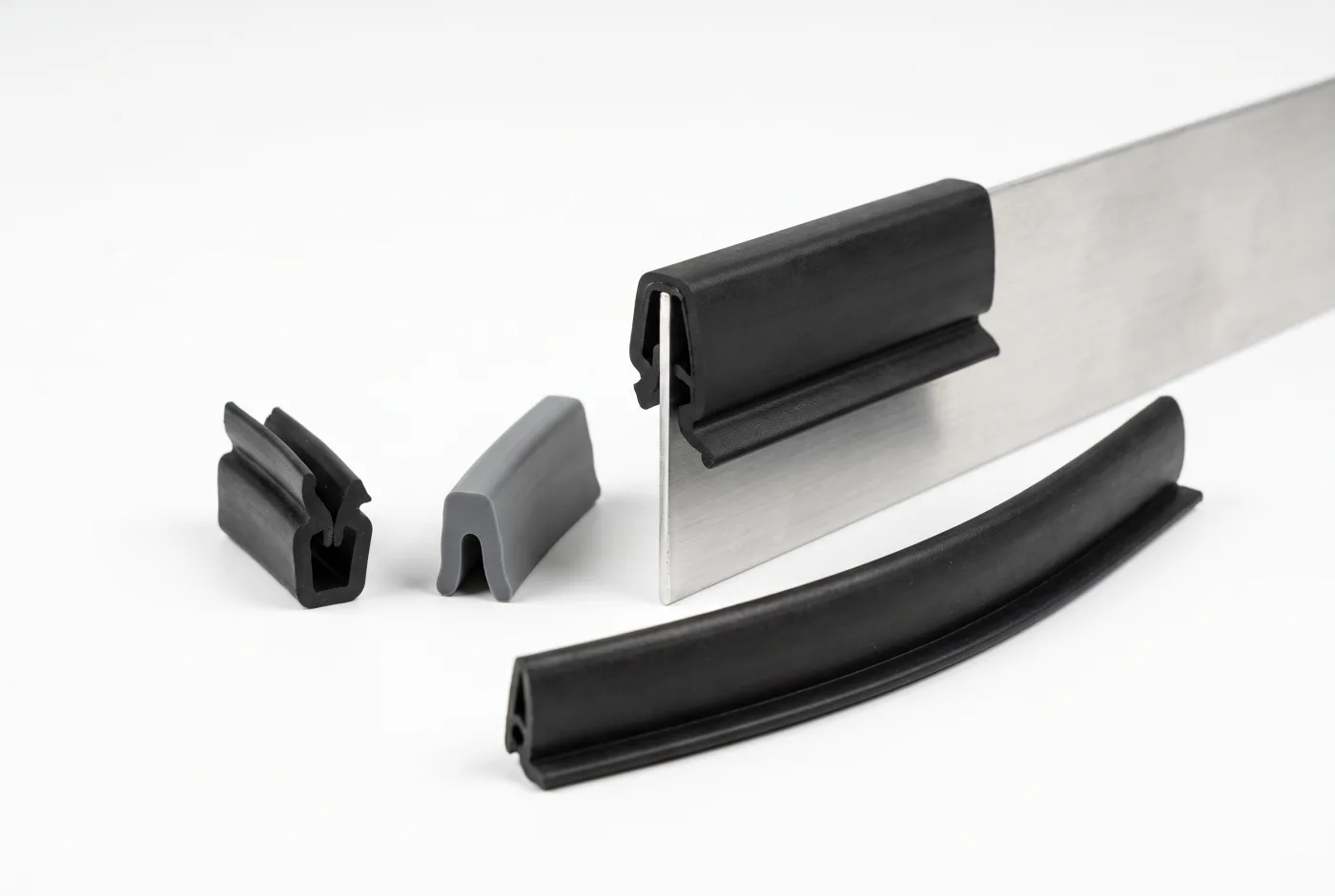
| Profiles | U-profiles, L-profiles, round profiles | Elastic, resistant to environmental influences | Door seals, edge protection, technical sealing |
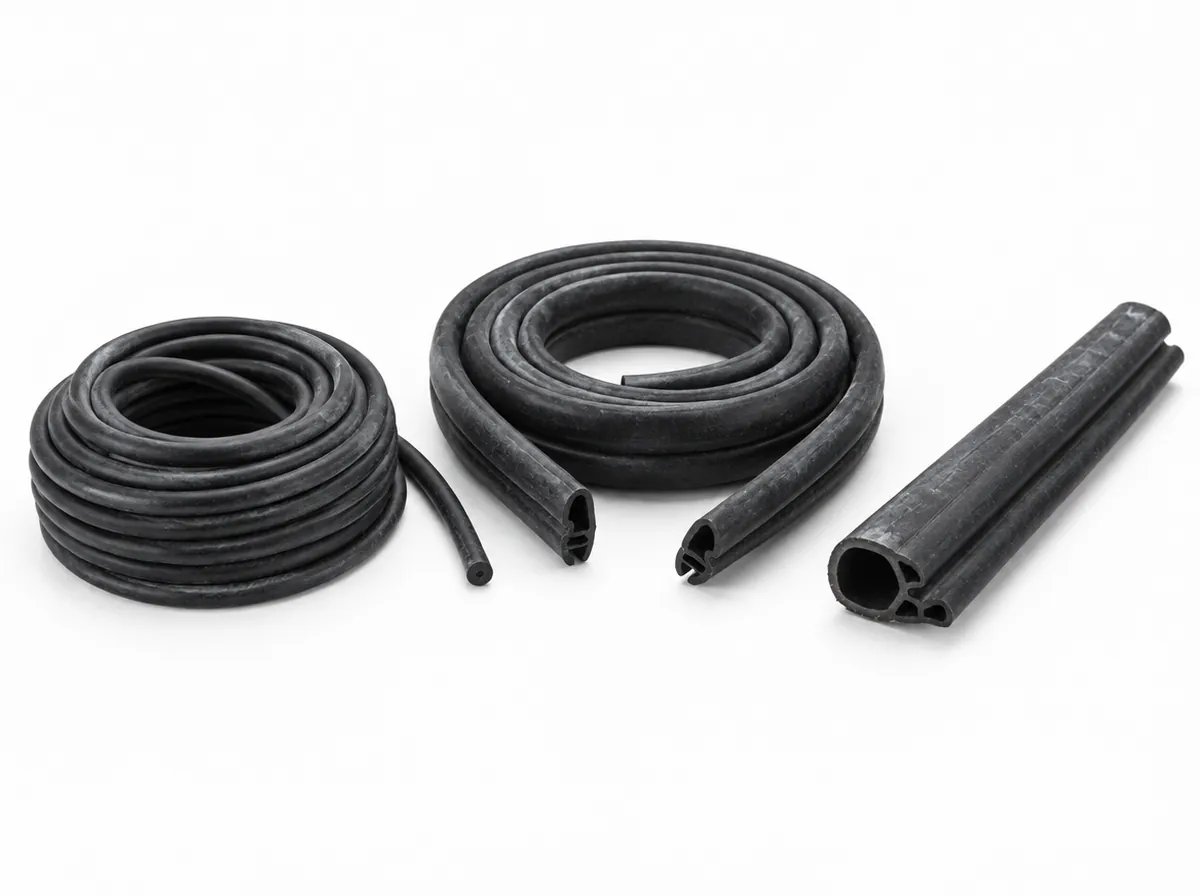
| Round cords | Diameters in various sizes | High elasticity, temperature-resistant | O-rings, sealing |
| Hoses | Rubber hoses in standard and high-pressure versions | Pressure- and abrasion-resistant | Conveying lines, compressed air and hydraulic systems |
Manufacturing processes
-
Rolling: production of rubber sheets and films by calendering, a process in which the material is rolled out between rollers.
-
Extrusion: production of profiles and round cords by pressing the rubber material through a forming die.
-
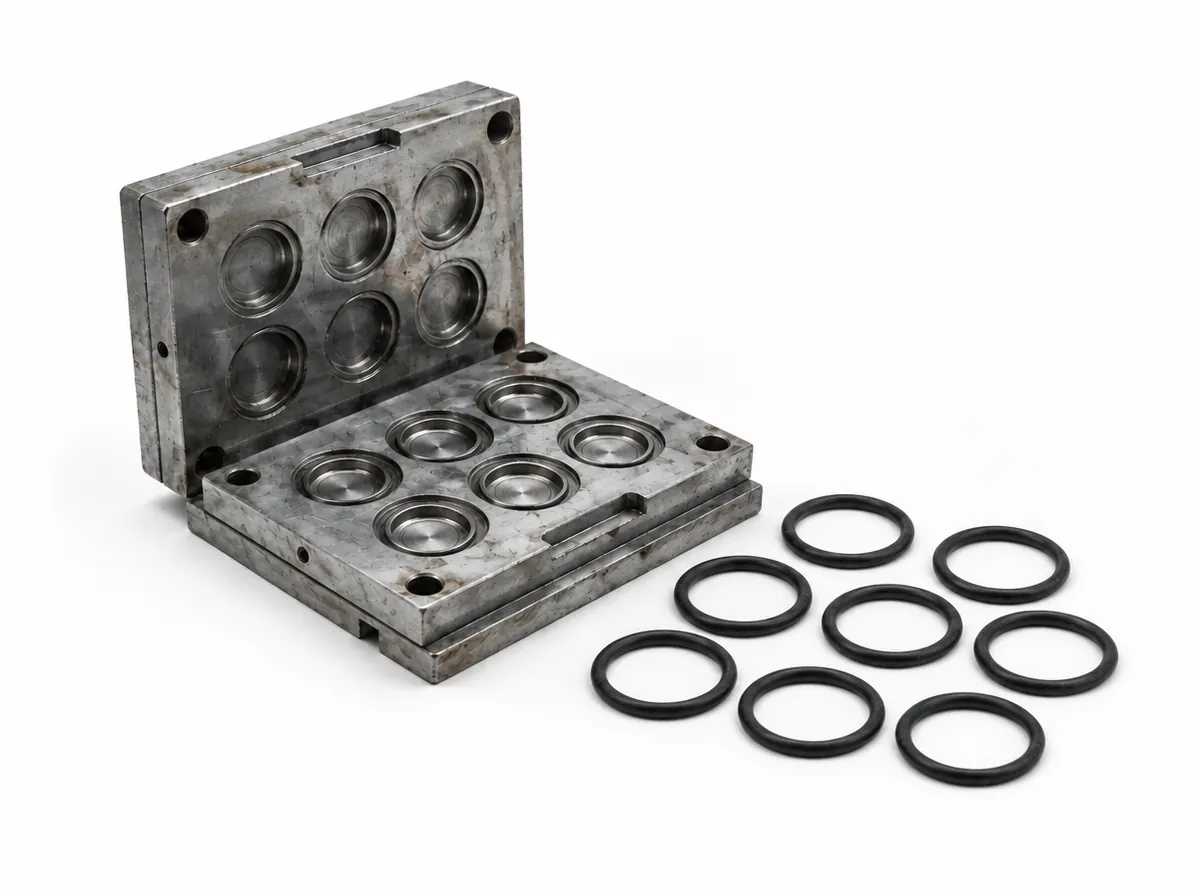
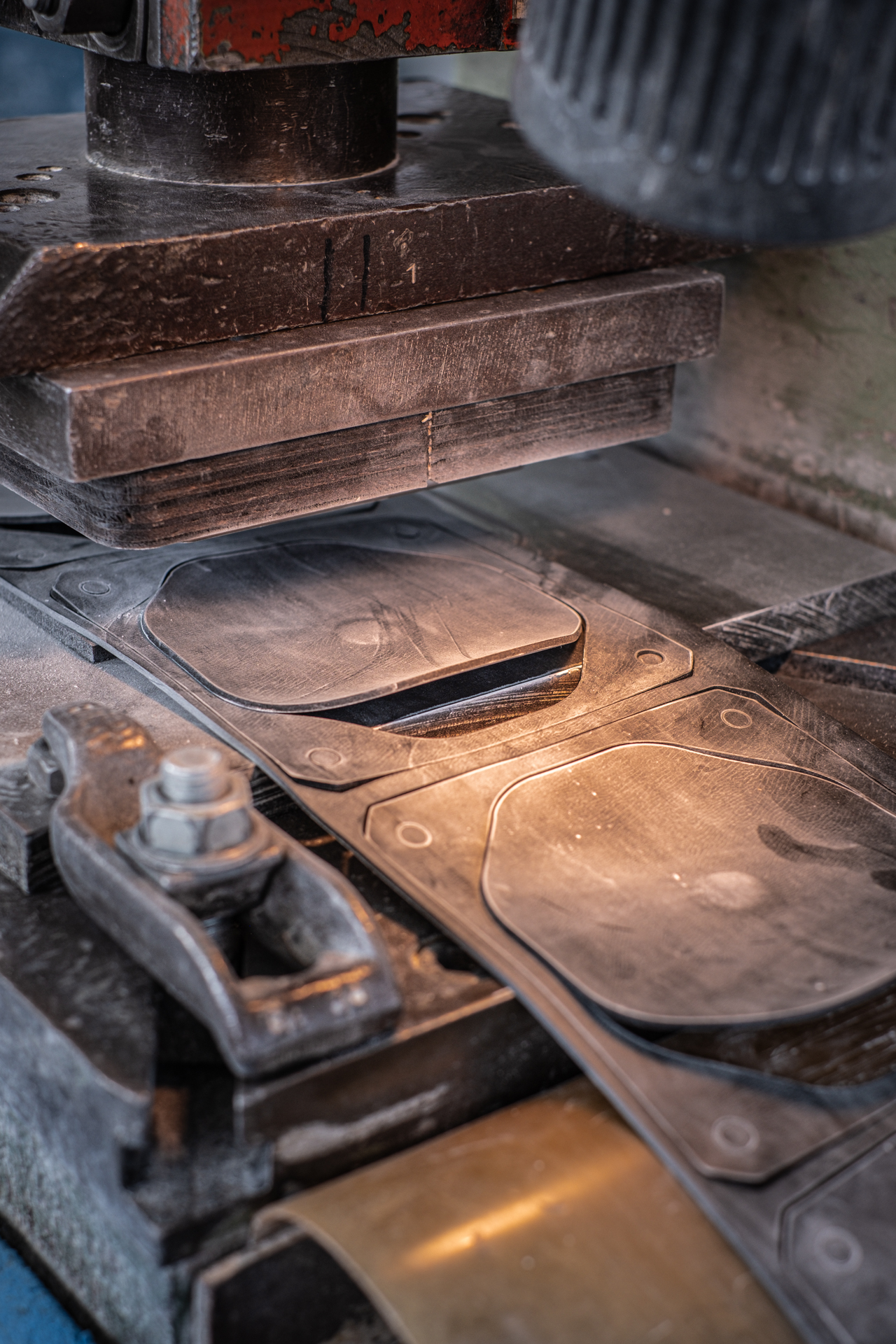
Pressing: production of rubber semi-finished products in sheet form or moulded parts using pressure and temperature.
-
Calendering: specifically for evenly rolling out composite materials, e.g. rubber with fabric inserts.
Mechanical engineering
-
Manufacture of punched parts and flat seals from rubber sheets.
-
Use of vibration-damping materials in machine components.
Automotive industry
-
Use of rubber profiles for door seals and window seals.
-
Production of heat-resistant rubber hoses for engine components.
Conveyor technology
-
Manufacture of conveyor belts with fabric insert for increased strength.
-
Use of abrasion-resistant rubber coverings for rollers and conveyor belts.
-
Easy further processing: semi-finished products are easy to cut, punch and shape.
-
Efficiency: they enable fast and cost-effective manufacture of seals and other components.
-
Versatility: depending on their material composition, semi-finished products can meet specific requirements such as oil or chemical resistance.
-
Quality control: industrially manufactured semi-finished products guarantee consistent material properties.
-
Material selection: choosing the right type of rubber (e.g. NBR, EPDM or FKM) requires expertise to match the material properties optimally to the application.
-
Post-processing: semi-finished products often need to be cut to size, punched or processed further.
-
Costs: specialised materials such as high-temperature-resistant or chemical-resistant rubber compounds can be more expensive.
| Feature | Semi-finished products | Finished parts |
|---|---|---|
| Processing state | Basic, prefabricated form | End product, ready to use |
| Adaptation | Requires further processing | No adaptation required |
| Costs | Lower | Higher |
| Flexibility | High | Limited |
| Typical applications | Seals, punched parts, hoses | Ready-to-install components such as housings, valves |
-
What is the difference between a semi-finished product and a raw material? Semi-finished products are prefabricated intermediate products, whereas raw materials are in their original form, e.g. natural rubber or synthetic rubber.
-
Which semi-finished products are commonly used in the rubber industry? Sheet material, profiles, round cords and hoses are typical semi-finished products in the rubber industry.
-
Are semi-finished products standardised? Yes, semi-finished products are manufactured to industry standards with defined dimensions and tolerances.
-
Can semi-finished products be recycled? Yes, rubber semi-finished products can generally be recycled or used as a raw material for new products.
Semi-finished products are indispensable intermediate products in the rubber industry that increase efficiency and flexibility in production. They provide a standardised basis for the manufacture of end products such as seals, punched parts and conveyor belts. Thanks to their versatility and ease of further processing, they are a key material in modern manufacturing processes.
Questions about this term?
Our technical advice
Do you have a specific application or a question about elastomer processing? Talk to us, we will help you with material, process and approval.