

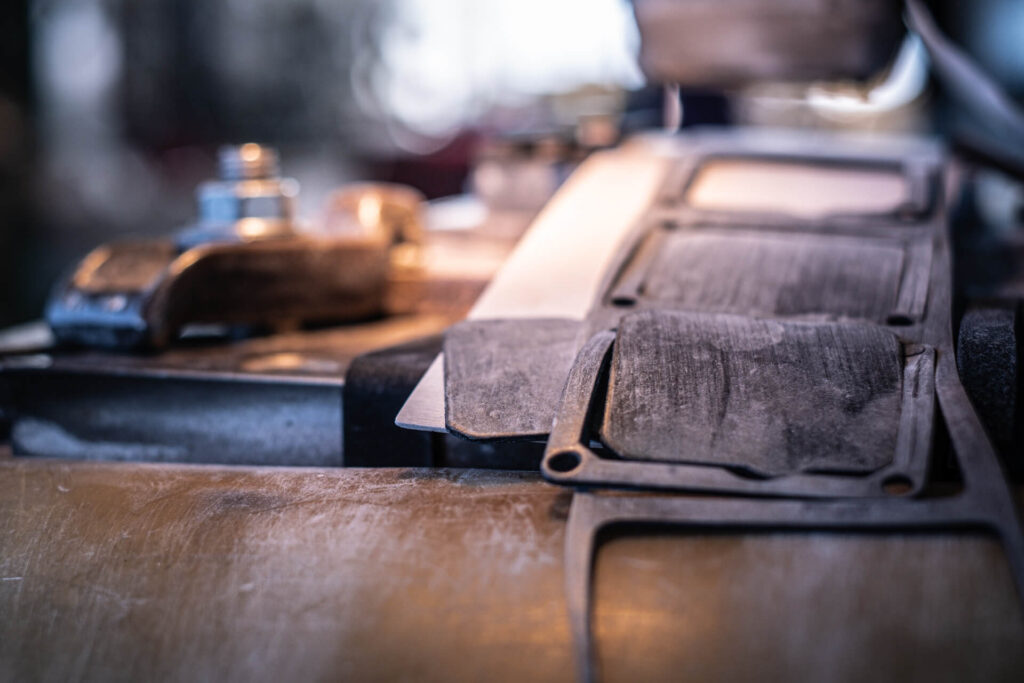

1. Graphite: the classic for high-temperature applications
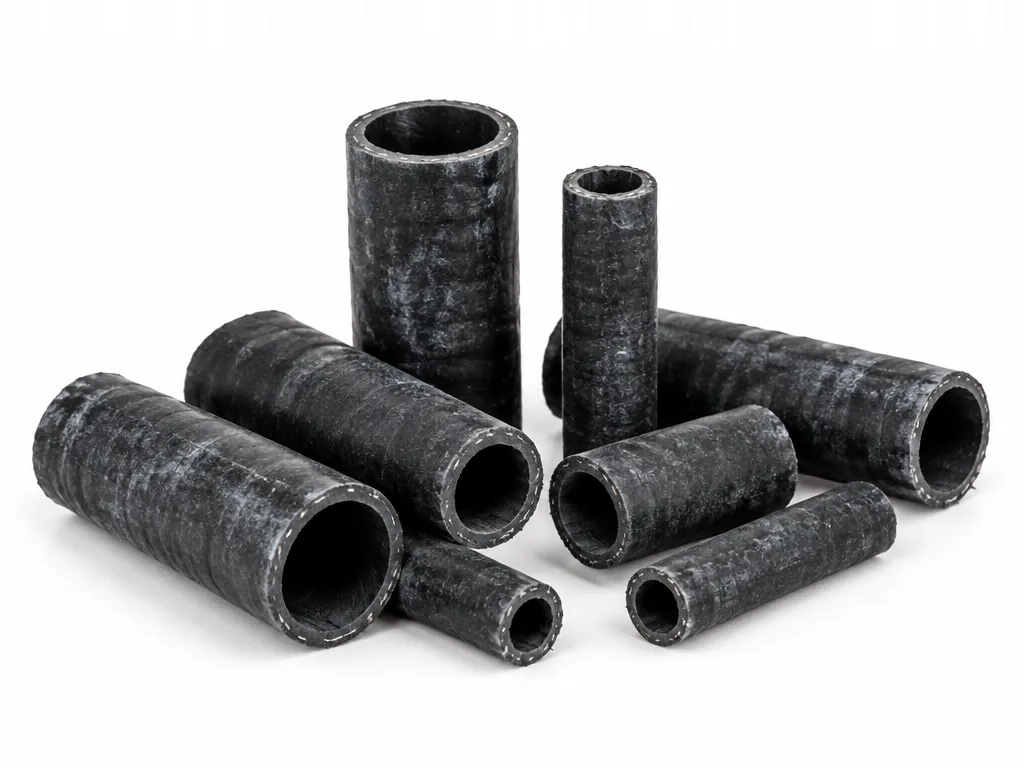
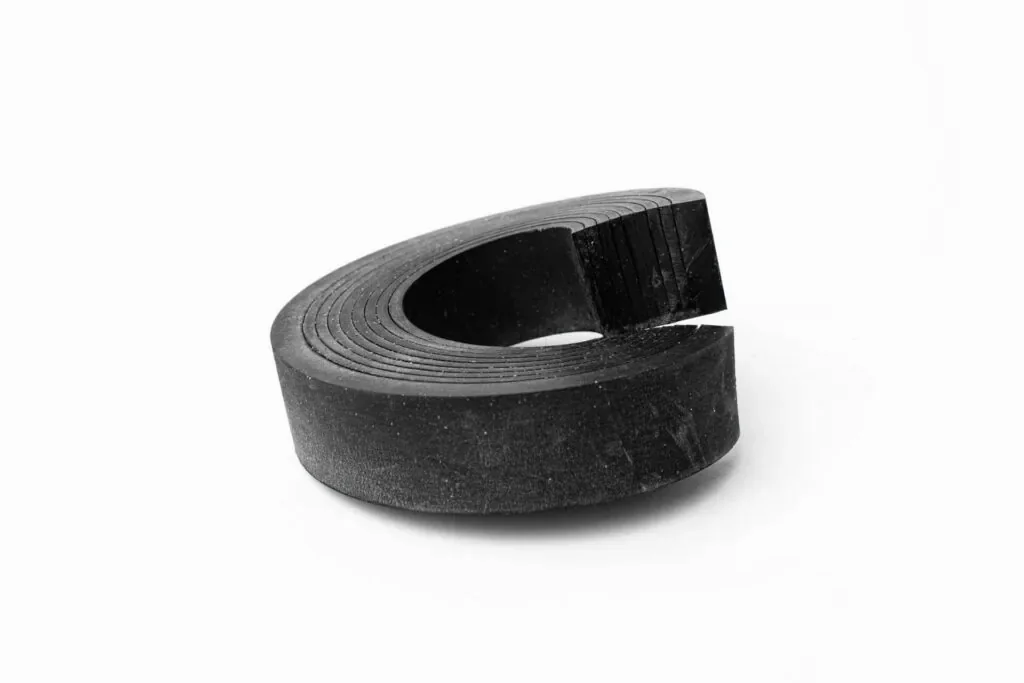
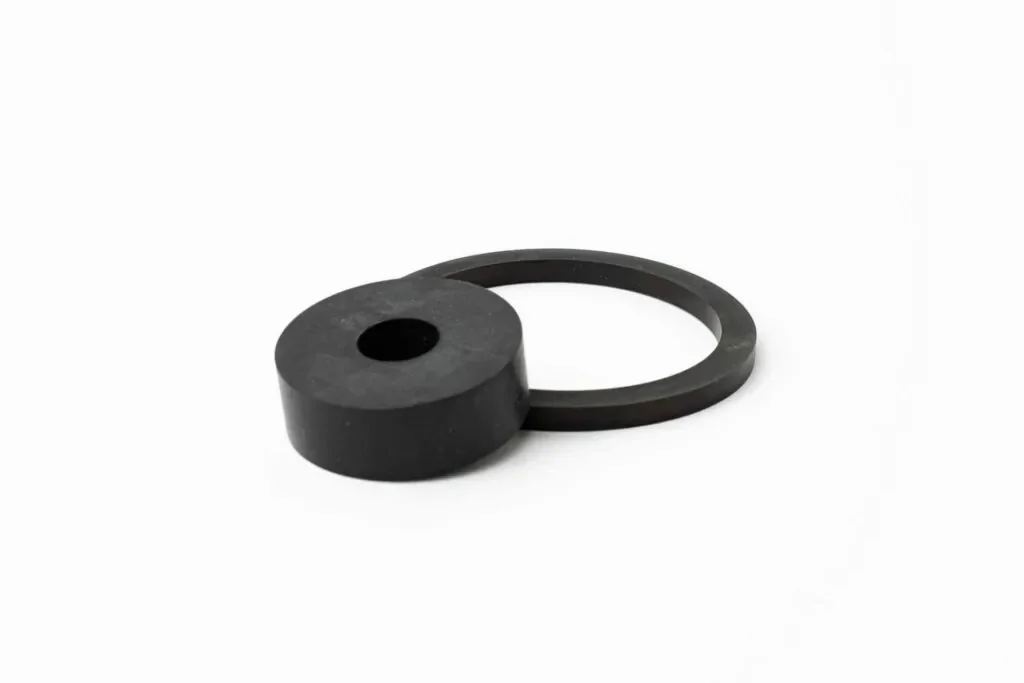
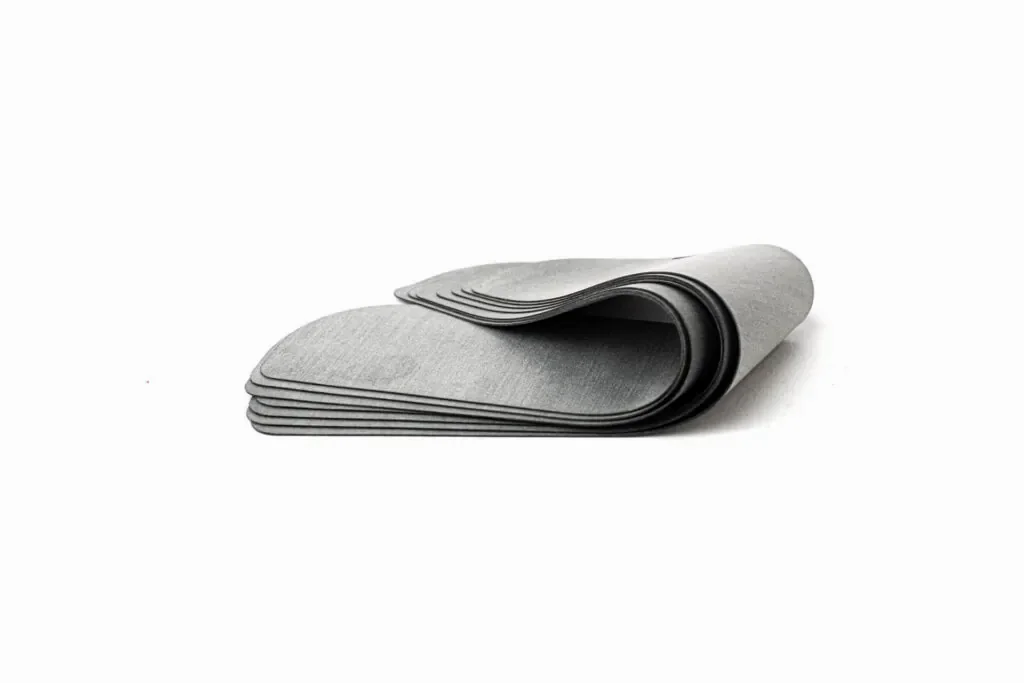
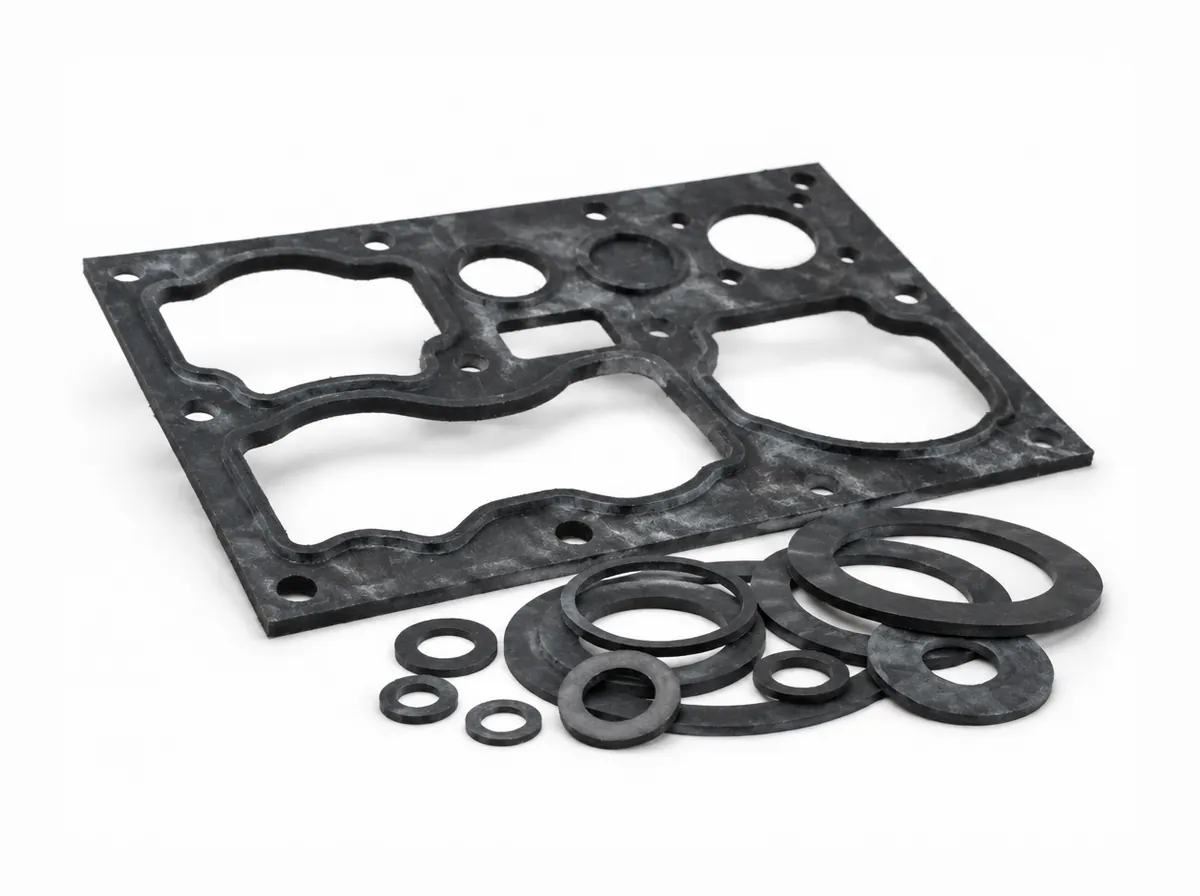
Graphite is one of the most widely used materials for heat-resistant flat seals. It is characterised by exceptional temperature resistance and chemical stability:
-
Temperature range: Up to 1000 °C in inert or reducing atmospheres, up to 500 °C in oxidising environments.
-
High compressive strength: Ideal for applications with high flange loads.
-
Chemical resistance: Resistant to most chemicals, such as acids, alkalis, bases and organic solvents.
-
Applications: Graphite seals are used in high-pressure steam systems, petrochemical plants and power stations.
Reinforced graphite seals with stainless steel or nickel inserts are particularly effective. This combination increases mechanical stability and makes handling easier.
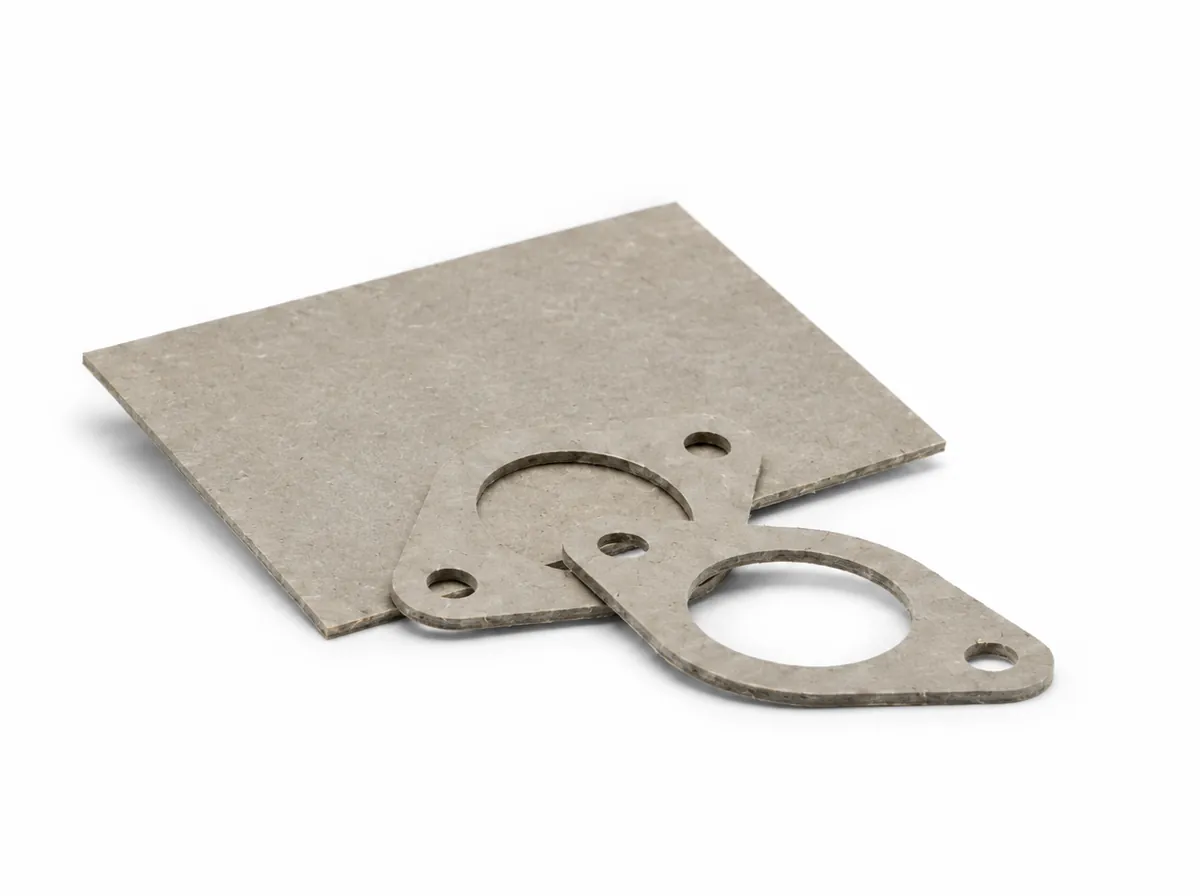
2. Ceramic fibres: extreme temperature resistance
Ceramic fibres are another outstanding solution for extreme temperatures. These materials consist of aluminium oxide, silicon oxide or other high-temperature-resistant compounds:
-
Temperature range: Up to 1600 °C, ideal for applications in blast furnaces and firing systems.
-
Advantages: Excellent insulating properties, non-combustible, resistant to thermal shock.
-
Disadvantages: Less flexible than graphite or PTFE, and therefore often used in combination with other materials.
-
Applications: Furnace doors, exhaust gas ducts and applications in metallurgy.
Ceramic seals are often provided with metallic reinforcement to increase their structural integrity under pressure load.
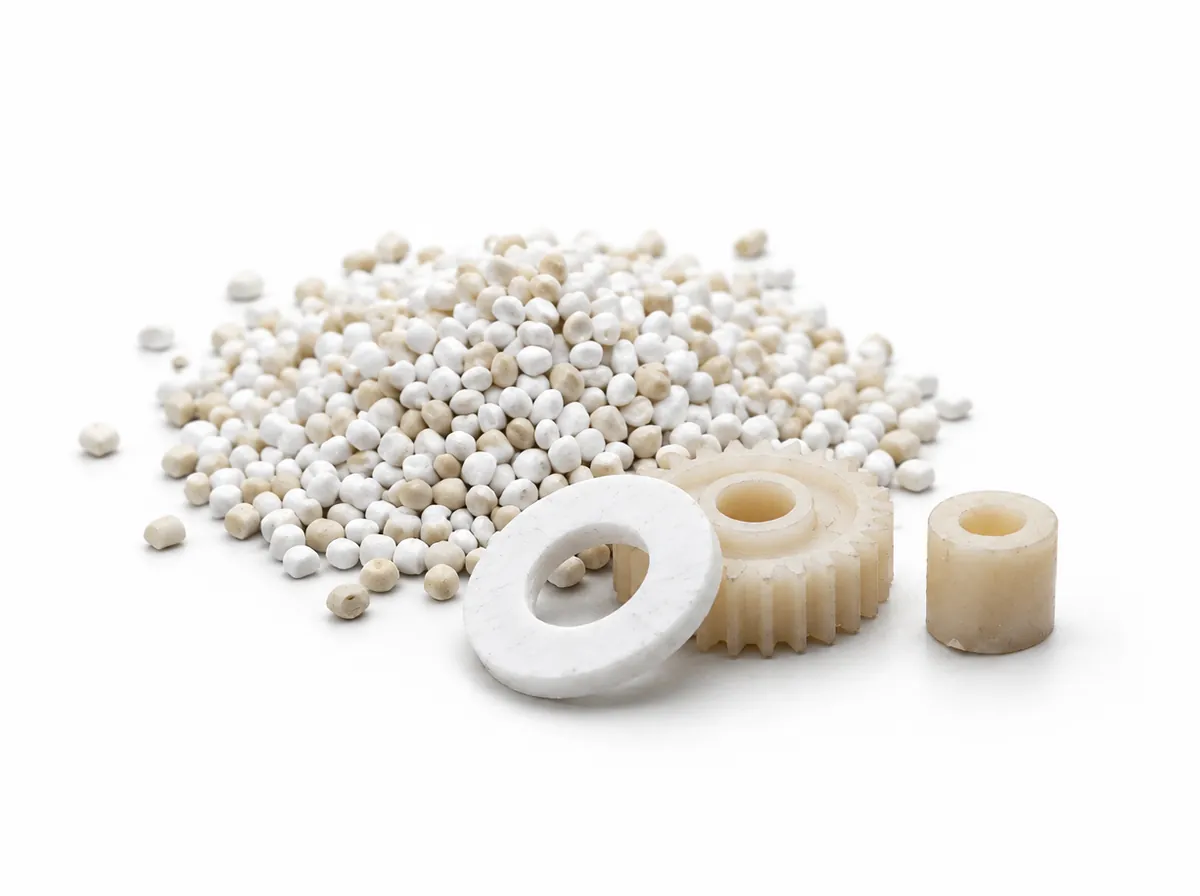
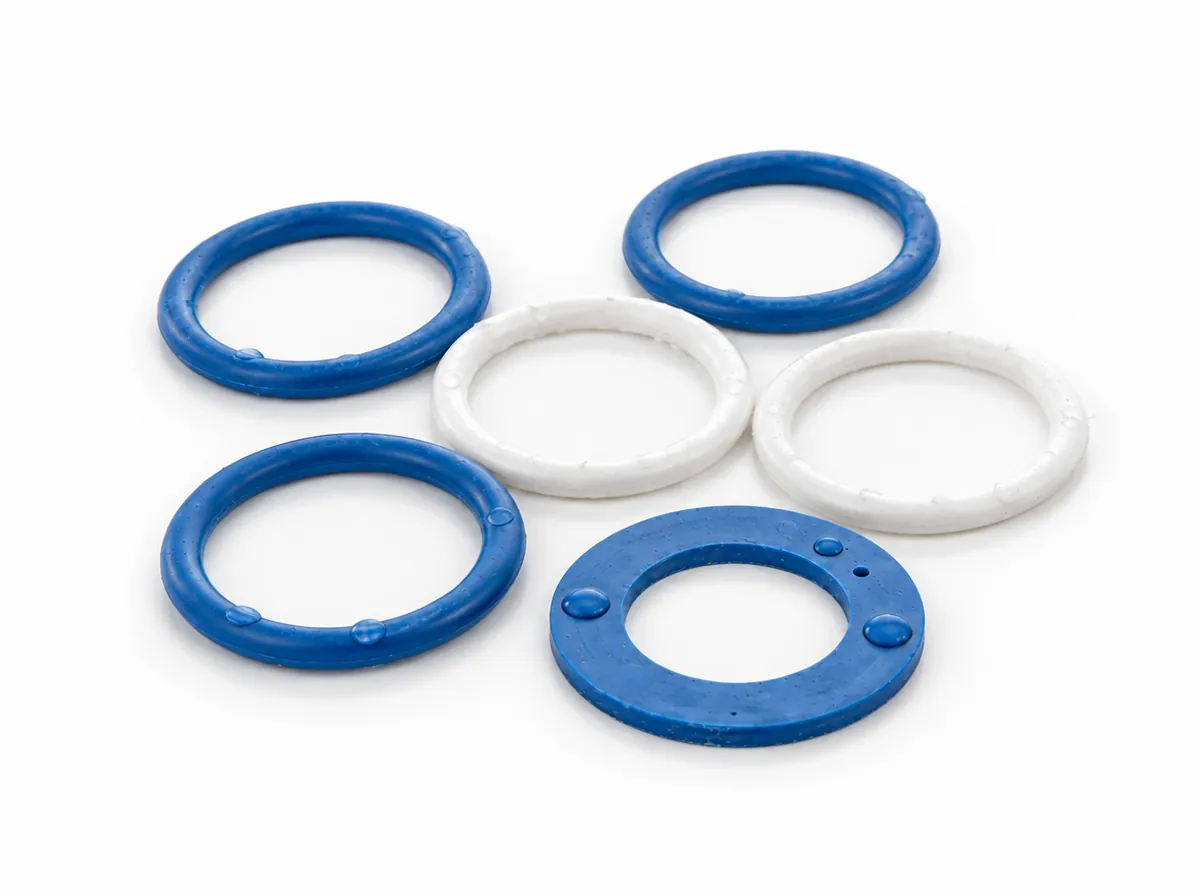
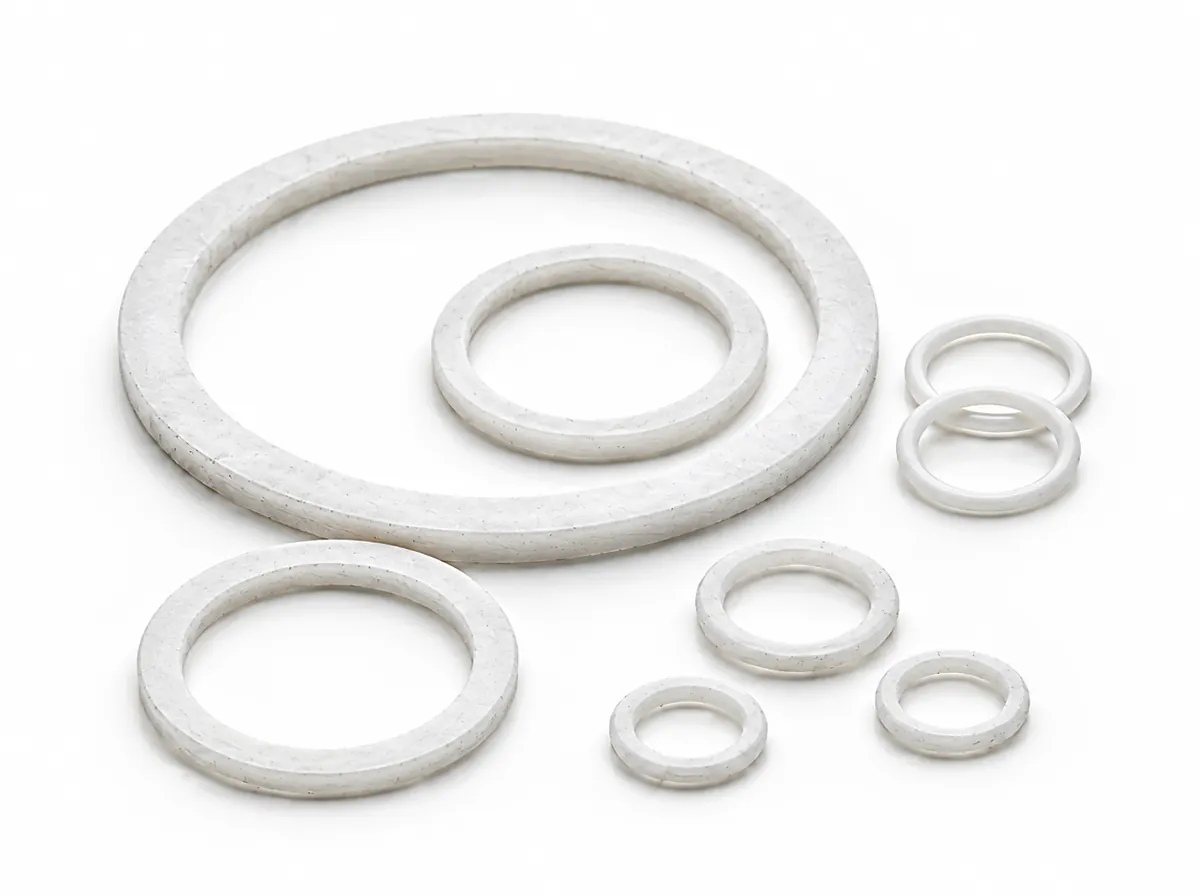
3. PTFE: chemical resistance and flexibility
PTFE (polytetrafluoroethylene) is a thermoplastic material that offers not only good temperature resistance but also exceptional chemical resistance:
-
Temperature range: -200 °C to 260 °C.
-
Chemical resistance: PTFE is inert to almost all chemicals, including strong acids and bases.
-
Low-friction surface: Minimises the adhesion of particles and prevents corrosion.
-
Applications: Ideal for applications in the food and pharmaceutical industries and in chemical process engineering.
To improve mechanical strength, PTFE is often filled with glass, carbon or graphite particles.
4. Metal-reinforced seals: maximum stability
Metal-reinforced flat seals combine the properties of flexible sealing materials with the mechanical stability of metal:
-
Types: Spiral wound gaskets, kammprofile (grooved) gaskets and corrugated gaskets.
-
Temperature range: Up to 1000 °C, depending on the type of metal (e.g. stainless steel, Inconel).
-
Advantages: High pressure and temperature resistance, suitable for applications with extreme thermal and mechanical loads.
-
Applications: Power stations, petrochemical plants, high-pressure pipelines.
Combining metal and non-metallic components allows precise adaptation to specific requirements, for example in high-pressure steam systems.
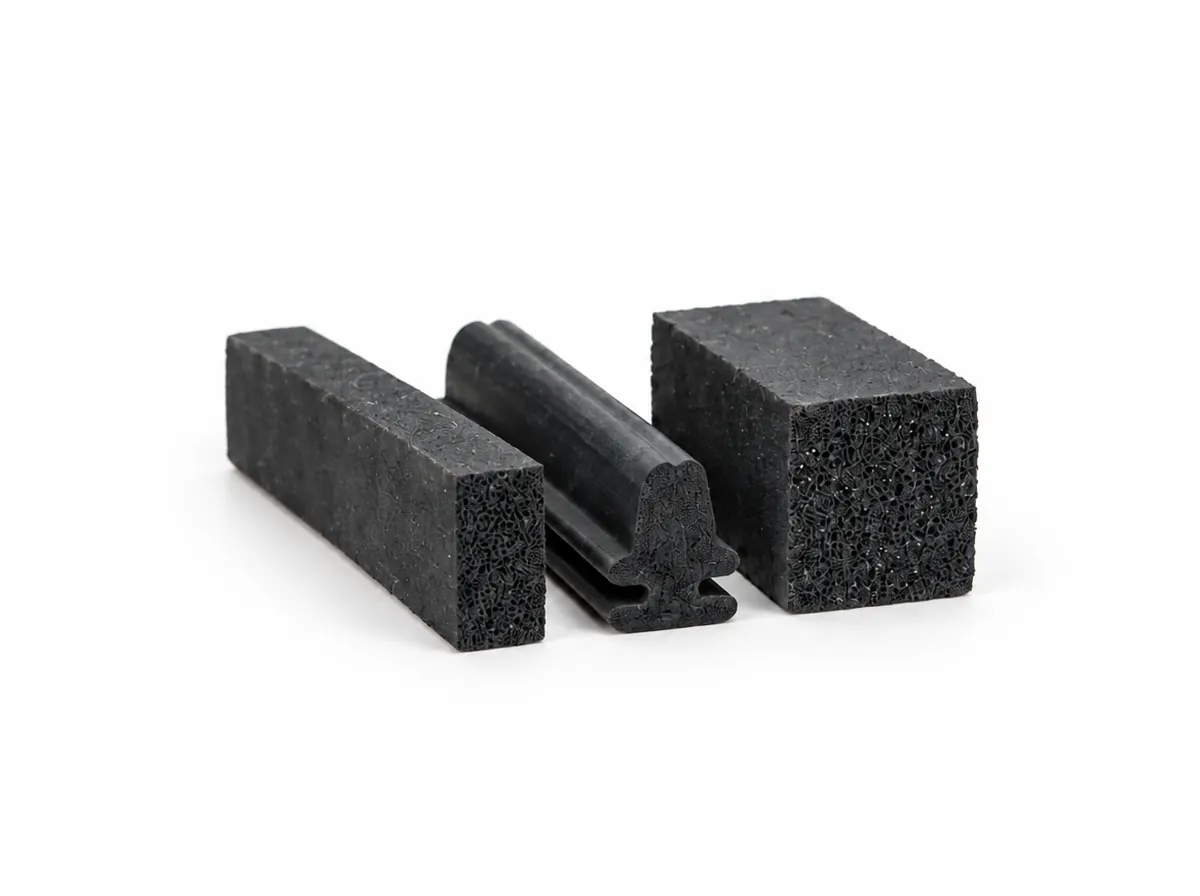
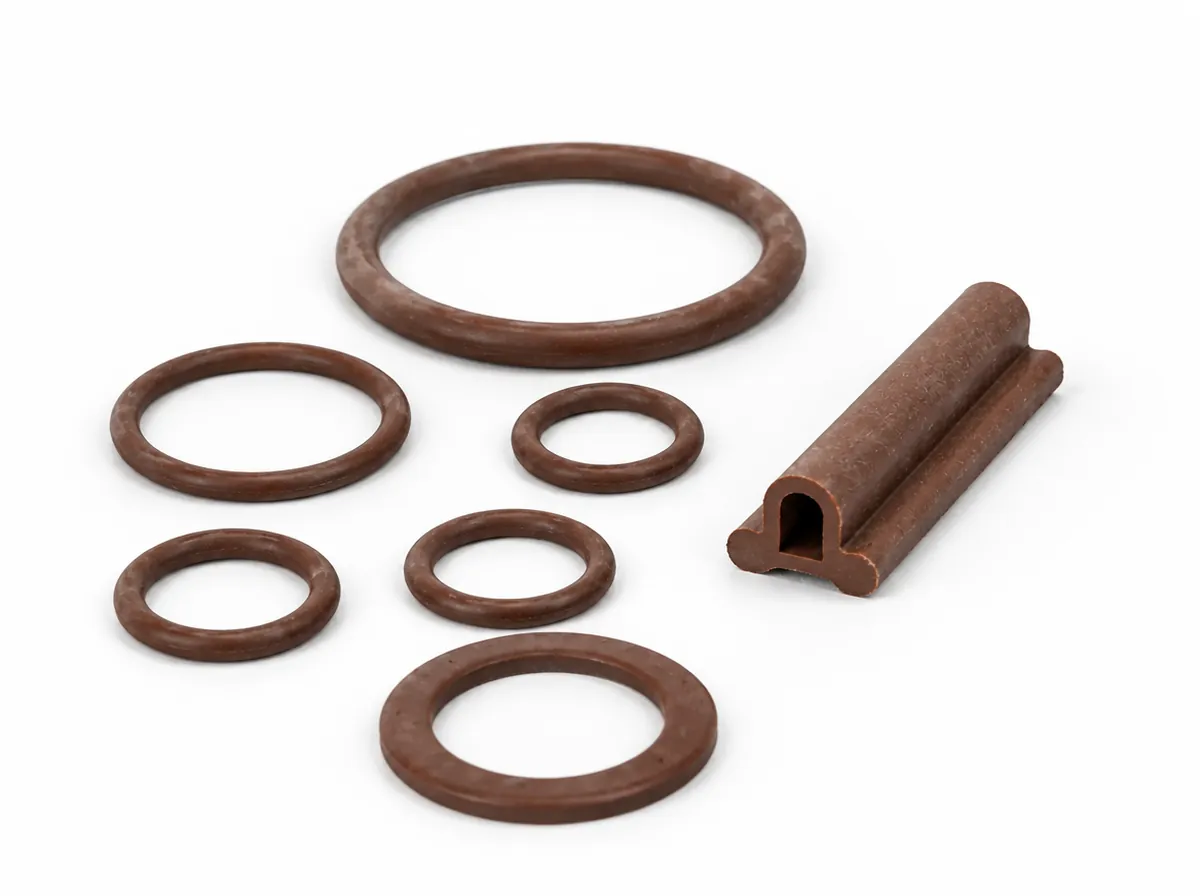
5. High-temperature elastomers: special solutions for moderate conditions
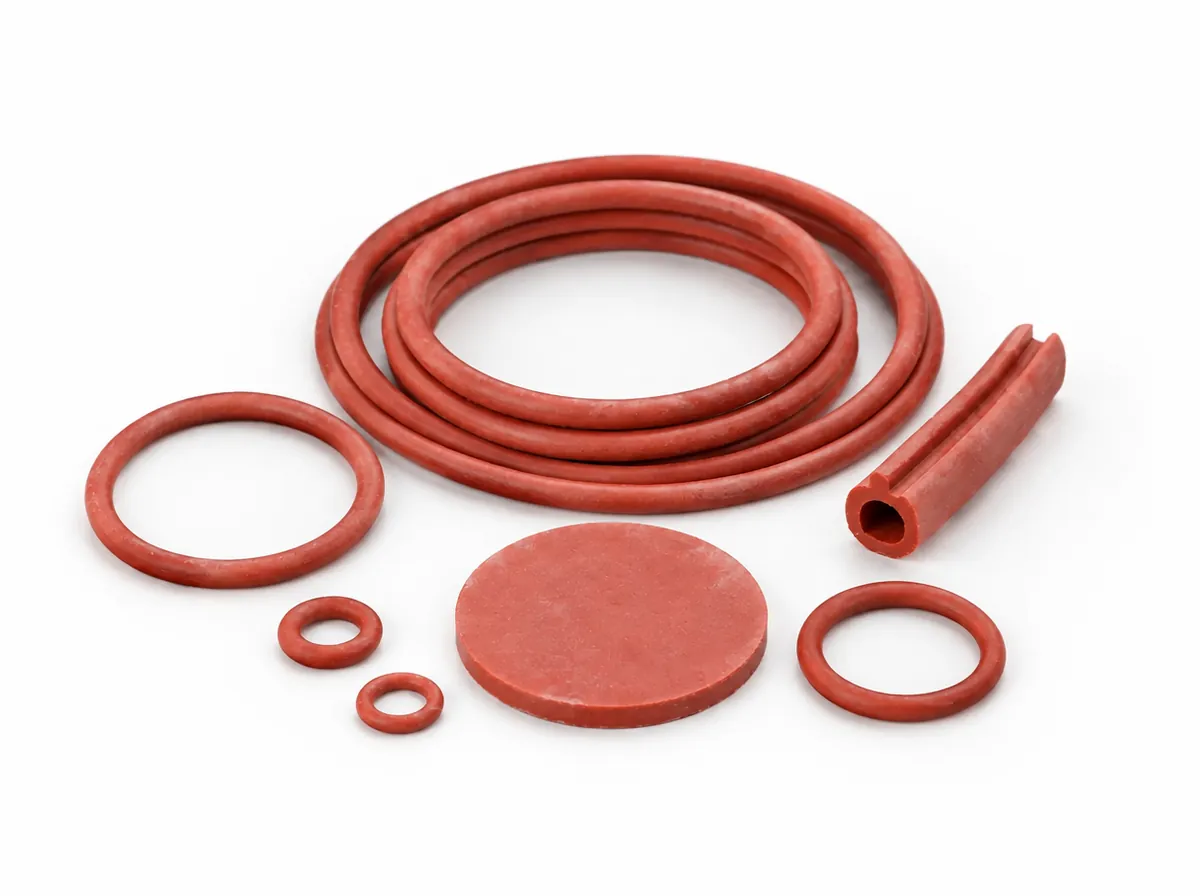
High-temperature elastomers such as FKM (Viton®) and silicone are suitable for applications with moderate thermal requirements:
-
Temperature range: Up to 300 °C (FKM) and 250 °C (silicone).
-
Outstanding flexibility: Elastomers offer strong resilience and are ideal for dynamic sealing systems.
-
Chemical resistance: FKM is resistant to oils, fuels and chemicals, while silicone is suitable for applications with high hygiene requirements.
-
Applications: Automotive industry, aerospace and food processing.
6. Criteria for choosing the right material
The choice of the right material for heat-resistant flat seals depends on several factors:
-
Operating temperature: What is the maximum temperature reached?
-
Chemical exposure: Which chemicals come into contact with the seal?
-
Mechanical load: Which compressive and tensile forces must the seal withstand?
-
Flexibility: Is high resilience or compressibility required?
-
Cost: What is the budget for the sealing solution?
By analysing these parameters in detail, engineers can make the optimum choice of material and maximise the efficiency of their systems.
Conclusion
Heat-resistant flat seals are indispensable components in numerous industries. Graphite, ceramic fibres, PTFE, metal-reinforced seals and high-temperature elastomers each offer specific advantages for different applications. While graphite and ceramic fibres are preferred for extreme temperatures, PTFE and elastomers score with chemical resistance and flexibility. The choice of material should always be based on the individual requirements of the application in order to ensure maximum efficiency and safety.