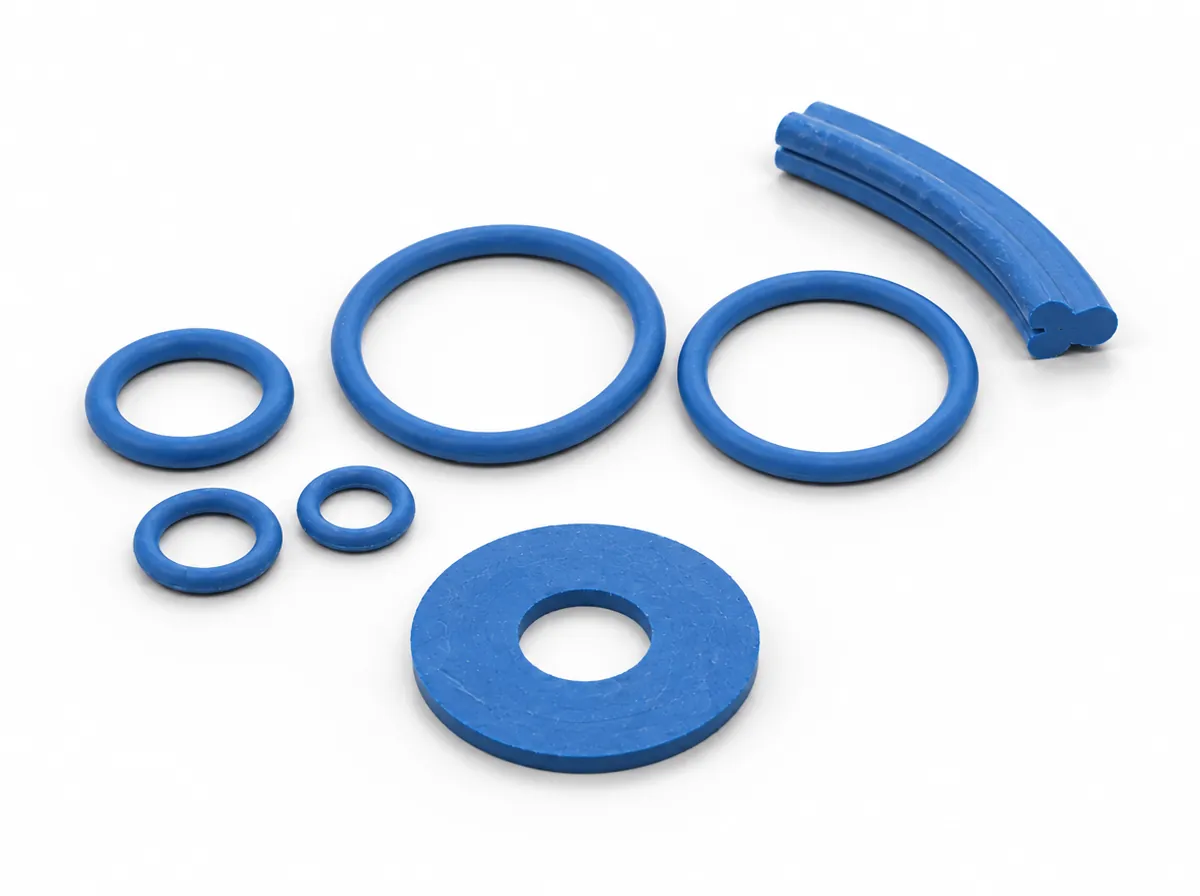
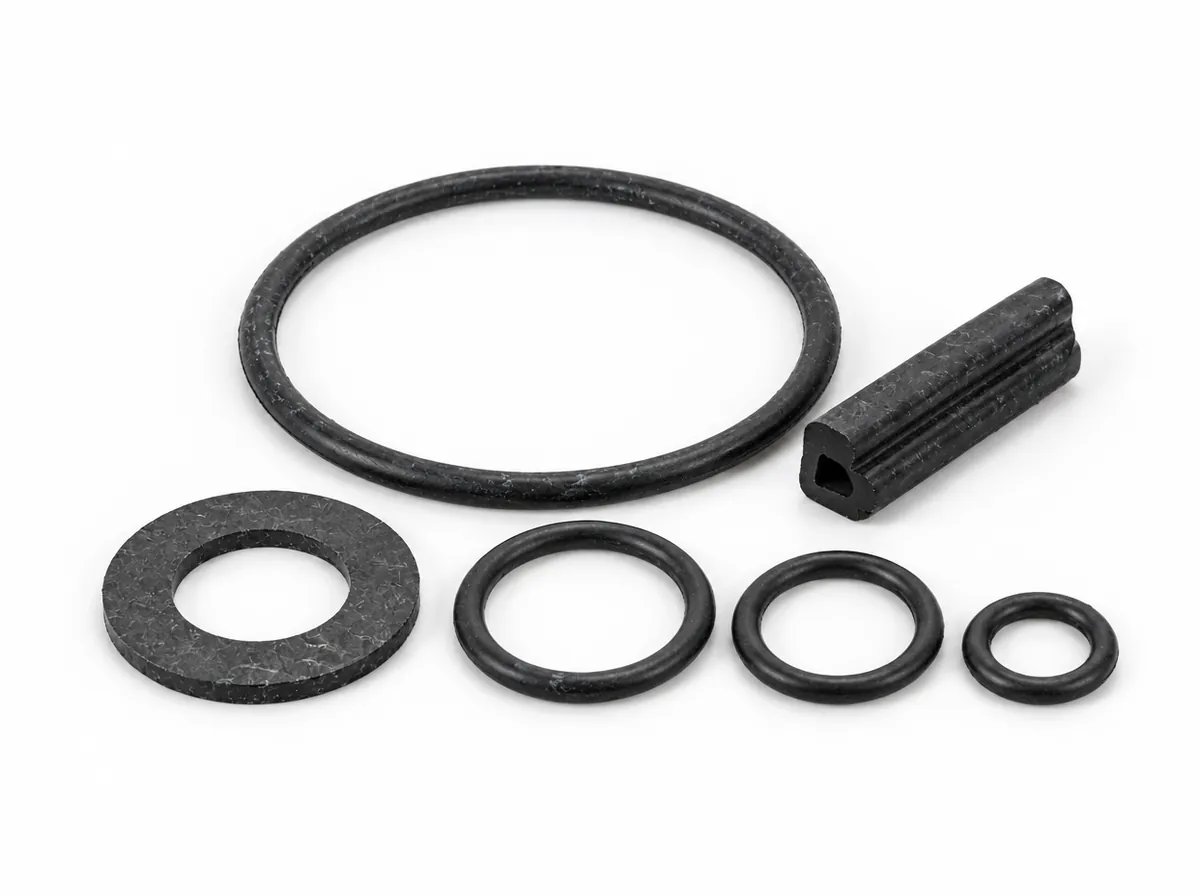
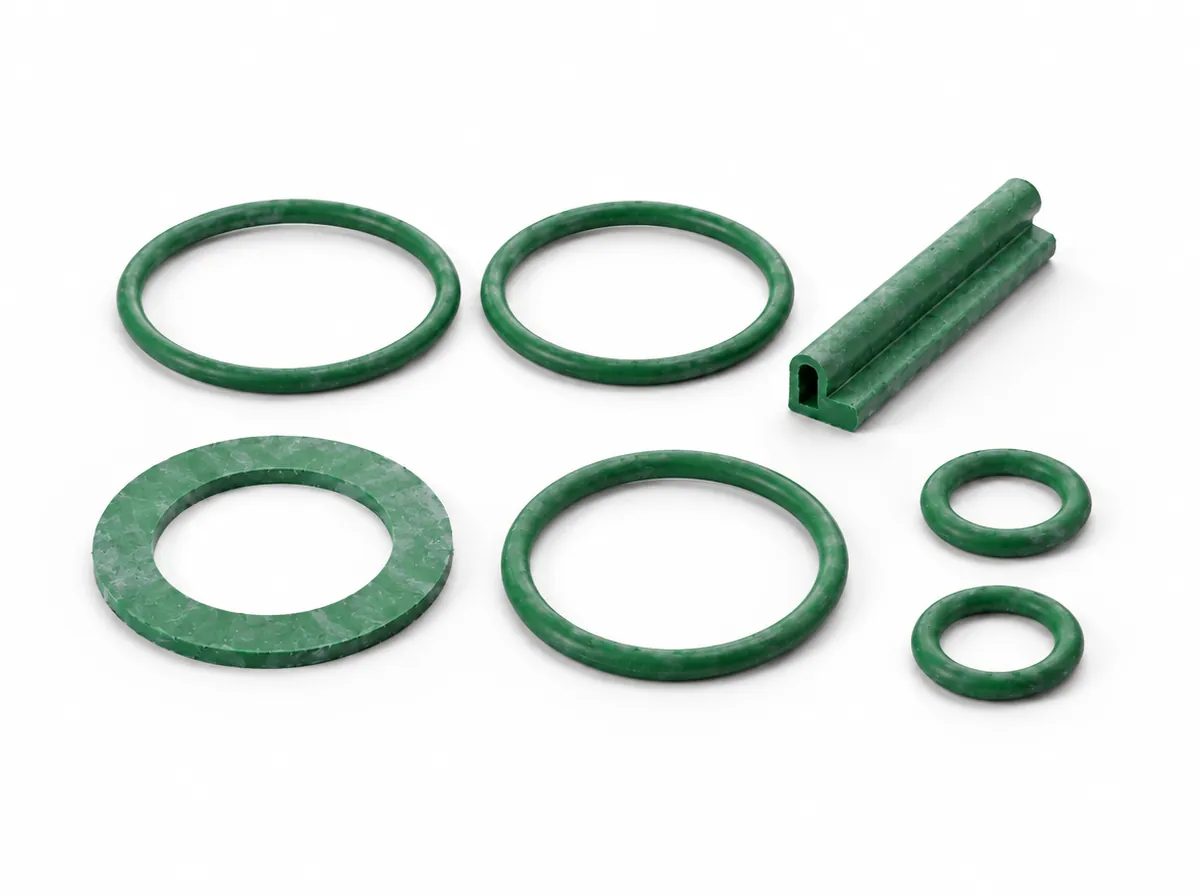
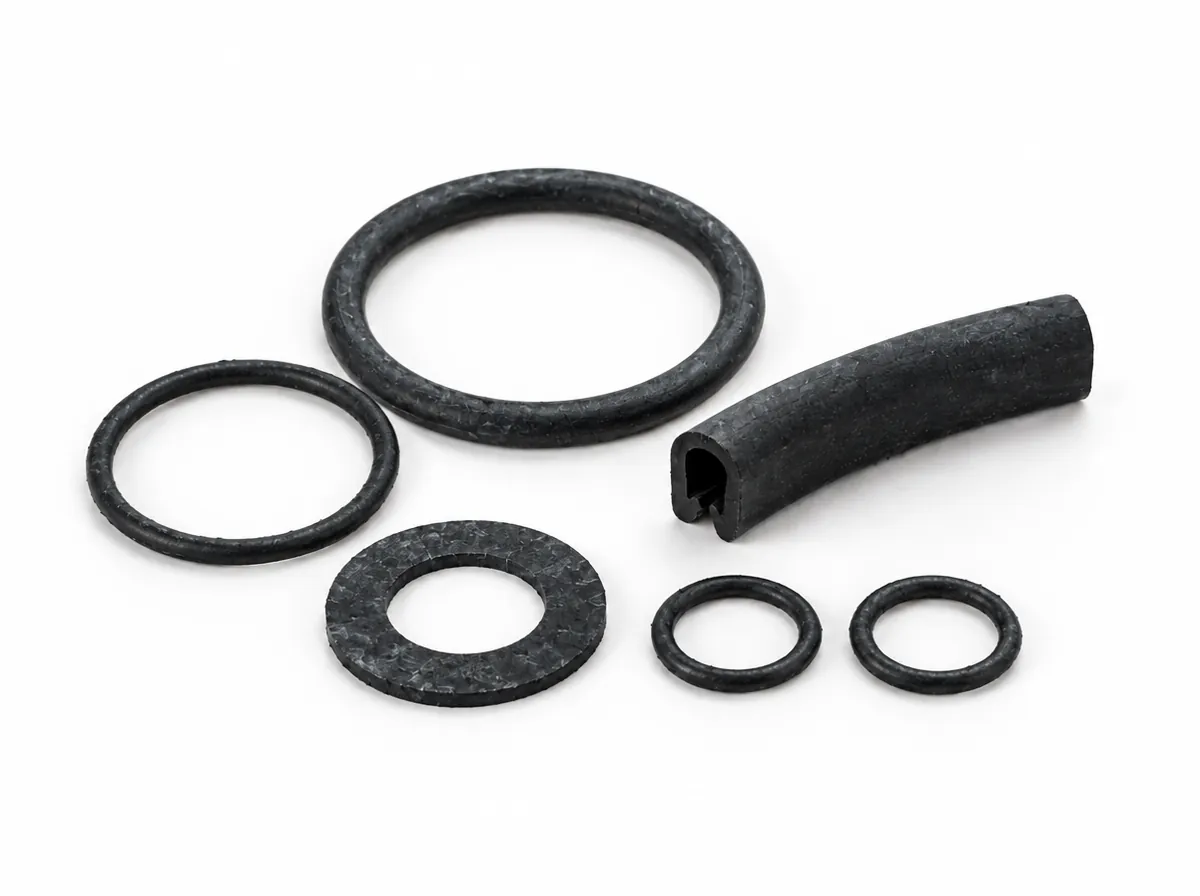



The new KTW-BWGL (the German Environment Agency’s (UBA) evaluation criteria for plastics and other organic materials in contact with drinking water) came into force on 1 July 2026 and brings changes above all for elastomers (rubber) and TPE.
From this date, the annexes for elastomers and TPE are legally binding.
1) Previously valid on the basis of the old ELL
- The UBA Elastomer Guideline
- In some cases older compounds and formulations
- Various transitional arrangements
New since 1 July
New evaluations, divided into
- Elastomers to KTW-BWGL Annex D
- TPE to KTW-BWGL Annex E
2) Stricter positive lists for compounds and formulations
A blanket statement such as the previous “EPDM is suitable for drinking water applications” is no longer sufficient in this form.
A more detailed breakdown now applies:
- Type of polymer
- Fillers
- Plasticisers
- Crosslinking agents
- Additives
- Various processing aids
The substances used must be included in the currently approved lists.
3) New, fixed test requirements
Elastomers / compounds
- Migration of organic substances
- Classification of odour and taste and how they are affected
- Formulation review
- Microbial growth
Component testing
- Migration testing to DIN EN 12873-1
- Odour / taste to DIN EN 1420
- Microbial growth to DIN EN 16421 (formerly DVGW W270)
4) New rules and requirements for seals in drinking water applications
- New material tests and releases
- Proof of conformity
- Complete traceability of the compound
5) Clear designation of materials and compounds
Example: elastomers
- Previously: “EPDM 70 KTW black”
- New: “EPDM 70° Shore black according to positive list KTW-BWGL Annex D”
Example: TPE
- Previously: “TPE-S 70 black KTW”
- New: “TPE-S Dryflex 70° Shore black according to positive list KTW-BWGL Annex E”
The new KTW-BWGL turns a simple material approval into a stricter, formulation- and product-related drinking water assessment. For elastomer and TPE seals, manufacturers must update their compounds and supporting evidence.
Feel free to ask us: we will advise you on the possible designs.