

Glossary of elastomer processing
Rubber lining
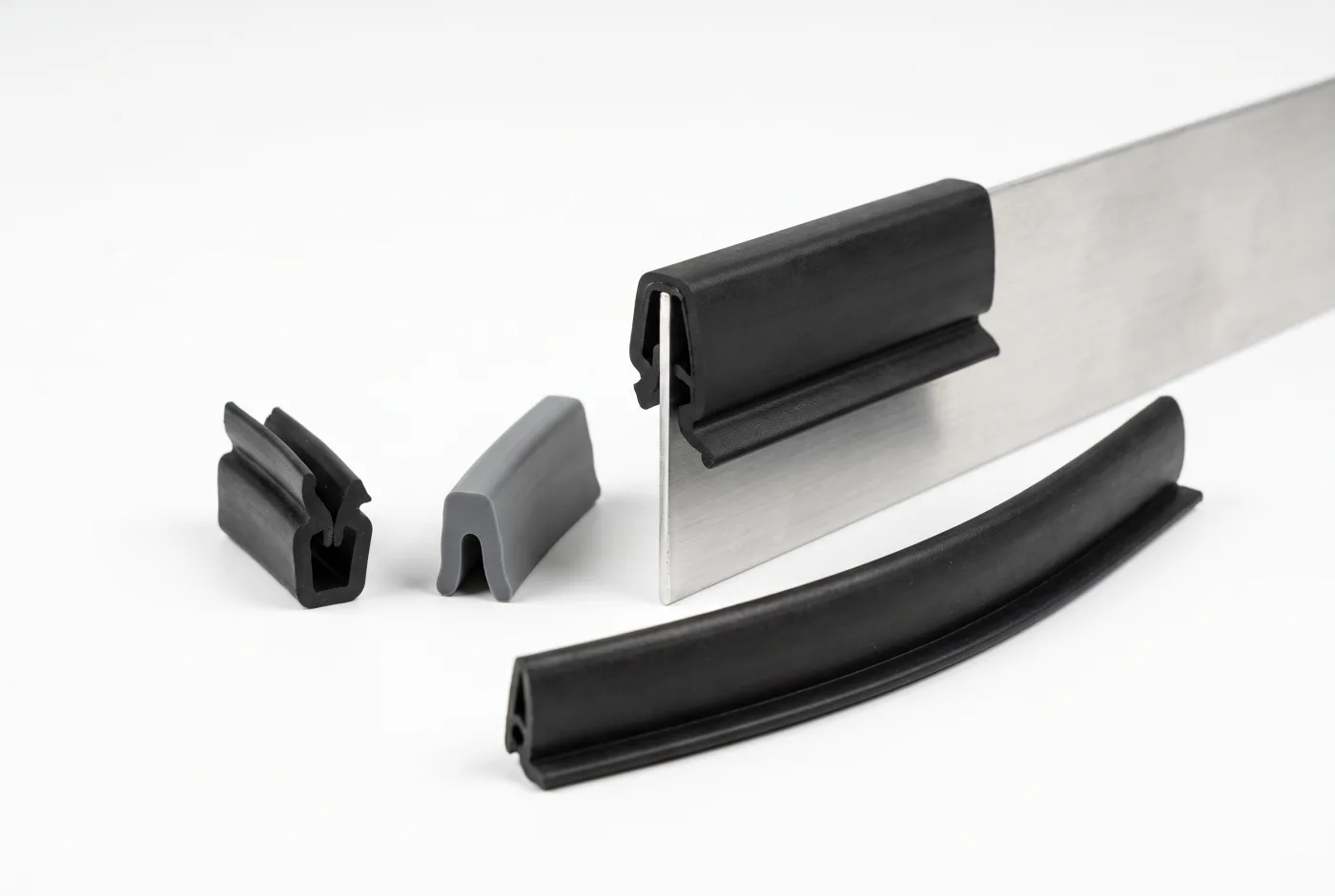
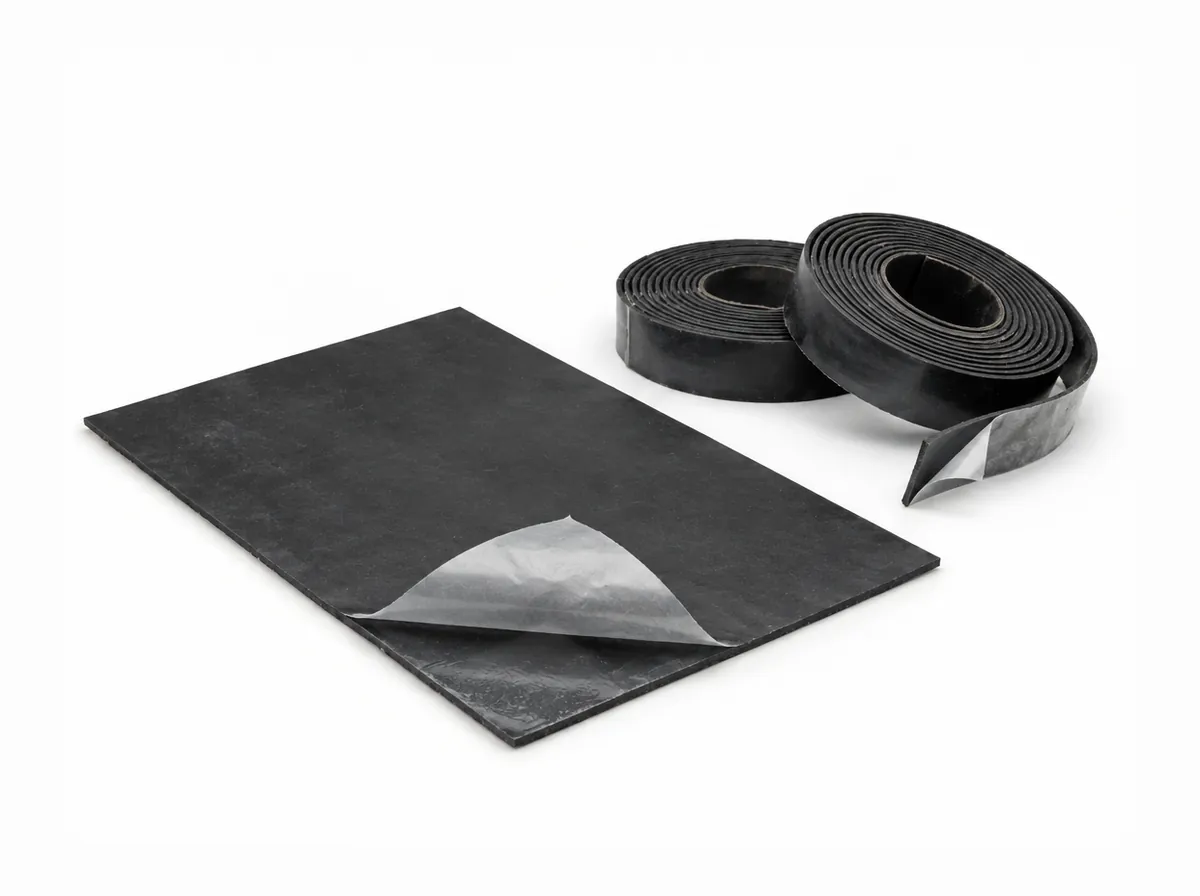
Rubber lining refers to the application of a layer of rubber to surfaces such as metal, plastic or textiles. It provides protection against wear, corrosion, chemicals and mechanical stress. Rubber linings are widely used in industry, particularly in chemical processing, mechanical engineering and conveyor technology, to improve the durability and functionality of components.
Rubber linings offer a wide range of functions that increase the protection and performance of components:
-
Corrosion protection: protects metal surfaces against rust and chemicals.
-
Abrasion resistance: reduces wear caused by friction or contact with abrasive materials.
-
Elasticity and shock absorption: absorbs shocks and vibrations to prevent damage.
-
Chemical resistance: withstands aggressive substances such as acids, alkalis or oils.
-
Slip resistance: improves the grip of surfaces.
Rubber lining is carried out using various processes, depending on the type of base material and the requirements of the application:
| Process | Description | Typical applications |
|---|---|---|
| Spray lining | Application of liquid rubber by spraying, often for smaller areas. | Tool handles, coatings |
| Roller lining | Application of prefabricated rubber sheeting to cylindrical or flat surfaces. | Conveyor rollers, tanks |
| Vulcanised rubber lining | Application of raw rubber and vulcanisation for chemical crosslinking. | Corrosion protection in chemical plants |
| Dip coating | Immersing the component in a rubber solution for an even coating. | Coatings for small components |
The choice of rubber material depends on the specific requirements. Commonly used rubber types are:
| Material | Properties | Typical applications |
|---|---|---|
| EPDM | High resistance to UV radiation, ozone and chemicals | Outdoor areas, tanks |
| NR (natural rubber) | High elasticity and abrasion resistance | Conveyor rollers, rollers |
| Neoprene (CR) | Weather and chemical resistance | Industrial plants, seals |
| NBR | Oil and fuel resistance | Machine parts, containers |
Rubber lining is indispensable in numerous industries, as it considerably improves the performance and durability of components.
Mechanical engineering
-
Protection against wear and mechanical stress.
-
Rubber-lined rollers for conveyor technology.
Chemical industry
-
Corrosion protection for containers, pipes and reactors.
-
Chemical-resistant linings.
Construction industry
-
Anti-slip coatings for stairs and floors.
-
Waterproofing for roofs and façades.
Automotive industry
-
Protective coatings for underbodies.
-
Rubberised seals and bumpers.
Rubber lining offers a wide range of advantages:
-
Protection against external influences: increases resistance to weathering, chemicals and mechanical stress.
-
Improved functionality: reduces abrasion and ensures stable operation.
-
Cost efficiency: extends the service life of components and reduces maintenance costs.
Despite the many advantages, there are also challenges:
-
Adhesion: the adhesion between the rubber and the base material must be carefully controlled.
-
Material selection: choosing the right type of elastomer requires specialist knowledge.
-
Process effort: some processes, such as vulcanisation, are time-consuming and costly.
| Feature | Rubber lining | Metal coating |
|---|---|---|
| Flexibility | High | Low |
| Resistance | Very good against abrasion and chemicals | Very good against corrosion |
| Costs | Medium | High |
| Typical applications | Conveyor technology, corrosion protection | Decorative coatings, rust protection |
-
Which materials are suitable for rubber lining? Metals such as steel or aluminium as well as plastics and textiles are typical substrates for rubber linings.
-
Is a rubber lining recyclable? Yes, rubber linings based on recyclable materials such as EPDM or NBR in particular can be recycled.
-
How is adhesion between the rubber and the substrate improved? Special bonding agents or primer layers optimise the bond between rubber and substrate.
-
Which processes are particularly durable? Vulcanised rubber linings offer high durability, especially under chemical and mechanical stress.
Rubber lining is an indispensable process in numerous industries, protecting components against external influences and extending their service life. Whether as corrosion protection in the chemical industry, abrasion protection in conveyor technology or as a shock-absorbing layer, rubber linings offer a wide range of solutions to technical challenges.
Questions about this term?
Our technical advice
Do you have a specific application or a question about elastomer processing? Talk to us, we will help you with material, process and approval.